There’s something undeniably magical about turning a page and coming face-to-face with a vibrant, full-color reproduction of a masterpiece you’ve only ever seen in dimly lit lecture halls or pixelated online thumbnails. For art history enthusiasts, students, and casual learners alike, color plates aren’t just nice-to-have additions—they’re essential windows into the artist’s original vision, revealing nuances of brushwork, color theory, and composition that monochrome simply cannot convey. The good news? Building a serious art history library filled with these visual treasures doesn’t require a trust fund or a museum curator’s salary.
The market for affordable art books has exploded in recent years, with publishers responding to growing public interest by producing high-quality volumes that balance visual richness with accessible price points. While it’s true that many exhibition catalogs and scholarly monographs can cost upwards of $60-$100, a surprising number of excellent titles featuring hundreds of color plates consistently retail under $30—if you know what to look for and where to find them. Understanding the mechanics of art book production, from paper weight to printing methods, empowers you to spot genuine value and avoid disappointing purchases that look good online but fall apart in your hands.
Top 10 Art History Books with Color Plates
Detailed Product Reviews
1. The Art Nouveau Style Book of Alphonse Mucha: All 72 Plates From “Documents Décoratifs” In Original Color (Dover Fine Art, History of Art)

Overview: This Dover volume compiles all 72 plates from Alphonse Mucha’s seminal “Documents Décoratifs,” preserving the original color schemes that defined the Art Nouveau movement. Published in 1902, Mucha’s reference book served as a style guide for decorative artists, and this edition makes these iconic designs accessible to modern audiences. The collection showcases his distinctive approach to ornamental patterns, floral motifs, and ethereal female figures that became synonymous with fin-de-siècle elegance.
What Makes It Stand Out: Dover’s commitment to faithful reproduction ensures each plate retains the subtle color variations and intricate details of Mucha’s original lithographs. Unlike digital reproductions that often flatten tones, this printing captures the nuanced palettes and delicate line work. The plates encompass a comprehensive range of decorative applications—from jewelry and wallpaper to furniture and architectural elements—providing authentic source material for designers, artists, and historians seeking genuine Art Nouveau inspiration.
Value for Money: At under $18, this represents exceptional value for a specialized art monograph. Comparable Mucha collections typically retail for $30-40, making this an affordable entry point for students and enthusiasts. Dover’s paperback format sacrifices some durability but delivers the essential content without premium pricing, ideal for those prioritizing visual reference over archival quality.
Strengths and Weaknesses: Pros: Authentic color fidelity; comprehensive plate collection; affordable price point; excellent for design reference Cons: Paperback binding limits longevity; minimal textual context; plates printed on both sides of pages
Bottom Line: An essential resource for Art Nouveau devotees and graphic designers seeking authentic period references. While not a luxury edition, its faithful reproductions and unbeatable price make it indispensable for visual research.
2. Bright Earth: Art and the Invention of Color

Overview: This scholarly work explores the fascinating intersection of chemistry, commerce, and creativity in the history of artistic pigments. Tracing color’s evolution from prehistoric ochres to synthetic modern hues, the book reveals how material availability shaped artistic movements. It examines the global trade networks, scientific discoveries, and technological innovations that brought vivid blues, purples, and reds to artists’ palettes, fundamentally transforming visual expression.
What Makes It Stand Out: The author masterfully weaves technical science with art history, making complex pigment chemistry accessible without oversimplification. Unique narratives emerge—how ultramarine’s cost rivaled gold, why certain greens were literally poisonous, and how accidental discoveries revolutionized Impressionism. The book connects specific pigments to iconic masterpieces, showing how material constraints directly influenced composition and style, offering readers a fresh lens for understanding canonical works.
Value for Money: Priced at $25, this moderately expensive paperback delivers substantial intellectual depth comparable to academic texts costing twice as much. It serves dual purposes: as an engaging read for general art lovers and a reference for practicing artists. The investment pays dividends in enhanced appreciation of museum visits and informed material choices for contemporary painters seeking historical authenticity.
Strengths and Weaknesses: Pros: Compelling interdisciplinary approach; well-researched historical anecdotes; enhances art appreciation; accessible scientific explanations Cons: Limited color plates (ironically); dense text may overwhelm casual readers; focuses primarily on Western art
Bottom Line: A must-read for artists, art historians, and curious museum-goers fascinated by the material origins of creativity. Its unique perspective justifies the price, though visual learners may wish for more illustrations.
3. Art: The Definitive Visual Guide (DK Definitive Cultural Histories)

Overview: DK’s comprehensive survey spans 30,000 years of global art history in a single substantial volume. Organized chronologically, this visual encyclopedia covers major movements, key artists, and iconic works from prehistoric cave paintings to contemporary installations. The publisher’s signature design integrates high-quality reproductions with concise timelines, contextual photographs, and clear explanatory text, creating an immersive educational experience for readers at any knowledge level.
What Makes It Stand Out: The book’s true strength lies in its unparalleled visual organization. Each spread meticulously maps artistic developments across cultures simultaneously, revealing unexpected connections between disparate civilizations. The generous full-page reproductions maintain exceptional color accuracy and detail, while cut-out views highlight compositional techniques. Unique “artist profiles” and “technique” sidebars provide accessible entry points, making complex art historical concepts immediately comprehensible through strategic visual storytelling.
Value for Money: At $50, this represents significant but justified investment. Comparable comprehensive art surveys from Taschen or Phaidon often exceed $75, while DK delivers similar production quality with superior pedagogical design. The book functions as a complete introductory course, coffee table centerpiece, and ongoing reference tool, effectively replacing multiple specialized volumes and offering lasting value for students, educators, and collectors.
Strengths and Weaknesses: Pros: Exhaustive chronological scope; superior visual design; excellent color reproduction; global perspective; educational features Cons: Heavy and bulky; text summaries necessarily brief; premium price; not ideal for deep scholarly research
Bottom Line: The ultimate single-volume art history reference for visual learners and families. Its encyclopedic scope and brilliant design justify the cost, though specialists may prefer focused monographs.
4. William Blake’s Divine Comedy Illustrations: 102 Full-Color Plates (Dover Fine Art, History of Art)
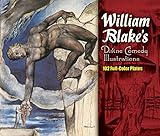
Overview: This collection presents William Blake’s complete series of illustrations for Dante’s Divine Comedy, comprising 102 watercolors that represent the artist’s visionary final project. Created between 1824 and 1827, these works showcase Blake’s unique fusion of mystical spirituality and technical innovation. The plates capture his distinctive linear style and symbolic color application, offering insight into how one Romantic master interpreted medieval epic poetry through his personal cosmology.
What Makes It Stand Out: Dover’s edition provides rare comprehensive access to a cohesive body of work typically scattered across academic catalogs. The chronological arrangement follows Dante’s narrative journey, allowing readers to experience Blake’s visual storytelling as intended. The reproductions maintain the ethereal quality of Blake’s watercolors, preserving the subtle washes and intricate pen work that define his late style. This sequential presentation reveals his evolving interpretation of Dante’s text, making it invaluable for understanding Blake’s creative process.
Value for Money: At $21.51, this specialized collection offers remarkable affordability. Individual Blake catalogs often cost $40+, and museum publications exceed $60. While Dover’s paperback format prioritizes accessibility over luxury, the complete plate count and faithful color reproduction deliver scholarly value at a fraction of typical academic pricing, ideal for students of Romanticism and visionary art.
Strengths and Weaknesses: Pros: Complete 102-plate collection; faithful watercolor reproductions; chronological narrative flow; affordable Blake access Cons: Minimal critical commentary; paperback durability concerns; some plates span the gutter
Bottom Line: An essential visual companion for Blake scholars and Dante enthusiasts. Though modest in presentation, its comprehensive content and faithful reproductions make it unbeatable for studying this pivotal series.
5. Eighteenth-Century French Fashion Plates in Full Color: 64 Engravings from the “Galerie des Modes,” 1778-1787

Overview: This Dover compilation reproduces 64 hand-colored engravings from the prestigious “Galerie des Modes,” the definitive fashion periodical of pre-Revolutionary France. These plates document the elaborate costumes, accessories, and hairstyles worn by French aristocracy during fashion’s most opulent decade. Each engraving serves as both artistic artifact and historical document, revealing the intricate relationship between clothing, social status, and political identity on the eve of the Revolution.
What Makes It Stand Out: The collection captures the rare intersection of fine art and social history, with each plate meticulously hand-colored using period-appropriate techniques. The engravings showcase not just garments but the complete aesthetic world of the Ancien Régime—powdered coiffures, embroidered silks, and decorative swords. Unlike modern fashion illustrations, these plates served as trend reports for an elite audience, making them primary sources for understanding material culture, luxury trades, and the visual language of power in 18th-century France.
Value for Money: At $16.35, this is an extraordinary bargain for primary source material. Original “Galerie des Modes” volumes command thousands at auction, and even limited scholarly reproductions typically cost $50+. Dover makes these essential historical documents accessible to costume designers, historians, and fashion enthusiasts without compromising the visual detail necessary for serious study or period recreation.
Strengths and Weaknesses: Pros: Authentic period source material; excellent color fidelity; historical documentation value; unbeatable price Cons: No modern commentary; plates vary in condition; limited context for non-specialists; paperback only
Bottom Line: Invaluable for costume designers and French history buffs seeking authentic period references. Its archival significance and rock-bottom price make it a no-brainer addition to any fashion history library.
6. Goble’s Fairy Tale Illustrations: 86 Full-Color Plates (Dover Fine Art, History of Art)

Overview: Warwick Goble’s enchanting illustrations defined early 20th-century fairy tale imagery. This Dover collection presents 86 full-color plates showcasing his delicate watercolors for classics like “The Water Babies” and “Green Willow.” Printed on quality stock, it captures the ethereal quality of his Art Nouveau-influenced work, making these timeless illustrations accessible to modern audiences without compromising their dreamlike beauty.
What Makes It Stand Out: Goble’s unique fusion of European fairy tale tradition with Japanese woodblock aesthetics creates dreamlike compositions rarely seen in contemporary illustration. His mastery of watercolor translucency and intricate detailing brings supernatural elements to life. The collection spans his career highlights, offering unprecedented access to works previously scattered across rare early editions that would cost hundreds to acquire individually.
Value for Money: At $15.92, this volume delivers exceptional value, averaging less than 19 cents per plate. Comparable art books often exceed $30 for similar content. Dover’s commitment to affordable art education shines here, providing museum-quality reproductions without the premium price tag, making it ideal for students, artists, and collectors on a budget who refuse to compromise on visual quality.
Strengths and Weaknesses: Strengths include comprehensive curation, faithful color reproduction, and durable binding perfect for frequent reference. The plates maintain crisp detail suitable for study. Weaknesses involve minimal contextual text—brief captions replace scholarly essays. Paper quality, while good, isn’t archival museum-grade, and some plates appear slightly cropped from original full-bleed designs, slightly diminishing their immersive quality.
Bottom Line: An essential acquisition for illustration enthusiasts and fairy tale devotees. Despite minor limitations, the sheer volume of high-quality reproductions at this price point makes it irresistible. Perfect for creative inspiration or nostalgic enjoyment.
7. The Complete “Masters of the Poster”: All 256 Color Plates from “Les Maîtres de l’Affiche” (Dover Fine Art, History of Art)

Overview: This definitive Dover volume reproduces all 256 color plates from the legendary “Les Maîtres de l’Affiche” series, documenting the golden age of poster art (1895-1900). Featuring iconic works by Toulouse-Lautrec, Mucha, and Chéret, this collection captures the birth of modern advertising design in stunning chromolithographic detail that revolutionized commercial aesthetics and defined Art Nouveau’s public face.
What Makes It Stand Out: The comprehensiveness is unmatched—this single volume contains the entire original series previously available only through expensive individual installments or specialized libraries. Each plate represents a reduced-format but faithful reproduction of masterpieces that transformed street advertising into high art. It’s an unprecedented archival resource for understanding how graphic design evolved into a professional discipline.
Value for Money: At $29.40 for 256 plates, you’re paying roughly 11 cents per iconic artwork. Original “Maitres” prints command thousands individually, while comparable scholarly volumes cost $75+. For graphic designers, art historians, and collectors, this represents an unparalleled archival resource at an accessible price point that makes serious art history democratically available.
Strengths and Weaknesses: Strengths include exhaustive completeness, excellent color fidelity, and historical significance. The collection serves as both visual feast and academic reference. Weaknesses include reduced scale that may lose some detail, binding that can be tight initially making pages difficult to lay flat, and introductory text that is brief given the wealth of visual material, leaving some historical context unexplored.
Bottom Line: A monumental value for anyone interested in poster art history. The minor presentation flaws pale against the breadth of content. This belongs on every graphic designer’s and art lover’s bookshelf as a foundational reference.
8. Caravaggio: 75 Colour Plates

Overview: This focused volume presents 75 of Caravaggio’s most significant paintings in full-color reproductions, capturing the Baroque master’s revolutionary use of chiaroscuro and psychological realism. From “The Calling of St. Matthew” to “David with the Head of Goliath,” the collection traces his turbulent career and artistic evolution, presenting his raw, dramatic vision without academic interference.
What Makes It Stand Out: Unlike scholarly tomes burdened with academic prose, this book lets Caravaggio’s dramatic lighting and raw human emotion speak directly to viewers. The selected plates emphasize his groundbreaking naturalism and theatrical compositions. It’s a visceral introduction to an artist who changed Western painting, unmediated by excessive commentary that might dilute his powerful visual impact.
Value for Money: Priced at $21.57, this offers solid mid-range value. While not as cheap as Dover’s public domain collections, it provides better print quality than budget alternatives. Comparable Caravaggio monographs with similar reproduction quality typically retail for $35-50, making this an intelligent compromise for serious students and enthusiasts seeking quality without luxury pricing.
Strengths and Weaknesses: Strengths include sharp image clarity that reveals Caravaggio’s impasto technique and nuanced shadow play. The selection covers his major works comprehensively. Weaknesses include paper quality that is adequate but not luxurious, minimal biographical context for newcomers, and some darker paintings that lose subtle detail in reproduction. The binding feels utilitarian rather than premium.
Bottom Line: An excellent study tool for art students and a worthy addition to any Renaissance art collection. For those seeking Caravaggio’s essence without academic overhead, this delivers powerful imagery at a reasonable price.
9. The Book of Kells: Selected Plates in Full Color

Overview: This compact Dover edition showcases selected plates from the 9th-century Irish masterpiece, offering full-color reproductions of intricate Celtic illuminations. Featuring the most celebrated pages—including the Chi Rho monogram—the book provides accessible entry into medieval manuscript art’s pinnacle, capturing the monks’ extraordinary detail and symbolic complexity in a portable, affordable format.
What Makes It Stand Out: The Book of Kells represents Western civilization’s most ornate manuscript, and this edition democratizes access to its breathtaking artistry. The plates reveal microscopic details of interlaced animals, geometric patterns, and vivid pigments that defined the Insular art style. It’s a portable alternative to expensive museum catalogs or limited academic editions that typically cost twenty times more.
Value for Money: At just $6.08, this is extraordinary value—practically a giveaway for such culturally significant imagery. Similar publications cost $20-30. For students of medieval art, calligraphers, or Celtic heritage enthusiasts, the price-to-content ratio is unbeatable, making it an ideal introductory volume or gift that removes financial barriers to art appreciation.
Strengths and Weaknesses: Strengths include affordability, faithful color matching to the original manuscript’s vibrancy, and sharp resolution of minute details. The selection covers the most iconic pages. Weaknesses include being “selected plates” rather than comprehensive, some pages that feel cramped due to the book’s small format, and a brief introduction that leaves readers wanting more historical context about the manuscript’s creation.
Bottom Line: An absolute must-have despite its limitations. The negligible cost makes it essential for anyone drawn to medieval art or Celtic design. Perfect for casual appreciation or detailed study of illumination techniques.
10. The Arthur Rackham Treasury: 86 Full-Color Illustrations (Dover Fine Art, History of Art)

Overview: Arthur Rackham’s whimsical yet haunting illustrations defined the golden age of children’s book art. This Dover collection features 86 full-color plates from classics like “Peter Pan in Kensington Gardens” and “A Midsummer Night’s Dream,” showcasing his signature pen-and-ink fused with watercolor technique that continues influencing fantasy art and modern illustration a century later.
What Makes It Stand Out: Rackham’s ability to blend Victorian sensibility with emerging Art Nouveau creates timeless illustrations that feel simultaneously nostalgic and fresh. His gnarled trees, delicate fairies, and expressive characters set the visual standard for fairy tale illustration. This treasury captures his peak period works in one comprehensive, affordable volume that serves as both archive and inspiration.
Value for Money: At $17.95 for 86 plates, the value is excellent—approximately 21 cents per illustration. Original Rackham editions cost hundreds, while similar collections retail for $30-40. Dover’s edition provides professional artists and fans with high-quality reference material without the collector’s premium, ideal for both serious study and pure aesthetic enjoyment.
Strengths and Weaknesses: Strengths include excellent color accuracy preserving Rackham’s muted yet magical palette, crisp line work reproduction, and smart curation spanning his most beloved works. The binding withstands repeated browsing. Weaknesses include plates that vary slightly in size due to source material, some backgrounds that appear flattened in print, and accompanying text that is minimal, focusing solely on images without deeper artistic analysis.
Bottom Line: Indispensable for fantasy artists, children’s literature collectors, and Rackham admirers. The quality and breadth make it a bargain. This treasury belongs in any serious illustration library as both reference and inspiration.
Why Color Plates Are Non-Negotiable for Art History Enthusiasts
Color plates serve as the bridge between textual analysis and visual understanding. When studying Caravaggio’s chiaroscuro technique or the subtle color gradations in a Monet cathedral series, seeing accurate reproductions isn’t just helpful—it’s fundamental to comprehension. The human brain processes visual information 60,000 times faster than text, making these plates the primary vehicle through which art history truly comes alive.
The Science Behind Color Accuracy
True color fidelity relies on more than just high-resolution images. The CMYK printing process must be meticulously calibrated to match the original artwork’s spectral data, a process that becomes exponentially more complex when reproducing oil paintings with layered glazes or frescoes with mineral-based pigments. Books that invest in multiple color separations and dedicated press checks deliver plates where the burnt sienna in a Renaissance portrait actually looks like burnt sienna, not mud.
How Plate Count Impacts Learning
A volume with 50 carefully selected plates tells a fundamentally different story than one with 500. The former might offer deep dives into specific works with comparative details, while the latter provides comprehensive visual documentation. For under $30, you’ll typically find books with 80-200 plates—a sweet spot that balances breadth with production quality. Anything fewer might feel sparse; anything more often signals compromised image sizes or paper quality at this price point.
Decoding the $30 Price Point: What’s Realistic?
The sub-$30 category represents a fascinating intersection of mass-market publishing and scholarly ambition. Publishers achieve this price through strategic decisions: printing in China or Italy where specialized art presses operate at scale, using slightly lighter paper stock, or timing releases to coincide with major exhibitions that subsidize production costs.
Understanding Art Book Economics
A typical $25 art history book might have a production cost of $6-$8, leaving room for distribution, retail markup, and modest profit. The secret lies in print runs—titles produced in batches of 10,000+ units spread fixed costs (design, color correction, licensing) across enough copies to keep per-unit prices low. Museum partnerships also help, as institutions often underwrite image licensing fees in exchange for promotional value.
The Used Market Goldmine
The real treasure trove for under-$30 color plate books exists in the secondary market. Former library copies, remaindered stock, and personal collections being downsized frequently contain out-of-print gems with superior production values to current titles. A book that retailed for $45 in 2010 might show up in excellent condition for $12 today, its plates still vibrant because it was printed on acid-free paper.
Paper Quality: The Foundation of Visual Fidelity
Paper isn’t just a passive carrier for ink—it’s an active participant in how color is perceived. The substrate’s brightness, opacity, and coating directly affect ink holdout and reflectance, determining whether that Vermeer blue leaps off the page or sinks into a murky gray.
GSM and Why It Matters
Grams per square meter (GSM) indicates paper weight and, indirectly, quality. In the sub-$30 category, you’ll encounter stocks ranging from 90 GSM (thin, slightly translucent) to 150 GSM (substantial, opaque). For color plates, aim for 115 GSM or higher to prevent show-through from preceding pages. Heavier paper also lies flatter, reducing gutter loss—the frustrating phenomenon where images disappear into the binding crease.
Coated vs. Uncoated Paper
Coated papers (gloss, satin, matte) receive a clay-based treatment that smooths the surface and prevents ink absorption, resulting in sharper details and more saturated colors. Most color plate books use coated stock for image sections and uncoated for text pages—a cost-effective hybrid approach. Watch for “art paper” or “plate paper” mentions in descriptions, which typically indicate coated sections.
Printing Techniques That Make or Break Color Plates
The difference between a breathtaking plate and a mediocre one often comes down to printing technology. Understanding these methods helps you decode product descriptions and set realistic expectations for what your budget can achieve.
Offset Lithography vs. Digital Printing
True art books use sheet-fed offset lithography, where each sheet passes through the press individually, allowing for precise color control and heavier ink coverage. Digital printing, common in print-on-demand titles, applies toner rather than ink and struggles with subtle color gradations. At under $30, most quality titles will be offset-printed in Asia or Eastern Europe where labor costs are lower but technical expertise remains high.
The Role of Color Separation
Sophisticated books use six-color or even eight-color printing (adding light cyan, light magenta, and special inks) to expand the achievable color gamut. While rare below $30, some titles achieve remarkable results through skilled four-color separation that maximizes the standard CMYK range. Look for phrases like “color separations by” followed by a company name—this indicates professional, manual color work rather than automated processing.
Binding Types and Durability
A book that falls apart after three readings renders its beautiful plates useless. Binding construction determines not just longevity but also how well the book opens flat for comfortable viewing.
Sewn vs. Glued Bindings
Sewn bindings, where signatures (folded groups of pages) are stitched together before being attached to the spine, allow books to open fully without cracking. Many affordable art books use “SMYTH sewing,” a hallmark of quality. Perfect binding (glue only) saves money but creates stiff spines that fight you during reading. Check descriptions for “sewn binding” or “signature binding”—worth seeking even if it means fewer plates overall.
Size, Format, and Reading Experience
Dimensions affect both visual impact and practicality. Oversized books deliver cinematic plate presentations but can be unwieldy and prone to spine stress. Standard trade sizes (around 7x10 inches) offer the best compromise for under-$30 titles, providing adequate image scale while remaining manageable.
Standard Sizes vs. Oversized Volumes
Books approaching 9x12 inches or larger often compromise on paper weight or binding quality to maintain price points. The “sweet spot” format—roughly 8.5x11 inches—allows for full-bleed plates (images extending to the page edge) that feel substantial without demanding coffee-table status. Consider your reading habits: will you be studying at a desk or reading in bed? This influences ideal weight and dimensions.
Publisher Categories and What They Signal
Not all art book publishers operate with the same priorities. Recognizing publisher types helps you quickly assess a book’s likely strengths and weaknesses without seeing it firsthand.
Museum Publishers vs. Trade Publishers
Museum-affiliated publishers (like those attached to major metropolitan museums) prioritize image quality and scholarly accuracy, often producing the best color plates regardless of price. They view books as institutional ambassadors rather than pure profit centers. Trade publishers (general commercial houses) may offer more engaging writing but sometimes compromise on production to hit aggressive price targets.
University Presses: The Hidden Gems
University presses frequently produce excellent art history titles under $30, subsidized by academic institutions and focused on educational value rather than commercial returns. Their books might have fewer plates but offer superior scholarly apparatus—detailed captions, provenance information, and comparative diagrams that enhance learning beyond mere visual spectacle.
New vs. Used: Strategic Decision Making
The new-used calculus shifts dramatically for art books. A pristine new copy guarantees untouched plates but might represent poorer value than a gently used alternative with superior original production values.
Red Flags for Used Art Books
When buying used, avoid listings mentioning “ex-library” unless they specify “no plates removed”—some institutions excise plates for separate archival storage. Check for “binding tight” (good) versus “binding cracked” (bad). Water damage creates wavy pages that distort images permanently. Sun-fading often affects spine-facing edges first, so request photos showing the book slightly open to reveal interior margins.
Library Editions: Pros and Cons
Library-bound books feature reinforced hinges and durable covers, making them excellent values. However, some have laminated plates that reduce color vibrancy, and many lack dust jackets, which often contain additional contextual information. Weigh durability against potential aesthetic compromises based on your priorities.
Edition Differences That Affect Value
Art history books frequently go through multiple editions, each with different production standards. A first edition isn’t always superior—in fact, later printings sometimes correct color issues or add newly discovered works.
Revised Editions vs. Reprints
Revised editions include updated scholarship and may replace plates with improved scans. Reprints simply reuse existing files, potentially perpetuating earlier color errors. Check the copyright page: if it lists multiple years (e.g., “First published 2015; Revised edition 2020”), you’re getting refreshed content. A single year with multiple numbers (“10 9 8 7 6 5 4”) indicates a straight reprint.
Where to Find Quality Art History Books Under $30
Strategic shopping multiplies your options exponentially. Beyond obvious retailers lie specialized sources where serious collectors and educators acquire their volumes.
Online Marketplaces
General e-commerce sites offer convenience but require careful filtering. Use search operators like “color plates,” “illustrated,” and “hardcover” together. Sort by “publication date” to find recent titles likely still in print. Check seller ratings specifically for book condition accuracy—art book buyers tend to be meticulous reviewers.
Brick-and-Mortar Strategies
Used bookstores in university towns often have art history sections filled with professor discards. These copies frequently include insightful marginalia. Remainder stores—outlets for unsold publisher stock—sell pristine $45 books for $15 or less. Visit these quarterly, as inventory rotates unpredictably.
Evaluating Books Sight Unseen
Online shopping demands detective skills. Product descriptions contain coded language that reveals more than sellers intend, if you know how to read it.
Reading Between the Lines of Product Descriptions
Phrases like “generously illustrated” or “profusely illustrated” suggest abundant plates but don’t guarantee quality. “32 pages of plates” indicates a dedicated insert section, often on different paper—this can be good (better stock) or bad (disrupts reading flow). “Integrated illustrations” means images appear throughout on text paper, which rarely does justice to color works.
The Importance of User-Uploaded Photos
When available, customer photos are more valuable than professional marketing images. They reveal true color balance, show how the book opens, and expose production flaws like misaligned spines or thin paper showing through. Look for reviews containing the phrase “photos don’t do it justice”—this often signals impressive real-world quality that cameras struggle to capture.
Building a Thematic Collection
Rather than buying randomly, strategic collectors develop focus areas that build upon each other, creating a library greater than the sum of its parts.
Chronological vs. Thematic Approaches
A chronological collection (prehistoric to contemporary) provides broad context but requires dozens of volumes to cover adequately at this price point. A thematic approach—focusing on, say, women artists or German Expressionism—allows deeper exploration with fewer books. Under $30 titles excel at thematic depth because specialized subjects justify smaller print runs while maintaining quality.
Focusing on Movements or Masters
Books dedicated to single artists often feature the best plates, as they can reuse the same high-quality images across multiple pages for details and contexts. Movement surveys must spread their budget across numerous artists, sometimes compromising plate size or count. If you’re drawn to specific painters, monographs deliver superior visual value per dollar.
Special Features That Enhance Value
Beyond plates themselves, certain editorial choices transform a good art book into an indispensable reference tool you’ll return to for years.
Commentary and Context
The best plates include adjacent text explaining what you’re seeing—technical details about medium, historical context about commission, or iconographic interpretation. Avoid “picture book” formats where captions merely identify title, date, and dimensions. Seek “extended captions” or “catalog entries” that treat each work as a mini-case study.
Glossary and Index Quality
A detailed index listing both artists and specific artworks enables you to use the book as a visual database. Quality glossaries define technical terms like “gouache” or “tempera grassa” with enough precision to be useful. These features distinguish serious scholarship from coffee-table fluff and maximize educational return on investment.
Digital Companions: When Physical Books Have Online Resources
Forward-thinking publishers now pair print books with digital archives. A $25 volume might include access to high-resolution zoomable images, supplementary videos, or updated research. This hybrid model extends the book’s lifespan and justifies modest plate quality in print by offering superior digital versions. Check back covers and introductions for website mentions or QR codes.
Caring for Your Color Plate Collection
Even modestly priced books become valuable resources when properly maintained. Simple preservation steps ensure your $30 investment delivers decades of visual education.
Storage Best Practices
Store books upright on shelves, never stacked horizontally, which stresses bindings. Keep them away from direct sunlight—UV radiation fades inks, with reds and yellows being most vulnerable. Maintain stable humidity between 30-50% to prevent paper from becoming brittle or moldy. If you must store books in boxes, use archival-quality ones and avoid attics or basements where temperature fluctuates dramatically.
Handling Techniques
Always wash hands before reading, as skin oils contain acids that yellow pages over time. Support the covers when opened to prevent spine cracking—never lay an opened book face-down. For double-page spreads, gently press near the gutter rather than forcing the book flat. Consider using book snakes (soft weights) to hold pages open during extended study sessions.
Frequently Asked Questions
What does “color plate” actually mean in publishing terms?
A color plate is a high-quality illustration printed separately from the main text, typically on coated paper optimized for image reproduction. Unlike standard page illustrations, plates undergo dedicated color correction and often use different printing processes to achieve maximum fidelity. In art books, they represent the visual core of the publication.
How can I tell if a book’s color plates will be accurate before buying?
Look for publisher reputation—museum and university presses prioritize accuracy. Check if the book lists a “color separation” company in the credits, indicating professional manual color work. Read reviews specifically mentioning color quality. Be wary of books where descriptions focus on quantity (“over 500 images!”) rather than production details.
Are hardcover art books always better than softcover at this price point?
Not necessarily. A $30 hardcover might cut corners on paper or binding quality to afford the rigid case, while a softcover could invest more in superior plates. However, hardcovers generally endure handling better. For frequently referenced titles, hardcover is worth seeking; for occasional reading, a well-made softcover with better plates may serve you better.
What’s the minimum number of color plates needed for a serious art history book?
It depends on scope. A monograph on a single artist needs at least 60-80 plates to show major works plus details. A movement survey covering multiple artists can be valuable with 40-50 plates if they’re well-chosen and large enough to study. Below 30 plates, the book functions more as illustrated text than visual reference.
Do remaindered books have lower quality plates?
Remaindered books are identical in quality to original editions—they’re simply unsold stock. However, check for remainder marks (ink stamps or slashes on page edges), which are cosmetic but affect collectibility. The plates themselves remain pristine, making remainders exceptional values for readers rather than collectors.
How important is paper coating for color plates?
Coating is crucial for image sharpness and color saturation. Uncoated paper absorbs ink, blurring fine details and muting colors. For studying brushwork, texture, and color relationships, coated stock (gloss, satin, or matte) is non-negotiable. Most quality art books use coated paper for dedicated plate sections, even in budget-conscious productions.
Can I find books on contemporary art with good plates under $30?
Contemporary art presents challenges—living artists and estates charge higher licensing fees, and recent exhibition catalogs rarely drop below $40. However, survey books covering multiple contemporary artists, or titles focusing on movements rather than individuals, sometimes hit the sub-$30 mark through institutional subsidies or larger print runs.
What’s the difference between “illustrations” and “plates” in product descriptions?
“Illustrations” includes everything from small sketches to decorative elements, often printed on text paper. “Plates” specifically denotes high-quality, usually full-page color reproductions on superior stock. A book claiming “200 illustrations” might have only 20 true plates; one advertising “100 plates” guarantees 100 dedicated color reproductions.
Should I prioritize plate size or plate count?
For visual learning, size often trumps count. A book with 50 full-page plates where you can see brushstrokes and details beats one with 200 postage-stamp images. Look for books where plates occupy at least half a page, with many full-page or bleeding off edges. Tiny images defeat the purpose of physical books versus digital catalogs.
How do I handle a book with plates inserted as separate sections?
Plate sections interrupt reading flow but usually signal better image quality, as they use dedicated paper stock. When studying, bookmark both the relevant text page and corresponding plate page to flip between them easily. Never force the section to lay flat—its heavier paper stresses the binding. Consider scanning or photographing key plates for side-by-side digital comparison while reading.