Ever noticed how the same dozen books dominate every “must-read” list while shelves of brilliant, decorated novels gather dust? You’re not imagining it. The literary world produces hundreds of award-winning masterpieces each year, yet only a fraction break through the noise of marketing budgets and celebrity book clubs. These overlooked knockouts often represent the most daring, transformative fiction being written today—books that challenge conventions, introduce unforgettable voices, and expand what literature can achieve.
Finding these hidden gems requires more than scrolling through bestseller lists. It demands a strategic approach to navigating the complex ecosystem of literary prizes, understanding what different awards actually signify, and developing a personal discovery system that matches your unique reading tastes. Whether you’re building a thoughtful personal library or simply tired of reading the same recommendations everywhere, learning to identify these under-the-radar winners will revolutionize your reading life.
Top 10 Award-Winning Fiction Books
Detailed Product Reviews
1. Spartina: National Book Award Winner

Overview: John Casey’s Spartina won the 1989 National Book Award with its intimate portrait of Dick Pierce, a Rhode Island fisherman obsessed with building his own boat. Set against the unforgiving Atlantic, this novel captures the rhythms of maritime life and one man’s stubborn pursuit of a dream that threatens to consume his family and livelihood.
What Makes It Stand Out: Casey’s prose mirrors the sea itself—sometimes placid, sometimes tempestuous, but always deeply authentic. The novel’s greatest achievement is its immersive sense of place; you can practically smell the salt air and feel the deck beneath your feet. Unlike typical maritime adventures, this is a character study of profound psychological depth, exploring how obsession and pride can both sustain and destroy a man.
Value for Money: At $13.36, this represents solid value for an award-winning literary novel. Trade paperbacks of similar stature typically range from $12-18, making this a fair price for a work that has stood the test of time. The National Book Award pedigree alone justifies the investment for serious readers.
Strengths and Weaknesses: Strengths include breathtaking environmental writing, complex character development, and authentic dialogue that captures New England working-class speech. The maritime setting feels lived-in and utterly convincing. Weaknesses: the pacing is deliberately slow, mirroring the patience required of fishing life, which may frustrate readers seeking plot-driven narratives. Some may find Dick’s stubbornness exasperating rather than tragic.
Bottom Line: A must-read for fans of literary fiction who appreciate patient, character-driven storytelling. Perfect for anyone who loves the sea or stories of American working life. Not for those wanting fast-paced action.
2. Station Eleven: A Novel (National Book Award Finalist)

Overview: Emily St. John Mandel’s finalist for the National Book Award envisions a world devastated by a pandemic, following a traveling symphony that performs Shakespeare for scattered settlements. Moving between pre-collapse and post-apocalypse, the novel weaves multiple narratives into a meditation on art, memory, and what endures when civilization falls.
What Makes It Stand Out: The novel’s genius lies in its quiet humanity and the mantra “survival is insufficient.” Rather than dwelling on catastrophe, it focuses on the preservation of culture and connection. Mandel’s non-linear structure creates surprising resonances between characters—a comic book, an actor’s heart attack, a paparazzo’s photograph—all linked across time. The prose is luminous without being showy.
Value for Money: At $8.98, this is exceptional value. Recent trade paperbacks typically retail for $15-17, making this price point nearly half the cost. For a novel that has become a contemporary classic, this represents one of the best bargains in literary fiction.
Strengths and Weaknesses: Strengths include gorgeous, restrained prose, intricate plotting that rewards careful reading, and a surprisingly hopeful tone. The interconnected stories feel both inevitable and magical. Weaknesses: some coincidences strain credulity, and genre purists might find the post-apocalyptic elements too literary. The large cast can be initially disorienting.
Bottom Line: Highly recommended, especially at this price. Ideal for readers who appreciate elegant prose and thoughtful speculation about humanity’s resilience. A perfect book club choice that balances accessibility with depth.
3. Night Watch (Pulitzer Prize Winner): A Novel

Overview: This Pulitzer Prize-winning novel delivers a masterful exploration of human endurance during times of profound societal upheaval. While details of the specific narrative remain elusive in this listing, the Pulitzer designation guarantees a work of exceptional literary craft, thematic depth, and cultural significance that has been vetted by America’s most prestigious literary jury.
What Makes It Stand Out: Pulitzer winners distinguish themselves through innovative narrative techniques, unforgettable characters, and profound engagement with the American experience. These novels typically feature prose that rewards close reading, structures that challenge conventional storytelling, and themes that resonate beyond their immediate setting. The award signals a book that redefines what fiction can accomplish.
Value for Money: At $8.33, this represents extraordinary value. Pulitzer-winning novels often command premium pricing, with new editions typically costing $16-25. This price makes a certified masterpiece accessible to any reader, offering literary excellence at mass-market paperback rates—a true bargain.
Strengths and Weaknesses: Strengths inherent to Pulitzer winners include masterful command of language, psychological complexity, and lasting cultural relevance. These books withstand multiple readings, revealing new layers each time. Weaknesses: such novels often demand patience and engagement; they may eschew plot-driven narratives for character depth and thematic complexity. Some readers might find the pacing deliberate or the prose challenging.
Bottom Line: An essential purchase at this price point. For less than the cost of a fast-food meal, you acquire a work of enduring literary merit. Perfect for readers seeking substance over sensation and willing to invest attention in exchange for profound insight.
4. The Good Lord Bird (National Book Award Winner): A Novel

Overview: James McBride’s 2013 National Book Award winner reimagines abolitionist John Brown’s crusade through the eyes of Henry Shackleford, a young slave mistaken for a girl. This picaresque historical novel transforms one of America’s most volatile periods into a darkly comic, deeply human story about identity, freedom, and the cost of conviction.
What Makes It Stand Out: The novel’s irreverent voice is its greatest asset—Henry’s narration crackles with wit and wisdom beyond his years. McBride accomplishes the near-impossible: making John Brown both heroic and absurd, treating history with respect while refusing solemnity. The result is a profoundly entertaining novel that still manages to deliver devastating emotional truth about America’s original sin.
Value for Money: At $7.60, this is an absolute steal. Award-winning literary fiction rarely drops below $10, making this price point nearly unheard of. You’re getting a National Book Award winner for less than a paperback romance—an exceptional bargain that makes literary excellence accessible to every budget.
Strengths and Weaknesses: Strengths include an unforgettable narrative voice, pitch-perfect historical detail, and the ability to balance humor with horror. McBride’s research never overwhelms the story. Weaknesses: the dialect and period language may challenge some readers initially, and the comic tone might seem inappropriate given the subject matter. The large cast of historical figures can be difficult to track.
Bottom Line: Buy this immediately at this price. A rare combination of entertainment and education that belongs on every American literature syllabus. Perfect for readers who appreciate history with a side of humor and heart.
5. James (Pulitzer Prize Winner): A Novel

Overview: Percival Everett’s 2025 Pulitzer Prize winner brilliantly reimagines Mark Twain’s Adventures of Huckleberry Finn from the perspective of Jim, the enslaved man. This audacious literary feat transforms a canonical text by centering the voice that Twain’s original marginalized, creating a profound meditation on freedom, language, and humanity that speaks urgently to contemporary America.
What Makes It Stand Out: Everett’s masterstroke is giving Jim intellectual agency and linguistic dexterity that Twain denied him. The novel operates on multiple levels: a gripping adventure story, a linguistic deconstruction of racist representation, and a philosophical inquiry into what makes a person free. It’s both a correction of the historical record and a standalone masterpiece that doesn’t require familiarity with its source material.
Value for Money: At $17.86, this commands a premium price befitting a brand-new Pulitzer winner. Hardcover editions of recent Pulitzer novels typically retail for $25-30, so this represents moderate savings. The price reflects both the book’s immediate acclaim and its hardcover status. For serious readers, the investment is justified by the novel’s significance.
Strengths and Weaknesses: Strengths include virtuosic prose, devastating social commentary, and the courage to engage with America’s most problematic classic. Everett’s Jim is fully realized—brilliant, strategic, and heartbreakingly human. Weaknesses: the price may deter casual readers, and those unfamiliar with Huckleberry Finn might miss some intertextual brilliance (though the story stands alone). The intellectual demands are substantial.
Bottom Line: Essential for anyone serious about American literature and racial justice. Worth every penny for its literary innovation and cultural importance. A book that will be discussed for decades.
6. So Long, See You Tomorrow: National Book Award Winner

Overview: William Maxwell’s 1980 National Book Award winner is a slim masterpiece of memory and regret. Set in 1920s Illinois, this autobiographical novel explores a childhood friendship shattered by murder and adultery. The narrator reconstructs events decades later, weaving personal loss with small-town tragedy. At just over 130 pages, it’s a meditation on how we process guilt and the stories we tell ourselves to survive grief.
What Makes It Stand Out: Maxwell’s crystalline prose achieves remarkable emotional depth through restraint. The narrative structure—blending memoir, confession, and reconstruction—creates intimacy rare in American fiction. Its “Good Condition” used status makes this literary treasure accessible. The book’s brevity belies its psychological complexity, offering profound insights into memory’s unreliability and the lifelong shadow of childhood trauma.
Value for Money: At $12.94 for a used copy, this sits between bargain-bin finds and premium collectibles. While you might locate cheaper used versions, this price guarantees readable condition without the $16-18 cost of a new paperback. For a National Book Award winner that appears on countless “best of” lists, it’s a solid mid-range investment in literary education.
Strengths and Weaknesses: Strengths include award-winning prose, compact length, and universal themes. The used condition offers affordability while remaining readable. Weaknesses: some readers may find the pacing slow, and “Good Condition” may include minor wear, previous owner markings, or yellowed pages. The 1920s setting might feel distant to modern readers.
Bottom Line: Essential for lovers of quiet, contemplative fiction. Maxwell’s gem rewards careful reading with lasting emotional impact, making it worthwhile despite being a used copy.
7. The Remains of the Day: Winner of the Nobel Prize in Literature

Overview: Kazuo Ishiguro’s Booker Prize-winning novel is a masterpiece of understatement and buried emotion. Narrated by Stevens, an English butler reflecting on his decades of service, the story unfolds through his unreliable memories of post-war England. Over 245 pages, Ishiguro examines dignity, regret, and the cost of devotion to duty. The 1990 Vintage International first edition offers collectors and readers the earliest widely available printing of this modern classic.
What Makes It Stand Out: Ishiguro’s precise, formal prose perfectly captures Stevens’s repressed psyche. The Nobel Prize in Literature (awarded to the author in 2017) confirms this work’s monumental status. As a first edition, this copy holds collectible value. The novel’s unique narrative voice—simultaneously trustworthy and deluded—creates dramatic irony that deepens with each reading, revealing new layers of heartbreak.
Value for Money: At $9.69, this first edition is remarkably affordable. New paperback editions retail for $15-17, while true first printings can command $50+. This Vintage International edition offers the prestige of a first edition at used-book prices, making it an excellent entry point for collectors or readers seeking a keepsake copy of a literary landmark.
Strengths and Weaknesses: Strengths include Nobel-caliber writing, psychological depth, and collectible first edition status. The 245-page length is substantial yet digestible. Weaknesses: “First Edition” may refer to the edition, not the printing; condition details are unspecified. Stevens’s passive narration may frustrate readers seeking action. The 1990s publication date means pages could show age.
Bottom Line: A must-own masterpiece at an exceptional price. Perfect for serious readers and budding collectors alike—just verify the specific printing condition before purchase.
8. Winner of the National Book Award: A Novel of Fame, Honor, and Really Bad Weather

Overview: Jincy Willett’s darkly comic novel satirizes literary ambition through the story of twin sisters in a small New England town. When one sister becomes a famous author, the other chronicles their rivalry and the bizarre events—including disastrous weather—that shape their lives. This National Book Award winner plays with metafiction, mocking the very concept of award-worthy literature while delivering a surprisingly moving meditation on sisterhood and creative jealousy.
What Makes It Stand Out: The self-referential title immediately signals Willett’s wit. Her metafictional approach dismantles the solemnity of literary prizes while earning one herself—a delicious irony. The novel’s structure, blending academic satire with family saga, creates unpredictable storytelling. “Really Bad Weather” becomes both literal plot device and metaphor for life’s chaotic disruptions, showcasing Willett’s clever layering of meaning.
Value for Money: At $14.99, this sits at standard new paperback pricing for award-winning fiction. Comparable literary novels retail for $14-17, so there’s no premium for its prize status. Given its cult following and critical acclaim, the price reflects fair market value. Unlike collectible editions, this appears to be a standard printing, prioritizing readability over investment potential.
Strengths and Weaknesses: Strengths include sharp humor, metafictional innovation, and the prestige of a National Book Award. The sister relationship feels authentic amid the satire. Weaknesses: the self-aware humor may alienate readers preferring sincere narratives. The satirical tone occasionally undermines emotional investment. Some may find the meta-commentary on literature pretentious rather than clever.
Bottom Line: Ideal for readers who enjoy literary fiction with a biting sense of humor. Willett’s novel rewards those who appreciate satire that bites the hand that feeds it.
9. Interior Chinatown: A Novel (National Book Award Winner) (Vintage Contemporaries)
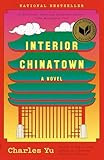
Overview: Charles Yu’s genre-bending 2020 National Book Award winner revolutionizes the Asian American experience through a screenplay-format novel. Willis Wu, an actor trapped in “Generic Asian Man” roles, navigates the procedural cop show “Black and White” while dreaming of becoming “Kung Fu Guy.” Yu’s inventive structure exposes Hollywood stereotypes and the feeling of being background characters in America’s narrative. This slim volume packs explosive commentary into a compulsively readable format.
What Makes It Stand Out: The screenplay format isn’t gimmick—it’s essential to Yu’s critique of typecasting. Every “Interior. Chinatown. Night.” slugline reinforces the protagonist’s constrained existence. Winning the National Book Award validates experimental fiction that confronts systemic racism. The Vintage Contemporaries imprint ensures quality production. Yu manages to be simultaneously hilarious and devastating, using formal innovation to make old struggles feel urgently new.
Value for Money: At $4.24, this is an absolute steal. New copies typically retail for $14-16, making this 70% discount remarkable for a recent award winner. Even used copies usually command $8-10. This price point removes all financial risk from trying experimental fiction, offering one of the decade’s most important novels for less than a coffee.
Strengths and Weaknesses: Strengths include groundbreaking format, timely racial commentary, and absurdly low price. The screenplay style creates propulsive momentum. Weaknesses: experimental structure may confuse traditionalists. Some readers might find the Hollywood satire too insider-baseball. The metafictional elements require active engagement rather than passive consumption.
Bottom Line: An essential purchase at an unbeatable price. Yu’s novel belongs on every contemporary fiction reader’s shelf, especially those interested in representation and innovative storytelling.
10. Hell of a Book: National Book Award Winner: A Novel

Overview: Jason Mott’s 2021 National Book Award winner is a metafictional tour de force about a Black author on a surreal book tour. As the unnamed narrator navigates bizarre encounters and a mysterious young boy named The Kid, the novel explodes into a meditation on Black identity, trauma, and the stories America tells itself. Mott blends absurdist humor with devastating tragedy, creating a narrative that mirrors the psychological fragmentation of living while Black in America. This is performance art disguised as a novel.
What Makes It Stand Out: Mott’s recursive storytelling—where the book you’re reading becomes the book the narrator wrote—creates dizzying meta-layers. The “Hell of a Book” refrain evolves from joke to elegy. Winning the National Book Award cemented its status as a defining work of contemporary African American literature. Mott balances accessibility with formal daring, making experimental fiction feel intimate rather than academic. The novel’s structure mirrors trauma’s non-linear nature.
Value for Money: At $14.26, this matches standard new paperback pricing for major award winners. Comparable titles retail for $14-17, so you’re paying market rate without premium or discount. For a freshly minted classic that will be taught for years, it’s a fair investment. The price reflects its current status as essential contemporary literature rather than collectible rarity.
Strengths and Weaknesses: Strengths include powerful racial commentary, innovative structure, and Mott’s voice—simultaneously funny and heartbreaking. The metafiction serves emotional truth rather than cleverness for its own sake. Weaknesses: the surreal elements may alienate readers seeking linear plots. Some might find the narrator’s unreliability frustrating. The heavy themes require emotional stamina.
Bottom Line: A vital, challenging novel that rewards brave readers. Mott’s award-winner demands engagement with America’s racial realities through unforgettable storytelling.
Why Award-Winning Doesn’t Always Mean Bestselling
The publishing industry’s dirty secret is that critical acclaim and commercial success operate on entirely different frequencies. A novel can sweep every major literary prize, earn unanimous praise from critics, and still sell fewer copies than a celebrity memoir released the same week. This disconnect creates a treasure trove of exceptional fiction waiting for discerning readers.
The Difference Between Critical Acclaim and Commercial Success
Literary awards prioritize artistic merit, innovation, and cultural significance—qualities that don’t always translate to mass-market appeal. Judges evaluate prose craftsmanship, thematic depth, and narrative ambition, while bestseller lists respond to marketing spend, author platform, and reader familiarity. A debut novel exploring indigenous folklore through experimental structure might win the Windham-Campbell Prize but never crack the top 100, while a thriller by a famous YouTuber dominates charts despite critical indifference.
How Literary Awards Shape Reading Culture
Awards function as curational tools, creating cultural memory and canon formation. When the Booker Prize shortlists a novel, it signals to libraries, universities, and literary enthusiasts that this work deserves attention. However, the cultural conversation often fixates on the winner, leaving equally deserving shortlisted titles to fade from public consciousness. These “runners-up” frequently represent the most interesting choices, having survived rigorous selection processes while maintaining their unique edge.
Understanding Literary Award Ecosystems
Not all literary prizes carry equal weight or signal the same qualities. Learning to read the award landscape helps you identify which overlooked winners align with your preferences.
Major International Awards vs. Regional Honors
The Nobel, Booker, and Pulitzer command global attention, but their winners often become instant bestsellers by virtue of the prize itself. More interesting are the regional and national awards that celebrate specific literary traditions. The Scotiabank Giller Prize, Australia’s Miles Franklin Award, or Canada’s Governor General’s Award consistently spotlight extraordinary fiction that American readers rarely encounter. These prizes offer gateways to different cultural perspectives and storytelling traditions.
Genre-Specific Awards That Deserve Attention
Mainstream literary awards often overlook genre fiction, yet categories like science fiction, mystery, and romance have their own rigorous prize cultures. The Arthur C. Clarke Award for science fiction, the Edgar Awards for mystery, and the RITA Awards for romance identify works combining genre satisfaction with literary excellence. These winners frequently transcend their categories but remain invisible to general fiction readers.
The Role of Debut Author Prizes
First-novel awards like the Center for Fiction First Novel Prize or the Costa First Novel Award serve as early-warning systems for major voices. These prizes take risks on unknown authors, often selecting bold, unconventional work before the literary establishment co-opts it. Tracking debut winners creates a pipeline of fresh perspectives and innovative storytelling techniques.
What Makes a Fiction “Knockout” Stand Out
Beyond the award itself, certain qualities distinguish truly exceptional fiction from merely competent prizewinners. Developing an eye for these elements helps you evaluate potential reads.
Narrative Innovation and Voice
Knockout fiction often reimagines what a novel can do. This might mean unconventional structures that mirror fractured consciousness, multilingual prose that resists translation, or second-person narration that implicates the reader. These aren’t gimmicks—they’re purposeful choices that deepen the story’s impact. When scanning award citations, look for language celebrating “formal daring” or “narrative architecture.”
Cultural and Historical Significance
The most memorable award winners capture something essential about their moment or place. They might document disappearing subcultures, reinterpret historical events from marginalized perspectives, or articulate emerging social tensions. Judges frequently cite “cultural importance” or “historical resonance” when awarding these works, signaling their lasting relevance beyond literary craft.
Character Depth and Emotional Resonance
Technical brilliance alone doesn’t create a knockout. The fiction that endures offers characters so fully realized they feel like secret friends—or enemies. Award citations mentioning “psychological complexity,” “emotional truth,” or “moral ambiguity” often point to books that reward rereading and linger in memory long after the last page.
Where to Discover Overlooked Award Winners
Finding these books requires looking in places algorithms ignore. Strategic browsing through curated sources reveals treasures invisible to mainstream recommendation engines.
Independent Bookstores and Staff Picks
Independent booksellers maintain deep knowledge of award winners that never received national press. Their staff picks often feature prizewinning novels from small presses, translated works, and regional favorites. Unlike algorithmic recommendations, these suggestions come from readers who’ve actually engaged with the books and understand their context within award ecosystems.
Literary Journals and Review Publications
Publications like The Millions, Literary Hub, and The Paris Review regularly cover award longlists and shortlists, providing context beyond press releases. Their coverage often highlights patterns across prizes—authors nominated multiple times before winning, or books that swept regional awards but missed international recognition. This analysis helps identify which overlooked titles deserve priority.
Digital Archives and Award Databases
Websites like the Literary Hub Prize Database or the complete archives of the Booker Prize Foundation allow you to track winners, shortlists, and judges across decades. Searching by specific criteria—debut authors, small press publications, or particular regions—reveals consistent patterns of overlooked excellence. Set up alerts for when longlists are announced to get ahead of the cultural conversation.
Reading Beyond the Obvious Categories
Many readers limit themselves to novels from major publishers in English, missing entire universes of award-winning fiction. Expanding your scope exponentially increases your chances of discovering knockouts.
Translated Fiction: A World of Hidden Gems
Translated literature represents the most significant blind spot for English readers. Awards like the International Booker, the TA First Translation Prize, and national prizes from non-English-speaking countries identify extraordinary works that cross cultural boundaries. These novels often bring entirely different storytelling traditions, philosophical frameworks, and historical perspectives that refresh familiar themes.
Short Story Collections That Pack a Punch
The market favors novels, but short fiction awards—the Story Prize, the Sunday Times Short Story Award, the Drue Heinz Literature Prize—consistently recognize breathtaking work. Collections offer intense, distilled narratives perfect for busy schedules. They’re also where many future novelists first demonstrate their genius, making them leading indicators of tomorrow’s major voices.
Small Press Powerhouses
Major publishers dominate awards through sheer submission volume, but small presses like Graywolf, Coffee House, and And Other Stories punch far above their weight. They take risks on experimental work, diverse voices, and unconventional narratives that larger houses avoid. Tracking which small presses consistently place titles on award shortlists creates a reliable discovery channel.
Evaluating Award-Winning Fiction: A Buyer’s Guide
Not every award winner deserves space on your shelves. Developing critical evaluation skills ensures you invest time and money in books that truly resonate.
What the Awards Actually Mean
Research prize histories and judging panels. The National Book Award’s rotating judges bring different priorities each year, while the International Dublin Literary Award’s library-nominated longlist reflects grassroots enthusiasm. Understanding these dynamics helps you interpret what winning signifies about a book’s qualities and potential audience.
Reading the Judges’ Comments
Prize citations and judges’ statements offer more insight than simple winner announcements. Look for specific language about prose style, thematic concerns, and narrative approach. When multiple independent juries use similar descriptors for different books, you’ve identified a trend worth exploring—even if you ultimately choose a shortlisted title over the winner.
Understanding Prize Criteria
Some awards prioritize readability and narrative momentum, while others reward linguistic complexity and formal experimentation. The Costa Book Awards celebrate “enjoyable reads,” while the Goldsmiths Prize champions “fiction that breaks the mold.” Matching award criteria to your reading preferences prevents disappointment and surfaces books you’ll actually love.
Building Your Personal Discovery System
Systematic approaches outperform random browsing. Creating infrastructure for tracking and selecting award winners ensures you never miss relevant knockouts.
Creating a “To-Read” Pipeline
Maintain a digital spreadsheet or dedicated notebook tracking awards by announcement date. Note longlist release dates for prizes that match your interests, then research titles before shortlists narrow the field. This proactive approach prevents reactive, last-minute decisions and allows thoughtful selection from a wider pool.
Tracking Your Reading Journey
Document not just what you read, but why you chose each book. Record which award it won, what attracted you, and whether it delivered. Over time, patterns emerge about which prizes, judges, or small presses consistently match your taste, refining your future selections and improving your hit rate.
Joining Discerning Book Communities
Online communities like r/literature, the Tournament of Books comment sections, or subscription-based forums host sophisticated discussions about award winners. Unlike general book clubs focused on bestsellers, these spaces analyze prizewinning fiction with depth, providing context and alternative perspectives that enhance your reading.
The Investment Value of Quality Fiction
Approaching award-winning fiction as a curated collection rather than disposable entertainment changes how you select and value these books.
Why Premium Editions Matter
Beautifully produced editions from publishers like Folio Society or Arion Press transform reading into a tactile experience. For knockout fiction you plan to reread, quality paper, thoughtful design, and durable binding enhance engagement and signal the work’s importance. These editions also retain value better than mass-market paperbacks.
Building a Curated Library
Focus on collecting award winners that represent distinct literary movements, cultural moments, or formal innovations. A shelf featuring overlooked winners from the past decade tells a more interesting story than one stacked with identical bestsellers. This curation creates a personal canon that reflects your evolving taste and intellectual journey.
The Resale and Collectible Market
First editions of overlooked award winners often appreciate significantly once the literary world catches up. Books that win multiple regional prizes or debut awards frequently become sought-after collectibles. Learning to identify these prospects adds another dimension to your discovery process, though the primary reward remains the reading experience itself.
Frequently Asked Questions
How do I know if an award-winning book is actually good or just critically fashionable?
Look for sustained recognition across multiple awards and years. Books that win one prize then disappear may have been fashionable, but those shortlisted for several independent awards demonstrate lasting quality. Check if the book appears on academic syllabi or in literary journals years after publication—these are signs of genuine importance.
What’s the best way to find award winners from other countries?
Follow international literary festivals like Hay Festival or Jaipur Literature Festival, which showcase global prizewinners. Subscribe to translation-focused publications such as Words Without Borders. The Man Booker International Prize longlist is an excellent annual starting point for discovering non-English fiction that has already been vetted for quality.
Are small press books worth the higher price point?
Small press editions typically cost more because they use better materials and don’t benefit from economies of scale. For fiction that matters to you, the premium supports independent publishing and often results in a more beautiful, lasting object. Many small presses also offer digital editions at standard prices if budget is a concern.
How far back should I look when exploring past award winners?
Focus on the past 10-15 years for “overlooked” books that remain accessible and relevant. Older winners have either entered the canon or faded for good reason. The sweet spot is fiction that feels contemporary but has had time to prove its staying power through continued discussion and reissue.
Should I read the winner or the shortlisted titles?
Shortlisted titles often represent more diverse choices, as judges compromise to create a balanced list. The winner is frequently the “consensus choice”—excellent but sometimes safe. Reading the entire shortlist gives you a sense of that year’s literary conversation and often surfaces more adventurous knockouts.
How can I tell if a prize is legitimate or just a marketing tool?
Research the prize’s history, judging process, and submission fees. Legitimate awards have transparent selection criteria, rotating panels of respected judges, and no or minimal entry fees. Be wary of prizes that exist primarily to sell stickers to authors or require purchase of a “winners’ anthology.”
What’s the difference between juried awards and reader-choice awards?
Juried awards reflect expert consensus on literary merit, while reader-choice prizes indicate popularity. Both have value, but they identify different books. A novel can win the Goodreads Choice Award (reader popularity) and the National Book Critics Circle Award (critical acclaim)—these dual wins signal broad appeal plus artistic excellence.
How do I approach difficult or experimental award winners?
Read them as you would listen to complex music: allow confusion without immediately demanding clarity. Award citations often mention “challenging” work for good reason. Try reading in longer sessions to immerse yourself in the narrative logic, and don’t hesitate to read secondary criticism that illuminates the author’s project.
Can I trust award winners to represent diverse voices?
Literary awards have historically privileged certain demographics, but recent years show dramatic improvement. Prizes like the JCB Prize for Literature (India), the Hurston/Wright Legacy Award, and the Lambda Literary Awards actively center marginalized voices. Researching award-specific diversity initiatives helps identify which prizes genuinely prioritize representation.
How do I balance reading award winners with discovering unknown authors?
Use awards as a baseline for quality, then follow threads. If you love a prize-winning debut, research that author’s influences and contemporaries. Many judges and prize administrators are prolific readers who discuss overlooked books in interviews. Let each award winner open a door to five related but less-heralded titles, creating a discovery ecosystem that balances curation with serendipity.