When a child opens a book and sees a family that looks like theirs—complete with the beautiful, complicated layers of foster care or adoption—it’s nothing short of magical. These stories validate experiences, answer unspoken questions, and gently introduce complex emotions in ways that feel safe and manageable. For children not touched by the system, these books build bridges of understanding, fostering empathy that lasts a lifetime. In a literary landscape that’s finally embracing the full spectrum of family structures, finding the right story means more than just picking up any book with “adoption” in the title.
The most powerful children’s literature about foster families and adoption doesn’t just tell a story—it opens a dialogue. It acknowledges loss while celebrating love, honors multiple attachments, and respects the child’s voice in their own narrative. Whether you’re building a home library, selecting titles for a classroom, or helping a young person process their own journey, understanding what makes these books truly exceptional will transform how you choose them.
Top 10 Children’s Books for Foster Families
Detailed Product Reviews
1. A Family Is a Family Is a Family (Who We Are)

Overview: This picture book serves as a gentle introduction to family diversity for young readers. Through simple text and engaging illustrations, it explores the many forms families can take—foster families, adoptive families, single-parent households, and those with two moms or two dads. Designed for children ages 4-8, the story follows a group of classmates sharing what makes their families unique, ultimately reinforcing that love is what defines a family, not its structure.
What Makes It Stand Out: The book’s greatest strength lies in its unapologetic inclusivity. It normalizes foster care as just another way families are formed, helping children in care feel represented rather than “different.” The narrative approach—letting children describe their own families—creates natural conversation starters for parents and educators tackling potentially sensitive topics.
Value for Money: At $11.20, this book sits comfortably in the standard range for quality hardcover picture books. Given its potential for repeated readings and its role in fostering empathy and self-acceptance, it offers solid value. Comparable diversity-focused children’s books typically retail for $10-15, making this appropriately priced.
Strengths and Weaknesses: Strengths include age-appropriate language, positive representation, and the ability to validate children’s experiences. The book successfully balances simplicity with depth. However, its broad focus means foster care receives limited dedicated attention—it’s mentioned but not explored deeply. Some families may also find the artistic style subjective, and the book doesn’t address the challenges or emotions specific to foster care transitions.
Bottom Line: An excellent resource for classrooms and families seeking to celebrate diversity. While not exclusively about foster care, it provides crucial representation that helps children in care feel seen and accepted.
2. God Loves Kids: A Gospel-Centered Book About Foster Care

Overview: This faith-based resource approaches foster care through a Christian lens, targeting families who want to integrate their religious beliefs with their fostering journey. The book likely combines biblical principles with practical insights about caring for vulnerable children, explaining concepts like hospitality, unconditional love, and divine purpose in ways that resonate with Christian families and potentially the children in their care.
What Makes It Stand Out: Few resources explicitly connect foster care ministry with gospel-centered theology. This book presumably fills that niche by framing fostering as a calling rather than just a social service. It likely includes scripture references, prayer guides, and stories that help families process the emotional complexities of foster care through their faith, offering spiritual support that secular resources cannot provide.
Value for Money: Priced at $16.38, this falls on the higher end for children’s books but reflects its specialized content. Christian parenting and ministry books often command premium prices due to their niche audience. If it provides both theological depth and practical guidance, the cost is justified for families seeking faith-based support.
Strengths and Weaknesses: The primary strength is its targeted approach for Christian audiences, potentially offering comfort and purpose during difficult fostering moments. It likely builds community among faith-based foster families. However, its explicitly religious content limits its audience—non-Christian families will find little value. There’s also a risk of being overly preachy or simplistic about complex trauma issues that require professional intervention beyond spiritual guidance.
Bottom Line: Best suited for Christian foster families seeking theological framework for their journey. For this specific audience, it likely provides unique value, but it’s not a universal resource.
3. The Lost Boy: A Foster Child’s Search for the Love of a Family

Overview: Dave Pelzer’s harrowing memoir continues his story from “A Child Called ‘It’,” chronicling his years in foster care after being rescued from severe abuse. This 340-page revised edition, published in 1997, provides a raw, first-person account of navigating the foster system, searching for belonging, and healing from trauma. Written for mature teens and adults, it offers unflinching insight into one child’s resilience.
What Makes It Stand Out: Unlike theoretical guides, this is authentic lived experience. Pelzer’s distinctive voice captures the confusion, anger, and hope of a foster child with visceral honesty. The book illuminates system flaws, the importance of dedicated caseworkers, and the profound impact of stable foster families. It’s both a cautionary tale and a testament to human endurance, making it essential reading for understanding the child’s perspective.
Value for Money: At just $9.48 for 340 pages, this is exceptional value—less than three cents per page. Comparable memoirs and foster care narratives typically cost $12-18. Given its educational impact and timeless relevance, it’s one of the most cost-effective resources available for anyone serious about understanding foster care.
Strengths and Weaknesses: Strengths include its authenticity, compelling narrative, and ability to foster empathy. It provides invaluable perspective for foster parents and professionals. However, the graphic descriptions of abuse can be triggering. The 1997 publication means some system details are dated. Pelzer’s specific experience, while powerful, may not represent all foster children’s journeys, potentially creating narrow expectations.
Bottom Line: A must-read for adult foster parents, social workers, and mature teens seeking authentic perspective. Approach with awareness of its intense emotional content.
4. Families Change: A Book for Children Experiencing Termination of Parental Rights (Kids Are Important)
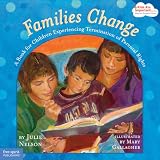
Overview: This specialized picture book addresses one of foster care’s most difficult realities: when parental rights are terminated. Designed for children ages 5-10, it gently explains this legal process in developmentally appropriate language, validating the complex emotions children experience. The book acknowledges that families change, that it’s okay to feel multiple emotions simultaneously, and that children are not responsible for adult decisions.
What Makes It Stand Out: Very few children’s books tackle parental rights termination directly. This resource courageously fills a critical gap, providing language for conversations that adults often avoid. It likely uses concrete examples and reassuring messages to help children understand permanency planning, adoption, and the finality of some family changes—topics standard foster care books gloss over.
Value for Money: At $9.49, this specialized therapeutic resource is reasonably priced. Similar therapeutic children’s books range from $9-15. Given its narrow focus and potential to prevent confusion and self-blame, it offers significant value for families and professionals navigating this specific transition.
Strengths and Weaknesses: Its greatest strength is addressing an underserved topic with sensitivity and clarity. It provides crucial validation for children experiencing this specific loss. However, its narrow focus limits broader applicability—it’s not useful for children in temporary foster care. The subject matter is inherently heavy, requiring careful adult guidance. Some children may need multiple readings to process the content fully.
Bottom Line: An invaluable, if specialized, tool for children facing parental rights termination. Social workers and adoptive parents should have this resource ready for difficult but necessary conversations.
5. Maybe Days: A Book for Children in Foster Care

Overview: This practical picture book directly addresses the uncertainty inherent in foster care—the “maybe days” when children don’t know how long they’ll stay, when they’ll see parents, or what happens next. Written for children ages 4-10 in foster care, it explains common scenarios like court dates, visitations, and caseworker visits using straightforward language. The book helps normalize the confusing aspects of the system while acknowledging children’s feelings of confusion and anxiety.
What Makes It Stand Out: Rather than sugarcoating the experience, this book validates the ambiguity of foster care life. It gives children vocabulary for their situation and sets realistic expectations. The title itself captures the essence of foster care uncertainty, making children feel understood rather than dismissed. It likely serves as both an explanation tool and emotional support resource.
Value for Money: At $8.59, this is the most affordable option reviewed, offering excellent accessibility. Similar therapeutic children’s books typically cost $10-14. Its practical focus and reusability make it a smart investment for foster families, agencies, and schools serving children in care.
Strengths and Weaknesses: Strengths include its direct approach, child-friendly explanations, and focus on normalization. It empowers children with information. However, foster care systems vary by location, so some specifics may not match every child’s experience. The book requires adult engagement to answer follow-up questions. While it addresses uncertainty well, it may not fully capture the emotional depth of grief and loss some children experience.
Bottom Line: A practical, essential tool for helping children understand and cope with foster care uncertainty. Every foster family and agency should have this accessible resource available.
6. Foster the Family: Encouragement, Hope, and Practical Help for the Christian Foster Parent

Overview: Foster the Family is a specialized resource designed for Christian foster parents navigating the unique intersection of faith and fostering. This book addresses the spiritual challenges that arise when caring for vulnerable children, offering biblical wisdom alongside practical guidance. It covers maintaining faith during difficult placements, partnering with birth families from a Christian perspective, and building church-based support networks.
What Makes It Stand Out: Unlike secular foster care manuals, this book intentionally weaves scripture, prayer, and theological reflection throughout its advice. It acknowledges the spiritual toll of fostering while providing faith-based encouragement. Authentic stories from Christian foster families create community and shared purpose, addressing questions like “Where is God in this struggle?” that generic resources cannot.
Value for Money: At $10.01, this targeted guide offers strong value compared to general foster care books at $15-20. For Christian parents investing emotionally and financially in fostering, it prevents spiritual burnout by connecting them to faith-specific support systems and perspectives that justify its modest price.
Strengths and Weaknesses: Strengths include genuine faith integration, practical biblical application, and focus on spiritual community. It fills a critical niche. Weaknesses include its exclusively Christian audience—non-religious foster parents gain little. Some denominational perspectives may not resonate universally, and it offers limited guidance on navigating secular child welfare systems.
Bottom Line: An essential resource for Christian foster parents seeking to ground their calling in faith. While narrow in scope, it masterfully serves its intended audience.
7. Kids Need to Be Safe: A Book for Children in Foster Care (Kids Are Important)

Overview: Kids Need to Be Safe is a picture book that explains foster care to children aged 4-8 through the universal concept of safety. It helps young minds understand why living arrangements change, using simple language and reassuring illustrations. The narrative validates children’s feelings while emphasizing that the system exists to protect them, not punish them.
What Makes It Stand Out: The safety-first framework removes blame from all parties, focusing on circumstances rather than personal failure. It empowers children by explaining that adults make decisions to keep kids safe, and sometimes that means living with different families. As part of the “Kids Are Important” series, it ensures developmentally appropriate content that respects children’s emotional capacity.
Value for Money: Priced at $10.89, this specialized therapeutic resource offers solid value. Comparable children’s books on difficult topics retail for $12-16, making this an accessible tool for foster parents, social workers, and therapists who may need multiple copies for different placements.
Strengths and Weaknesses: Strengths include clear, non-frightening language, emotional validation, and diverse illustrations. It’s reusable across placements. Weaknesses include limited depth for children over 8 and the need for adult guidance to maximize impact. Some scenarios may not match every child’s experience, requiring supplemental conversation.
Bottom Line: An invaluable tool for helping young children process their foster care journey with dignity and understanding. Every foster family should own this.
8. What Makes A Family?

Overview: What Makes A Family? explores diverse family structures, making it valuable for children in foster care, adoptive families, or kinship arrangements. The book challenges traditional definitions by celebrating love and commitment as the true foundation of family, regardless of biology or living situation. It helps children understand their unique family situation is valid and worthy.
What Makes It Stand Out: The inclusive approach avoids singling out any particular structure, instead presenting a tapestry of possibilities. This normalization reduces stigma and builds self-esteem in children who feel “different.” Its universal message makes it suitable for classroom use, not just therapeutic settings, broadening its impact beyond individual families.
Value for Money: At $12.99, this versatile picture book sits in the mid-range. Its applicability across various family types and ability to serve both individual and group settings justifies the price. Unlike single-purpose books, this works for foster, adoptive, kinship, and step-families, offering broader utility.
Strengths and Weaknesses: Strengths include broad applicability, inclusive illustrations, and resilience-building message. It naturally opens conversations about family diversity. Weaknesses include its generic title, which may confuse buyers. The broad approach means less specific guidance for foster care nuances, and it requires adult interpretation for younger children to grasp fully.
Bottom Line: A thoughtful, versatile resource that affirms all family structures. Ideal for building inclusive attitudes and supporting children in non-traditional families.
9. No Matter Where I Go: God’s Love for Kids in Foster Care

Overview: No Matter Where I Go addresses the spiritual needs of children in foster care through a Christian lens. This picture book reassures young readers that God’s love remains constant despite changing homes and caregivers. It follows a child’s journey through various placements while emphasizing divine presence and unchanging worth, helping separate circumstances from identity.
What Makes It Stand Out: Few resources specifically tackle faith questions in foster care. This book fills that gap by directly addressing concerns like “Does God still love me?” and “Why is this happening?” It provides foster parents with language to discuss spiritual matters and helps children build a faith foundation that transcends their physical situation.
Value for Money: At $11.97, this niche resource offers fair value. Christian families often struggle to find foster care materials aligned with their beliefs, making this book worth the investment. It serves both therapeutic and discipleship purposes, essentially combining two categories.
Strengths and Weaknesses: Strengths include addressing an underserved niche, providing spiritual comfort, and portable hope. The illustrations show diverse children in various settings. Weaknesses include its exclusive Christian focus, which limits audience. It assumes prior religious exposure and may confuse children from different faith backgrounds. Some theological concepts require adult explanation.
Bottom Line: A unique and valuable resource for Christian foster families seeking to nurture children’s spiritual wellbeing alongside their emotional needs.
10. Delly Duck: Why A Little Chick Couldn’t Stay With His Birth Mother: A foster care and adoption story book for children, to explain adoption or support … Kinship Care and Special Guardianship)

Overview: Delly Duck uses animal characters to explain why some children cannot live with birth parents, addressing one of foster care’s most difficult questions. Through the story of a duckling placed with a foster mother duck, it gently explores reasons for separation without graphic detail or blame. The book covers foster care, adoption, kinship care, and special guardianship, making it remarkably comprehensive.
What Makes It Stand Out: The animal metaphor creates emotional distance, allowing children to process painful concepts indirectly. This therapeutic technique helps children absorb information without becoming overwhelmed. It specifically addresses the “why” question that plagues many foster children, providing honest yet age-appropriate explanations about parental challenges like illness, addiction, or inability to provide safe care.
Value for Money: At $14.20, this is the priciest option but justifies cost through its unique approach and broad applicability. Therapeutic children’s books often exceed $15, and this serves multiple purposes—explaining separation, introducing various care types, and opening dialogue for healing conversations.
Strengths and Weaknesses: Strengths include the non-threatening metaphor, comprehensive coverage, and therapeutic design. It reduces shame and self-blame effectively. Weaknesses include the higher price point and potential for children to miss the metaphor’s personal application. Some families may prefer direct human stories, and the animal approach requires explicit connection-making by adults.
Bottom Line: A worthwhile investment for its gentle, comprehensive approach to explaining family separation. The therapeutic value outweighs the slightly higher cost.
Why Stories of Foster Care and Adoption Matter
Stories shape how children understand their place in the world. For youth in foster care or adoptive families, representation in literature provides a mirror reflecting their reality—often for the first time. This validation reduces isolation and helps children articulate feelings they may not have words for yet. When a character navigates a family visit, wonders about their birth parents, or learns to trust a new caregiver, readers see their own struggles and triumphs acknowledged.
For children in traditional family structures, these stories act as windows into different lived experiences. They dismantle the “default” family narrative and build compassion for classmates who might be navigating transitions silently. Research consistently shows that early exposure to diverse family stories correlates with reduced stigma and increased inclusive behaviors throughout childhood.
Building Empathy Through Narrative
Children’s brains are wired for story. When they follow a character through the uncertainty of a first night in a new home or the joy of a successful adoption finalization, they’re not just reading—they’re experiencing. This narrative transportation activates the same neural pathways as real-life empathy, creating emotional memory without the trauma. Quality literature allows young readers to sit with characters during hard moments, celebrating small victories and processing setbacks alongside them.
The best books avoid painting any party as villain or saint. Instead, they show caseworkers as dedicated but human, foster parents as learning and growing, and children as resilient but not invincible. This nuanced approach teaches kids that families are built on commitment, not perfection.
Normalizing Diverse Family Structures
When we shelve books about foster care and adoption alongside traditional family stories, we send a powerful message: all families are real families. Children absorb this normalization naturally. A kindergartener who reads about a character with two moms, a grandmother guardian, or a foster family doesn’t categorize these as “alternative”—they simply see family.
This normalization extends to how we talk about permanency. Books that show adoption as one possible outcome among many—reunification, kinship care, guardianship—help children understand that family security comes in multiple forms. They learn that love isn’t limited by legal status or biology, a lesson that serves them throughout life.
Key Themes to Look For in Quality Literature
Not all books about foster care and adoption serve children equally well. The most impactful titles share certain thematic DNA that respects the complexity of these experiences while remaining developmentally appropriate. Learning to spot these themes will help you curate a collection that truly supports young readers.
Love Beyond Biology
The most essential theme is that love is an action, not a genetic link. Quality books show characters building attachment through consistent care, shared moments, and emotional availability. They avoid language that suggests adoptive or foster love is “second best” or that children should feel grateful for being “taken in.”
Look for stories where caregivers explicitly state that love grows in hearts and homes, not just bloodlines. These books often show characters maintaining healthy connections with birth families while embracing new attachments, rejecting the false choice between past and present love.
Navigating Complex Emotions
Exceptional literature acknowledges that joy and grief coexist. A child might be thrilled about adoption finalization while mourning the loss of their birth family. They might love their foster parents while feeling guilty about it. Books that give language to this emotional complexity prevent children from feeling broken for having contradictory feelings.
The narrative should validate anger, confusion, and sadness as normal responses to abnormal situations. When characters work with therapists, express feelings through art, or have honest conversations with trusted adults, it models healthy coping for young readers navigating their own emotional landscapes.
The Importance of Cultural Identity
For transracial and transcultural adoptive families, books that honor a child’s heritage aren’t optional—they’re essential. Quality stories show families actively engaging with cultural practices, learning languages, connecting with community mentors, and acknowledging race as part of identity.
These books avoid colorblind narratives that erase difference. Instead, they celebrate how families grow stronger by embracing the fullness of a child’s identity. Look for stories where cultural connection is ongoing, not a one-time celebration, and where parents admit what they don’t know while committing to learn.
Age-Appropriate Storytelling
A book that’s perfect for a ten-year-old might overwhelm a five-year-old or bore a teenager. Understanding developmental stages helps you select stories that meet children where they are, providing enough information without creating anxiety.
Toddler and Preschool Considerations (Ages 2-5)
For the youngest readers, focus on simple, reassuring narratives with concrete language. Abstract concepts like “forever family” or “legal guardianship” mean nothing to a three-year-old, but “this family takes care of you always” resonates deeply. Board books and picture books should emphasize safety, routine, and belonging.
Illustrations matter enormously at this age. Look for warm, inviting artwork that shows diverse family structures naturally integrated into everyday activities—sharing meals, reading bedtime stories, celebrating small moments. Avoid books that introduce separation anxiety or ambiguous loss before children have the cognitive capacity to process these concepts.
Early Elementary Insights (Ages 6-8)
Children in this age range can handle more complex emotions but still need concrete examples. They’re beginning to understand cause and effect, so stories can gently explore why a child might enter foster care (always age-appropriate, never graphic). They’re also developing stronger peer relationships, so books about talking to friends about foster care or adoption become relevant.
At this stage, look for books that introduce vocabulary like “birth parent,” “foster parent,” and “caseworker” in context. Stories should show children asking questions and receiving honest, reassuring answers. Humor and adventure can balance heavier themes, keeping engagement high while processing serious topics.
Middle Grade Complexity (Ages 9-12)
Middle graders can grapple with moral complexity, systemic issues, and longer-term emotional arcs. They’re ready for stories that acknowledge imperfections in the child welfare system, show characters advocating for themselves, and explore identity formation in deeper ways.
Books for this age group should feature protagonists with agency—kids who have opinions about their lives, express preferences, and participate in decisions. They can handle multiple plotlines, understanding that a character might be dealing with school challenges, friendship drama, and adoption identity questions simultaneously. Avoid patronizing narratives; these readers spot condescension instantly.
Evaluating Authentic Representation
A book’s impact depends heavily on whose voice is telling the story. Authenticity isn’t just about accuracy—it’s about respect, nuance, and centering the child’s experience rather than adult perspectives.
Authorship and Lived Experience
While not every book needs to be written by someone with personal foster care or adoption experience, those authored by individuals with lived experience often contain details that resonate more deeply. They understand the unspoken rules, the small gestures that build trust, and the emotional undertones that outsiders might miss.
When evaluating books, research the author’s background. Have they spoken about their connection to the topic? Do they consult with communities affected by the child welfare system? Books written with input from foster youth alumni, adoptive families, and birth parents carry a weight of authenticity that pure imagination cannot replicate.
Avoiding Trauma Porn and Savior Narratives
Be wary of books that seem to wallow in a child’s suffering or position foster or adoptive parents as heroic rescuers. Trauma porn exploits pain for emotional impact without offering hope or agency. Savior narratives center adult saviors rather than child resilience, often implying that children should be grateful for being “saved.”
Quality literature shows adults being changed by the children in their care, not the other way around. It acknowledges that foster and adoptive parents need support, make mistakes, and grow alongside their children. The child is the protagonist of their own story, not a project or a plot device.
The Role of Illustrations in Storytelling
For picture books and early readers, illustrations do half the emotional heavy lifting. Look for artwork that reflects the diversity of real foster and adoptive families—different races, abilities, family structures, and socioeconomic backgrounds. Illustrations should show authentic body language: tentative hugs, nervous fidgeting, genuine smiles that reach the eyes.
Avoid illustrations that stereotype (birth parents as only struggling, foster children as only sad) or erase difference (everyone defaulting to white, able-bodied representations). The best artwork captures the subtle emotions—hope mixed with fear, love intertwined with loss—that text alone cannot convey.
Using Books as Conversation Starters
The most valuable aspect of foster care and adoption literature isn’t the reading—it’s the talking that follows. These books create natural entry points for discussions that might otherwise feel forced or overwhelming.
Creating Safe Spaces for Questions
After reading, children need permission to ask anything without judgment. Establish a family norm that no question is off-limits. A book might prompt a seven-year-old to ask, “Why didn’t my birth mom keep me?” or a ten-year-old to wonder, “Can foster parents stop being my parents?”
Prepare yourself to answer honestly at their developmental level. It’s okay to say, “That’s a complicated question. Let me think about how to explain it,” or to admit what you don’t know. The goal isn’t perfect answers—it’s open dialogue.
Addressing Difficult Topics Gently
Books allow you to address trauma, abuse, neglect, or addiction without putting a child on the spot. You can discuss a character’s experience, letting the child project their feelings onto the story. This distance provides emotional safety while still processing hard truths.
Use phrases like, “I wonder how that character felt when…” or “What would you tell them if you could?” This invites empathy and reflection without demanding personal disclosure. Over time, children often begin connecting the dots to their own experiences naturally.
Beyond the Book: Extending the Learning
A single story is a starting point, not a destination. The most effective use of foster care and adoption literature involves weaving these narratives into broader conversations, activities, and community connections.
Complementary Activities and Discussions
After reading, engage children in activities that help them process themes creatively. Drawing their own family tree that includes all important people (biological, foster, adoptive) validates that love has many branches. Creating a “feelings map” of a character’s journey helps children identify and name their own emotional landscape.
For older children, writing letters to characters or journaling about their own story builds narrative competence—the ability to understand and tell their own life story in a coherent, meaningful way. This skill correlates strongly with resilience and identity formation.
Connecting with Community Resources
Books can be springboards to real-world connections. After reading about a character’s experience with a CASA volunteer, you might explore what Court Appointed Special Advocates do in your community. A story featuring a cultural celebration could lead to attending a local event or finding a mentor who shares the child’s heritage.
Many communities have foster and adoptive family support groups that use literature circles to discuss shared experiences. Librarians, especially children’s specialists, can often recommend local resources and may even maintain special collections of books on these topics.
Common Pitfalls to Avoid
Even well-intentioned book selections can miss the mark. Understanding common mistakes helps you build a library that truly serves children rather than inadvertently reinforcing harmful narratives.
Steering Clear of Stereotypes
Watch for books that paint all birth parents as villains, all foster children as troubled, or all adoptive parents as wealthy saviors. These stereotypes flatten real people into caricatures and prevent children from understanding the systemic, complex realities behind family separation and formation.
Also be alert to gender stereotypes—mothers as naturally nurturing, fathers as reluctant participants—and racial stereotypes that might creep into illustrations or character descriptions. The child welfare system disproportionately affects families of color, and books must handle this reality with nuance, not reinforcement of biased narratives.
The Danger of Oversimplification
While age-appropriateness is crucial, oversimplifying can be dismissive. Books that suggest adoption is always happy-ever-after or that foster care is a temporary adventure do children a disservice. They leave kids unprepared for the ongoing work of attachment, identity, and processing loss.
Quality literature acknowledges that these journeys continue beyond “The End.” Characters might still have questions, still feel sadness, still build their story. This honesty gives children permission to have complex, evolving feelings without thinking something is wrong with them.
Building Your Family’s Library Thoughtfully
Creating a meaningful collection of foster care and adoption books isn’t about quantity—it’s about strategic diversity and emotional range. A well-curated library grows with your child, offering different entry points at different developmental stages.
Include books that show various pathways to permanency: foster-to-adopt, kinship care, international adoption, domestic infant adoption, and guardianship. This prevents children from thinking their story is the only story and builds flexibility in understanding family formation.
Balance books that directly address foster care and adoption with those that simply show diverse families existing. A story about a space-exploring family that happens to be transracially adoptive can be just as powerful as one explicitly about adoption day. This normalizes the family structure without making it the only interesting thing about the characters.
Rotate books seasonally or as your child’s questions evolve. What resonates at age five may feel too simple at age eight. Keep a “growing up” collection that you revisit, allowing children to see how their understanding deepens over time. And don’t forget to include books for yourself—adult narratives and guides that help you become the caregiver your child needs.
Frequently Asked Questions
How do I know if a book about foster care or adoption is appropriate for my child’s specific situation?
Consider your child’s current emotional state, developmental stage, and where they are in their own journey. A child newly placed needs stories emphasizing safety and routine, while a child contemplating adoption finalization benefits from narratives about permanency and identity. Preview books yourself first, noting any triggers or confusing messages. When possible, consult with your child’s therapist or a knowledgeable librarian who understands trauma-informed reading.
Should I read books about foster care and adoption even if my child hasn’t asked questions yet?
Yes, but introduce them naturally rather than as a “big talk.” Reading these stories before questions arise normalizes the topics and gives children vocabulary for future conversations. It signals that these subjects aren’t taboo. Start with gentle, positive representations and observe your child’s reactions. Their questions—or lack thereof—will guide your next steps.
What if my child has a negative reaction to a book I thought would be helpful?
Honor their reaction without judgment. Say, “I notice this story feels hard right now. That’s okay. We can put it away and try again later, or we can find a different book.” The goal isn’t to force processing but to offer tools. A negative reaction often means the book touched something real that they’re not ready to explore openly. Keep the book accessible; they may return to it independently when they feel safer.
How can I use these books to talk to my child about their birth family when I have limited information?
Focus on the feelings and questions rather than facts you can’t provide. Use story characters to explore universal truths: “This character wonders about their birth mom’s favorite color. I wonder that too. What do you imagine?” This validates their curiosity without making up information. It also models that it’s okay to have questions that don’t have answers, a common reality in foster care and adoption.
Are there specific themes I should prioritize for children adopted internationally versus domestically?
International adoptees often face additional layers of cultural and racial identity development, so prioritize books that explicitly address maintaining cultural connections and navigating transracial family dynamics. Domestic adoptees may benefit more from stories that address open adoption relationships or the foster care system specifically. Both groups need narratives that honor their full identity and show families actively supporting cultural connections.
How do I handle books that show birth parents in a negative light?
Contextualize carefully. You might say, “This is one person’s story, but every family’s story is different. The important thing to remember is that grown-ups make grown-up decisions, and those decisions are never a child’s fault.” Use it as an opportunity to discuss media literacy and the diversity of experiences. If a book feels overly stigmatizing, it’s okay to remove it from your collection and explain why.
Can these books be helpful for children who aren’t in foster care or adoptive families?
Absolutely. These stories build empathy, reduce stigma, and prepare children to be good friends and allies. They learn that families form in many ways, that grief and joy can coexist, and that resilience takes many forms. In diverse classrooms, these books create shared understanding and prevent othering of students with different family structures.
What role should a child’s caseworker or therapist play in selecting these books?
These professionals offer invaluable perspective on a child’s specific trauma history, triggers, and developmental needs. They can recommend books that address particular challenges (attachment, trust, identity) and warn against those that might retraumatize. Consider making book selection a collaborative process, especially during critical transition periods.
How often should I be reading these types of books with my child?
There’s no set frequency—follow your child’s lead. Some weeks they may want multiple stories; other times they’ll prefer books about dinosaurs or sports. The key is consistent availability, not forced consumption. Keep these books mixed into your regular reading rotation rather than treating them as a separate, “special” category that might inadvertently signal difference.
What if I, as a parent, find these books emotionally difficult to read?
Your emotional response is valid and common. Reading about a child’s loss can trigger your own grief about not being able to protect them from pain. Acknowledge your feelings privately, seek support from other adoptive or foster parents, and consider working with a therapist. It’s okay to take breaks, but don’t avoid the topic entirely. Your comfort level directly impacts your child’s ability to engage with their story.