Navigating the world of food allergies can feel overwhelming for families, especially when trying to explain complex medical concepts to young children. The right storybook transforms frightening unknowns into manageable, relatable narratives that empower kids rather than paralyze them with fear. When children see characters who carry epinephrine auto-injectors, ask about ingredients, and confidently speak up for their needs, they internalize these behaviors as normal, everyday heroism—not medical exceptions.
Children’s literature has evolved from simple “don’t eat that” warnings to sophisticated tools that build empathy, self-advocacy, and community awareness. These books serve dual audiences: they educate allergic children about managing their condition while simultaneously teaching their friends, classmates, and siblings how to be supportive allies. The most effective titles weave medical accuracy into compelling narratives without sacrificing the joy and wonder that makes kids fall in love with reading.
Top 10 Children’s Books About Food Allergies
Detailed Product Reviews
1. Daniel Has an Allergy (Daniel Tiger’s Neighborhood)
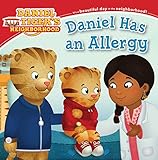
Overview: This Daniel Tiger’s Neighborhood picture book introduces preschoolers to food allergies through the beloved character’s personal experience. Following Daniel’s journey from diagnosis to safe management, the story transforms medical complexity into age-appropriate narrative. The book mirrors the PBS show’s visual style and emotional learning curriculum, making it instantly recognizable to young fans. It focuses on practical strategies like checking labels and speaking up about needs, all framed within the series’ signature gentle approach.
What Makes It Stand Out: The integration with Daniel Tiger’s proven “strategy song” methodology is unique—children learn memorable rhymes about allergy safety that translate to real-world behavior. The PBS brand guarantees developmentally appropriate content created with child psychology experts. Unlike standalone titles, this leverages established character relationships, so children already trust the messenger. It specifically addresses the emotional weight of feeling different while validating those feelings.
Value for Money: At $4.99, it’s the most budget-friendly option reviewed. Licensed character books typically cost $7-10, making this an exceptional value. The price point allows families to introduce the topic without financial strain. For existing Daniel Tiger fans, the ROI is even higher as it extends the show’s teachings into literacy time. Comparable educational titles cost 2-3 times more.
Strengths and Weaknesses: Strengths: trusted brand recognition, evidence-based learning framework, perfect for ages 2-5, builds empathy in non-allergic peers, and includes actionable safety steps. Weaknesses: limited to the show’s universe, doesn’t cover severe reactions in depth, may be too simple for school-age children, and requires prior character familiarity for maximum impact.
Bottom Line: An essential purchase for preschool-aged Daniel Tiger fans. It successfully normalizes food allergies while providing concrete safety tools at an unbeatable price. While not comprehensive, its age-appropriate approach and brand trustworthiness make it the ideal first allergy book for toddlers and young preschoolers.
2. A Lesson for Every Child: Learning About Food Allergies

Overview: This comprehensive picture book serves as a general introduction to food allergies for children aged 4-8. Unlike character-driven narratives, it uses diverse, relatable children to explain what allergies are, how they affect the body, and why safety protocols matter. The book covers multiple common allergens including peanuts, dairy, and eggs, making it broadly applicable. Its straightforward, non-fiction approach works well for both individual reading and classroom instruction, positioning it as an educational resource rather than pure entertainment.
What Makes It Stand Out: The inclusive cast represents various backgrounds and allergy types, ensuring every child sees themselves reflected. It functions as both a story and a reference guide, with clear sections that educators can revisit. The book excels at explaining the “why” behind safety rules, helping children understand concepts like cross-contact and label reading. Its classroom-optimized design includes discussion prompts and activities, making it a turnkey solution for teachers implementing allergy awareness units.
Value for Money: Priced at $12.99, it sits in the middle range but offers exceptional utility. Comparable educational texts cost $15-20, and its dual purpose as story and curriculum tool increases value. For families managing multiple allergies, the comprehensive coverage justifies the cost over simpler titles. Schools get particular value, as one book can educate entire classrooms annually.
Strengths and Weaknesses: Strengths: broad allergen coverage, diverse representation, educational depth, reusable for years, and teacher-friendly resources. Weaknesses: lacks character-driven engagement, illustrations are functional rather than captivating, may feel too instructional for some young readers, and requires adult facilitation for full impact.
Bottom Line: An excellent educational investment for classrooms and families seeking substance over style. While not as entertaining as character books, its thoroughness and inclusive approach make it a reliable reference that grows with children. Best for ages 4-8 who can grasp more detailed explanations.
3. The Bugabees: Friends With Food Allergies

Overview: This whimsical picture book personifies food allergies through colorful insect characters called the Bugabees. Each bug represents a different allergen, creating memorable metaphors that help children conceptualize abstract dangers. Written in rhyming verse, the story follows these characters as they navigate parties, school, and play while managing their unique needs. The approach targets children aged 3-7 who respond well to personification and rhythmic text, transforming clinical information into an imaginative adventure about friendship and acceptance.
What Makes It Stand Out: The anthropomorphic bug concept is genuinely innovative—turning allergens into characters makes them concrete and discussable rather than scary. The rhyming structure aids memorization of safety rules, similar to how children learn nursery rhymes. It addresses social inclusion directly, showing how friends accommodate each other’s needs naturally. The book’s greatest strength is reframing allergies as part of identity rather than limitation, with bugs celebrating what makes them unique while staying safe.
Value for Money: At $16.95, it’s the priciest storybook option. The premium reflects its creative concept and full-color, detailed illustrations. While more expensive than character-licensed books, it’s comparable to other innovative educational titles. The memorable approach may reduce need for multiple books, as children revisit it willingly. For families struggling with anxiety or stigma, the positive reframing alone can justify the cost.
Strengths and Weaknesses: Strengths: highly original concept, engaging rhymes, positive stigma-reduction message, strong visuals, and effective for reluctant learners. Weaknesses: insect theme may not appeal to all children, higher price point, rhyming text can oversimplify complex concepts, and some families may prefer realistic human characters for direct relevance.
Bottom Line: A creative, stigma-busting choice that works especially well for anxious children or those who love imaginative stories. While not the most budget-friendly, its unique approach and high re-readability make it worth the investment for families seeking a positive, memorable introduction to allergy management.
4. Someone in Our Class has Food Allergies: A READ ALOUD EXPLANATION AND EDUCATION FOR THE CLASSROOM (The Food Allergy Safety Kids Series)
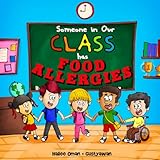
Overview: Explicitly designed for classroom use, this book takes a direct educational approach to teaching peers about food allergies. Part of the Food Allergy Safety Kids Series, it frames the topic through the perspective of classmates learning to keep friends safe. The narrative walks through real school scenarios—cafeteria, snack time, birthday parties—making it immediately relevant. Aimed at K-3 students, it functions as a read-aloud script with built-in pause points for discussion, prioritizing group comprehension over individual storytelling.
What Makes It Stand Out: The book’s singular focus on peer education is unique. It doesn’t just teach allergic children about themselves; it creates a classroom culture of collective responsibility. The “read-aloud explanation” format includes teacher prompts, comprehension questions, and role-play suggestions, essentially providing a turnkey lesson plan. It addresses the bystander effect directly, showing non-allergic children exactly how to recognize and respond to reactions, which is critical for school safety.
Value for Money: At $13.99, it’s reasonably priced for a specialized educational tool. Standard teacher resources cost $20-30, making this economical for classroom budgets. Parents might find it less valuable for home use, but for schools required to implement allergy education policies, it’s a cost-effective solution. The series format allows curriculum building across grade levels, increasing institutional ROI.
Strengths and Weaknesses: Strengths: peer-focused messaging, teacher-ready format, scenario-based learning, promotes inclusive classroom culture, and addresses emergency response. Weaknesses: too instructional for casual home reading, limited narrative appeal, requires adult facilitation, and focuses more on peers than the allergic child’s experience.
Bottom Line: An indispensable tool for teachers and school administrators. While not suited for bedtime stories, it excels at its intended purpose: creating allergy-aware classrooms. Parents should consider it a supplement rather than primary home resource. Best purchased by schools for maximum impact.
5. A Kids Book About Food Allergies

Overview: From the acclaimed “A Kids Book About” series, this title takes a radically honest, minimalist approach to food allergies. Aimed at children 5-10, it ditches traditional storylines for direct, respectful conversation. The book features bold typography, sparse illustrations, and unflinching explanations about risks, social challenges, and self-advocacy. It treats children as capable partners in their safety, covering topics like anaphylaxis, epinephrine, and bullying with age-appropriate frankness. This is a book for families who value clarity over cuteness.
What Makes It Stand Out: The series’ signature style—no-nonsense text that doesn’t patronize—is revolutionary in children’s nonfiction. It empowers kids by giving them complete information, reducing fear through understanding rather than sheltering. The design is intentionally adult-like, signaling that this topic deserves serious attention. It uniquely addresses the emotional complexity of being “the allergic kid,” including feelings of isolation and frustration, while building genuine competence in self-management.
Value for Money: At $24.99, it’s the most expensive option. The premium reflects the brand’s reputation and production quality—thick pages, durable binding, and distinctive design. For families committed to open, honest dialogue, the investment pays dividends in a child’s confidence. However, budget-conscious buyers may find equally informative options for less. It’s a luxury educational item, not a necessary one.
Strengths and Weaknesses: Strengths: respects children’s intelligence, covers difficult topics thoroughly, builds genuine self-advocacy skills, modern design appeals to older kids, and reduces stigma through normalization. Weaknesses: high price point, minimalist art may bore visually-driven children, too direct for very young kids, and lacks entertainment value.
Bottom Line: Best for families who prioritize honest, direct communication and have children mature enough to handle frank discussions. The premium price buys premium respect for your child’s capabilities. Consider it an investment in competence rather than just a storybook.
6. The Princess and the Peanut Allergy

Overview: “The Princess and the Peanut Allergy” reframes allergy education within a familiar fairy tale narrative, making it accessible for preschool and early elementary children. The story follows a princess character navigating social situations while managing her peanut allergy, teaching young readers about safety, self-advocacy, and inclusion through engaging storytelling rather than clinical instruction.
What Makes It Stand Out: The fairy tale framework transforms medical necessity into an empowering adventure. Young readers, particularly those drawn to princess stories, connect with the protagonist’s journey of balancing royal duties with health needs. The narrative naturally introduces concepts like reading labels, asking about ingredients, and carrying emergency medication without feeling didactic or frightening.
Value for Money: At $7.99, this paperback offers exceptional value as both entertainment and educational tool. Comparable allergy education materials often cost $15-20, and the engaging story format means children request repeated readings, reinforcing lessons naturally. The price point makes it accessible for families, schools, and healthcare providers to build inclusive libraries.
Strengths and Weaknesses: Strengths include the engaging narrative approach, age-appropriate language, and focus on social inclusion. The princess theme particularly resonates with children aged 4-7. Weaknesses include its narrow focus on peanut allergies specifically, which may not address children with other allergens. The fairy tale setting, while charming, may feel less directly applicable to real-world school scenarios for some practical-minded parents.
Bottom Line: This book successfully bridges entertainment and education for young children with peanut allergies. Its storytelling approach reduces anxiety while building essential self-advocacy skills, making it a worthwhile addition to any allergy-conscious family’s bookshelf.
7. My Perfect Cupcake: A Recipe for Thriving with Food Allergies (The Fearless Food Allergy Friends)

Overview: “My Perfect Cupcake” positions food allergies not as a limitation but as a unique ingredient in life’s recipe. Part of The Fearless Food Allergy Friends series, this book empowers children aged 5-9 to embrace their allergies with confidence, using baking metaphors to explain management strategies and emotional resilience in social settings.
What Makes It Stand Out: The “recipe for thriving” framework shifts focus from fear to capability. Children learn to “mix” safety protocols with fun, “bake” friendships that accommodate their needs, and “decorate” their lives with positive experiences. The series approach builds ongoing support, and the cupcake theme makes complex emotional concepts tangible and relatable for young readers.
Value for Money: Priced at $12.99, this represents a premium educational resource that delivers comprehensive value. The hardcover format, quality illustrations, and evidence-based psychological approach justify the cost. Unlike single-story books, this provides actionable strategies children can apply across multiple situations, offering better long-term utility than cheaper, less thorough alternatives.
Strengths and Weaknesses: Strengths include its empowering positive psychology, practical coping strategies, and appealing visual design. The series format allows for continued learning. The primary weakness is the higher price point, which may limit accessibility for some families. Additionally, the metaphorical approach, while effective for many, might confuse literal-thinking children or those seeking straightforward instructions.
Bottom Line: For families seeking to build genuine confidence rather than just compliance, this book is an invaluable tool. Its strengths-based approach helps children develop a healthy relationship with their allergies, making the investment worthwhile for long-term emotional well-being.
8. Bentley Goes to School: A simple story about staying safe with food allergies

Overview: “Bentley Goes to School” directly addresses the significant anxiety families face when allergic children enter school environments. Through Bentley’s first school experiences, the book walks through critical safety protocols, communication with teachers, and navigating lunchrooms, making it an essential preparatory tool for children aged 4-6 and their caregivers.
What Makes It Stand Out: The laser focus on school scenarios sets this apart. It doesn’t just mention school—it makes it the central setting, covering specific situations like snack time, birthday celebrations, and playground interactions. The simple, reassuring language acknowledges children’s fears while providing concrete solutions, making abstract safety concepts tangible and manageable.
Value for Money: At $9.99, this paperback hits the sweet spot for specialized content. School preparation materials often require costly videos or consultant sessions. This book delivers targeted, reusable guidance that can be read before school starts and revisited after challenging days, offering ongoing support at a fraction of the cost of professional resources.
Strengths and Weaknesses: Strengths include its practical school-specific scenarios, age-appropriate simplicity, and dual utility for both children and teachers. The story normalizes asking for help and speaking up. Weaknesses include its narrow focus on school settings, making it less useful for children not yet in school or for addressing non-school situations. Some parents may find the simplicity lacks depth for complex school policies.
Bottom Line: This is a must-have transition tool for families entering the school system with food allergies. Its targeted approach and reassuring tone effectively prepare anxious children and their parents for the school environment’s unique challenges.
9. Annie’s Allergies: A story about allergy education and awareness

Overview: “Annie’s Allergies” takes a comprehensive approach to allergy education by featuring a protagonist managing multiple allergies simultaneously. Designed for classroom and home use with children aged 5-8, the book covers reading labels, recognizing symptoms, and creating inclusive environments, making it an excellent resource for educating both allergic children and their peers.
What Makes It Stand Out: The multi-allergy perspective is crucially important yet rarely addressed. While many books focus on a single allergen, Annie’s story reflects the reality of many children who navigate multiple restrictions. This broader approach makes it ideal for classroom settings where teachers must manage diverse student needs, promoting universal allergy awareness rather than single-allergy silos.
Value for Money: At $11.17, this book offers solid value for its comprehensive scope. It essentially combines multiple single-allergy books into one resource, making it cost-effective for schools and families dealing with multiple allergens. The educational depth justifies the slightly higher price point compared to simpler, single-focus alternatives.
Strengths and Weaknesses: Strengths include its inclusive multi-allergy approach, educational thoroughness, and suitability for group settings. It effectively teaches empathy to non-allergic children. Weaknesses include less depth on any single allergen compared to specialized books, and the broader focus may not resonate as strongly with children who have only one specific allergy and want targeted identification. The generic approach might feel less personal to some readers.
Bottom Line: This book excels as an educational tool for diverse environments. Its comprehensive approach makes it particularly valuable for classrooms, libraries, and families managing multiple allergies, offering broad coverage that single-allergy books cannot match.
10. Lucas Takes His Food Allergies to Daycare

Overview: “Lucas Takes His Food Allergies to Daycare” fills a critical gap in allergy literature by targeting toddlers and preschoolers in daycare settings. The story follows young Lucas through typical daycare activities—snack time, art projects, and play—while introducing age-appropriate safety concepts for children as young as 2-4 and their caregivers.
What Makes It Stand Out: The daycare focus addresses an underserved demographic. Most allergy books target school-age children, leaving families of younger children without relatable resources. This book’s simple narrative, bold illustrations, and emphasis on caregiver communication specifically tackle daycare challenges like shared toys, younger children’s limited communication skills, and the need for constant adult supervision.
Value for Money: At $12.95, the price reflects its specialized niche content. While higher than some alternatives, it provides unique value for a demographic with few resources. For working parents navigating daycare enrollment, this book offers peace of mind and practical tools that can prevent dangerous situations, justifying the investment through risk reduction and emotional reassurance.
Strengths and Weaknesses: Strengths include its unique daycare focus, very young age appropriateness, and emphasis on caregiver responsibility. The book serves as a conversation starter with daycare providers. Weaknesses include its limited age range—children quickly outgrow the toddler-focused content. The higher price may deter some families, and the daycare-specific scenarios have limited applicability once children transition to school.
Bottom Line: For families with toddlers entering daycare, this specialized resource is invaluable. It addresses a critical gap in allergy education materials and provides essential tools for keeping our youngest allergic children safe in group care settings.
Why Children’s Books Are Powerful Tools for Food Allergy Education
Storytelling activates multiple regions of a child’s brain simultaneously, creating neural pathways that factual instruction alone cannot achieve. When a child follows a protagonist who experiences an allergic reaction and navigates it successfully, they’re essentially running a simulation in their minds. This mental rehearsal builds procedural memory—the same type of learning that happens when practicing a physical skill. Research in pediatric health psychology demonstrates that narrative-based education increases retention of safety protocols by up to 65% compared to traditional instructional methods.
The Psychology of Storytelling in Medical Awareness
Young children process abstract concepts like “anaphylaxis” or “cross-contamination” through concrete examples anchored in emotional context. A well-crafted story demonstrates cause and effect within a relatable scenario: a character at a birthday party encounters a hidden allergen, recognizes symptoms, and alerts an adult. This narrative arc helps children understand not just what to do, but why it matters and when to act. The emotional journey of the character creates a lasting impression that surpasses rote memorization of emergency steps.
Creating Emotional Connections with Young Readers
The most impactful allergy awareness books balance vulnerability with empowerment. Characters who express understandable fear or uncertainty about their allergies model emotional honesty, giving children permission to voice their own concerns. When these same characters then demonstrate courage—asking a teacher about snack ingredients or showing friends their medical alert bracelet—they provide a blueprint for confident self-advocacy. This emotional resonance transforms the book from a teaching tool into a trusted companion.
Age-Appropriate Content: Matching Books to Developmental Stages
A three-year-old’s understanding of food allergies differs dramatically from that of a ten-year-old. Selecting developmentally appropriate material ensures the message lands effectively without causing unnecessary anxiety or confusion.
Toddler-Friendly Features (Ages 2-4)
For the youngest readers, look for board books with simple, repetitive language and clear visual distinctions between “safe” and “unsafe” foods. Concepts should be extremely basic: “Milk makes me sick,” or “I carry special medicine.” The focus remains on naming feelings rather than complex medical explanations. Illustrations should be uncluttered, with allergens depicted in a consistent, recognizable style. Books for this age group work best when they emphasize trusted adults as primary protectors while introducing the idea that the child can help by telling grown-ups when they feel “yucky.”
Engaging Early Elementary Readers (Ages 5-7)
Children in kindergarten through second grade are ready for simple storylines with clear problem-resolution arcs. They can understand the concept of ingredients and the importance of asking before eating. Effective books for this age introduce basic vocabulary like “epinephrine” and “allergen” in context, often with a pronunciation guide for parents. The protagonist should demonstrate age-appropriate independence while still relying on adult support. Look for stories that show children successfully navigating common scenarios like cafeteria lunches or classroom parties.
Complex Narratives for Upper Elementary (Ages 8-12)
Older children can handle more nuanced storytelling that addresses social dynamics, peer pressure, and emerging independence. Books targeting this demographic should explore themes like feeling different, handling accidental exposure, and educating others without feeling like “the allergy kid.” The narrative can include multiple perspectives—showing how friends, teachers, and family members all play roles in creating a safe environment. Medical information can be more detailed, potentially including brief explanations of immune system responses, but must remain accessible.
Essential Themes in Effective Food Allergy Literature
Quality allergy awareness books address specific learning objectives while maintaining narrative flow. The most valuable titles integrate these themes naturally rather than presenting them as didactic lessons.
Recognizing Allergic Reactions: Symptoms and Warning Signs
Children must learn to identify both obvious and subtle symptoms. Effective literature shows characters experiencing hives, stomach pain, or difficulty breathing in ways that young readers can recognize. The key is demonstrating symptom progression—starting mild and potentially escalating—so children understand the importance of early intervention. Visual cues in illustrations, like red spots on skin or a hand clutching the throat, reinforce textual descriptions without being gratuitously frightening.
The Importance of Speaking Up: Self-Advocacy Skills
The central conflict in many allergy stories revolves around a child’s hesitation to ask questions or assert their needs. Watching a character overcome this reluctance—perhaps after a close call or with encouragement from a friend—teaches children that their safety is more important than momentary embarrassment. Strong narratives show specific phrases children can adopt: “Is that safe for me?” or “Can you check the label, please?” This scripting builds verbal muscle memory for real-world situations.
Cross-Contamination and Hidden Dangers
One of the most challenging concepts to convey is that allergens can be invisible. Stories effectively demonstrate this through scenarios like shared cooking utensils, airborne particles, or ingredients hidden in sauces. The best books use visual metaphors—perhaps showing “germs” of allergens spreading like glitter—to make abstract contamination concrete. They emphasize that diligence matters without creating paranoia, often by showing safe alternatives and careful preparation methods.
Inclusion at School and Social Gatherings
The emotional heart of many allergy stories lies in the quest for belonging. Books that show classmates adapting activities—bringing allergen-free treats or choosing inclusive restaurants—model community responsibility. These narratives help allergic children feel less isolated while teaching peers that inclusion requires active effort. Look for stories that celebrate differences rather than merely tolerating them, positioning allergy awareness as part of broader kindness and empathy.
Illustration Styles That Enhance Learning
Visual elements in children’s books do far more than decorate the page—they serve as primary information channels for pre-readers and reinforce concepts for emerging readers. The artistic choices in allergy awareness books require particular thoughtfulness.
Visual Cues for Recognizing Allergens
Consistent visual coding helps children quickly identify potential dangers. Some books use a universal symbol (like a stop sign or caution stripe) overlaid on allergenic foods, creating an immediate visual shorthand. Others employ color-coding systems where, for example, all unsafe foods appear with a red border while safe alternatives have green borders. This design approach builds pattern recognition skills that transfer to real-world label-reading and food identification.
Character Expressions and Emotional Resonance
Facial expressions in illustrations must walk a fine line between honest emotion and overwhelming anxiety. Characters showing concern or caution should appear serious but not terrified, modeling appropriate emotional responses. During crisis moments, illustrations might focus on helping hands or medical tools rather than distressed faces, keeping the emphasis on solution and support. In celebratory scenes where safe foods are enjoyed, characters’ joy should be palpable, reinforcing that food allergies don’t preclude happiness and delicious experiences.
Color Psychology in Medical Education
Color choices subconsciously influence how children perceive risk and safety. While red naturally signals danger, overuse can create unnecessary anxiety. The most effective books use red strategically—for specific allergen warnings—while employing warm, inviting colors for safe foods and positive social scenes. Blue and green often dominate calming scenes where children feel secure and supported. This thoughtful palette helps children associate allergy management with competence rather than constant emergency.
Key Features to Evaluate When Selecting Books
Not all children’s books about food allergies are created equal. Discerning parents and educators should assess several critical factors to ensure they’re selecting truly helpful resources.
Accuracy of Medical Information
Before purchasing, verify that medical content has been reviewed by board-certified allergists or major advocacy organizations like FARE (Food Allergy Research & Education). The book should reflect current best practices, including the prompt use of epinephrine for suspected anaphylaxis and clear emergency action steps. Watch for outdated advice like “wait and see” approaches or positioning antihistamines as primary treatment. The inclusion of a medical review statement on the copyright page indicates professional vetting.
Positive vs. Fear-Based Messaging
Effective books empower rather than terrify. They acknowledge real risks while emphasizing manageable solutions. Be wary of titles that use catastrophic language or depict every social situation as inherently dangerous. The best literature shows characters living full, adventurous lives with allergies, not in spite of them. Risk should be presented factually, but the overwhelming message should be one of competence, community support, and normalized difference.
Diversity and Representation Matters
Food allergies affect children across all racial, ethnic, and socioeconomic backgrounds. Books should reflect this reality with diverse protagonists and family structures. Representation extends beyond race to include different family configurations (single parents, same-sex parents, multigenerational households), various economic circumstances, and children with multiple identities—perhaps a child with both food allergies and another disability. This broad representation ensures every child can see themselves as capable of managing their health.
Interactive Elements and Engagement Tools
The most effective books extend beyond passive reading. Look for titles that include discussion questions, activity suggestions, or companion resources like printable cards. Some books feature “spot the allergen” games within illustrations or provide templates for children to create their own allergy action stories. These interactive components transform reading into a family or classroom conversation starter, reinforcing lessons through active participation rather than one-way instruction.
Building Empathy Through Narrative Perspective
The narrative voice significantly impacts how readers relate to the story and what they take away from it. Different perspectives serve different educational purposes.
First-Person Stories from Allergic Children
When the allergic child is the narrator, readers experience the internal monologue of managing allergies—the worry, the vigilance, the pride in self-advocacy. This perspective is particularly powerful for allergic children who feel validated hearing their own thoughts reflected in a book character. For non-allergic peers, it builds deep empathy by providing direct access to another’s experience. The language should sound authentically childlike, not like an adult giving a lecture.
Third-Person Observer Narratives
Stories told from a friend’s or sibling’s viewpoint teach allyship and community responsibility. These narratives show non-allergic children how to be supportive—asking about safe snacks, washing hands before play, or including their allergic friend in planning. This perspective normalizes allergy awareness as something everyone practices, not just those with diagnoses. It positions inclusion as a team sport rather than a solo burden.
Dual Perspective: Allergic Child and Friend
Some sophisticated books alternate chapters or scenes between perspectives, showing the same event through different lenses. A birthday party scene might first show the allergic child’s anxiety about the cake, then shift to the friend’s thought process in deciding to bring a safe alternative. This approach teaches that empathy requires understanding multiple viewpoints and that good communication bridges potential gaps in awareness.
Integrating Books Into Allergy Action Plans
Children’s books shouldn’t sit on shelves as standalone resources—they work best as integrated components of comprehensive allergy management strategies.
Pre-Doctor Visit Preparation
Reading a relevant story before an allergist appointment can reduce anxiety and give children vocabulary to describe their concerns. A book showing a character undergoing allergy testing or discussing an action plan with their doctor demystifies these experiences. Parents can use story scenes as conversation starters: “Remember how Alex showed the nurse their auto-injector? You’ll get to show yours too.” This preparation transforms medical visits from intimidating to empowering.
School Presentation Tools
Parents advocating for their child’s safety at school can use books as visual aids during meetings with teachers, administrators, or classmates. A story that shows proper hand-washing or the importance of reading labels provides a neutral, child-friendly way to discuss protocols without singling out the allergic child. Some schools invite parents to read allergy awareness books to entire classrooms, creating shared understanding and reducing the likelihood of bullying or accidental exposure.
Family Discussion Starters
Books open doors to conversations that might otherwise feel awkward or frightening. After reading, families can discuss their own action plans: “What would our character do in this situation? What should you do?” This role-playing in a fictional context allows children to practice responses and voice concerns indirectly. Younger children might draw pictures of their safe foods or act out scenes with toys, while older kids could write their own allergy adventure stories.
Common Pitfalls to Avoid in Allergy-Themed Books
Even well-intentioned books can inadvertently cause harm. Recognizing problematic approaches helps families make informed choices.
Overly Technical Language
While accuracy matters, books that read like medical textbooks fail to engage young readers. Be cautious of titles that prioritize comprehensive allergen lists over narrative flow. The best books introduce terminology gradually, defining words through context and illustrations rather than glossary-style definitions. If a book requires constant parental explanation of jargon, it’s likely not developmentally appropriate.
Stereotyping and Stigmatization
Some books unintentionally portray allergic children as fragile, anxious, or defined solely by their medical needs. Avoid titles where the character’s entire personality revolves around allergies. The healthiest approach shows children who are artists, athletes, or adventurers who happen to have food allergies. Similarly, watch for books that depict allergic children as constant victims requiring rescue rather than active agents in their own safety.
Unrealistic Resolution Scenarios
Stories where allergies are “cured” through bravery or where every adult magically understands without being told create false expectations. Effective books acknowledge that mistakes happen, some people won’t understand, and management is ongoing. They show characters persisting through setbacks and building resilience. This realistic approach prepares children for actual challenges while still maintaining hope and positivity.
The Role of Parents and Educators in Guided Reading
A book’s impact multiplies when caring adults facilitate thoughtful discussion around its content. Passive reading misses opportunities for deep learning and connection.
Creating a Safe Discussion Environment
Children need permission to express fears, anger, or sadness about their allergies without judgment. After reading, create space for these emotions by asking open questions: “How do you think the character felt when that happened? Have you ever felt that way?” Validate all feelings, even uncomfortable ones. This emotional processing is as important as learning practical safety steps. For non-allergic siblings or friends, this space allows them to voice their own worries about their friend or sibling’s safety.
Asking Open-Ended Questions
Move beyond yes/no questions to probe deeper understanding. Instead of “Did the character do the right thing?” ask “What other choices could the character have made? What might have happened then?” For older children, connect story events to ethical considerations: “Was it fair that the party had to change plans? How could they have included everyone from the start?” These discussions build critical thinking skills that apply far beyond allergy management.
Connecting Stories to Real-Life Situations
Bridge the gap between fiction and reality by creating direct parallels. After reading about a character’s successful restaurant experience, practice what your child would say to a server. If a story shows a character teaching friends about their auto-injector, set up a show-and-tell session with your child’s friends (with parental supervision). These concrete connections help children transfer story lessons to their lived experience.
Using Literature to Navigate Specific Social Challenges
Certain situations consistently create anxiety for families managing food allergies. Targeted stories provide roadmaps for these common stress points.
Birthday Parties and Celebrations
Books addressing this scenario should show multiple solution pathways: bringing a safe alternative treat, communicating with the host family beforehand, or focusing on non-food activities. The goal is demonstrating that celebrations remain fun and meaningful even when food plans change. Look for stories where the allergic child feels included not through special treatment but through thoughtful planning that considers everyone’s needs.
Playdates and Sleepovers
These intimate settings require trust and clear communication. Effective books show parents talking directly with each other about safety protocols, children packing their own safe snacks, and friends learning to read labels together. The best narratives emphasize that these preparations are normal and non-negotiable, not burdensome. They might include simple checklists that families can adapt for their own use.
Dining Out and Travel
Restaurant scenarios teach children to identify safe options, communicate with staff, and recognize when an establishment can’t accommodate their needs. Stories about travel show advance planning—researching restaurants, packing safe foods, and carrying multiple auto-injectors. These books should portray adventurous eating and exploration as still possible, just requiring extra steps. This maintains a sense of normalcy and excitement about new experiences.
Beyond the Book: Supplementary Activities and Resources
The learning shouldn’t stop when the story ends. Comprehensive resources extend the educational impact through interactive engagement.
Role-Playing Scenarios
Act out scenes from books with stuffed animals or action figures, letting children practice responses in a low-stakes environment. Switch roles so they experience being both the allergic child and the supportive friend. This kinesthetic learning reinforces verbal scripts and decision-making processes. For classroom use, guided role-play helps non-allergic students practice ally behaviors like hand-washing or speaking up when they see unsafe situations.
Allergen Identification Games
Create flashcards using illustrations from the book or photos of actual foods. Play matching games pairing foods with their allergen labels, or “safe or unsafe” sorting activities. For older children, practice reading real ingredient labels to spot hidden allergens like “casein” (milk) or “albumin” (egg). These games build practical skills while maintaining the book’s friendly, educational tone.
Creating Personalized Story Extensions
Encourage children to write or dictate their own allergy story, casting themselves as the protagonist. They can illustrate scenes showing their typical day, their safe foods, or a recent successful experience. This creative exercise helps children process their own journey and creates a personalized resource they can share with teachers or friends. Some families create digital versions to share with extended family who need education.
Measuring the Impact: Signs Your Child Is Learning
Observing changes in your child’s behavior and language provides feedback on whether the books are having their intended effect. Look for both subtle and obvious shifts.
Observable Behavior Changes
Notice if your child begins automatically washing hands before eating, asking about ingredients without prompting, or reminding you to pack their emergency kit. These spontaneous actions indicate internalization of safety protocols. For non-allergic siblings, watch for them reading labels at the grocery store or asking if a food is safe for their brother or sister—these ally behaviors show empathy in action.
Verbal Cues and Question Quality
Listen for your child using book-derived language: “That has cross-contact risk” or “I need to be my own advocate.” Questions that show deeper understanding—“What if the label says ‘may contain’ but I’m not sure?"—demonstrate critical thinking. For younger children, simply naming their feelings about allergies without shame shows emotional growth.
Peer Education Moments
Perhaps the most powerful indicator is when your child teaches others. Hearing them explain their allergies to a friend using concepts from a book, or seeing them correct a well-meaning adult gently but firmly, shows they’ve moved from student to teacher. These moments signal true mastery and confidence.
The Long-Term Benefits of Early Allergy Awareness
Investing in quality allergy education literature during childhood yields dividends far beyond immediate safety. These early lessons shape lifelong attitudes and capabilities.
Foundation for Lifelong Self-Management
Children who grow up with positive, empowering narratives about allergy management develop adult skills in self-advocacy, risk assessment, and communication. They learn to view their medical needs as manageable aspects of their identity rather than defining limitations. This foundation proves invaluable during adolescence and young adulthood when parental oversight decreases and independent decision-making becomes critical.
Reduced Anxiety Through Knowledge
Fear thrives in uncertainty. Books that demystify allergic reactions, emergency protocols, and social navigation replace vague dread with concrete action plans. Children who understand exactly what to do in an emergency experience significantly lower anxiety levels than those who only know “be careful.” This knowledge-based confidence extends to other areas of life, building general resilience.
Cultivating Inclusive Communities
When allergy awareness is taught through engaging stories in early childhood, it becomes normalized. Peers who learn about inclusion and accommodation for food allergies naturally extend these principles to other differences. This early education contributes to building school cultures where diversity—whether medical, neurological, or cultural—is expected and valued. The ripple effects benefit entire communities, reducing bullying and increasing collaborative problem-solving.
Frequently Asked Questions
How early should I start reading food allergy books to my child?
Start as soon as your child receives a diagnosis, typically around age 2-3 for toddler-appropriate board books. Even before full comprehension, early exposure normalizes medical equipment and vocabulary. The key is selecting age-appropriate formats—simple pictures and basic concepts for toddlers, progressing to more complex narratives as language skills develop.
Can these books actually reduce my child’s anxiety about their allergies?
Yes, when chosen carefully. Books that focus on competence and community support rather than catastrophic scenarios help children feel empowered rather than frightened. The key is selecting titles with positive messaging and using them as springboards for open discussion about feelings. Research shows that narrative-based coping strategies can reduce allergy-related anxiety by up to 40% in school-aged children.
What if my child becomes more anxious after reading these books?
This can happen if a book introduces concepts your child wasn’t ready for or uses frightening imagery. If anxiety increases, pause reading that particular title and revisit it later. Focus on books that emphasize solutions and support systems. Always preview books before sharing them, and consider reading them first yourself to identify potentially triggering content. Follow up reading sessions with reassurance and concrete practice of safety skills.
How can I use these books to educate my child’s classmates without singling them out?
Offer to do a classroom read-aloud session for all students, positioning it as general health education rather than accommodation for one child. Many schools incorporate health awareness months where such presentations fit naturally. Choose books with dual perspectives so non-allergic children see themselves as allies. Provide teachers with a copy to keep in the classroom library for ongoing access.
Should I let my child read these books independently or should we always read together?
This depends on age and emotional maturity. For children under 8, shared reading allows you to gauge reactions and answer questions immediately. As children develop reading independence, they may want to revisit familiar stories alone, which builds confidence. For new titles, read together first, then make the book available for independent re-reading. Always let your child know you’re available to discuss any concerns that arise.
How do I handle books that show outdated medical advice or information?
Use these as teachable moments. After reading, discuss what has changed: “This book says to wait before using the EpiPen, but now doctors know it’s better to use it right away.” This approach teaches critical thinking about health information—a vital skill in the digital age. However, if a book contains multiple significant errors, it’s better to retire it than to constantly correct it, which can confuse young readers.
Are there books that address multiple allergies or should I look for single-allergen titles?
Both serve valuable purposes. Single-allergen books provide deep, specific detail helpful for initial diagnosis education. Multiple-allergen stories better reflect the reality of many children and teach broader concepts applicable across allergens. Consider starting with a book matching your child’s primary allergen, then expanding to more general titles. This progression builds foundational knowledge before tackling complex scenarios.
How can I tell if a book will resonate with my child’s specific experience?
Look for narrative elements that mirror your child’s reality: similar allergy/ies, family structure, cultural background, and typical activities. Preview the book’s illustrations and sample pages online when possible. Read reviews from other parents, particularly those mentioning children with similar circumstances. The most resonant books often include small, specific details—like a character’s favorite safe snack or a particular anxiety—that make the story feel personally relevant.
What role can grandparents and extended family play in this reading process?
Extended family often needs education as much as children do. Provide them with copies of books to read independently, then schedule a family discussion. Books give grandparents a non-threatening way to ask questions and express concerns. Consider having your child “teach” grandparents using their favorite book—this reinforces your child’s knowledge while educating relatives. Some families create custom books featuring extended family members learning about allergies, making the lesson personal and memorable.
How often should we revisit these books as my child grows?
Treat allergy education books like any important health resource—review them regularly as your child develops new skills and faces new situations. Revisit foundational books annually to reinforce basics, and introduce new, more complex titles as your child enters new developmental stages or social contexts (starting school, joining sports teams, attending sleepovers). Each rereading at a different age reveals new layers of understanding and opens new conversations.