There’s something deeply satisfying about preparing a meal where every ingredient tells a story—the arugula that was in the ground yesterday morning, the heritage tomatoes grown by a farmer you’ve actually met, the honey from bees that pollinated your neighborhood’s wildflowers. This connection between soil and supper is what the farm-to-table movement champions, and the right cookbook can become your roadmap to this more intentional way of eating. But in a publishing landscape where “farm-to-table” has become a marketing buzzword as much as a culinary philosophy, how do you identify the volumes that will truly transform your kitchen rather than just decorate your coffee table?
The most valuable farm-to-table cookbooks do more than compile recipes; they retrain your instincts. They teach you to plan meals around what’s bursting from local soil rather than what’s on sale at the megamart. They introduce you to the language of agriculture—heirloom versus hybrid, biodynamic versus organic, first-of-season versus peak harvest. This guide will help you navigate the essential features, hidden gems, and potential pitfalls when building a collection that celebrates local produce with authenticity and depth.
Top 10 Farm-to-Table Cookbooks
Detailed Product Reviews
1. The Vermont Farm to Table Cookbook: Over 50 Fresh & Local Recipes for Every Season

Overview:
This cookbook celebrates Vermont’s rich agricultural heritage with over 50 recipes organized by season. It captures the essence of New England farm life, emphasizing ingredients sourced directly from local farms, dairies, and orchards. The book guides readers through spring’s first asparagus to winter’s root cellars, offering authentic dishes that reflect the state’s seasonal rhythms.
What Makes It Stand Out:
The Vermont-specific focus distinguishes this from generic farm-to-table books. It features recipes unique to the region like maple-glazed dishes, cheddar-forward creations, and heritage apple preparations. The seasonal organization mirrors actual Vermont harvest cycles, making it a genuine culinary document of place rather than just another collection of vegetable recipes.
Value for Money:
At $19.75, this mid-priced cookbook delivers strong regional authenticity. You’re paying for specialized knowledge that generic alternatives can’t replicate. While more expensive than mass-market options, the Vermont-specific techniques and ingredient combinations justify the premium for those committed to regional cooking.
Strengths and Weaknesses:
Strengths: Authentic regional recipes; beautiful seasonal organization; excellent for locavores; captures Vermont’s culinary identity; manageable recipe count prevents overwhelm.
Weaknesses: Limited geographic relevance outside New England; some ingredients may be difficult to source elsewhere; smaller recipe collection than competitors; narrow focus may not suit diverse palates.
Bottom Line:
Perfect for Vermont residents, transplants, or anyone fascinated by regional American cuisine. This cookbook excels as a specialized resource but may disappoint those seeking broader farm-to-table inspiration.
2. Farm to Table Cookbook: Seasonal Recipes Made With Farm-Fresh Ingredients
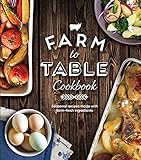
Overview:
This comprehensive hardcover offers 192 pages of farm-to-table recipes spanning breakfast through desserts. Designed for accessibility, it provides straightforward instructions for transforming fresh ingredients into delicious meals. The 9.5" x 8.25" format makes it practical for kitchen use while covering seasonal cooking fundamentals.
What Makes It Stand Out:
The encyclopedic scope sets this apart, with dedicated sections for every meal type. Its emphasis on “easy instructions” makes farm-to-table cooking approachable for beginners. The hardcover durability suggests a reference book intended for frequent use, while the seasonal framework helps home cooks maximize ingredient freshness year-round.
Value for Money:
Priced at $28.39, this represents a premium investment. The hardcover binding, extensive 192-page content, and comprehensive recipe categories justify the cost compared to paperback alternatives. For cooks seeking a single, durable farm-to-table reference, the price aligns with quality and breadth.
Strengths and Weaknesses:
Strengths: Comprehensive meal coverage; durable hardcover format; beginner-friendly instructions; logical seasonal organization; substantial page count; versatile recipe applications.
Weaknesses: Higher price point; generic approach lacks regional character; may not challenge experienced cooks; no author narrative or storytelling; photography likely utilitarian rather than inspirational.
Bottom Line:
An excellent workhorse cookbook for families transitioning to farm-to-table eating. The higher price delivers durability and comprehensiveness, making it ideal as a primary reference, though culinary adventurers might crave more personality.
3. The Ranch Table: Recipes from a Year of Harvests, Celebrations, and Family Dinners on a Historic California Ranch

Overview:
This narrative-driven cookbook chronicles a year of life on a historic California ranch, weaving recipes into stories of harvests, celebrations, and family gatherings. It offers more than instructions—providing a lifestyle immersion into sustainable ranching. The book balances practical cooking with storytelling, transporting readers to the golden hills of California’s agricultural heartland.
What Makes It Stand Out:
The memoir-style approach distinguishes this from recipe-only collections. Readers experience the ranch’s seasonal rhythm through personal anecdotes and celebration-specific menus. This storytelling element transforms cooking from task to tradition, offering context about where food originates and the community that surrounds it.
Value for Money:
At $19.90, this cookbook delivers exceptional value by combining recipe collection with engaging narrative. Comparable lifestyle cookbooks often cost significantly more. You’re essentially getting two books—memoir and manual—for the price of one, making it a smart purchase for readers who appreciate culinary storytelling.
Strengths and Weaknesses:
Strengths: Engaging narrative framework; authentic ranch-life perspective; celebration-focused menus; strong sense of place; inspirational lifestyle content; excellent gift potential.
Weaknesses: California-centric ingredients may not translate nationally; storytelling may overwhelm cooks seeking quick recipes; fewer total recipes than competitors; assumes interest in ranch lifestyle.
Bottom Line:
Ideal for readers who cherish cookbooks as lifestyle literature. The Ranch Table excels when you want inspiration alongside instruction, though pragmatic cooks might prefer more streamlined recipe collections.
4. Local Dirt: Seasonal Recipes for Eating Close to Home (Farm-to-Table Cookbooks, 2)
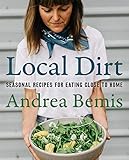
Overview:
Part of a dedicated farm-to-table series, this volume emphasizes hyper-local eating with practical seasonal recipes. The title’s “Local Dirt” philosophy encourages sourcing ingredients from your immediate environment. As the second installment in its series, it builds on foundational concepts while offering fresh inspiration for committed locavores seeking to minimize their food miles.
What Makes It Stand Out:
The series format provides structured learning for farm-to-table principles. Its emphasis on “eating close to home” offers practical guidance for true local sourcing beyond farmers’ market shopping. The book likely includes preservation techniques and seasonal transition strategies that help readers maintain local eating year-round, not just during harvest peaks.
Value for Money:
At $16.69, this is the most budget-friendly specialized option. The series approach means you can build expertise incrementally without a massive initial investment. For beginners exploring farm-to-table cooking, the lower risk price point makes experimentation accessible while delivering focused, practical content.
Strengths and Weaknesses:
Strengths: Affordable entry point; series continuity allows skill-building; practical local-sourcing emphasis; focused content prevents overwhelm; strong locavore philosophy.
Weaknesses: Requires multiple purchases for complete series; may be less comprehensive than standalone volumes; minimal narrative or photography; brand recognition lower than competitors.
Bottom Line:
The perfect starting point for farm-to-table newcomers. Local Dirt offers serious value at $16.69, though completists should budget for the full series to maximize its educational potential.
5. Taste of Home Farm to Table Cookbook: 279 Recipes that Make the Most of the Season’s Freshest Foods – All Year Long! (Taste of Home Heathy Cooking)

Overview:
From the trusted Taste of Home brand, this powerhouse collection delivers 279 recipes emphasizing seasonal freshness and healthy cooking. The book promises year-round utility with its massive recipe count spanning all meal categories. As part of the Healthy Cooking line, it focuses on nutritious preparations that don’t sacrifice flavor, making farm-fresh ingredients accessible to everyday home cooks.
What Makes It Stand Out:
The staggering 279-recipe count dwarfs competitors, offering unmatched variety. Taste of Home’s trusted brand ensures tested, reliable recipes that work in real kitchens. The explicit health focus differentiates it from indulgent farm-to-table books, while the year-long approach means no seasonal gaps in coverage. This is utilitarian cooking at scale.
Value for Money:
At $13.99, this represents extraordinary value—costing less than 5 cents per recipe. No competitor matches this price-to-content ratio. The trusted brand, massive recipe collection, and health focus make this an unbeatable proposition for budget-conscious cooks seeking quality and quantity. It’s essentially a farm-to-table library in one volume.
Strengths and Weaknesses:
Strengths: Unbeatable recipe count; trusted brand reliability; health-conscious focus; incredible price; comprehensive year-round coverage; accessible to all skill levels.
Weaknesses: Lacks regional character and storytelling; utilitarian presentation; may feel impersonal; photography likely basic; no chef-driven creativity or innovation.
Bottom Line:
The definitive value champion. For practical home cooks who prioritize function over flair, this $13.99 collection delivers professional-grade quantity and reliability that makes premium alternatives hard to justify.
6. Wanda E. Brunstetter’s Amish Friends Farm-To-Table Cookbook: 280 Amazing Recipes Help Encourage Local Farming Networks

Overview: This substantial collection brings authentic Amish culinary traditions to modern kitchens, featuring 280 recipes compiled from Wanda Brunstetter’s extensive connections within Amish farming communities. The book bridges the gap between traditional homestead cooking and contemporary farm-to-table movements.
What Makes It Stand Out: The Amish perspective offers a unique angle on farm-to-table cooking, emphasizing community networks and time-tested preservation methods. Unlike trend-driven cookbooks, this volume provides genuine heritage recipes that have sustained generations, complete with stories from Amish families and their farming practices.
Value for Money: At $14.86 for 280 recipes, you’re paying roughly five cents per recipe—a remarkable value. Comparable community-sourced cookbooks typically cost $20-25 with fewer recipes. The book’s focus on affordable, accessible ingredients means ongoing savings in your grocery budget.
Strengths and Weaknesses: Pros include an impressive recipe volume, authentic cultural context, budget-friendly ingredient lists, and proven techniques for preservation. The emphasis on community-supported agriculture provides practical networking advice. Cons include minimal photography typical of Amish publications, recipes that may seem overly simple to experienced cooks, and limited nutritional information for modern dietary needs.
Bottom Line: Perfect for those seeking authentic, no-frills farm-to-table cooking rooted in community values. While it lacks visual flair, the sheer volume of tested recipes and cultural insights make it an invaluable resource for traditional food enthusiasts and local farming advocates.
7. The Homestead-to-Table Cookbook: Over 200 Simple Recipes to Savor a Sustainable Lifestyle (The Homestead Essentials)

Overview: Part of the Homestead Essentials series, this cookbook delivers over 200 recipes designed for those pursuing self-sufficient living. It integrates cooking with broader homesteading practices, making it a practical manual for sustainable food production and preparation.
What Makes It Stand Out: The book’s integration with a larger homesteading system sets it apart. Recipes are organized by preservation method and seasonal availability, teaching skills like canning, fermenting, and root cellaring alongside meal preparation. It functions as both cookbook and homesteading guide.
Value for Money: At $25.15, this sits at the premium end for cookbooks with 200+ recipes. However, its dual purpose as a homesteading manual justifies the cost. Similar specialized homesteading guides often exceed $30, making this a reasonable investment for serious practitioners.
Strengths and Weaknesses: Major strengths include comprehensive skill-building, seasonal organization, and integration with sustainable living principles. The recipes scale well for both small and large harvests. Weaknesses include a steeper learning curve for urban cooks, occasional ingredient sourcing challenges, and the need for specialized equipment for some preservation methods. The higher price may deter casual buyers.
Bottom Line: Ideal for committed homesteaders or those transitioning to sustainable living. Urban gardeners may find it aspirational but less practical. The price is justified if you’ll utilize its preservation techniques, but casual cooks might prefer simpler farm-to-table options.
8. The Prairie Homestead Cookbook: Simple Recipes for Heritage Cooking in Any Kitchen
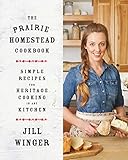
Overview: This cookbook revives pioneer-era cooking methods adapted for contemporary kitchens, focusing on heritage techniques and simple ingredients. It celebrates the resourcefulness of prairie homesteaders with recipes that emphasize scratch cooking and preservation.
What Makes It Stand Out: The historical angle provides fascinating context, connecting modern cooks to their culinary ancestors. Recipes include historical notes about prairie life, and the book teaches lost arts like sourdough cultivation from wild yeasts and cooking with cast iron over varied heat sources.
Value for Money: At $29.44, this is the priciest option in the farm-to-table category. You’re paying for historical research and specialized knowledge rather than recipe quantity. Comparable heritage cookbooks typically range $25-35, so while expensive, it’s not overpriced for its niche.
Strengths and Weaknesses: Strengths include unique historical perspective, detailed technique explanations, and adaptability to modern kitchens. The sourdough section alone is comprehensive. Weaknesses include the highest price point, recipes that occasionally require significant time investment, and some ingredients that may be difficult to source authentically. The focus on simplicity might disappoint those seeking complex flavors.
Bottom Line: A worthwhile investment for history buffs and serious heritage cooking enthusiasts. The price is steep for casual buyers, but the specialized knowledge is invaluable for those wanting to master traditional techniques. Consider it a reference book rather than a quick recipe collection.
9. The Catskills Farm to Table Cookbook, Revised Edition: Over 100 Year-Round Recipes

Overview: This regionally-focused cookbook showcases the agricultural bounty of New York’s Catskill Mountains through seasonal recipes. The revised edition updates classic dishes while maintaining connections to local farms and producers.
What Makes It Stand Out: The hyper-local focus provides an intimate look at a specific food ecosystem. Recipes are meticulously organized by season and feature profiles of local farmers, creating a strong sense of place. The revised edition includes updated techniques and new producer spotlights.
Value for Money: At $18.72, this offers solid value for a specialized regional cookbook. While it contains fewer recipes than competitors, the quality of curation and local expertise justifies the price. Similar regional cookbooks typically cost $20-25.
Strengths and Weaknesses: Strengths include exceptional seasonal organization, beautiful photography showcasing the region, and strong community connections. The year-round approach ensures relevance. Weaknesses include the relatively modest recipe count and geographic specificity that may limit appeal outside the Northeast. Some recipes depend on regional ingredients that are hard to substitute.
Bottom Line: Excellent for cooks in the Northeastern US or those interested in regional American cuisine. The revised edition’s updates make it fresh and relevant. While not as comprehensive as national farm-to-table books, its local expertise and seasonal precision make it a valuable addition for locavores.
10. Dishing Up the Dirt: Simple Recipes for Cooking Through the Seasons (Farm-to-Table Cookbooks, 1)
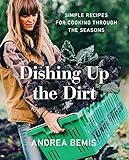
Overview: This seasonal cookbook emphasizes cooking in harmony with nature’s rhythms. As the first in a farm-to-table series, it establishes a framework for year-round eating based on what’s fresh and available, with straightforward recipes for home cooks.
What Makes It Stand Out: The book’s structure follows a farmer’s calendar, with personal narratives from the field accompanying each seasonal section. This memoir-style approach connects readers to the land, while the recipes focus on letting peak-season ingredients shine with minimal manipulation.
Value for Money: At $15.79, this is one of the most affordable options in the category. The combination of personal storytelling and practical recipes delivers excellent value. Comparable seasonal cookbooks typically start around $20, making this an accessible entry point.
Strengths and Weaknesses: Strengths include approachable recipes, engaging narrative voice, beautiful seasonal photography, and clear ingredient substitution guides. The memoir elements inspire without being overwhelming. Weaknesses include fewer recipes than bulkier volumes and a Pacific Northwest focus that may not translate perfectly to all climates. Some cooks may want more complex techniques.
Bottom Line: Perfect for beginning farm-to-table enthusiasts or anyone wanting to eat more seasonally. The affordable price and engaging storytelling make it highly accessible. While seasoned homesteaders might want more depth, it’s an inspiring and practical guide for connecting your kitchen to the seasons.
What Defines a True Farm-to-Table Cookbook?
A genuine farm-to-table cookbook operates on principles, not just aesthetics. While beautiful photography of rustic wooden tables and weathered farmer hands might catch your eye, the substance lies in the book’s underlying framework. These cookbooks prioritize ingredient provenance over convenience, seasonality over year-round availability, and relationships over transactions. They treat vegetables as the main event rather than supporting characters, and they acknowledge that a recipe for spring peas will be irrelevant come autumn.
The core philosophy extends beyond mere recipe collection. You’ll find chapters organized by harvest cycles rather than protein types. Headnotes often include the name of the specific farm that inspired the dish. Ingredient lists might specify varieties—“Cherokee Purple tomatoes” instead of just “beefsteak tomatoes”—and offer guidance on what to substitute when those specific varieties aren’t available in your region. This level of detail signals that the author has done more than romanticize the concept; they’ve lived it.
Key Features to Look for in Farm-to-Table Cookbooks
Seasonality as a Core Principle
The most reliable indicator of an authentic farm-to-table cookbook is how it handles seasonality. Flip to the index—if you find “asparagus” scattered throughout the book rather than concentrated in one spring chapter, that’s a red flag. Quality volumes structure their content around the natural growing calendar, often with explicit sections for spring, summer, autumn, and winter. This isn’t just organizational preference; it’s a teaching tool that helps you internalize when produce peaks in your area.
Look for recipes that celebrate the fleeting nature of certain ingredients. A cookbook that includes multiple preparations for ramps or morels understands that these treasures vanish quickly. The best authors will also provide “bridge recipes” that help you transition between seasons—dishes that work with the last of the storage onions and the first of the fresh greens, teaching flexibility and kitchen improvisation.
Local Sourcing Guidance
A cookbook that truly celebrates local produce should function as a field guide to your regional food system. Check for resources beyond the recipe pages: maps of growing zones, directories of regional ingredient substitutions, and practical advice on finding local producers. The most helpful volumes include a “Where to Find It” section that explains how to locate community-supported agriculture (CSA) programs, farmers’ markets, and farm stands.
Pay attention to how authors address the “local paradox”—the fact that what’s local to them may not be local to you. Sophisticated cookbooks acknowledge this limitation and empower you to adapt. They’ll suggest asking your farmer for “whatever braising greens look best” rather than insisting on specific cultivars, or they’ll teach you the characteristics to look for in a good storage potato rather than naming a variety that only grows in their climate.
Producer Spotlights and Stories
The narrative DNA of farm-to-table cooking is found in the stories of the people who grow our food. Cookbooks worth your investment dedicate space to producer profiles that go beyond superficial farmer portraits. These features should reveal growing practices, challenges specific to that season, and why certain varieties were chosen. When you understand that a farmer grew a particular bean because it withstands your region’s humid summers, you gain respect for the ingredient and insight into your local ecosystem.
These stories also serve a practical purpose: they help you identify the values-aligned producers in your own community. As you read about a farmer’s commitment to dry-farming tomatoes or heritage grain preservation, you’ll develop questions to ask at your own market, elevating you from passive consumer to engaged community member.
Regional vs. Universal Approaches: Which Suits Your Kitchen?
Farm-to-table cookbooks generally fall into two categories: those hyper-focused on a specific bioregion and those attempting universal applicability with regional adaptations. Neither approach is inherently superior, but your location and cooking style should dictate your choice.
Regional-specific cookbooks offer unparalleled depth for those living in that area. They’ll tell you precisely when huckleberries ripen in the Pacific Northwest or which Gulf Coast shrimp varieties are sustainable. The downside? If you live in New England, a cookbook celebrating Southern Appalachia’s growing season will require constant mental translation.
Universal-approach cookbooks sacrifice some specificity for broader utility. They excel at teaching principles—how to build a meal around any winter squash, for instance—rather than prescribing exact ingredients. For beginners or those in regions without strong farm-to-table publishing, these volumes provide a more flexible foundation. The key is finding one that still respects regional diversity rather than flattening it into generic “seasonal” cooking.
Author Credentials: Why the Voice Behind the Recipes Matters
The farm-to-table space attracts diverse voices: chefs who’ve pivoted toward sustainability, farmers who’ve learned to write, and food journalists with agricultural deep-dives. Each perspective offers different strengths. Chef-authors bring professional technique and flavor development, invaluable for elevating simple vegetables into memorable meals. Farmer-authors offer unmatched agricultural literacy, helping you understand why your kale bolts or your tomatoes crack. Journalists often synthesize complex food system issues into accessible, actionable intelligence.
Investigate the author’s relationship with the land. Have they worked on a farm? Do they maintain their own substantial garden? How long have they been embedded in their local food community? A bio that mentions “summer visits to grandmother’s garden” suggests romanticism; one that details a decade of CSA membership or market farming indicates authentic expertise. Look for authors who acknowledge failures—crop losses, pest problems, recipes that didn’t work—because transparency about challenges signals real experience.
Recipe Usability: Beyond Just Beautiful Photos
Skill Level Transparency
The best farm-to-table cookbooks are honest about the time and technique required. They recognize that cooking with peak-season produce often means minimal manipulation—perfect tomatoes need little more than salt and olive oil—while also providing more complex preparations for days when you have both time and abundance. Check for skill-level indicators or honest headnotes: “This tastes best with a mandoline” or “Active time is 30 minutes, but you’ll need to start the day before.”
Avoid books that glamorize labor-intensive processes without acknowledging the reality of weeknight cooking. A cookbook that suggests you “simply” hand-roll pasta after a full workday and a farmers’ market run isn’t respecting your time. Instead, look for authors who offer shortcuts without sacrificing integrity: using a food processor for pestos, recommending freezer-friendly preparations, or providing “market day” and “cooking day” timelines.
Ingredient Availability Considerations
Sophisticated farm-to-table cookbooks address the tension between idealism and reality. They should teach you which ingredients are worth seeking out specifically and which can be substituted. A recipe calling for “fresh shell beans” should note that frozen or properly canned beans work well in winter, or that dried beans are a fine alternative with adjusted cooking times.
The ingredient lists themselves reveal much about a book’s practicality. Do they call for obscure items available only at specialty stores, undermining the local focus? Or do they build pantry lists around versatile staples that anchor seasonal produce? The most useful volumes include a “market to pantry” section explaining how to preserve peak ingredients—through fermentation, dehydration, or proper storage—extending your local eating into the off-season.
The Role of Photography: Inspiration vs. Instruction
Stunning photography sells cookbooks, but in farm-to-table literature, images should do more than entice. They should educate. Look for photos that show ingredients in various stages—just harvested, partially prepped, fully cooked—helping you identify quality and understand transformation. A picture of a properly cleaned leek, showing how much green to trim, is worth paragraphs of description.
Be wary of books where every image looks like a magazine shoot. If the photography feels unattainable—elaborate plating, professional styling, ingredients at perfect peak—you might feel intimidated rather than empowered. The most effective farm-to-table photography has a documentary quality: market scenes showing actual produce diversity, step-by-step fermentation processes, or the imperfect beauty of a just-dug carrot with soil still clinging to its crevices.
Sustainability Messaging: More Than Just a Buzzword
Authentic farm-to-table cookbooks embed sustainability into their DNA, not just their marketing. They address food waste directly, offering recipes for beet greens, corn cobs, and broccoli stems. They discuss the environmental impact of ingredients—why local, pasture-raised meat matters, or the water footprint of almonds in non-growing regions. This doesn’t mean preachy prose; it means thoughtful context that helps you make informed choices.
Check for practical sustainability features: composting guides, explanations of nose-to-tail or root-to-stem cooking, and discussions of packaging waste at markets. The most sophisticated authors will even address the paradox of cookbook production itself, using recycled paper, vegetable-based inks, or digital supplements to reduce their own footprint.
Building Your Ideal Farm-to-Table Collection
Starter vs. Advanced Collections
If you’re new to seasonal cooking, start with a single, comprehensive volume that covers a full year. This foundational book should emphasize technique over novelty, helping you master basic skills like properly cooking grains, building a vinaigrette, and roasting any vegetable. It should feel like a culinary mentor rather than a coffee table trophy.
For experienced cooks, curate a specialized library. Seek out single-subject deep dives—books dedicated entirely to grains, legumes, or alliums—that expand your repertoire. Add regional volumes from areas with similar climates to yours, and include preservation-focused books that help you capture abundance. An advanced collection should challenge you: fermenting projects, whole-animal cooking, and heritage grain baking that pushes your skills forward.
Maximizing Your Cookbook Investment
A farm-to-table cookbook should earn its shelf space through repeated use. Before purchasing, assess its long-term value. Does it include reliable master recipes—flexible templates for frittatas, grain bowls, or braised greens—that you’ll return to weekly? Are there pantry-building sections that help you stock ingredients you’ll actually use? The best books function as both cookbooks and reference manuals.
Consider the “stain factor”—a well-loved farm-to-table cookbook should show signs of use. Check if the binding lies flat, if pages are wipeable, and if the typeface is readable in dim kitchen light. Some publishers now offer kitchen-friendly formats: waterproof covers, ribbon bookmarks, and lay-flat bindings. These practical details indicate the publisher expects the book to be used, not just displayed.
Common Pitfalls to Avoid When Selecting
Beware of “farm-washing”—books that adopt the aesthetic without the substance. Red flags include recipes that call for out-of-season produce without acknowledging it, generic stock photos instead of location-specific imagery, and author bios that lack agricultural grounding. If a book claims to celebrate local produce but every recipe includes lemon juice (outside of citrus-growing regions), it’s not truly teaching seasonality.
Another trap is the “aspirational purchase”—books so beautiful or specialized that they intimidate rather than invite. A volume dedicated to foraged ingredients is useless if you live in a city without access to wild spaces. Similarly, books from celebrity chefs at high-end farm-to-table restaurants may require equipment and ingredient access beyond home cooks’ reach. Choose books that match your actual life, not the one you imagine having.
Digital vs. Print: Format Considerations
The debate between digital and print cookbooks intensifies in the farm-to-table genre. Print offers tactile pleasure and doesn’t crash when your hands are covered in tomato juice. It allows for margin notes, splatter marks of successful recipes, and easy browsing. Many farm-to-table enthusiasts prefer print for its disconnect from screens and its physical presence in a kitchen dedicated to slow, mindful cooking.
Digital formats, however, offer unique advantages. Searchability means you can instantly find all recipes using “kale” when your CSA box overflows. Hyperlinked ingredient names can connect to videos showing proper technique. Some digital farm-to-table cookbooks include interactive seasonal calendars or GPS-enabled farm directories. The ideal solution might be a hybrid: a well-used print copy for daily cooking supplemented by digital resources for planning and research.
Price Points and Value Assessment
Farm-to-table cookbooks range from $20 paperbacks to $75 artisanal volumes. Price doesn’t always correlate with utility. A modestly priced book from a regional university press might offer more practical local knowledge than a glossy celebrity chef tome. Assess value by calculating cost-per-recipe you’ll actually use, not total page count.
Consider the hidden costs, too. Does the book require expensive equipment or obscure ingredients that will inflate your actual investment? Or does it help you save money by teaching preservation, waste reduction, and smart market shopping? A $40 book that prevents hundreds of dollars in spoiled produce and teaches you to make $20 restaurant salads for $5 at home delivers exceptional ROI.
Community Connection: Cookbooks as Local Food Guides
The most powerful farm-to-table cookbooks function as community directories. They should introduce you not just to recipes, but to the ecosystem that makes local eating possible. Look for books that list regional seed companies, agricultural extension services, and food policy organizations. Some include QR codes linking to updated farm directories or online communities where readers share what’s in season in their area.
These books can also catalyze real-world connections. Many authors host potlucks, farm tours, or cooking classes that build local food communities. Check if the book has an active online presence where readers exchange tips about markets, share adaptations for different climates, or troubleshoot preservation projects. A cookbook that connects you to fellow seasonal eaters multiplies its value exponentially.
Frequently Asked Questions
How do I adapt recipes from a farm-to-table cookbook if I live in a different climate zone than the author?
Start by identifying your own hardiness zone and peak harvest calendars, then cross-reference them with the book’s seasonal organization. Replace ingredients with analogous items from your region—swap Pacific Northwest blackberries for Northeast elderberries, or Southern okra for Northern green beans. The key is matching texture and cooking time rather than exact flavor. Most importantly, contact your local extension service or farmers’ market manager; they can provide variety recommendations that capture the spirit of the original recipe while using what’s actually available to you.
Should I prioritize cookbooks from famous chefs or from actual farmers?
Neither is inherently better—it depends on your goals. Chef-authored books excel at technique and flavor layering, helping you transform simple ingredients into restaurant-quality meals. Farmer-authors offer agricultural wisdom and ingredient intimacy that chefs rarely match. For a balanced collection, include both: a chef book for inspiration and technical skill, and a farmer book for growing knowledge and earthy authenticity. The most valuable authors are those who’ve genuinely straddled both worlds, working the soil and the line.
What’s the best way to organize my farm-to-table cookbooks for actual use?
Organize by season rather than author or cuisine. Create a physical or digital index where you tag recipes by primary ingredient and month of peak availability. Keep your current season’s go-to book on the counter, with others stored but easily accessible. Many cooks maintain a seasonal binder with photocopied or printed pages of their most-used recipes from various sources, creating a personalized seasonal kitchen manual that evolves with your skills and tastes.
How can I tell if a cookbook’s “local” focus is genuine or just marketing?
Examine the index for ingredient seasonality—are asparagus recipes only in spring chapters? Read the headnotes for specific farm names and locations the author has actually worked with. Check if the book addresses regional limitations honestly. Genuine books include recipes for when produce fails (pest damage, drought) and discuss the challenges of local sourcing. Marketing-driven books show perfect produce in every photo and never mention the realities of farming. Also, look at the author’s bio for sustained agricultural engagement, not just a summer spent on a farm.
Are farm-to-table cookbooks suitable for beginner cooks?
Absolutely, but choose wisely. Beginner-friendly volumes focus on technique building, offer “market to table” timelines, and include forgiving recipes that teach intuition rather than rigid formulas. They’ll have extensive sections on basic skills: washing and storing produce, building a pantry, and simple preservation. Avoid books that assume you already know how to shuck fava beans or maintain a sourdough starter. The best starter books celebrate simplicity, showing how perfect ingredients need minimal manipulation.
How do farm-to-table cookbooks address dietary restrictions?
Quality farm-to-table cookbooks are inherently flexible because they center vegetables, grains, and legumes. Many are unintentionally gluten-free or vegan-friendly since meat and wheat are often supporting players. Look for books that explicitly discuss adaptations: which grains substitute for farro, how to make recipes vegan without losing substance, or what to do if you’re avoiding nightshades during tomato season. The most inclusive books provide “base recipes” with multiple variation paths rather than rigid, unalterable dishes.
What preservation techniques should a good farm-to-table cookbook cover?
Essential techniques include proper storage (root cellaring, refrigeration strategies), water-bath canning for high-acid foods, lacto-fermentation, dehydration, freezing best practices, and oil-preserving for herbs and aromatics. The book should explain not just how to preserve, but what preservation method suits which ingredient and why. It should also address food safety clearly without being alarmist. Advanced books might cover pressure canning, charcuterie, and natural wine-making, but a solid foundational volume covers the basics comprehensively.
How important is it that my farm-to-table cookbook includes meat and seafood recipes?
It depends on your diet, but even vegetarian households benefit from books that address animal proteins thoughtfully. These sections often contain the most explicit discussions of sustainability, pasture management, and ethical sourcing. They teach principles—using whole animals, honoring the sacrifice, matching cooking methods to cuts—that apply to vegetable cookery too (root-to-stem eating). If you do eat meat, prioritize books that treat it as a special occasion ingredient rather than a daily staple, reflecting true farm-to-table values of resource respect.
Can digital farm-to-table cookbooks offer the same experience as print?
Digital books excel at searchability, updates, and multimedia integration—watching a video of proper corn shucking technique beats reading about it. However, they lack the tactile, offline experience that many farm-to-table practitioners value. The best digital versions enhance rather than replace print, offering seasonal apps that sync with your local harvest calendar or online communities for recipe sharing. Consider digital for planning and research, print for the actual cooking. Some publishers offer bundles that provide both formats at a slight discount.
How do I balance the idealism of farm-to-table cooking with the reality of my budget and time constraints?
Start by recognizing that farm-to-table is a practice, not perfection. The best cookbooks acknowledge this tension, offering “good-better-best” scenarios: conventionally grown local produce is better than organic imports; frozen farmers’ market vegetables in winter beat out-of-season fresh. Look for books with “pantry hero” recipes that use affordable staples (beans, grains, eggs) to stretch small amounts of premium produce. Prioritize books that teach batch cooking and preservation, turning one day of effort into a week of meals. Remember, the goal is progress toward connection, not bankruptcy or burnout.