As June approaches and rainbow flags begin to dot storefronts and social media feeds, many readers feel a pull toward stories that deepen their understanding of the LGBTQ+ experience. While parades and celebrations offer visible joy, there’s profound power in quiet moments spent with a memoir that opens a window into another person’s truth. These first-person narratives do more than document personal journeys—they serve as lifelines, historical records, and bridges across difference. Whether you’re seeking reflection, education, or connection during Pride Month, LGBTQ+ memoirs offer an intimacy that no news article or documentary can replicate. They invite you into living rooms, therapy sessions, and moments of raw vulnerability that collectively map the vast, beautiful terrain of queer existence.
Top 10 LGBTQ+ Memoirs
Detailed Product Reviews
1. Gender Queer: A Memoir

Overview: This graphic memoir by Maia Kobabe chronicles eir journey of self-discovery through gender identity and sexuality. Using illustrated panels, Kobabe explores the nuanced experience of coming out as non-binary and asexual, offering readers an intimate window into a profoundly personal process. The visual format transforms abstract concepts of gender into tangible, relatable imagery that resonates across different reader experiences.
What Makes It Stand Out: The graphic novel format distinguishes this memoir from traditional prose narratives. Kobabe’s artistic storytelling creates immediate emotional resonance, particularly for visual learners. The memoir courageously addresses topics like binding, pronoun navigation, and medical appointments with raw honesty. Its unflinching portrayal of non-binary life has made it both revolutionary and controversial, cementing its cultural significance in contemporary LGBTQ+ literature.
Value for Money: At $12.99, this paperback delivers exceptional value. Comparable graphic memoirs typically retail for $15-20, and the unique artistic labor involved justifies every penny. The book serves as both a personal story and an educational resource, offering dual utility that exceeds its modest price point and makes it accessible to students and educators alike.
Strengths and Weaknesses: Strengths include innovative visual storytelling, unprecedented representation for non-binary and ace communities, and educational value for allies. The graphic format makes complex gender concepts accessible. Weaknesses: Some readers may find the illustrated sexual content confronting, and the non-linear narrative occasionally feels disjointed. The personal specificity might not resonate with all transgender experiences.
Bottom Line: An essential addition to LGBTQ+ literature that belongs on every ally’s bookshelf. While its intimacy may challenge some readers, its educational and empathetic value is undeniable. Perfect for those seeking to understand non-binary experiences beyond theoretical discussions and academic texts.
2. I Have Something to Tell You: A Memoir

Overview: Chasten Buttigieg’s memoir chronicles his journey as a gay man growing up in Traverse City, Michigan, before becoming a public figure as the husband of presidential candidate Pete Buttigieg. The narrative weaves together small-town upbringing, family acceptance struggles, and eventual empowerment. It offers an earnest, optimistic perspective on modern gay life in America that emphasizes possibility over pain.
What Makes It Stand Out: The memoir’s unique position at the intersection of personal identity and political life creates compelling context. Buttigieg’s Midwestern perspective challenges coastal stereotypes about LGBTQ+ experiences. His storytelling emphasizes joy and resilience rather than trauma, providing a refreshing counter-narrative to many coming-out stories. The book connects individual identity with broader social progress in accessible ways.
Value for Money: At $9.99, this is the most affordable memoir in this collection. The accessible price point removes financial barriers for younger readers or those exploring their identity. Given its blend of personal narrative and political relevance, it offers substantial content value comparable to higher-priced memoirs, making it an excellent entry point.
Strengths and Weaknesses: Strengths include its heartwarming tone, relatable small-town perspective, and message of hope. The writing is accessible and conversational, making it ideal for readers new to LGBTQ+ memoirs. Weaknesses include limited literary depth and a narrative heavily shaped by its political context, which may not appeal to all readers. Some may find it lacks the raw edge of more confrontational memoirs.
Bottom Line: A welcoming entry point into LGBTQ+ memoirs, particularly for those seeking uplifting narratives. While it may not satisfy readers craving literary complexity, its hopeful message and accessible storytelling make it valuable for teens, allies, and anyone needing reassurance that joy and authenticity can coexist in queer life.
3. Sorted: Growing Up, Coming Out, and Finding My Place (A Transgender Memoir)

Overview: Jackson Bird’s memoir navigates his transgender coming-of-age story from Texas teen to YouTube creator and LGBTQ+ advocate. The narrative captures the confusion, research, and gradual self-realization that marked his journey. Bird transforms personal vulnerability into a practical guide for understanding transgender identity in the digital age, making complex experiences relatable.
What Makes It Stand Out: Bird’s background as a YouTuber infuses the memoir with contemporary, multimedia-aware storytelling. The book functions as both memoir and handbook, incorporating “Aha!” moments that illuminate transgender experiences for cisgender readers. His humorous, self-deprecating voice makes challenging topics approachable without diminishing their significance or emotional weight.
Value for Money: Priced at $12.84, this memoir sits comfortably in the standard range for contemporary autobiographies. The added value of its educational components—pronoun guidance, transition terminology, and resource lists—makes it more than just a personal story. It essentially combines memoir and reference guide for one price, increasing its practical utility.
Strengths and Weaknesses: Strengths include its relatability for younger readers, clear explanations of transgender concepts, and optimistic forward momentum. Bird’s media expertise creates engaging, digestible chapters. Weaknesses include a narrative that sometimes prioritizes teaching over storytelling, potentially alienating readers seeking pure memoir. The focus on younger experiences may resonate less with older transgender individuals or late-transitioners.
Bottom Line: An invaluable resource for transgender youth and their support networks. Bird successfully balances education with personal narrative, creating a memoir that empowers readers. While it may feel instructive at times, this approach serves its mission of visibility and understanding exceptionally well for its intended audience.
4. Fairyland: A Memoir of My Father

Overview: Alysia Abbott’s memoir recounts her childhood raised by a gay single father in 1970s San Francisco, chronicling their bohemian life before and during the AIDS crisis. The narrative explores the complexities of parental love, artistic community, and loss. Abbott transforms personal grief into a lyrical tribute to a remarkable parent-child bond that defied conventional norms.
What Makes It Stand Out: The historical perspective offers crucial documentation of pre-AIDS and early AIDS-era gay culture. Abbott’s literary prose elevates the memoir beyond personal narrative into social history. The father-daughter relationship provides a rare viewpoint within LGBTQ+ literature, exploring how parental sexuality shapes family dynamics with nuance and grace rarely seen in memoirs.
Value for Money: At $15.80, this represents a modest premium over standard memoir pricing. However, the book’s literary quality and historical significance justify the cost. It functions as both memoir and primary historical document, offering educational value that extends beyond personal storytelling and makes it suitable for academic contexts.
Strengths and Weaknesses: Strengths include exquisite writing, important historical documentation, and complex emotional depth. Abbott captures a vanished San Francisco with poetic precision. Weaknesses include a slower narrative pace that may challenge readers seeking more dramatic arcs. The heavy themes require emotional stamina, and the historical focus might feel distant to readers seeking contemporary relevance.
Bottom Line: A beautifully crafted memoir essential for understanding LGBTQ+ history. Abbott’s literary skill and unique perspective create an unforgettable reading experience. While its measured pace and heavy subject matter demand commitment, the rewards are profound for readers interested in the intersection of personal and queer historical narratives.
5. We Have Always Been Here: A Queer Muslim Memoir

Overview: Samra Habib’s memoir traces her journey as a queer Muslim woman navigating faith, sexuality, and refugee identity. From Pakistan to Canada, Habib chronicles her search for authentic selfhood at the intersection of seemingly conflicting communities. The narrative challenges assumptions about both Muslim and LGBTQ+ experiences with remarkable candor and insight.
What Makes It Stand Out: The intersectional perspective is virtually unmatched in mainstream memoir publishing. Habib’s exploration of queer identity within Islamic context breaks powerful silences. Her photography project documenting queer Muslims globally weaves throughout the narrative, adding visual testimony to her written word. The memoir bridges cultural divides with rare courage and nuance.
Value for Money: At $17.66, this is the premium-priced memoir in this collection. The unique perspective and cultural bridging work justify the higher cost. For readers seeking intersectional representation, the value transcends price—this is one of few available narratives addressing this specific experience, making it an important addition to diverse libraries.
Strengths and Weaknesses: Strengths include groundbreaking representation, beautiful prose, and courageous confrontation of taboo subjects. Habib’s storytelling illuminates underrepresented communities with grace. Weaknesses include a narrative that occasionally covers so much ground—refugee experience, faith, sexuality, family—that some threads feel underdeveloped. Readers unfamiliar with Muslim culture may need additional context to fully appreciate certain passages.
Bottom Line: A vital, perspective-expanding memoir that belongs in every diverse library. Habib’s courage in sharing her story creates essential bridges between communities. While the breadth of topics can feel overwhelming, the importance of this narrative cannot be overstated for allies, Muslims questioning their identity, and anyone seeking to understand intersectional queer experiences.
6. All Boys Aren’t Blue: A Memoir-Manifesto

Overview: All Boys Aren’t Blue is a powerful collection of personal essays by George M. Johnson, chronicling their experiences growing up as a Black queer boy in New Jersey and Virginia. This memoir-manifesto spans from childhood through college, tackling topics like family relationships, sexual identity, gender expression, and the intersection of race and sexuality with unflinching honesty.
What Makes It Stand Out: Johnson’s unique “memoir-manifesto” approach transforms personal narrative into a call for social change. The book specifically addresses the lack of representation for young Black queer men in literature, filling a critical gap in both LGBTQ+ and young adult nonfiction. Its essay structure makes difficult topics accessible, while maintaining literary depth.
Value for Money: At $10.05 for the paperback, this book delivers exceptional value. Comparable memoirs typically retail for $15-18, making this an affordable entry point into essential queer Black literature. The educational and emotional impact far exceeds its modest price point.
Strengths and Weaknesses: Strengths include Johnson’s candid voice, intersectional perspective, and ability to balance vulnerability with empowerment. The writing is both accessible to teens and substantive enough for adult readers. Some readers may find certain passages graphically intense, particularly regarding sexual assault and trauma. The essay format, while a strength, occasionally creates slight narrative disjointedness.
Bottom Line: This is required reading for anyone seeking to understand the intersection of race and queer identity. Particularly vital for LGBTQ+ youth of color and those who support them, though its truths resonate universally. An essential addition to contemporary memoir collections.
7. Calling Dr. Laura: A Graphic Memoir – A Heartfelt LGBTQ Coming-Out Story of Family Secrets and Identity

Overview: Calling Dr. Laura is Nicole J. Georges’ graphic memoir exploring family secrets and her journey coming out as a lesbian. When Georges learns her father isn’t dead as her mother claimed, she confronts layers of deception while navigating her own identity. The story unfolds through stark black-and-white illustrations that amplify the emotional weight of her discoveries.
What Makes It Stand Out: The graphic memoir format distinguishes this from traditional coming-out narratives, using visual metaphor to explore complex emotional terrain. Georges’ integration of her real-life call to Dr. Laura Schlessinger’s radio show provides a unique structural and thematic anchor, examining how external advice clashes with internal truth.
Value for Money: Priced at $13.55, this paperback graphic memoir sits comfortably in the standard range for the genre. Similar works like Fun Home or Spinning retail for $15-20, making this a competitively priced option for quality illustrated nonfiction.
Strengths and Weaknesses: The stark artwork powerfully conveys isolation and revelation, while the memoir’s nonlinear structure mirrors the messy process of self-discovery. Georges balances humor and heartbreak effectively. However, the art style’s minimalism may not appeal to readers preferring detailed illustrations. Some plot threads feel underdeveloped, particularly regarding family reconciliation. The Dr. Laura framing device, while innovative, occasionally feels disconnected from the main narrative.
Bottom Line: Ideal for fans of graphic memoirs and LGBTQ+ stories seeking a fresh perspective. Its visual storytelling makes heavy topics digestible without sacrificing depth. A solid choice for readers who enjoyed Alison Bechdel’s or Ellen Forney’s work, though slightly less polished.
8. Love Lives Here: A Story of Thriving in a Transgender Family

Overview: Amanda Jette Knox’s Love Lives Here chronicles her family’s transformation when first her child, then her spouse, come out as transgender. This memoir from a cisgender parent’s perspective documents the shift from confusion and fear to unwavering advocacy and celebration. Knox provides an intimate look at how one family redefined love, identity, and happiness through two simultaneous transitions.
What Makes It Stand Out: Few memoirs tackle dual transitions within one family with such openness. Knox’s focus on thriving rather than merely surviving offers a refreshingly hopeful narrative in transgender literature. The book functions as both memoir and practical guide, including resources for families navigating similar journeys while maintaining compelling narrative momentum.
Value for Money: At $18.18, this memoir represents solid mid-range value. Recent hardcover memoirs typically launch at $25-28, making this a reasonable investment for a timely, important story. The combination of personal narrative and practical guidance enhances its worth.
Strengths and Weaknesses: Knox’s unflinching honesty about her own learning curve creates an accessible entry point for uninformed allies. Her advocacy journey is inspiring and educational. The dual-timeline structure effectively weaves both transitions together. However, the parent-centric perspective occasionally centers cisgender feelings over transgender experiences. Some transgender readers may find the “learning to accept” narrative framework exhausting, though Knox largely avoids common pitfalls. The resource sections, while helpful, can disrupt narrative flow.
Bottom Line: Invaluable for families of transgender individuals seeking hope and guidance. Knox models allyship while acknowledging mistakes. Readers should supplement with trans-authored narratives for complete perspective, but this remains a compassionate, useful resource for its intended audience.
9. Fire in Every Direction: A Memoir
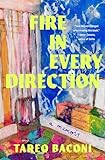
Overview: Fire in Every Direction is a searing memoir of personal crisis and recovery. The narrative plunges readers into a period when the author’s world ignited simultaneously on multiple fronts—health, relationships, and career—forcing a complete reevaluation of identity and purpose. The memoir maps a journey through chaos toward hard-won clarity, examining how systemic failures compound personal tragedy.
What Makes It Stand Out: The memoir’s unflinching examination of systemic failure—medical, social, and institutional—during personal crisis distinguishes it from more individualistic recovery narratives. Its literary quality elevates it above standard memoir fare, employing metaphorical language that makes personal struggle universally resonant. The title’s imagery permeates the prose, creating cohesion through chaos.
Value for Money: At $21.38, this sits at the higher end for memoirs, likely reflecting a recent hardcover release. While steep compared to paperbacks, the price aligns with premium narrative nonfiction. Readers seeking literary memoirs will find the investment worthwhile, though budget-conscious buyers might wait for paperback.
Strengths and Weaknesses: The writing is visceral and beautifully crafted, transforming trauma into art. Its unapologetic anger and honesty feel refreshing and authentic. However, the intense prose may overwhelm readers seeking straightforward narratives. Some sections assume familiarity with specific cultural or professional contexts, potentially alienating general audiences. The memoir’s focus on crisis sometimes shortchanges the recovery journey’s details, leaving readers wanting more resolution. Trigger warnings apply for mental health, medical trauma, and substance abuse.
Bottom Line: Best suited for readers who appreciate literary memoirs that prioritize style and emotional truth over linear storytelling. Those seeking light reading should look elsewhere. For fans of Maggie Nelson or Leslie Jamison, this offers similar intellectual and emotional intensity. A powerful, if demanding, read.
10. Never a Girl, Always a Boy: A Family Memoir of a Transgender Journey

Overview: Never a Girl, Always a Boy is Jo Ivester’s memoir about her transgender son’s journey from assigned female to affirmed male. Spanning from early childhood through transition and beyond, Ivester chronicles the family’s evolution in understanding and supporting their son. The narrative challenges preconceived notions about gender while celebrating the clarity that comes when children are allowed to be their authentic selves.
What Makes It Stand Out: The title itself—Never a Girl, Always a Boy—immediately centers transgender truth rather than transition process. Ivester’s longitudinal approach, following her son from early childhood through adulthood, provides rare developmental perspective. The memoir explicitly addresses how societal expectations clashed with her son’s innate identity from a very young age, making a powerful case for early affirmation.
Value for Money: At $16.73, this memoir offers good value for a well-crafted family narrative. Positioned between budget paperbacks and premium hardcovers, it delivers substantial content at a moderate price point. The book’s educational value for parents, educators, and healthcare providers justifies the cost.
Strengths and Weaknesses: Ivester’s clear, accessible prose makes complex gender concepts understandable for general audiences. Her son’s voice appears throughout, partially mitigating the parent-narrator limitation. The chronological structure provides clarity and narrative satisfaction. However, the family’s relative privilege (financial stability, supportive community) may not reflect many trans individuals’ realities. Some passages feel repetitive in emphasizing acceptance messages. While better than many cis-authored trans narratives, it still filters trans experience through parental perspective.
Bottom Line: Excellent resource for parents questioning how to support a transgender child. Ivester models listening and advocacy while acknowledging her own growth. Should be paired with trans-authored memoirs like Janet Mock’s or Thomas Page McBee’s for authentic first-person perspective. A compassionate, clear-eyed account that serves its intended audience well.
Why Memoirs Matter in LGBTQ+ History
The Power of First-Person Narratives
Personal storytelling has always been the heartbeat of LGBTQ+ liberation. When marginalized communities lack representation in textbooks and mainstream media, individual voices become the primary archivists of history. Memoirs capture the texture of daily life—the microaggressions, the moments of grace, the internal monologues—that statistical data simply cannot convey. These narratives transform abstract concepts like “discrimination” or “identity formation” into lived reality, making them invaluable tools for both queer readers seeing themselves reflected and allies seeking genuine understanding.
Documenting Untold Stories
For decades, LGBTQ+ lives existed in the shadows, documented only through criminal records, medical pathologies, or whispered family secrets. Memoirs have systematically dismantled this erasure by placing queer authors as the authorities of their own experiences. They chronicle everything from clandestine love affairs in eras of extreme persecution to the mundane beauty of building a life authentically. This documentation serves a dual purpose: it validates the experiences of those who lived through similar times while educating younger generations about the privileges they now enjoy.
Preserving Intergenerational Wisdom
The AIDS crisis, the Stonewall era, and the pre-marriage equality decades represent periods of immense struggle and resilience. Memoirs from these eras function as urgent messages in bottles, carrying survival strategies, warnings, and wisdom forward. They remind us that the current moment—while still challenging—was built on foundations of extraordinary courage. Reading these works during Pride Month creates a sacred continuity, linking past and present activists through the simple, revolutionary act of turning pages.
Understanding the Spectrum of LGBTQ+ Experiences
Beyond the Binary: Non-Binary and Genderqueer Voices
The memoir landscape has expanded dramatically to include voices that challenge traditional gender categories. These works explore the nuanced territory of existing outside male/female constructs, addressing everything from medical gatekeeping to the liberation of discovering language that finally fits. When selecting memoirs, look for narratives that articulate the specific challenges of non-binary identity, including navigating pronouns in professional settings, family rejection based on gender non-conformity, and the joy of building identity on one’s own terms.
Intersectionality in Queer Memoirs
No LGBTQ+ experience exists in isolation from race, class, disability, religion, or nationality. The most impactful memoirs refuse to separate these threads, instead showing how multiple marginalized identities intersect and compound. Seek out works that explore being queer and Black in religious communities, or transgender and disabled in rural America, or gay and undocumented in urban centers. These layered narratives resist the flattening effect of single-issue storytelling and offer a more honest, complex portrait of queer life.
Global Perspectives on LGBTQ+ Life
While American and British memoirs dominate many reading lists, LGBTQ+ experiences vary dramatically across cultural contexts. Memoirs from countries where homosexuality remains criminalized, or where cultural traditions offer different frameworks for gender diversity, challenge Western-centric understandings of queerness. These global voices reveal both universal threads of human connection and the specific ways geography, law, and tradition shape identity formation and expression.
Key Themes That Define Queer Memoirs
Coming Out Stories: More Than Just a Moment
The “coming out” narrative has become a staple, but the best memoirs reframe this as an ongoing process rather than a single event. They explore coming out to oneself, to family, to colleagues, and to medical providers—each requiring different calculations of risk and vulnerability. Look for memoirs that examine the economic implications of coming out, the racial dynamics at play, or the ways digital culture has transformed this age-old ritual. These deeper analyses move beyond simplistic “it gets better” narratives to grapple with the lifelong negotiation of visibility.
Found Family and Community Building
When biological families reject queer members, chosen families become lifelines. Memoirs document the intricate, often messy process of building these support networks—from drag house mothers to activist collectives to online communities. They reveal how queer people have historically created their own economies, housing systems, and care structures when mainstream institutions failed them. This theme resonates particularly during Pride, when community celebration takes center stage.
Trauma, Resilience, and Healing
Many LGBTQ+ memoirs confront significant trauma: conversion therapy, hate crimes, family estrangement, internalized homophobia. Yet the most powerful works balance darkness with resilience, showing not just survival but the active work of healing. They model therapeutic journeys, spiritual awakenings, and the radical self-love required to thrive after profound wounding. When selecting memoirs, consider your own capacity for heavy content, but recognize that these stories of recovery often contain the most potent hope.
Love, Relationships, and Queer Intimacy
Queer love stories deserve their own literary canon. Memoirs exploring LGBTQ+ relationships—romantic, platonic, and sexual—challenge heteronormative scripts about partnership, commitment, and family building. They document polyamorous families, co-parenting arrangements, and the unique negotiations around public affection. These narratives celebrate love while honestly addressing the additional labor required to maintain it in a world that often refuses to recognize its validity.
How to Choose the Right Memoir for Your Journey
Matching Your Current Headspace
Your emotional state should guide your reading choices. If you’re feeling celebratory and empowered, seek memoirs that emphasize joy, triumph, and community. If you’re processing trauma or questioning your identity, gentler narratives focused on healing might serve you better. Pay attention to content warnings—many modern memoirs include them—and don’t force yourself through material that feels destabilizing. Pride Month should be about nourishment, not endurance.
Considering Representation and Identity Markers
Representation matters, but specificity matters more. A generic “LGBTQ+ memoir” might not serve you as well as a memoir by someone who shares multiple aspects of your identity. Look for authors whose experiences mirror your own in terms of race, gender identity, geographic location, or religious background. Conversely, if you’re reading to expand your understanding, intentionally choose memoirs from identities vastly different from your own, approaching them with humility and openness.
Balancing Heavy and Hopeful Narratives
The most sustainable reading practice involves variety. Pair memoirs addressing systemic oppression with those celebrating queer joy. Follow a heavy historical account with a lighter, more humorous narrative. This balance prevents compassion fatigue and paints a more complete picture of LGBTQ+ life—one that includes both struggle and celebration, grief and laughter, protest and party.
The Evolution of LGBTQ+ Storytelling
From Coded Language to Unapologetic Truth
Early LGBTQ+ memoirs often relied on euphemism, metaphor, and coded language to evade censorship and legal repercussions. Authors wrote around their truths, trusting perceptive readers to understand. Contemporary memoirs, by contrast, embrace explicitness—using precise terminology, describing intimate acts, and refusing to soften their edges for palatability. Understanding this evolution helps readers appreciate the freedom with which modern authors write and recognize the bravery required to publish even veiled accounts in earlier eras.
The Digital Age and Modern Queer Narratives
Social media, blogs, and podcasts have democratized queer storytelling, creating new memoir forms that blend traditional narrative with digital-native elements. Modern memoirs might incorporate text message exchanges, social media posts, or email correspondence as primary sources. They often address the double-edged sword of online community—simultaneously life-saving and toxic. These works speak directly to younger readers who’ve formed identity in digital spaces, offering validation for experiences that feel too contemporary for traditional publishing.
Reading as Activism: The Impact of Sharing Stories
How Memoirs Shape Public Opinion
Personal narratives have moved legislative needles. When politicians and voters read about the real impact of discriminatory laws on individual lives, abstract debates become human. Memoirs have been cited in Supreme Court cases, used in diversity training, and assigned in medical schools to combat provider bias. Your choice to read and discuss these works contributes to a cultural shift, normalizing LGBTQ+ experiences one reader at a time.
Supporting LGBTQ+ Authors and Publishers
Buying memoirs during Pride Month provides crucial financial support to queer creators, but the activism extends further. Request these books at your local library, suggest them for book clubs, gift them to educators, and leave reviews online. Follow authors on social media, attend their virtual events, and amplify their voices. This ecosystem of support ensures these stories continue to be published and reach audiences who need them most.
Creating Your Pride Month Reading Ritual
Setting Intentions for Your Reading Practice
Transform passive reading into active engagement by setting clear intentions. Are you reading to heal? To learn? To feel less alone? To become a better ally? Write these intentions down and revisit them mid-month. Consider keeping a reading journal to process emotional responses, track insights, and note passages that resonate. This practice deepens the impact of each memoir and creates a personal archive of your own evolution.
Pairing Memoirs with Complementary Media
Enhance your reading experience by creating thematic clusters. Pair memoirs with documentary films on similar topics, podcasts featuring author interviews, or music playlists referenced in the text. This multimedia approach builds a richer contextual understanding and keeps you engaged across different learning styles. It also makes the experience more social, giving you multiple entry points for conversations with friends who might prefer watching to reading.
Building a Diverse LGBTQ+ Library
Mixing Classic and Contemporary Voices
A well-rounded collection spans decades and perspectives. Classic memoirs provide historical context and show how far we’ve come, while contemporary works reveal current struggles and emerging identities. This mix prevents the historical amnesia that plagues social movements and honors the full timeline of queer resistance and creativity. Don’t let your library become a time capsule of any single era.
Including Various Genres Within Memoir
The memoir category itself contains multitudes: graphic memoirs, essay collections, hybrid texts blending poetry and prose, and memoirs-in-essays. Each form offers different aesthetic pleasures and emotional access points. Graphic memoirs, for instance, can make difficult content more digestible through visual metaphor, while poetic memoirs might capture the ineffable quality of gender dysphoria or falling in love more precisely than straightforward prose.
Discussing Queer Memoirs with Others
Starting Meaningful Conversations
Sharing what you’re reading opens doors to important dialogues. Instead of simply recommending a memoir, share a specific passage that moved you and explain why. Ask open-ended questions: “How did this author’s experience differ from what you expected?” or “What would you have done in this situation?” These conversations build empathy and create shared language for discussing complex topics. They also hold space for multiple interpretations, acknowledging that no single memoir represents “the” LGBTQ+ experience.
Navigating Difficult Topics with Sensitivity
Many memoirs address topics that can be triggering or controversial within and beyond the LGBTQ+ community: religious trauma, political disagreements, sexual practices, or critiques of mainstream gay culture. Approach these discussions with care, especially when talking across generational or identity lines. Acknowledge that a memoir might challenge your own beliefs or comfort level, and view this discomfort as a growth opportunity rather than a flaw in the work.
Frequently Asked Questions
What defines an LGBTQ+ memoir as “iconic” rather than just popular?
An iconic memoir fundamentally shifts cultural conversation, influences subsequent generations of writers, or provides the first widely accessible account of a specific experience. These works become reference points within the community, quoted in academic texts, assigned in courses, and referenced in later memoirs as foundational texts. Popularity might mean bestseller status, but iconic status means lasting impact on how we understand queer identity.
How can I tell if a memoir will be a good fit for me personally?
Read interviews with the author, search for content warnings, and sample the first chapter if possible. Look for clues about the memoir’s tone—does the author use humor or maintain a more serious approach? Check if the narrative focuses on individual struggle or community resilience. Reviews from queer readers often provide the most accurate sense of whether a memoir delivers meaningful representation versus trauma porn.
Are LGBTQ+ memoirs appropriate for teen readers?
Many are, but parental guidance and research are essential. Some memoirs written for adult audiences contain graphic content around sexual assault, substance abuse, or self-harm that may not be suitable for all teens. However, a growing number of excellent young adult memoirs address LGBTQ+ identity with age-appropriate honesty. Consider the teen’s maturity level and current life circumstances when selecting material.
How do memoirs differ from autobiographies, and why does it matter for LGBTQ+ stories?
Memoirs focus on specific themes or periods rather than covering an entire life chronologically. This form works particularly well for LGBTQ+ narratives because it allows authors to zero in on identity formation, a particular relationship, or a transformative era. The memoir’s selective, reflective nature gives authors more creative freedom to explore emotional truth rather than just factual accuracy, which can be liberating when discussing identity.
Can reading LGBTQ+ memoirs actually make someone a better ally?
Absolutely, but only if the reading is paired with action. Memoirs build empathy and provide cultural context, but true allyship requires translating that knowledge into advocacy: voting for LGBTQ+ rights, challenging discriminatory behavior, supporting queer-owned businesses, and centering LGBTQ+ voices in relevant conversations. Think of memoirs as the foundation, not the complete structure, of allyship.
What should I do if I encounter outdated language or views in older memoirs?
Approach these moments as historical artifacts rather than personal slights. Language evolves rapidly, and terms that feel offensive today were often reclaimed or necessary within their original context. Use these instances as teaching moments about progress. However, it’s also valid to set aside works that feel too harmful to engage with, especially if they target your specific identity. You can appreciate a memoir’s historical significance without subjecting yourself to repetitive trauma.
How have social media and blogging changed the LGBTQ+ memoir landscape?
Digital platforms have democratized storytelling, allowing voices that traditional publishing ignored to build audiences organically. Many contemporary memoirs began as viral blog posts or Twitter threads, giving them an immediacy and authenticity that resonates with digital-native readers. However, this shift also means navigating privacy concerns and the pressure to perform trauma for clicks, creating new ethical considerations for both writers and readers.
Is it okay to read LGBTQ+ memoirs primarily for entertainment?
Yes! While these works carry cultural weight, they’re also literature meant to be enjoyed. Many queer memoirs are hilarious, romantic, or thrilling. Reducing them purely to educational texts strips them of their artistic value and can exhaust readers. It’s perfectly valid to read for pleasure, for beautiful prose, or for a story that simply captivates you. The entertainment value often makes the deeper messages more accessible.
How do I handle conflicting emotions when a memoir challenges my worldview?
Sit with the discomfort rather than rushing to defend your previous beliefs. Ask yourself what specifically feels challenging: Is it the author’s critique of an institution you value? A description of sexuality that pushes your boundaries? Acknowledge that growth often feels destabilizing. Consider discussing your reactions with trusted friends or a therapist, especially if the memoir brings up personal issues around identity, family, or faith.
What’s the best way to support LGBTQ+ memoir authors after I’ve read their work?
Leave detailed reviews on multiple platforms, request their books at libraries and bookstores, and follow their professional journeys. Many authors offer Patreon subscriptions, speaking services, or merchandise that provides more direct support than a single book purchase. Most importantly, respect their boundaries—don’t demand free emotional labor or personal disclosures beyond what they’ve already shared so vulnerably in their writing.