Imagine trying to explain to a squirming toddler why Beethoven’s Fifth Symphony matters, or why Mozart’s melodies have enchanted listeners for centuries. Traditional music education feels daunting when your audience has a three-second attention span and thinks the conductor’s baton is a fancy drumstick. Yet research consistently shows that early exposure to classical music builds neural pathways, enhances spatial reasoning, and cultivates emotional intelligence in young children. The challenge isn’t whether to introduce these timeless compositions—it’s how to make them accessible, engaging, and developmentally appropriate for tiny humans who learn best through touch, sound, and repetition.
Enter musical button board books: the ingenious hybrid that transforms passive listening into an interactive adventure. These sturdy, child-friendly volumes combine vibrant illustrations with press-and-play sound modules, allowing little fingers to trigger snippets of orchestral masterpieces while their eyes follow along with stories about the composers themselves. Unlike generic sound books that feature nursery rhymes or animal noises, composer-focused board books create a bridge between tactile play and cultural literacy, planting seeds of musical appreciation that can blossom into lifelong curiosity. For parents navigating the crowded landscape of early learning tools, understanding what makes these books truly valuable—beyond the novelty factor—becomes essential for making informed choices that support their child’s development.
Top 10 Musical Button Board Books for Classical Composers
Detailed Product Reviews
1. The Story Orchestra: Four Seasons in One Day: Press the note to hear Vivaldi’s music (Volume 1)
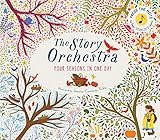
Overview: This interactive sound book brings Vivaldi’s masterpiece to life for young listeners. Part of the acclaimed Story Orchestra series, it weaves a narrative journey through spring, summer, autumn, and winter, allowing children to press buttons and hear corresponding musical excerpts. The book serves as an elegant introduction to classical music, combining storytelling with auditory stimulation.
What Makes It Stand Out: Unlike generic sound books, this volume focuses exclusively on one iconic composition, creating a cohesive educational experience. Each page aligns musical passages with seasonal imagery, helping children associate sounds with concepts. The “press the note” mechanism is intuitively designed for small fingers, and the orchestral recordings maintain high fidelity. As Volume 1, it establishes a foundation for exploring classical music through narrative.
Value for Money: At $15.17, this book positions itself in the mid-range category. While pricier than basic sound books, it offers superior musical authenticity and educational depth. Parents seeking more than just novelty noises will appreciate the curated Vivaldi excerpts. Comparable products with licensed classical recordings often exceed $20, making this a reasonable investment for quality musical education.
Strengths and Weaknesses: Pros: High-quality orchestral sound clips; cohesive seasonal storyline; sturdy construction suitable for repeated use; encourages active listening and imagination. Cons: Limited to one composer may reduce variety; fewer buttons than some competitors; musical excerpts are short; no battery information provided.
Bottom Line: Ideal for parents wanting to cultivate classical music appreciation early. The focused approach and quality recordings justify the price, though those seeking variety might prefer multi-composer alternatives.
2. Joey Books: Children’s Songs, Press and Play Song Book Nursery Rhymes, Button and Sound Module, Classic Nursery Rhymes and Children’s Music

Overview: This comprehensive songbook delivers eight full-length nursery rhymes with multiple verses, designed for interactive musical learning. The press-and-play format combines classic children’s melodies with engaging illustrations, creating a multi-sensory experience. Built specifically for toddlers, it emphasizes durability and ease of use.
What Makes It Stand Out: The commitment to full-length songs with complete lyrics sets this apart from competitors offering only snippets. Each track runs through multiple verses, enabling genuine sing-along sessions and language development. The extra-thick board pages withstand vigorous handling, while the easy-press buttons require minimal force, eliminating frustration for developing motor skills. The whimsical artwork on each page visually reinforces song themes.
Value for Money: Priced at $28.99, this is a premium option. However, the eight full-length recordings, robust construction, and included AAA batteries provide justification. When compared to purchasing separate musical toys or books with partial songs, the comprehensive content offsets the higher cost. The durability ensures longevity through multiple children.
Strengths and Weaknesses: Pros: Complete song versions with multiple verses; exceptionally sturdy pages; batteries included and replaceable; frustration-free button design; vibrant, engaging illustrations. Cons: Highest price point in category; limited to nursery rhymes (no classical music); sound quality adequate but not exceptional; may be bulky for travel.
Bottom Line: Excellent choice for families prioritizing durability and complete musical content. The premium price reflects quality construction and full-length songs, making it worth the investment for toddlers who will use it extensively.
3. LEARNING BUGS Discover The Orchestra – 28 Instrument Sounds and Classical Pieces, Musical Books for Toddlers, 28-Button Music Book, Musical Toys for Toddlers 1-3
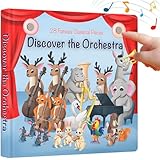
Overview: This ambitious sound book introduces toddlers to orchestral music through 28 distinct buttons representing individual instruments and classical pieces. Designed for ages 1-3, it combines auditory learning with tactile interaction. The book showcases everything from strings to percussion, followed by recognizable classical excerpts featuring those instruments.
What Makes It Stand Out: The sheer scope of 28 high-quality sounds creates an unparalleled exploratory experience. Children can first hear an isolated violin, then immediately hear its role in a full composition. This dual-layer approach builds both instrument recognition and musical context. The clear sound production and travel-friendly design make it practical for on-the-go learning, while vibrant illustrations keep visual interest high.
Value for Money: At $18.95, this offers exceptional value. With nearly three times the content of typical sound books and included batteries, it undercuts many competitors while delivering superior educational breadth. The sturdy construction ensures survival in toddler environments, maximizing the return on investment for families with multiple children.
Strengths and Weaknesses: Pros: Extensive 28-button array; real instrument sounds plus classical pieces; promotes cognitive and motor skill development; batteries included; portable design; ideal gift potential. Cons: Button layout may overwhelm younger toddlers; requires parental guidance for maximum educational benefit; some classical excerpts may be too lengthy for short attention spans; page count not specified.
Bottom Line: Outstanding educational tool for introducing orchestral music. The comprehensive sound library and reasonable price make it a top recommendation for parents seeking substantive musical learning beyond simple tunes.
4. The Story Orchestra: I Can Play: Learn 8 easy pieces of classical music! (Volume 7)

Overview: This interactive installment in The Story Orchestra series shifts from passive listening to active participation, teaching children eight simplified classical pieces. Volume 7 focuses on making classical music accessible and playable for young learners. The book likely combines instructional elements with sound samples to guide budding musicians through basic melodies, using a progressive learning approach.
What Makes It Stand Out: The “I Can Play” concept transforms the series from appreciation to skill-building. Rather than just hearing music, children engage with simplified notation or color-coded keys that correspond to the pieces. This educational progression within the series is unique, offering a bridge between listening and performing. The selection of eight approachable pieces provides manageable goals without overwhelming young learners.
Value for Money: At $15.20, this volume maintains the series’ mid-range pricing. It offers distinct value by potentially reducing the need for early music lessons or piano instruction. The ability to learn actual pieces justifies the cost over basic sound books. For families invested in the series, it provides natural progression and builds on previous volumes.
Strengths and Weaknesses: Pros: Innovative play-along concept; builds actual musical skills; part of cohesive series; quality classical recordings; encourages practice and persistence. Cons: May require more parental involvement; learning curve could frustrate some children; fewer buttons than exploratory books; no durability or battery details provided; limited to eight pieces.
Bottom Line: Perfect for children ready to transition from listening to playing. The educational advancement and reasonable price make it a smart addition for families committed to musical development, though beginners might need extra support and encouragement.
5. Baby Classical Music: A Classical Music Sound Book

Overview: This entry-level sound book introduces infants and toddlers to classical music through a straightforward press-and-listen format. Aimed at the youngest audience, it prioritizes simplicity and auditory stimulation over complex interactivity. The book likely features a selection of famous classical excerpts tailored for baby’s developing ears, making it an ideal first musical toy.
What Makes It Stand Out: The minimalist approach is precisely its strength for this age group. Without overwhelming buttons or busy layouts, babies can independently explore cause-and-effect relationships. The focus on pure classical music without narration or complex stories allows for flexible use during playtime, tummy time, or calming moments. The gentle curation of pieces likely suits infant sensory needs and attention spans perfectly.
Value for Money: At $12.99, this is the most budget-friendly option. It provides essential classical music exposure without premium features that babies may not yet utilize. While lacking the durability details of pricier alternatives, the cost-effectiveness makes it an accessible entry point for parents testing musical books. It competes directly with basic musical toys at a similar price point while offering educational content.
Strengths and Weaknesses: Pros: Affordable entry-level price; simple interface for babies; focuses on classical music essentials; lightweight and portable; ideal for youngest toddlers. Cons: Fewer features than competitors; no battery information; likely less durable than premium options; limited educational depth; no illustration details provided; may outgrow quickly.
Bottom Line: Excellent starter book for introducing classical music to babies on a budget. The simplicity matches developmental needs, though parents seeking longevity or advanced features should consider investing more in sturdier alternatives with greater content variety.
6. I Love Music - World Music: A Sound Board Book with Flaps

Overview:
This interactive board book introduces toddlers to global musical traditions through six authentic world music melodies paired with lift-the-flap surprises. Designed for ages 0-4, it combines auditory and tactile exploration, exposing young children to diverse instruments and cultural sounds from around the globe. The sturdy construction withstands enthusiastic handling while delivering an early geography and music education in one engaging package.
What Makes It Stand Out:
The cultural diversity sets this apart from typical nursery rhyme sound books. Each page likely features flaps revealing instruments like African djembes, Indian sitars, or South American pan flutes, creating a multi-sensory learning experience. The world music focus broadens a child’s sonic palette beyond Western-centric tunes, fostering early global awareness. The interactive flap design encourages fine motor development alongside auditory discrimination, making it more engaging than button-only alternatives.
Value for Money:
At $19.54, this sits at the premium end of toddler sound books. The price reflects its specialized content and dual interactive elements (sounds + flaps). While standard sound books retail for $12-15, the cultural education component and robust construction justify the upcharge. It effectively replaces multiple single-culture books, offering six distinct musical traditions in one durable volume that survives repeated use.
Strengths and Weaknesses:
Strengths: Culturally diverse repertoire; multi-sensory flap design; durable board book construction; introduces complex instruments simply; promotes global awareness.
Weaknesses: Highest price point in this category; some melodies may be less familiar/comforting for bedtime; flaps can tear with rough handling; limited track count may leave families wanting more.
Bottom Line:
An excellent investment for families prioritizing cultural education and musical diversity. Best suited for curious toddlers 18 months+ who enjoy interactive features. The enrichment value outweighs the cost for parents seeking more than standard Western lullabies.
7. Baby Bach: A Classical Music Sound Book (With 6 Magical Melodies)

Overview:
This composer-focused sound board book distills J.S. Bach’s baroque masterpieces into six toddler-friendly excerpts. Aimed at babies and young children, it offers an accessible entry point to classical music through sturdy pages and simple button-activated melodies. The streamlined design prioritizes musical content over visual complexity, making it ideal for establishing early listening routines and calm, focused play.
What Makes It Stand Out:
The single-composer focus creates a cohesive listening experience unmatched by compilation books. Bach’s mathematically precise melodies are particularly beneficial for developing pattern recognition and cognitive structure in young minds. The “magical melodies” curation likely includes gentle favorites like “Jesu, Joy of Man’s Desiring” and “Air on the G String,” selected for their soothing qualities. Its minimalist approach avoids overstimulation, perfect for naptime or quiet bonding moments.
Value for Money:
Priced at $12.11, this represents exceptional value for a specialized classical music book. It’s the most affordable entry in the classical sound book category, costing less than many standard board books without audio. Parents get a focused, high-quality introduction to one of history’s greatest composers at a price point that allows collecting multiple composer volumes without significant financial commitment. The durability ensures it survives until children outgrow the content.
Strengths and Weaknesses:
Strengths: Unbeatable price; cohesive Bach repertoire; promotes calm, focused listening; simple operation for infants; excellent introduction to baroque style; lightweight for travel.
Weaknesses: No interactive flaps or visual elements; limited to one composer may feel repetitive; shorter tracklist than some alternatives; lacks developmental context for parents.
Bottom Line:
A must-have foundation piece for building a classical music library. Perfect for newborns through age 3, especially as a first sound book. The low-risk price makes it an ideal baby shower gift for music-loving families.
8. Baby Vivaldi: A Classical Music Sound Book (With 6 Magical Melodies)

Overview:
Dedicated to Antonio Vivaldi’s vibrant baroque compositions, this sound board book captures the seasonal beauty of “The Four Seasons” and other lively works in six child-friendly excerpts. Designed for the youngest listeners, it translates Vivaldi’s dramatic dynamics into engaging, developmentally appropriate sound bytes that stimulate auditory processing while maintaining the composer’s signature energetic spirit.
What Makes It Stand Out:
Vivaldi’s programmatic music—especially the nature-inspired themes—resonates powerfully with toddlers discovering their environment. The vivid musical imagery of storms, birds, and flowing streams creates natural storytelling opportunities, enhancing language development beyond simple melody exposure. This emotional and narrative richness distinguishes it from more abstract classical collections. The seasonal concept also introduces early science concepts alongside music appreciation.
Value for Money:
At $12.99, this offers tremendous value, positioned just slightly above the Baby Bach option. The price premium reflects Vivaldi’s broader dynamic range and potentially more complex production. For under $13, families receive a thematically rich, emotionally engaging classical experience that rivals more expensive developmental toys. It’s an affordable way to add compositional variety to a child’s musical diet without sacrificing quality.
Strengths and Weaknesses:
Strengths: Emotionally engaging nature themes; dynamic contrasts hold attention; excellent for daytime play; sturdy board construction; simple button interface; complements other composer books well.
Weaknesses: Energetic pieces may be too stimulating for bedtime; single-composer limitation; no visual flaps or interactive elements; six tracks may feel brief; requires parent narration for full storytelling potential.
Bottom Line:
An outstanding choice for active toddlers who respond to dynamic, nature-themed music. Ideal for daytime engagement and pairs beautifully with the Baby Bach book. Highly recommended for families wanting to cultivate emotional intelligence through music.
9. I Discover Classical Music – Sound Book for Babies & Toddlers | 6 Famous Classical Melodies | Interactive Board Book with Music | Ages 0–4 | Pirouette Kids
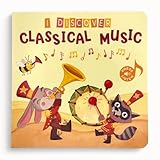
Overview:
This premium classical sound book delivers six iconic masterpieces from Mozart, Beethoven, Vivaldi, and other masters, performed by professional musicians specifically for infant and toddler audiences. Pirouette Kids has engineered a comprehensive early music education tool that balances artistic integrity with developmental appropriateness, creating an interactive experience that grows with children from birth through preschool.
What Makes It Stand Out:
The professional musician performances ensure authentic, high-fidelity sound quality rarely found in children’s books, preserving tonal richness and dynamic nuance. The curated selection spans multiple composers and eras, offering greater variety than single-composer books. Its design emphasizes independence—easy-press buttons and durable construction empower toddlers to explore without adult assistance, fostering self-directed learning and confidence during car rides, stroller time, or quiet play.
Value for Money:
The $18.99 price reflects its premium positioning, justified by professional audio production, multi-composer breadth, and exceptional durability. While more expensive than basic sound books, it eliminates the need to purchase separate Mozart and Beethoven volumes. The developmental benefits—listening skills, sound recognition, language development—align with early childhood education research, making it a worthwhile investment compared to generic musical toys lacking classical complexity.
Strengths and Weaknesses:
Strengths: Professional-grade audio quality; diverse composer selection; truly independent toddler operation; travel-friendly compact design; research-backed developmental benefits; excellent gift presentation.
Weaknesses: Premium pricing may limit accessibility; lacks visual flaps/interactive elements beyond buttons; six tracks may be insufficient for families wanting extensive repertoire; some pieces may be too complex for youngest babies.
Bottom Line:
The best all-in-one classical music book for discerning parents. Worth every penny for families committed to high-quality musical exposure. Perfect as a primary classical resource or a standout gift that combines education with lasting entertainment value.
10. I Love Music - The Orchestra: A Sound Board Book with Flaps

Overview:
This interactive sound book demystifies the symphony orchestra for toddlers by pairing six orchestral excerpts with lift-the-flap illustrations revealing instrument families. Children discover how strings, brass, woodwinds, and percussion combine to create classical music, making abstract orchestral concepts tangible and exciting. The multi-layered design supports both musical appreciation and early science classification skills.
What Makes It Stand Out:
The instrument-identification focus is unique among baby sound books, teaching auditory discrimination by isolating instrumental timbres within orchestral contexts. Flaps likely hide individual instruments beneath ensemble pages, creating a cause-and-effect discovery process. This builds sophisticated listening skills—distinguishing a trumpet from a violin—while introducing orchestral architecture. The “I Love Music” series consistency ensures quality, but this volume’s educational specificity makes it a curriculum-like tool rather than simple entertainment.
Value for Money:
Priced at $16.99, it occupies the mid-range sweet spot, offering more educational depth than basic sound books without reaching premium pricing. The dual learning objectives (music + instrument recognition) provide compound value, essentially functioning as two developmental toys in one. For families already owning composer-specific books, this adds a crucial dimension of musical literacy that justifies the investment, especially considering the flap-enhanced interactivity.
Strengths and Weaknesses:
Strengths: Sophisticated instrument focus; flap interactions boost engagement; builds advanced auditory discrimination; durable multi-sensory design; complements composer-based books perfectly; excellent preparation for live concerts.
Weaknesses: Requires more parental guidance for full educational impact; flaps add potential wear points; orchestral excerpts may be shorter than full pieces; limited to six instrument families; slightly higher price than basic options.
Bottom Line:
An essential companion to composer-focused books for families serious about music education. Best for toddlers 2-4 years ready to understand “how music works.” Highly recommended as a bridge between passive listening and active musical learning.
What Are Musical Button Board Books?
Musical button board books represent a sophisticated evolution in children’s publishing, merging durable cardboard construction with integrated electronic sound modules. Unlike traditional picture books that rely solely on visual storytelling, these interactive volumes feature embedded buttons—typically positioned alongside corresponding illustrations—that trigger audio clips when pressed. For classical composer titles specifically, each button unleashes carefully curated excerpts from symphonies, concertos, or operatic pieces, transforming a simple page-turn into a multi-sensory experience.
The Intersection of Tactile and Auditory Learning
Young children construct knowledge through sensory exploration, and these books capitalize on that developmental reality. The physical act of pressing a button requires fine motor coordination, while the immediate auditory reward creates a powerful cause-and-effect learning loop. When a child presses an image of a harpsichord and hears an authentic Baroque trill, they’re not just being entertained—they’re forging neural connections between visual symbols, physical actions, and acoustic patterns. This synesthetic approach mirrors how professional musicians often learn, kinesthetically linking muscle memory to musical phrasing.
How Sound Modules Enhance Storytelling
Quality composer books don’t treat audio as mere decoration; they weave sound into the narrative fabric. A spread about Vivaldi’s “Four Seasons” might feature buttons labeled with weather icons, allowing children to match stormy sounds to thundercloud illustrations or chirping birds to springtime scenes. This integration helps abstract musical concepts become concrete and relatable, moving beyond simple tune recognition toward contextual understanding of how composers translate real-world experiences into instrumental language.
Why Introduce Classical Composers Early?
The critical period for auditory development peaks between ages zero and five, when children’s brains demonstrate remarkable neuroplasticity. During this window, exposure to complex musical structures—like those found in classical compositions—strengthens the auditory cortex and enhances pattern recognition skills that later support mathematical reasoning and language acquisition. However, the benefits extend far beyond cognitive bootstrapping.
Building Blocks of Musical Appreciation
Early familiarity with classical repertoire demystifies what many adults perceive as intimidating or elitist. When a two-year-old associates Bach’s name with a pleasant melody and a colorful button, they’re developing a comfort level that eliminates the “I don’t understand classical music” barrier many adults face. This foundational exposure creates positive associations before cultural stereotypes or self-consciousness can take root, making future orchestra visits feel like reunions with old friends rather than unfamiliar formal events.
Cognitive Benefits of Classical Music Exposure
The “Mozart Effect” controversy has obscured more nuanced research showing that active engagement with classical music—particularly through interactive media—enhances spatial-temporal reasoning, memory retention, and executive function. The variable tempos, key changes, and instrumental textures in composer excerpts provide richer auditory data than simple, repetitive children’s songs. This complexity challenges young brains to track patterns, anticipate resolutions, and categorize sounds, essentially providing a workout for developing cognitive architecture.
Key Educational Benefits
Beyond the general advantages of music exposure, composer-specific button books deliver targeted developmental outcomes that justify their place in a child’s learning ecosystem. They transform passive listening into an educational scaffold that grows with the child.
Memory Development Through Melody
Musical mnemonics are powerful memory aids because melody and rhythm create additional retrieval cues. When children repeatedly hear the opening of Eine kleine Nachtmusik while viewing Mozart’s portrait, they’re encoding information across multiple sensory channels. Years later, hearing that familiar passage might trigger recall of the composer’s name, historical period, or associated facts tucked away in long-term memory. This cross-modal encoding is far more robust than visual or verbal learning alone.
Emotional Intelligence and Musical Expression
Classical compositions offer a vocabulary for emotions that toddlers lack words to express. A melancholy oboe solo can help a child identify sadness; a triumphant brass fanfare illustrates excitement. Button books that pair musical excerpts with emotional context (“Beethoven felt angry when he couldn’t hear anymore, but he wrote powerful music anyway”) give children tools to recognize and label their own feelings. This emotional mapping builds empathy and self-regulation skills by providing external reference points for internal states.
Cultural Literacy and Historical Context
These books serve as a child’s first history lessons, presenting composers as characters with stories, struggles, and triumphs. Learning that Handel wrote “Water Music” for a king’s boat party, or that Tchaikovsky loved fairy tales, humanizes historical figures and makes distant time periods tangible. This narrative approach transforms classical music from abstract sound into cultural heritage, fostering a sense of connection to human creativity across centuries.
Essential Features to Look For
Not all musical button books are created equal. The market includes everything from thoughtfully engineered educational tools to gimmicky toys with poor sound quality and flimsy construction. Discerning parents should evaluate several critical features that separate lasting resources from disposable novelties.
Sound Quality and Authenticity
The difference between a tinny, synthesized approximation and a rich, orchestral recording is profound. High-quality books use professional recordings from orchestras or period-instrument ensembles, preserving the timbral complexity that makes each composer’s work distinctive. A synthesized “piano” version of a full orchestral piece strips away the very elements that make the composition powerful. Look for books that explicitly state they use “authentic recordings” or “live orchestra performances”—this detail indicates a commitment to genuine musical education over cheap production.
Age-Appropriate Content and Complexity
Composer stories must balance historical accuracy with developmental appropriateness. For infants and toddlers, this means simple narratives focusing on sensory details (“Mozart heard music in everything—birds singing, clocks ticking”) rather than complex biographical facts. Preschool versions can introduce more sophisticated concepts like patronage, travel, or emotional struggles, but should avoid adult-level political or personal drama. The best books grow with your child, offering layers of meaning that reveal themselves across multiple readings.
Durability for Little Hands
Board books must withstand aggressive exploration—chewing, throwing, stepping, and repeated button-mashing. Examine construction details: Are pages at least 2mm thick? Are corners rounded and edges sealed? Are buttons recessed into the page or protected by a plastic housing? The sound module itself should be securely embedded, not a removable piece that presents a choking hazard. Water-resistant page coatings also extend lifespan, protecting against drool and spills.
Battery Accessibility and Longevity
Nothing frustrates a child (or parent) like a silent button book. Quality products use replaceable batteries with accessible compartments secured by screws—preventing tiny fingers from accessing battery cells while allowing parents to extend the book’s life indefinitely. Investigate battery life specifications; reputable publishers indicate expected playtime hours. Some advanced models include auto-shutoff features that preserve power after periods of inactivity, a thoughtful touch that demonstrates understanding of real-world usage patterns.
Understanding Age Appropriateness
Matching book complexity to developmental stage ensures the experience remains engaging rather than overwhelming. The ideal book challenges just enough to promote growth without causing frustration.
For Babies and Toddlers (0-2 years)
At this stage, focus on sensory richness over informational content. Books should feature large, high-contrast buttons easy for developing motor skills to activate. Musical excerpts should be short—10 to 15 seconds—capturing attention without requiring extended focus. Composer narratives should be minimal, perhaps just naming the composer and identifying instruments. The primary goal is creating positive associations: classical music equals fun, colorful, interactive experience.
For Preschoolers (3-5 years)
Preschoolers can handle longer musical excerpts (30-45 seconds) and more complex narratives that introduce historical context, musical form, and emotional content. Buttons can be smaller and more numerous, encouraging careful selection and comparison. This age group benefits from books that ask questions: “Can you hear the violins?” or “How does this music make you feel?” They can also begin connecting composers to specific musical periods, understanding that “Bach wore wigs and wrote for kings” while “John Williams writes music for movie heroes.”
Composer Selection and Musical Excerpts
The curatorial decisions behind which composers and which works to include reveal much about a book’s educational philosophy. A thoughtfully assembled collection balances familiarity with diversity, ensuring broad exposure while respecting developmental limitations.
Which Composers Should Be Included?
A well-rounded introductory collection typically features composers whose works have clear, memorable melodies and strong emotional character. Bach, Mozart, Beethoven, Vivaldi, and Tchaikovsky frequently appear because their music contains distinctive motifs accessible to untrained ears. However, truly excellent books also include underrepresented voices: Clara Schumann’s piano works, Duke Ellington’s orchestral jazz, or Florence Price’s symphonic compositions. This diversity prevents classical music from feeling monolithic and introduces children to varied cultural perspectives within the broader tradition.
Length and Complexity of Musical Selections
The sweet spot for young listeners lies in excerpts that capture a complete musical idea without overwhelming attention spans. The opening of Beethoven’s Fifth (those iconic four notes) works perfectly, as does the “Spring” movement from Vivaldi’s Four Seasons. Books should avoid dense fugues or atonal works that lack clear melodic hooks. The best selections function as “gateway drugs” to longer listening—intriguing enough to spark curiosity about hearing the full piece, but satisfying enough to stand alone during a quick button press.
Visual and Design Elements
Illustration style significantly impacts engagement and learning. The visual design must complement the music while respecting the child’s developing aesthetic sensibilities.
Illustration Styles That Engage Young Minds
Effective composer books employ diverse artistic approaches tailored to their target age. For youngest readers, bright, simple graphics with clear outlines help focus attention on button locations. For older preschoolers, more detailed illustrations can depict historical settings, instruments, or narrative scenes. Some books use mixed media—photographs of actual instruments alongside cartoon composers—creating visual interest while maintaining realism. The key is consistency: illustrations should feel cohesive across pages, not like clip art assembled from different sources.
Layout and Button Placement
Cognitive load matters. Buttons should be positioned logically—near the element they represent, with adequate spacing to prevent accidental presses. Books that scatter buttons randomly across pages create confusion and frustration. The best designs use visual cues like concentric circles or subtle arrows to guide little fingers, while maintaining enough white space that the page doesn’t feel cluttered. Consideration for left-handed children is also crucial; button placement should be accessible regardless of dominant hand.
Practical Considerations for Parents
Beyond educational value, real-world usability determines whether a book becomes a cherished tool or a shelf-dwelling disappointment. Smart design anticipates parental needs and household realities.
Volume Control and Parent-Friendly Features
The war between children’s preferences for maximum volume and parental sanity is real. Books with discrete volume controls—preferably requiring a pin or paperclip to adjust, preventing unauthorized changes—show respect for family dynamics. Some advanced models include headphone jacks, though these are rare in board books. Look for books where the default volume is moderate, not ear-splitting, indicating the manufacturer considered adult tolerance levels during product testing.
Storage and Portability
Bulky sound modules make storage challenging, especially in families with multiple musical books. Slim-profile designs that maintain durability are engineering achievements worth seeking. Portability matters for car trips or restaurant distractions; books that fit in diaper bags without activating buttons spontaneously demonstrate thoughtful design. Some families create dedicated “music book bins” with soft lining to protect button surfaces from damage when stacked.
Maximizing Educational Value
Owning quality musical books is just the beginning. Intentional interaction strategies transform passive button-mashing into rich learning experiences that compound over time.
Interactive Reading Strategies
Rather than reading cover-to-cover, try “composer of the week” approaches where one book receives focused attention. Ask predictive questions: “What do you think we’ll hear when we press the picture of the queen?” Model active listening by closing your eyes and describing what you hear: “The trumpets sound like they’re celebrating!” Encourage children to press buttons in sequence to compare excerpts, developing analytical listening skills. For preschoolers, extend the experience by drawing what the music “looks like” or moving their bodies to match tempo changes.
Connecting Music to Real-Life Experiences
Bridge book learning to the real world by playing full versions of excerpts during car rides or mealtimes. Visit instrument petting zoos where children can touch violins or trumpets they’ve seen illustrated. Attend outdoor concerts where running around is acceptable, reducing performance anxiety. When watching movies, point out when the music sounds “like the Beethoven book.” These connections solidify learning and demonstrate that classical music lives beyond the pages of a board book.
Building Your Child’s Musical Foundation
A single book, however excellent, offers limited perspective. Curating a small library of composer books creates opportunities for comparison, contrast, and deeper understanding as your child matures.
Creating a Multi-Book Collection
Aim for diversity across musical periods, composer nationalities, and emotional moods. One book might feature Baroque precision (Bach, Handel), another Romantic passion (Chopin, Liszt), and a third contemporary film scores (Williams, Górecki). This variety prevents musical tunnel vision and helps children recognize that “classical” encompasses centuries of evolving styles. Rotate books seasonally—Vivaldi’s Four Seasons in autumn, Tchaikovsky’s Nutcracker during winter holidays—to create anticipatory traditions.
Supplementing with Other Musical Activities
Button books work best as one component of a musically rich environment. Add simple percussion instruments so children can “accompany” the excerpts. Use composer plush dolls as reading companions. Create composer-themed sensory bins—blue rice for “Water Music,” flower petals for “Spring.” For older preschoolers, introduce composer timelines where they can place book characters in historical order. These multi-modal experiences reinforce learning through varied neural pathways.
Common Mistakes to Avoid
Even well-intentioned parents can undermine the potential of musical books through common pitfalls that reduce engagement or create negative associations.
Overloading with Information: Resist the urge to recite every biographical detail. Young children need stories, not Wikipedia entries. Focus on one memorable fact per composer: “Bach had twenty children!” or “Mozart wrote his first song when he was five—just like you!”
Treating Books as Babysitters: While these books are excellent independent play tools, they deliver maximum benefit during shared reading. Children need adults to model enthusiasm, answer questions, and connect music to meaning. Occasional solo exploration is fine, but consistent joint engagement builds deeper understanding.
Ignoring the Child’s Interest: If your toddler only wants to press the “scary” Beethoven button forty times, follow their lead. Repetition is how young brains learn. The goal is positive association, not comprehensive coverage. They’ll explore other buttons when ready.
Choosing Books Based on Adult Preferences: You might love Mahler’s complexity, but a thirty-minute symphony excerpt won’t hold a three-year-old’s attention. Meet children where they are developmentally, trusting that early exposure to accessible works builds the foundation for appreciating more challenging repertoire later.
Frequently Asked Questions
How early can I start using musical composer button books with my child?
Most board books are designed for ages six months and up, but you can begin even earlier by pressing buttons yourself during tummy time or while rocking your infant. The key is proximity—hold the book within 8-12 inches of newborns, gradually increasing distance as vision develops. By four months, many babies can visually track to button locations, and by six months, intentional pressing emerges. The earlier you start, the more normalized classical music becomes in their auditory environment.
Will these books actually make my child smarter?
The “Mozart Effect” has been largely debunked as a simplistic claim, but legitimate research supports the broader benefits of active music engagement. Musical button books enhance pattern recognition, fine motor skills, and auditory discrimination—all foundational for later academic success. However, intelligence is multifaceted, and these books should be one component of a rich, varied learning environment. Think of them as fertilizer for growing minds, not magic intelligence pills.
How do I know if a book uses real orchestra recordings versus synthesizers?
Reputable publishers proudly advertise “authentic orchestral recordings” on covers or in product descriptions. If information isn’t clear, listen for telltale signs: real recordings have subtle variations in timing, breath sounds from wind players, and rich harmonic overtones that synthesizers struggle to replicate. Synthesized versions sound uniformly perfect but tonally flat. When possible, preview books in stores or check parent reviews that specifically mention sound quality. Price often correlates with production value; extremely cheap musical books rarely invest in professional recordings.
What if my child only wants to press one button repeatedly?
Repetition is a hallmark of toddler learning and indicates the child is processing that specific musical excerpt deeply. Rather than redirecting, lean into their interest. Ask questions about that one piece: “Is it fast or slow?” “Does it sound happy or sad?” Use it as a transition cue: “When the Mozart music finishes, we’ll put on shoes.” This focused engagement builds stronger neural pathways than superficial exposure to ten different excerpts. Trust that novelty-seeking will emerge naturally over time.
How long should these books last with normal use?
Quality musical board books should survive 2-3 years of regular use, though this depends on construction and child temperament. Reinforced page binding, sealed edges, and recessed buttons extend lifespan. Sound modules typically outlast physical pages if batteries are replaced promptly. Many families pass well-made books to younger siblings. If a book fails within the first year, contact the publisher—reputable companies often replace defective units, recognizing that durability is a core value proposition.
Can these books replace formal music lessons for young children?
No, and they aren’t designed to. Musical button books serve as introduction and inspiration, not instruction. They expose children to repertoire and composers but don’t teach technique, theory, or performance skills. Think of them as the musical equivalent of alphabet books—they spark recognition and interest but don’t replace learning to actually read. Ideally, these books complement early childhood music classes, informal instrument exploration, and later formal instruction.
How many composer button books should I buy to start?
Begin with two or three high-quality books featuring different composers and musical styles. This provides variety without overwhelming choice. Observe which your child gravitates toward—do they prefer the dramatic Beethoven or the delicate Debussy? Let their preferences guide subsequent purchases. A collection of 5-7 books offers substantial diversity for most families. Remember, depth of engagement with a few excellent books trumps superficial exposure to many mediocre ones.
What about books featuring women composers or composers of color?
Representation matters profoundly in shaping children’s understanding of who creates “important” music. Seek books that intentionally diversify the canon, featuring composers like Florence Price, Clara Schumann, Duke Ellington, or William Grant Still. These choices challenge historical biases and help all children see themselves as potential creators. A book that exclusively features dead white men, however brilliant, presents a limited and inaccurate picture of classical music’s true diversity.
Are there any safety concerns with the electronic components?
Reputable publishers adhere to strict safety standards: batteries secured with screws, sound modules fully enclosed, and materials tested for lead and phthalates. However, no electronic toy is completely indestructible. Regularly inspect books for damage, especially if your child is prone to chewing. If a page tears exposing wires or the battery compartment, remove the book immediately. Purchase from established children’s publishers rather than discount brands that may cut safety corners. The CE mark (European conformity) or ASTM certification indicates rigorous safety testing.
How can I extend my child’s interest beyond just pressing buttons?
Gradually introduce complementary activities: attend children’s symphony concerts featuring pieces from their books, watch orchestral performances on video pointing out instruments they’ve seen illustrated, or create simple composer crafts. As children approach kindergarten, introduce the concept of “composer birthdays” with a special playing of their music. For tech-savvy families, apps like “Classical Kids” or “Meet the Orchestra” can bridge from physical books to interactive digital exploration. The goal is treating the books as launchpads, not endpoints, for musical discovery.