In a world where families come in every beautiful combination imaginable, children’s literature is finally catching up to reflect the vibrant reality of multiracial households. Parents and caregivers seeking stories that mirror their own family dynamics—or hoping to teach young minds about the rich tapestry of human diversity—face both exciting opportunities and overwhelming choices. The landscape of children’s publishing has transformed dramatically, moving beyond token representation to offer nuanced, joyful, and authentic narratives that celebrate the unique experiences of multiracial families.
This shift matters deeply because the books we place in children’s hands during their formative years shape how they see themselves and others. For multiracial children especially, seeing their family structure reflected in stories isn’t just about representation—it’s about validation, belonging, and developing a healthy sense of identity. Whether you’re building a home library from scratch or looking to diversify an existing collection, understanding what makes a children’s book truly exceptional for multiracial families requires more than just scanning for diverse faces on covers.
Top 10 Multiracial Children’s Books
Detailed Product Reviews
1. I Am Whole: A Multi-Racial Children’s Book Celebrating Diversity, Language, Race and Culture
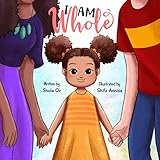
Overview: “I Am Whole” emerges as a thoughtful exploration of multiracial identity for young readers. This picture book navigates the complex landscape of belonging when children come from multiple racial and cultural backgrounds. Through vibrant illustrations and carefully crafted narrative, it validates experiences that many mainstream books overlook, making it an essential addition to modern family libraries.
What Makes It Stand Out: Unlike generic diversity books, this title specifically addresses the nuances of being multiracial—the navigation between worlds, code-switching, and embracing all parts of one’s heritage. The integration of multiple languages within the story adds authenticity and educational value, while the focus on race and culture goes beyond surface-level representation to tackle genuine identity questions that mixed-race children face daily.
Value for Money: At $13.85, this book sits at the standard price point for quality hardcover picture books. Given its specialized focus that fills a genuine gap in children’s literature, it offers excellent value. Comparable titles addressing multiracial identity often retail for $15-18, making this a smart investment for families, schools, and libraries seeking authentic representation.
Strengths and Weaknesses: Strengths include specific multiracial representation, multilingual elements, and sophisticated yet accessible storytelling. The illustrations beautifully reflect diverse family structures. Weaknesses may include complexity that requires parental guidance for children under five, and limited availability in some markets. The specialized focus, while a strength, may not resonate with families seeking broader diversity themes.
Bottom Line: This is a must-have for multiracial families and inclusive classrooms. While younger children might need help processing the themes, its authentic representation and educational depth make it invaluable. Highly recommended for children ages 4-8 seeking to understand and celebrate complex identities.
2. My Heart Full of All: A Diverse, Multiracial, Inclusive and Multicultural Picture Book for Children

Overview: “My Heart Full of All” positions itself as an inclusive celebration of humanity’s rich tapestry. This picture book embraces diversity across multiple dimensions—race, culture, ability, and family structure. With gentle rhyming text and inclusive illustrations, it introduces young children to the beauty of difference while emphasizing our shared emotional experiences and universal capacity for love.
What Makes It Stand Out: The book’s expansive definition of diversity sets it apart. Rather than focusing narrowly on one aspect, it weaves together multiracial representation, varied family configurations, and different abilities into a cohesive narrative about belonging. The “heart full” concept provides an accessible emotional anchor for preschoolers, helping them understand inclusion through feelings rather than abstract concepts. Its poetic structure makes complex themes memorable for young minds.
Value for Money: Priced at $11.96, this represents solid value, likely indicating a paperback format that keeps costs accessible. For budget-conscious families wanting comprehensive diversity representation, it delivers breadth without the premium hardcover price tag. Similar inclusive titles typically range from $12-16, making this an affordable entry point for building a representative home library.
Strengths and Weaknesses: Strengths include broad inclusivity, lyrical text that aids memorization, and age-appropriate emotional framing. The wide scope ensures most children see themselves represented. Weaknesses include less depth on any single topic due to its broad approach, and illustrations may feel less polished than premium alternatives. Some families might prefer more focused storytelling over the sweeping inclusivity.
Bottom Line: An excellent starter book for introducing inclusion to young children. Its broad approach and affordable price make it ideal for preschool classrooms and families beginning their diversity book collection. While it doesn’t dive deep into specific identities, its comprehensive warmth and accessibility earn it a solid recommendation for ages 3-6.
3. We’re Different, We’re the Same (Sesame Street) (Pictureback)

Overview: Leveraging the trusted Sesame Street brand, this pictureback book delivers a foundational message about diversity and commonality to the youngest audiences. Using beloved Muppet characters, it playfully explores physical differences—noses, hair, skin—while consistently reinforcing our shared humanity. The simple, repetitive structure makes it ideal for toddlers and preschoolers just beginning to notice differences in the world around them.
What Makes It Stand Out: Sesame Street’s decades-long commitment to inclusive education gives this book instant credibility. The familiar characters provide comfort and engagement that generic diversity books cannot match. Its specific focus on observable physical traits makes abstract concepts concrete for very young children. The “different but same” framework offers parents simple language to handle real-world questions about diversity that children naturally pose.
Value for Money: At $4.64, this represents exceptional value. The Pictureback format is designed to be affordable and widely accessible, making it possible for every family to own quality diversity content. This price point is significantly lower than independent titles, yet it delivers the same important messages with the added benefit of character recognition. It’s an unbeatable entry point for families on tight budgets.
Strengths and Weaknesses: Strengths include trusted brand recognition, age-appropriate simplicity, durability for young hands, and affordability. The repetitive text supports early literacy skills. Weaknesses include less depth for older children, commercial character focus that some families avoid, and limited representation beyond physical appearance. The simplistic approach may not address more complex identity questions that arise in elementary years.
Bottom Line: Perfect for toddlers and preschoolers, this book succeeds through familiarity and simplicity. While it won’t suffice as a child’s only diversity book, it’s an essential first step. The unbeatable price and trusted brand make it a no-brainer for families with children ages 2-5. Pair it with more nuanced titles as children mature.
4. I’m Beautiful Because I Am: Valuing Myself & Others With Empathy and Care

Overview: “I’m Beautiful Because I Am” centers self-worth and empathy as interconnected values. This picture book moves beyond external appearance to cultivate inner beauty and compassionate understanding of others. Through scenarios depicting children with diverse backgrounds and abilities, it builds a framework where self-acceptance and other-acceptance reinforce each other. The narrative emphasizes that beauty stems from kindness, resilience, and authenticity rather than physical attributes.
What Makes It Stand Out: The dual focus on self-value and empathy creates a unique learning arc. Rather than treating self-esteem and social awareness as separate lessons, it demonstrates how understanding our own worth enables us to value others. The book includes guided discussion prompts, making it a practical tool for parents and educators. Its emphasis on care—both self-care and caring for others—provides actionable values that children can practice daily.
Value for Money: At $14.99, this premium-priced book likely offers hardcover durability and enhanced production values. The inclusion of discussion guides and its potential for repeated, deepening conversations justifies the cost. Similar social-emotional learning resources often exceed $16, making this a worthwhile investment for families prioritizing character development. The price reflects its utility as both a storybook and a teaching tool.
Strengths and Weaknesses: Strengths include actionable empathy lessons, discussion prompts, sophisticated emotional concepts, and high-quality illustrations. The message counters toxic beauty standards effectively. Weaknesses include a higher price point that may limit accessibility, and concepts that require adult facilitation for younger children. Some families might find the didactic tone less engaging than pure storytelling.
Bottom Line: A valuable resource for intentional parenting around self-worth and empathy. Best suited for children ages 4-8 with engaged caregivers ready to facilitate discussions. While not a casual bedtime story, its educational depth and practical tools make it worth the premium price for families focused on social-emotional learning.
5. Wonderfully Made
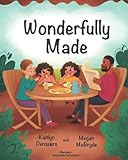
Overview: “Wonderfully Made” celebrates body positivity and diverse abilities through an affirming lens. This picture book counters mainstream media’s narrow beauty standards by showcasing children with physical differences, disabilities, and varied body types as complete and valuable. The narrative builds self-acceptance while fostering appreciation for how bodies work differently, creating space for both disabled and non-disabled children to feel celebrated.
What Makes It Stand Out: Its explicit inclusion of disability representation within the body positivity movement fills a critical gap. While many books celebrate size diversity, this title incorporates mobility aids, limb differences, and sensory processing with naturalness and joy. The “wonderfully made” framing—whether interpreted spiritually or secularly—provides a powerful affirmation of inherent worth that transcends physical capability or appearance.
Value for Money: At $13.94, this book aligns with standard hardcover picture book pricing. Given its specialized focus on disability inclusion—a frequently underrepresented area—it offers strong value. Books addressing ability diversity with this level of normalization typically command premium prices. The durable format ensures it withstands repeated readings in homes and inclusive classrooms.
Strengths and Weaknesses: Strengths include robust disability representation, body-positive messaging, inclusive illustrations, and language that works across belief systems. It normalizes assistive devices beautifully. Weaknesses include potential interpretation challenges for families uncomfortable with the title’s possible religious connotations, and less focus on racial diversity compared to ability diversity. Some readers may desire more intersectional representation.
Bottom Line: Essential for building truly inclusive libraries that represent all bodies. Its disability-forward approach makes it particularly valuable for families with disabled children and for teaching non-disabled kids about difference. While the title may require contextual conversation, its powerful normalization of diverse abilities earns it high recommendation for ages 3-7.
6. Our Skin: A First Conversation About Race

Overview: “Our Skin: A First Conversation About Race” is a board book designed for toddlers and preschoolers, offering a gentle entry point into discussions about race and diversity. Using simple, direct language and inclusive illustrations, this book helps young children understand that people have different skin colors and that these differences make our world more interesting. The interactive format encourages questions and ongoing dialogue between parents and children.
What Makes It Stand Out: This book excels at age-appropriate explanations, breaking down complex social concepts into digestible pieces for the youngest audience. The durable board construction withstands curious hands, while the diverse representation in the artwork ensures every child can see themselves reflected. It uses concrete observations children naturally make about physical differences and frames them positively.
Value for Money: At under eight dollars, this is an exceptionally accessible tool for families and educators. Board books at this price point typically offer simple stories without the added value of social-emotional learning content. Compared to more expensive conversation guides, this provides an affordable foundation for years of family discussions about identity and belonging.
Strengths and Weaknesses: Strengths include its early-reader format, positive framing of differences, and parent discussion guides. The durable pages survive rough handling. However, its simplicity means it won’t suffice for older children’s deeper questions, and some families may find the content too brief at under 20 pages. The board book format limits text complexity.
Bottom Line: An essential purchase for any parent wanting to normalize conversations about race from the start. While you’ll need more resources as your child grows, this provides the perfect foundation for ages 1-4.
7. Raising Multiracial Children: Tools for Nurturing Identity in a Racialized World

Overview: “Raising Multiracial Children” serves as a comprehensive guidebook for parents navigating the unique challenges and joys of raising children with multiple racial heritages. Unlike children’s books, this resource offers research-based strategies, developmental frameworks, and practical tools for building healthy racial identity. The author draws from academic research and lived experience to address topics like handling microaggressions, school advocacy, and family dynamics throughout childhood.
What Makes It Stand Out: This book fills a critical gap in parenting literature by focusing exclusively on multiracial families rather than treating race as a monolithic concept. It provides age-specific guidance from infancy through adolescence, including conversation scripts and reflection exercises. The intersectional approach acknowledges how gender, class, and other identities interact with race in complex ways.
Value for Money: Priced at $16.73, this book costs less than a single therapy session but offers ongoing professional-grade guidance. Similar specialized parenting resources often exceed $20, making this a reasonable investment for a reference you’ll consult repeatedly throughout your child’s development.
Strengths and Weaknesses: Major strengths include its depth, expert credibility, and actionable advice. Real-world scenarios help parents prepare for difficult moments. However, the dense academic tone may overwhelm busy parents seeking quick tips. The focus on multiracial experiences, while valuable, may not resonate as strongly with monoracial families raising transracially adopted children.
Bottom Line: An indispensable reference for parents of multiracial children who want to move beyond surface-level diversity talk. Commit to working through it chapter by chapter for maximum benefit.
8. It’s OK to be Different: A Children’s Picture Book About Diversity and Kindness
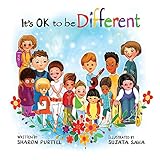
Overview: “It’s OK to be Different” is a colorful picture book that celebrates diversity through simple, affirming messages about what makes each person unique. Targeting preschool through early elementary ages, this story uses rhyming text and vibrant illustrations to explore differences in appearance, abilities, and family structures. The book emphasizes kindness and acceptance as core values, making it suitable for both home and classroom settings.
What Makes It Stand Out: The broad, inclusive approach ensures every child encounters something relatable, whether it’s glasses, wheelchairs, different family types, or varied skin tones. The kindness-centered messaging provides a gentle introduction to empathy without heavy-handed moralizing. Its school-friendly content aligns perfectly with anti-bullying curricula and social-emotional learning standards.
Value for Money: At $10.39, this picture book sits comfortably in the standard range for quality hardcover children’s books. Given its versatility across ages 3-8 and its applicability to various educational settings, it offers solid value. Libraries and teachers can use it repeatedly for different lessons, maximizing its utility.
Strengths and Weaknesses: Strengths include its positive tone, engaging illustrations, and wide-ranging representation. The rhyming structure aids memorability and read-aloud flow. However, the broad approach means it lacks specific depth on any single topic, including race. Families seeking focused racial identity conversations will need supplementary materials. Some themes may feel briefly touched upon.
Bottom Line: A worthwhile addition to any child’s library for general diversity education, though it should be paired with more specific resources for comprehensive racial literacy development.
9. Beautiful You, Beautiful Me

Overview: “Beautiful You, Beautiful Me” is a lyrical picture book that explores self-acceptance and familial love through the relationship between a mother and child. The story follows them as they discover beauty in their physical differences while celebrating their emotional connection. With poetic text and stunning artwork, this book creates an intimate reading experience that builds self-esteem and strengthens parent-child bonds around identity.
What Makes It Stand Out: The book’s artistic quality elevates it beyond typical message-driven stories, making it enjoyable for repeated readings. Its focus on the parent-child dyad as the source of identity affirmation is particularly powerful for young children. The celebration of physical features—hair texture, skin tone, facial features—within a loving context helps children develop positive body image alongside racial identity.
Value for Money: At $17.70, this is slightly pricier than average picture books, but the premium illustration quality and durable binding justify the cost. Think of it as part book, part art piece—a keepsake that families will treasure and potentially pass down. The emotional resonance provides value that transcends the price tag.
Strengths and Weaknesses: The greatest strength is its emotional depth and artistic beauty, creating memorable moments between reader and child. The text’s lyrical quality makes it engaging for adult readers. However, the abstract, poetic language may confuse literal-minded young children. The higher price point could deter budget-conscious buyers, and the single story arc limits its educational scope compared to anthology-style books.
Bottom Line: A heartfelt investment for families prioritizing self-love and emotional connection in their diversity education. Best for children who enjoy storytime as a bonding experience.
10. Mixed Baby Fox: A Story Designed For Kids From Multiracial Backgrounds

Overview: “Mixed Baby Fox” uses an animal allegory to help children from multiracial backgrounds understand and embrace their heritage. The story follows a young fox with parents of different colors as he learns that his unique appearance makes him special. By using relatable animal characters, the book addresses complex feelings about belonging and identity in a non-threatening, engaging way for early elementary children.
What Makes It Stand Out: This book directly addresses the multiracial experience, filling a significant representation gap in children’s literature. The animal metaphor allows children to process potentially sensitive feelings about their appearance at a safe emotional distance. Specific scenarios—like being asked “what are you?"—mirror real experiences multiracial children face, providing them with language and confidence to respond.
Value for Money: Priced at $11.99, this book offers targeted value for a specific audience. While more expensive than generic diversity books, its specialized content justifies the cost for families who’ve struggled to find representation. The paperback format keeps it accessible while delivering unique, needed content.
Strengths and Weaknesses: The targeted representation is its primary strength—multiracial children finally see their specific experience validated. The story is engaging and age-appropriate for 4-8 year olds. However, the animal allegory, while gentle, may obscure the message for some children who need direct discussion. The narrow focus means it has limited relevance for monoracial families. The paperback format is less durable than board books for younger siblings.
Bottom Line: An essential purchase for multiracial families seeking mirror books for their children. Pair it with more direct nonfiction resources for a complete toolkit on racial identity.
Why Representation in Children’s Literature Matters
The mirror and window theory in education explains that children need books that act as mirrors (reflecting their own experiences) and windows (offering views into others’ lives). For multiracial children, finding that mirror has historically been challenging. When children see their family structure normalized in stories, it reduces feelings of otherness and builds self-esteem. Research from the American Psychological Association shows that positive representation in early childhood correlates with better academic performance, stronger social skills, and increased cultural pride.
But the impact extends beyond multiracial children themselves. For peers from monoracial backgrounds, these books serve as essential windows that build empathy, challenge stereotypes, and prepare them for an increasingly diverse world. The key is authenticity—stories that celebrate difference without exoticizing it, that show complexity without confusion.
Understanding the Multiracial Family Experience in Literature
The Evolution of Diverse Family Portrayals
Children’s literature has traveled a long road from the days when multiracial families were either invisible or portrayed through problematic lenses. Early attempts often focused on tragedy, confusion, or the “burden” of being different. Today’s best books take a radically different approach, positioning multiracial identity as a source of strength, joy, and normalcy. They recognize that these families aren’t defined by their challenges but by their love, traditions, and everyday moments.
Breaking Stereotypes Through Storytelling
Contemporary authors are dismantling the narrow narratives that once dominated this space. No longer are multiracial children depicted as perpetually confused or forced to “choose” one identity over another. Instead, modern stories show them navigating multiple cultural worlds with grace, celebrating hybrid traditions, and developing integrated identities. This shift requires moving beyond simplistic “we’re all the same inside” messaging to honor the specific, beautiful complexities that multiracial families navigate.
Key Features of Exceptional Multiracial Family Books
Authentic Cultural Representation
The gold standard for authenticity is the #OwnVoices movement—books written by authors who share the identities of their characters. When selecting books, look for stories where cultural details feel lived-in rather than researched. Does the book show specific traditions, foods, or language patterns that feel genuine? Are the characters’ multiracial identities woven naturally into the plot, or does it feel tacked on? Authentic books don’t need to explain every cultural reference; they trust young readers to be curious and engaged.
Age-Appropriate Storytelling
The complexity of multiracial identity should match a child’s developmental stage. For toddlers, this might mean simple board books showing families with different skin tones enjoying everyday activities. Preschoolers can handle stories that introduce basic concepts of heritage and family structure. School-age children are ready for narratives that explore questions of belonging, microaggressions, and cultural navigation with appropriate depth. The best books use vocabulary and sentence structures that challenge without frustrating.
Illustration Quality and Visual Diversity
Visual representation goes far beyond simply showing characters with different skin colors. Look for illustrations that capture the full spectrum of human appearance—different hair textures, facial features, body types, and cultural markers. Quality artwork should reflect the nuances of mixed heritage, showing how traits combine and express uniquely in each person. Pay attention to whether background characters also show diversity, creating a world that feels genuinely multicultural.
Language and Narrative Style
The language should be rich and engaging while remaining accessible. Books that incorporate words from different languages should do so naturally, with context clues that help children understand meaning without heavy-handed translation. The narrative voice matters too—does it feel like it’s speaking to multiracial children directly, or explaining their existence to an outsider audience? The best books assume the reader’s intelligence and curiosity.
Developmental Considerations by Age Group
Board Books for Babies and Toddlers (0-2 years)
At this stage, books serve primarily as visual stimulation and bonding tools. Look for sturdy pages with high-contrast illustrations showing diverse families in simple, joyful activities. The text should be minimal—single words or short phrases—but can introduce concepts like different family members and basic actions. The goal is normalization through repetition and visual recognition.
Picture Books for Preschoolers (3-5 years)
This is the sweet spot for introducing more complex family stories. Preschoolers are developing their sense of self and noticing differences. Books should feature engaging narratives with clear problem-resolution structures, but the “problem” shouldn’t be the family’s multiracial status. Instead, look for stories where characters happen to be multiracial while dealing with universal childhood experiences like starting school, making friends, or celebrating holidays.
Early Readers (6-8 years)
As children begin reading independently, they need books that balance simple text with sophisticated ideas. Chapter books and advanced picture books can explore questions like “Why does my skin look different from my cousins’?” or “How do we celebrate both Grandma’s traditions?” These books should model healthy identity exploration and provide language children can use to discuss their own experiences.
Middle Grade Books (9-12 years)
Middle grade readers are ready for nuanced narratives that tackle complex social dynamics. Books for this age can address microaggressions, code-switching between cultural contexts, and the emotional work of navigating multiple identities. The best stories balance these heavier themes with adventure, humor, and strong character development. They should never position multiracial identity as a problem to be solved.
The Educational Impact of Multiracial Family Stories
Building Empathy and Cultural Competence
When children from all backgrounds encounter well-crafted stories about multiracial families, they develop the ability to understand perspectives different from their own. These books teach that families can love each other despite (and because of) their differences, that traditions can blend and evolve, and that identity is multifaceted. This foundation in empathy becomes increasingly valuable as children navigate diverse school environments and communities.
Supporting Multiracial Children’s Identity Development
For multiracial children, seeing their reality reflected in books provides what psychologists call “identity affirmation.” It counters the invalidation they may experience when strangers ask “What are you?” or when forms force them to check only one box. Quality literature shows them that their blended heritage is valid, whole, and worthy of celebration. It gives them heroes who look like them and narratives where they belong.
Teaching Monoracial Children About Diversity
Books about multiracial families serve as gentle, effective tools for teaching monoracial children about the diversity of human experience. These stories normalize difference before prejudice takes root, showing that love makes a family, not matching appearances. They provide ready-made language for discussing race and identity in age-appropriate ways, making difficult conversations feel natural and safe.
Where to Find Quality Multiracial Family Literature
Independent Bookstores and Specialty Retailers
Local independent bookstores often have curated children’s sections with staff who can provide personalized recommendations. Many stores now feature specific diversity sections or work with community organizations to highlight #OwnVoices authors. Building relationships with knowledgeable booksellers can lead to discovering hidden gems before they hit mainstream lists.
Library Resources and Digital Collections
Public libraries have become invaluable resources, with many offering digital catalogs where you can filter by diversity criteria. Librarians can access professional review journals and often maintain their own recommendation lists. Many libraries also host story hours featuring diverse books and can participate in interlibrary loan programs to access harder-to-find titles.
Award-Winning Book Lists and Review Sources
Professional organizations regularly recognize excellence in diverse children’s literature. Look for books that have received awards specifically celebrating diversity, multicultural literature, and #OwnVoices authors. Review sources that focus on children’s books often tag reviews with diversity criteria, making it easier to find quality titles without relying on commercial bestseller lists.
Creating a Diverse Home Library
Building a Balanced Collection
A truly diverse library doesn’t just include books about multiracial families—it balances these with stories featuring families of all compositions, cultures, and experiences. Aim for what educators call “balanced representation”: books where multiracial families appear in everyday stories, not only in books explicitly about race. Include titles that show different socioeconomic backgrounds, family structures, and geographic locations.
Rotating Books to Maintain Engagement
Children’s interests evolve rapidly, and rotating books keeps your library fresh. Consider creating seasonal rotations that highlight different cultural celebrations or family traditions. This practice also allows you to reintroduce books at different developmental stages, revealing new layers of meaning as your child matures.
Using Books as Conversation Starters
The best diverse libraries are active, not static. Keep books accessible and use them as natural entry points for discussions. When children ask questions about differences they notice in stories, treat these as opportunities rather than awkward moments. Having multiple books that approach similar themes differently gives children a broader perspective and shows that no single story represents all multiracial experiences.
Reading Strategies for Multiracial Family Books
Interactive Reading Techniques
Move beyond simply reading words on the page. Pause to ask predictive questions: “What do you think will happen at the family reunion?” Point out details in illustrations: “Look how everyone’s hair is different!” Encourage children to make connections: “Does this remind you of our family?” This active engagement helps children internalize the book’s messages and apply them to their own lives.
Asking Open-Ended Questions
The questions you ask shape how children process stories. Instead of yes/no questions, try: “What do you notice about this family?” “How do you think the character feels when someone asks about their background?” “What makes this family’s traditions special?” These prompts encourage critical thinking and help children develop their own language for discussing identity.
Connecting Stories to Real-Life Experiences
Bridge the gap between fiction and reality by drawing explicit connections. If a book shows a character celebrating multiple holidays, discuss how your own family blends traditions. When characters experience curiosity about their appearance, relate it to questions your child may have encountered. This validation shows children that their experiences are shared and normal.
Red Flags to Avoid When Selecting Books
Tokenism and Surface-Level Diversity
Be wary of books that add diversity as an afterthought. If you can cover the characters’ faces and the story remains unchanged, the diversity is likely superficial. Quality books integrate cultural identity into the narrative naturally. Also watch for the “single story” problem—one multiracial character representing all multiracial experience.
Problematic Stereotypes and Tropes
Avoid books that position multiracial identity as inherently problematic or confusing. Steer clear of stories that exoticize mixed-race children as uniquely beautiful while ignoring real challenges. Be critical of narratives that suggest multiracial families are “colorblind” or that children must choose one heritage over another.
Inauthentic Author Voices
While allies can write across difference, prioritize books by authors who share their characters’ identities. Research author backgrounds and look for statements about why they wrote the story. Be skeptical of books where the marketing emphasizes the author’s research rather than their lived experience.
The Role of Illustrations in Multiracial Representation
Visual Storytelling and Character Design
Illustrations carry at least half the narrative weight in children’s books. Examine how artists depict skin tones—do they use a full palette or just light brown? Look at facial features: are they distinct and varied, or do all characters have the same face with different coloring? Quality illustrations show the beautiful variety within multiracial families, including how siblings can look quite different from each other.
Colorism and Skin Tone Representation
Be alert to colorism, even in well-intentioned books. Sometimes darker-skinned characters are background figures while lighter-skinned characters take center stage. The best books show the full spectrum of melanin within families, avoiding the problematic message that certain shades are more desirable or worthy of protagonist status.
Cultural Details in Artwork
Illustrations should enrich the story with authentic cultural details. Look for accurate representation of traditional clothing, home décor, religious symbols, and food. These details should feel integrated, not like a checklist of cultural markers. Subtle touches—like specific hairstyles, jewelry, or family photographs on walls—add layers of authenticity that children will notice and appreciate.
Supporting Authors and Publishers of Color
Why #OwnVoices Matters
The #OwnVoices movement recognizes that authors from marginalized communities bring irreplaceable authenticity to their stories. When you purchase books by multiracial authors writing about multiracial families, you’re not just getting a more authentic story—you’re supporting economic equity in publishing. These authors are more likely to depict their communities with nuance and avoid harmful stereotypes.
Tracking Industry Trends and New Releases
Publishing moves in cycles, and staying informed helps you find fresh voices. Follow diversity-focused literary organizations and reviewers on social media. Subscribe to newsletters from publishers who specialize in diverse books. Many small presses focus specifically on multicultural children’s literature and produce innovative titles that larger publishers might overlook.
Community-Driven Book Recommendations
Online communities of parents, educators, and librarians have become powerful curators. Look for groups dedicated to diverse children’s literature where members share reviews and recommendations. These grassroots networks often discover emerging authors and can provide honest feedback about how books resonate with real multiracial families.
Frequently Asked Questions
How early should I start reading books about multiracial families to my child?
Start from birth. Board books featuring diverse families should be part of your earliest reading routine. Infants absorb visual information about what families look like long before they understand words. Normalizing diverse family structures from day one prevents the formation of narrow default assumptions about what constitutes a “normal” family.
What if I can’t find books that match my family’s specific racial combination?
Focus on books that celebrate multiracial identity generally rather than seeking exact matches. While representation of your specific heritage is ideal, children benefit from seeing any multiracial families navigating similar experiences. Supplement with books from each of your family’s individual cultures, and consider that your child may find connections across differences.
How do I know if a book is authentically representing multiracial experiences?
Research the author’s background and read reviews from multiracial readers. Look for stories where cultural identity is woven naturally into the plot rather than treated as a lesson. Authentic books often include specific cultural details that feel lived-in, not researched. Trust your instincts—if something feels off or stereotypical, it probably is.
Should I only buy books by #OwnVoices authors?
Prioritize #OwnVoices, but don’t exclude excellent books by allied authors. The key is critical evaluation. An allied author who has done deep, respectful research and worked with sensitivity readers can create valuable stories. However, when budgets are limited, supporting authors from marginalized communities directly addresses publishing inequities.
How can I use these books if my child is monoracial?
These books are equally valuable for monoracial children, building empathy and preparing them for diverse communities. Frame discussions around celebrating differences and recognizing that families are built on love. Use the stories to answer your child’s questions about classmates’ families and to correct misconceptions they may encounter.
What should I do if my child points out racial differences in an awkward way in public?
This is a normal developmental stage. Use it as a teaching moment by validating their observation while providing context. “Yes, families do look different, and isn’t that wonderful?” Then later, revisit the topic privately with a book that explores family diversity. The goal is teaching respectful curiosity without shame.
How many books about multiracial families should I own?
There’s no magic number, but aim for these stories to be a consistent presence, not a rare novelty. A good rule of thumb is that at least 20-30% of your children’s book collection should feature diverse protagonists and families, with a subset specifically showing multiracial experiences. Quality matters more than quantity—five excellent books read repeatedly are better than twenty mediocre ones.
Can picture books adequately address the complexities of multiracial identity?
Absolutely, when done well. Picture books use metaphor, visual storytelling, and emotional resonance to convey sophisticated ideas simply. They don’t need to explain everything—they plant seeds that grow as children mature. The best picture books work on multiple levels, satisfying young children with simple stories while offering older children and adults deeper layers of meaning.
How do I handle books that get some things right but have problematic elements?
This is a judgment call. For older children, these books can become teaching tools about critical reading. For younger children, consider setting them aside. You might also engage with the problematic elements directly: “I love how this book shows the family’s traditions, but I wish it didn’t describe their skin colors like food.” This models critical thinking for your child.
What role can grandparents and extended family play in building this library?
Extended family can be powerful allies in normalizing multiracial identity. Gift books that reflect your family to grandparents, and suggest they keep copies at their homes for visits. This signals that your child’s full identity is valued across generations. For families where some relatives are less comfortable with diversity, these books can open gentle, natural conversations.