In a world that seems to throw curveballs faster than we can catch them, the ability to bounce back isn’t just a nice-to-have—it’s survival currency. Resilience and grit have evolved from buzzwords whispered in psychology circles to essential life skills we all crave. But here’s the thing: while some people appear to be born with the perseverance of a marathon runner, the rest of us need a roadmap. That’s where the right non-fiction books become invaluable, offering not just inspiration but actionable frameworks for building unshakable mental fortitude.
The challenge? Walk into any bookstore or scroll through online retailers, and you’ll find hundreds of titles promising to transform you into the next comeback story. Some deliver profound, research-backed insights while others repackage common sense with fancy terminology. Knowing how to separate transformative reads from shelf-fillers requires more than just scanning bestseller lists—it demands a strategic approach to evaluating content, authorship, and applicability to your unique circumstances.
Top 10 Non-Fiction Books on Resilience
Detailed Product Reviews
1. Do Hard Things: Why We Get Resilience Wrong and the Surprising Science of Real Toughness

Overview: This book challenges conventional wisdom about toughness, arguing that true resilience isn’t about gritting your teeth but understanding the science behind discomfort. The author dismantles common misconceptions and offers a research-backed framework for building genuine mental strength that integrates mind and body.
What Makes It Stand Out: The four-pillar structure provides a clear roadmap: ditching facades, listening to your body, responding versus reacting, and transcending discomfort. This isn’t another “tough it out” manifesto—it’s a nuanced approach that integrates psychology, physiology, and practical strategy. The emphasis on bodily awareness and authentic response patterns distinguishes it from traditional self-help narratives.
Value for Money: At $12.99, this book delivers substantial value. Comparable science-based psychology books typically range from $15-20. You’re getting evidence-based insights and actionable techniques for less than the cost of a therapy session co-pay, making professional-grade mental training accessible.
Strengths and Weaknesses: Strengths include rigorous scientific grounding, practical exercises, and a refreshing counter-narrative to toxic positivity. The framework is memorable and implementable. However, readers seeking quick fixes may find the depth challenging. The science-heavy sections require concentration, and those accustomed to traditional resilience narratives might resist the paradigm shift initially.
Bottom Line: Ideal for critical thinkers who want evidence-based resilience strategies. This book rewards careful reading with transformative insights that actually hold up under real-world pressure.
2. The Resilience Factor: 7 Keys to Finding Your Inner Strength and Overcoming Life’s Hurdles

Overview: This book presents a structured approach to building resilience through seven essential keys. Designed as a practical manual, it guides readers through systematic development of inner strength to navigate life’s inevitable obstacles with greater confidence and clarity. The methodical framework appeals to those who prefer organized self-improvement over abstract theory.
What Makes It Stand Out: The seven-key framework offers exceptional structure for readers who appreciate step-by-step guidance. Each key builds upon the previous, creating a logical progression from self-awareness to action. The book balances psychological principles with accessible language, making complex concepts digestible without oversimplification. This architectural approach ensures no critical element is overlooked.
Value for Money: Priced at $10.01, this represents excellent value. It’s one of the most affordable options in the resilience category while maintaining professional quality. The systematic approach means you get a complete toolkit rather than fragmented advice, essentially providing seven books worth of content for the price of one.
Strengths and Weaknesses: Major strengths include clear organization, actionable exercises, and gradual skill building. The framework is easy to remember and apply during crises. However, the seven keys occasionally overlap, creating some redundancy. Readers wanting deep scientific backing may find it lighter on research citations. Those preferring narrative-driven content might find the manual-like structure dry.
Bottom Line: Perfect for readers seeking a methodical, workbook-style approach to building resilience. It delivers practical tools at an unbeatable price point.
3. What Happened to You?: Conversations on Trauma, Resilience, and Healing
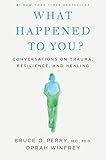
Overview: This book reframes resilience through a trauma-informed lens, exploring how understanding our past experiences shapes our capacity to heal and grow. Rather than asking “what’s wrong with you?” it shifts the paradigm to “what happened to you?"—a fundamental change in perspective that fosters compassion and genuine recovery. The conversational style invites readers into a dialogue about healing.
What Makes It Stand Out: The conversational format makes complex trauma concepts approachable and relatable. It bridges clinical understanding with human experience, offering insights into how adversity wires our responses and how we can rewire them through understanding. The focus on healing rather than just enduring sets it apart from traditional resilience literature that often emphasizes pushing through pain.
Value for Money: At $11.30, this moderately priced book offers profound value. Trauma-informed resources often cost significantly more, and the accessible presentation makes it valuable for both individuals and professionals seeking to understand the intersection of trauma and resilience. The perspective shift alone justifies the investment.
Strengths and Weaknesses: Strengths include compassionate framing, accessible language, and destigmatizing trauma responses. It validates experiences while offering hope and practical healing pathways. However, those seeking quick tactical resilience tools might find the deeper psychological focus slower-paced. The trauma-centric approach, while necessary, may not resonate with readers whose challenges aren’t rooted in adverse experiences.
Bottom Line: Essential reading for anyone whose resilience struggles connect to past trauma. It provides a compassionate foundation for healing that traditional toughness models often miss.
4. Conflict Resilience: Negotiating Disagreement Without Giving Up or Giving In – A USA TODAY Bestselling Harvard Guide to Professional Communication and Workplace Empathy

Overview: This specialized guide applies resilience principles specifically to workplace conflict and professional communication. Drawing on Harvard-backed research, it teaches how to maintain composure and effectiveness during disagreements without sacrificing principles or relationships. It’s a professional development tool masquerading as a resilience book, designed for the modern workplace.
What Makes It Stand Out: The Harvard pedigree and USA TODAY bestseller status lend immediate credibility. Unlike general resilience books, it targets the specific pain point of professional conflict with precision. The framework balances assertiveness with empathy, teaching readers to stay engaged without becoming defensive or compliant. This dual focus on standing firm while staying connected is rare and valuable.
Value for Money: At $14.23, it’s the priciest option but justified by specialized expertise. Comparable Harvard Business Review resources cost $20-30. For professionals navigating high-stakes workplace dynamics, the ROI is immediate and measurable in career advancement and reduced stress. The credentials alone make it worth the premium.
Strengths and Weaknesses: Strengths include authoritative research, workplace-specific scenarios, and immediately applicable communication frameworks. It excels in professional contexts and provides scripts and strategies. However, its narrow focus on conflict limits broader resilience application. Readers seeking personal or trauma-related resilience will find it irrelevant. The corporate tone may feel sterile to those wanting more emotional warmth.
Bottom Line: Indispensable for professionals in contentious work environments. It delivers specialized resilience tools that generic books simply cannot address.
5. Resilience: Hard-Won Wisdom for Living a Better Life

Overview: This book delivers resilience lessons through lived experience rather than academic theory. It compiles hard-won wisdom from individuals who have navigated significant adversity, offering authentic insights into what actually works when theory meets reality. It’s the street-smart companion to more scientific approaches, focusing on practical application born from struggle.
What Makes It Stand Out: The authenticity factor is unparalleled. These aren’t hypothetical strategies but battle-tested insights from people who’ve endured real hardship. The narrative-driven approach makes lessons memorable and emotionally resonant. It prioritizes practicality over perfection, acknowledging that resilience is messy and non-linear. The wisdom feels earned rather than prescribed.
Value for Money: At $10.11, this is an accessible entry point into resilience literature. You’re getting decades of collective experience for the price of a fast-food meal. For readers who learn best through stories and examples, the value is exceptional. It’s an affordable way to gain perspective from those who’ve walked difficult paths.
Strengths and Weaknesses: Strengths include relatability, authenticity, and memorable storytelling. The wisdom feels earned and trustworthy, making it highly motivating. However, the lack of scientific citation may trouble data-driven readers. The anecdotal structure means less systematic application compared to framework-based books. Some advice may be culturally specific or not universally applicable across different types of adversity.
Bottom Line: Best for readers seeking inspiration and real-world perspective over clinical frameworks. It complements more scientific books beautifully with its authentic voice.
6. Growth Mindset - Life Skills for Kids: Inspiring Stories to Build Resilience, Self-Esteem, and Confidence (Motivational Stories for Amazing Kids)

Overview: This children’s book delivers powerful life lessons through engaging storytelling, targeting elementary-aged kids who need support developing emotional intelligence. The collection of motivational stories translates abstract concepts like resilience and self-esteem into relatable narratives that young minds can grasp and apply. Rather than preachy directives, it uses character-driven plots to demonstrate how perseverance builds confidence, making it ideal for both independent reading and guided discussions between parents and children.
What Makes It Stand Out: The narrative approach sets this apart from traditional self-help guides for kids. By embedding lessons within stories, it maintains engagement while teaching critical skills. The “Amazing Kids” framing empowers readers from the start, creating positive self-identification. It addresses multiple interconnected skills—resilience, self-esteem, and confidence—in one volume, providing a comprehensive toolkit rather than isolated strategies.
Value for Money: At $13.61, this book sits comfortably in the mid-range for quality children’s literature. Comparable character-education resources often exceed $20, and therapeutic workbooks can cost twice as much. The reusable nature of stories—kids can return to them during different challenges—extends its value beyond a single read. For parents investing in their child’s emotional development, it’s a cost-effective alternative to initial therapy sessions.
Strengths and Weaknesses: Strengths include age-appropriate language, multi-skill coverage, and high re-readability. The story format naturally engages reluctant learners. However, without listed features, the exact number of stories and page count remains unclear. Younger children may need adult interpretation to extract lessons, and effectiveness varies by child. It lacks interactive exercises that some pedagogical resources include.
Bottom Line: This book serves as an excellent foundation for building growth mindset skills in children ages 6-10. Parents and educators seeking an accessible, non-threatening way to discuss emotional challenges will find it a valuable addition to their library.
7. Evan-Moor Non-Fiction Reading Practice, Grade 1

Overview: This first-grade workbook from the trusted educational publisher Evan-Moor systematically builds early non-fiction literacy skills through structured practice. Designed for 6-7 year olds, it introduces young readers to informational text structures while developing critical text-based writing abilities. The resource bridges the gap between simple decoding and true comprehension, preparing students for the reading demands of upper elementary grades. Each unit presents age-appropriate passages followed by evidence-based writing prompts.
What Makes It Stand Out: Evan-Moor’s trademark incremental approach ensures no skill gaps, while the dual focus on reading and writing creates powerful synergy. The text-based writing component is particularly valuable—first graders learn to cite evidence from passages, a skill rarely emphasized at this level. The non-fiction focus mirrors real-world reading, exposing children to science, social studies, and biography genres early. Standards alignment means it seamlessly supplements any curriculum.
Value for Money: Priced at $17.19, this workbook reflects typical Evan-Moor quality and page count (usually 170+ pages). Considering private tutoring costs $40-60 hourly, this provides months of structured practice for less than half a session’s price. Comparable workbooks from competitors like Scholastic or Spectrum fall in the same range but often lack the integrated writing component. For homeschool families or parents seeking enrichment, it delivers professional-grade content at consumer pricing.
Strengths and Weaknesses: Strengths include proven pedagogical design, answer keys for self-checking, and clear progression. The content builds academic vocabulary essential for testing success. However, the structured format may frustrate creative learners who prefer open-ended activities. It requires consistent adult guidance for first graders and offers minimal fiction practice, which some curricula emphasize more heavily.
Bottom Line: An essential resource for first graders needing rigorous non-fiction practice. Highly recommended for homeschoolers and as a classroom supplement, particularly for students struggling with informational text comprehension.
8. The Power to Persist: 8 Simple Habits to Build Lifelong Resilience

Overview: This adult self-help book offers a practical framework for developing resilience through habit formation. Targeting individuals facing personal or professional challenges, it distills decades of psychological research into eight actionable habits designed to strengthen mental toughness. The book moves beyond theoretical discussions, providing concrete daily practices that compound over time. Its focus on persistence as the engine of resilience offers a fresh perspective in a crowded self-help market, making it accessible to readers overwhelmed by complex therapeutic approaches.
What Makes It Stand Out: The habit-based architecture transforms abstract resilience into measurable daily actions. Rather than requiring massive lifestyle overhauls, it emphasizes small, sustainable changes—critical for busy adults. The “8 Simple Habits” structure provides clarity and prevents the paralysis of choice that plagues many personal development books. This systematic approach allows readers to track progress and build momentum, creating positive reinforcement loops that actually stick.
Value for Money: At $17.89, this book positions itself in the competitive mid-range of self-help literature. Individual therapy sessions exceed $100 hourly, making this a cost-effective first step for those building coping skills. Similar habit-focused books like “Atomic Habits” retail for $16-18, placing this appropriately. If even one habit prevents a breakdown or improves stress management, the return on investment is substantial. The potential for lifelong application justifies the price.
Strengths and Weaknesses: Strengths include actionable structure, focus on sustainability, and likely research backing (though not specified). The simplicity reduces intimidation. However, without listed features, the depth of each habit remains unknown. It demands self-discipline that struggling individuals may lack. Those needing professional mental health support might find it insufficient for clinical conditions. The one-size-fits-all approach may not suit every personality.
Bottom Line: Ideal for motivated adults seeking practical resilience tools. It works best as a complement to therapy or for proactive personal development. Worth purchasing if you’re ready to commit to habit change.
9. Evan-Moor Non-Fiction Reading Practice, Grade 5

Overview: This fifth-grade workbook continues Evan-Moor’s rigorous non-fiction literacy series, preparing ten- and eleven-year-olds for middle school academic demands. It features sophisticated informational passages across content areas, coupled with text-dependent writing exercises that require analytical thinking. The resource systematically develops skills in summarizing, synthesizing, and citing evidence—competencies essential for standardized testing and future academic success. Seventeen comprehensive units provide sustained practice throughout the school year.
What Makes It Stand Out: The progression from earlier grades is masterful, introducing complex text structures like cause-effect and problem-solution at appropriate challenge levels. The writing prompts demand higher-order thinking, pushing beyond simple recall to true analysis. This edition particularly excels in cross-curricular content, integrating science and social studies topics that reinforce classroom learning. The focus on academic vocabulary development directly impacts performance across all subjects.
Value for Money: At $16.77, this workbook is slightly more affordable than the first-grade version despite more advanced content, representing excellent value. Comparable test-prep materials cost $20-25 and often lack integrated writing practice. For families considering tutoring to boost reading scores, this offers professional-grade instruction at a fraction of the cost. The reproducible format (for home use) extends its value across multiple children.
Strengths and Weaknesses: Strengths include standards-based design, gradual complexity increases, and alignment with Common Core requirements. The answer key enables independent study for self-motivated learners. However, the intense focus on non-fiction may not engage students who prefer literary texts. It requires disciplined, regular use to see results—casual learners won’t benefit. Some passages may feel dry to creative-minded children. It doesn’t replace comprehensive writing instruction.
Bottom Line: A must-have for fifth graders needing to strengthen informational text skills. Perfect for test preparation and homeschool curricula. Teachers should consider it for small group intervention work.
10. Resilience from the Heart: The Power to Thrive in Life’s Extremes

Overview: This resilience guide takes an emotionally-centered approach to thriving through severe adversity, distinguishing itself from cognitive-behavioral focused alternatives. Targeting adults navigating trauma, crisis, or profound life challenges, it explores resilience as a heart-based practice rather than purely mental discipline. The book likely weaves personal narratives with spiritual insights, offering solace and strategies for those who’ve found traditional self-help too clinical or insufficiently compassionate for their circumstances. It addresses the transformative potential within extreme hardship.
What Makes It Stand Out: The “from the Heart” perspective prioritizes emotional intelligence and self-compassion, critical components often underdeveloped in tactical resilience books. By focusing on “Life’s Extremes,” it validates experiences of profound suffering rather than offering generic positivity. This niche positioning serves readers who feel mainstream resources don’t address their depth of pain. The emphasis on thriving—not merely surviving—provides an aspirational framework that can reframe trauma as a catalyst for growth.
Value for Money: At $19.99, this book commands a premium price that reflects its specialized focus. While general self-help books cost $15-18, trauma-informed resources often justify higher pricing. Compared to specialized therapy or support groups, it’s highly affordable. For someone in crisis, effective guidance at this price is invaluable. However, the lack of listed features makes it difficult to assess page count or content depth before purchasing.
Strengths and Weaknesses: Strengths include potentially transformative perspective for trauma survivors, unique heart-centered methodology, and likely powerful storytelling. It may fill a gap for those un served by conventional approaches. However, the niche focus may not suit readers seeking general stress management. Without feature details, it’s unclear if it offers practical exercises or primarily inspirational content. Some may find the language too abstract when needing concrete steps. It could potentially overwhelm those currently in acute crisis.
Bottom Line: Recommended for individuals facing significant adversity who resonate with emotionally-driven guidance. Best suited for those ready to process deep experiences. Not a casual read or quick-fix solution, but potentially life-changing for the right reader.
Understanding the Core Concepts of Resilience and Grit
Before diving into any purchase, it’s crucial to grasp what these terms actually mean in psychological terms. Resilience refers to your capacity to recover from difficulties, while grit encompasses sustained passion and perseverance toward long-term goals. The most impactful books don’t just define these concepts—they dissect the neurological, behavioral, and social mechanisms that make them possible.
The Psychological Foundation
Top-tier non-fiction in this genre typically anchors its advice in established psychological frameworks. Look for works that reference concepts like cognitive reframing, emotional regulation, and post-traumatic growth. Books that connect their teachings to the work of researchers in positive psychology or behavioral economics tend to offer more than temporary motivation—they provide lasting mental models you can apply across different life domains.
Why These Traits Matter in Modern Life
The modern workplace, with its constant disruptions and ambiguous career paths, demands a different kind of toughness than previous generations needed. Remote work, gig economies, and rapid technological change mean that adaptability isn’t optional. Quality literature on resilience addresses these contemporary stressors specifically, rather than offering generic “stay positive” platitudes that ignore systemic challenges.
What Makes a Non-Fiction Book Truly Transformative
Not all self-help books are created equal. The difference between a book that collects dust and one that changes your neural pathways often comes down to several non-negotiable elements that discerning readers should evaluate.
Evidence-Based Research vs. Anecdotal Wisdom
The gold standard for this genre blends compelling personal stories with peer-reviewed research. Be wary of books that rely exclusively on the author’s personal triumph without connecting it to broader scientific principles. The most reliable texts cite longitudinal studies, meta-analyses, and randomized controlled trials that validate their recommended strategies. This doesn’t diminish the power of storytelling—it enhances it by showing you the method behind the magic.
The Author’s Credibility and Background
Consider the writer’s expertise carefully. Are they a researcher who has spent decades studying stress responses? A clinician who has guided hundreds of clients through adversity? Or a journalist who has synthesized expert interviews into accessible prose? Each background offers different strengths. Academic authors bring rigor, practitioners offer battle-tested techniques, and skilled journalists excel at making complex ideas digestible. The key is matching the author’s expertise to your learning style and needs.
Narrative Style and Reader Engagement
Dense academic prose can obscure brilliant insights, while overly simplistic writing may lack depth. The sweet spot exists in books that respect your intelligence while guiding you through complexity. Preview chapters when possible—does the voice feel like a knowledgeable mentor or a condescending cheerleader? Effective books on resilience use vivid metaphors, concrete examples, and a conversational tone that keeps you turning pages without dumbing down the science.
Key Features to Evaluate Before Purchasing
Smart book selection involves more than reading the back cover. These practical evaluation criteria will help you invest in titles that deliver genuine value rather than fleeting inspiration.
Publication Date and Relevance
While classic texts have their place, the science of resilience evolves rapidly. Books published in the last 5-7 years often incorporate breakthroughs in neuroscience, updated workplace research, and fresh perspectives on digital-age stressors. That said, don’t automatically dismiss older works—some foundational texts remain relevant because they focus on timeless psychological principles rather than trendy applications.
Reader Reviews and Critical Reception
Go beyond star ratings. Read three-star reviews specifically—they often provide balanced critiques that highlight both strengths and limitations. Look for patterns in reader feedback: Do multiple people mention the book requires significant time investment for exercises? Does the author get criticized for lacking diversity in examples? These insights reveal whether the book aligns with your expectations and commitment level.
Practical Application Tools
The best books on perseverance function as field guides, not just theoretical treatises. Check if the text includes reflection prompts, journaling exercises, habit trackers, or case study analyses. Interactive elements transform passive reading into active skill-building. Some books even offer companion apps or downloadable resources that extend the learning experience beyond the page.
Different Approaches to Building Resilience
The genre encompasses several distinct subcategories, each serving different reader needs. Understanding these approaches helps you curate a balanced personal library rather than collecting redundant titles.
Scientific and Academic Perspectives
These books dive deep into the mechanics of stress, willpower, and recovery. They explore topics like HPA axis function, neuroplasticity, and the physiology of perseverance. Ideal for readers who need to understand the “why” before implementing the “how,” these texts often include detailed footnotes and references for further exploration.
Memoir and Personal Journey Narratives
First-person accounts of overcoming extreme adversity offer powerful emotional resonance. While these shouldn’t be your only resource, they provide something data-driven texts sometimes lack: visceral proof that transformation is possible. The most valuable memoirs in this space explicitly extract teachable lessons from personal experience rather than simply recounting events.
Workbook and Interactive Formats
For hands-on learners, workbook-style books provide structured programs with daily exercises, progress logs, and self-assessments. These function more like training manuals than traditional reads, requiring active participation. They’re particularly effective when you’re navigating a specific challenge and need a step-by-step framework rather than general inspiration.
The Role of Neuroscience in Modern Resilience Literature
Contemporary understanding of perseverance has been revolutionized by brain science. Books that incorporate these findings offer more precise, effective strategies than older pop psychology titles.
Brain Plasticity and Habit Formation
Leading texts explain how neural pathways strengthen through repeated activation, making the case that resilience is less a trait and more a trainable skill. They detail the specific practices—mindfulness, controlled exposure to stress, gratitude exercises—that literally rewire your brain’s default responses to adversity. This neuroscientific grounding transforms abstract concepts into concrete biological processes.
Stress Response Mechanisms
Advanced books differentiate between acute stress, chronic stress, and eustress (positive stress), explaining how each affects cognitive function and emotional regulation. They teach you to recognize your personal stress signature—physical symptoms, thought patterns, behavioral tendencies—so you can intervene earlier and more effectively. This mechanistic understanding demystifies why some days you feel unshakeable while others leave you crumbling.
Cultural and Diverse Perspectives on Perseverance
Resilience isn’t experienced uniformly across cultures, and monocultural books miss crucial nuances. Expanding your library to include diverse voices enriches your toolkit with alternative coping strategies.
Eastern vs. Western Philosophical Approaches
Western texts often emphasize individual agency, goal-setting, and overcoming obstacles through force of will. Eastern-influenced books may focus more on acceptance, community harmony, and flowing with challenges rather than fighting them. Both approaches offer valuable, complementary tools. A well-rounded reading list includes perspectives that challenge your cultural defaults.
Voices from Marginalized Communities
Books written by authors from historically marginalized backgrounds often address resilience in the context of systemic barriers—something mainstream titles frequently overlook. These works explore how perseverance intersects with identity, discrimination, and community support, offering strategies that acknowledge reality rather than ignoring structural challenges. They teach a more sophisticated form of resilience that balances personal responsibility with advocacy and collective action.
Age-Specific Considerations for Readers
Your stage of life dramatically affects which resilience strategies will resonate and prove most applicable. Books tailored to specific life phases offer more relevant frameworks than generic advice.
Content for Young Adults and Students
For younger readers, the focus should be on building foundational habits, managing academic pressure, and navigating identity formation. Books aimed at this demographic often address social media stress, imposter syndrome in competitive environments, and the transition to independence. They emphasize growth mindset and failure normalization—crucial lessons before life gets more complicated.
Mid-Career Professionals
Professionals in their 30s-50s face unique resilience challenges: burnout, work-life integration, career pivots, and caregiving responsibilities. Relevant books tackle time management for energy conservation, building professional networks as safety nets, and maintaining passion after the honeymoon phase of a career ends. They also address the psychological impact of economic uncertainty and industry disruption.
Retirees and Life Transitions
Later-life resilience literature focuses on identity beyond career, health challenges, loss of loved ones, and finding purpose in a new chapter. These books often emphasize legacy-building, intergenerational connections, and adapting to physical limitations while maintaining mental sharpness. They approach perseverance with a longer, more philosophical view of life’s arc.
Format Options and Their Impact on Learning
How you consume the content affects retention and application. Different formats serve different lifestyles and learning preferences.
Audiobooks for Commute-Friendly Consumption
Audio formats excel for repetitive exposure to key concepts—listening during commutes or workouts reinforces ideas through spaced repetition. However, they make highlighting and note-taking challenging. The best audiobooks in this genre are narrated by the author, adding authentic emotional emphasis, and often include supplementary PDFs with exercises and diagrams.
Physical Books for Annotation and Reflection
There’s cognitive value in physically writing margin notes and underlining passages. The tactile experience creates stronger memory encoding, and seeing your personal annotations over time reveals your evolving understanding. Physical books also make it easier to flip back to specific exercises or quotes during moments of need—creating a personal reference manual you can revisit during tough times.
Digital Formats for Interactive Features
E-books and apps offer searchable text, adjustable fonts for accessibility, and embedded links to studies or additional resources. Some digital platforms include progress trackers and community features where readers share insights. The downside? Digital distractions can fragment your attention, undermining the deep focus these topics require.
Building a Personal Reading Strategy
Randomly collecting titles leads to incomplete understanding and abandoned books. A strategic approach ensures you extract maximum value from your reading investment.
Creating a Thematic Reading List
Rather than buying one-off bestsellers, map out a learning journey. Start with a foundational scientific text to understand mechanisms, add a memoir for emotional connection, include a workbook for practice, and round it out with a culturally diverse perspective. This multi-angle approach prevents blind spots and keeps you engaged through varied formats.
Journaling and Reflection Practices
Reading about resilience without processing the content is like downloading a fitness app and never working out. Complement each chapter with targeted journaling: What specific situation from my life does this apply to? What micro-habit can I test this week? What resistance am I feeling to this idea and why? This integration work transforms intellectual understanding into embodied skill.
Discussion Groups and Community Learning
Resilience is often built through connection, not isolation. Forming a reading group creates accountability and exposes you to how others apply the same concepts differently. Hearing someone else’s interpretation of a strategy can unlock its relevance to your situation. Online communities, local book clubs, or even a dedicated Slack channel with colleagues deepen the learning through shared vulnerability.
Common Pitfalls to Avoid in the Genre
Even well-intentioned books can promote harmful ideas if you’re not critically evaluating their messages. Recognizing these red flags protects you from counterproductive advice.
Toxic Positivity and Unrealistic Expectations
Beware of books that suggest resilient people never feel negative emotions or that any adversity can be “positive” if you just think correctly. Authentic resilience literature acknowledges that some situations are genuinely terrible, that grief is necessary, and that perseverance sometimes means surviving, not thriving. Books that pathologize normal human struggle or blame victims for their circumstances deserve a hard pass.
One-Size-Fits-All Solutions
Any book claiming its method works for everyone is selling snake oil. Effective texts emphasize customization—helping you identify your resilience style, energy patterns, and contextual constraints. They offer modular strategies you can adapt rather than rigid prescriptions. Look for authors who acknowledge limitations of their approach and encourage experimentation.
Measuring Your Progress and Application
Without tracking, you can’t distinguish between books that genuinely helped and those that just felt good to read. Establish metrics for your resilience reading journey.
Setting Reading Goals
Move beyond “read 10 pages daily” to goals like “identify three specific thought patterns I want to change” or “complete one behavioral experiment per chapter.” Process-oriented goals ensure you’re building skills, not just consuming content. Track which types of exercises resonate most with your personality—some people thrive on daily micro-habits, others need big-picture perspective shifts.
Tracking Behavioral Changes
Create a simple log noting when you used a strategy from your reading and what resulted. Did the “3-minute breathing reset” actually calm you before a difficult conversation? Did reframing failure as data change how you approached a project? This evidence-based approach to your personal development helps you double down on what works and discard what doesn’t, making your reading genuinely transformative rather than merely informative.
Frequently Asked Questions
How do I know if a resilience book is based on real science rather than pseudoscience?
Check the bibliography for peer-reviewed journals and recent studies. Legitimate authors cite sources like Journal of Personality and Social Psychology or American Psychologist. Look for mentions of meta-analyses, longitudinal studies, and replication research. Books that reference only the author’s personal experience or vague “research shows” without specifics should raise red flags.
Can reading about resilience actually make me more resilient, or is action required?
Reading alone creates awareness, but behavioral change requires practice. Think of books as instruction manuals—you don’t get stronger by reading about weightlifting. The most effective approach combines reading with immediate application of exercises, reflection, and real-world experimentation. Many readers find that the simple act of completing a book during a difficult period builds confidence, but sustainable resilience demands integration.
What’s the difference between resilience and grit, and do I need separate books for each?
While related, they’re distinct: resilience is your recovery system (bouncing back), while grit is your endurance system (sticking with goals). Many excellent books address both because they’re interconnected—gritty pursuits require resilience when obstacles hit. However, if you’re specifically struggling with burnout, prioritize resilience. If you’re flitting between projects, focus on grit. Most comprehensive texts cover both with dedicated sections.
How often should I read books on this topic before it becomes redundant?
Quality over quantity is key. One deeply studied, well-applied book beats ten skimmed titles. After a foundational text, space out additional reads by 3-6 months to allow for practice and integration. Re-reading the same book after a year often reveals new insights because you’re a different person with new challenges. The genre expands rapidly, so one new book annually keeps you current without overwhelming you.
Are memoirs helpful for building resilience, or should I stick to scientific texts?
Memoirs provide irreplaceable emotional proof and narrative inspiration that data alone can’t deliver. They answer the question “Can someone like me survive this?” in a way statistics cannot. The ideal approach uses memoirs as complementary reading—choose a memoir that exemplifies principles you’re learning in a more scientific text. This combination of head and heart knowledge creates deeper, more durable resilience.
What if I start a highly recommended book but find it doesn’t resonate with me?
Drop it without guilt. Resilience is highly personal, and a mismatch often reflects differences in learning style, life stage, or cultural context rather than the book’s objective quality. Note specifically what doesn’t work—is it too academic, too touchy-feely, too focused on workplace issues? This self-knowledge helps you refine your selection criteria. Donate the book; it might be someone else’s perfect fit.
How can I apply resilience concepts when facing systemic issues beyond my individual control?
Excellent question that separates superficial from substantial texts. Quality books acknowledge structural barriers and discuss collective resilience, advocacy, and community organizing alongside individual strategies. They teach discernment: when to persist vs. when to pivot, when to accept vs. when to fight. Look for authors who address privilege, access, and social support systems rather than pretending individual mindset solves everything.
Should I read resilience books during a crisis or wait until things stabilize?
Timing matters. During acute crisis, your brain may lack the bandwidth for complex new concepts—stick to simple, familiar comforts. However, early recovery is an ideal time to read, as you’re highly motivated and can immediately apply strategies. Books can provide structure and hope when you’re rebuilding. Avoid starting dense reads when you’re emotionally flooded; save those for periods of relative stability.
How do I balance reading about resilience with actually living my life?
Set boundaries around reading time—treat it like a class you’re taking, not a compulsive escape. For every hour spent reading, commit to 30 minutes of real-world application or reflection. If you find yourself using “learning about resilience” as a procrastination tool from difficult tasks, pause the reading and face the task. The goal is integration, not intellectualization.
Are there specific warning signs that a resilience book might be harmful?
Yes. Red flags include: blaming victims for their circumstances, promoting emotional suppression, suggesting you should cut off anyone who doesn’t support your goals, guaranteeing specific results, or requiring expensive supplemental programs. Also watch for books that conflate resilience with endless self-sacrifice or that pathologize normal emotional responses to abnormal events. Trust your gut—if advice feels dehumanizing or invalidating, it probably is.