There’s something primal about gathering around a table to unravel a mystery together. The shared glances, the heated debates over clues, that electric moment when someone finally connects the dots—mystery and thriller board games transform your game night into an immersive narrative experience unlike any other genre. Unlike passive entertainment, these games thrust you into the heart of the investigation, making you the protagonist in a story that unfolds differently every time you play.
The resurgence of tabletop gaming has brought with it an explosion of sophisticated mystery titles that rival the complexity of your favorite detective novels and thriller films. Whether you’re hunting a serial killer through Victorian London, uncovering corporate conspiracies in a cyberpunk future, or surviving a paranormal investigation gone wrong, these games offer psychological depth and social interaction that digital entertainment simply cannot replicate. But with so many options available, how do you select the perfect thriller for your group’s dynamics, experience level, and appetite for suspense?
Top 10 Mystery Board Games for Game Night
Detailed Product Reviews
1. Hunt A Killer Murder at The Motel - an Immersive Murder Mystery Experience - for True Crime Fans with Evidence & Puzzles - Solve Crimes at Date Night or Family Game Night - Age 14+

Overview: Step into the role of detective at the Sunset Motel, where a housekeeper discovers her partner murdered and a convict is on the loose. This moderately challenging experience (4/5 difficulty) provides 45-90 minutes of investigative gameplay for ages 14+. Players examine forensic files, analyze crime scene photos, and piece together personal items to solve the case. Designed for 1+ players, it works equally well as a solo deduction challenge or collaborative team experience. The narrative-driven approach creates an authentic true crime atmosphere that demands careful attention to detail and logical reasoning rather than random guessing.
What Makes It Stand Out: The 4/5 difficulty rating positions this as a serious mental challenge, distinguishing it from casual party games. The forensic focus—with detailed crime scene photos and authentic evidence documents—creates genuine immersion. The flexible session length (45-90 minutes) accommodates different play styles, while the standalone format requires no subscription. The convict-on-the-run angle adds narrative urgency that propels the investigation forward with tension.
Value for Money: At $18.79, this mid-tier offering delivers substantial content without recurring fees. The moderate difficulty ensures you’re investing in a satisfying, multi-layered puzzle rather than a superficial experience. Compared to digital alternatives or escape room visits, this one-time purchase provides excellent replay value for different groups, though the case itself is single-use.
Strengths and Weaknesses: Pros include high-quality evidence materials, adjustable difficulty via hints, and strong thematic cohesion. The forensic analysis provides authentic detective satisfaction. Cons: the 4/5 difficulty may frustrate casual players, and solved cases have no replay value. Some clues require extremely close examination that can be challenging in dim lighting.
Bottom Line: Ideal for true crime enthusiasts seeking methodical, evidence-based challenges. Murder at The Motel rewards careful analysis and delivers a compelling narrative that justifies its moderate difficulty. Perfect for dedicated puzzle-solvers rather than casual party crowds.
2. Hunt A Killer: Death At The Dive Bar, Solve a Murder at Old Scratch Tavern, Immersive Murder Mystery Game, Play Detective in Unsolved Mysteries, Great Gift For True Crime Fans, Designed for Ages 14+

Overview: Investigate the suspicious death of Nick Webster, owner of Old Scratch Tavern, whose fatal fall was ruled an accident—but one employee suspects murder. This beginner-friendly entry (1/5 difficulty) offers 45-60 minutes of gameplay for ages 14+. Players examine forensic files and eliminate suspects by piecing together clues from the small-town bar setting. Designed for solo play or teamwork, the game provides an accessible introduction to deductive reasoning without overwhelming complexity. The dive bar atmosphere creates a relatable, grounded mystery that focuses on interpersonal relationships and motive rather than elaborate forensic puzzles.
What Makes It Stand Out: The 1/5 difficulty rating makes this the most accessible Hunt A Killer game, perfect for newcomers. Its single-session, 45-60 minute structure fits easily into game nights without dominating the evening. The dive bar setting feels authentic and intimate, focusing on character-driven motives rather than technical evidence. This makes it ideal for groups who enjoy social deduction and storytelling over complex puzzle mechanics.
Value for Money: At $27.25, this is the priciest option in the lineup, but its beginner-friendly design justifies the cost for those uncertain about the genre. The lower difficulty ensures successful completion, reducing frustration. While expensive for a single-use game, it serves as an excellent gateway experience that can introduce multiple players to murder mysteries simultaneously.
Strengths and Weaknesses: Pros include clear instructions, accessible difficulty, and strong character development. The quick playtime respects busy schedules. Cons: experienced puzzlers will find it too simple, and the $27.25 price tag is steep for the content volume. The low difficulty may feel unsatisfying for those seeking genuine challenge.
Bottom Line: The perfect entry point for murder mystery novices. Death at The Dive Bar trades complexity for accessibility, making it ideal for casual game nights and family gatherings. While pricey, it successfully introduces true crime gaming to wider audiences without intimidation.
3. Hunt A Killer: Body On The Boardwalk, Catch the Amusement Park Killer, Interactive Unsolved Mysteries Game, Mystery Box for Game Night, Murder Mysteries Card, Puzzle & Board Games, For Ages 14 and up

Overview: Investigate the murder of Katie Dunn, a seaside amusement park employee found dead on a ride, with her boyfriend as the prime suspect. This entry-level game (2/5 difficulty) provides 45-60 minutes of investigative gameplay for ages 14+. Players study forensic files, crime scene photos, and personal items to determine if the boyfriend is guilty. Designed for 1+ players, it balances accessibility with engaging deduction. The boardwalk setting offers a vibrant backdrop that contrasts with the dark crime, creating an intriguing atmosphere. The straightforward clue structure makes it ideal for families or groups new to murder mystery games who want a satisfying but not overwhelming challenge.
What Makes It Stand Out: At $12.80, this is the most affordable Hunt A Killer game, offering exceptional value. The 2/5 difficulty provides a gentle learning curve while maintaining engagement. The amusement park setting is unique and visually interesting, with clues tied to ride mechanics and park operations. Its entry-level design makes it perfect for introducing teens to true crime gaming, while still satisfying adults seeking a lighter evening activity.
Value for Money: This budget-friendly option delivers the full Hunt A Killer experience at nearly half the price of some alternatives. For $12.80, you get quality components and a complete narrative. The accessible difficulty ensures everyone can participate meaningfully, maximizing value for family game nights. It’s an economical way to test the genre before investing in more complex entries.
Strengths and Weaknesses: Pros include unbeatable price, approachable difficulty, and unique setting. The shorter playtime fits busy schedules. Cons: veteran players will find it too simple, and the narrative lacks the depth of higher-rated entries. Some evidence feels slightly contrived to maintain the easier difficulty.
Bottom Line: An outstanding value for casual gamers and families. Body on the Boardwalk proves that murder mysteries don’t need to be complex or expensive to be entertaining. It’s the perfect starter game for those curious about the genre without committing significant time or money.
4. Hunt A Killer: A Wealth of Murder, an Immersive True Crime Experience for Fans of Criminal Minds and Forensic Files, Perfect for Holiday Game Nights or Gift Exchanges, Ages 14+
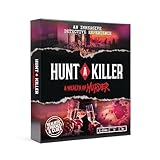
Overview: Step into a cold case investigation to help Tim solve a complex murder in this challenging experience rated 4/5 for difficulty. With 120-150 minutes of gameplay, this is the longest Hunt A Killer entry, designed for ages 14+. Players solve puzzles, discover clues, and examine evidence in a sophisticated whodunit that demands sustained attention. The extended duration allows for deeper narrative development and more intricate puzzle layers than shorter entries. Designed for 1+ players, it can be played solo for intense focus or divided across multiple sessions for groups. The case rewards methodical note-taking and cross-referencing evidence across different media.
What Makes It Stand Out: The 120-150 minute runtime significantly exceeds other entries, providing a truly immersive deep-dive experience. The 4/5 difficulty rating promises complex, multi-step puzzles that challenge even seasoned detectives. This entry emphasizes puzzle-solving alongside evidence analysis, appealing to fans of traditional logic puzzles. The extended format makes it ideal for holiday gatherings where you want a centerpiece activity that engages everyone for an entire evening.
Value for Money: At $17.49, you’re paying less than some shorter games while getting 2-3 times the gameplay. The extended duration and higher difficulty provide excellent cost-per-hour entertainment. For dedicated mystery fans, this offers substantial content without subscription commitments. The complexity ensures you’re investing in a memorable, challenging experience rather than a disposable party game.
Strengths and Weaknesses: Pros include extensive gameplay, sophisticated puzzles, and satisfying difficulty curve. The longer format allows genuine detective work. Cons: the time commitment may intimidate casual players, and the complexity can lead to analysis paralysis. Requires dedicated attention spans that not all groups possess.
Bottom Line: For serious mystery enthusiasts wanting depth and challenge, A Wealth of Murder delivers exceptional value. The extended runtime and higher difficulty create a truly immersive detective experience. Best suited for committed players who relish complex puzzles and sustained investigation.
5. Cryptic Killers Unsolved Murder Mystery Game - Cold Case File Investigation - Detective Clues/Evidence - Solve The Crime - for Individuals, Date Nights & Party Groups - Murder of a Millionaire

Overview: Investigate the stabbing death of Chloe Whittle, a millionaire lottery winner, in the town of Redmond, UK. This independent murder mystery provides approximately 2 hours of gameplay with a 3.5/5 difficulty rating. Players examine 29 pieces of physical evidence including newspaper articles, police reports, CCTV footage records, and witness statements. A unique feature requires accessing an online police officer’s inbox to verify suspects, blending physical and digital investigation. Designed for individuals, couples, or groups, the game accommodates various party sizes. The UK setting and lottery winner victim create a distinct atmosphere from American-centric Hunt A Killer games, offering fresh cultural context for evidence interpretation.
What Makes It Stand Out: The 29 physical evidence pieces create an impressively tangible investigation experience unmatched by most competitors. The online police inbox integration adds modern realism and an interactive digital layer that extends beyond the box. As a non-Hunt A Killer product, it offers independent quality at a competitive $19.99 price point. The UK setting provides refreshing cultural variation, and the millionaire victim angle introduces unique motives tied to wealth and lottery culture.
Value for Money: At $19.99, this game matches Hunt A Killer pricing while offering innovative digital integration. The extensive physical evidence and two-hour runtime provide solid entertainment value. The online component adds replay potential for different groups since the digital access can be reset. For those who’ve exhausted Hunt A Killer’s catalog, this offers a quality alternative without sacrificing production values.
Strengths and Weaknesses: Pros include extensive evidence variety, clever digital integration, and unique UK setting. The difficulty rating suits intermediate players perfectly. Cons: requires internet access and device compatibility, which may limit some users. The digital component’s permanence could be problematic if servers go down. Some evidence pieces feel redundant, padding the count.
Bottom Line: Cryptic Killers delivers a fresh take on murder mystery games with its hybrid physical-digital approach. The extensive evidence and UK setting distinguish it from competitors. Perfect for tech-savvy detectives seeking innovative investigation mechanics and those wanting alternatives to mainstream series.
6. Cryptic Killers Unsolved Murder Mystery Game - Cold Case File Investigation - Detective Clues/Evidence - Solve The Crime - Individuals, Date Nights & Party Groups - Murder at The Movie Theater

Overview: This immersive cold case file game puts you in the detective’s chair to solve the murder of movie theater owner Chris Hodgson in a small Pacific Northwest town. The game transforms your living room into a crime scene investigation with 27 pieces of physical evidence that create an authentic police procedural experience for 1-6 players.
What Makes It Stand Out: The integration of physical and digital evidence sets this apart. Beyond the newspaper clippings, crime scene photos, and witness statements, you’ll hack into an online police database to access critical digital files. The 3/5 difficulty rating strikes a balance between accessibility and challenge, making it ideal for date nights or group gatherings without frustrating casual players.
Value for Money: At $19.99 for approximately two hours of gameplay, this delivers excellent value compared to $30+ per person escape rooms. The replay value is limited since you can’t unlearn the solution, but the experience quality justifies the price for mystery enthusiasts seeking an affordable investigative thrill.
Strengths and Weaknesses: Strengths include high-quality physical components, clever digital integration, and flexible player count. The realistic evidence creates genuine detective work satisfaction. Weaknesses involve requiring internet access and a device, potential difficulty spikes for some puzzles, and the one-time-use nature of the mystery. Online hints help but may feel like cheating to purists.
Bottom Line: Perfect for true crime fans and puzzle solvers seeking an authentic investigation experience. The movie theater murder narrative is compelling, and the mixed-media approach feels modern and engaging. Excellent choice for dinner parties or couples wanting screen-free interaction with digital enhancement.
7. WS Game Company Mystery Date Nostalgia Edition Board Game in Collectible Tin

Overview: Travel back to 1965 with this faithfully recreated Mystery Date edition, packaged in a stunning collectible tin that doubles as display-worthy storage. The game captures the innocent charm of vintage dating culture where players collect outfit cards hoping to match the mystery date behind the iconic door—while avoiding the dreaded dud.
What Makes It Stand Out: The presentation is impeccable, featuring period-authentic artwork, a full-sized vintage gameboard, and that signature mystery door mechanism. As part of WS Game Company’s Collectible Tin Series, it transcends mere gameplay to become a nostalgic keepsake. The four colorful pawns and 48 clothing cards recreate the tactile experience that made the original a classic.
Value for Money: At $32.99, you’re paying a premium for the collectible packaging and vintage aesthetic rather than complex gameplay. Standard board games cost $20-25, so the extra $8-12 covers the beautiful tin and retro design. For collectors and those seeking a decorative conversation piece, this premium is justified.
Strengths and Weaknesses: Strengths include gorgeous retro packaging, simple rules perfect for family play, and genuine nostalgic appeal. The gameboard quality exceeds modern standards. Weaknesses involve dated gender stereotypes inherent to the 1965 concept, limited strategic depth, and a price point that may deter casual buyers seeking pure gameplay value.
Bottom Line: Ideal for vintage game collectors, baby boomers reliving childhood memories, or as a decorative gift for classic game enthusiasts. While not strategically deep by modern standards, its charm and presentation make it worthwhile for the right audience. Skip if you prioritize complex gameplay over nostalgic aesthetics.
8. Clue Board Game for Ages 8 and Up, Reimagined Clue Game for 2-6 Players, Mystery, Detective, Family Games for Kids and Adults

Overview: Hasbro’s reimagined Clue modernizes the 70-year-old classic while preserving its deductive core. Set in the glamorous Tudor Mansion, players investigate Boddy Black’s murder by collecting clues about suspect, weapon, and location. The refresh adds character depth and streamlined mechanics for 2-6 players aged eight and up.
What Makes It Stand Out: Six textured gold-plated zinc weapon tokens elevate the tactile experience far beyond standard plastic pieces. Each suspect—Miss Scarlett, Colonel Mustard, Mayor Green, Chef White, Solicitor Peacock, and Professor Plum—receives a compelling backstory, transforming flat game pieces into intriguing personalities. The new Clue cards accelerate deduction by forcing opponents to reveal specific information.
Value for Money: At $13.79, this represents exceptional value. You’re getting premium metal components, enhanced artwork, and modernized gameplay for less than the original’s inflation-adjusted price. Comparable mystery games cost $25-40, making this an accessible entry point for families.
Strengths and Weaknesses: Strengths include upgraded components that feel substantial, faster playtime with Clue cards, and backstories that engage younger players. The illustrated gameboard is visually stunning. Weaknesses involve purists who may miss the classic simplicity, and the two-player variant lacks the tension of larger groups. Some randomness remains unavoidable.
Bottom Line: The definitive version for new players and families. The quality upgrades and narrative enhancements justify the purchase even for Clue veterans. At under $14, it’s a no-brainer for mystery fans seeking a gateway game that balances tradition with modern design sensibilities.
9. PROFILER - Missing in the Caribbean: John LeBlanc Reported Missing – Murder Mystery Games for Adults – Individuals, Date Night, Family Night - Escape Room Board Game - Find Clues and Solve the Mystery

Overview: PROFILER transports players aboard the Colossus of the Seas cruise ship to investigate John LeBlanc’s mysterious Caribbean disappearance. This hybrid board game combines physical evidence with digital sleuthing, requiring you to hack emails, access the Dark Web, and unlock sealed envelopes by solving puzzles in a cooperative 1-6 player experience.
What Makes It Stand Out: The cruise ship setting provides a fresh alternative to typical murder scenes, while the escape room-inspired envelope unlocking creates tangible progression. Requiring internet access for Dark Web navigation and email hacking adds contemporary realism that tech-savvy players appreciate. The cooperative nature eliminates competitive friction during date nights.
Value for Money: At $24.99 for 1.5-2 hours of gameplay, PROFILER sits in the mid-range for mystery games. It’s pricier than basic board games but cheaper than most escape room kits. The digital integration and puzzle variety justify the cost for players seeking modern investigative mechanics.
Strengths and Weaknesses: Strengths include innovative cruise ship narrative, satisfying puzzle-to-reward envelope system, and seamless digital-physical blending. The hint system prevents frustration. Weaknesses involve mandatory internet access, a steep 14+ age recommendation limiting family play, and potential tech issues. The one-time-use factor remains.
Bottom Line: Excellent for couples and adult groups who enjoy tech-enhanced mysteries. The Caribbean cruise theme stands out in a crowded market, and the cooperative escape room elements create engaging teamwork. Choose this over traditional murder mysteries if you want modern digital investigation with physical components.
10. Escape Room The Game, Version 2 - with 4 Thrilling Escape Rooms | Solve The Mystery Board Game for Adults and Teens
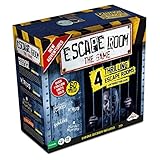
Overview: This comprehensive home escape room kit delivers four distinct adventures through the innovative Chrono Decoder device. Players have 60 minutes per scenario to solve multi-part puzzles and enter correct keys before time expires. The integrated app provides atmospheric soundtracks while the decoder offers audio feedback, creating an authentic escape room pressure cooker for 3-5 players.
What Makes It Stand Out: The electronic Chrono Decoder is a game-changer, providing real-time validation and countdown pressure that paper-based games can’t match. Four adventures with escalating difficulty offer 4-6 hours of total content. The app integration transforms your space with thematic audio, while the expansion pack compatibility extends longevity beyond the initial scenarios.
Value for Money: At $49.99, this represents solid value—equivalent to one physical escape room visit but providing four distinct experiences. The reusable decoder and app make future expansion packs more economical. For groups that play regularly, the per-hour cost drops below $10, beating most entertainment options.
Strengths and Weaknesses: Strengths include unparalleled immersion via tech integration, progressive difficulty curve, and high-quality components that withstand repeated use. The three-player minimum ensures dynamic collaboration. Weaknesses involve the steep 16+ age rating, requiring a larger group, and the high initial investment. Expansion packs cost extra.
Bottom Line: The gold standard for home escape room enthusiasts. If you regularly host game nights with 3-5 adult players, the Chrono Decoder’s validation system and app integration justify the premium price. Less suitable for couples or families with younger teens. For dedicated puzzlers, this beats disposable escape room kits.
What Defines a Mystery & Thriller Board Game?
Mystery and thriller board games occupy a unique space in tabletop design, prioritizing narrative tension and deductive reasoning over traditional competitive mechanics. At their core, these games create uncertainty through incomplete information, hidden identities, or escalating threats that demand players work together—or against each other—to restore order to chaos. Unlike abstract strategy games where victory comes from pure logic, mystery games weave story and mechanics into a seamless tapestry where every decision feels consequential.
The genre spans multiple subcategories, from pure deduction puzzles where logic reigns supreme to narrative-driven experiences that emphasize atmosphere and storytelling. What unites them is their ability to generate genuine suspense through mechanics rather than mere theme. The best examples make you feel like you’re racing against time, piecing together fragments of a larger picture while the game itself actively works to obscure the truth.
The Psychology of Suspense in Tabletop Gaming
Understanding why these games captivate us requires a brief dive into cognitive psychology. Suspense in board games operates on three pillars: informational asymmetry, consequence escalation, and social dynamics. When players possess different pieces of information, natural paranoia and collaboration emerge. As stakes rise with each turn, the brain releases cortisol and dopamine in alternating waves—creating that delicious tension-and-release cycle that keeps everyone engaged.
The social component amplifies everything. Watching a friend sweat while they defend their innocence, or seeing the exact moment someone realizes they’ve been outsmarted, adds layers of emotional investment that solitary puzzles lack. Mystery games essentially become social experiments, testing how well you truly know your gaming group and how effectively you can read body language, detect deception, and build consensus under pressure.
Key Mechanics That Drive Narrative Tension
Deduction vs. Investigation Systems
Deduction games present you with a complete set of possibilities and challenge you to eliminate options through logical reasoning. Think of it as solving a Sudoku puzzle where every clue systematically narrows the solution space. These games reward analytical thinking and careful note-taking, making them perfect for players who love pure puzzle-solving.
Investigation systems, conversely, provide a more open-ended experience. Instead of eliminating from a known set, you’re discovering new information that may raise more questions than answers. These games often feature branching narratives, red herrings, and multiple valid paths to resolution. They appeal to players who prefer exploring story over solving equations, though the best games blend both approaches seamlessly.
Hidden Movement and Bluffing
Few mechanics generate paranoia like hidden movement, where one player’s location remains secret from others. This creates a mental chess match where the hidden player must anticipate search patterns while investigators try to think like their quarry. The tension peaks when the pursuers close in—everyone holds their breath as they reveal their positions.
Bluffing mechanics force players to lie convincingly while detecting deception in others. Unlike pure social deduction games, mystery thrillers often ground bluffing in narrative context. You’re not just claiming to be a good guy—you’re providing an alibi for where you were when the murder occurred, complete with fabricated details that must withstand scrutiny.
Time Pressure Elements
The best mystery games simulate urgency without rushing players into poor decisions. Variable round timers, advancing threat tracks, or real-time elements create artificial pressure that mirrors the stakes of actual investigations. Some games use app integration to deliver time-sensitive clues, while others employ clever mechanical timers that escalate danger as turns progress. The key is balancing tension with fairness—players should feel pressured, not panicked into random guesses.
Choosing the Right Complexity for Your Group
Gateway Games for New Detectives
Entry-level mystery games typically feature streamlined rulesets that teach in under 15 minutes while preserving narrative flavor. These titles often use intuitive logic puzzles, minimal components, and generous hint systems. Look for games with strong visual storytelling—artwork and graphic design that convey narrative without requiring extensive rulebook reading.
The sweet spot for gateway games lies in their ability to make players feel clever without overwhelming them. They should offer satisfying “aha!” moments within the first playthrough while leaving room for strategic improvement. Avoid games with excessive bookkeeping or those requiring players to maintain complex mental models of multiple variables.
Intermediate Investigations
Mid-weight mystery games introduce layered mechanics that require deeper engagement. These might feature interconnected systems where managing resources becomes as important as solving the core puzzle. You’ll encounter games with multiple phases per round, specialized player roles with unique abilities, and narrative choices that affect future scenarios.
These games reward repeat plays as players learn to optimize their strategies and uncover subtle interactions between mechanics. They’re ideal for groups that have exhausted gateway options and crave more substantive challenges without diving into marathon sessions or dense rulebooks. Expect teaching time around 20-30 minutes and first games to run longer than subsequent plays.
Expert-Level Enigmas
For seasoned gamers, heavyweight mystery titles offer sprawling narratives spanning multiple sessions, intricate simulation mechanics, and profound strategic depth. These games might feature persistent campaigns where decisions carry permanent consequences, or sandbox-style investigations with dozens of moving parts. They demand careful planning, extensive note-taking, and often require dedicated storage solutions for ongoing campaigns.
The investment pays off in unparalleled immersion and storytelling scope, but these games aren’t for casual game nights. They’re commitments—both in time and mental energy. Groups should ensure everyone shares the same enthusiasm for complexity before diving in, as nothing kills suspense faster than rules disputes and analysis paralysis.
Player Count: From Solo Sleuthing to Party Mysteries
Mystery games scale differently than most genres. A game designed for exactly four players often provides a tighter experience than one claiming to work for 2-6. Solo modes have evolved from afterthoughts to fully realized experiences, sometimes offering entirely different narratives or investigation styles. These modes often replace social deduction with logic puzzles or time management challenges.
Two-player mystery games create intense head-to-head battles of wits, perfect for couples or close friends. The dynamic becomes deeply personal when you’re trying to outthink a single opponent who knows your tendencies. At three to four players, you get the sweet spot of collaborative problem-solving with enough personalities to generate interesting social dynamics.
Larger groups shift toward party-style mystery games where individual contributions matter less than the collective experience. These often feature shorter play times, simpler rules, and more dramatic reveals to maintain engagement across many players. Be wary of games that add players through tacked-on roles—the best large-group mysteries design scalability into their core concept.
Replayability: The Case That Never Gets Cold
The Achilles’ heel of many mystery games is the “spoiler problem.” Once you’ve solved a case, replay value can plummet. Modern design addresses this through several innovative approaches. Procedural generation uses randomization to create unique scenarios from modular components, ensuring no two playthroughs follow the same path. This might involve shuffled suspect decks, variable clue placement, or randomized event triggers.
Modular narratives take a different approach, offering branching storylines where player choices genuinely matter. These games function more like interactive novels with multiple endings, rewarding replay to explore different decision trees. Some even include “what if” scenarios that revisit earlier cases with new twists.
The gold standard combines both approaches with legacy elements—permanent, campaign-based games where each session alters the board, components, and rules for future plays. While these offer unparalleled narrative investment, they represent a one-time experience. The trade-off between permanence and replayability becomes a key consideration for collectors.
Theme Immersion: More Than Just a Pretty Box
Victorian Gothic Atmosphere
Games set in gaslit streets and foggy alleys leverage our cultural familiarity with Sherlock Holmes and Jack the Ripper. The best examples integrate theme into mechanics—using fog-of-war systems, period-appropriate deduction tools, and narrative voice that captures 19th-century vernacular. Component quality becomes crucial here; aged documents, wax seals, and period artwork transport players more effectively than any rulebook flavor text.
Modern Noir Settings
Contemporary thrillers tap into our anxieties about surveillance, corporate power, and technological paranoia. These games often feature more abstract mechanics representing data mining, forensic analysis, and digital footprints. They resonate with players who enjoy cyberpunk aesthetics or true-crime podcasts, offering puzzles that feel relevant to modern life. The challenge lies in making technology feel tangible on the tabletop without resorting to app dependency.
Cosmic Horror Elements
When mystery bleeds into horror, the unknown becomes actively hostile. These games introduce sanity mechanics, unreliable information, and existential threats that cannot be fully comprehended. The suspense shifts from “whodunit” to “what is reality.” They excel at creating unease through asymmetrical information and mechanics that punish overconfidence. Not every group enjoys the nihilistic tone, but for those who do, these offer uniquely harrowing experiences.
Component Quality: When Pieces Tell the Story
In mystery games, components do more than facilitate play—they serve as evidence. Thick, linen-finished cards feel substantial when you’re holding a suspect’s alibi. Screen-printed wooden tokens beat generic meeples for representing clues. Some games include 3D crime scenes, metal lock picks, or UV-reactive inks that require special lights to read. These tactile elements transform abstract information into physical objects you can manipulate and scrutinize.
However, luxury components don’t guarantee a good game. The best designs align component quality with gameplay function. A beautifully crafted miniature means nothing if it doesn’t help you track vital information. Conversely, a simple deck of cards can deliver profound narrative impact when each draw reveals a carefully written clue. Judge components by how effectively they serve the investigation, not just their table presence.
Setup and Teardown: The Pre-Game Investigation
Nothing deflates suspense like 30 minutes of sorting tokens and reading setup scenarios. Mystery games face a unique challenge here—many require specific card arrangements, hidden information placement, and scenario-specific rule adjustments. The best designs streamline this process through logical component storage, intuitive setup guides, and minimal token sorting.
Look for games with pre-configured scenarios that reduce setup to a few simple steps. Some use book-style boards that flip to different configurations, while others employ app integration to handle the heavy lifting digitally. Teardown matters too; games with persistent elements need robust save systems. The ability to pause mid-investigation and resume later separates good campaign games from frustrating ones.
Game Length: Matching Duration to Attention Spans
Mystery games range from 20-minute micro-mysteries perfect for filler rounds to 4-hour epics that consume an entire evening. The key is matching duration to narrative scope. A 30-minute game should feel like a tight short story, while a 3-hour game needs the substance of a feature film. Be honest about your group’s stamina—suspense requires sustained attention, and fatigue kills engagement.
Many modern games offer variable length through scenario selection or early-exit conditions. These are invaluable for groups with inconsistent schedules. Some even include “movie night” modes designed for single-sitting completion, with built-in intermission saves. Consider how the game handles player elimination too—being sidelined for an hour destroys the social contract mystery games rely on.
Age Appropriateness: Family-Friendly vs. Mature Themes
Mystery games for families emphasize logic puzzles over dark themes, often framing investigations around stolen artifacts or missing pets rather than murder. They teach critical thinking, pattern recognition, and collaborative problem-solving. The best family mysteries scale difficulty through clue density rather than complex rules, allowing parents and children to contribute equally.
Mature-themed thrillers explore moral ambiguity, psychological horror, and graphic content. These games use narrative nuance that younger players might miss or find disturbing. They’re not just “adult” in content but in thematic complexity, asking players to grapple with ethical dilemmas and unreliable narrators. Always check content warnings—some games include themes of violence, mental illness, or supernatural horror that may not suit every group.
The Solo Gaming Renaissance
Solo mystery gaming has evolved from simple beat-your-score challenges to full narrative experiences. Modern designs treat solo modes as first-class citizens, often providing dedicated storylines or AI opponents with sophisticated decision trees. The best solo mysteries create genuine uncertainty despite controlling all player roles, typically through randomization that simulates an intelligent adversary.
These games appeal to players who enjoy methodical puzzle-solving without social pressure. They allow you to take meticulous notes, backtrack conclusions, and play at your own pace. Many include difficulty scaling that lets you tune the challenge precisely. For collectors, strong solo modes dramatically increase a game’s value, turning it from an occasional group activity into a reliable weeknight companion.
Expansions, Legacy, and Living Games
The mystery genre has embraced the legacy format with particular success. Campaign-based games that permanently alter components create genuine stakes—when you tear up a card or sticker a board, you’re not just changing a game; you’re advancing a shared narrative. This permanence fosters investment that standalone games struggle to match.
Expansions for mystery games fall into two categories: more content (new cases, suspects, maps) and mechanical depth (new systems, roles, challenges). Quality varies wildly—some expansions feel essential, others like cash grabs. Living games, supported by ongoing content releases, keep communities engaged but require financial commitment. Before investing, research whether expansions solve base game issues or merely add volume.
Budget Considerations: Value Beyond the Price Tag
Mystery games span from $15 micro-games to $200 deluxe campaign boxes. Price doesn’t always correlate with quality, but component count, production values, and content volume affect cost. A $50 game with 20 scenarios offers better value than a $30 game you’ll play twice. Consider cost-per-play when evaluating—legacy games may seem expensive but deliver 15+ hours of unique content.
Deluxe editions often include upgraded components and promos, but ask whether these enhance gameplay or just aesthetics. Some mystery games require app purchases or subscription services for full content—factor these hidden costs into your decision. For budget-conscious buyers, games with procedural generation offer infinite replayability, while narrative-heavy games provide finite but memorable experiences.
Storage Solutions for Growing Collections
Mystery games present unique storage challenges. Campaign games need space for partially completed setups, while games with extensive components require organization systems that prevent setup frustration. Custom inserts become almost mandatory for titles with dozens of card decks and token types. Some players use binder systems for scenario books, while others digitize components to reduce physical footprint.
Consider vertical storage for games with many small boxes (expansion content), and invest in quality baggies or plano boxes for token separation. For legacy campaigns, designate a shelf where the game can remain undisturbed between sessions. Nothing kills a campaign’s momentum like losing two hours to setup because components scattered between plays.
Frequently Asked Questions
What makes a mystery board game different from a puzzle game?
Mystery board games incorporate social dynamics, hidden information, and often narrative elements that change based on player decisions. Puzzle games typically have a single, static solution you work toward individually. In a mystery game, the other players (or the game system itself) actively work to obscure the solution, creating a dynamic, interactive experience rather than a solitary logic exercise.
How do I avoid spoilers when researching mystery games?
Stick to reviews that use spoiler tags or focus on mechanical overviews rather than narrative details. Many board game websites offer “spoiler-free” review sections. Join dedicated communities with clear spoiler policies, and avoid reading session reports until you’ve played through scenarios yourself. When in doubt, watch “how to play” videos instead of playthroughs—they explain rules without revealing solutions.
Can mystery games be replayed after solving the main case?
It depends on the design. Procedurally generated games offer high replayability through randomization. Narrative-driven games often have limited replay value once you know the story, though many include multiple cases or branching paths. Some players enjoy replaying as different characters or using alternative strategies, while others treat these games as “experience products” similar to escape rooms—played once, then shared with new groups.
What’s the ideal player count for thriller board games?
Most mystery games shine with 3-4 players. This range provides enough perspectives for lively discussion without dragging turns into analysis paralysis. Two-player games create intense duels, while five or more players suit party-style mystery games with simpler rules. Always check the specific game’s design—some titles are optimized for exact player counts and feel padded or incomplete outside that range.
How long should a mystery game session last for maximum suspense?
The sweet spot is typically 60-90 minutes for standalone mysteries and 2-3 hours for campaign sessions. Shorter games risk feeling trivial, while longer sessions can exhaust players’ attention spans. Suspense requires sustained focus, and mental fatigue diminishes the impact of reveals. For epic campaigns, built-in save points or scenario breaks help maintain energy across multiple sessions.
Are app-integrated mystery games better than pure tabletop experiences?
Neither is inherently superior—app integration solves some problems (randomization, hidden information management) while introducing others (technical issues, reduced tactile engagement). Apps excel at delivering audio clues, tracking complex variables, and providing dynamic narratives. Pure tabletop experiences offer more social interaction and don’t require devices. The best choice depends on your group’s tech comfort and preference for analog vs. digital enhancement.
How do I teach a complex mystery game without spoiling the experience?
Focus on teaching mechanics, not narrative. Explain how actions work without revealing why they matter. Use the first round as a practice phase where players explore systems consequence-free. Many games include “tutorial cases” that introduce mechanics gradually. Emphasize that making mistakes is part of the learning process—the real mystery begins once everyone understands the rules.
What should I look for in a mystery game for family game nights?
Prioritize age-appropriate themes (no graphic violence), intuitive logic over complex rules, and cooperative gameplay to avoid sibling rivalry. Strong visual components help younger players contribute, and adjustable difficulty lets adults remain challenged while kids succeed. Games with 30-45 minute playtimes match younger attention spans, and those with humor or lighthearted framing prevent nightmares.
How important is component quality in mystery games?
Extremely important. Mystery games rely on immersion, and flimsy cards or illegible text shatter the illusion. However, prioritize functional quality over luxury. Clear iconography, durable cards you’ll shuffle hundreds of times, and well-organized inserts matter more than metal coins or miniatures. That said, premium components that serve the narrative—like realistic evidence bags or aged documents—can profoundly enhance the experience.
Can I combine multiple mystery games or expansions for a custom experience?
Generally, no—mystery games are self-contained systems where components are specifically balanced. Mixing content from different titles breaks the carefully constructed logic puzzles and narrative coherence. However, some games are designed with modular expansions that integrate seamlessly. Always check designer intentions before Frankensteining your collection. Instead of mixing games, look for titles with robust scenario editors or community-created content for variety.