Every parent has witnessed the moment—the hesitation before descending the big slide, the trembling lip when meeting new people, the bedtime anxiety about monsters both real and imagined. While children naturally gravitate toward caped crusaders and magical powers, the real superpower they need isn’t the ability to fly or become invisible. It’s everyday bravery: the quiet courage to face their world with confidence, kindness, and resilience. Superhero picture books have evolved far beyond simple tales of good versus evil, becoming powerful tools that transform fantastical heroics into accessible lessons for navigating real-life challenges. These stories help young readers understand that bravery isn’t the absence of fear, but the choice to act despite it—and that heroes come in all shapes, sizes, and circumstances.
The magic lies in how these books bridge the impossible with the possible. When a character faces a bully, tries something new, or stands up for a friend, children see reflections of their own struggles and victories. Unlike traditional superhero narratives focused on cosmic battles, contemporary picture books emphasize emotional intelligence, social problem-solving, and the kind of courage that exists in classrooms, playgrounds, and family rooms. This guide explores how to select and use these transformative stories to nurture your child’s inner hero, focusing on the elements that make certain books particularly effective at promoting authentic bravery rather than mere fantasy.
Top 10 Superhero Picture Books for Everyday Bravery
Detailed Product Reviews
1. Superheroes Are Everywhere

Overview: This inspirational picture book by Vice President Kamala Harris redefines heroism for young readers. Rather than focusing on caped crusaders, it encourages children to recognize everyday heroes in their communities—teachers, doctors, parents, and neighbors who make a difference through ordinary acts of courage and kindness. The narrative follows a young girl discovering these real-life champions, with vibrant illustrations showcasing diverse characters and settings.
What Makes It Stand Out: The book’s greatest distinction is its author and her unique perspective on leadership and service. It deliberately shifts focus from fictional superpowers to tangible civic values like empathy, perseverance, and community responsibility. The illustrations deliberately represent multicultural communities, making it particularly relevant for today’s diverse families. Its message that “superheroes are everywhere” empowers children to see themselves as potential heroes.
Value for Money: At $10.40 for a hardcover picture book, this sits squarely in the standard range for quality children’s literature from major publishers. Comparable political or celebrity-authored picture books typically retail for $12-18, making this a reasonably priced option for families seeking inspirational content with real-world relevance.
Strengths and Weaknesses: Strengths include its timely, empowering message; beautiful, inclusive artwork; and connection to current events. The book excels at starting conversations about citizenship. Weaknesses: Some families may find the political association divisive despite its apolitical core message. Younger preschoolers might struggle with the abstract concept of “everyday heroism” versus more concrete superhero tales.
Bottom Line: An excellent choice for families prioritizing civic values and diverse representation. Best suited for children ages 4-8 who can appreciate its nuanced message about real-world heroism.
2. Marvel Super Heroes Little Golden Book Library: 5-Book Boxed Set: Spider-Man, Hulk, Iron Man, Captain America, The Avengers

Overview: This collectible boxed set delivers five classic Little Golden Books featuring Marvel’s most iconic characters: Spider-Man, Hulk, Iron Man, Captain America, and The Avengers. Each book presents simplified origin stories and adventures designed for preschoolers, packaged in the beloved gold-spined format that has endured for generations. The set provides an accessible entry point to the Marvel universe for the youngest fans.
What Makes It Stand Out: The nostalgic Little Golden Book format distinguishes this collection from modern picture books. Parents who grew up with these titles will appreciate sharing them with the next generation. The boxed set presentation makes it gift-ready, while the individual books’ compact size is perfect for small hands. It condenses complex superhero mythologies into digestible, child-friendly narratives without overwhelming violence or complexity.
Value for Money: At $25.71 for five books, each title costs approximately $5.14—excellent value for officially licensed Marvel merchandise. Individual Little Golden Books typically retail for $4-6, so the bundled price represents modest savings while adding the convenience and presentation of a boxed set.
Strengths and Weaknesses: Strengths include durable cardboard covers, retro charm, and age-appropriate storytelling. The set covers Marvel’s heavy hitters, ensuring broad appeal. Weaknesses: The stories, some originally written decades ago, can feel dated with simplistic plots and stilted dialogue. The illustrations lack the cinematic quality of modern Marvel media, which might disappoint kids accustomed to the MCU. Each book is quite brief at 24 pages.
Bottom Line: Perfect for introducing Marvel to children ages 2-5. Ideal for collectors and nostalgic parents, though kids seeking modern superhero action may find it too gentle.
3. Alexander and the Terrible, Horrible, No Good, Very Bad Day
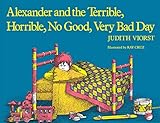
Overview: Judith Viorst’s 1972 classic chronicles one boy’s hilariously catastrophic day, from waking with gum in his hair to falling in the mud and facing lima beans for dinner. Alexander’s escalating misfortunes and his repeated wish to move to Australia resonate with any child who’s experienced frustration. The book’s honest depiction of childhood disappointment has made it a generational touchstone for emotional validation.
What Makes It Stand Out: Its enduring power lies in radical honesty about negative emotions. Unlike books that immediately pivot to positivity, Alexander wallows legitimately, giving children permission to feel their feelings. The repetitive, rhythmic text builds comedic momentum while the famously understated monochrome illustrations with strategic yellow highlights create visual interest without overwhelming. Its cultural footprint is massive—referenced everywhere from classrooms to therapy offices.
Value for Money: At $5.97, this is exceptional value for a certified children’s literature classic. Most enduring picture books in this category retail for $12-18, making this budget-friendly price point almost unheard of for a book of this caliber and longevity.
Strengths and Weaknesses: Strengths: Universally relatable protagonist, humor that works for multiple ages, teaches emotional resilience through commiseration rather than lecturing. The book validates children’s daily struggles authentically. Weaknesses: The 1970s setting shows in some details (like the noose mention in the original text, since edited). The black-and-white illustrations may not captivate screen-accustomed kids. Some parents find Alexander’s negativity problematic without proper discussion.
Bottom Line: A must-own classic for every child’s library. Best for ages 3-7, it excels when paired with conversations about handling bad days and managing emotions.
4. Good Morning, Superman! (Dc Super Heroes)

Overview: This clever board book from the DC Super Heroes series reimagines morning routines through a superhero lens. As young readers help Superman wake up, get dressed, and face the day, they see parallels to their own morning challenges. The narrative transforms mundane tasks like brushing teeth and eating breakfast into heroic preparations for saving the world, making it a practical tool for parents battling morning resistance.
What Makes It Stand Out: The book’s genius is in its practical application—it uses superhero fascination to solve real parenting pain points. By casting children as Superman’s helpers, it gives them agency in their routines. The sturdy board book format withstands toddler handling, while the bright, comic-book-inspired art appeals to young DC fans. It’s part of a series covering different times of day, allowing for collection.
Value for Money: Priced at $11.38, this board book sits at the higher end of the format’s typical range. However, its dual function as entertainment and behavioral tool justifies the premium. Comparable licensed character board books average $8-10, but few offer such targeted, practical utility for parents.
Strengths and Weaknesses: Strengths: Highly effective for motivating reluctant toddlers, durable construction, engaging artwork, and positive reinforcement of routine. The superhero framing makes repetitive tasks exciting. Weaknesses: Extremely simple text offers limited literary value beyond its functional purpose. The appeal is narrow—best for ages 2-4 and children already interested in superheroes. Older kids will find it too basic, and the novelty may wear off quickly.
Bottom Line: An invaluable parenting hack disguised as a book. Essential for DC-loving families with toddlers struggling with morning routines, but limited appeal outside that specific demographic.
5. Rosie Revere, Engineer: A Picture Book (The Questioneers)

Overview: Part of the acclaimed Questioneers series, this rhyming picture book introduces Rosie, a shy girl who dreams of becoming an engineer. After a failed invention attempt, she learns that failure is an essential part of the creative process. The story champions STEM education, perseverance, and breaking gender stereotypes, all wrapped in Andrea Beaty’s playful verse and David Roberts’ distinctive, detailed illustrations.
What Makes It Stand Out: The book’s unapologetic focus on engineering and scientific thinking sets it apart in a market saturated with princess and superhero narratives. Rosie’s character is specifically designed to encourage girls toward STEM fields, addressing the confidence gap many experience. The rhyming scheme makes complex concepts accessible, while the historical nod to Rosie the Riveter adds layers for older readers. Its message that “the only true failure can come if you quit” is powerfully delivered.
Value for Money: At $10.63, this represents standard pricing for contemporary, bestselling picture books. Given its educational value, curricular adoption by many schools, and ability to inspire long-term interest in STEM, it offers strong return on investment. The series’ popularity also ensures resale value.
Strengths and Weaknesses: Strengths: Strong female protagonist, promotes growth mindset, diverse character representation, integrates STEM vocabulary naturally, and has spawned an entire series. The detailed illustrations reward careful observation. Weaknesses: The rhyming meter occasionally feels forced, disrupting read-aloud flow. Some children may need adult guidance to grasp the engineering concepts. The story’s pace is slower than action-driven alternatives, requiring patient readers.
Bottom Line: A modern classic that belongs in every classroom and home library. Perfect for ages 4-8, especially for encouraging girls in STEM and teaching resilience through creativity.
6. Super Hero Coloring Book Super Set - Bundle with 3 DC Comics Justice League Activity Books, Stickers and Temporary Tattoos (Superhero Party Favors)

Overview:
This officially licensed DC Comics Justice League bundle delivers three activity books totaling over 200 pages, plus themed stickers and temporary tattoos featuring Batman, Superman, Wonder Woman, and other iconic heroes. Designed as party favors or gifts, the set combines coloring pages with puzzles, mazes, and games to keep young fans engaged. The inclusion of both stickers and tattoos adds tactile, interactive elements beyond traditional coloring books.
What Makes It Stand Out:
The official licensing ensures authentic character artwork that resonates with true DC enthusiasts. Unlike single activity books, this bundled approach provides variety across three separate volumes, preventing content fatigue. The temporary tattoos and stickers transform the product into a multi-sensory experience—kids can wear their favorite heroes while coloring them. At 200+ pages, the activity density offers substantial screen-free entertainment, making it ideal for travel, rainy days, or party activities.
Value for Money:
At $12.99, the per-item cost breaks down to roughly $4.30 per book, essentially throwing in the tattoos and stickers for free. Comparable licensed activity books retail for $5-7 individually, making this bundle a smart purchase for parents or party planners. The entertainment hours-per-dollar ratio is excellent, particularly when split among multiple children at a birthday party.
Strengths and Weaknesses:
Strengths: Official DC licensing guarantees quality artwork; generous page count; perfect for party favors; diverse activities beyond coloring; appeals to both boys and girls.
Weaknesses: Activities may be too simple for children over 8; temporary tattoos have limited appeal for some families; paper quality may not support markers well.
Bottom Line:
This bundle excels as party favors or gifts for young Justice League fans aged 4-8. The official licensing and variety justify the price, delivering hours of hero-themed entertainment. Buy with confidence for birthdays or classroom rewards.
7. 𝕿𝖍𝖊 𝕸𝖆𝖘k Photo Book: Amazing Picture of Superhero Wearing Mysterious Mask for All Ages to Relax & Unwind

Overview:
This intriguingly titled photo book appears to focus on masked superheroes as a visual relaxation tool. Marketed toward “all ages,” it positions itself as a stress-relief coloring or picture book featuring mysterious, masked characters. The stylized title suggests a unique aesthetic approach to the superhero genre, emphasizing visual intrigue over narrative content.
What Makes It Stand Out:
The “relax & unwind” positioning differentiates it from typical action-oriented superhero products, targeting mindfulness and stress relief. The mysterious mask theme creates a cohesive visual motif that could appeal to older children and adults who enjoy superhero aesthetics but want calmer, more artistic engagement. The all-ages designation suggests complexity suitable for both kids and adult coloring enthusiasts.
Value for Money:
At $10.99, the price sits in the mid-range for specialty coloring or photo books. Without specific page counts or content details, the value depends entirely on production quality and image variety. If it delivers 50+ high-quality, frame-worthy illustrations, it competes well with adult coloring books. However, the lack of specified features makes this a calculated risk.
Strengths and Weaknesses:
Strengths: Unique relaxation-focused concept; broad age appeal; mask theme provides cohesive aesthetic; potentially sophisticated artwork.
Weaknesses: No specified page count or feature list; unclear if it’s a coloring book or picture book; risk of repetitive content; unknown paper quality.
Bottom Line:
Purchase this only if you seek a novelty superhero item with a calm, mysterious vibe. The vague description makes it hard to recommend definitively, but it could surprise as a unique gift for older kids or adult superhero fans seeking mindful activities. Verify seller reviews first.
8. THERE IS A SUPERHERO IN EVERY KID
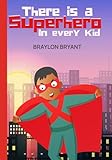
Overview:
This inspirational title suggests a storybook or activity book designed to empower children by connecting them to superhero ideals. The message-driven concept implies content focused on self-confidence, bravery, and personal strength rather than licensed characters. At $10.50, it likely functions as a motivational picture book with activities or stories that help children recognize their own “superpowers.”
What Makes It Stand Out:
The empowering, universal message transcends specific franchises, making it relatable for all children regardless of their favorite characters. This theme-driven approach can resonate deeply with kids struggling with self-esteem, offering positive reinforcement through the beloved superhero metaphor. The title itself doubles as a daily affirmation, making the book potentially impactful beyond its pages.
Value for Money:
At $10.50, pricing aligns with standard hardcover or quality paperback children’s books. The value hinges on execution—if it combines a compelling story with interactive elements like journaling prompts or activities, it offers solid developmental value. Without licensed characters, production costs likely focus on original artwork and writing quality.
Strengths and Weaknesses:
Strengths: Powerful, inclusive message; not tied to specific franchises; promotes emotional development; likely features diverse characters; timeless appeal.
Weaknesses: No specified features or page count; unknown if storybook, activity book, or both; may feel preachy if poorly executed; lacks name recognition of licensed products.
Bottom Line:
Ideal for parents prioritizing character development over brand recognition. The concept has heart and potential, but the lack of product details requires faith in the publisher. Best for children ages 5-9 who benefit from confidence-building content. Consider it a thoughtful gift rather than pure entertainment.
9. DC SUPER HEROES: MY FIRST BOOK OF GIRL POWER (8)
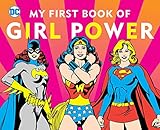
Overview:
This DC-licensed book celebrates female superheroes for young readers, with the “(8)” likely indicating age recommendation or series number. At just $1.33, it’s an entry-level introduction to Wonder Woman, Batgirl, Supergirl, and other heroines. The “My First Book” designation suggests a board book or early reader format with simple text and bold illustrations designed for preschool to early elementary ages.
What Makes It Stand Out:
The aggressive pricing makes superhero representation remarkably accessible. Focusing specifically on girl power within the DC universe fills an important niche for parents seeking positive female role models. The official licensing ensures authentic character depictions, and the first-book format suggests careful age-appropriate storytelling that introduces complex characters in simplified, empowering ways.
Value for Money:
At $1.33, this is essentially an impulse buy—cheaper than most greeting cards. Even a 20-page board book would represent good value. The low price point removes all barriers to adding diverse superhero content to a child’s library, making it perfect for trial purchases or bulk gifting for classrooms.
Strengths and Weaknesses:
Strengths: Unbeatable price; official DC licensing; promotes female representation; accessible entry point for young readers; low-risk purchase.
Weaknesses: Extremely low price suggests very limited content (likely under 30 pages); may be flimsy construction; too simple for children over 6; limited activity value.
Bottom Line:
Buy without hesitation for young superhero fans ages 3-6. While thin on content, the price is unbeatable and the girl-power message is valuable. Perfect for toddler libraries, party favors, or as an add-on gift. Don’t expect depth, but appreciate the representation and accessibility.
10. School Zone Big Hidden Pictures & More Workbook: 320 Pages, 1st Grade, 2nd Grade, Search & Find, Picture Puzzles, Hidden Objects, Mazes, Ages 6 to 8
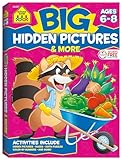
Overview:
School Zone’s massive 320-page workbook targets early elementary students with a comprehensive collection of hidden picture puzzles, mazes, and search-and-find activities. Designed for ages 6-8, it supports developing observation skills, concentration, and problem-solving. The trusted School Zone brand promises age-appropriate challenges that align with grade-level learning objectives while keeping engagement high through game-like activities.
What Makes It Stand Out:
The sheer volume—320 pages—dwarfs most competitors, offering months of daily activities. School Zone’s curriculum-based approach ensures puzzles aren’t just fun but educationally relevant, reinforcing visual discrimination and attention to detail critical for reading and math success. The workbook format provides structured progression, likely increasing difficulty to match growing skills.
Value for Money:
At $12.58, this costs roughly 4 cents per page, an exceptional value for educational content. Comparable workbooks with 100 pages often cost $8-10. The School Zone brand reputation for pedagogical soundness adds intangible value, giving parents confidence that screen time is replaced with productive skill-building.
Strengths and Weaknesses:
Strengths: Unmatched page count; trusted educational brand; develops critical thinking; perfect for travel or daily quiet time; aligns with school curriculum.
Weaknesses: May overwhelm children who prefer variety; purely black-and-white interior; no colorful motivators; too advanced for some 6-year-olds; repetitive format could bore some learners.
Bottom Line:
An essential purchase for parents of 6-8 year olds seeking educational screen alternatives. The volume and quality justify every penny, making it perfect for summer learning, daily practice, or long trips. One of the best values in children’s educational products—highly recommended for building focus and observation skills.
Why Superhero Stories Resonate with Young Readers
Children’s fascination with superheroes taps into their developmental need for agency and significance. At ages when they control very little of their world, stories about characters who overcome obstacles and make meaningful choices provide a psychological blueprint for their own emerging autonomy. The superhero archetype offers a safe framework for exploring big emotions—fear, anger, justice—within a narrative structure that promises resolution and hope. When these stories ground themselves in everyday scenarios rather than distant galaxies, they become mirrors rather than mere windows, reflecting a child’s actual experiences back with empowering possibilities.
Defining Everyday Bravery in Children’s Literature
Everyday bravery in picture books moves beyond spectacular rescues to celebrate the courage found in ordinary moments. Look for narratives where characters demonstrate persistence after failing a test, speak up when something feels wrong, or show compassion to someone being excluded. These stories validate that heroism exists in small, repeated actions rather than single dramatic gestures. The most effective books make this concept explicit, using language like “brave doesn’t mean not scared” or showing characters who tremble while still moving forward. This reframing helps children recognize their own courageous moments—trying new foods, apologizing after a mistake, or sleeping without a nightlight—as legitimate acts of heroism.
Age-Appropriate Heroics: Matching Books to Developmental Stages
Toddler-Friendly Titles (Ages 2-4)
For the youngest readers, effective superhero picture books feature simple, concrete examples of bravery tied to immediate experiences. Stories should focus on single, relatable challenges like overcoming fear of the dark or sharing toys. The “superhero” element often appears as a playful costume or imagined game rather than complex mythology. Look for board book formats with sturdy pages, minimal text (under 100 words), and illustrations that clearly convey emotions through exaggerated facial expressions and body language. The bravery celebrated at this stage centers on separation anxiety, trying new things, and basic self-care tasks.
Preschool Powerhouses (Ages 4-6)
Preschoolers can handle more nuanced narratives with clear problem-resolution arcs. Effective books for this age introduce characters who face social challenges—joining a group, dealing with teasing, or managing frustration. The superhero motif becomes more developed, often with homemade costumes and “powers” that represent personal strengths like creativity, kindness, or curiosity. Seek stories with repetitive phrases children can chant along with, clear cause-and-effect sequences, and illustrations that reward careful observation with hidden details. Length should stay under 500 words to maintain attention while building early literacy skills.
Early Elementary Champions (Ages 6-8)
Older picture book readers appreciate sophisticated storytelling that acknowledges moral complexity. Characters at this level navigate peer pressure, academic challenges, and community issues. The superhero framework can incorporate more elaborate world-building while keeping the core message grounded in emotional truth. These books often feature longer narratives (up to 1,000 words), subplots, and characters who experience genuine doubt before finding their courage. Look for stories that model critical thinking about what makes someone heroic, potentially questioning traditional power structures and celebrating collaborative problem-solving over individual triumph.
Key Themes That Foster Real-World Courage
Standing Up for Others
The most impactful superhero picture books demonstrate allyship in action. Rather than having the hero single-handedly defeat a villain, these stories show characters using their voice to support someone being treated unfairly. Effective narratives depict realistic school or playground scenarios where children witness exclusion, unkind words, or bullying. The hero’s journey involves recognizing the problem, feeling uncertainty about intervening, and ultimately choosing to act through words or supportive presence. These books teach that bravery often means risking social comfort for moral principle.
Facing Fears and Anxiety
Stories that externalize fear as something concrete—a shadow, a worry monster, a storm cloud—give children language and strategies for managing their own anxieties. The best examples avoid dismissing fears as silly, instead validating the emotion while showing manageable steps toward courage. Look for books where the superhero character uses specific coping techniques: deep breathing, positive self-talk, breaking challenges into smaller steps, or seeking help from trusted adults. The resolution shouldn’t eliminate fear entirely but demonstrate mastery over it, showing that brave people still feel afraid.
Perseverance Through Failure
Contemporary superhero picture books increasingly depict heroes who don’t succeed on their first attempt. These narratives are invaluable for developing growth mindset, showing that mistakes are data, not dead ends. Effective stories portray characters who attempt something difficult (building a invention, learning a skill, repairing a relationship), experience setbacks, and persist through iterative problem-solving. The superhero element frames persistence itself as a power, with catchphrases like “try again” or “learning from mistakes” becoming the character’s true strength.
Kindness as a Superpower
Perhaps the most transformative theme redefines power as compassion. These stories position empathy, generosity, and emotional support as the ultimate heroic qualities. Characters might have “powers” like making others feel seen, healing hurt feelings, or bringing communities together. Look for narratives where the climax involves a kind act rather than a physical victory, and where antagonists are understood rather than simply defeated. This approach helps children see social-emotional skills as active, powerful choices rather than passive niceties.
Visual Storytelling: The Power of Illustrations
Art Styles That Captivate
Illustration style dramatically impacts how children engage with bravery themes. Bold, dynamic artwork with strong lines and vibrant colors can energize and inspire action, while softer, more nuanced palettes help children process complex emotions. Consider how the art depicts fear—through color temperature, perspective, or visual metaphors—and how it transforms to show courage emerging. Books that use visual progression effectively might show a character appearing smaller in intimidating scenes and growing larger as they find their strength, reinforcing the narrative arc without words.
Diversity in Visual Representation
Children need to see heroes who look like them and heroes who don’t. Evaluate illustration diversity across multiple dimensions: race, ethnicity, family structure, body type, and ability. The most effective books normalize diversity without making it the central issue, showing children with disabilities as action heroes, featuring multi-racial families without commentary, and depicting girls and boys sharing heroic roles equitably. Pay attention to background characters too—do they reflect the real world’s variety? This visual normalization teaches that heroism is universally accessible.
Literary Elements That Make Stories Stick
Relatable Protagonists
The hero’s effectiveness depends on their relatability. Look for characters with authentic child-like qualities: they might be clumsy, occasionally selfish, or prone to overexcitement. Their superhero persona should feel like a natural extension of their personality rather than an arbitrary costume. The best stories give characters specific interests (art, science, animals) that inform how they express bravery, helping children identify their own passions as potential sources of strength. Avoid protagonists who are already perfect; the journey from uncertainty to courage is what makes the story applicable to a child’s experience.
Problem-Solving Narratives
Effective superhero picture books model critical thinking by showing characters strategizing rather than just reacting. The narrative should reveal the hero’s thought process: they observe a problem, consider options, maybe seek advice, and deliberately choose a course of action. This structure teaches children that bravery involves thinking, not just acting impulsively. Look for stories where the solution is creative and specific to the situation, avoiding generic “just be brave” messaging in favor of demonstrating actual problem-solving steps children can emulate.
Repetition and Predictable Text
Young readers gain confidence from textual patterns they can anticipate. Effective books use repetitive phrases that become mantras (“I can be brave,” “Heroes help”), building literacy skills while reinforcing core messages. Predictable story structures—where the hero faces three challenges, or where a pattern repeats with variation—allow children to participate in reading and internalize the bravery narrative. This predictability creates security, making the emotional content feel manageable rather than overwhelming.
Interactive Features That Boost Engagement
Lift-the-Flap and Touch-and-Feel Elements
Physical interaction transforms passive listening into active participation. Books with well-designed flaps might reveal hidden strengths, show characters’ inner thoughts, or demonstrate cause-and-effect relationships. These tactile elements are particularly effective for kinesthetic learners and children with shorter attention spans. The interactive component should serve the story, not distract from it—flaps that show a character’s heart beating fast before they find courage, or textures that contrast fear (rough) with comfort (soft) deepen the thematic experience through sensory input.
Questions and Discussion Prompts
Some of the most valuable superhero picture books embed questions directly into the narrative or provide discussion guides for caregivers. These prompts might ask “What would you do?” at decision points or include back matter with conversation starters about real-life bravery. This meta-cognitive element helps children transfer story lessons to their own lives. When evaluating books, look for open-ended questions that encourage personal reflection rather than simple comprehension checks, fostering deeper emotional intelligence.
Building Your Child’s Bravery Library
Curating a Balanced Collection
A well-rounded superhero picture book collection should include variety in tone, theme, and artistic style. Include lighthearted stories that celebrate silliness alongside more serious narratives about heavy emotions. Balance books featuring individual heroics with those emphasizing teamwork and community. Consider representation across cultures and family structures to broaden your child’s understanding of whose stories matter. Aim for a mix of new releases and timeless classics, recognizing that different books will resonate at different developmental moments. A collection of 8-12 carefully chosen titles allows for rotation without overwhelming choice.
Rotating Stories for Maximum Impact
Children benefit from repeated exposure to the same story, but strategic rotation keeps concepts fresh. Introduce new bravery books during periods of transition—starting school, welcoming a sibling, moving to a new home. Return to familiar favorites during times of stress for comfort and reinforcement. Create seasonal rotations: stories about social courage during back-to-school months, tales of perseverance during challenging academic periods. This intentional curation helps children associate specific stories with specific types of bravery, building a mental toolkit they can reference when facing their own challenges.
Extending the Story Beyond the Page
Creative Play and Role-Playing
The lessons from superhero picture books solidify through imaginative play. Provide simple costume pieces (capes, masks, badges) that children can use to embody story characters. Encourage them to create scenarios where they practice the brave choices they’ve read about—standing up for a stuffed animal being excluded, or helping a toy that’s “scared” of the dark. This play allows children to rehearse social situations and emotional responses in a low-stakes environment, building muscle memory for real-world courage. Ask open-ended questions during play: “What would a hero do here?” to connect their actions to story lessons.
Art and Writing Activities
Creative expression helps children process and personalize bravery themes. After reading, invite your child to draw their own superhero self-portrait, labeling their unique powers (kindness, creativity, curiosity). Create comic strips together showing a time they were brave, reinforcing that their real-life experiences are heroic. For early writers, provide sentence starters like “I was brave when…” or “My superpower is…” These activities externalize internal experiences, making abstract courage concepts concrete and celebrating your child’s specific heroic moments. Display their creations to reinforce that their bravery matters.
Classroom and Community Applications
Teachers and librarians can amplify superhero picture books’ impact through group activities. Consider “bravery circles” where children share times they faced fears, using story characters as discussion starters. Create class books where each student contributes a page about their personal superpower. Use these stories during restorative justice practices, asking “How could our hero solve this conflict?” to model peaceful problem-solving. The communal experience normalizes vulnerability and courage, showing children they’re not alone in their fears while building a supportive classroom culture that celebrates everyday heroism.
Common Pitfalls to Avoid
Not all superhero picture books effectively promote healthy bravery. Steer clear of titles that glorify aggression or suggest violence solves problems. Avoid books where bravery means never showing emotion or where characters are shamed for fear. Be wary of stories with simplistic “just try harder” messaging that ignores systemic barriers or neurological differences. Books that position adults as incompetent or unnecessary undermine the real support systems children need. Finally, avoid titles where the hero’s success depends on innate talent rather than choice and effort, as this undermines the growth mindset essential for developing genuine courage.
Creating Your Own Superhero Stories
The ultimate extension of these books is empowering children to become authors of their own hero narratives. Guide them in creating characters based on their own identities and challenges. Help them identify their “kryptonite” (specific fears) and their “powers” (strengths and values). This process externalizes their struggles and reframes them within a heroic journey they control. Write down their stories, illustrating them together, to create a personalized picture book that captures their unique bravery journey. This becomes a treasured artifact they can return to when needing reminder of their own heroic capacity.
Frequently Asked Questions
How do I know if a superhero picture book is age-appropriate for my child?
Evaluate the complexity of both text and theme. For toddlers (2-4), look for under 100 words, simple sentences, and concrete situations like sharing or trying new foods. Preschoolers (4-6) can handle 300-500 words, clear problem-solution structures, and social scenarios. Early elementary children (6-8) appreciate nuanced plots up to 1,000 words with moral ambiguity and characters who experience doubt. Always preview the book’s emotional intensity—some children may find even mild conflict overwhelming. Consider your child’s individual temperament and previous exposure to challenging themes.
What’s the difference between everyday bravery and traditional superhero violence?
Everyday bravery focuses on internal strength, emotional regulation, and prosocial action. Traditional superhero violence emphasizes external conflict resolution through physical dominance. Look for books where the climax involves dialogue, empathy, creative problem-solving, or persistence rather than fighting. Effective everyday bravery books show characters using their words, seeking help, or transforming situations through kindness. The “battle” is typically against fear, misunderstanding, or injustice, not a person to be defeated. Review how conflicts resolve—if the solution involves hurting others, even cartoonishly, it undermines prosocial bravery lessons.
How can I use these books to help my anxious child?
Read bravery books during calm moments, not mid-anxiety attack, to build foundational concepts. Choose stories where fear is named and normalized, not dismissed. After reading, engage in co-regulation activities: practice the breathing techniques shown in the story, draw the character’s worry monster, or role-play the brave moment. Create a “bravery toolkit” referencing story strategies your child can use. Most importantly, connect story lessons to your child’s specific anxieties: “Remember how the hero was nervous about the first day? You felt that way about soccer, and you were brave then too.” This personalizes the narrative and builds self-efficacy.
Should I be concerned about my child becoming too obsessed with superheroes?
Obsession becomes concerning when it interferes with real-world functioning or promotes unhealthy values. Monitor whether your child can distinguish between fantasy powers and real strengths. If they insist they can actually fly or believe violence is acceptable, it’s time to reframe the conversation. Use their interest as a teaching tool: “Superheroes practice kindness, let’s practice that now.” Encourage diverse interests alongside superhero play. The goal is integration, not elimination—superhero narratives can be a healthy part of identity development when balanced with other activities and grounded in real-world values.
How many superhero picture books should I have in our home library?
Quality matters more than quantity. A curated collection of 8-12 thoughtfully chosen books provides variety without overwhelming choice. This allows for deep familiarity with each story’s lessons while offering different perspectives on bravery. Include diversity in protagonists, art styles, and specific challenges. Rotate books seasonally or developmentally, storing some away and reintroducing them during relevant life moments. A smaller, intentional collection that you read repeatedly builds stronger emotional connections than a large library of superficially consumed titles.
Can superhero books help with specific fears like the dark or doctor visits?
Absolutely, when chosen strategically. Look for books where the hero faces the exact fear your child experiences. The narrative provides a safe distance to explore the anxiety while the character’s success models coping. Before the feared event, read the book and practice the character’s strategies. During the event, reference the story: “Let’s be brave like [character] and use our deep breaths.” Afterward, connect your child’s experience to the hero’s journey. This creates a complete narrative arc from anticipation to mastery, helping your child reframe their experience as heroic rather than traumatic.
What role should parents play when reading these books?
Your engagement transforms reading from passive entertainment to active learning. Pause to ask open-ended questions: “What would you do?” or “How do you think they feel?” Model emotional vulnerability by sharing times you needed bravery. Connect story events to your child’s recent experiences without forcing parallels. Use character voices and dramatic pauses to emphasize emotional beats. Most importantly, believe in the book’s message yourself—children detect adult skepticism. Your genuine investment in the story’s values teaches their importance more than any lecture could.
How do I find diverse superhero picture books?
Seek publishers and imprints dedicated to diverse voices. Use search terms like “multicultural superheroes,” “disabled protagonists,” and “LGBTQ+ heroes for kids.” Check award lists specifically honoring diverse children’s literature. Follow librarians and literacy advocates on social media who highlight inclusive titles. When evaluating books, look beyond surface representation—are characters from marginalized groups depicted with agency and complexity, or are they tokens? Do the stories address systemic issues appropriately for the age group? Diverse books should offer windows into other experiences and mirrors for children who rarely see themselves as heroes.
Are digital superhero books as effective as physical copies?
Both formats have value when used intentionally. Physical books offer tactile engagement important for young learners—turning pages, pointing to details, and handling flaps or textures. They also reduce screen time concerns and create a focused reading environment. Digital books can include interactive animations, read-aloud features, and accessibility options like text scaling. The key is your co-engagement; digital books used as passive babysitters lose their educational power. If using digital formats, maintain the same interactive reading practices: pause, discuss, and connect. Some families successfully use both, saving physical books for bedtime and digital for travel.
How can teachers incorporate these books into social-emotional learning curricula?
Superhero picture books provide natural entry points for SEL competencies. Use them to introduce vocabulary for emotions and strategies for regulation. Create character education lessons around specific themes: after reading about kindness as a superpower, launch a class kindness challenge. Use story conflicts as case studies for problem-solving role-plays. Have students identify their personal “superpowers” (strengths) and areas for growth, building self-awareness. Connect stories to restorative practices by asking how characters could repair harm. The universal appeal of superheroes makes abstract SEL concepts concrete and engaging for diverse learners, providing a shared language for discussing difficult topics.