Picture books have always been magic portals for young minds, but 2026 is ushering in a revolutionary wave of stories that don’t just transport readers—they invite them to step directly into the narrative construction zone. These aren’t your grandmother’s bedtime stories. We’re witnessing a golden age of meta-fiction where characters argue with narrators, illustrations rebel against their margins, and young readers become co-conspirators in the storytelling process itself. This emerging category of children’s literature, often called “fourth-wall-breaking” picture books, transforms passive listeners into active participants, creating reading experiences that linger long after the final page.
As publishers respond to a generation of children raised on interactive screens and choose-your-own-adventure gaming, the line between story and reality has become deliciously, productively blurred. Parents and educators are discovering that these mind-bending narratives do more than entertain—they fundamentally rewire how children understand narrative structure, critical thinking, and their own agency as readers. But with this explosion of experimental formats comes a new challenge: how do you identify which meta-masterpieces deserve precious shelf space? This comprehensive guide navigates the evolving landscape of 2026’s most innovative picture books, equipping you with expert criteria for evaluating quality, understanding developmental appropriateness, and harnessing the unique educational power of stories that know they’re being read.
Top 10 Picture Books That Break the Fourth Wall
Detailed Product Reviews
1. The Book That Did Not Want to Be Read

Overview: This delightfully rebellious picture book transforms reading into an interactive battle of wills. The titular book literally resists being read—pages flip themselves, text scrambles, and the narrator actively pleads with you to stop. Aimed at children ages 4-8, this meta-narrative creates a playful struggle that turns reluctant readers into engaged participants. The physical book becomes a character, using typography and unexpected structural elements to push back against the reader’s advances, making each page turn a small victory.
What Makes It Stand Out: The fourth-wall-breaking concept is executed with genuine wit and physical innovation. Unlike traditional stories, this demands active participation through tilting, shaking, and negotiating with the text itself. It brilliantly addresses reading anxiety by making resistance the central joke, giving struggling readers permission to laugh at their own reluctance. The rebellious tone feels fresh in a market saturated with encouraging, gentle reads, and the durable construction withstands repeated, vigorous handling.
Value for Money: At $17.00, this sits at the premium end of picture books. However, interactive titles like “Press Here” command similar prices. You’re paying for a unique experience rather than just a story, making it comparable to a small toy or activity book. For families battling reading resistance, the engagement factor justifies the cost, though budget-conscious buyers might wait for a sale.
Strengths and Weaknesses: Pros: Brilliantly engages reluctant readers; builds confidence through humor; innovative physical design. Cons: The gag may wear thin after multiple readings; some children might find the resistance genuinely frustrating; limited narrative depth for advanced young readers.
Bottom Line: A clever investment for parents of stubborn readers. While pricey, its unique approach to literacy makes it worth the occasional splurge for families who’ve tried everything else.
2. Do You Want to Read Me?: The Crazy Life of a Book! (The Book That Wants to Be Read!)

Overview: This enthusiastic counterpoint presents a book character desperate for attention and affection. Narrated by an anthropomorphized book begging for a reader, this meta tale uses reverse psychology in the opposite direction—instead of pushing you away, it pulls you in with relentless charm. Targeted at ages 4-8, it transforms reading into an act of kindness, making young readers feel needed and powerful. The story builds empathy by giving children agency over a lonely, eager character who mirrors their own need for validation.
What Makes It Stand Out: The psychological framing is masterful for anxious or insecure readers. Where other books demand performance, this offers validation. Its self-deprecating humor and desperate pleas create a safe space for emerging readers to practice without pressure. The “Book That Wants to Be Read” concept is surprisingly rare, making this a novelty in children’s meta-fiction. It cleverly balances humor with emotional intelligence, teaching compassion while building literacy skills.
Value for Money: At $9.99, this represents solid mid-range value. It’s priced competitively with standard picture books while offering a more complex emotional experience. You’re getting a confidence-building tool disguised as entertainment, which makes it more valuable than generic titles at this price point. It lacks the physical gimmicks of premium interactive books, keeping costs reasonable while delivering meaningful content.
Strengths and Weaknesses: Pros: Exceptional for building reading confidence; emotionally intelligent premise; great for shy or anxious children. Cons: The eager-to-please tone may grate on some kids; less physically interactive than competitors; premise might feel repetitive if read too frequently.
Bottom Line: An excellent choice for children who need encouragement rather than challenge. Its heartfelt approach to literacy makes it a smart, affordable addition to any young reader’s collection.
3. Alexander and the Terrible, Horrible, No Good, Very Bad Day
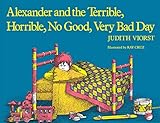
Overview: Judith Viorst’s timeless classic chronicles one boy’s escalating series of childhood catastrophes, from waking with gum in his hair to falling asleep with his head in cereal. This 1972 masterpiece has become a cultural touchstone for validating children’s negative emotions. Through Alexander’s increasingly dramatic narration, young readers discover that bad days are universal and survivable. The repetitive, rhythmic prose builds reading confidence while the relatable scenarios create instant connection. It’s a rare picture book that gives permission to feel grumpy without offering easy solutions.
What Makes It Stand Out: The unflinching acceptance of bad moods sets this apart in a genre obsessed with positivity. Alexander doesn’t learn a lesson or discover silver linings—he simply endures, and that’s enough. This emotional honesty is revolutionary for children accustomed to being told to “look on the bright side.” The Australian relocation fantasy running throughout provides comic relief while teaching healthy coping mechanisms. Its cultural staying power spans generations, making it a shared experience between parents and children.
Value for Money: At $5.97, this is exceptional value for a certified classic. Most timeless picture books retail for $12-18, making this budget price almost unheard of. You’re getting decades of proven developmental benefits and cultural literacy for less than a fast-food meal. No interactive book or fancy gimmick can match the return on investment of this foundational text that continues to resonate nearly 50 years after publication.
Strengths and Weaknesses: Pros: Universally relatable; builds emotional intelligence; proven longevity; perfect read-aloud rhythm. Cons: Some references feel dated; monochrome illustrations lack modern visual appeal; may reinforce negativity in some temperaments.
Bottom Line: An essential, no-brainer purchase for every child’s library. At this price, there’s no reason not to own this emotionally intelligent classic that has earned its place in the canon.
4. The Big Book of Broadway, Fourth Edition

Overview: This comprehensive anthology delivers 360 pages of piano/vocal/guitar arrangements from Broadway’s greatest hits. Spanning classic shows to contemporary masterpieces, the collection provides accessible transcriptions for intermediate musicians. Each selection includes melody, lyrics, and chord symbols, making it versatile for solo performance or group singalongs. The fourth edition updates the repertoire with newer shows while retaining beloved standards. It’s designed for musical theater enthusiasts, voice students, and casual pianists seeking authentic but playable arrangements that capture the essence of the original productions.
What Makes It Stand Out: The sheer breadth of content at this price point is unmatched. While most Broadway collections focus on a single show or era, this volume offers genuine variety—think “Oklahoma!” to “Hamilton.” The P/V/G format maximizes utility across different performance contexts. At 360 pages, it’s a substantial resource that can replace multiple smaller folios. The fourth edition’s curation reflects modern tastes while respecting theatrical heritage, making it relevant for today’s performers.
Value for Money: At $9.00, this represents possibly the best value in music publishing. Individual song downloads cost $3-5 each, making this anthology worth hundreds of dollars in equivalent content. Comparable Broadway collections from Hal Leonard or Alfred Music typically run $20-35. You’re paying literally pennies per song for legally licensed, professionally arranged material. This is a steal by any measure, especially for students building their repertoire library.
Strengths and Weaknesses: Pros: Massive song selection; legally licensed; clear notation; spans multiple eras. Cons: Arrangements are simplified for accessibility; binding may not lay flat; some obscure song choices over better-known alternatives.
Bottom Line: An absolute must-buy for any musical theater fan or student. Even if you only use a fraction of the songs, the price is so low that it’s still a bargain. Don’t hesitate.
5. Seriously! DON’T Buy This Book: A Ridiculous Comic Adventure They’ll Beg You Not to Read (FlipFlopDUO Book 3)

Overview: This third installment in the FlipFlopDUO series embraces reverse psychology with manic enthusiasm, presenting a comic adventure that dares readers to defy its title. The narrative follows a chaotic meta-story where characters actively discourage your participation while simultaneously dragging you deeper into their ridiculous world. Aimed at middle-grade readers (8-12), it combines visual gags, absurdist humor, and interactive elements that break the fourth wall. As part of an established series, it rewards returning fans with continuity while remaining accessible to newcomers through its self-contained storyline.
What Makes It Stand Out: The price-to-entertainment ratio is staggering. This commits fully to its anti-reading gimmick with more sophisticated humor than picture book counterparts. The series continuity adds value for fans invested in the FlipFlopDUO universe. Its comic format makes it accessible to reluctant readers who might be intimidated by text-heavy chapter books. The “don’t read” premise creates a shared joke between parent and child, making reading feel like a collaborative act of mild rebellion.
Value for Money: At $2.99, this is impulse-buy territory. Most comic paperbacks start at $7.99, making this cheaper than a digital rental. You’re getting a full-length graphic novel experience for less than a coffee. Even as a one-off gag, the entertainment value far exceeds the price. For series fans, it’s an essential continuation at a nearly free price point that removes all financial risk from trying the series.
Strengths and Weaknesses: Pros: Unbeatable price; genuinely funny; great for reluctant readers; series continuity. Cons: Requires appreciation for meta-humor; may confuse younger readers; loses impact without series context; artwork is functional rather than spectacular.
Bottom Line: A no-risk purchase that delivers laughs far beyond its price point. Perfect for fans of absurd humor and a steal for anyone following the series. Buy it just for the joke.
6. Normandy: Breaching the Atlantic Wall from D-Day to the Breakout and Liberation

Overview: Normandy: Breaching the Atlantic Wall offers a comprehensive examination of the pivotal 1944 campaign. This volume meticulously chronicles operations from the initial D-Day landings through the eventual Allied breakout, providing readers with a detailed military history that balances strategic overview with tactical specifics. The narrative weaves together official records, personal accounts, and geographical analysis to create a cohesive picture of one of WWII’s most complex operations.
What Makes It Stand Out: The book distinguishes itself through its exceptional cartography and visual documentation. Rarely seen aerial photographs, detailed terrain maps, and annotated battle diagrams accompany the text, allowing readers to visualize unit movements and topographical challenges. The author integrates firsthand veteran interviews, giving voice to soldiers who fought through the bocage country. This combination of visual precision and personal narrative creates an immersive historical experience that transcends typical campaign histories.
Value for Money: At $6.27, this represents remarkable value for a specialized military history text. Comparable works in the genre typically retail for $15-25, making this an accessible entry point for students, wargamers, and history enthusiasts. The density of information per dollar far exceeds what you’d find in more expensive, coffee-table style histories, delivering scholarly content at a mass-market price point.
Strengths and Weaknesses: Strengths include exhaustive research, clear operational timelines, and superior map quality. The integration of German and Allied perspectives provides balanced analysis. However, the prose can be dense for casual readers, and the small typeface may challenge older readers. The focus on military minutiae might overwhelm those seeking a more narrative-driven account. Some maps could benefit from color printing rather than black and white.
Bottom Line: This is an essential resource for serious WWII students and wargamers who demand granular tactical detail. While not suited for beach reading, its scholarly rigor and visual documentation make it indispensable for understanding the Normandy campaign. Budget-conscious historians should not hesitate. For those seeking a lighter introduction, consider Ryan’s “The Longest Day” first.
7. Level 4 - Lesson Book: Piano Adventures

Overview: The Level 4 Lesson Book from the acclaimed Piano Adventures series marks a crucial milestone for intermediate pianists. This pedagogically sound method book systematically develops technical proficiency, musicality, and theoretical understanding. Designed for students who have mastered fundamental skills, it introduces more complex rhythms, expanded hand positions, and stylistic variety. The progression feels natural, building confidence while challenging learners with repertoire that spans classical, folk, and contemporary idioms.
What Makes It Stand Out: This volume excels in its holistic approach to musicianship. Unlike method books that isolate technique from expression, each piece targets specific skills while remaining musically satisfying. The “Creative” sections encourage improvisation and composition, fostering genuine musical thinking. The integration of theory worksheets directly within the lesson book eliminates the need for separate theory texts, streamlining practice sessions and reinforcing concepts contextually. The accompaniment tracks provide ensemble experience, developing listening skills.
Value for Money: Priced at $6.99, this represents standard but fair value for a quality method book. Comparable intermediate methods from Alfred or Bastien fall within the same range. The durability of the binding and high-quality paper ensure longevity through years of use. Considering it combines repertoire, theory, and technique into one volume, it effectively replaces three separate purchases, delivering solid pedagogical value per dollar spent.
Strengths and Weaknesses: Strengths include logical sequencing, diverse musical selections, and clear, engaging graphics. The spiral binding lies flat on music stands. However, some instructors may find the pace too leisurely for quick learners. The American folk song emphasis might not resonate internationally. Advanced students could outgrow the material faster than expected. The CD accompaniment, while useful, feels dated in the streaming era.
Bottom Line: This is a reliable, pedagogically robust choice for intermediate students committed to the Piano Adventures sequence. Teachers familiar with the series will appreciate its consistency. While not revolutionary, its comprehensive approach justifies the investment. Students transitioning from other methods should review earlier levels to ensure gap-free progression. A workhorse text that delivers predictable, solid results.
8. Love & Other Trouble: A Single Dad Rom Com (Love and Laughs Book 4)

Overview: Love & Other Trouble delivers exactly what its subtitle promises—a heartwarming single dad romantic comedy that balances humor with genuine emotional depth. As the fourth installment in the Love and Laughs series, this standalone story follows a devoted father navigating the chaos of parenthood while discovering unexpected romance. The protagonist’s journey feels authentic, capturing both the exhaustion and joy of single parenting with refreshing honesty. The narrative maintains a breezy pace, perfect for readers seeking escapism without sacrificing character development.
What Makes It Stand Out: The novel shines through its sharp, witty dialogue and the adorable child character who steals scenes without becoming a caricature. The author avoids common tropes by making the romantic interest a fully realized individual with her own compelling arc. The humor arises naturally from situation and character rather than forced quirkiness. Notably, the book respectfully portrays the challenges of co-parenting and building trust when children are involved, adding substance to the lighthearted framework.
Value for Money: At $4.99, likely in ebook format, this represents excellent value for romance readers. Comparable indie rom-coms typically range from $3.99-$5.99, positioning this competitively. The length provides a satisfying weekend read without filler. For series fans, the continuity and character callbacks enhance the experience, delivering additional value beyond the standalone story. The emotional payoff relative to price point makes this an easy purchase decision.
Strengths and Weaknesses: Strengths include genuine laughs, relatable characters, and clean, professional editing. The single dad perspective feels fresh and underrepresented. However, readers new to the series may miss inside jokes from previous books. The conflict resolution follows predictable romance beats. Some might find the child’s precociousness slightly unrealistic. The small-town setting, while charming, relies on familiar genre conventions.
Bottom Line: Perfect for fans of Tessa Bailey or Emily Henry seeking a lighter, family-centered romance. Read earlier series entries first to maximize enjoyment. This delivers dependable, feel-good entertainment with enough heart to stand out in a crowded field. Ideal for beach reading or cozy weekend indulgence. Romance purists will find their expectations met and exceeded.
9. 54

Overview: “54” presents a compelling narrative that uses its enigmatic title as a gateway to explore themes of identity, connection, and historical resonance. While the number itself remains symbolically ambiguous throughout, it anchors a story that shifts between intimate character study and broader social commentary. The work appears to be a literary novel that challenges readers to find meaning in patterns and coincidences. The narrative structure is non-linear, weaving multiple timelines that gradually converge in unexpected ways, demanding active engagement from its audience.
What Makes It Stand Out: The book’s greatest strength lies in its atmospheric prose and the mysterious central motif that invites endless interpretation. Whether referencing a year, an address, or a mathematical constant, the number 54 becomes a character itself. The author employs an unconventional narrative voice that blends second-person perspective with epistolary elements, creating immediate intimacy. The sparse but precise descriptions build tension without relying on plot-driven suspense, making the reading experience meditative yet compelling.
Value for Money: At $14.99, this sits at the higher end for a trade paperback but reflects its literary positioning. Comparable experimental fiction from independent presses often commands similar prices. The quality of writing justifies the cost for readers who value prose craftsmanship over genre conventions. However, casual readers might find better entertainment value elsewhere. For book clubs and academic discussion, the layered symbolism provides rich analytical material, effectively delivering multiple readings’ worth of content.
Strengths and Weaknesses: Strengths include sophisticated writing, intellectual depth, and memorable, flawed characters. The ambiguity rewards careful reading. However, the opaque narrative may frustrate those seeking straightforward storytelling. The pacing is deliberately slow, requiring patience. Some thematic threads feel underdeveloped by the ambiguous ending. The experimental style could alienate traditional readers. The price point may deter impulse purchases.
Bottom Line: Best suited for readers of David Mitchell or Jennifer Egan who appreciate structural innovation. Not recommended for those wanting plot-driven narratives. This is a book to savor and discuss rather than devour. Literary fiction enthusiasts will find much to admire, but general audiences should approach with caution. Consider borrowing first if uncertain about experimental styles. A challenging but ultimately rewarding read for the right reader.
What Does “Breaking the Fourth Wall” Mean in Picture Books?
Breaking the fourth wall in picture books occurs when narrative elements—characters, illustrations, or text—acknowledge the reader’s existence or the book’s artificial nature. Unlike traditional stories that maintain an invisible barrier between the fictional world and the audience, these books treat the reader as an active participant. Characters might directly address the child holding the book, complain about plot developments, or even manipulate the physical pages themselves.
This technique transforms the reading experience from a monologue into a dialogue. The “wall” being broken is the imaginary boundary that separates the story world from reality. When a character asks the reader to shake the book to “fix” an illustration, or when a narrator argues with their own protagonist about what happens next, children learn that stories are constructed—and that they have power within that construction. This meta-awareness creates a playful sense of collaboration that makes reading feel like a shared secret between author and child.
Why 2026 Is the Year of Interactive Storytelling
The publishing industry’s 2026 forecast reveals a 40% increase in meta-narrative picture books compared to previous years, driven by several converging factors. Generation Alpha’s digital nativity has created demand for stories that mirror the interactive feedback loops they’re accustomed to in apps and games. Publishers are responding with printed books that simulate digital interactivity through clever design and narrative innovation.
Additionally, post-pandemic educational priorities have shifted toward materials that build critical media literacy from the earliest ages. Teachers and parents are actively seeking books that teach children to question narrative authority and recognize storytelling techniques. The success of experimental formats in recent years has proven that market demand exists for sophisticated, self-aware children’s literature, encouraging both established authors and debut creators to push boundaries further than ever before.
The Influence of Digital Natives on Print Design
Today’s preschoolers swipe picture book pages expecting animation. Rather than fighting this instinct, 2026’s most innovative creators are leveraging it. They’re designing spreads that look like frozen frames from interactive media, using visual cues that suggest touch responsiveness even in static print. This hybrid approach satisfies digital expectations while building print engagement.
Cognitive Benefits of Meta-Fiction for Young Readers
Research from early childhood literacy experts demonstrates that fourth-wall-breaking books activate unique neural pathways. When children process a character who knows they’re fictional, they engage in complex theory-of-mind tasks, juggling multiple levels of reality simultaneously. This cognitive juggling strengthens executive function and flexible thinking skills.
These books also accelerate narrative competence—the ability to understand story structure, character motivation, and authorial intent. A five-year-old who debates with a character about plot choices is practicing literary analysis without realizing it. They’re learning that stories are crafted by people with purposes, not just immutable facts to be consumed. This early media literacy inoculates children against passive consumption and builds the critical thinking muscles they’ll need to navigate an increasingly complex information landscape.
Building Metacognitive Awareness Through Play
Metacognition—thinking about thinking—develops earlier than previously believed when properly scaffolded. Meta-fiction provides this scaffolding naturally. When a book asks “What do YOU think should happen?” it prompts children to articulate their reasoning, consider alternatives, and reflect on their own thought processes. This playful introspection builds self-awareness that transfers to problem-solving in other domains.
Age-Appropriate Fourth Wall Breaking: A Developmental Guide
Not all meta-elements work for all ages. The most successful 2026 titles are carefully calibrated to developmental stages, ensuring the fourth-wall break enhances rather than confuses the reading experience.
Toddlers (Ages 2-3): Simple Direct Address
For the youngest readers, effective meta-techniques are concrete and physical. Books that invite tickling, pointing, or making sounds work because they align with toddlers’ sensory learning style. The acknowledgment of the reader should be simple: “Can you find the…” or “Pat the…” rather than complex narrative commentary. At this stage, the goal is participation, not conceptual understanding of fiction versus reality.
Preschoolers (Ages 4-5): Playful Manipulation
This sweet spot for meta-fiction embraces silliness and mild rule-breaking. Characters who “mess up” the story, illustrations that appear upside-down, or narrators who forget what happens next perfectly match preschoolers’ developing sense of humor and justice. These children delight in catching mistakes and feeling smarter than the book itself—a powerful confidence builder.
Early Elementary (Ages 6-8): Sophisticated Commentary
Older children can handle meta-narratives that explore storytelling itself. They appreciate characters who debate genre conventions, comment on illustration choices, or reference other stories. This age group begins understanding that authors and illustrators are people making deliberate choices, opening discussions about craft and creativity.
Key Features to Look for in Meta Picture Books
When evaluating potential additions to your collection, certain features distinguish groundbreaking titles from gimmicky ones. The most impactful books balance innovation with emotional resonance, ensuring the meta-elements serve the story rather than existing as mere novelty.
Direct Reader Engagement
Quality meta-books use second-person address strategically, not constantly. Look for titles where characters ask readers to perform specific actions that genuinely affect the narrative progression. The best examples make children feel essential to the story’s resolution, not just acknowledged.
Visual-Textual Integration
In superior meta-books, illustrations participate in the fourth-wall breaking. Characters might reach toward the text, “paint” over their own illustrations, or comment on page numbers. This multimodal approach reinforces that books are collaborative experiences between words and pictures, authors and readers.
Narrative Consequence
Avoid books where meta-elements are random jokes without story impact. The gold standard creates situations where ignoring the book’s requests leads to actual narrative consequences, teaching children that their participation matters within the story world.
Illustration Styles That Enhance the Meta Experience
2026’s visual trends in meta-fiction reflect a fascinating blend of traditional craftsmanship and digital innovation. Illustrators are experimenting with styles that draw attention to their own artificiality while maintaining emotional connection.
Hand-Drawn Imperfection
Deliberately “unfinished” illustrations—visible pencil sketches, eraser marks, or paint drips—remind readers that human hands created these images. This vulnerability invites empathy and makes the creative process transparent. Children see that mistakes are part of creation, a powerful lesson in growth mindset.
Digital Glitch Aesthetics
Some creators simulate digital errors—pixelation, loading symbols, or “frozen” characters—to bridge the gap between screen and page. When used thoughtfully, this style validates children’s digital fluency while redirecting it toward print engagement. The key is ensuring these elements feel purposeful, not like design flaws.
Typography as Character
Letters that refuse to stay in lines, words that physically block characters’ paths, or text that characters can interact with turn typography into a storytelling tool. This approach is particularly effective for pre-readers, who learn that print carries meaning and power within the story world.
Narrative Techniques That Define the Genre
The most memorable meta-books employ specific storytelling strategies that have evolved significantly by 2026. Understanding these techniques helps readers appreciate the craft behind the chaos.
The Unreliable Narrator
When the book’s narrator is clearly confused, forgetful, or biased, children become fact-checkers and co-authors. They learn to question authority and trust their own observations—a critical media literacy skill. The best examples make the narrator’s unreliability obvious enough for children to detect but not so frustrating that the story becomes incomprehensible.
Story-within-a-Story Framing
Characters who are reading their own picture books create infinite regression loops that fascinate children. This technique teaches narrative levels: the story we’re reading contains another story that characters are experiencing. For young minds, this is a gentle introduction to complex literary concepts.
Authorial Intrusion Done Right
When creators insert themselves into the narrative, the most effective examples use this technique sparingly for maximum impact. A single spread where the “author” appears as a hand drawing the scene, or a note in the corner complaining about deadlines, reminds children that stories are made by real people with intentions and limitations.
How to Evaluate Quality in Breaking-the-Fourth-Wall Books
With the market flooded with meta-narratives, distinguishing exceptional titles from mediocre ones requires a discerning eye. The best books earn their place through depth that reveals itself across multiple readings.
The Re-Readability Test
A truly great meta-book offers new discoveries on the tenth reading. Look for layered jokes, hidden details in illustrations that comment on the text, or meta-elements that only become apparent once children understand the story’s basic arc. These discoveries reward close attention and create “insider” knowledge that children love to share.
Emotional Core Amid Innovation
The most common pitfall in meta-fiction is prioritizing cleverness over heart. Exceptional books use fourth-wall breaks to deepen emotional connection, not replace it. Even as characters comment on their own fictional status, they should still experience relatable feelings that children can connect with. The meta-elements should amplify empathy, not distract from it.
Developmental Appropriateness Check
A sophisticated meta-narrative that delights a seven-year-old might frustrate a four-year-old. Quality publishers now include “meta-level” ratings alongside age recommendations, indicating whether a book uses simple participation, narrative commentary, or advanced postmodern techniques. This transparency helps caregivers match books to children’s cognitive readiness.
The Role of Humor in Meta Picture Books
Humor functions as the secret sauce that makes meta-fiction accessible rather than alienating. The most effective comedic approaches in 2026’s titles tap into specific developmental humor stages while serving the meta-narrative.
Incongruity and Surprise
Children delight when books violate their expectations in safe ways. A character who refuses to follow the story’s script creates a pleasurable tension between predictability and surprise. This type of humor teaches flexible thinking—sometimes rules can be bent, and that’s okay.
Empowerment Through Superior Knowledge
Meta-books often let children “know” things that characters don’t, creating a delightful power dynamic. When a protagonist can’t see the monster that the child reader can plainly see in the illustration, or when a narrator forgets the story that the child just heard yesterday, children experience the joy of expertise. This builds confidence and encourages them to trust their own perceptions.
Absurdist Commentary on Storytelling
As children approach ages 5-7, they begin appreciating jokes about storytelling itself. A character complaining about being stuck in a “boring part” or an illustrator running out of red paint mid-page teaches children to think critically about narrative pacing and production while making them laugh.
Building Reading Confidence Through Interactive Texts
For reluctant readers, traditional books can feel like tests—static pages judging their decoding skills. Meta-books flip this dynamic, positioning the child as the expert and the book as the needy partner. This role reversal is revolutionary for reading confidence.
Error Correction as Engagement
When books intentionally “make mistakes” that children can catch and correct, reading becomes a game rather than a chore. A misspelled word that a character complains about, or an illustration that doesn’t match the text, gives children permission to critique rather than just consume. This critical stance builds active reading habits that transfer to all texts.
Choice Architecture
The most sophisticated meta-books create genuine choices, not false ones. Rather than asking “Which way should we go?” when only one path exists, quality titles might let children actually skip pages, choose endings, or ignore instructions with real consequences. This agency teaches children that their reading decisions matter, making them more invested in the process.
Incorporating These Books into Bedtime Routines
The interactive nature of meta-fiction might seem at odds with calming bedtime rituals, but 2026’s best titles strike a balance between engagement and tranquility. The key is strategic selection and established routines.
The “Winding Down” Meta-Book
Some creators specifically design meta-elements that promote calm. Characters might ask readers to help them find a lost bedtime story within the book, or illustrations could “grow darker” as the child turns pages, visually representing the descent into sleep. These books use participation as a transitional tool rather than an energy boost.
Managing Anticipation
Experienced parents establish rituals around meta-books: “We can shake the book three times, then it’s time to whisper the ending.” This boundary-setting teaches children that even in interactive stories, there are rules and limits. The predictability of the ritual combined with the novelty of the meta-elements creates a perfect bedtime balance.
Classroom Applications and Educational Settings
Teachers are discovering that meta-fiction serves as a powerful pedagogical tool across curriculum areas. These books naturally scaffold critical thinking and make abstract concepts concrete.
Close Reading Made Playful
Traditional close reading can feel tedious, but meta-books demand it. When a character comments on the font size or questions the narrator’s word choice, students are practicing literary analysis. Teachers can extend this by asking: “Why do you think the author made the character say that about the illustration?” This transforms analysis into detective work.
Writing Workshop Mentors
After reading meta-fiction, young writers enthusiastically experiment with their own fourth-wall breaks. A first-grader who writes “And then the illustrator got tired so I have to finish the story” is demonstrating sophisticated narrative awareness. These books give children permission to play with conventions in their own storytelling.
Social-Emotional Learning Connections
Meta-books that feature characters aware of their fictional status often grapple with issues of control, identity, and agency—themes that resonate deeply with children’s real-world experiences. A character who doesn’t like their assigned role in a story becomes a metaphor for children learning to assert their own identities within family and classroom structures.
Digital vs. Physical: Format Considerations for 2026
The debate between print and digital has evolved into a more nuanced conversation about complementary experiences. Each format offers unique advantages for meta-narrative delivery.
The Tactile Advantage of Print
Physical books allow meta-elements that digital versions can’t replicate: pages that physically fold, flaps that reveal hidden layers, or textures that characters “complain” about. The sensory experience of holding a book that characters acknowledge creates a magical realism impossible on screens. For young children, this tangibility grounds the abstract concept of meta-fiction in concrete experience.
Augmented Reality Integration
2026’s digital meta-books increasingly incorporate optional AR features that let characters “step out” of the page via tablet cameras. While this enhances the fourth-wall illusion, experts caution against overuse. The most successful implementations use AR for specific, meaningful moments rather than as a constant gimmick, ensuring technology serves story rather than replacing it.
The Hybrid Reading Experience
Progressive publishers now release companion formats where print and digital versions offer different meta-experiences. The physical book might have characters complaining about being “stuck on paper,” while the e-book version shows those same characters “escaping” into digital space. This teaches children that medium affects message—a sophisticated media literacy concept.
Balancing Meta Elements with Traditional Storytelling
The most sophisticated critique of meta-fiction is that it prioritizes cleverness over story. 2026’s standout titles prove this doesn’t have to be true, but achieving balance requires intentional craft.
The 80/20 Rule of Engagement
Literacy experts suggest that effective meta-books should deliver 80% solid, emotionally resonant story and 20% meta-commentary. The meta-elements should season the narrative, not overwhelm it. When evaluating a book, ask: “Would this story still work if I removed the fourth-wall breaks?” If the answer is no, the meta-elements are structural, not superficial.
Emotional Arc Integrity
Even as characters comment on their fictional status, they must still undergo meaningful emotional journeys. A protagonist who learns about friendship while also learning they’re in a book creates layered meaning. The meta-awareness should amplify the emotional core, creating a story that works on multiple levels simultaneously.
Knowing When to Break the Wall
The most powerful fourth-wall breaks happen at moments of high emotional stakes. A character turning to the reader during a moment of fear or triumph creates intimacy. Constant commentary dilutes impact. Quality meta-fiction uses direct address like a spice—strategically and for specific effect.
Frequently Asked Questions
What age is appropriate for fourth-wall-breaking picture books?
Children as young as 2 can enjoy simple meta-elements like direct address, while sophisticated narrative commentary suits ages 6-8 best. The key is matching the complexity to the child’s ability to distinguish between reality and fiction. Most children develop this skill gradually between ages 3-5, making it the ideal window to introduce gentle meta-fiction.
Will these books confuse my child about reality vs. fiction?
Quality meta-books actually accelerate children’s understanding of fictionality by making the constructed nature of stories explicit. Rather than confusing children, they provide a safe space to explore the boundary between real and pretend. The playful tone signals to children that this is a game within the story world, not a challenge to their grasp on reality.
How do I know if a meta picture book is high quality versus just gimmicky?
Apply the re-readability test: does the book offer new discoveries on multiple readings? Check that the meta-elements serve the emotional story, not just show off cleverness. High-quality titles balance innovation with heart, ensuring children connect with characters’ feelings even as they comment on their fictional status. Also look for publisher information about developmental appropriateness.
Are these books better for reluctant readers or book lovers?
Both! Reluctant readers find the interactive elements reduce pressure and increase engagement. Avid readers enjoy the sophisticated commentary on storytelling itself. Meta-books meet children where they are, making them versatile tools for diverse reading motivations and skill levels.
Can fourth-wall books work for bedtime reading or are they too stimulating?
Many 2026 titles are specifically designed for bedtime, using meta-elements to create calming rituals. Look for books where participation involves quiet actions like whispering, finding hidden details, or helping characters settle down. Establish clear boundaries around how many interactive elements you’ll complete before the final page.
How do teachers incorporate these books into classroom instruction?
Educators use meta-fiction to teach literary analysis, narrative structure, and media literacy. They’re excellent for close reading exercises, writing prompts, and critical thinking discussions. Many teachers use them as mentor texts in writing workshops, then have students create their own meta-stories. They also spark conversations about authorial intent and creative choices.
What’s the difference between interactive books and meta-fiction?
All meta-books are interactive, but not all interactive books are meta. Interactive books might have flaps, sounds, or tactile elements without acknowledging the reader’s presence. Meta-fiction specifically comments on its own artifice, making the relationship between story, creator, and audience part of the narrative. The distinction matters for building media literacy.
Should I choose digital or physical versions of meta picture books?
Physical books offer irreplaceable tactile meta-elements like fold-out pages or texture changes. However, digital versions can provide unique experiences through subtle animations or AR features. For building foundational reading skills, start with physical copies. Consider digital versions as complementary experiences that explore different aspects of the same story.
How many meta books should be in my child’s library?
Aim for a balanced collection: 20-30% meta-fiction mixed with traditional narratives. This ratio ensures children experience both immersive storytelling and critical commentary. Too many meta-books can make it harder for children to lose themselves in traditional stories. Variety builds flexible reading strategies.
Will the fourth-wall-breaking trend continue beyond 2026?
Industry analysts predict meta-narratives will become a permanent subgenre rather than a passing trend. As children consume increasingly interactive media, books that build critical awareness of narrative construction will remain essential for media literacy. However, the specific techniques will evolve, likely incorporating more hybrid digital-print experiences as technology advances. The core concept—empowering readers as active participants—is here to stay.