There’s something magical about the way a perfectly crafted historical fiction novel can make a teenager forget they’re holding a book instead of a time machine. For the young adult who doodles corsets in their math notebook, who can name every Tudor monarch but struggles with their locker combination, who dreams in sepia tones and speaks in anachronisms—2026 is shaping up to be a golden age of temporal transportation. This guide isn’t just another gift list; it’s your secret weapon for decoding the labyrinth of YA historical fiction and emerging with presents that don’t just tell stories, but actually deliver their recipients to another century.
Whether you’re shopping for a budding historian, a romance-obsessed daydreamer, or that tricky teen who claims they “don’t like history” but binged three seasons of a period drama in one weekend, understanding the DNA of exceptional YA historical fiction will transform you from casual gift-giver to literary matchmaker. Let’s excavate the essential elements that separate forgettable costume dramas from those rare books that make readers forget what year they were born in.
Top 10 Historical Fiction YA Books for Time-Travelers
Detailed Product Reviews
1. The Book Thief

Overview: Markus Zusak’s internationally acclaimed novel, set in Nazi Germany, follows Liesel Meminger, a young girl who discovers the transformative power of words through stolen books. Narrated by Death itself, this extraordinary work weaves a haunting tale of resilience, humanity, and the redemptive nature of storytelling during one of history’s darkest periods. The narrative structure intersperses small vignettes with overarching plot, creating a tapestry of human experience.
What Makes It Stand Out: The novel’s most distinctive feature is its unique narrator—Death personified with a surprisingly poignant and melancholic voice. Zusak’s lyrical, unconventional prose style creates an almost poetic reading experience that elevates it beyond typical historical fiction. The relationship between Liesel and her foster parents, particularly her accordion-playing father Hans Hubermann, provides profound emotional depth that resonates long after the final page. The author’s choice to focus on ordinary German citizens adds nuance to WWII narratives.
Value for Money: At $8.24 for the paperback edition, this represents exceptional value for a contemporary classic that has sold millions worldwide and spent years on bestseller lists. Comparable literary novels typically retail for $12-16, making this an accessible entry point into award-winning fiction that belongs on any serious reader’s permanent shelf.
Strengths and Weaknesses: Strengths include unforgettable character development, innovative narrative perspective, and masterful exploration of themes like mortality, loss, and language’s power to destroy and heal. The prose’s unconventional structure mirrors wartime Germany’s chaos brilliantly. Weaknesses involve a deliberately measured pace that may frustrate readers seeking faster action, and the experimental style occasionally feels self-consciously clever. Some may find Death’s frequent interjections disruptive to narrative flow, though others will find them essential.
Bottom Line: A must-read masterpiece that rewards patient readers with one of the most moving and original stories of the 21st century. Perfect for book clubs and individual readers who appreciate literary craftsmanship and emotional depth.
2. Einstein’s Compass: A YA Time Traveler Adventure
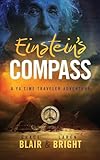
Overview: This young adult novel reimagines a young Albert Einstein receiving a mysterious compass that unlocks time-traveling abilities, launching him into adventures across different historical eras. Blending historical biography with science fiction fantasy, the story aims to inspire curiosity about physics and history through an accessible, action-packed narrative specifically designed for teen readers seeking both entertainment and education.
What Makes It Stand Out: The novel cleverly merges STEM education with entertainment by centering on one of history’s greatest minds. It’s rare to find YA fiction that tackles theoretical physics concepts through adventure storytelling. The time-travel framework allows readers to explore pivotal historical moments alongside Einstein, potentially sparking interest in both science and history in a way that traditional textbooks cannot replicate, making learning feel like discovery.
Value for Money: At $14.99, this sits at the higher end for YA paperbacks. However, if it successfully combines educational value with engaging storytelling, the investment could be justified for parents and educators seeking substance in teen reading material. Comparable YA novels typically range from $9.99-$17.99, positioning this in the premium tier for the category.
Strengths and Weaknesses: Strengths include its unique premise, educational potential, and ability to make complex scientific ideas accessible to young minds. It fills a niche for intellectually curious readers. Weaknesses include the high price point for an unproven title and the risk of trivializing Einstein’s actual achievements. The execution must balance historical respect with fantasy elements carefully, or it may alienate purists or fail to captivate its target audience.
Bottom Line: Worth considering for teens interested in science and history, though the premium price suggests waiting for reviews or discounts unless the concept strongly appeals to the specific reader.
3. End Times Fiction: A Biblical Consideration Of The Left Behind Theology
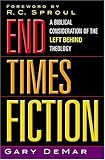
Overview: This theological work provides a critical examination of the immensely popular Left Behind series and its underlying eschatological framework. The author offers a scholarly yet accessible analysis of dispensationalist theology, questioning the biblical foundations of rapture doctrine through careful scriptural interpretation and historical context, making complex theological debates understandable to lay readers.
What Makes It Stand Out: Unlike devotional literature that accepts popular end-times theories uncritically, this book presents a reasoned, academic counterpoint. It serves as an important corrective in Christian publishing, encouraging readers to examine prophetic interpretations through a more rigorous theological lens. The work is particularly valuable for those who’ve questioned the narrative logic of rapture theology but lacked resources to explore alternative interpretations systematically.
Value for Money: At just $3.02 for a used copy in good condition, this represents remarkable affordability for serious theological study. Similar academic Christian texts typically retail for $15-25 new, making this an economical way to engage with complex doctrinal discussions without significant financial commitment while still receiving a readable copy.
Strengths and Weaknesses: Strengths include its accessible scholarship, courage in challenging mainstream evangelical assumptions, and unbeatable affordability. It provides valuable historical context for how rapture theology developed. Weaknesses include its niche appeal, potentially dense subject matter for casual readers, and the inherent limitations of used books (possible markings, wear). The author’s perspective may be dismissed by staunch dispensationalists, limiting its persuasive reach within certain circles.
Bottom Line: An excellent resource for Christians seeking deeper theological understanding beyond popular prophecy fiction. The unbeatable price makes it a low-risk, high-value purchase for theologically curious readers.
4. The Time Travelers: Volume Two

Overview: This second installment in The Time Travelers series continues the adventures of its protagonists navigating complex temporal paradoxes and pivotal historical crises. Building directly on the foundations established in the first volume, this sequel expands the world-building and deepens character arcs while raising the stakes of the overarching narrative that presumably drives the entire series forward.
What Makes It Stand Out: As a direct continuation, it avoids the exposition-heavy pitfalls of many sequels, assuming reader familiarity and diving straight into accelerated plot development. The series appears committed to exploring the logical consequences of time travel rather than using it as a mere plot device. For fans of the first book, this volume promises to deliver on unresolved threads and expand the temporal sandbox in satisfying ways.
Value for Money: Priced at $6.99, this paperback offers fair value for readers already invested in the series. Mid-range pricing reflects its position as a sequel rather than a standalone blockbuster. Comparable series installments typically range from $7.99-$12.99, making this a modestly budget-friendly option for continuing the story without breaking the bank.
Strengths and Weaknesses: Strengths include its accessible price point for established fans and the promise of narrative payoff from Volume One’s setup. If the series maintains quality, this represents solid entertainment value per dollar. Weaknesses are significant for new readers: this is absolutely not an entry point. The lack of features listed suggests it may be a self-published or small-press title with minimal marketing support, potentially indicating inconsistent editing or production quality that could affect enjoyment.
Bottom Line: Essential purchase for readers who enjoyed Volume One, but newcomers should definitely start with the series opener. A relatively safe bet for existing fans seeking continuation.
5. The Child’s Curse: A Touching Time Prequel
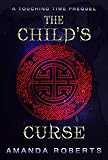
Overview: This prequel novella to the Touching Time series serves as a zero-risk introduction to the author’s world-building and narrative style. Set before the main series’ events, it establishes foundational mythology and character backstories that presumably pay dividends in subsequent novels, offering readers a free taste of the fictional universe and its central conflicts.
What Makes It Stand Out: The zero-dollar price point is obviously the most distinctive feature, removing all financial barriers to entry. In an era where free content often signals low quality, a free prequel from an established series demonstrates confidence in the material’s ability to convert readers into paying customers. It functions as both intelligent marketing tool and legitimate world-building exercise for committed fans.
Value for Money: At $0.00, the value proposition is literally unbeatable. Any entertainment derived represents infinite return on investment. For readers curious about the series but hesitant to commit financially, this eliminates risk entirely while providing concrete data for making informed purchase decisions on subsequent full-priced installments.
Strengths and Weaknesses: Strengths include the obvious price advantage, ability to sample writing quality risk-free, and potential to enhance appreciation of the main series through background knowledge. It’s a smart marketing approach that respects consumer skepticism. Weaknesses include the likelihood of a cliffhanger ending designed to drive sales, potentially limited scope as a novella rather than full novel, and the possibility that it requires reading the main series first for full appreciation. Free status may indicate the author is still building credibility.
Bottom Line: Absolutely download this without hesitation. Even if the series isn’t to your taste, you’ve lost nothing but time, and you might discover your next favorite fantasy saga.
6. Time Traveler Chronicles

Overview: Time Traveler Chronicles presents itself as an ambitious collection of temporal adventures at an entry-level price point. For just $2.99, readers receive what appears to be either an anthology of short stories or the first installment in a serialized journey through time. The title suggests multiple narratives exploring different eras and paradoxes, making it an accessible introduction to the genre without financial commitment.
What Makes It Stand Out: This offering distinguishes itself through pure accessibility. At less than the cost of a coffee, it removes all barriers for curious readers who might hesitate at typical ebook prices hovering around $9.99. The “Chronicles” format promises variety—potentially featuring different authors, time periods, and narrative styles within a single volume. This structure allows readers to sample multiple approaches to time travel fiction without purchasing several separate titles.
Value for Money: Exceptional. Comparable time travel anthologies from traditional publishers typically retail for $12-$18 in digital format. Even self-published single novels often command $4.99-$7.99. This pricing positions it as either a promotional loss-leader or a passion project prioritizing readership over profit. For genre enthusiasts on a budget, it represents zero-risk exploration.
Strengths and Weaknesses: Strengths include unbeatable price, potential narrative diversity, and low time investment per story. Weaknesses may involve inconsistent quality control common in budget compilations, unknown author credentials, and potentially limited depth due to short-form constraints. The cover design and editing may reflect the minimal price point.
Bottom Line: Perfect for time travel aficionados seeking fresh voices or newcomers wanting to test the genre waters. At $2.99, you have little to lose and potentially new favorite authors to gain.
7. The Art Traveler: The Temporal Rift

Overview: The Art Traveler: The Temporal Rift positions itself as a sophisticated blend of art history and science fiction, following a protagonist who navigates time through artistic masterpieces. At $9.95, this appears to be a mid-length novel from an independent or small-press publisher, targeting readers who appreciate cerebral speculative fiction with cultural depth.
What Makes It Stand Out: This title’s unique fusion of aesthetic scholarship and temporal adventure sets it apart from standard time-travel fare. Rather than focusing solely on historical events, it potentially explores how art both shapes and reflects human consciousness across centuries. The premise suggests meticulously researched scenes set in artists’ studios, museums, and pivotal creative moments, offering educational value alongside entertainment.
Value for Money: Fair and competitive. Independent science fiction novels typically range from $8.99 to $14.99 digitally. This price reflects professional editing and design while remaining below traditional publishing thresholds. For readers seeking niche, concept-driven narratives that major houses might consider too specialized, it represents reasonable investment in creative risk-taking.
Strengths and Weaknesses: Strengths include an original premise, potential for rich descriptive prose, and appeal to dual-interest readers. Weaknesses may involve pacing challenges inherent in concept-heavy plots, limited marketing reach affecting review visibility, and possibly uneven character development if the art history elements dominate. The niche appeal might not satisfy those wanting pure action-adventure.
Bottom Line: Worth purchasing for intellectually curious readers who love both museums and wormholes. It fills a unique space in the time travel genre and supports independent voices pushing creative boundaries.
8. Travelers Along the Way: A Robin Hood Remix (Remixed Classics, 3)

Overview: Travelers Along the Way reimagines the Robin Hood legend through a contemporary lens as the third installment in the Remixed Classics series. Priced at $16.95, this YA novel likely appears in trade paperback or hardcover format, promising a diverse, socially conscious retelling that challenges traditional narratives while honoring the original’s spirit of justice.
What Makes It Stand Out: This remix explicitly centers marginalized perspectives that classic versions often overlook, potentially casting Robyn alongside queer, disabled, or racially diverse companions. The “travelers” framework suggests a road-trip structure through a reimagined Sherwood Forest, emphasizing community building and modern activism themes. As part of a series, it benefits from established world-building while remaining accessible to new readers.
Value for Money: Appropriate for the category. Young adult retellings from major publishers typically retail for $16.99-$19.99. This positions it competitively with titles like “A Curse So Dark and Lonely” or “Hunted.” The price reflects professional production values, editorial oversight, and the creative labor of reinterpreting beloved source material for contemporary audiences.
Strengths and Weaknesses: Strengths include timely representation, clever integration of classic elements with modern sensibilities, and strong series potential. Weaknesses may involve comparison fatigue with other Robin Hood adaptations, potential controversy among purists, and the necessity of reading previous series entries for full emotional impact. Some thematic heavy-handedness can occur in “issue-driven” retellings.
Bottom Line: Essential for YA readers seeking inclusive, socially aware adaptations of classic tales. It successfully bridges nostalgia and progressivism, making medieval mythology relevant for modern teens.
9. Somewhere for Me: A Biography of Richard Rodgers (Applause Books)

Overview: Somewhere for Me offers an exhaustive examination of Richard Rodgers, the legendary composer behind Oklahoma!, The Sound of Music, and countless standards. Published by the reputable Applause Theatre & Cinema Books, this biography—available in good used condition for $13.93—delivers scholarly insight into Broadway’s golden age through the life of one of its most prolific creators.
What Makes It Stand Out: Unlike celebrity-focused theater biographies, this volume likely provides meticulous musical analysis alongside personal narrative. Rodgers’ complex relationships with lyricists Lorenz Hart and Oscar Hammerstein II receive thorough examination, revealing the creative alchemy and psychological toll of Broadway’s collaborative demands. The Applause Books imprint ensures academic rigor, archival research, and cultural context.
Value for Money: Excellent for a used academic title. New copies frequently command $25-$35, making this $13.93 price point attractive for students and enthusiasts. The “Good Condition” designation suggests minor wear while preserving readability—a worthwhile compromise for budget-conscious researchers. Comparable composer biographies rarely dip below $20 even secondhand.
Strengths and Weaknesses: Strengths include authoritative source material, detailed musical theater history, and primary-source interviews. Weaknesses may involve dense scholarly prose unsuited to casual readers, potentially outdated information if published pre-2000, and the physical limitations of a used copy (underlining, worn binding). The focus may privilege professional achievements over personal intimacy.
Bottom Line: Indispensable for musical theater scholars, performing arts students, and Rodgers & Hart/Hammerstein devotees. The used price makes serious scholarship accessible without sacrificing substantive content.
10. Invictus

Overview: Invictus arrives at an almost negligible $1.89, suggesting either a digital novella, promotional prequel, or extreme discount on a backlist title. The title references William Ernest Henley’s famous poem of unconquerable spirit, implying themes of resilience, defiance, and perhaps historical fiction centered on the poem’s composition or its cultural impact across turbulent eras.
What Makes It Stand Out: The price point itself is the most remarkable feature—cheaper than a donut and less risky than a subway fare. This allows impulse purchasing based purely on curiosity. If tied to the poem, it offers literary-historical resonance that elevates it above typical bargain-bin fare. The single-word title suggests confidence and focus, potentially delivering a concentrated emotional punch in novella form.
Value for Money: Unbeatable. Even a 20-page story provides more entertainment-per-penny than most media. At this price, traditional metrics of value collapse—it’s effectively free with the pretense of commerce. Compare to $0.99 ebook shorts that often feel disposable; this commands twice the price but potentially delivers professional-grade storytelling. The worst outcome is losing less than two dollars.
Strengths and Weaknesses: Strengths include zero financial risk, potential for surprising quality, and thematic inspiration. Weaknesses encompass total uncertainty about content—could be a movie tie-in, unrelated novel, or excerpt—length likely under 100 pages, and possible lack of editorial polish. The description vacuum requires blind faith.
Bottom Line: Buy it. At $1.89, you’re not making a purchase; you’re placing a bet with infinite upside and negligible downside. If it’s even mediocre, you’ve won. If it’s exceptional, you’ve discovered a hidden gem for pocket change.
Why Historical Fiction YA is the Perfect Escape for Time-Travel Enthusiasts
The Psychology of Temporal Wanderlust
Young adults are uniquely positioned to become time-travel daydreamers. Their brains are literally rewiring themselves, constructing identity while simultaneously questioning everything that came before them. Historical fiction YA taps into this developmental sweet spot by offering safe passage to explore different eras, values, and conflicts without the permanent consequences of actual time travel. The genre validates their growing awareness that the world wasn’t always this way, and won’t always be this way either.
How YA Historical Fiction Differs from Adult Counterparts
Adult historical fiction often fixates on political machinations and painstaking detail, but YA versions distill centuries into visceral, immediate experiences. The teenage protagonist becomes our avatar, translating foreign customs through familiar adolescent emotions—first love, rebellion against authority, the search for belonging. This emotional bridge makes ancient Rome feel as immediate as last weekend’s drama, while the historical setting elevates everyday teen struggles into epic, world-changing significance.
Key Elements That Make Historical Fiction YA Irresistible
Authentic World-Building That Transports Readers
The best YA historical fiction doesn’t just describe a setting—it weaponizes sensory details. We’re talking about the specific smell of tallow candles in a 14th-century workshop, the sound of wooden clogs on cobblestones, the weight of wet wool in a downpour. These aren’t decorative flourishes but the actual architecture of belief. When evaluating potential gifts, look for authors who’ve done their archaeological homework, who understand that historical accuracy lives in the mundane details of daily life, not just the coronation ceremonies.
Relatable Teen Protagonists in Ancient Settings
The magic happens when a character’s internal monologue feels utterly contemporary while their external actions remain period-appropriate. Gift-worthy books feature protagonists who question their society’s rules in ways that resonate with modern teens, but who lack the anachronistic freedom to simply ignore those rules. The tension between their modern-feeling thoughts and historically-bound actions creates the narrative electricity that keeps pages turning at 2 AM.
The Balance Between Fact and Fiction
2026’s standout titles understand that historical fiction isn’t a textbook with dialogue. The sweet spot lies in authors who’ve done obsessive research, then have the confidence to deviate when the story demands it. Look for books that include author’s notes explaining where history ends and imagination begins—this transparency signals respect for both the reader and the historical record, making the gift intellectually valuable as well as entertaining.
Understanding Your Gift Recipient’s Temporal Preferences
Identifying Their Favorite Historical Eras
Before you buy, become a temporal detective. Does their social media feature more Victorian aesthetics or Viking vibes? Do they talk about the Roaring Twenties or Renaissance art? Some teens are drawn to the structured elegance of Regency England, while others crave the chaotic energy of revolutionary periods. Matching the era to their existing interests increases the odds your gift becomes a treasured favorite rather than a dust collector.
Decoding Their Genre-Blending Desires
Modern YA historical fiction rarely travels alone. It brings friends: fantasy elements (magic in historically accurate settings), mystery plots (teen detectives in ancient civilizations), romance arcs (forbidden love across class divides), even horror (ghost stories in historical contexts). Understanding which genre blend excites your recipient helps you navigate the increasingly hybrid landscape. A fantasy lover might adore historically-inspired world-building, while a romance reader might prefer period-accurate relationship dynamics.
Assessing Their Sensitivity to Historical Accuracy
Some teen readers are human fact-checkers who delight in spotting inaccuracies; others willingly suspend disbelief for a good story. The former will appreciate books with extensive bibliographies and historical notes; the latter might find those same elements tedious. Gauge their tolerance for creative license—do they correct movies in real-time, or do they just want to be swept away? This determines whether you should prioritize meticulously researched tomes or more imaginative, loosely historical adventures.
2026’s Emerging Trends in YA Historical Fiction
The Rise of Untold Stories and Marginalized Voices
The most exciting trend for 2026 gifting is the explosion of narratives from perspectives traditionally erased from history. We’re seeing teenage protagonists from indigenous communities during colonization, queer youth in periods where their existence was erased, and working-class teens whose stories were never recorded in official histories. These books don’t just entertain—they reconstruct a more honest past, making them profoundly meaningful gifts for socially conscious readers.
Climate Fiction Meets Historical Narratives
A fascinating hybrid emerging in 2026 involves examining historical climate events through YA lenses—medieval cooling periods, Dust Bowl migrations, ancient civilizations that collapsed due to environmental change. These narratives resonate deeply with climate-anxious Gen Z readers, showing them that humanity has faced ecological crises before, while honestly depicting the differences between past and present challenges.
Interactive and Multimedia Storytelling Elements
Forward-thinking publishers are enhancing historical fiction with QR codes linking to primary sources, augmented reality features that bring historical maps to life, and companion podcasts featuring author discussions with historians. When gifting in 2026, consider whether your recipient would delight in these digital Easter eggs or prefer a pure, unadorned reading experience. The tech-savvy teen historian might love the layered experience, while a traditionalist might find it distracting.
Critical Features to Evaluate Before Gifting
Page Count and Reading Commitment
A 500-page historical epic might intimidate a reluctant reader but thrill a dedicated bookworm. Consider their reading speed and schedule—a busy student athlete might appreciate a tightly plotted 250-page novel they can finish between practices, while a voracious reader on summer break would devour a dense, multi-generational saga. The key is matching the book’s demands to their available time and attention.
Complexity of Historical Context
Some historical periods require extensive background knowledge; others are more accessible. A novel set in a well-documented era like WWII might need less exposition than one set in the Mali Empire or Heian Japan. Look for books that elegantly weave necessary context into the narrative without resorting to info-dumps. The best gifts teach history without the reader feeling like they’re being taught.
Representation and Inclusive Storytelling
2026’s gifting landscape demands attention to whose stories are being told and by whom. Authentic representation matters—not just diverse characters, but authors from those communities writing their own histories. Evaluate whether the book handles cultural specificity with respect or reduces it to exotic window dressing. A thoughtful gift reflects the recipient’s values and expands their understanding of who made history.
Language and Accessibility
Historical verisimilitude shouldn’t require a dictionary on every page. The best YA historical fiction captures the flavor of period language without sacrificing readability. Consider your recipient’s vocabulary and reading confidence. Some teens delight in linguistic challenges; others will abandon a book that feels like homework. Strike the right balance between atmospheric authenticity and accessibility.
The Educational Value Hidden in Historical YA
How These Books Spark Interest in Real History
The gateway effect is real. A compelling novel about a teen codebreaker in Bletchley Park often leads to voracious non-fiction reading about WWII intelligence. Gift-worthy historical fiction plants questions that send readers down research rabbit holes. Look for books that include reading lists, museum recommendations, or historical timelines—these transform a single novel into the foundation of a lifelong interest.
Discussion-Worthy Themes for Young Readers
The best gifts keep giving through conversation. Quality YA historical fiction tackles themes that resonate across centuries: fighting injustice, navigating family expectations, discovering personal identity. These books become bridges between generations, giving teens and parents shared language to discuss everything from civil rights to gender roles. A strategically chosen book can spark dinner table conversations that last for weeks.
Gift Pairing Ideas for the Ultimate Time-Travel Experience
Complementary Non-Fiction Companions
Elevate your gift from single book to curated experience by pairing fiction with accessible non-fiction. A novel about a teenage cartographer pairs beautifully with a book of historical maps. A story set in the Harlem Renaissance becomes even richer alongside a collection of Langston Hughes poems. These pairings show thoughtfulness and encourage deeper exploration without requiring you to choose specific titles.
Themed Bookish Merchandise
In 2026, the bookish merchandise market has matured beyond generic “I love reading” mugs. Think historically-inspired bookmarks replicated from medieval marginalia, candles scented with period-accurate fragrances, or journals bound in materials evoking the story’s setting. These tactile additions create a multi-sensory reading experience that amplifies the book’s transportive power.
Experience-Based Gift Add-Ons
Transform reading into doing. A novel set in ancient Rome pairs with a museum membership or virtual reality tour of the Colosseum. A story about a teen naturalist in the 19th century combines with a field journal and botanical drawing supplies. These experiential gifts acknowledge that the best historical fiction doesn’t just teach about the past—it inspires engagement with the present.
Navigating Different Formats and Editions
Hardcover vs. Paperback: The Collector’s Dilemma
Hardcovers make statement gifts—weighty, durable, display-worthy. They’re ideal for beloved series or books destined to become keepsakes. Paperbacks, however, travel better and feel less precious, encouraging actual reading rather than pristine shelf display. Consider your recipient’s book-handling habits. Do they crack spines and dog-ear pages with abandon, or do they handle books like museum artifacts? Let their habits guide your format choice.
Audiobooks for Immersive Historical Atmospheres
The right narrator can transform historical fiction into a time machine. Audiobooks allow readers to hear period-appropriate accents, musical interludes featuring historical instruments, and dramatic performances that bring archaic dialogue to life. For teens with long commutes, visual impairments, or simply a preference for auditory learning, a gifted audiobook subscription or specific title can open worlds that print might not.
Special Editions and Illustrated Versions
2026 has seen a renaissance in illustrated YA historical fiction. Gift editions feature maps, family trees, fashion plates, and architectural drawings that help readers visualize foreign worlds. These visual elements aren’t just decorative—they’re educational tools that scaffold understanding of complex historical settings. For visual learners or art-inclined teens, these editions justify the higher price point through enhanced comprehension and sheer beauty.
Building a Themed Gift Bundle
The “Ancient Civilizations” Starter Pack
For the teen fascinated by humanity’s deep past, curate a bundle that spans cultures and centuries. Include novels set in Mesoamerica, ancient China, classical Greece, and dynastic Egypt. Add a high-quality world history atlas and a replica artifact they can physically hold. This thematic approach shows you understand their specific passion while exposing them to diverse historical perspectives.
The “Revolutionary Spirit” Collection
Some teens are drawn to historical moments of upheaval and change. A bundle focused on revolutionary periods—scientific, political, social—feeds their hunger for stories where youth changed the world. Pair novels with primary source documents reproduced in accessible formats, like letters from young revolutionaries or pamphlets from protest movements. This bundle validates their own emerging activist instincts.
The “Hidden Histories” Curated Set
For the thoughtful reader who questions whose stories get told, create a collection of historical fiction spotlighting marginalized voices across different eras. Include works by authors from the communities they’re writing about, spanning indigenous histories, diaspora experiences, and stories of disability across time. This isn’t just a gift—it’s a statement about the kind of history that matters.
Red Flags to Avoid in YA Historical Fiction
Anachronisms That Break the Spell
Nothing shatters the illusion like a 16th-century character using modern psychology terminology or a Victorian teen with implausibly progressive views. While some anachronism is necessary for accessibility, egregious errors signal lazy research. Preview reviews from history educators or read the author’s note to gauge their commitment to accuracy. A gift should transport, not constantly remind the reader they’re reading a modern person’s fantasy of the past.
Romanticizing Problematic Historical Figures
Be wary of books that cast colonizers, tyrants, or oppressors as misunderstood heroes. Quality YA historical fiction acknowledges historical complexity without excusing atrocities. Look for narratives that center the experiences of those affected by power, not just those wielding it. A thoughtful gift respects the reader’s intelligence and moral development.
Tokenism vs. Authentic Representation
A single diverse character in a sea of whiteness, or a protagonist whose identity feels like a checklist item rather than a lived reality, signals tokenism. Authentic representation weaves cultural specificity throughout the narrative, showing how identity shapes every aspect of a character’s historical experience. Examine reviews from readers from that background to verify authenticity before gifting.
How to Future-Proof Your 2026 Gift Choices
Award Winners and Critical Darlings
Prestigious awards like the Walter Dean Myers Award, the Michael L. Printz Award, and the National Book Award for Young People’s Literature often highlight historical fiction that balances literary merit with teen appeal. While awards aren’t everything, they signal that educators and librarians—who understand both quality and teen tastes—have vetted the book. A 2026 award winner is likely to remain relevant and respected.
Debuts from Breakthrough Authors
First-time authors often bring fresh perspectives and innovative approaches to historical fiction. They’ve usually spent years refining a single story, resulting in polished, passionate work. Gifting a debut supports emerging voices and gives your recipient the thrill of discovering a new favorite before everyone else. Monitor “most anticipated” lists from reputable YA publications to identify these rising stars.
Series vs. Standalone Considerations
A standalone novel offers a complete experience—no waiting for sequels, no cliffhanger frustration. But a well-crafted series provides ongoing engagement, giving readers a world to return to. For the teen who forms deep attachments to characters, a series starter can be the gift that keeps giving. For the reluctant reader or busy student, a powerful standalone respects their time while delivering full satisfaction.
The Role of Bookstagram and #BookTok in 2026 Selections
Viral Trends vs. Lasting Quality
Social media can catapult historical fiction YA into the stratosphere, but viral doesn’t always mean valuable. A book might trend for its aesthetic cover or romantic subplot while skimping on historical substance. Use social media buzz as a starting point, but dig deeper. Look for sustained conversation about a book’s historical depth, not just its ship-worthy romance or pretty spine.
Influencer Recommendations: Navigating the Hype
Book influencers range from professional historians reviewing YA to teens sharing authentic reactions. Follow accounts that provide context about historical accuracy and representation rather than just pretty flat lays. When an influencer with expertise in a specific historical period recommends a book, that carries more weight than a general bookstagrammer’s aesthetic post. Let their specialized knowledge guide your gifting decisions.
Budget-Friendly vs. Splurge-Worthy Gifting Strategies
Building a Library on a Budget
You don’t need to spend a fortune to give exceptional historical fiction YA. Paperbacks, library book sales, and thoughtfully chosen used books can form the backbone of an impressive gift. Focus on curating a small collection of complementary titles rather than one expensive hardcover. A trio of well-chosen paperbacks shows more thought than a single pricey book that might miss the mark.
When to Invest in Premium Editions
Save your splurges for books you know they’ll love—sequels to favorite series, or special editions of titles they’ve already enjoyed in paperback. A leather-bound, illustrated version of their most-read novel becomes a keepsake. For milestone gifts (graduation, significant birthdays), a premium edition of a thematically appropriate historical novel—say, a story about a teen leaving home—carries symbolic weight that justifies the expense.
Personalization: The Secret to Memorable Gifting
Handwritten Notes with Historical Flair
A generic “Happy Birthday” inscription feels perfunctory. Instead, channel the book’s era in your note. Use period-appropriate language (“May this missive find you in good health”), seal it with wax, or write it on aged paper. This extra five minutes of effort transforms a simple book into a personalized artifact, showing you engaged with the material beyond the purchase.
Custom Bookplates and Time-Travel Themes
Commission or create bookplates that reflect the recipient’s favorite historical period—art deco designs for a 1920s enthusiast, medieval illuminated manuscript styles for a Middle Ages fanatic. These permanent markers make the book uniquely theirs and celebrate their specific historical passion. It’s a small touch that elevates your gift from commodity to treasure.
Frequently Asked Questions
What age range is YA historical fiction actually appropriate for?
Young Adult typically targets 13-18, but historical fiction YA often appeals to sophisticated 11-12 year-olds and many adults. The key is content maturity rather than reading level. Some historical periods involve violence, discrimination, or complex political situations. Check reviews for content warnings and consider the individual teen’s emotional maturity and historical knowledge base. A 14-year-old history buff might handle a gritty Civil War novel, while a 16-year-old with less historical context might find it overwhelming.
How can I verify the historical accuracy without reading the whole book first?
Check the author’s background—do they have historical training or did they work with historians? Read the acknowledgments for historian consultants. Look for detailed author’s notes explaining historical liberties. Search for reviews from history teachers, museum educators, or historians who specialize in that period. Reputable publishers often fact-check historical fiction, so books from established YA imprints with strong editorial oversight are generally more reliable.
What’s the difference between historical fantasy and historical fiction, and which makes a better gift?
Historical fiction grounds itself in verifiable facts, altering only minor details for narrative flow. Historical fantasy introduces magical elements—witches in Salem, time travel, mythical creatures. The better gift depends entirely on your recipient. A teen who loves rigorous history might feel betrayed by fantasy elements, while a fantasy reader might find straight historical fiction dry. Many 2026 titles blend the two subtly, using magical realism to explore historical themes without breaking the historical frame.
Should I worry about content warnings for historical fiction?
Absolutely. Historical periods were often brutal, and YA authors don’t always sanitize them. Common triggers include colonial violence, sexual assault (historically prevalent but now recognized as traumatic), racist language (used for accuracy but potentially harmful), and graphic descriptions of disease or warfare. Most publishers now include content warnings on their websites. A thoughtful gift-giver checks these and maybe even includes a note acknowledging the difficult content, framing it as part of the historical honesty.
How do I choose between a book about a well-known period versus an obscure one?
Consider your recipient’s personality. History enthusiasts often love discovering untold stories from unfamiliar eras—it makes them feel like explorers. But a teen new to historical fiction might need the anchor of a period they recognize (like WWII or ancient Egypt) to feel grounded. A compelling compromise: books about familiar events from unfamiliar perspectives, like the American Revolution told from a Native teen’s viewpoint. This provides both recognition and novelty.
Is it better to gift a standalone novel or the first book in a series?
Standalone novels guarantee a complete story, making them safer gifts for casual readers or those with packed schedules. Series starters work beautifully for voracious readers who love immersive worlds, but only if the series is already well-established with several published volumes. Nothing’s more frustrating than falling in love with a story and learning book two won’t exist for another year. For 2026 gifting, research publication schedules—if book two releases soon, a series starter becomes more appealing.
What if the recipient says they “hate history”?
They probably hate how history was taught, not history itself. Look for novels where the historical setting serves a gripping personal story—perhaps a thriller, romance, or mystery where the history is seamlessly woven into the plot. Books with strong voice and immediate stakes that happen to be set in the past often convert history-skeptics. Avoid ones that read like costume dramas where the history overshadows character. The story must work even if you ignore the historical date on the first page.
How important is diversity in historical fiction YA gifting?
Critically important. History wasn’t exclusively white, straight, or male, and 2026’s best historical fiction reflects this reality. Gifting diverse historical fiction does more than represent marginalized readers—it corrects historical record for all teens. But authenticity matters: prioritize #OwnVoices authors writing about their own communities’ histories. A well-intentioned but inauthentic diverse book can be more harmful than a homogeneous one. Research the author’s background and community reception.
Are audiobooks a good option for historical fiction YA?
Exceptional, when done well. A talented narrator can clarify archaic terms through intonation, differentiate characters across class and region with accents, and maintain pacing through dense historical passages. For teens with learning differences, busy schedules, or auditory learning preferences, audiobooks remove barriers. The key is production quality—look for full cast recordings, sound design, and narrators who’ve won awards. A poorly narrated historical audiobook can make complex material incomprehensible.
What makes a YA historical fiction gift feel “special” rather than just another book?
Personalization and context. Include a note explaining why you chose this specific book for them—perhaps it features a protagonist who reminds you of their strength, or explores a historical event you know they’re curious about. Add a small related item: a map, a replica artifact, or even just a beautifully designed bookmark. The presentation matters: wrap it in paper that evokes the historical period. These touches show you didn’t just grab a trendy title; you curated an experience specifically for their temporal daydreams.