There’s something refreshingly countercultural about picking up a physical book to learn about beverages in 2026. While algorithmic feeds flood us with influencer opinions and thirty-second tasting notes, a well-crafted guide under $20 offers what digital content rarely does: structured knowledge you can underline, spill wine on, and return to five years later when that Pinot Noir finally clicks. For beginners navigating the intimidating world of wine, beer, and spirits, the right book isn’t just a purchase—it’s a mentorship in paper form.
The challenge isn’t finding information; it’s curating it. At this price point, you’re not just hunting for cheap books—you’re hunting for value-dense resources that respect both your intelligence and your budget. Whether you’re building a home bar, planning your first vineyard visit, or simply tired of nodding along when friends discuss hop profiles, understanding what makes a beginner guide truly useful will save you money and accelerate your learning curve dramatically.
Top 10 Beginner Wine-Tasting Books
Detailed Product Reviews
1. Wine Folly: Magnum Edition: The Master Guide

Overview:
The Wine Folly Magnum Edition is the expanded, definitive version of Madeline Puckette’s revolutionary infographic wine guide. This 320-page visual masterpiece covers over 100 grapes and wines from 20+ countries, with detailed maps, flavor profiles, and food pairing matrices. It’s designed to transform complex wine knowledge into digestible, beautiful graphics that make learning intuitive and enjoyable for enthusiasts at any level.
What Makes It Stand Out:
The book’s visual-first approach sets it apart from traditional text-heavy wine tomes. Each page features stunning data visualizations, color-coded charts, and systematic flavor wheels that help you instantly understand wine regions, production methods, and tasting notes. The Magnum edition adds 100+ pages of new content, including expanded Italian and French sections, making it the most comprehensive version yet.
Value for Money:
At $19.61, this represents exceptional value. Comparable wine education resources cost $30-50, and professional courses run hundreds of dollars. You’re getting a reference book that serves as both an introduction for novices and a quick refresher for seasoned collectors, with production values that rival coffee table books twice the price.
Strengths and Weaknesses:
Strengths include unparalleled visual design, comprehensive coverage, and accessible language. The infographic format accelerates learning and retention. Weaknesses are minor: advanced sommeliers may find some regions lack the microscopic detail they crave, and the visual-heavy style might not suit traditionalists who prefer narrative prose.
Bottom Line:
This is the ultimate modern wine reference for visual learners and curious drinkers. Whether you’re building a foundation or expanding your knowledge, the Magnum Edition delivers professional-grade education with style and substance.
2. Wine A Tasting Course: From Grape to Glass

Overview:
Wine: A Tasting Course by Marnie Old takes a radically different approach, structuring wine education like a formal curriculum. This interactive guide progresses from basic grape biology to advanced tasting techniques, with built-in exercises, quizzes, and sensory challenges. It’s designed for active learners who want to develop professional-level tasting skills through deliberate practice.
What Makes It Stand Out:
The course-based structure is unique, featuring 20+ hands-on tasting exercises that build sequentially. Each chapter includes “homework” assignments, flavor identification challenges, and self-assessments. The book emphasizes developing your palate through systematic training rather than memorization, making the knowledge stick through experience.
Value for Money:
Priced at $21.76, this offers solid value for a self-contained wine education program. While slightly more expensive than some guides, it replaces the need for introductory tasting classes that typically cost $75-150. The structured approach means you’ll extract more practical skill per dollar than from reference books alone.
Strengths and Weaknesses:
Major strengths include the progressive learning design, practical exercises, and focus on skill development over facts. It’s ideal for disciplined self-starters. Weaknesses include fewer visual aids than competitors, making it feel more academic. Some readers may find the pace slow, and it requires actually tasting wines to fully benefit, which adds expense.
Bottom Line:
Perfect for serious students who want to build tasting confidence methodically. If you’re willing to do the work, this course-in-a-book approach will transform you from casual drinker to informed taster faster than any passive read.
3. Wine Simple: A Totally Approachable Guide from a World-Class Sommelier

Overview:
Wine Simple delivers exactly what its title promises: world-class expertise without the intimidation factor. Authored by Aldo Sohm, one of the planet’s most decorated sommeliers, this guide distills decades of professional experience into refreshingly straightforward advice. The book focuses on practical, real-world wine selection and enjoyment rather than esoteric theory.
What Makes It Stand Out:
Sohm’s insider perspective is the key differentiator. He shares the actual decision-making processes used in top restaurants, decoding how professionals really think about wine. The book features “Sommelier Secrets” sidebars, practical shopping strategies, and a unique “flavor snapshot” system that helps you communicate what you want in any wine shop or restaurant.
Value for Money:
At $18.84, this is an absolute steal for access to a master sommelier’s mindset. Comparable expertise would cost thousands in private consultation or wine courses. The book’s practical focus means every page delivers actionable advice you can use immediately, maximizing your return on investment.
Strengths and Weaknesses:
Strengths include authoritative voice, practical focus, and ability to bridge the gap between novice and connoisseur. Sohm’s engaging personality shines through. The main weakness is fewer visual elements than infographic-heavy competitors. Some sections may feel too brief for readers wanting deep dives into specific regions.
Bottom Line:
If you’ve ever felt intimidated by wine culture, this is your antidote. Sohm’s expert guidance demystifies wine selection and gives you professional confidence without the pretension. An essential read for anyone wanting to drink better, not just know more.
4. Wine Folly: The Essential Guide to Wine

Overview:
The original Wine Folly: The Essential Guide launched the visual wine revolution, and despite being the predecessor to the Magnum Edition, it remains a powerhouse of accessible wine education. This 240-page guide covers the major wine regions, grape varieties, and fundamental concepts using the same infographic DNA that made the series famous.
What Makes It Stand Out:
As the pioneer of visual wine learning, this book proved that complex topics like terroir, winemaking, and tasting notes could be communicated through elegant design. It introduced the flavor wheel and region matrix concepts that countless other guides have since emulated. The streamlined format makes it less overwhelming for absolute beginners.
Value for Money:
At just $10.26, this represents the best value-to-education ratio in wine publishing. You’re getting foundational knowledge that would cost $20-30 in most other formats. While it lacks the expanded content of the Magnum Edition, it covers 80% of what casual enthusiasts need at half the price.
Strengths and Weaknesses:
Strengths include unbeatable price, proven visual learning system, and focused content that doesn’t overwhelm. It’s perfect for gifting or casual learning. Weaknesses are its age—some emerging regions and newer wine trends aren’t covered—and the inevitable comparison to its more comprehensive Magnum sibling.
Bottom Line:
The ultimate budget-friendly entry point into serious wine education. If you’re curious about wine but not ready to invest heavily, this delivers the core Wine Folly experience at an irresistible price. A no-brainer for beginners and a great reference to keep in your kitchen.
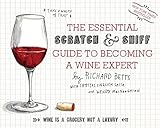
5. The Essential Scratch & Sniff Guide To Becoming A Wine Expert: Take a Whiff of That
Overview:
The Essential Scratch & Sniff Guide takes a radically sensory approach to wine education. This interactive book features dozens of scent patches that let you literally smell the aromas that define different wine styles—from oak and butter to blackcurrant and petrol—creating a multisensory learning experience unlike any other wine guide.
What Makes It Stand Out:
The scratch-and-sniff format is genuinely unique in wine education, addressing the biggest challenge novices face: aroma identification. By isolating individual scents, the book trains your nose before you even open a bottle. It’s the only guide that makes olfactory learning its primary methodology, backed by Richard Betts’ expert curation of representative aromas.
Value for Money:
At $12.98 for a used copy, it’s reasonably priced for an interactive tool. However, the “used” status is critical—the scent patches may be partially depleted, reducing effectiveness. New copies run $20+, making the used version a gamble. If scents are intact, it’s excellent value; if not, it’s just a quirky visual guide.
Strengths and Weaknesses:
Strengths include unforgettable sensory learning, childlike fun that engages adults, and effective aroma training. It’s the most memorable wine book you’ll own. Weaknesses: used condition risks faded scents, limited scope beyond aromatics, and it’s more supplement than comprehensive guide. The novelty may wear off quickly.
Bottom Line:
Buy this as a complement to a traditional guide, not your primary resource. If you can verify the scent patches work, it’s a fantastic training tool that makes abstract aroma concepts tangible. For used copies, consider it a fun gamble—worth it if intact, but don’t rely on it alone.
6. Clever Fox Wine Journal for Wine Tasting – Guided Wine Diary & Log Book with Tasting Instructions, Aroma Wheel, Food Pairing & Glass Guide – 132 Entries, Hardcover, A5 Size (Burgundy)

Overview: The Clever Fox Wine Journal transforms casual sipping into systematic learning through its meticulously structured log book. This A5 hardcover diary provides 132 guided entry pages that walk users through every critical aspect of wine evaluation, from basic bottle information to complex sensory analysis. Designed as a practical tool rather than mere notebook, it incorporates professional tasting methodologies into an accessible format that encourages consistent practice and palate development.
What Makes It Stand Out: This journal’s integration of a complete wine aroma wheel and visual glass guide directly into its pages eliminates the need for separate reference materials. Each entry features a unique wine impression wheel analyzing six key characteristics, plus dedicated sections for aroma, color, and taste descriptors. The premium package includes three sticker sheets, a pen loop, elastic closure, and lay-flat binding—features rarely found in standard tasting notebooks. The eco-leather burgundy cover adds tactile luxury while remaining durable for field use.
Value for Money: At $23.99, this journal positions itself as a mid-range investment that outperforms generic alternatives. Comparable professional tasting books cost $30-40 without the guided structure or physical accessories. The 60-day money-back guarantee demonstrates manufacturer confidence, while the 120gsm paper quality prevents bleed-through from fountain pens—a common failure point in cheaper options. For serious enthusiasts, the cost per entry breaks down to just 18 cents, exceptional value for a permanent record of your wine journey.
Strengths and Weaknesses: Strengths include the comprehensive guided format that prevents intimidation for beginners, premium construction with thoughtful details like the pen loop, and the integrated educational tools that accelerate learning. The lay-flat binding genuinely enhances writing comfort during tastings. Weaknesses involve the fixed 132-entry capacity—once filled, you’ll need another volume—and the structured format may feel restrictive to experienced sommeliers who prefer blank-page freedom. The A5 size, while portable, can feel cramped when documenting complex wines with extensive notes.
Bottom Line: This journal brilliantly bridges the gap between novice curiosity and professional methodology. For anyone committed to developing their palate systematically, the Clever Fox Wine Journal delivers exceptional educational value wrapped in a package that feels genuinely premium. It’s an ideal gift for wine lovers ready to deepen their appreciation beyond casual consumption.
7. The Mindful Glass: Hands-On Wine Lab: A fun, beginner-friendly wine workbook with tasting activities, pairing exercises, and sensory wine education for regular people.

Overview: The Mindful Glass positions itself as an interactive workbook rather than a traditional reference text, emphasizing experiential learning through hands-on activities. This approach demystifies wine education by treating it as a practical skill to be developed through exercises rather than rote memorization. Designed specifically for “regular people,” it strips away the pretension that often alienates newcomers while maintaining educational rigor through structured tasting labs and pairing challenges.
What Makes It Stand Out: The lab-format structure transforms abstract concepts into concrete actions. Instead of passively reading about terroir or tannins, users actively compare wines side-by-side, document findings, and complete sensory exercises that build muscle memory. The workbook format encourages writing directly in the book, making it a personal artifact of your journey. Its focus on mindfulness—paying deliberate attention to sensory input—helps develop palate acuity faster than traditional study methods. The approachable tone and activity-based design make it ideal for group tastings or self-paced learning.
Value for Money: Priced at $18.99, this workbook occupies a sweet spot between free online resources and expensive courses. The interactive format provides value that static books cannot match, as each activity reinforces learning through doing. For beginners who learn by experience rather than theory, this represents excellent ROI. However, those seeking comprehensive regional knowledge or producer histories may need supplemental materials, slightly diminishing its standalone value proposition.
Strengths and Weaknesses: Strengths include the engaging, pressure-free approach that builds confidence quickly; the practical focus on tasting mechanics over wine trivia; and the workbook format that creates a personalized learning record. It’s particularly effective for visual and kinesthetic learners. Weaknesses include limited depth on wine regions, grape varieties, and production methods—it’s a “how to taste” book, not a “what to taste” encyclopedia. The activities require purchasing multiple wines, which adds hidden cost. Experienced drinkers will find content too basic.
Bottom Line: Perfect for wine newcomers who feel intimidated by traditional wine education, The Mindful Glass delivers a refreshing, practical foundation. If you prefer learning by doing and want to develop tasting skills without the snobbery, this workbook is an excellent starting point that justifies its price through genuine engagement.
8. Wine Tasting but Simple: From Clueless to Connoisseur – Minus the Attitude: A Fun Guide to Visual, Aroma, and Taste Analysis That Will Offend Experts and Sommeliers

Overview: This guide delivers exactly what its subtitle promises: an irreverent, accessible path from novice to knowledgeable wine drinker without the intimidating jargon or elitist culture that permeates traditional wine education. The book focuses exclusively on the mechanics of tasting—visual assessment, aroma identification, and palate analysis—using straightforward language and practical frameworks. It consciously prioritizes approachability over comprehensiveness, making it a gateway resource for those who’ve felt excluded from wine culture.
What Makes It Stand Out: The deliberately provocative stance against wine snobbery creates a safe space for beginners to ask “stupid questions.” By focusing on sensory analysis fundamentals rather than regional minutiae, it builds transferable skills applicable to any wine encountered. The book’s humor and directness disarm intimidation, while its simplified frameworks prevent the paralysis that complex tasting grids can cause. It’s essentially permission to trust your own palate without needing to memorize the Bordeaux classification system.
Value for Money: At $13.99, this represents one of the most affordable entry points into structured wine education. The value lies in its ability to get readers tasting thoughtfully immediately, rather than spending months studying before feeling “qualified.” While it won’t replace comprehensive guides for serious students, its cost-to-confidence ratio is exceptional. The irreverent tone alone may justify the price for readers frustrated by traditional wine writing.
Strengths and Weaknesses: Strengths include the accessible writing style that genuinely reduces anxiety around wine tasting; the focused scope that prevents overwhelm; and the empowerment of personal preference over “correct” answers. It’s refreshingly honest about industry pretensions. Weaknesses include the deliberate lack of depth—experts will indeed be offended by oversimplifications—and the absence of regional/appellation knowledge necessary for advanced appreciation. The provocative tone, while liberating for some, may strike others as trying too hard.
Bottom Line: Buy this if wine culture’s pretension has prevented you from exploring your interest. It won’t make you a sommelier, but it will make you a more confident taster who trusts their own judgment. For the price of two cheap bottles, you gain a permanently altered, more enjoyable relationship with wine.
9. Wine 101: A Beginner’s Guide to Savoring, Selecting, and Serving Wine with Confidence

Overview: Wine 101 serves as a comprehensive primer covering the entire wine experience—from selection and service to appreciation and pairing. Unlike tasting-focused guides, this book balances practical hospitality skills with sensory education, making it ideal for those who want to serve wine confidently at dinner parties while also developing personal tasting abilities. The structured progression builds foundational knowledge systematically, ensuring readers can navigate wine lists, retailers, and social situations without anxiety.
What Makes It Stand Out: The holistic approach distinguishes it from narrowly focused alternatives. By addressing service temperature, glassware selection, decanting, and food pairing alongside tasting fundamentals, it prepares readers for real-world wine situations, not just theoretical analysis. The confidence-building framework emphasizes practical application—how to order at restaurants, what to stock at home, how to taste politely at events. This makes it particularly valuable for young professionals or anyone entering social circles where wine knowledge matters.
Value for Money: At $13.99, this guide offers remarkable breadth for the price point. Comparable introductory books typically cost $20-25 and often focus narrowly on either tasting or regions. The dual emphasis on appreciation and service creates compound value—you’re essentially getting two books for the price of one. For beginners wanting comprehensive but not overwhelming coverage, the ROI is excellent.
Strengths and Weaknesses: Strengths include the balanced curriculum that addresses both knowledge and social competence; the accessible writing that never condescends; and the practical focus on building confidence quickly. It serves as an excellent reference guide long after initial reading. Weaknesses include the necessary trade-off between breadth and depth—sommelier-level detail is sacrificed for accessibility. The beginner focus means intermediate drinkers will find little new information. Some may prefer a more specialized approach to tasting.
Bottom Line: This is the most well-rounded starter guide available at its price point. If you want to not only understand wine but also serve it and discuss it with confidence in any setting, Wine 101 delivers exceptional value. It’s the perfect housewarming gift for anyone building their first wine collection.
10. Kevin Zraly Windows on the World Complete Wine Course: Revised & Updated / 35th Edition

Overview: Kevin Zraly’s legendary wine course represents the gold standard in comprehensive wine education, now in its 35th edition. Originally developed from the acclaimed Windows on the World restaurant program, this book functions as a complete semester-level course covering global wine regions, grape varieties, production methods, and tasting techniques. The revised edition incorporates contemporary climate impacts, emerging regions, and evolving consumer preferences while maintaining the structured, authoritative approach that has educated over three million readers.
What Makes It Stand Out: The 35th edition pedigree speaks to its enduring effectiveness and continuous refinement. Zraly’s teaching methodology—organized by region with clear maps, producer profiles, and vintage charts—creates a logical learning progression unmatched by other texts. The book includes practical exercises, label deciphering guides, and food pairing principles that bridge theory and practice. Its authority comes from decades of professional teaching experience, not just writing. The updated content ensures relevance in today’s rapidly changing wine landscape.
Value for Money: At $30.72, this is a premium investment that delivers professional-caliber education at a fraction of course costs. Equivalent wine certification programs charge hundreds or thousands of dollars for similar content. The book’s durability as a reference resource—consulted repeatedly over years—amortizes the initial cost to pennies per use. For serious students, this represents extraordinary value. Casual drinkers may find the depth and price point excessive for their needs.
Strengths and Weaknesses: Strengths include unparalleled comprehensiveness, authoritative accuracy, and proven educational structure. The region-by-region organization builds global understanding systematically. Vintage charts and producer profiles add practical purchasing intelligence. Weaknesses include density that can intimidate absolute beginners—it’s a textbook, not a light read. The sheer volume of information may overwhelm those wanting quick tips. The physical book is heavy and not portable for travel. Some traditionalist perspectives may not reflect natural wine movement innovations.
Bottom Line: This is the definitive choice for anyone pursuing serious wine knowledge, whether for career development or deep personal interest. If you’re prepared to study rather than simply read, Zraly’s course will elevate you from enthusiast to expert. The 35th edition proves its worth as the most trusted name in wine education.
Why Physical Books Still Matter for Beverage Education in 2026
In an era of AR labels and AI sommeliers, physical books deliver tactile learning that screens can’t replicate. The act of flipping back to a flavor wheel while actually tasting creates muscle memory. Plus, books don’t track your data or interrupt your study session with notifications. For under $20, a used or new guide becomes a permanent reference that outlives app updates and trending hashtags.
Decoding “Beginner-Friendly”: What It Actually Means
“Beginner” doesn’t mean dumbed-down—it means strategically scaffolded. The best entry-level books assume you’re intelligent but uninformed, curious but cautious. They build confidence through progressive disclosure, introducing concepts in layers rather than dumping encyclopedic knowledge on page one.
The Balance of Depth and Accessibility
Look for texts that explain why tannins dry out your mouth before they launch into Bordeaux classifications. The sweet spot hits around 200-300 pages: substantial enough to be authoritative, concise enough to finish without burnout. Dense typeface and cramped margins often signal poor editing, not sophisticated content.
Jargon Without Judgment
Quality guides introduce technical terms naturally, with inline definitions that don’t require constant glossary flipping. Watch for books that use parenthetical explanations or sidebar callouts—signs the author remembers what it felt like to not know the difference between esters and phenols.
Essential Features in Budget-Friendly Beverage Guides
Your $20 needs to work hard. Prioritize books with built-in study tools: tasting journals, checklists, and progressive exercises. A book that passively informs without actively engaging your palate is just an expensive paperweight.
Structured Progression vs. Flip-Through Reference
Decide your learning style. Systematic learners need chapters that build sequentially—grape genetics before regional laws. Exploratory learners benefit from modular design where you can jump from “Sour Beers” to “Scotch Regions” without losing context. The table of contents reveals everything: linear narrative or choose-your-own-adventure.
The Index and Navigation Test
Before buying, physically check (or preview online) the index depth. A proper index includes grape varieties, cocktail names, technical terms, and even common misconceptions. If you can’t quickly find “why does my beer smell like skunk,” the book fails its primary reference function.
Wine-Tasting Foundations Every Novice Needs
Wine books must decode the sensory experience. The best guides translate “minerality” into something you can actually identify—like wet stone or struck flint—rather than leaving it as abstract poetry. They should include systematic tasting frameworks that you can replicate with any bottle.
Understanding the Sensory Vocabulary
Seek out authors who connect flavors to chemistry without requiring a degree. They’ll explain that “buttery” Chardonnay comes from malolactic fermentation, not magic. This scientific grounding prevents you from parroting pretentious tasting notes and helps you trust your own palate.
Regional Roadmaps vs. Grape-Focused Approaches
Beginner books typically choose one organizing principle. Grape-focused texts excel at showing how Cabernet Sauvignon differs globally. Region-first approaches teach why Burgundy tastes like Burgundy. For under $20, you can’t have both depth and breadth—pick based on whether you shop by variety or by origin.
Beer Appreciation: Beyond “Light” and “Dark”
Modern beer books must address the craft explosion without overwhelming. They should categorize by flavor impact, not just color. A lager isn’t just “light beer”—it’s a clean canvas revealing subtle fermentation character. Your guide should explain why.
Style Guidelines and the BJCP Framework
The Beer Judge Certification Program (BJCP) style guidelines revolutionize learning. Books incorporating these standards teach you to evaluate beer objectively: appearance, aroma, flavor, mouthfeel, overall impression. This framework transforms drinking from passive consumption to active analysis.
History and Culture Context
Great beer texts connect styles to their origins—why IPAs are hoppy (British colonial preservation) why Belgian beers are complex (monastic brewing traditions). This narrative approach makes styles memorable and helps you predict flavor profiles based on historical brewing constraints.
Spirits Literacy for the Curious Newcomer
Spirits books face the opposite problem: too few categories, too much brand mythology. A beginner guide must demystify production methods. It should explain that all tequila is mezcal, but not all mezcal is tequila, before you waste money on marketing hype.
Categories, Not Brands: The Learning Philosophy
The right book teaches you to understand categories—gin, whiskey, rum—so you can evaluate any brand intelligently. It should emphasize proof, aging requirements, and base ingredients as your decision-making toolkit. Brand recommendations become obsolete; category knowledge is eternal.
Proof, Aging, and Production Basics
Spirits education requires grasping distillation fundamentals: how column vs. pot stills shape flavor, why barrel aging adds color and vanilla notes, what “proof” actually measures. Without this, you’re just collecting bottles based on label design.
The Power of Visual Learning Tools
A $20 book must leverage visuals efficiently. Dense text without maps, diagrams, or color plates wastes your money. The best guides use infographics to explain processes like bourbon’s sour mash or Champagne’s second fermentation.
Maps That Actually Teach
Wine maps should show more than geography—they should illustrate climate, predominant grapes, and stylistic differences. Beer maps might trace hop-growing regions and water profiles. If a map is just decorative art, it’s filler.
Photography and Illustration Quality
Look for books where photos serve pedagogy, not just aesthetics. Images of grape clusters should show distinguishing features. Cocktail photos should illustrate proper glassware and garnish. Black-and-white photography often signals older, less relevant editions.
Digital vs. Print: Maximizing Your $20 Investment
Don’t automatically choose print. In 2026, many publishers offer hybrid models. A paperback under $20 might include QR codes linking to updated vintage charts or video tutorials. Check if the book has a companion app or website—the digital extension might justify an older edition.
Used Books and Previous Editions Strategy
For fundamentals, a 2018 edition often contains 95% of the knowledge at 50% of the price. Wine regions change slowly; basic chemistry doesn’t change at all. The key is avoiding outdated vintage guides or brand directories. Focus on evergreen content.
Library and Borrowing Considerations
Your local library’s beverage section reveals what titles have staying power. If a book is constantly checked out, it’s probably effective. Many libraries now offer digital loans too—test-drive before you buy.
Wine-Specific Buying Criteria
Wine books should include practical tools. The best embed tasting journals with prompts: “What time of day did you taste? What was the weather?” These contextual details train you to notice how environment affects perception.
Tasting Grid Inclusion and Explanation
A proper tasting grid breaks down the 5 S’s (See, Swirl, Smell, Sip, Savor) into actionable checkpoints. Books that explain why we swirl (to increase surface area for aromatic compounds) turn ritual into understanding.
Vintage Variation and Time-Sensitivity
Be wary of books obsessed with specific vintages. A 2026 guide should teach you how to evaluate any year, not just memorialize 2020. Look for sections on reading vintage reports and understanding climactic patterns rather than simple “best years” lists.
Beer Book Must-Haves for Beginners
Beer education in 2026 must address the haze craze, pastry stouts, and non-alcoholic craft. Your guide should have a framework for evaluating novelty while respecting tradition. It needs to explain why a classic German Pilsner remains relevant regardless of trends.
Homebrewing vs. Appreciation Focus
Some beer books blur the line between drinking and brewing. For pure appreciation, avoid texts heavy on mash temperatures and hop calculations. Conversely, if you want to brew, make sure the book includes troubleshooting sections—beginner brewers need “what went wrong” diagnostics.
Craft vs. Global Perspective
American-centric beer books miss the point. The best guides integrate global traditions: Czech lagers, British cask ales, Belgian spontaneous fermentation. This international view prevents the insular thinking that plagues many craft beer enthusiasts.
Spirits Guides: Avoiding the Brand Trap
Spirits marketing dwarfs wine and beer combined. Your book must inoculate you against hype. It should explain that expensive doesn’t mean better—age statements can be manipulated, and celebrity endorsements are meaningless.
Cocktail Recipe Ratios Over Specific Labels
Quality guides teach formula, not just recipes. They’ll show you that a Daiquiri is 2:1:1 rum:lime:sugar, so you can adjust for any rum. This ratio-based approach makes you a mixologist, not just a recipe follower.
Geographic Indications and Legal Definitions
Understanding protected designations (Cognac vs. brandy, Scotch vs. whiskey) is non-negotiable. Your book should clearly explain these legal frameworks—they’re the fastest way to filter quality from marketing fluff.
Food Pairing Fundamentals Across All Categories
Pairing sections must move beyond “red with meat, white with fish.” Look for books that explain why fatty foods balance tannic wines, or why hops cut through spice. The goal is developing your own pairing logic, not memorizing rules.
The “Why” Behind Classic Matches
Great texts explain the science: carbonation cleanses fat, acidity cuts richness, complementary flavors amplify. When you understand principles, you can improvise. The book should include exercises like “pair a beer with your favorite takeout” to build practical skills.
Developing Your Own Pairing Instincts
Avoid books that prescribe rigid rules. The best guides include “pairing labs”—structured experiments where you taste wine with salty, sweet, and umami foods to discover personal preferences. This empirical approach builds confidence faster than any expert decree.
Evaluating Author Expertise on a Budget
A famous name doesn’t guarantee teaching ability. Some master sommeliers write impenetrably; some bloggers write brilliantly. Check the author’s background: Do they teach? Have they worked in retail where they explained concepts to beginners daily?
Credentials vs. Communication Skills
Look for authors with teaching experience—wine educators, brewery tour guides, bartender trainers. They understand where beginners get stuck. Academic credentials are valuable, but only if paired with accessibility. Read the introduction: Does the author sound like they’re talking with you or at you?
Reviewer Consensus and Community Wisdom
Check recent reviews from verified purchasers, not just professional critics. Look for patterns: “finally understand oak influence” or “great for hosting tastings.” Be skeptical of reviews that just repeat the table of contents—they’re often paid or automated.
Publication Currency: 2026 and Beyond
Beverage trends evolve, but fundamentals persist. A 2026 copyright might mean updated statistics and emerging regions, but it also might mean chasing trends. The key is identifying which sections require current data (climate change impacts, new appellations) versus timeless knowledge (tasting technique, production methods).
When Older Editions Offer Better Value
Books published 5-10 years ago often focus on core principles before the latest fad. A 2019 beer guide might ignore hard seltzer but nail classic styles. For under $20, these “outdated” editions frequently deliver superior education on essentials.
Digital Updates and Supplementary Content
Check if the publisher maintains a website for the book. Some authors post annual vintage updates, errata, or video tastings. This hybrid model gives you print’s tangibility with digital’s currency—the best of both worlds for budget-conscious learners.
Strategic Library Building: Your First Three Books
Don’t buy three wine books. Buy one excellent wine guide, one beer text, and one spirits manual. This trio gives you comparative perspective—understanding how fermentation differs across categories makes you a better taster overall.
The Companion Approach
Consider buying one comprehensive “survey” book covering all three categories, then supplementing with a deep-dive text on your favorite. The survey book provides context; the specialist book provides mastery. Together they cost under $40 and create a complete foundation.
The Deep-Dive vs. Broad Survey Decision
If you only drink wine, ignore beer and spirits books initially. But if you entertain, cook, or socialize across categories, a broad survey prevents embarrassing gaps. The worst mistake is buying a mediocre book in each category instead of one excellent guide you’ll actually finish.
Frequently Asked Questions
What makes a beverage book truly “beginner-friendly” versus just simplified?
A beginner-friendly book respects your intelligence while acknowledging your knowledge gaps. It uses progressive disclosure, introducing concepts in logical sequence with practical application at each step. Simplified books just remove information; quality beginner texts organize it for optimal learning.
Can I really learn wine tasting from a book under $20, or do I need expensive courses?
Absolutely. Books provide the framework that makes hands-on experience productive. A $15 guide with structured tasting grids and sensory vocabulary exercises gives you more lasting value than a $200 course you can’t revisit. The book is the map; your palate is the territory.
How do I know if a book’s tasting notes are helpful or just pretentious?
Helpful notes connect flavors to production: “This Riesling’s petrol note comes from aged grapes.” Pretentious notes are purely poetic: “sunset on a summer meadow.” Look for sample pages where the author explains why flavors occur, not just what they imagine.
Should I buy the latest edition or save money on an older version?
For tasting technique, production methods, and style guidelines, older editions are fine. For vintage charts, emerging regions, and current laws, newer is better. Check the publication date against the book’s focus—if 80% of content is evergreen, save your money.
What’s more important: beautiful photos or detailed information?
Detailed information, always. Photos should serve pedagogy, not decoration. A book with fewer, high-quality instructional images beats a coffee-table book with lush photography but shallow text. At under $20, production values are limited anyway—prioritize substance.
How can I tell if an author actually knows how to teach beginners?
Read the introduction and first chapter. Does the author anticipate your questions? Do they include “common mistakes” or “troubleshooting” sections? Authors with teaching backgrounds (certified educators, workshop leaders) almost always write more effectively than industry celebrities.
Is it better to buy one comprehensive book or several specialized ones?
Start with one comprehensive guide to identify your interests, then specialize. Buying three niche books as a beginner is like buying professional kitchen equipment before you know how to cook. Master the fundamentals first, then deep-dive.
Do I need separate books for wine, beer, and spirits, or are all-in-one guides effective?
All-in-one guides excel at showing connections between categories (how fermentation differs, why proof matters) but sacrifice depth. If you consume all three regularly, start with a survey book. If you’re wine-obsessed, get a dedicated wine text and borrow beer/spirits books from the library.
How important are online reviews when choosing a budget beverage book?
Very important, but read critically. Look for reviews from verified buyers that mention specific learning outcomes: “finally understand acidity” or “great pairing exercises.” Ignore generic praise. Patterns matter more than individual ratings.
Can a book really stay relevant when beverage trends change so quickly?
The fundamentals never change: fermentation science, tasting methodology, historical context. A good 2026 book teaches you how to evaluate any trend critically. It gives you tools to understand why hazy IPAs exist, not just whether they’re good. That’s timeless education.