Dark fantasy whispers to the part of us that craves depth beyond simple heroes and villains. It’s the genre that doesn’t shy away from the shadows, where the lines between right and wrong blur into unsettling grays, and the world itself feels like a character steeped in decay, ancient secrets, and relentless tension. For readers drawn to this potent blend of horror and fantasy, the allure isn’t just in the supernatural elements, but in the raw, unflinching exploration of human (and inhuman) nature under extreme pressure. It’s where hope flickers precariously, survival often comes at a terrible cost, and the atmosphere itself seems to breathe with a cold, ancient malice. If you find yourself captivated by landscapes where beauty is intertwined with rot and morality is a fragile construct, you’re already walking the path this guide illuminates.
Choosing the right dark fantasy journey is deeply personal. It’s not just about finding a story with monsters or magic; it’s about discovering a narrative that resonates with your specific tolerance for bleakness, your appetite for complex character studies, and your desire for worlds that feel authentically, terrifyingly lived-in. The genre spans a vast spectrum – from grimdark’s relentless brutality to melancholic tales of cosmic horror, from intricate political sagas soaked in blood to intimate character studies of descent. Understanding what specifically hooks you within this broad category is the key to unlocking truly satisfying reads. This guide cuts through the fog, helping you pinpoint the essential elements that define your perfect dark fantasy experience, ensuring your next foray into the shadows is exactly what your soul craves.
Top 10 Dark Fantasy Books
Detailed Product Reviews
1. The Shadow and Bone Trilogy Boxed Set: Shadow and Bone, Siege and Storm, Ruin and Rising
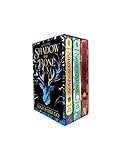
Overview: This boxed set compiles Leigh Bardugo’s complete Grishaverse debut trilogy—Shadow and Bone, Siege and Storm, and Ruin and Rising—into a single, attractive package. Targeted at young adult fantasy enthusiasts, it offers immersive world-building centered on Alina Starkov, a mapmaker who discovers she possesses rare, powerful magic in a war-torn, Russian-inspired realm. The set provides a seamless entry point into the expansive Grishaverse, later expanded by Netflix and companion novels.
What Makes It Stand Out: The trilogy’s strength lies in its richly developed magic system (the Grisha orders), complex political intrigue, and Alina’s compelling journey from obscurity to reluctant savior. Bardugo masterfully blends high-stakes adventure with nuanced character dynamics, particularly the magnetic tension between Alina, Mal, and the enigmatic Darkling. The boxed format enhances collectibility and value, offering a complete narrative arc without cliffhangers inherent in single-volume releases.
Value for Money: Priced competitively for a hardcover or premium paperback trilogy set, it delivers exceptional value compared to purchasing individual editions. Fans gain immediate access to the foundational Grishaverse story, making it ideal for newcomers or collectors. While streaming adaptations exist, the books offer deeper character exploration and lore, justifying the cost for dedicated fantasy readers.
Strengths and Weaknesses:
Strengths: Gripping plot pacing; intricate, original magic system; strong character development; cohesive world-building.
Weaknesses: Pacing lags slightly in Siege and Storm; some romance tropes feel familiar; Ruin and Rising’s conclusion may polarize fans expecting unambiguous resolution.
Bottom Line: An essential, beautifully packaged gateway to the Grishaverse. Highly recommended for YA fantasy fans seeking immersive storytelling and rich lore, offering enduring value through its complete, self-contained trilogy.
2. Alchemised

Overview: Alchemised is a standalone young adult fantasy novel centered on alchemy, transformation, and forbidden power. While specific plot details remain sparse in available features, it positions itself within the popular YA fantasy niche, likely following a protagonist navigating a world where alchemical principles dictate magic, societal structures, or personal identity, often against oppressive forces.
What Makes It Stand Out: The novel distinguishes itself through its focus on alchemy as a core narrative and magical framework—a less saturated theme compared to elemental magic systems. It promises high-stakes personal and societal transformation, potentially exploring ethical dilemmas inherent in wielding transformative power. Its uniqueness hinges on weaving scientific mystique with emotional character growth.
Value for Money: As a single-title paperback, Alchemised offers standard value for the YA genre. Its price point aligns with comparable fantasies, though lacking established series momentum or major awards may make it a riskier pick than bestsellers. Readers seeking fresh takes on magic systems will find it worthwhile; those preferring proven franchises might hesitate.
Strengths and Weaknesses:
Strengths: Intriguing alchemy-focused premise; potential for deep thematic exploration; accessible entry point for fantasy newcomers.
Weaknesses: Limited brand recognition; unproven character depth without reader testimonials; may struggle to stand out in a crowded market without distinctive hooks.
Bottom Line: A promising choice for readers craving alchemy-driven fantasy, but its untested appeal warrants sampling a chapter first. Best suited for those prioritizing thematic novelty over established author pedigrees.
3. One Dark Window (The Shepherd King, 1)

Overview: One Dark Window launches Hannah Whaley’s Shepherd King duology, a gothic fantasy blending Welsh folklore with dark academia elements. The story follows Elowen, a girl whose shadow holds a dangerous secret, thrust into a perilous alliance with the enigmatic Rhen, a hunter of monstrous “Shades.” Set in the eerie kingdom of Cadia, it emphasizes atmospheric tension and psychological stakes.
What Makes It Stand Out: The novel’s standout feature is its visceral, folklore-rooted horror elements paired with a unique magic system where shadows manifest literal monsters. Elowen’s fractured psyche and symbiotic yet volatile relationship with Rhen create compelling emotional complexity. The Welsh mythological backdrop also offers refreshing cultural specificity uncommon in mainstream YA fantasy.
Value for Money: Priced as a standard YA hardcover, it delivers solid value through its dense atmosphere and intricate plotting. As Book 1 of a duology (not an open-ended series), it promises a relatively swift resolution, appealing to readers fatigued by lengthy sagas. Comparable to Caraval in tone but darker, it justifies its cost for gothic fantasy enthusiasts.
Strengths and Weaknesses:
Strengths: Exceptional gothic atmosphere; inventive shadow magic; strong Welsh folklore integration; tightly paced duology structure.
Weaknesses: Initial pacing may feel slow for action-focused readers; complex terminology requires immersion; some tropes familiar to the genre.
Bottom Line: A haunting, beautifully written duology opener that excels in mood and originality. Highly recommended for fans of folk horror and character-driven dark fantasy seeking substance beyond surface-level thrills.
4. Caraval

Overview: Stephanie Garber’s Caraval is a critically acclaimed YA fantasy debut introducing a magical, high-stakes game orchestrated by the mysterious Legend. Sisters Scarlett and Tella Dragna travel to a mythical island where participants compete for a wish, blurring lines between reality and illusion. Central to the plot is Scarlett’s desperate quest to win before her abusive fiancé finds her.
What Makes It Stand Out: Caraval captivates with its lush, theatrical setting—each chapter unfolds like a meticulously designed stage act. The “game within a story” structure creates relentless suspense, while the romance between Scarlett and Julian (Legend’s right-hand man) simmers with forbidden allure. Its immersive sensory details and unpredictable twists redefine magical competition narratives.
Value for Money: As a perennial bestseller often discounted, Caraval offers outstanding value. Its widespread acclaim, standalone-but-series-connected structure, and influence on the genre (spawning imitators) make it a benchmark title. Cheaper than many new releases yet packed with re-readability, it’s a genre essential.
Strengths and Weaknesses:
Strengths: Transportive, cinematic world-building; addictive plot twists; complex sister dynamics; emotionally resonant romance.
Weaknesses: Magic rules occasionally feel arbitrary; secondary characters lack depth; some twists strain credibility for skeptical readers.
Bottom Line: A must-read for YA fantasy fans. Its enchanting execution and thematic depth justify its status as a modern classic, delivering exceptional entertainment value well beyond its price point.
5. Immortal Consequences: A Good Morning America YA Book Club Pick (The Souls of Blackwood Academy)

Overview: Immortal Consequences by K. K. Hendin is the first installment in The Souls of Blackwood Academy series, selected for the prestigious Good Morning America YA Book Club. Set in a supernatural boarding school, it follows a protagonist navigating hidden magical lineages, ancient secrets, and deadly rivalries, blending paranormal romance with mystery.
What Makes It Stand Out: The GMA Book Club endorsement instantly elevates its credibility and accessibility, signaling broad appeal and discussion-worthy themes. The “supernatural academy” setting is revitalized through Hendin’s focus on moral ambiguity—students grapple with inherited curses, not just typical magic classes. This emphasis on consequence-driven storytelling adds emotional weight beyond standard tropes.
Value for Money: Leveraging its GMA spotlight, the paperback offers premium perceived value. The series-first positioning encourages investment in a potentially expansive universe, while the book club association suggests strong community engagement potential. It competes favorably with pricier established series by delivering a complete introductory arc.
Strengths and Weaknesses:
Strengths: Prestigious GMA endorsement; morally complex supernatural premise; strong hooks for series continuation; accessible entry into paranormal YA.
Weaknesses: Academy trope risks feeling overfamiliar; character depth unproven without sequels; niche appeal compared to broader fantasies.
Bottom Line: A smart pick for readers wanting a GMA-vetted, thought-provoking paranormal start to a series. Its thematic depth and club pedigree justify the purchase, especially for fans of Shadow and Bone seeking darker academia vibes.
6. Phantasma (Wicked Games, 1)

Overview:
Phantasma kicks off the Wicked Games series with a plunge into dark fantasy, weaving intricate magic systems and morally ambiguous characters within a high-stakes, immersive world. It sets a foundation for a saga centered on power struggles, hidden identities, and supernatural deceit, appealing to readers craving atmospheric tension and complex relationships.
What Makes It Stand Out:
The novel distinguishes itself through its deeply atmospheric prose and a unique magic system tied to illusions and psychological manipulation. Its morally gray protagonist navigates a treacherous society where every alliance is suspect, offering a refreshing departure from traditional hero tropes. The slow-burn suspense and rich world-building create an addictive, cinematic reading experience.
Value for Money:
Priced competitively for a fantasy debut, Phantasma delivers substantial value through its intricate plot and layered character development. While niche in its dark tone, it offers more depth and originality than many formulaic YA fantasies at similar price points, justifying its cost for genre enthusiasts seeking substance.
Strengths and Weaknesses:
Strengths: Exceptional atmosphere, compelling moral complexity, innovative magic system, strong narrative voice.
Weaknesses: Pacing lags in the middle act, some secondary characters lack depth, and the dense prose may challenge casual readers. The ending, while gripping, leaves several threads unresolved, demanding commitment to the series.
Bottom Line:
A promising, atmospheric debut for dark fantasy fans. Despite minor pacing issues, its unique magic and morally complex world make it a worthwhile investment, especially for readers invested in series-long character arcs and intricate plots.
7. House of Salt and Sorrows (Sisters of the Salt)

Overview:
A haunting gothic retelling of “The Twelve Dancing Princesses,” House of Salt and Sorrows immerses readers in a decaying coastal manor where grief, mystery, and supernatural forces plague a family of eleven sisters after their mother’s death. It masterfully blends eerie folklore with intense familial drama.
What Makes It Stand Out:
Its standout feature is the oppressive, atmospheric setting—a sentient, salt-encrusted mansion that feels like a character itself. The novel excels in weaving maritime folklore with psychological suspense, focusing on sisterly bonds under duress. The slow reveal of the curse and the protagonist’s internal struggle against isolation create profound emotional resonance.
Value for Money:
This standalone novel offers excellent value, providing a complete, emotionally rich narrative without cliffhangers. Its lush prose and intricate mystery justify the price, outperforming many series-dependent fantasy novels by delivering a satisfying arc within one volume, ideal for readers seeking closure.
Strengths and Weaknesses:
Strengths: Stunning gothic atmosphere, deeply emotional sister dynamics, clever folklore integration, strong standalone structure.
Weaknesses: Supernatural elements emerge slowly, potentially testing patience; some sisters’ personalities blur together; the resolution, while poignant, leans heavily on tragedy.
Bottom Line:
A beautifully crafted gothic gem. Its atmospheric depth and emotional weight make it highly recommended for fans of literary horror and fairy-tale retellings, though those preferring fast-paced action may find it deliberate.
8. Gothikana (The Verenmore Volumes)

Overview:
Gothikana launches The Verenmore Volumes, a dark academia series set in a secluded, elite university where ancient secrets, occult studies, and student rivalries collide. It follows a newcomer drawn into a dangerous game of power, magic, and forbidden knowledge within the institution’s shadowy corridors.
What Makes It Stand Out:
The series immediately captivates with its immersive dark academia setting—think ivy-clad libraries hiding grimoires and secret societies. Its unique hook lies in blending classic Gothic tropes with modern academic pressure, emphasizing intellectual rivalry alongside supernatural threats. The protagonist’s outsider perspective heightens the sense of mystery and peril.
Value for Money:
As a debut in a popular subgenre, Gothikana provides strong value through its meticulously crafted world and layered intrigue. It surpasses superficial dark academia offerings with deeper thematic exploration of power and legacy, making the price reasonable for enthusiasts hungry for substantive, atmospheric storytelling.
Strengths and Weaknesses:
Strengths: Evocative setting, intelligent pacing, nuanced protagonist, seamless genre fusion.
Weaknesses: Supporting cast lacks initial distinction; magical rules feel underdeveloped early on; the academic focus may not appeal to readers seeking overt action.
Bottom Line:
A must-read for dark academia devotees. Gothikana’s rich atmosphere and cerebral tension elevate it above genre peers, though patience is required for its slower, scholarly build-up.
9. Grim and Oro: Dueling Crowns Edition (A Lightlark Saga Deluxe Companion Book)

Overview:
This deluxe companion book expands Sarah J. Maas’s Lightlark universe, focusing on the pivotal characters Grim and Oro through exclusive lore, illustrations, and untold scenes. It serves as both a deep dive for existing fans and an aesthetic collector’s item, enriching the main series’ mythology.
What Makes It Stand Out:
Its uniqueness lies in the “dueling crowns” dual-perspective narrative, revealing hidden motivations and backstory gaps from the main saga. Lavish illustrations, handwritten notes, and exclusive maps transform it beyond a standard companion into a tactile, immersive artifact that recontextualizes key plot points.
Value for Money:
Priced higher than typical companions, its value hinges on fan investment in Lightlark. For dedicated readers, the exclusive content and art justify the cost as a premium experience. Casual fans might find it superfluous, but collectors will appreciate its production quality and narrative expansions.
Strengths and Weaknesses:
Strengths: Stunning visuals, essential lore for superfans, clever dual narratives, high-quality physical edition.
Weaknesses: Zero standalone value; inaccessible without main series knowledge; minimal new plot beyond character insights.
Bottom Line:
Indispensable for Lightlark completists seeking deeper lore, but only recommended as a niche purchase after finishing the core series due to its dependent nature.
10. Quicksilver (Fae & Alchemy, 1)

Overview:
Quicksilver launches the Fae & Alchemy series, blending Celtic-inspired fae mythology with historical alchemy in a gritty, pre-industrial world. It follows a resourceful alchemist entangled with dangerous fae courts, where elemental magic and volatile compounds dictate survival.
What Makes It Stand Out:
The novel’s standout element is its meticulous fusion of real-world alchemical principles with fae folklore, creating a magic system grounded in pseudo-science. The protagonist’s pragmatic use of chemistry against supernatural threats offers a fresh, tactical approach rarely seen in fae-centric fantasy, emphasizing intellect over brute force.
Value for Money:
Quicksilver delivers exceptional value through its original magic system and richly researched setting. It outshines generic fae romances by prioritizing plot-driven adventure and scientific ingenuity at a standard fantasy novel price point, appealing broadly to speculative fiction fans.
Strengths and Weaknesses:
Strengths: Innovative alchemy-fae hybrid magic, intelligent protagonist, fast-paced plot, vivid historical texture.
Weaknesses: Fae politics require initial exposition; romantic subplot feels underdeveloped; some scientific terms may confuse non-specialist readers.
Bottom Line:
A brilliantly original debut that reinvigorates fae fantasy. Highly recommended for readers craving clever world-building and action-driven narratives, despite minor pacing hiccups in world exposition.
Understanding the Dark Fantasy Landscape
Defining the Genre’s Core Appeal
Dark fantasy thrives on its deliberate embrace of the unsettling and the morally complex. It’s distinct from high fantasy through its pervasive atmosphere of dread, its focus on flawed or broken protagonists, and its willingness to explore the horrific consequences of power, magic, and ambition. The core appeal lies not in escapism to a brighter world, but in the cathartic exploration of darkness – examining how characters navigate impossible choices, confront inner demons, and survive (or succumb to) worlds designed to grind them down. This genre resonates because it reflects our deepest fears and ethical quandaries in heightened, often supernatural, contexts.
Distinguishing Dark Fantasy from Related Genres
It’s crucial to differentiate dark fantasy from its close cousins. While horror primarily aims to evoke fear and dread, dark fantasy uses fantastical elements as the foundation for its narrative, with horror serving the story rather than being the sole objective. Grimdark, often considered a subgenre, typically emphasizes extreme nihilism, graphic violence, and the near-total absence of traditional heroism. Dark fantasy, however, can still contain glimmers of hope, redemption, or beauty amidst the grimness, even if they are fleeting or hard-won. Understanding these nuances helps set accurate expectations.
The Spectrum of Darkness and Tone
Dark fantasy isn’t monolithic; it exists on a wide spectrum. Some works lean towards gothic melancholy, focusing on atmosphere, decay, and psychological depth with restrained violence. Others plunge headfirst into visceral, unrelenting brutality where survival is the only victory. Tone is equally vital – is the narrative cynical and world-weary, tragic and poetic, or driven by a desperate, almost feral, will to endure? Recognizing where a book sits on this spectrum of darkness and tone is essential for finding a match for your current mood and tolerance.
Essential Elements That Define Quality Dark Fantasy
Worldbuilding: Crafting Believable, Oppressive Realms
The setting in dark fantasy is rarely just a backdrop; it’s an active, often antagonistic, force. Effective worldbuilding creates environments that feel authentically lived-in, steeped in history, suffering, and tangible decay. Think crumbling cities built on forgotten bones, forests that whisper madness, or societies where magic itself is a corrupting blight. The best worlds generate a profound sense of place that permeates every scene, making the darkness feel earned and inevitable, not just decorative. Atmosphere is king here.
Character Complexity: Beyond Heroes and Villains
Forget paragons of virtue. Dark fantasy shines when characters are deeply flawed, driven by questionable motives, and shaped by trauma. Protagonists might be anti-heroes, reluctant participants, or even villains seeking something resembling redemption. Villains often possess understandable, if twisted, motivations. The most compelling narratives explore the gray areas – characters making terrible choices for understandable reasons, grappling with internal corruption, or struggling to retain scraps of humanity in an inhuman world. Moral ambiguity is the lifeblood of character development here.
Pacing and Narrative Tension
The pacing in dark fantasy often leans towards deliberate, allowing dread to build slowly and the weight of the world to settle on the reader. However, it must be balanced with moments of intense, visceral action or psychological breakthrough to prevent stagnation. Sustained tension is paramount – whether through constant physical peril, the slow burn of psychological unraveling, or the looming threat of an inevitable, catastrophic choice. The narrative should feel like walking a knife’s edge, where respite is temporary and danger is always just around the corner.
Key Features to Evaluate Before You Dive In
Assessing Your Personal Threshold for Grittiness
Be honest with yourself: how much darkness can you comfortably handle? Consider your tolerance for graphic violence, sexual content, psychological trauma, and overall bleakness. Some readers thrive on unflinching depictions of brutality and despair, while others prefer a focus on atmospheric dread and moral complexity with less explicit detail. Knowing your limits ensures the book enhances your experience rather than causing discomfort or burnout. Don’t feel pressured to enjoy the “darkest” works if they aren’t your fit.
Identifying Preferred Types of Moral Ambiguity
Not all moral grayness is created equal. Do you prefer stories where characters wrestle with difficult choices within a somewhat stable (but corrupt) societal structure? Or are you drawn to settings where all societal norms have utterly collapsed, forcing characters to define right and wrong in the moment for pure survival? Perhaps you’re fascinated by internal moral conflicts, like characters battling their own inherent darkness or the corrupting influence of power. Pinpointing your preference helps narrow your search significantly.
Evaluating the Role of Hope and Redemption
Does the potential for hope, however faint, matter to you? Some dark fantasy offers glimmers of light, moments of connection, or hard-earned, partial redemption that make the darkness bearable. Others present a relentlessly nihilistic view where any hope is ultimately crushed or revealed as illusion. Neither is inherently better, but knowing whether you need that spark of possibility or are prepared for utter desolation is critical for satisfaction. Consider if redemption arcs feel earned or like unwarranted concessions in the narrative.
The Craft: How Prose and Style Shape the Experience
The Power of Atmospheric Prose
In dark fantasy, the writing style is the atmosphere. Rich, evocative prose that paints vivid pictures of decay, isolation, and menace is non-negotiable for many readers. Look for authors who master sensory details – the smell of damp stone and blood, the oppressive weight of silence, the unsettling beauty of a corrupted landscape. The prose should feel textured and immersive, making the reader feel the chill of the setting and the psychological weight of the characters’ struggles, rather than just describing them.
Balancing Descriptive Depth with Narrative Momentum
While atmosphere is vital, excessive description can stall the plot. The best dark fantasy finds a delicate equilibrium. Detailed worldbuilding and psychological insight should enhance, not obstruct, the forward motion of the story. Look for narratives where even the most descriptive passages serve multiple purposes: establishing mood, revealing character, foreshadowing events, or deepening thematic resonance. The prose should pull you deeper into the world while still propelling you towards the next critical moment.
Voice and Perspective: Finding the Right Lens
The narrative perspective significantly impacts your immersion. A first-person account can offer intense psychological intimacy with a deeply flawed protagonist, making their descent or struggle viscerally real. Third-person limited allows for broader world exploration while maintaining deep character connection. Omniscient perspectives, rarer but powerful, can emphasize the vast, uncaring nature of the dark world. Consider which voice best conveys the specific kind of darkness and character study you seek – a claustrophobic internal monologue or a wider, more detached view of societal collapse.
Practical Considerations for Choosing Your Next Read
Navigating Series Commitments vs. Standalone Stories
Dark fantasy often unfolds across sprawling series, allowing for intricate world development and long character arcs. However, committing to multiple volumes requires significant time investment, especially given the genre’s often dense prose and heavy themes. Standalone novels offer a complete, self-contained dark journey – a powerful, intense experience without the wait for sequels. Assess your current reading bandwidth and desire for resolution. Are you ready to invest years in a saga, or do you crave a potent, singular dose of darkness?
Understanding Content Warnings and Triggers
Given the genre’s thematic intensity, proactively seeking out content warnings is a responsible and considerate practice, both for yourself and others. Reputable book communities, reviewer sites, and sometimes publisher blurbs provide information on depictions of extreme violence, sexual assault, self-harm, or other potentially triggering content. Don’t dismiss this step as unnecessary; it’s about respecting your own emotional well-being and ensuring the darkness you engage with is the kind you actively choose to confront.
Leveraging Reliable Review Sources Wisely
Finding trustworthy reviews is key. Seek out reviewers whose tastes and tolerance for darkness align with yours. Look beyond star ratings; delve into why a reviewer loved or hated a book. Did they praise the complex moral dilemmas you crave, or were they put off by the very bleakness you seek? Focus on reviews that discuss specific elements like character depth, pacing, atmosphere, and the type of darkness employed, rather than just general plot summaries. Community forums dedicated to dark fantasy or grimdark can be goldmines for nuanced opinions.
Deepening Your Engagement with the Genre
Exploring Subgenres and Thematic Niches
Dark fantasy is incredibly diverse. Dive into specific niches that intrigue you: gothic fantasy with its haunted mansions and tragic romance; cosmic horror-infused fantasy where humanity is insignificant against vast, uncaring entities; historical dark fantasy reimagining real-world periods with supernatural dread; or folk horror blending ancient rural superstitions with visceral terror. Identifying a preferred subgenre or recurring theme (e.g., body horror, religious corruption, post-apocalyptic magic) can lead you to highly tailored recommendations.
The Role of Magic Systems in Deepening Darkness
How magic functions can profoundly shape the darkness. Is it a rare, dangerous force wielded at great personal cost? A pervasive, corrupting energy that poisons the land and its users? Or perhaps a tool of oppression controlled by a tyrannical elite? Magic systems that are inherently costly, morally compromising, or intrinsically linked to suffering amplify the genre’s core tensions. Analyze how the rules (or lack thereof) of magic contribute to the world’s peril and the characters’ desperate struggles.
Analyzing Thematic Resonance Beyond Surface-Level Grimness
Look beyond the gore and despair. What enduring themes does the work explore? Is it a meditation on the cyclical nature of violence, the fragility of civilization, the cost of ambition, the struggle for identity in a broken world, or the nature of evil itself? The most impactful dark fantasy uses its grim setting as a crucible to examine profound human (and inhuman) questions. Identifying these deeper themes helps you connect with the work on a more intellectual and emotional level, transforming visceral horror into meaningful storytelling.
Frequently Asked Questions
Frequently Asked Questions
What’s the main difference between dark fantasy and horror?
Dark fantasy uses fantastical elements as the core foundation of its narrative, integrating horror to enhance the story and explore themes within a supernatural context. Horror primarily aims to evoke fear and dread as its main objective, often within a more realistic or purely supernatural framework without the same emphasis on worldbuilding typical of fantasy.
Can dark fantasy have hopeful elements, or is it always bleak?
Absolutely, it can contain hope. While steeped in darkness, many acclaimed dark fantasy works include glimmers of hope, moments of beauty, or hard-earned redemption. The key is that hope is usually fragile, hard-won, and never guaranteed, existing within the oppressive atmosphere rather than negating it. Pure, unrelenting nihilism defines grimdark more than the broader dark fantasy category.
How do I know if a book is too dark for my current mood?
Honestly assess your tolerance for graphic content (violence, trauma) and overall tone. Check reputable review sites or content warning databases before starting. If reviews consistently mention extreme despair, nihilism, or specific triggers you wish to avoid, it might not be the right fit. Trust your instincts – it’s okay to step away from a book that feels too heavy.
Are there dark fantasy books focused more on psychological tension than gore?
Yes, many prioritize psychological depth and atmospheric dread over explicit violence. These often feature gothic elements, unreliable narrators, and intense explorations of mental states, fear, and moral ambiguity. Look for terms like “gothic fantasy,” “psychological horror,” or “atmospheric” in descriptions and reviews.
Why is moral ambiguity so central to dark fantasy?
Moral ambiguity forces readers to confront complex ethical dilemmas without easy answers, mirroring real-world complexities in an intensified setting. It challenges simplistic notions of good and evil, making characters more relatable and their struggles more profound, which is core to the genre’s exploration of human nature under duress.
How important is worldbuilding compared to character development?
Both are crucial, but their balance varies. Exceptional dark fantasy integrates them seamlessly: the world shapes the characters and their choices, while characters reveal the world’s depths and horrors. Weak worldbuilding makes the darkness feel arbitrary; weak character development makes the peril feel unearned. Look for stories where both elements feel deeply interconnected.
What if I enjoy dark themes but find some books too slow-paced?
Seek out works emphasizing narrative momentum alongside atmosphere. Look for keywords like “fast-paced,” “plot-driven,” or “relentless tension” in reviews. Some authors master a quicker pace through tight prose, high stakes, and constant escalation of conflict, ensuring the darkness propels the story forward rather than slowing it down.
Can dark fantasy incorporate humor, or does it ruin the tone?
Yes, carefully deployed dark humor or moments of levity can actually enhance the darkness by providing contrast and making characters feel more human. However, it must feel organic to the world and characters – forced or overly frequent humor can undermine the intended atmosphere. Look for reviews noting “wry humor” or “moments of levity” that fit the tone.
How do I find dark fantasy that avoids problematic tropes?
Research is key. Seek out reviews from diverse readers, particularly those who focus on representation and sensitivity. Look for authors known for thoughtful handling of complex themes. Pay attention to how marginalized characters are portrayed – are they fully realized individuals or harmful stereotypes? Community discussions can highlight potential issues.
Is dark fantasy suitable for all readers, or is it inherently for mature audiences?
Dark fantasy is generally intended for mature audiences due to its frequent exploration of complex, disturbing themes, violence, and psychological depth. It’s not inherently unsuitable for younger readers, but its content demands emotional maturity to process the heavy themes and potential triggers. Always check age recommendations and content warnings.