In today’s hyper-connected yet fragmented world, a single, powerful photograph can cut through the noise of endless digital feeds and make a distant global crisis feel urgently personal. Documentary photography books offer more than just images; they provide curated journeys into the heart of complex social, environmental, and political realities, transforming abstract headlines into tangible human experiences. As we navigate the intricate landscape of 2026, where information overload is constant but genuine understanding feels increasingly scarce, these visual narratives become indispensable tools for empathy and awareness, inviting us to see the world through perspectives vastly different from our own.
Choosing the right documentary photography book isn’t just about finding aesthetically pleasing images; it’s about selecting a gateway to deeper comprehension of the forces shaping our planet. With issues like climate displacement, technological disruption, and evolving social justice movements demanding nuanced attention, the photographs we engage with matter profoundly. This guide cuts through the clutter, focusing not on fleeting rankings but on the enduring qualities that make a documentary photography book truly transformative for understanding the pressing global challenges of our time. It’s about empowering you to become a discerning, thoughtful consumer of visual truth in an era where it’s needed most.
Top 10 Documentary Photography Books
Detailed Product Reviews
1. Documentary Photography Reconsidered: History, Theory and Practice

Overview: This scholarly work by Mark Durden offers a critical re-examination of documentary photography’s complex evolution, moving beyond simplistic notions of objective truth to explore its contested histories, ethical dilemmas, and shifting theoretical frameworks within visual culture. What Makes It Stand Out: Its profound strength lies in dismantling traditional narratives, rigorously analyzing pivotal moments and figures while integrating contemporary discourse on representation, power dynamics, and the photographer’s role. It successfully bridges historical context with vital modern critiques often missing in introductory texts. Value for Money: Priced competitively for an academic monograph, it delivers exceptional depth for students, academics, and serious practitioners seeking a nuanced understanding beyond surface-level technique. While denser than practical guides, its intellectual value far outweighs its cost for the target audience. Strengths and Weaknesses: Strengths: Exceptional critical analysis, thorough historical research, essential for understanding documentary’s ethical complexities. Weaknesses: Academic prose may deter casual readers; minimal focus on practical execution; assumes prior foundational knowledge. Bottom Line: An indispensable, thought-provoking resource for deepening one’s theoretical grasp of documentary photography. Highly recommended for educators, scholars, and committed photographers seeking critical engagement, though less suited for beginners wanting hands-on advice.
2. Making Documentary Photography

Overview: This practical guide focuses squarely on the process of creating meaningful documentary work, emphasizing project development, ethical engagement, storytelling structure, and the crucial relationship between photographer and subject in the field. What Makes It Stand Out: It excels in translating theoretical concepts into actionable methodology, providing clear frameworks for conceptualizing projects, conducting sensitive fieldwork, building trust, and crafting coherent visual narratives – aspects often glossed over in purely historical or technical books. Value for Money: Offers tremendous practical utility at a reasonable price point. Its step-by-step guidance on project conception, execution, and editing provides concrete value far exceeding basic camera manuals, making it a smart investment for photographers transitioning from snapshots to serious documentary work. Strengths and Weaknesses: Strengths: Highly practical, strong emphasis on ethics and process, excellent project development tools, accessible writing. Weaknesses: Less emphasis on deep historical context compared to theoretical texts; assumes basic camera proficiency; limited discussion of digital workflow specifics. Bottom Line: A vital, hands-on manual for aspiring documentary photographers. It effectively bridges the gap between intention and execution, making it a top recommendation for those ready to move beyond technique and create purposeful, ethical documentary projects.
3. Body: The Photography Book

Overview: Curated by renowned photographer Nick Knight, this visually stunning anthology explores the human form across centuries and genres, featuring iconic and contemporary images that challenge conventions of beauty, identity, and representation through the lens. What Makes It Stand Out: Its sheer visual power and diverse curation are unmatched. Moving beyond mere nudes, it juxtaposes fashion, art, medical, and vernacular photography to present a multifaceted, often provocative dialogue about the body’s cultural, political, and aesthetic significance in photographic history. Value for Money: As a large-format, high-quality coffee table book filled with masterworks, its price reflects production value and exclusive imagery. It offers significant inspirational and educational value for artists, designers, and photography enthusiasts seeking visual reference and conceptual stimulation. Strengths and Weaknesses: Strengths: Breathtaking visuals, exceptional diversity of perspectives, strong thematic curation, high production quality. Weaknesses: Limited textual analysis (focus is visual), not a technical or instructional guide, price may be steep for those seeking only practical advice. Bottom Line: An essential visual reference and source of profound inspiration for anyone interested in the human form within photography. Highly recommended for its artistic merit and curation, though strictly a visual journey rather than a how-to manual.
4. Visually Speaking: Mastering Photography as a Visual Language

Overview: This book delves into the fundamental principles of visual communication specific to photography, teaching readers to consciously compose images, understand visual grammar, and harness elements like line, shape, color, and light to convey meaning effectively. What Makes It Stand Out: It uniquely positions photography as a structured language, systematically breaking down compositional techniques and design principles often taught anecdotally. It emphasizes why certain arrangements work, fostering intentional creation over accidental snapshots. Value for Money: Provides exceptional foundational knowledge crucial for improving image-making, justifying its cost for photographers at any level. Its focus on universal visual principles offers enduring value compared to rapidly outdated technical manuals, making it a long-term educational asset. Strengths and Weaknesses: Strengths: Clear explanation of visual principles, strong emphasis on intentionality, universally applicable concepts, improves critical viewing skills. Weaknesses: Less focus on specific camera settings or digital editing; examples may feel dated to some; requires active application to see results. Bottom Line: A cornerstone text for developing a photographer’s eye and compositional intelligence. Highly recommended for beginners seeking foundational understanding and intermediates aiming to move beyond technical proficiency to intentional visual storytelling.
5. The Traveling Photographer’s Manifesto: A Guide to Connecting with People and Place

Overview: This reflective guide transcends typical travel photography tips, advocating for a mindful, respectful, and deeply human approach to photographing cultures and landscapes, emphasizing connection, presence, and ethical engagement over mere sightseeing snapshots. What Makes It Stand Out: Its core philosophy prioritizes the photographer’s internal journey and relationship with subjects over technical perfection or exoticism. It champions empathy, cultural sensitivity, and finding meaning in the ordinary, offering a counterpoint to superficial “bucket list” travel imagery. Value for Money: Priced accessibly, it delivers unique philosophical and practical wisdom focused on the ethos of travel photography. Its value lies in shifting perspective, making it worthwhile for photographers seeking more authentic, meaningful work, even if it lacks gear-centric advice. Strengths and Weaknesses: Strengths: Profound ethical focus, encourages mindful practice, strong on cultural respect, inspiring narrative. Weaknesses: Minimal technical instruction; not a location guide; approach may feel too abstract for photographers solely seeking iconic shots. Bottom Line: A transformative read for photographers aiming to create respectful, authentic travel imagery. Highly recommended for those prioritizing human connection and ethical practice over checklist tourism, though not a substitute for technical or location-specific guides.
6. Bending the Frame: Photojournalism, Documentary, and the Citizen
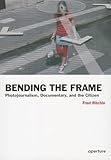
Overview: This critical text examines the evolving relationship between photojournalism, documentary practice, and the active citizen in the digital age. It dissects how power structures influence image-making and consumption, moving beyond technical skill to explore profound ethical and political dimensions inherent in capturing reality. What Makes It Stand Out: Its strength lies in shifting the focus from how to photograph to why and for whom. The book rigorously challenges traditional documentary paradigms, emphasizing citizen agency and the impact of new media technologies on truth-telling, offering a vital, contemporary theoretical framework often missing in practical guides. Value for Money: As a dense academic work, its value is intellectual rather than utilitarian. Priced comparably to scholarly texts, it offers exceptional depth for students, academics, and critical practitioners seeking to understand documentary’s role in society, though casual photographers may find it less accessible. Strengths and Weaknesses: Strengths: Deeply insightful analysis, essential critical perspective, timely exploration of ethics and power. Weaknesses: Academic tone may alienate beginners, limited practical photography advice, requires prior interest in theory. Bottom Line: Highly recommended for photography students, educators, and critical thinkers seeking a rigorous, modern examination of documentary ethics and the photographer’s societal role; less suited for those wanting technical instruction.
7. Street Photography Workshop

Overview: This practical guide functions as an immersive workshop, designed to cultivate the mindset and techniques essential for compelling street photography. It moves beyond gear obsession, focusing on developing observation skills, overcoming fear, understanding light and composition in dynamic urban environments, and ethically engaging with public spaces. What Makes It Stand Out: Its workshop format provides structured, actionable exercises and real-world assignments, encouraging immediate application. Emphasis on the psychological aspects—dealing with rejection, finding confidence—and ethical interaction differentiates it from purely technical manuals, fostering a distinct street photography philosophy. Value for Money: Excellent value for beginners and intermediates. The practical exercises and mindset coaching offered typically cost significantly more in an actual workshop. It provides crucial foundational knowledge and confidence-building strategies often overlooked in pricier gear-centric publications. Strengths and Weaknesses: Strengths: Highly practical exercises, strong focus on overcoming psychological barriers, clear ethical guidance, builds confidence. Weaknesses: Less depth on advanced editing techniques, minimal gear discussion (intentional but noted), assumes access to urban settings. Bottom Line: A top recommendation for anyone starting out or struggling to progress in street photography; delivers exceptional practical value and mindset tools crucial for authentic work in the genre.
8. Documentary Photography

Overview: This foundational text explores the history, theory, and practice of documentary photography, examining its power to inform, persuade, and bear witness. As a used copy in good condition, it offers core knowledge on the genre’s evolution, key practitioners, and enduring ethical debates surrounding representation and truth. What Makes It Stand Out: Its historical perspective provides crucial context for understanding modern documentary practice. The book effectively bridges classic works (like those of FSA photographers) with contemporary approaches, highlighting the genre’s persistent challenges and societal relevance despite technological shifts. Value for Money: Outstanding value as a used book. Acquiring this essential knowledge at a fraction of the new price makes it highly accessible. While physical condition is “good” (expect minor wear), the core informational value on documentary’s history and ethics remains fully intact and highly relevant. Strengths and Weaknesses: Strengths: Comprehensive historical overview, clear explanation of core ethical dilemmas, essential reading for understanding the genre’s roots. Weaknesses: As a used copy, potential for minor shelf wear/highlighting; newer editions may cover very recent digital trends; can feel academic. Bottom Line: A highly recommended, cost-effective acquisition for students and enthusiasts seeking a solid grounding in documentary photography’s rich history and fundamental principles; the used condition offers significant savings without compromising core content.
9. Paul Strand: Aperture Masters of Photography

Overview: Part of Aperture’s esteemed Masters series, this monograph offers a focused study of Paul Strand, a pivotal figure in 20th-century photography. It showcases his revolutionary shift from Pictorialism to straight photography, highlighting his profound influence on modernist aesthetics and documentary practice through iconic images and critical analysis. What Makes It Stand Out: Aperture’s series is renowned for high-quality reproductions and insightful commentary. This volume excels in presenting Strand’s diverse body of work—from sharp urban abstractions to empathetic portraits—with authority, contextualizing his technical innovations and lasting impact on photographic vision. Value for Money: Excellent value for photography enthusiasts and students. Aperture books command respect for quality; this volume provides access to Strand’s seminal work and expert critique at a reasonable price point compared to larger, more specialized monographs or museum publications. Strengths and Weaknesses: Strengths: Superb image reproductions, authoritative critical text, concise yet comprehensive overview of Strand’s key contributions, durable Aperture quality. Weaknesses: Relatively brief due to series format, may not satisfy deep scholars seeking exhaustive cataloging, limited discussion of Strand’s films. Bottom Line: A must-have for anyone studying modern photography; this beautifully produced volume delivers exceptional insight into Strand’s groundbreaking work and legacy at a very fair price.
10. Observations: Essays on Documentary Photography

Overview: This collection presents critical essays exploring the complexities, ethics, and evolving nature of documentary photography. As a used book in good condition, it offers enduring reflections on the genre’s power, pitfalls, and responsibilities from established thinkers, examining the relationship between photographer, subject, and audience. What Makes It Stand Out: The essay format allows for deep dives into specific philosophical and practical dilemmas within documentary practice. It provides diverse perspectives on truth, representation, and the photographer’s moral obligations, offering timeless insights that remain acutely relevant despite changing technologies. Value for Money: Exceptional value as a used copy. Acquiring these critical essays—often foundational reading for documentary courses—at a discounted price makes essential theoretical knowledge highly accessible. The “good condition” ensures readability without significant flaws impacting the text. Strengths and Weaknesses: Strengths: Profound critical perspectives, essential reading for understanding documentary ethics, timeless relevance of core arguments. Weaknesses: As a used book, potential for minor wear; essays may lack concrete technical advice; some viewpoints reflect their era. Bottom Line: Highly recommended for students, practitioners, and critics; this affordable used copy provides indispensable, thought-provoking essays that are fundamental to any serious engagement with documentary photography’s purpose and challenges.
Why Documentary Photography Books Matter for Global Understanding
The Unique Power of the Photobook Format
Unlike fleeting social media posts or isolated news images, a well-crafted documentary photography book offers a sustained, immersive narrative. The physical (or carefully designed digital) format allows for deliberate sequencing, thoughtful pacing, and the integration of essential context – text, captions, essays – that transforms individual photographs into a cohesive, resonant story. This depth is crucial for grappling with multifaceted global issues that resist simple explanations.
Moving Beyond Headlines to Human Connection
News cycles often reduce complex situations to statistics or sensational moments. Documentary photography books counter this by focusing on the human element, revealing the dignity, resilience, and daily realities of individuals caught within larger systemic forces. This fosters a deeper emotional and intellectual connection, moving readers from passive observers to engaged participants in global discourse.
Preserving Visual Histories for Future Reflection
These books serve as vital historical documents, capturing specific moments, places, and struggles with authenticity. They become archives of our time, allowing future generations to understand the nuances of 2026’s global landscape – the conflicts, the hopes, the environmental shifts – in a way that raw data alone cannot convey. They are tangible records of human experience amidst change.
Essential Features to Evaluate in Documentary Photography Books
Authenticity and Ethical Representation
Scrutinize the photographer’s relationship with their subjects and the community depicted. Does the work avoid exploitative tropes? Is there evidence of informed consent and respectful collaboration? Look for transparency about the photographer’s positionality and potential biases. Ethical representation is non-negotiable for genuine understanding.
Depth of Contextual Information
A powerful book provides more than just pictures. Assess the quality and depth of supporting text: insightful captions, informative essays by experts or the photographer, relevant statistics, and clear timelines. This context bridges the gap between the visual and the complex socio-political or environmental realities, preventing misinterpretation.
Visual Storytelling Cohesion and Technique
Evaluate how the images work together. Does the sequencing create a compelling narrative arc? Are the photographic techniques (composition, lighting, editing style) serving the story effectively, enhancing the message rather than distracting from it? Strong visual storytelling guides the reader through the issue with purpose.
Matching Books to Your Learning Goals and Interests
Identifying Your Core Areas of Curiosity
Before searching, reflect: Are you drawn to environmental justice, migration narratives, urban transformation, cultural preservation, or technological impacts? Clarifying your specific interest area helps narrow the vast field of documentary work and ensures the book resonates deeply with your desire to learn.
Considering Your Current Knowledge Level
Be honest about where you stand. Are you new to the topic, needing foundational context, or seeking a more advanced, nuanced analysis? Some books excel as accessible introductions, while others delve into complex theoretical frameworks. Choosing a book aligned with your level prevents overwhelm or boredom.
Assessing Your Preferred Engagement Style
Do you absorb information best through dense textual analysis, minimal captions allowing pure visual interpretation, or a blend of both? Consider the book’s balance of image and text, its design aesthetic (minimalist, archival, experimental), and its overall pacing. Your preferred way of engaging with content significantly impacts the learning experience.
Navigating Production Quality and Accessibility
The Importance of Print Fidelity and Design
For physical books, print quality is paramount. High-resolution reproductions on appropriate paper stock are essential to do justice to the original photographs, preserving subtle tonal ranges and details critical to the narrative. Pay attention to book design – layout, sequencing, and typography should enhance, not hinder, the visual flow.
Evaluating Digital and Multimedia Offerings
Digital editions and online platforms offer unique possibilities: embedded audio, video, or interactive elements can deepen context. However, assess the platform’s user experience, image resolution, and longevity. Is the digital format a thoughtful extension of the project, or a mere afterthought? Consider accessibility features like screen reader compatibility.
Considering Accessibility and Cost Factors
Acknowledge that high-quality photobooks can be expensive. Research library availability, publisher pricing tiers (standard vs. special editions), and potential digital alternatives. Also, consider physical accessibility – book size, weight, and binding – especially if mobility or storage is a concern. Sustainable production practices (recycled materials, ethical printing) may also be a factor for some readers.
Understanding the Photographer’s Role and Perspective
Recognizing the Photographer as Interpreter, Not Neutral Observer
Every photographer brings their own background, biases, and choices to a project. A strong book often acknowledges this subjectivity, perhaps through reflective essays. Look for transparency about how the story was made – the access granted, the time spent, the decisions in editing – which builds trust and critical engagement.
Assessing Long-Term Commitment Versus Embedded Projects
Consider the depth of the photographer’s engagement. Was the project the result of weeks, months, or years spent deeply embedded within a community? Long-term commitment often yields more authentic, layered narratives compared to brief, fly-in-fly-out approaches, though impactful short-term work exists when executed with extreme care.
Evaluating Collaboration and Community Voice
Does the project incorporate voices from the community being documented? Are subjects portrayed as active agents in their own stories, or passive objects of the lens? Look for evidence of collaboration in the storytelling process, such as co-authorship, community review, or platforms for subjects to share their own perspectives alongside the photographs.
Building a Meaningful and Evolving Collection
Starting with Foundational Themes
Begin your collection by focusing on one or two core global issues that resonate most strongly with you. Acquiring a few deeply researched, high-quality books on a specific theme (e.g., water scarcity, refugee experiences) provides a richer foundation than many superficial glances at diverse topics. Depth builds understanding.
Prioritizing Curatorial Quality Over Quantity
Resist the urge to collect indiscriminately. Focus on books published by respected presses known for rigorous editorial standards and ethical practices in documentary work. A smaller collection of meticulously curated, context-rich books will be far more valuable for sustained learning than a large shelf of hastily produced titles.
Creating Space for Critical Reflection
Owning the book is just the start. Integrate time for reflection: journal your responses, discuss the work with others, research related news or academic perspectives. How did the book challenge your assumptions? What questions does it leave unanswered? Active engagement transforms passive consumption into genuine understanding.
Adapting to the Evolving Documentary Landscape of 2026
Acknowledging New Frontiers in Visual Storytelling
The documentary field constantly evolves. Be aware of how contemporary projects might integrate new technologies thoughtfully (e.g., drone imagery for environmental scale, careful use of AI in archival restoration with clear disclosure), while always prioritizing ethical storytelling over technological novelty.
Understanding Contemporary Ethical Debates
Stay informed about current ethical discussions within documentary practice, such as the representation of trauma, the impact of digital distribution on vulnerable communities, or the responsibilities of photographers working in conflict zones. A book that engages with these contemporary debates often demonstrates greater critical awareness.
Considering the Book’s Relevance to Current Discourse
While classic works remain vital, consider how a book published in or relevant to 2026 addresses the specific nuances of today’s global challenges. Does it tackle emerging issues like the societal impacts of advanced AI, the latest climate migration patterns, or shifts in geopolitical power structures in a fresh, informed way?
Frequently Asked Questions
What makes a documentary photography book different from a general photography book?
Documentary photography books prioritize storytelling and bearing witness to real-world events, people, and social conditions, often with explicit intent to inform, provoke thought, or inspire change. They emphasize context, authenticity, and ethical representation of specific realities, whereas general photography books might focus purely on aesthetics, technique, or personal artistic expression without a documentary purpose.
How can I verify if a photographer has ethical practices?
Look for transparency: Does the book or publisher’s website detail the photographer’s relationship with subjects, duration of the project, and community involvement? Check for statements on consent and collaboration. Research the photographer’s reputation through industry publications or ethical guidelines from organizations like the National Press Photographers Association (NPPA). Be wary of projects lacking this transparency.
Are older documentary photography books still relevant for understanding current issues?
Absolutely. Foundational works provide crucial historical context and showcase enduring human experiences. However, pair them with contemporary works to understand how issues have evolved. An older book might show the roots of a conflict, while a newer one illustrates its current manifestations. Both perspectives are valuable for a comprehensive understanding.
Should I prioritize books with a lot of text or mostly images?
This depends entirely on your learning style and the specific issue. Complex geopolitical or environmental topics often benefit significantly from substantial textual context (essays, detailed captions). More visceral or culturally specific narratives might rely more heavily on powerful imagery with minimal text. Consider what helps you grasp the depth of the subject matter best.
How important is the publisher when choosing a documentary photobook?
Extremely important. Reputable publishers specializing in documentary work (often independent or non-profit presses) typically have rigorous editorial standards, prioritize ethical practices, invest in high-quality production, and provide essential context. They act as curators, filtering for projects with depth and integrity, which is invaluable in a crowded market.
Can digital versions of photobooks be as effective as physical copies?
They can be effective, especially with well-designed platforms offering high-resolution images and integrated multimedia. However, physical books often provide a superior, uninterrupted, tactile experience crucial for deep engagement with the sequence and flow of images. Digital formats excel for accessibility and supplementary materials but may lack the immersive focus of print for pure visual storytelling.
What red flags should I watch for in a documentary photography book?
Major red flags include: lack of context or captions, exoticization or stereotyping of subjects, no information about the photographer’s access or relationship with the community, images of extreme trauma without clear purpose or subject consent, overly sensationalist presentation, and publishers with no track record in ethical documentary work. Trust your critical judgment.
How do I know if a book offers a balanced perspective on a complex issue?
No single book can offer the complete perspective. Look for books that acknowledge complexity, present multiple viewpoints where possible (e.g., through diverse subject voices or critical essays), avoid simplistic narratives, and transparently state the project’s limitations and the photographer’s own positionality. Balance comes from nuance, not false equivalence.
Is it okay to read a book about a place I’ve never visited or a culture I don’t know?
Yes, this is a primary purpose of documentary photography – to foster understanding across boundaries. However, approach it with humility and awareness of your own potential biases. Use the book as a starting point for learning, not the final word. Be mindful not to assume the book represents the entire experience of that place or culture, and seek out diverse sources for a fuller picture.
How can I support ethical documentary photography beyond buying books?
Engage critically with the work: discuss it thoughtfully, share it responsibly (crediting photographers and subjects), support non-profit organizations funding ethical projects, attend exhibitions, and advocate for media literacy that emphasizes the importance of context and ethical storytelling in visual journalism. Your informed engagement sustains the field.