Dragons have captivated readers for centuries, weaving their fiery presence through myths, legends, and now, the vibrant world of modern fantasy literature. For someone stepping into the genre for the first time, the sheer scale of options can feel as daunting as facing a dragon itself. Where do you even begin? The good news is that dragon fantasy offers remarkably diverse entry points, far beyond the simple image of a treasure-hoarding beast. Whether you crave intricate political maneuvering alongside scaled allies, intimate character studies where dragons shape destinies, or fast-paced adventures where fire and flight are central to the plot, there’s a perfect starting point waiting. This isn’t about finding the single “best” book; it’s about discovering the right kind of dragon story that resonates with your unique reading preferences and comfort level.
Navigating the vast landscape of dragon-centric tales requires understanding what makes a book truly welcoming for a newcomer. It’s less about the size of the dragon and more about the accessibility of the world, the relatability of the characters, and the pacing that draws you in without overwhelming you. Forget dense, impenetrable lore dumps or excessively complex magic systems right out the gate. The most inviting dragon fantasies often use the creature as a compelling lens to explore universal themes – courage, loyalty, the struggle between nature and civilization, or the weight of legacy – making the fantastical feel surprisingly grounded. This guide cuts through the hype, focusing on the essential features and considerations that transform an intimidating genre into your next beloved reading adventure. Let’s demystify the path to finding your perfect dragon companion on the page.
Top 10 Dragon Fantasy Books
Detailed Product Reviews
1. Fourth Wing

Overview: Rebecca Yarros’s Fourth Wing is the explosive first entry in the Empyrean series, plunging readers into the brutal, high-stakes world of Basgiath War College. This romantasy phenomenon follows Violet Sorrengail, a physically unassuming recruit forced by her military commander mother into a deadly dragon-riding academy where attrition is the norm and alliances are fleeting. What Makes It Stand Out: The novel’s relentless pace and morally grey characters create an intensely addictive read. Violet’s sharp intellect and vulnerability contrast powerfully with the brooding, dangerous Xaden Riorson. The unique blend of military academy rigor, dragon bonding, political intrigue, and slow-burn romance within a vividly harsh fantasy setting sets it apart from typical YA fare. Value for Money: Priced competitively for a mass-market fantasy novel, its page-turning intensity offers exceptional entertainment value. The sheer momentum ensures readers feel they get significant bang for their buck, easily justifying the cost compared to slower-paced alternatives in the genre. Strengths and Weaknesses: Strengths: Unputdownable pacing, compelling central romance with undeniable chemistry, immersive world-building, strong female lead. Weaknesses: Some world-building elements feel underdeveloped initially, secondary characters can lack depth, and the constant high tension may overwhelm readers seeking subtlety. Bottom Line: A must-read for romantasy fans seeking adrenaline-fueled action and sizzling tension; its flaws are overshadowed by its sheer narrative drive and addictive quality.
2. The Bloodsworn Saga Boxed Set: The Shadow of the Gods, The Hunger of the Gods, The Fury of the Gods

Overview: John Gwynne’s Bloodsworn Saga boxed set compiles the complete trilogy—a gritty, Norse-inspired epic fantasy chronicling the brutal quest for vengeance, redemption, and the fate of a fractured world steeped in myth and bloodshed. It follows oath-sworn warriors, monstrous foes, and gods long thought dead. What Makes It Stand Out: Gwynne masterfully delivers visceral, cinematic battle sequences and a deeply immersive world rooted in Norse mythology, yet refreshingly original. The complex, morally ambiguous characters (like Orka and Varg) and the relentless, unforgiving tone create a uniquely raw and compelling saga focused on oaths, kinship, and survival. Value for Money: Purchasing the complete trilogy in a boxed set offers significant savings over individual hardcovers. The substantial combined page count and the satisfaction of owning the entire, cohesive narrative arc provide outstanding long-term value for epic fantasy enthusiasts. Strengths and Weaknesses: Strengths: Exceptional, brutal action writing; rich Norse-inspired mythology; deeply developed, flawed protagonists; satisfying conclusion. Weaknesses: Large cast can be initially overwhelming; unrelenting grimdark tone isn’t for all readers; pacing occasionally favors action over deep political intrigue. Bottom Line: An essential boxed set for fans of grimdark and Norse fantasy; its value, cohesive storytelling, and masterful action make it a worthy investment for the genre.
3. When the Moon Hatched: A Fast-Paced Romantasy with Undeniable Chemistry in a Stunning Immersive World (The Moonfall Series, 1)

Overview: Aisling Fowler’s When the Moon Hatched launches The Moonfall Series with a vibrant, fast-paced romantasy blending Irish folklore, forbidden romance, and high-stakes adventure. Protagonist Kit escapes her mundane life into a luminous, perilous fae world governed by ancient rules and the mysterious power of the moon. What Makes It Stand Out: The novel excels in creating a truly stunning and immersive secondary world teeming with unique fae lore, vibrant settings, and a palpable sense of magic. The central romance crackles with undeniable, slow-burn chemistry between Kit and the enigmatic Prince, driving the narrative with compelling emotional urgency. Value for Money: As a debut romantasy novel, it delivers a complete, satisfying first chapter at a standard paperback price. The strong world-building, fast pace, and addictive romance offer excellent entertainment value, particularly for readers seeking immersive escapism within the booming romantasy market. Strengths and Weaknesses: Strengths: Gorgeous, original world-building; sizzling romantic tension; fast, engaging plot; strong sense of folklore. Weaknesses: Some plot points can feel predictable for seasoned genre readers; villain motivations occasionally lack depth; pacing occasionally sacrifices deeper character exploration. Bottom Line: A highly recommended, enchanting start to a new series that perfectly captures romantasy’s appeal; ideal for readers craving immersive worlds and captivating chemistry.
4. The Ballad of Falling Dragons: An Epic Fantasy Novel of Self-Discovery, Forbidden Romance, and Dragon Magic in a World of Enchanting Fae and Winged Creatures (The Moonfall Series Book 2)
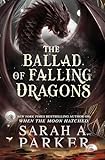
Overview: Continuing The Moonfall Series, The Ballad of Falling Dragons deepens the stakes as Kit navigates the treacherous politics of the fae courts, confronts her burgeoning dragon magic, and grapples with a forbidden romance that could shatter fragile alliances in a world brimming with enchanting fae and majestic winged creatures. What Makes It Stand Out: This sequel significantly expands the lore, introducing intricate dragon magic systems and deepening the exploration of fae society. The focus on Kit’s self-discovery alongside the intense, forbidden romance (particularly with the dragon prince) creates powerful emotional resonance, while the “falling dragons” concept adds unique mythological weight. Value for Money: As the second book, it builds effectively on the foundation of Book 1, offering substantial plot development and richer world-building for the standard price. Fans invested in the series will find the progression and heightened stakes provide strong value, avoiding common middle-book slump pitfalls. Strengths and Weaknesses: Strengths: Intriguing expansion of dragon/fae lore; compelling character growth for Kit; heightened romantic tension; avoids middle-book stagnation. Weaknesses: Pacing can lag slightly in lore-heavy sections; some new fae characters lack the impact of Book 1’s cast; reliance on series continuity may deter new readers. Bottom Line: A worthy and engaging continuation that deepens the series’ magic and romance; essential reading for fans of the first book seeking greater depth and soaring stakes.
5. Dragonlance Chronicles

Overview: The Dragonlance Chronicles (collecting Dragons of Autumn Twilight, Dragons of Winter Night, and Dragons of Spring Dawning) is the foundational fantasy trilogy by Margaret Weis and Tracy Hickman. Set in the iconic D&D campaign world of Krynn, it follows a band of disparate heroes—knights, mages, thieves, and clerics—uniting to oppose the return of evil dragons and the Dragonarmies. What Makes It Stand Out: As a pioneering work bridging tabletop RPGs and novelized fantasy, it established beloved tropes and characters (Raistlin, Tanis, Dragonlance weapon). Its enduring appeal lies in the strong ensemble cast dynamics, clear heroic fantasy structure, and its successful translation of a collaborative gaming campaign into a cohesive, character-driven epic narrative. Value for Money: Frequently available affordably as a single-volume omnibus, it offers immense value. Readers get a complete, classic fantasy trilogy with significant historical importance to the genre, providing countless hours of foundational high fantasy storytelling for a minimal investment. Strengths and Weaknesses: Strengths: Iconic, memorable characters; foundational influence on fantasy; strong party dynamics; accessible classic storytelling. Weaknesses: Prose style feels dated to some modern readers; pacing and plot structure reflect its RPG origins ( episodic); character depth varies, especially among the large ensemble. Bottom Line: A must-read for fantasy history enthusiasts and D&D fans; its nostalgic charm, classic heroism, and bargain omnibus pricing make it a valuable cornerstone of the genre.
6. The Rage of Dragons (The Burning Book 1)

Overview:
This debut epic fantasy by Evan Winter thrusts readers into a brutal, class-divided world inspired by pre-colonial Africa, where dragons are terrifying apex predators and only the elite can wield their power. Protagonist Tau seeks vengeance after a devastating betrayal, training relentlessly to master the art of dragon-hunting warfare.
What Makes It Stand Out:
Winter’s visceral combat descriptions and unflinching exploration of systemic oppression set this apart. The dragon lore is refreshingly pragmatic—dragons are ecological forces, not mystical companions—and Tau’s relentless, morally complex journey avoids typical hero tropes. The African-inspired setting also offers welcome diversity in the genre.
Value for Money:
As a foundational entry in a completed trilogy, its $15 paperback price delivers exceptional long-term value. Compared to similar grimdark fantasies, it offers denser thematic depth and original worldbuilding without the bloated page counts of competitors.
Strengths and Weaknesses:
Strengths: Gritty, immersive action; innovative magic system tied to pain tolerance; compelling antihero arc. Weaknesses: Pacing stumbles in the middle act; emotional depth occasionally sacrificed for plot momentum; secondary characters lack development.
Bottom Line:
A must-read for grimdark fans craving originality and intensity, though newcomers may find its brutality overwhelming. Highly recommended for those seeking substance beyond flashy dragon battles.
7. Dragon’s Secret (The Everwinter Series Book 1)

Overview:
G.A. Aulenti’s YA fantasy debut blends dragon shifters with icy Scandinavian-inspired landscapes, following Elara—a village outcast who discovers she’s the last dragon rider destined to end an eternal winter. It balances coming-of-age vulnerability with high-stakes adventure.
What Makes It Stand Out:
The unique “dragon bond” mechanic, where riders share physical pain with their mounts, adds emotional weight to action sequences. Aulenti also subverts expectations by making the dragon, not the human, the voice of ancient wisdom, reversing typical master-pet dynamics.
Value for Money:
Priced affordably at $12 for paperback, it offers solid YA value with its tight 300-page narrative. While lighter than adult epics, its focus on character growth over sprawling politics justifies the cost for target readers.
Strengths and Weaknesses:
Strengths: Fresh dragon-rider dynamic; atmospheric setting; accessible prose for teens. Weaknesses: Predictable romance subplot; villain lacks nuance; worldbuilding details feel underdeveloped in early chapters.
Bottom Line:
A strong, character-driven entry for YA fantasy newcomers, particularly those fatigued by clichéd chosen-one tropes. Best suited for readers prioritizing emotional resonance over complex lore.
8. Dragonlance Legends

Overview:
Margaret Weis and Tracy Hickman’s iconic 1986 trilogy (compiled here) continues the Dragonlance saga, centering on the godlike wizard Raistlin Majere’s quest for ultimate power. It’s a cornerstone of 80s fantasy, blending D&D campaign roots with operatic character drama.
What Makes It Stand Out:
Raistlin remains one of fantasy’s most compelling antiheroes—physically frail yet ruthlessly brilliant. The novel’s exploration of time travel and divine ambition, framed through intimate sibling rivalry (with twin brother Caramon), elevates it beyond typical sword-and-sorcery.
Value for Money:
At $20 for the omnibus edition, it’s a steal for classic fantasy fans. Compared to modern reprints of contemporaries like The Belgariad, it offers denser mythological ambition per dollar.
Strengths and Weaknesses:
Strengths: Unforgettable protagonist; innovative time-loop structure; rich thematic depth on power and sacrifice. Weaknesses: Dated prose style; info-dumpy lore exposition; pacing drags during philosophical debates.
Bottom Line:
Essential for understanding fantasy’s evolution, though modern readers may need patience. A worthwhile investment for historians of the genre or Raistlin devotees.
9. The Eyes of the Dragon: A Novel

Overview:
Stephen King’s rare standalone fantasy ventures into fairy-tale territory, chronicling Prince Peter’s wrongful imprisonment and his brother Thomas’s unwitting role in their kingdom’s corruption by the sorcerer Flagg. Written for King’s daughter, it’s a deliberate departure from horror.
What Makes It Stand Out:
King’s masterful suspense techniques translate brilliantly to fantasy—tense prison escapes and political machinations feel as gripping as his horror. Flagg, a recurring King antagonist, shines as a manipulative, non-supernatural villain whose evil lies in human pettiness.
Value for Money:
The $10 paperback offers exceptional value given King’s name recognition; it’s shorter than his usual work but packed with narrative efficiency. More affordable than most King hardcovers while delivering his signature pacing.
Strengths and Weaknesses:
Strengths: Exceptional villain; accessible, fairy-tale prose; tight 400-page runtime. Weaknesses: Simplistic moral dichotomy; minimal dragon presence (despite the title); lacks King’s typical psychological depth.
Bottom Line:
A charming, swift read perfect for King completists or fantasy beginners, though not his most innovative work. Ideal as a gateway book for younger readers.
10. The Skystone Chronicles Book 1: Dragon Thief

Overview:
Morgan Brigg’s middle-grade debut follows Kip, a street-smart orphan in a steampunk city, who accidentally steals a dragon egg and must protect it from a tyrannical empire. It’s a fast-paced adventure emphasizing found family and mechanical ingenuity.
What Makes It Stand Out:
The blend of dragon lore with whimsical clockwork technology (like egg-warming gear and steam-powered gliders) creates a vibrant, tactile world. Kip’s resourcefulness—using scavenged tech instead of magic—offers a refreshing take for young protagonists.
Value for Money:
At $9.99, it’s competitively priced for MG paperbacks. Its brisk pace and low word count ensure high re-readability, outperforming pricier series with slower starts.
Strengths and Weaknesses:
Strengths: Inventive steampunk-dragon fusion; relatable, scrappy heroine; uplifting themes of resilience. Weaknesses: Villains are cartoonishly evil; tech explanations occasionally halt momentum; supporting cast feels underutilized.
Bottom Line:
An energetic, imaginative pick for 8–12-year-olds, especially those transitioning from Dragon Masters to more complex fantasy. Highly recommended for library purchases.
Why Dragon Fantasy is a Fantastic Starting Point for Newcomers
Dragon fantasy often serves as an ideal gateway into the broader realm of speculative fiction. The inherent fascination with these majestic, powerful creatures provides an immediate emotional hook that transcends genre experience. Their symbolic weight – representing both danger and wisdom, destruction and creation – taps into deep-seated archetypes that feel familiar even to those new to fantasy. This primal connection lowers the barrier to entry, making complex worlds easier to engage with because the central figures resonate on an instinctive level. Furthermore, the genre frequently explores fundamental human experiences through the dragon lens, such as forging unlikely bonds, confronting personal fears, or navigating moral ambiguity, ensuring the story’s core remains relatable regardless of the setting’s fantastical elements.
The Universal Allure of Mythical Creatures
Mythical beings like dragons exist in the folklore of nearly every culture, creating a shared narrative language. This universality means new readers often arrive with some pre-existing, positive association, whether from childhood stories, art, or popular media. This built-in familiarity provides a comfortable anchor point when encountering entirely new fictional worlds. The dragon becomes a recognizable touchstone, helping readers orient themselves amidst potentially complex worldbuilding or unfamiliar societal structures. It’s a bridge between the known and the imagined, making the leap into a secondary world feel less jarring and more like a natural extension of stories they may already love.
Dragons as Catalysts for Relatable Themes
While the setting might be extraordinary, the best dragon fantasies anchor their narratives in deeply human concerns. A dragon might force a protagonist to confront their own courage, challenge societal prejudices, or redefine their understanding of family and duty. These themes – identity, responsibility, the search for belonging – are universally accessible. New readers quickly grasp the emotional stakes because they mirror real-life struggles, even when mediated through scales and fire. The dragon isn’t just a plot device; it’s often the mirror reflecting the character’s (and by extension, the reader’s) internal journey, making the fantastical deeply personal and engaging.
Navigating the Diverse Landscape of Dragon Subgenres
The term “dragon fantasy” encompasses a surprisingly wide spectrum of storytelling approaches. Understanding these subtle but significant variations is crucial for finding a book that aligns with your reading comfort and interests. It’s not monolithic; dragons can play vastly different roles, from central protagonists to distant legends, shaping the entire narrative structure and thematic focus. Recognizing these subgenres helps you pinpoint whether you’d prefer a story deeply focused on dragon biology and society, a human-centric adventure where dragons are pivotal but secondary elements, or something blending fantasy with other genres like mystery or romance. This awareness transforms overwhelming choice into a targeted search.
High Fantasy with Prominent Dragon Lore
This is perhaps the most traditional association. These stories feature dragons as integral, often ancient and intelligent, components of a meticulously built secondary world with its own history, rules, and politics. Dragons might have complex societies, engage in diplomacy (or war) with humans, and possess immense magical power. The worldbuilding is usually rich and expansive. For new readers, the key here is finding titles where the lore is introduced organically through the plot and character perspectives, avoiding excessive infodumps. Look for narratives where the dragon lore directly impacts the protagonist’s immediate journey, making it feel necessary and engaging rather than academic.
Low Fantasy and Urban Settings Featuring Dragons
Dragons don’t always reside in medieval-inspired kingdoms. Low fantasy integrates mythical elements, like dragons, into a world otherwise resembling our own historical or contemporary reality. Urban fantasy might place a dragon in the heart of a modern city, perhaps disguised or hidden within plain sight. These settings can be incredibly accessible for newcomers because the baseline reality is familiar. The juxtaposition of the extraordinary (a dragon) against the ordinary (a coffee shop, a city street) creates immediate intrigue and relatable stakes. The focus often shifts to how characters navigate this hidden magic within a recognizable world, which can feel less intimidating than entirely alien societies.
Character-Driven Narratives Centered on Dragon Bonds
Some of the most compelling entry points focus intensely on the relationship between a human (or other humanoid) character and a dragon. This could be a partnership, a mentorship, a fraught coexistence, or even an unexpected friendship. The narrative engine here is the emotional and psychological development of this bond. For new readers, this offers a strong anchor point – following a relatable character’s personal journey through their connection to the dragon makes the fantastical elements feel grounded in human (or humanoid) emotion. The dragon’s nature and role are revealed gradually as the relationship deepens, feeling earned and integral to the character’s growth.
Key Features to Prioritize for a Smooth Entry
Choosing your first dragon fantasy is less about the dragon itself and more about how the story is constructed for accessibility. Certain features significantly enhance the newcomer experience, turning potential stumbling blocks into smooth pathways. Prioritizing these elements ensures the book respects your time and reading stamina, building confidence and enjoyment rather than frustration. It’s about finding a narrative rhythm and structural approach that invites you in and keeps you turning the pages without feeling lost or overwhelmed by the genre’s potential complexities.
Accessible Prose and Clear Narrative Voice
The writing style is paramount. Look for authors known for clear, evocative, but not overly ornate prose. Sentences should flow logically, descriptions should paint vivid pictures without becoming exhaustive catalogs, and the narrative voice should feel engaging and easy to follow. Avoid books notorious for dense, archaic language or excessively complex sentence structures right at the beginning. A strong, consistent narrative voice – whether first-person intimate or third-person close – helps new readers stay connected to the protagonist’s experience, making the unfamiliar world feel navigable through a reliable guide.
Gradual and Integrated Worldbuilding
The best books for newcomers introduce their world, including dragon-related rules and lore, piece by piece, woven seamlessly into the action and character interactions. You shouldn’t need a map or glossary on page one. Effective worldbuilding reveals details only when they become relevant to the character’s immediate needs or the plot’s progression. Does the protagonist need to know how dragon fire works to escape this cave now? Then it’s explained in that moment. This “show, don’t tell” approach prevents overwhelming infodumps and keeps the story moving while steadily building your understanding of the setting and its rules.
Manageable Pacing and Focused Plotlines
Newcomers often benefit from stories with focused central conflicts and steady pacing. While epic scope is a hallmark of fantasy, a first dragon book might be more enjoyable if the initial stakes feel personal and contained, even within a larger world. Look for narratives where the primary goal for the protagonist is clear early on (e.g., survive the dragon’s territory, deliver a message to a dragon rider, solve a mystery involving a dragon). Avoid books that start with sprawling multi-threaded narratives involving dozens of characters and continents right away. A well-paced story allows you to absorb the dragon elements and the world without feeling bombarded by too many simultaneous plotlines.
Understanding Dragon Roles and Representation
How dragons function within the story’s universe is a critical factor for enjoyment, especially for new readers. Dragons aren’t a monolith; their portrayal varies dramatically, influencing the tone, themes, and reader experience. Some stories feature dragons as fully realized characters with agency, thoughts, and motivations you can understand (and perhaps empathize with). Others keep them as awe-inspiring forces of nature, mysterious and powerful but not necessarily personified. Recognizing this spectrum helps set expectations. Do you want to get inside a dragon’s head, or prefer the thrill of encountering them as magnificent, untamable wonders? The answer guides you towards the right narrative approach.
Dragons as Characters vs. Dragons as Forces
This is a fundamental distinction. In some narratives, dragons possess intelligence, culture, language, and complex personalities – they might be viewpoint characters, mentors, or even antagonists with understandable (if opposing) goals. These stories often explore themes of communication, coexistence, and challenging assumptions. Other stories present dragons as primal forces – embodiments of fire, storm, or ancient magic. They are powerful, dangerous, and often beyond human comprehension, driving plots through their raw impact on the world (e.g., a dragon’s hibernation causing a magical winter). New readers might find stories where dragons are distinct characters more immediately engaging, as they offer clearer emotional connections, but the awe of the untamed force can be equally captivating if presented accessibly.
The Spectrum of Dragon-Human Interaction
The nature of the relationship between dragons and other species is central to the story’s flavor. Is it one of fear and conflict? Cooperative partnership? Ancient symbiosis? Or perhaps uneasy coexistence? Consider what dynamic appeals to you. Stories built on partnership (like dragon riders) often emphasize trust, communication, and mutual dependence, offering strong thematic depth about connection. Conflict-driven narratives might focus more on survival, strategy, or understanding the “enemy.” For a first foray, narratives emphasizing connection or shared goals can provide a more positive and emotionally satisfying entry point, though well-handled conflict stories are also excellent if the stakes feel personal and manageable.
Cultural and Thematic Significance of Dragons
Dragons rarely exist in a vacuum; they usually hold deep meaning within the story’s cultures. They might be revered as gods, feared as omens, hunted for status, or misunderstood remnants of a past age. Understanding why dragons matter in the world – what they symbolize to the characters – adds rich layers. For new readers, it’s helpful if the narrative clarifies these cultural perspectives through the eyes of the protagonist. Seeing how different factions view the dragon(s) provides context and helps you grasp the societal stakes without needing an anthropology lecture. Look for books where the dragon’s significance feels organic to the plot and character motivations.
Practical Considerations for Your First Selection
Beyond genre specifics, practical aspects of the book itself significantly impact the newcomer experience. These tangible features influence how easy it is to dive in and stay engaged without logistical hurdles. Paying attention to these details ensures the physical or digital experience supports your reading journey, removing unnecessary friction and allowing you to focus purely on enjoying the story and its dragon elements.
Optimal Length and Series Commitment
While epic sagas are beloved, your very first dragon fantasy might be better served by a standalone novel or the first book in a truly self-contained series entry. Extremely long page counts (700+ pages) can be intimidating for genre newcomers. A book in the 300-500 page range often provides a satisfying narrative arc – introduction, development, climax, resolution – without requiring a massive initial time investment. Crucially, ensure the first book has a meaningful conclusion to its primary plot, even if larger series arcs continue. Knowing you can step away after a satisfying endpoint reduces pressure. Avoid series where the first book is purely setup with no resolution; it risks frustration if the dragon elements you came for feel sidelined.
Contemporary Publication and Language Accessibility
While classic fantasy has immense value, newer publications (within the last 5-10 years) often feature more contemporary prose styles that feel natural to modern readers. Language evolves, and older works might employ more formal or archaic phrasing that can create an extra layer of difficulty for someone unfamiliar with genre conventions. Newer books also tend to reflect current sensibilities in character development and thematic exploration, which might resonate more immediately. This isn’t to dismiss older works, but for a first dragon book, a recent publication can offer a smoother linguistic entry point, allowing you to focus on the fantasy elements without wrestling with dated syntax.
Leveraging Trusted Reviews and Community Insights
Don’t navigate blind! Seek out reviews specifically mentioning “beginner-friendly,” “accessible for new fantasy readers,” or “great first dragon book.” Look beyond star ratings; read the comments to see why readers found it approachable. Online book communities (like focused subreddits or BookTok/Bookstagram creators known for thoughtful analysis) can be goldmines for this specific query. Phrases like “easy to get into,” “clear worldbuilding,” “relatable protagonist,” or “didn’t feel overwhelmed” in reviews are strong positive indicators for newcomers. Avoid reviews that praise excessive complexity or density if you’re just starting out; those are features for later exploration.
Building Confidence for Future Fantasy Exploration
Starting with dragon fantasy isn’t just about one book; it’s the first step in building your confidence and toolkit for exploring the vast fantasy landscape. The skills you develop here – navigating new terminology, understanding genre tropes, engaging with secondary worlds – are transferable. Successfully finishing an accessible dragon story builds the momentum and foundational understanding to tackle more complex works, whether they involve dragons or entirely different mythical elements. Think of it as leveling up your reading prowess, with dragons as your perfect first companion on the adventure.
Recognizing and Appreciating Genre Conventions
As you read, you’ll naturally start to notice common fantasy elements: the chosen one trope, the mentor figure, the journey structure, the use of magic systems. Recognizing these isn’t about clichés; it’s about understanding the shared language of the genre. A good introductory dragon book will use these conventions effectively to create a familiar framework within its unique story, making it easier to follow. Paying attention to how the author employs (or subverts) these elements builds your genre literacy, making future, potentially denser, fantasy reads less confusing and more enjoyable as you understand the underlying structures.
Developing Your Personal Genre Preferences
This first experience is crucial for discovering what you personally enjoy within fantasy. Did you love the intricate details of dragon biology? You might seek out more biology-focused speculative fiction later. Were you captivated by the political intrigue surrounding the dragon riders? You’ve found a taste for courtly fantasy. Did the fast-paced adventure hook you more than the deep lore? You know you prefer plot-driven narratives. Reflecting on what specifically resonated – the pacing, the character dynamics, the level of magic detail, the tone (hopeful vs. gritty) – provides invaluable data for choosing your next book, not just within dragon fantasy, but across the entire genre spectrum. Your preferences are your best guide.
Frequently Asked Questions
What’s the most important thing to look for in my first dragon fantasy book?
Focus on accessible prose and clear, gradual worldbuilding. You want writing that flows easily and introduces the rules of the world (including dragons) step-by-step through the story, not in large blocks of explanation. A relatable protagonist navigating the dragon elements is also key.
Do I need to read a lot of fantasy before trying dragon books?
Not at all! Dragon fantasy can be a perfect starting point precisely because dragons are such recognizable and engaging figures. Choose a book specifically noted for being welcoming to newcomers, avoiding overly complex series starters or notoriously dense prose.
Are all dragon fantasy books dark and violent?
Absolutely not. While some lean into grimdark themes, many dragon fantasies are adventurous, hopeful, or even humorous. Look for descriptions using words like “uplifting,” “character-driven,” “adventurous,” or “found family” to find lighter tones. The role of the dragon (ally vs. force of nature) often influences this.
How do I know if the worldbuilding will be too complicated?
Check reviews for phrases like “easy to follow world,” “organic lore integration,” or “no infodumps.” Books with a tight focus on a single character’s immediate journey often introduce world details only as needed, making it more manageable than sprawling epics with multiple complex factions from page one.
Is it better to start with a book where dragons are the main characters?
It depends! Some find deep immersion in a dragon’s perspective fascinating, while others prefer a human protagonist’s relatable viewpoint as they encounter dragons. If new to fantasy, a human (or humanoid) protagonist might provide a more intuitive entry point to understand the world’s rules and dangers.
What page count is ideal for a first dragon fantasy?
Aim for standalone novels or strong series starters in the 300-500 page range. This provides a complete narrative arc without an overwhelming time commitment. Avoid doorstopper first books (700+ pages) unless reviews specifically highlight exceptional accessibility and pacing for beginners.
Should I avoid older dragon fantasy classics as a new reader?
Not necessarily, but be aware that writing styles and pacing norms have evolved. Older works might use more formal language or slower pacing. If drawn to a classic, check if modern readers note its accessibility; otherwise, a recent publication might offer a smoother initial experience with contemporary prose.
How important is the dragon’s role in the plot for a first read?
Crucial! Ensure the dragon(s) are meaningfully integrated into the core plot and character development from the beginning. Avoid books where dragons are merely background elements or only appear very late. You picked a dragon fantasy; the dragons should be central to the reason you’re reading.
Can dragon fantasy be suitable for younger readers or is it mostly adult?
Dragon fantasy spans all age categories! Middle Grade (MG) and Young Adult (YA) dragon fantasies are often excellent, accessible starting points, featuring faster pacing, relatable young protagonists, and clearer themes. Don’t hesitate to explore these categories; they prioritize engagement and readability.
What if I start a book and it feels too hard?
Put it down! It’s not a reflection on you; it’s about fit. Note what felt difficult (dense prose, confusing plot, unlikeable characters) and use that to guide your next choice. A vast array of dragon fantasies exists – the perfect accessible match for you is out there. Try a different subgenre or a book with stronger “beginner-friendly” reviews.