Pride Month 2026 is approaching, and there’s no better time to immerse yourself in the rich tapestry of LGBTQ+ voices that anthology collections so uniquely preserve. These curated volumes serve as both literary time capsules and living documents—capturing the evolution of queer identity while amplifying the diverse experiences that defy single-narrative storytelling. Whether you’re building your personal library, planning community discussions, or simply seeking to understand the multifaceted nature of LGBTQ+ life, anthologies offer an accessible yet profound entry point into conversations that matter.
But not all collections are created equal. The landscape of queer literature has exploded with options, making the selection process both exciting and overwhelming. Understanding what distinguishes a transformative anthology from a merely adequate one requires looking beyond cover art and contributor lists. It demands attention to curatorial philosophy, representational ethics, and the delicate balance between commercial viability and authentic storytelling that truly serves the communities represented within its pages.
Top 10 LGBTQ+ Identity Anthologies
Detailed Product Reviews
1. Trans and Disabled: An Anthology of Identities and Experiences

Overview: This anthology centers the lived experiences of individuals navigating both transgender and disabled identities. Through personal essays, poetry, and reflections, contributors illuminate the unique challenges and triumphs at this intersection. The collection addresses healthcare barriers, social stigma, and moments of profound self-realization, offering representation that remains scarce in mainstream literature.
What Makes It Stand Out: The deliberate focus on intersectionality sets this apart from single-issue anthologies. Rather than treating trans and disabled identities as separate threads, the work explores how they weave together in daily life. Contributors span diverse backgrounds, ages, and disability experiences, creating a multifaceted portrait that avoids tokenism. The raw honesty about medical gatekeeping and accessibility failures provides both validation for those with similar experiences and crucial education for allies.
Value for Money: At $14.40, this paperback delivers substantial content for a specialized niche. Comparable academic anthologies often exceed $25, making this an accessible entry point. The emotional resonance and practical insights justify the investment, particularly for readers seeking authentic representation rather than theoretical discussion.
Strengths and Weaknesses: Strengths include authentic voices, intersectional focus, and accessible prose. Some entries may feel repetitive for readers already immersed in disability justice discourse. The anthology could benefit from more contributions from trans people of color at the disability intersection. Print quality is standard for the price point.
Bottom Line: Essential reading for anyone interested in intersectional identity politics. Particularly valuable for healthcare providers, educators, and families seeking to understand these overlapping experiences. While not exhaustive, it opens vital conversations.
2. Trans Anthology Project: Reflections of Self-Discovery and Acceptance
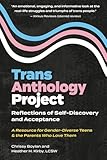
Overview: This collection chronicles transgender journeys toward self-acceptance through diverse narrative lenses. Contributors share pivotal moments of realization, coming-out stories, and the internal work required to live authentically. The anthology balances emotional vulnerability with moments of celebration, creating a supportive tapestry of trans resilience.
What Makes It Stand Out: The “project” framing suggests ongoing community collaboration, giving the collection a grassroots authenticity. It prioritizes emotional accessibility over academic analysis, making it approachable for readers at any point in their own journey. The focus on self-discovery rather than external conflict offers a refreshing internal perspective often missing from trans narratives that center cisgender reactions.
Value for Money: Priced at $13.93, this represents excellent value for a heartfelt, well-curated collection. It’s more affordable than many identity-based anthologies while maintaining literary quality. For questioning individuals or allies new to trans experiences, this lower price point reduces the barrier to entry for important educational material.
Strengths and Weaknesses: Strengths include emotional relatability, diverse age representation, and hopeful tone. Some readers may find the lack of explicit political analysis limiting. The collection skews toward binary trans experiences, potentially leaving nonbinary readers wanting more. The paperback format is sturdy but illustrations are minimal.
Bottom Line: A compassionate, accessible introduction to transgender self-realization. Ideal for personal exploration, support groups, or as a gift for someone questioning their gender. While not academically comprehensive, its emotional honesty creates powerful connections.
3. Being Ace: An Anthology of Queer, Trans, Femme, and Disabled Stories of Asexual Love and Connection

Overview: This groundbreaking collection explores asexuality through multiple intersecting identities, challenging the misconception that asexual people lack meaningful connections. Contributors share experiences of queerplatonic relationships, aromantic love, and community building across gender, disability, and cultural lines. The anthology redefines what love and intimacy mean beyond sexual frameworks.
What Makes It Stand Out: The explicit inclusion of trans, femme, and disabled voices within asexual narratives creates unprecedented intersectional depth. It directly confronts ace erasure within both mainstream and LGBTQ+ communities. The focus on connection rather than absence reframes asexuality positively, showcasing rich relationship diversity. This is among the few anthologies centering multiply-marginalized ace experiences.
Value for Money: At $11.98, this is the most affordable anthology in this collection, yet it delivers unique, underrepresented perspectives. Comparable works on asexuality are rare and often more expensive. The emotional validation and community-building potential make it invaluable for ace readers, while offering crucial education for others at a budget-friendly price.
Strengths and Weaknesses: Strengths include pioneering representation, beautiful writing, and intersectional authenticity. Some entries assume prior familiarity with ace terminology, potentially confusing newcomers. The breadth of identities covered means some groups receive limited page space. The cover design is simple but effective.
Bottom Line: A vital addition to LGBTQ+ literature that finally gives voice to intersectional asexual experiences. Essential for ace individuals seeking representation and for allies wanting to understand diverse expressions of love. Unbeatable value for specialized content.
4. Nonbinary: Memoirs of Gender and Identity

Overview: This scholarly yet accessible collection presents first-person memoirs from nonbinary individuals across generations and cultures. Contributors detail their evolving relationships with gender, from childhood questioning to adult affirmation. The memoir format provides deep, sustained narrative arcs that essay collections often lack, offering intimate glimpses into daily nonbinary life beyond coming-out moments.
What Makes It Stand Out: The memoir structure distinguishes this from typical anthologies, allowing for richer character development and temporal depth. It includes voices from nonbinary elders, a demographic rarely heard in contemporary gender discourse. The editorial curation balances personal storytelling with broader social commentary, creating a work that functions as both literature and documentation of gender evolution.
Value for Money: At $22.00, this is priced higher than companion volumes, reflecting its substantial length and academic publisher backing. While a steeper investment, the depth and literary quality justify the cost for serious readers. Comparable academic memoir collections frequently exceed $30, making this relatively reasonable for its category.
Strengths and Weaknesses: Strengths include narrative depth, generational diversity, and high editorial quality. The academic tone may feel distant to some readers seeking purely emotional connection. Limited representation of nonbinary people with disabilities. Hardcover option would enhance durability but increases cost further.
Bottom Line: A significant literary achievement that documents nonbinary lives with nuance and respect. Best suited for readers seeking in-depth narratives rather than quick insights. Worth the premium price for those committed to understanding gender complexity, particularly educators and researchers.
5. This Queer Arab Family: An Anthology by LGBTQ+ Arab Writers

Overview: This collection illuminates the complex negotiations of queerness within Arab families, communities, and diasporas. Contributors navigate cultural honor, religious identity, and familial love alongside gender and sexual expression. The anthology challenges Orientalist stereotypes that portray Arab and Muslim communities as monolithically homophobic, instead revealing nuanced struggles and surprising acceptance.
What Makes It Stand Out: The cultural specificity is unparalleled, centering Arab voices without requiring them to explain their culture to outsiders. It explores how queerness can exist within, not just against, cultural traditions. The diaspora perspective adds layers of identity negotiation across geographic and generational divides. This fills a critical gap where Middle Eastern LGBTQ+ voices are often silenced or appropriated.
Value for Money: At $20.23, this mid-high price reflects its specialized cultural focus and likely limited print run. While not cheap, the unique perspective makes it worth the investment for those seeking authentic Arab queer narratives. Comparable culturally-specific anthologies are rare and similarly priced. The cultural competency gained justifies the cost for educators and service providers.
Strengths and Weaknesses: Strengths include authentic cultural voice, diaspora complexity, and beautiful prose. Some essays may require cultural context that Western readers lack. The collection could benefit from more representation from Gulf countries. Translation quality is excellent throughout. The emotional weight can be intense but necessary.
Bottom Line: An essential, perspective-shifting collection that centers Arab LGBTQ+ experiences with dignity and complexity. Mandatory reading for anyone working with Middle Eastern communities or challenging cultural stereotypes. The price is fair for irreplaceable cultural insight.
6. Black Queer Studies: A Critical Anthology

Overview: Black Queer Studies: A Critical Anthology is a foundational academic text that brings together seminal essays exploring the intersection of race, sexuality, and gender. This used edition offers access to pioneering scholarship that examines how Black queer identities navigate systems of power and representation. The collection features work from leading intellectuals who have shaped contemporary critical theory.
What Makes It Stand Out: This anthology stands as one of the first comprehensive collections dedicated specifically to Black queer theoretical frameworks. It refuses to treat race and sexuality as separate categories, instead weaving them into a cohesive analytical lens. The essays challenge mainstream LGBTQ+ studies for its historical whiteness while simultaneously critiquing Black studies for its heteronormative biases, creating a truly intersectional approach.
Value for Money: At $22.29 for a used copy in good condition, this represents significant savings over typical academic anthology prices that often exceed $40. For students and scholars, accessing this essential text at nearly half-price is financially prudent. The “good condition” designation suggests readable quality, making it a smart investment for those needing the intellectual content rather than pristine shelf appeal.
Strengths and Weaknesses: Strengths include its groundbreaking scholarship, diverse contributor list, and enduring relevance to contemporary discussions about intersectionality. However, the academic density may challenge casual readers, and as a used copy, there may be highlighting or wear. Some theoretical frameworks may also feel dated given the anthology’s publication date.
Bottom Line: This is indispensable for serious scholars of queer theory, Black studies, or intersectional feminism. The used price makes essential scholarship accessible. If you’re academically inclined and ready for rigorous analysis, this anthology delivers profound insights that justify every penny.
7. Pride: An Inspirational History of the LGBTQ+ Movement

Overview: Pride: An Inspirational History of the LGBTQ+ Movement delivers a comprehensive chronicle of queer liberation from Stonewall to contemporary victories. This accessible volume balances historical rigor with an uplifting narrative voice, making complex social movements digestible for readers of all backgrounds. It traces the evolution of activism, culture, and community through pivotal moments and unsung heroes.
What Makes It Stand Out: Unlike dry academic histories, this book intentionally crafts an inspirational tone without sacrificing factual accuracy. It centers resilience and joy alongside struggle, featuring vibrant visuals and personal testimonies that bring historical figures to life. The narrative structure connects past activism to present-day rights, helping readers understand their place in an ongoing story.
Value for Money: At $13.84, this history book sits at an exceptionally accessible price point, comparable to mass-market paperbacks. Similar LGBTQ+ histories often retail for $18-$25, making this an economical choice for educators, students, or anyone seeking to understand queer heritage. The combination of visual content and narrative depth at this price represents genuine value.
Strengths and Weaknesses: Strengths include its readability, visual appeal, and ability to inspire action. It serves as an excellent primer for those new to LGBTQ+ history. However, the inspirational framing may gloss over internal community conflicts or failures. More advanced scholars might find the analysis less nuanced than academic alternatives, and some regional movements receive limited coverage.
Bottom Line: This is the perfect starting point for anyone seeking to understand LGBTQ+ history. Its affordable price, engaging style, and comprehensive scope make it ideal for teens, allies, or community newcomers. While not a definitive scholarly text, it succeeds admirably as an accessible, empowering introduction.
8. The Professor: A Sentimental Education – Hilarious and Heartbreaking Essays on Gender, Identity, and Lesbian Life

Overview: The Professor: A Sentimental Education offers a candid collection of essays that navigate the messy, beautiful terrain of gender identity and lesbian experience. Through a lens that is simultaneously academic and deeply personal, the author dissects institutional life, romantic entanglements, and the perpetual process of becoming. The writing moves fluidly between hilarious observational humor and heartbreaking vulnerability.
What Makes It Stand Out: The unique positioning of an academic voice engaging with sentimental education creates refreshing intellectual honesty. Rather than detached analysis, these essays embrace the subjective nature of identity formation. The hilarious and heartbreaking tonal shifts mirror actual lived experience, where profound grief and absurd comedy often coexist in the same moment. This duality creates an authenticity rarely achieved in memoir or essay collections.
Value for Money: Priced at $12.79, this collection sits well below the typical $16-$20 range for contemporary essay collections. Readers gain access to sophisticated cultural critique packaged in accessible, entertaining prose. For those seeking representation of lesbian academic life or nuanced gender exploration, this offers exceptional return on investment.
Strengths and Weaknesses: Strengths include the distinctive voice, perfect pacing between humor and pathos, and rare representation of lesbian academic experiences. The essays feel both universal and specific. However, the academic-professional focus may not resonate with all readers. Some might find the sentimental aspects overly introspective, and the humor’s dryness could miss the mark for those preferring broader comedy.
Bottom Line: This is a gem for readers craving smart, emotionally honest writing about queer identity. Its low price removes financial barriers to accessing sophisticated LGBTQ+ literature. If you appreciate David Sedaris-style personal essays with a lesbian feminist twist, this belongs on your shelf.
9. Love Is for All of Us: Poems of Tenderness and Belonging from the LGBTQ+ Community and Friends

Overview: Love Is for All of Us: Poems of Tenderness and Belonging from the LGBTQ+ Community and Friends is a carefully curated poetry anthology celebrating connection across the spectrum of human experience. This collection foregrounds softness and acceptance in a world that often feels harsh toward queer identities. Poets from diverse backgrounds contribute verses exploring romantic love, platonic bonds, self-acceptance, and community solidarity.
What Makes It Stand Out: In a literary landscape that frequently emphasizes queer trauma, this anthology’s unapologetic focus on tenderness and belonging feels revolutionary. The “and Friends” inclusion welcomes allies and family members, creating a broader tapestry of voices. Rather than performative positivity, these poems achieve genuine warmth while acknowledging struggle, resulting in authentic hope rather than toxic optimism.
Value for Money: At $15.02, this anthology is priced competitively within the poetry market, where collections typically range from $14-$18. The diversity of contributors and the thematic coherence provide substantial content value. For those seeking affirming LGBTQ+ literature, this offers emotional returns that far exceed its modest price, functioning as both art and emotional resource.
Strengths and Weaknesses: Strengths include its emotional accessibility, diverse representation, and therapeutic quality. The poems work equally well for solitary reflection or communal reading. However, readers seeking experimental or avant-garde poetics may find the work too conventional. Those preferring edge or political anger might miss more radical tones. The focus on positivity, while intentional, may feel incomplete to those processing trauma.
Bottom Line: This anthology serves as a perfect gift for LGBTQ+ individuals seeking affirmation or allies wanting to understand queer joy. Its reasonable price and universal themes make it ideal for pride events, support groups, or personal libraries. If you need reminding that love and belonging are possible, this collection delivers beautifully.
10. We Want It All: An Anthology of Radical Trans Poetics

Overview: We Want It All: An Anthology of Radical Trans Poetics is a bold collection that amplifies trans voices at their most politically charged and creatively unbound. This anthology showcases poetry that refuses assimilation, instead demanding transformation of language, society, and consciousness itself. Contributors range from emerging voices to established trans literary figures, all sharing a commitment to radical expression.
What Makes It Stand Out: The unapologetic emphasis on “radical” distinguishes this from more mainstream trans anthologies. These poems don’t seek acceptance within existing structures—they imagine entirely new worlds. The collection centers trans poets of color and disabled trans artists, perspectives often marginalized even within trans literature. The experimental forms match the revolutionary content, making each page a site of aesthetic and political possibility.
Value for Money: At $19.30, this specialized anthology is fairly priced for its niche market. Comparable radical poetry collections and academic-adjacent anthologies typically cost $20-$28. Given its focus on underrepresented trans poetics and its potential as both art and activist tool, the investment supports marginalized creators while providing readers with transformative content.
Strengths and Weaknesses: Strengths include its political urgency, diverse contributor base, and formal innovation. It fills a crucial gap in trans literary publishing. However, the radical tone and experimental style may alienate readers seeking more accessible trans narratives. The political intensity could overwhelm those new to trans literature. Some poems require close reading that casual readers might not expect.
Bottom Line: This is essential reading for activists, scholars of trans studies, and poetry enthusiasts seeking boundary-pushing work. Its price reflects specialized content worth supporting. If you believe art should challenge power structures and want to experience trans creativity in its most revolutionary form, this anthology demands your attention and deserves your purchase.
Why Anthologies Matter for LGBTQ+ Representation
Anthologies function as democratic literary spaces where multiple voices coexist without demanding a single protagonist dominate the narrative. Unlike monographs that center individual perspectives, these collections mirror the actual LGBTQ+ community—an ecosystem of overlapping, sometimes conflicting, but always interconnected identities. They validate the reader’s own complex experiences by showing that no one story can contain the fullness of queer life. For those newly exploring their identity, encountering a chorus of voices can be profoundly affirming in ways that isolated narratives cannot replicate.
Understanding the Power of Collected Voices
The magic of anthologies lies in their juxtapositions. A poem about childhood gender exploration placed beside an essay on aging as a trans elder creates unexpected resonances. Short fiction about queer joy positioned near memoirs of struggle builds a more honest emotional architecture than any single tone could sustain. This editorial alchemy transforms individual pieces into a collective statement greater than its parts. When evaluating collections, consider how pieces speak to each other across pages—the best anthologies create intra-textual conversations that continue in your mind long after reading.
Key Features to Look for in Quality LGBTQ+ Anthologies
Strong editorial vision separates memorable collections from random assemblages of submissions. Investigate whether the editor’s introduction articulates a clear purpose beyond simply “representing LGBTQ+ voices.” Does it address gaps in existing literature? Challenge dominant narratives? Center historically excluded perspectives within the community? Quality anthologies also include contributor notes that contextualize each piece, helping readers understand the personal and political landscapes from which these stories emerge. Pay attention to whether the collection includes content warnings where appropriate—this demonstrates editorial respect for reader trauma and consent.
The Importance of Intersectionality in Modern Collections
The most impactful 2026 anthologies will move beyond additive representation—where diverse identities are simply included—and toward integrated intersectionality that explores how race, disability, class, religion, and immigration status fundamentally shape queer experience. Look for collections that don’t silo identities into separate sections but weave them throughout, acknowledging that most people inhabit multiple marginalized identities simultaneously. The language used in descriptions matters: phrases like “at the intersections of” signal more nuanced understanding than checkboxes of separate identity categories.
Genre Diversity Within LGBTQ+ Anthologies
A truly comprehensive collection transcends genre boundaries, mixing poetry, creative nonfiction, graphic narratives, and experimental forms. This matters because different aspects of identity express themselves more authentically through different mediums. Trauma might find voice in fragmented lyric essays while queer joy explodes in vibrant comics. Community histories might demand documentary poetry. When an anthology limits itself to a single genre, it potentially constrains the very identities it seeks to liberate. Evaluate whether the collection’s form matches its stated mission.
Emerging Voices vs. Established Authors: Finding Balance
The tension between platforming new talent and featuring recognizable names shapes an anthology’s impact. Collections dominated by established authors risk feeling like greatest-hits compilations, while those featuring only emerging voices may lack the gravitas that draws readers in. The sweet spot involves strategic pairing—perhaps placing a debut writer’s piece alongside a veteran’s work on similar themes, creating mentorship echoes within the pages themselves. Check contributor bios to understand this balance: are you seeing fresh perspectives that challenge canonical queer narratives?
Historical Context and Contemporary Relevance
Pride 2026 exists at a particular cultural moment, and the best anthologies acknowledge both the legacy they’re inheriting and the future they’re shaping. They might include historical reprints that show how far we’ve come (or haven’t), alongside urgent contemporary pieces addressing current legislation, healthcare access, or digital queer culture. This temporal layering prevents anthologies from feeling like static snapshots. Look for works that engage with queer history critically rather than nostalgically, acknowledging past movements’ failures alongside their triumphs.
Regional and Cultural Perspectives to Consider
Queer experience in urban coastal America differs radically from life in rural communities, international contexts, or Indigenous nations. Anthologies that claim universal LGBTQ+ experience while drawing primarily from a single geographic or cultural context commit a form of literary erasure. Quality collections specify their scope transparently—whether focusing on a specific region intentionally or actively seeking transnational perspectives. They might include pieces in translation or address how colonialism has shaped global understandings of gender and sexuality.
Age-Appropriate Content and Audience Targeting
Anthologies aren’t one-size-fits-all, and thoughtful curators understand this. Collections aimed at young adults should center hope and resilience while not shying from hardship. Those for mature audiences might delve into complex sexual politics or systemic violence with appropriate depth. The key is intentional targeting rather than accidental accessibility. Evaluate whether the collection’s marketing and editorial framing honestly reflect its content—does a book positioned as “uplifting Pride reading” include adequate support for heavier topics?
Editorial Vision and Curatorial Excellence
Behind every powerful anthology is an editor (or editorial team) functioning as both gatekeeper and community architect. Research the editor’s background: are they community members themselves? Do they have a track record of publishing marginalized voices? The best editors write introductions that model vulnerability, acknowledging their own positionality and limitations. They create space for disagreement within collections, understanding that community consensus is often a myth. This curatorial transparency builds trust with readers who’ve been burned by exploitative or superficial representations.
Physical vs. Digital Formats: Reading Experience Matters
The medium shapes the message in anthologies. Physical books allow for non-linear browsing—flipping randomly to find exactly the piece you need in a given moment. They become objects of community building, passed between friends or displayed on shelves as identity markers. Digital formats, however, offer accessibility features crucial for disabled readers: adjustable text size, screen reader compatibility, searchable text for finding representation that mirrors your specific identity. Some 2026 collections offer hybrid experiences with QR codes linking to audio performances or community discussion guides.
Supporting Independent vs. Mainstream Publishers
Where you purchase matters as much as what you purchase. Independent LGBTQ+ presses often provide more editorial freedom, higher royalty rates for contributors, and deeper community investment. They might keep titles in print longer and reinvest profits into emerging writers. Mainstream publishers offer wider distribution and institutional legitimacy but sometimes dilute radical content for marketability. Consider your values: are you prioritizing maximum reach for these voices or direct community economic support? Many anthologies now include publisher mission statements—read them to align your purchase with your principles.
Building Your Personal Pride Reading Tradition
Creating an annual anthology ritual transforms isolated reading into intentional practice. Maybe you read one piece each morning of June, journaling about how it connects to your own journey. Perhaps you host a monthly gathering where friends each read aloud a favorite piece, building a shared oral tradition. Some readers create personal anthologies over time, photocopying the most resonant pieces from various collections into a binder that becomes a customized manifesto. This active engagement turns consumption into creation, making Pride reading a practice rather than a performance.
How to Discuss These Anthologies in Community Settings
Anthologies are inherently discussion-ready, but facilitating meaningful conversation requires skill. Avoid general questions like “What did you think?” Instead, try prompts that honor complexity: “Which piece challenged your assumptions about your own community?” or “How did the editor’s arrangement affect your reading?” Create agreements that it’s okay to dislike a piece while respecting its right to exist. For mixed-identity groups, establish whether the space centers LGBTQ+ voices or invites allied listening. The goal isn’t consensus but deeper understanding of the community’s beautiful, necessary contradictions.
Frequently Asked Questions
What makes an anthology different from a collection of stories by one author?
An anthology deliberately curates multiple voices around a theme or identity, creating intentional community on the page. While single-author collections offer depth of one perspective, anthologies provide breadth and the powerful friction of difference. Think of it as a choir versus a soloist—both beautiful, but serving different artistic and political functions.
How do I know if an anthology offers authentic representation rather than tokenism?
Check if the editor belongs to the community represented, if contributors were paid fairly, and if the marketing centers the work’s literary merit rather than just its “diversity.” Authentic collections include complex, flawed characters and resist trauma-only narratives. They show queer people as whole humans, not teaching tools for straight audiences.
Should I read anthologies cover-to-cover or skip around?
Both approaches are valid! Reading sequentially lets you experience the editor’s intended arc, while selective reading honors your immediate needs. Many readers start with pieces that mirror their own identity, then branch into perspectives that challenge them. There’s no wrong way to engage with these living documents.
Are anthologies suitable for people questioning their identity?
Absolutely. Anthologies offer low-stakes exposure to many ways of being queer without demanding you identify with any single narrative. They’re exploratory tools that say “here are some possibilities” rather than “here is the answer.” Look for collections that explicitly welcome questioning readers in their introductions.
How can I use anthologies in workplace diversity initiatives without being performative?
Donate copies to office libraries without mandatory discussion. Let them sit as quiet invitations rather than required reading. If you do discuss them, bring in external facilitators from the LGBTQ+ community and compensate them. Never use these deeply personal stories as “training materials” without author consent.
What role do anthologies play in preserving LGBTQ+ history?
They function as primary source documents, capturing vernacular language, contemporary struggles, and community debates in real-time. Unlike historical texts written about us, anthologies are written by us, for us. They preserve the emotional truth of eras alongside factual accounts, creating a fuller historical record.
How do I evaluate the quality of writing if I’m not a literary expert?
Trust your emotional response. Did a piece make you feel seen? Did it help you understand someone else’s experience? Quality queer writing prioritizes emotional honesty over technical perfection. That said, strong editing matters—watch for collections where every piece receives the same editorial care, regardless of author fame.
Can anthologies be triggering for readers with trauma?
Yes, and responsible editors acknowledge this. Look for content warnings at the collection’s beginning or before individual pieces. Some 2026 editions include “reading pathways”—suggested sequences for different emotional readiness levels. Remember that triggering content isn’t inherently bad; it’s about informed consent and reader agency.
What’s the environmental impact of buying physical anthologies versus digital?
Independent publishers increasingly use sustainable printing practices and carbon-neutral shipping. Digital formats eliminate paper but have server energy costs. Consider buying physical copies from local queer bookstores to support community infrastructure while reducing shipping. Some publishers offer “plant a tree” programs with each purchase.
How do I find anthologies that represent my specific intersectional identity?
Use specialized search terms in book databases: “bisexual disabled anthology,” “trans Latinx collection,” etc. Follow LGBTQ+ literary organizations on social media where contributors often promote their publications. Don’t settle for collections where your identity appears as one token piece—demand full, integrated representation throughout.