For decades, military science fiction has captivated readers with its potent blend of futuristic warfare, complex political landscapes, and the enduring human spirit tested under extreme duress. It’s the genre where laser rifles crackle across alien battlefields, starships maneuver in intricate tactical dances, and the fate of entire civilizations often hinges on the courage of a single soldier or a ragtag crew. If you find yourself drawn to the thunder of orbital bombardments and the quiet tension of soldiers waiting for the next engagement, you’re not alone. This subgenre offers a unique lens to explore profound questions about power, sacrifice, loyalty, and the very nature of conflict itself, all wrapped in the thrilling package of interstellar combat. It’s more than just spaceship battles; it’s about the people caught in the gears of galactic war.
Choosing the right military sci-fi can feel overwhelming, especially with the constant influx of new titles promising epic galactic conflicts. The allure of “best of” lists is strong, but true value lies in understanding what resonates with you within this vast and varied genre. Does your heart race more for the grunt’s-eye view of brutal planetary invasions, or the grand strategic maneuvers of admirals plotting fleet actions light-years apart? Are you seeking gritty realism that examines the psychological toll of war, or prefer the swashbuckling adventure of daring special ops behind enemy lines? Recognizing your personal preferences is the key to unlocking the most satisfying reading experiences, far beyond any fleeting “top 10” snapshot. Let’s delve into the essential elements that define great military science fiction and how to navigate the cosmos of choices.
Top 10 Military Science Fiction Books
Detailed Product Reviews
1. The Forever War

Overview: Joe Haldeman’s classic military science fiction novel, published in 1974, follows William Mandella as he fights in an interstellar war against the Taurans. Due to time dilation effects of near-light-speed travel, decades or centuries pass on Earth with each deployment, making him increasingly alienated from the society he protects. What Makes It Stand Out: Its profound exploration of the psychological toll of war and the disorienting effects of relativity on soldiers sets it apart. Haldeman, a Vietnam veteran, infuses the narrative with gritty realism and anti-war sentiment rarely matched, using the sci-fi framework to critique militarism and societal change. Value for Money: As a seminal, award-winning work foundational to the genre, its enduring relevance and depth offer exceptional value. Priced affordably as a standard paperback or ebook, it provides far more intellectual and emotional payoff than many newer, less substantive military sci-fi entries. Strengths and Weaknesses: Strengths include unparalleled thematic depth, authentic combat portrayal, and masterful use of time dilation; weaknesses involve occasionally dated tech concepts and a deliberately bleak, unsentimental tone that may not appeal to all readers seeking action-heavy plots. Bottom Line: An essential, thought-provoking read for any sci-fi fan; its powerful commentary on war and time makes it a timeless investment despite minor period elements.
2. Terms of Enlistment

Overview: Marko Kloos’s debut (2013) kicks off the Frontlines series, introducing Andrew Grayson, a Boston slum dweller who joins the North American Atlantic Union’s military for survival and a chance at citizenship, thrust into brutal interstellar combat against the alien Falligrath. What Makes It Stand Out: It delivers a grounded, boots-on-the-ground perspective of futuristic warfare with relatable enlisted protagonists. Kloos excels at depicting military camaraderie, logistics, and the visceral reality of combat, avoiding overpowered heroes while building a believable near-future political landscape. Value for Money: Offering a fast-paced, character-driven entry into a lengthy series, its reasonable price provides significant entertainment value. It serves as an accessible, high-quality gateway to modern military sci-fi, outperforming many comparable series starters in sheer readability. Strengths and Weaknesses: Strengths are strong pacing, authentic military culture, and relatable protagonist growth; weaknesses include somewhat predictable plot beats early on and secondary characters that can feel underdeveloped initially. Bottom Line: A highly recommended, solid series starter that effectively blends immersive combat with human drama, offering excellent bang for your buck for fans of realistic military fiction.
3. Legionnaire (Galaxy’s Edge)

Overview: Jason Anspach and J.N. Chaney’s 2016 novel launches the popular Galaxy’s Edge series, chronicling bounty hunter John Gallo’s misadventures after a botched job lands him indebted to a crime lord, forcing him to enlist in the brutal, multi-species Rim Legion for survival. What Makes It Stand Out: It uniquely blends military sci-fi with space opera and bounty-hunter grit, featuring a cynical, morally grey protagonist. The diverse, often chaotic alien cultures within the Legion and the focus on mercenary logistics over galactic saviors provide a fresh, humorous counterpoint to the genre. Value for Money: As a consistently top-selling indie series opener, its low price point delivers exceptional value through engaging prose, relentless action, and a richly detailed universe that hooks readers immediately, encouraging investment in the full saga. Strengths and Weaknesses: Strengths include sharp dialogue, a compelling anti-hero, and inventive world-building; weaknesses involve occasional info-dumping and a plot that prioritizes momentum over deep thematic exploration compared to genre classics. Bottom Line: A highly entertaining, action-packed page-turner that offers tremendous value for escapism, perfect for readers seeking fun, character-driven military sci-fi with an edge.
4. Against All Odds: A Military Sci-Fi Series (Grimm’s War Book 1)

Overview: Michael Anderle’s 2015 novel introduces Marcus Grimm, a genetically enhanced soldier discarded after war, living as a bounty hunter on the fringes of society until a mission reactivates his combat programming and plunges him into a conspiracy threatening the fragile peace. What Makes It Stand Out: It combines military sci-fi tropes with a cybernetically enhanced protagonist operating in a gritty, post-war frontier setting. The focus on a lone wolf veteran navigating moral ambiguity and corporate intrigue, alongside fast-paced, tactical combat sequences, defines its appeal. Value for Money: Priced very competitively, often as a Kindle Unlimited offering, it provides substantial entertainment value as a series starter. While formulaic, its reliable pacing and satisfying action deliver what fans expect from the subgenre at an accessible cost. Strengths and Weaknesses: Strengths are relentless pacing, clear action descriptions, and a compellingly broken protagonist; weaknesses include derivative world-building, underdeveloped supporting cast, and reliance on familiar tropes without significant innovation. Bottom Line: A solid, budget-friendly choice for undemanding military sci-fi fans seeking straightforward action and a damaged hero, though it lacks the depth to stand out among elite genre works.
5. Call Me Ares: A Military Science Fiction Adventure (I, Soldier Book 1)

Overview: Nathan Lowell’s 2020 debut follows Ares, a genetically engineered soldier (“Construct”) designed for war but abandoned post-conflict, who must navigate a hostile world while grappling with his artificial nature and burgeoning sense of self beyond his programming. What Makes It Stand Out: It distinguishes itself by focusing intensely on the internal conflict and personhood of a non-human protagonist. The novel prioritizes philosophical questions about identity, consciousness, and what it means to be human within a military framework, offering more introspection than typical action fare. Value for Money: Its thoughtful approach provides unique value for readers seeking substance alongside sci-fi action. Priced fairly, it delivers a memorable character study that justifies the cost, especially for those tired of purely combat-driven narratives. Strengths and Weaknesses: Strengths include a deeply compelling protagonist, rich thematic exploration, and strong emotional core; weaknesses involve slower pacing in favor of introspection and potentially less frequent large-scale combat than some genre expectations. Bottom Line: Highly recommended for readers valuing character depth and philosophical inquiry within military sci-fi; it offers exceptional intellectual value and a fresh perspective on the soldier’s journey.
6. Forged in Battle: A completely gripping military science fiction adventure (Command Decision Book 1)

Overview:
“Forged in Battle” launches the Command Decision series, targeting military sci-fi enthusiasts with its promise of high-stakes action and strategic depth. As a debut novel, it establishes a universe where tactical prowess and leadership under fire are paramount, setting the stage for character-driven conflict in a militarized future.
What Makes It Stand Out:
This novel distinguishes itself through relentless pacing and immersive combat sequences that prioritize realistic military decision-making over flashy tech. Its focus on command psychology—exploring the weight of choices in life-or-death scenarios—offers a gritty, human-centric alternative to typical space opera tropes, appealing to readers craving authenticity in warfare narratives.
Value for Money:
Priced competitively for an ebook or paperback indie release, it delivers substantial genre value. While lacking the polish of established authors, its niche focus on command dynamics justifies the cost for fans seeking fresh military SF, outperforming low-effort series with similar price points through sheer narrative intensity.
Strengths and Weaknesses:
Strengths: Exceptional battle choreography; compelling leadership dilemmas; fast-paced plot that minimizes filler. Weaknesses: Underdeveloped side characters; world-building occasionally sacrificed for action; limited originality in core sci-fi concepts compared to genre giants. Predictable early-series tropes may deter veteran readers.
Bottom Line:
A solid, adrenaline-fueled entry for military SF newcomers, though seasoned fans may crave deeper innovation. Recommended for its execution of tactical drama, but temper expectations for groundbreaking lore.
7. Old Man’s War

Overview:
John Scalzi’s Hugo-nominated debut reimagines military sci-fi through the lens of elderly recruits granted new, genetically enhanced bodies to fight in an interstellar war. It masterfully blends satire, ethical quandaries, and visceral combat, establishing Scalzi’s signature witty dialogue and accessible prose.
What Makes It Stand Out:
Scalzi’s genius lies in subverting expectations: septuagenarian protagonists wielding youth-restored bodies create poignant commentary on aging, sacrifice, and institutional manipulation. The Colonial Defense Forces’ morally ambiguous agenda, coupled with razor-sharp humor, elevates it beyond standard combat narratives into a thought-provoking social critique.
Value for Money:
As a modern classic often available affordably, it offers exceptional ROI. Its influence on the genre (spawning sequels and tropes) and perennial inclusion in “best of” lists make it a cornerstone purchase. Outshines pricier contemporaries with its flawless balance of intellect and entertainment.
Strengths and Weaknesses:
Strengths: Brilliant premise execution; laugh-out-loud dialogue; perfect pacing; rich thematic depth. Weaknesses: Antagonists lack complexity; some sci-fi elements feel dated post-2020; emotional beats occasionally oversimplified. Secondary characters serve plot over depth.
Bottom Line:
Essential reading for any sci-fi collection. Its wit, wisdom, and rewatchable charm justify immediate purchase, though newer readers might note its 2005 publication context.
8. The Lost Fleet: Dauntless
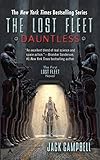
Overview:
Jack Campbell’s (pseudonym for John G. Hemry) series starter follows Captain “Black Jack” Geary, resurrected a century after his heroic death to command a battered fleet in a decades-long interstellar war. It champions naval tradition, tactical realism, and ethical leadership amid relentless conflict.
What Makes It Stand Out:
The novel’s obsession with authentic space-naval tactics—using light-speed delays, fuel constraints, and formation maneuvers as plot devices—sets it apart. Geary’s struggle to uphold honor in a war corrupted by extremism delivers a refreshing, principled hero in a genre often dominated by antiheroes.
Value for Money:
As the gateway to a 12-book saga, its standalone completeness and low entry price are stellar. Outperforms many single-volume competitors by offering immediate immersion into a meticulously crafted universe, making the boxed sets an even smarter investment for committed readers.
Strengths and Weaknesses:
Strengths: Unmatched tactical authenticity; strong moral core; highly re-readable battle sequences. Weaknesses: Pacing drags during technical explanations; romance feels perfunctory; alien antagonists are thinly sketched. Protagonist’s near-infallibility reduces tension.
Bottom Line:
A must-buy for military SF purists craving hard-tactical depth. Less accessible to casual readers but invaluable for its genre-specific rigor and clean, principled storytelling.
9. The Expanse Boxed Set: Leviathan Wakes, Caliban’s War and Abaddon’s Gate

Overview:
This trio compiles the foundational novels of James S.A. Corey’s acclaimed series, blending noir detective drama, political intrigue, and first-contact terror across a solar system on the brink of war. It establishes the Rocinante crew’s journey through a meticulously realized, gritty future.
What Makes It Stand Out:
The boxed set excels in its unparalleled world-building: solar-system politics feel authentically fractious, scientific realism grounds the action, and complex character arcs evolve seamlessly across volumes. Its “slow-burn” cosmic horror and ensemble cast dynamics redefine modern space opera.
Value for Money:
The bundled price per book is significantly lower than individual purchases, offering extraordinary value. Including three Hugo-finalist narratives (with Leviathan Wakes nominated for Best Novel) makes this the most cost-effective entry point into one of sci-fi’s most influential contemporary series.
Strengths and Weaknesses:
Strengths: Rich political/social commentary; deeply human characters; flawless scientific plausibility; addictive serial storytelling. Weaknesses: Pacing lags in Caliban’s War; some sci-fi concepts require patience; minimal standalone resolution per volume. Technical jargon may alienate novices.
Bottom Line:
An indispensable investment for serious sci-fi readers. The set’s cohesive vision and re-readability justify premium pricing, though binge-readers should prepare for inevitable sequel addiction.
10. The Last Dance (Terran Scout Fleet Book 8)

Overview:
Concluding Dave Hinerman’s Terran Scout Fleet series, this finale pits Captain Daniel Blackwell against existential threats to humanity’s fragile interstellar foothold. It delivers high-octane space battles while resolving long-simmering character arcs for series veterans.
What Makes It Stand Out:
As a series capstone, it leverages eight books of accumulated tension, focusing on leadership legacy and sacrifice with emotional heft rare in military SF. The Scout Fleet’s underdog ethos—emphasizing ingenuity over firepower—provides a satisfying thematic payoff for loyal readers.
Value for Money:
Best appreciated by invested fans, its value hinges on completionism. Priced fairly for a niche series finale, it offers robust closure but minimal standalone appeal. Outshines mid-tier series finales in payoff density though lacks the prestige pricing of major franchises.
Strengths and Weaknesses:
Strengths: Cathartic character resolutions; strategic combat innovation; consistent tone with prior books. Weaknesses: Near-impenetrable for new readers; pacing rushes key moments; some plot threads feel truncated. Relies heavily on prior emotional investment.
Bottom Line:
A rewarding, action-packed sendoff for dedicated followers, but not an entry point. Purchase only if you’ve committed to the full saga—otherwise, skip for broader-appeal titles.
Understanding the Military Sci-Fi Landscape
Defining the Core Elements
Military science fiction isn’t merely science fiction with soldiers. It centers the military experience – the structure, tactics, technology, and profound psychological and moral weight of warfare – within a futuristic or interstellar setting. Expect a significant focus on combat operations, chain of command, military culture, and the strategic implications of conflict. While exploration or alien contact might be present, the narrative engine is driven by the realities, consequences, and often the necessity of organized violence on a large scale.
Distinguishing from Space Opera and Hard Sci-Fi
It’s crucial to differentiate military sci-fi from adjacent genres. Space opera often prioritizes sweeping galactic drama, romance, and larger-than-life heroes, where military elements might be present but aren’t the core focus. Hard science fiction emphasizes scientific accuracy and plausibility, which military sci-fi can incorporate, but its primary goal is exploring the human condition within warfare, not necessarily rigorous physics. Military sci-fi sits at the intersection, using plausible (or creatively explained) future tech as the backdrop for its examination of war.
The Spectrum of Tone and Realism
This genre spans a wide spectrum. At one end are works striving for gritty, almost journalistic realism, meticulously depicting the fatigue, fear, and bureaucratic absurdity of soldiering amidst advanced tech. At the other end lie more idealized or adventurous tales, emphasizing heroism, clear moral lines, and faster-paced action. Neither approach is superior; understanding where a book falls on this spectrum helps set expectations. Some blend elements, offering moments of intense realism within a broader, more adventurous framework.
Key Themes That Drive Galactic Conflict Narratives
The Human Cost of Interstellar Warfare
Beyond the spectacle of laser blasts and exploding dreadnoughts, the most resonant military sci-fi relentlessly explores war’s devastating impact on individuals and societies. This includes the physical and psychological trauma of soldiers (PTSD, moral injury), the societal burden of conscription and loss, the erosion of civil liberties in wartime, and the long shadow cast over veterans. It asks: what does constant, large-scale conflict do to a species?
Politics, Power, and the Fog of War
Galactic wars are rarely simple clashes of good versus evil. Compelling narratives delve into the intricate political machinations that spark conflicts – resource scarcity, ideological divides, imperial ambitions, or misunderstandings amplified by vast distances. The “fog of war” concept is paramount: misinformation, unclear objectives, conflicting intelligence, and the sheer difficulty of command over light-years create constant tension and moral ambiguity. Who is truly the aggressor? What are the hidden agendas?
Technology as Catalyst and Consequence
Futuristic weaponry, armor, starships, and communication systems aren’t just cool gadgets; they fundamentally shape the nature of the conflict and its consequences. How does instantaneous communication (or lack thereof) affect strategy? What are the ethical implications of AI-controlled drones or cybernetically enhanced soldiers? Does advanced medical tech make soldiers more disposable? The best stories examine not just how the tech works, but how it changes warfare and humanity itself.
Evaluating Authorial Approach and Style
Ground-Level Grunt Perspective vs. Strategic Command View
Consider whose boots you want to walk in. Narratives focused on the soldier on the ground (“grunts”) offer visceral, immediate experiences of combat, camaraderie, fear, and survival. They emphasize the tactical level – firefights, patrols, small-unit dynamics. Conversely, stories centered on admirals, generals, or political leaders operate at the strategic or operational level, dealing with grand strategy, fleet movements, resource allocation, and the immense weight of decisions affecting millions. Both perspectives offer unique insights; knowing your preference is key.
Character Depth and Development Arcs
While action is central, the most memorable military sci-fi features characters who evolve meaningfully under pressure. Look for protagonists (and antagonists) with complex motivations, internal conflicts, and believable growth (or degradation) shaped by their wartime experiences. Are soldiers portrayed as nuanced individuals, or merely cannon fodder? Does the narrative explore their relationships, doubts, and moments of humanity amidst the chaos? Strong character work elevates the genre beyond mere spectacle.
Pacing and Narrative Focus
Pacing varies significantly. Some books deliver relentless, high-octane action sequences with minimal downtime, prioritizing thrills. Others build tension slowly, focusing on preparation, political maneuvering, or the psychological build-up to conflict, with combat scenes serving as climactic punctuation. Consider whether you prefer a breakneck pace mirroring the chaos of battle or a more deliberate, character-driven approach that explores the lulls between engagements. The narrative focus – pure combat, political intrigue, survival, or a specific mission – also greatly shapes the reading experience.
Navigating Series Structures and World-Building
Standalone Novels vs. Expansive Series
Military sci-fi thrives in both formats. Standalone novels offer complete, satisfying arcs within a single volume, ideal for readers wanting a concise, impactful story without long-term commitment. However, the complexity of galactic conflicts often lends itself to series. Duologies, trilogies, or longer sagas allow for deeper exploration of evolving strategies, character development over time, and the long-term consequences of war. Consider your appetite for ongoing narratives versus self-contained stories.
The Importance of Cohesive World-Building
A believable military sci-fi universe requires meticulous world-building. This includes not just the technology and alien species, but crucially, the structure and culture of the military forces involved. How is the army or fleet organized? What are its traditions, ranks, and codes? What’s the relationship between the military and civilian government? How does society function during prolonged conflict? Rich, consistent world-building makes the stakes feel real and the military operations plausible within the story’s internal logic.
Evolution of Conflict Across Multiple Books
In a series, the nature of the conflict itself often evolves. Early books might focus on initial contact or defensive actions, while later installments delve into full-scale galactic war, occupation, rebellion, or post-war reconstruction. Pay attention to how the author escalates (or de-escalates) the stakes and shifts the thematic focus across the series. Does the portrayal of war mature and deepen, or does it risk becoming repetitive? A well-structured series shows the war’s changing face and its cumulative toll.
Considering Reader Suitability and Content
Assessing Graphic Content and Intensity
Military sci-fi, by its nature, often depicts violence and its consequences. The level of graphic detail varies widely. Some works depict combat injuries, psychological trauma, and the brutality of war with unflinching realism, which can be deeply affecting but potentially disturbing. Others handle these elements with more restraint, implying horror rather than detailing it. Be mindful of your own tolerance for intense or visceral descriptions of warfare and its aftermath.
Exploring Moral Ambiguity and Ethical Dilemmas
One of the genre’s greatest strengths is its exploration of moral gray areas. Does the book present a clear-cut “good vs. evil” scenario, or does it force characters (and readers) to confront difficult choices with no perfect outcome? Stories that grapple with the ethics of collateral damage, the use of overwhelming force, collaboration, or the dehumanization necessary for combat often provide the most thought-provoking experiences. Consider whether you seek clear heroes or narratives that challenge simplistic notions of morality in war.
Balancing Action with Thematic Depth
While thrilling combat sequences are a hallmark, the most enduring military sci-fi uses action as a vehicle for deeper exploration. Does the book use its battles to examine themes like the futility of war, the resilience of hope, the corruption of power, or the definition of heroism? Or is the action primarily spectacle-driven? Finding the right balance for your taste – whether you prioritize pulse-pounding sequences or profound thematic resonance – is essential for satisfaction.
Finding Your Perfect Galactic War Story
Identifying Your Core Preferences
Before diving into a new book, take a moment to reflect. What specifically excites you about military sci-fi? Is it the intricate details of futuristic tactics, the camaraderie of a military unit, the political chess game behind the scenes, or the exploration of how individuals cope with trauma? Pinpointing your primary drivers will help you filter the vast array of options much more effectively than any generic ranking ever could.
Leveraging Reviews and Community Insights Wisely
While avoiding “best of” lists, seek out reviews that focus on why a book works (or doesn’t) for the reviewer, specifically regarding military elements. Look for reader comments discussing the portrayal of soldiers, the realism of combat, the depth of political intrigue, or the handling of thematic elements. Online communities dedicated to sci-fi often have nuanced discussions about subgenre preferences – engage there to find readers with tastes similar to yours. Focus on descriptive analysis, not just star ratings.
Embracing the Journey of Discovery
The beauty of a rich genre like military sci-fi lies in exploration. Don’t feel pressured to only read the most hyped titles. Sometimes the most rewarding discoveries come from lesser-known works or authors specializing in niche aspects of the genre (e.g., naval warfare analogies in space, special forces operations, or the logistics of interstellar supply chains). Be open to trying something new based on its specific thematic or stylistic description that aligns with your identified preferences. Your perfect galactic war story is out there, waiting to be found through informed exploration.
Frequently Asked Questions
Frequently Asked Questions
What exactly defines a book as “military science fiction” rather than just sci-fi with soldiers? It centers the military experience – the structure, tactics, culture, and profound impact of warfare – as the core narrative driver, not just a setting. The plot, themes, and character development are intrinsically tied to the realities of organized conflict in a futuristic context.
Is military sci-fi always grimdark and overly violent? No. While it often depicts the harsh realities of war, the tone varies widely. Some works are gritty and focus on trauma, others emphasize heroism and adventure, and many strike a balance. The level of graphic detail also differs significantly between authors and specific books.
How important is scientific accuracy in good military sci-fi? Plausibility is often valued more than strict accuracy. The technology (weapons, FTL, etc.) needs to be internally consistent and serve the story’s exploration of warfare. Some prioritize “hard” science elements, while others use more speculative tech as a tool to examine military and human themes.
Can military sci-fi have strong female or diverse protagonists? Absolutely. Modern military sci-fi features a wide range of protagonists reflecting diverse backgrounds, genders, and experiences. The focus on military structure and combat doesn’t preclude rich character diversity; many acclaimed works center on compelling female, LGBTQ+, or non-Western coded leads.
What’s the difference between military sci-fi and space opera? Space opera prioritizes grand, sweeping galactic drama, adventure, and often romance across vast scales. Military sci-fi specifically focuses on the mechanics, culture, and human cost of warfare within a sci-fi setting. Space opera can include military elements, but they aren’t the genre’s core focus.
Do I need to read a series in order to understand the military conflicts? Generally, yes, especially for longer series. The evolution of the conflict, character development, military strategies, and world-building details are usually sequential. Starting mid-series can lead to confusion about alliances, previous battles, and character motivations shaped by prior events.
How do authors handle faster-than-light travel’s impact on military strategy? This is a major consideration. Authors develop rules (e.g., limited FTL ranges, predictable jump points, communication delays) to create plausible strategic and tactical challenges. These constraints shape fleet movements, supply lines, intelligence gathering, and the very nature of interstellar warfare within the story’s universe.
Are there military sci-fi books that focus more on politics than combat? Yes. While combat is a hallmark, many strong entries emphasize the political maneuvering, diplomatic efforts, espionage, and logistical challenges that drive and sustain galactic conflicts. The “war” can be as much about boardrooms and legislative chambers as battlefields.
Can military sci-fi be optimistic or focus on peace? Definitely. While depicting war, many works explore themes of resilience, the possibility of reconciliation, the value of peace hard-won, or the efforts of characters working towards ending the conflict. The genre can examine the path to peace as intensely as the conduct of war itself.
How do I know if a book’s portrayal of military life is respectful and informed? Look for authors with military experience or those known for thorough research. Reviews from readers with military backgrounds can be insightful. Books that portray the complexity of military culture – the camaraderie, discipline, bureaucracy, and psychological weight – without resorting to caricature often indicate a more respectful and nuanced approach.