There’s something undeniably magnetic about trees that captures the imagination of nature nerds. Perhaps it’s their silent witness to centuries of history, their complex communication networks hidden beneath bark and soil, or simply the way they stand as living monuments to resilience. In recent years, the literary world has responded to this fascination with an extraordinary flourishing of tree-focused non-fiction that goes far beyond simple field guides. These books offer everything from cutting-edge scientific discoveries about forest ecosystems to deeply personal memoirs of lives spent in arboreal companionship. For the true tree enthusiast, building a collection of these works isn’t just about accumulating information—it’s about developing a richer, more nuanced relationship with the woody giants that shape our world.
But navigating this verdant landscape of publications can feel overwhelming. Should you invest in a comprehensive dendrological textbook or a lyrical collection of tree essays? Does that stunning coffee table book with the glossy photos offer substance beneath its beauty? How do you distinguish between a groundbreaking work of forest ecology and a rehashing of common knowledge? This guide will help you develop the critical eye needed to curate a personal library that matches your specific interests, whether you’re a casual tree admirer, an amateur naturalist, or a budding arborist. We’ll explore the key features that separate exceptional tree books from the merely adequate, examine the different approaches authors take to their subject, and provide you with the tools to make informed decisions about which volumes deserve precious space on your bookshelf.
Top 10 Non-Fiction Books About Trees for Nature Enthusiasts
Detailed Product Reviews
1. The Nature of Oaks: The Rich Ecology of Our Most Essential Native Trees
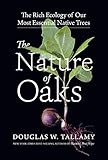
Overview: This illuminating work by renowned entomologist Doug Tallamy explores the profound ecological significance of oak trees in North American ecosystems. The book meticulously documents how oaks support over 500 species of caterpillars and countless other organisms, making them true cornerstones of biodiversity. Tallamy combines decades of scientific research with accessible prose to demonstrate why these native trees are essential for sustaining wildlife, from birds to mammals. Readers journey through the four seasons, discovering the intricate relationships oaks maintain with their environment and the devastating consequences of their declining populations in suburban and urban landscapes.
What Makes It Stand Out: Unlike general tree guides, this volume offers a deep, species-specific ecological analysis that transforms how readers perceive their own backyards. Tallamy’s unique approach connects tree biology to actionable conservation, showing homeowners precisely how planting oaks creates tangible wildlife habitat. The seasonal organization provides a narrative arc that keeps readers engaged while delivering rigorous scientific content. Its focus on keystone species makes it a powerful tool for ecological restoration advocates.
Value for Money: At $15.45, this paperback delivers exceptional value, packing university-level ecology into a digestible format. Comparable academic texts often cost twice as much, while general gardening books lack this scientific depth. The knowledge gained can save homeowners money by guiding smarter native plant choices that reduce pest control and maintenance needs.
Strengths and Weaknesses: Strengths: Authoritative scientific voice, compelling conservation message, practical applications for landowners, beautiful photography enhances learning, transforms environmental perspective. Weaknesses: Narrow focus exclusively on oaks may disappoint those seeking broader tree coverage, limited identification key for non-oak species, scientific density might challenge casual readers.
Bottom Line: This is essential reading for environmentally conscious homeowners, conservationists, and anyone seeking to understand nature’s interconnectedness. While specialized, its message is universally important.
2. The Complete Language of Trees - Pocket Edition: A Definitive and Illustrated History

Overview: This compact reference delves into the symbolic and cultural significance of trees throughout human history. The pocket edition distills a vast treasury of arboreal lore, mythology, and meaning into a portable format perfect for field consultation or casual reading. Each entry explores how different cultures have interpreted various tree species, from Celtic oaks to Japanese cherry blossoms, providing a rich tapestry of human-tree relationships. The illustrated guide serves as both a cultural compendium and a unique way to connect more deeply with the natural world through understanding its historical context.
What Makes It Stand Out: The “language” approach offers a refreshing alternative to scientific field guides, appealing to readers interested in folklore, spirituality, and cultural history. Its pocket size makes it genuinely portable unlike most tree references, while the illustrated format ensures accessibility. The book bridges art, history, and nature in a way that transforms routine walks into journeys through cultural heritage, making it an excellent conversation starter and gift item.
Value for Money: Priced at $14.47, this represents solid value for a specialized reference. Similar cultural nature books typically retail for $20+, and the portability adds practical value. While not a comprehensive botanical guide, its unique niche justifies the cost for those seeking something beyond identification keys.
Strengths and Weaknesses: Strengths: Highly portable pocket format, unique cultural perspective, beautiful illustrations, excellent gift potential, accessible writing style, connects nature to humanities. Weaknesses: Lacks scientific depth for serious botanists, limited practical identification information, small print may challenge some readers, not suitable as primary field guide.
Bottom Line: Ideal for nature lovers seeking cultural context, writers seeking inspiration, or as a thoughtful gift. Pair with a traditional guide for best results.
3. Beneath the Trees Where Nobody Sees

Overview: This enchanting picture book weaves a mysterious narrative that invites young readers into the secret world beneath forest canopies. The story follows curious characters discovering hidden wonders in the quiet woods where “nobody sees,” transforming the everyday forest floor into a realm of imagination and gentle adventure. Richly illustrated pages reveal the tiny ecosystems and unseen dramas playing out among roots and fallen leaves. The lyrical prose balances whimsy with subtle educational elements about forest ecology, making complex natural relationships accessible to children aged 4-8 while maintaining an air of magical discovery.
What Makes It Stand Out: The atmospheric storytelling approach distinguishes it from traditional nature reference books, fostering emotional connection to forests rather than just factual knowledge. Its mysterious title and narrative structure spark curiosity and repeated readings. The illustrations likely depict realistic forest details within a fantastical framework, helping children develop observation skills while engaged in storytime. This narrative vehicle for nature appreciation can succeed where field guides fail with young audiences.
Value for Money: At $16.13, this sits slightly above average for premium picture books but delivers dual value as both literature and subtle environmental education. Comparable children’s nature books often lack this title’s narrative sophistication, making it worth the modest premium for parents seeking substance alongside entertainment.
Strengths and Weaknesses: Strengths: Engaging narrative approach, fosters early nature connection, beautiful illustrations, suitable for repeated readings, sparks imagination, subtle ecological education. Weaknesses: Not a reference tool, limited age range appeal, story-focused rather than fact-focused, may not satisfy children seeking pure information.
Bottom Line: A magical addition to any young child’s library that cultivates wonder for the natural world. Perfect for storytime but not for homework assignments.
4. What Tree Is That?: A Guide to the More Common Trees Found in North America (Mom’s Choice Awards Recipient)

Overview: This Mom’s Choice Award-winning guide simplifies tree identification for families and novice naturalists across North America. Focusing on the most commonly encountered species, the book employs a user-friendly question-and-answer format that leads readers through simple observations of leaves, bark, and branching patterns to accurate identification. The guide deliberately avoids overwhelming users with obscure species, instead building confidence through mastering the trees most likely seen in parks, neighborhoods, and beginner hiking trails. Its full-color photographs and clear organization make it an ideal first field guide for children and adults alike.
What Makes It Stand Out: The award recognition signals quality and child-safety, making it trustworthy for family use. Its narrowed scope prevents the intimidation factor of comprehensive guides with hundreds of species. The pedagogical approach teaches observation skills systematically, creating a foundation for more advanced study. Unlike apps that require batteries and screens, this tangible book encourages offline nature engagement and develops lasting identification skills.
Value for Money: At $13.19, this is the most affordable option reviewed, offering exceptional entry-level value. Comparable beginner guides typically cost $15-18, and the award pedigree adds credibility without premium pricing. For families seeking to introduce children to nature, the cost-per-use ratio is excellent.
Strengths and Weaknesses: Strengths: Mom’s Choice Award credibility, family-friendly format, simplified scope prevents overwhelm, excellent photography, teaches fundamental observation skills, durable construction. Weaknesses: Limited to common species, insufficient for advanced identifiers, geographic coverage lacks regional specificity, brief entries lack ecological depth.
Bottom Line: The perfect first tree guide for families with children or absolute beginners. Start here before investing in more complex references.
5. Native Trees of the Southeast: An Identification Guide

Overview: This comprehensive field guide serves as the definitive reference for identifying native trees in the southeastern United States. Covering species from Virginia to Florida and west to Texas, the book combines detailed botanical descriptions with practical horticultural and forestry applications. Each entry includes range maps, diagnostic photographs of leaves, bark, flowers, and fruit, plus notes on wildlife value and landscape use. The guide addresses the needs of both professionals—arborists, foresters, and ecologists—and serious amateur naturalists seeking authoritative regional information beyond what national guides provide.
What Makes It Stand Out: The specialized regional focus delivers depth that national guides cannot match, including subtle variations in subspecies and hybrids unique to the Southeast. Its integration of horticulture and forestry perspectives makes it uniquely practical for land managers and homeowners alike. The emphasis on native species supports restoration efforts and helps users avoid invasive look-alikes, a critical concern in this biodiverse region.
Value for Money: At $19.39, this is the premium option, but the specialized content justifies the cost for target users. Regional guides of this caliber typically exceed $25, and the professional-grade information saves users from purchasing multiple less-detailed references. For Southeast residents, it’s a one-time investment that replaces several general guides.
Strengths and Weaknesses: Strengths: Unparalleled regional specificity, professional-grade detail, includes horticultural/forestry applications, excellent photography, covers both natural and cultivated settings, supports native plant conservation. Weaknesses: Geographic limitation excludes other regions, highest price point, density may intimidate casual users, overkill for occasional hikers.
Bottom Line: Indispensable for Southeast residents, professionals, and serious enthusiasts. Worth every penny if you live in or frequently visit the region.
6. A Peterson Field Guide To Eastern Trees: Eastern United States and Canada, Including the Midwest

Overview:
The Peterson Field Guide to Eastern Trees is the gold standard for identifying trees across the Eastern United States, Canada, and Midwest. This compact softcover delivers the renowned Peterson identification system in a portable 7-1/8" x 4-1/2" format, making it an essential companion for hikers, naturalists, and students. Sponsored by the National Audubon Society, National Wildlife Federation, and Roger Tory Peterson Institute, it carries authoritative weight that casual guides lack.
What Makes It Stand Out:
The Peterson identification system remains unmatched for its intuitive visual approach. Full-color illustrations and detailed drawings highlight key distinguishing features at a glance. The sponsorship trifecta of major conservation organizations ensures scientific accuracy and broad appeal. Its pocket-friendly size distinguishes it from bulkier guides, allowing field use without weighing down your pack during extended outdoor excursions.
Value for Money:
At $14.35, this guide offers exceptional value. Comparable field guides often cost $20-30, while digital alternatives require batteries and lack the tactile reliability of a physical book. The softcover format keeps costs low while maintaining durability for seasonal use. For a reference you’ll consult for years across countless hikes, it’s a modest investment that pays dividends in knowledge and safety.
Strengths and Weaknesses:
Strengths include authoritative content, portable design, clear visual identification system, and reputable institutional backing. Weaknesses: geographic limitation to Eastern regions offers no help for Western species; softcover may wear with heavy field use; lacks the photographic detail some modern guides provide. It’s identification-focused rather than offering deep ecological context for each species.
Bottom Line:
This is the definitive field guide for anyone exploring Eastern forests. While it won’t replace comprehensive botanical texts, its portability, reliability, and trusted methodology make it indispensable for field identification. Perfect for beginners and intermediate naturalists who need quick, accurate answers outdoors.
7. Around the World in 80 Trees

Overview:
“Around the World in 80 Trees” takes readers on a captivating global journey, exploring the cultural, historical, and ecological significance of eighty remarkable tree species. Unlike traditional identification guides, this volume weaves narrative storytelling with botanical insight, revealing how trees have shaped human civilization and natural ecosystems across continents through engaging prose.
What Makes It Stand Out:
The book’s narrative architecture transforms dry facts into compelling stories. Each tree becomes a character with its own biography, connecting botany to anthropology, economics, and mythology. This global perspective avoids regional limitations, offering a truly international understanding of arboreal importance that technical manuals rarely achieve, making it accessible to general readers.
Value for Money:
Priced at $18.59, this book occupies a sweet spot between mass-market paperbacks and expensive coffee-table volumes. It delivers substantial educational and entertainment value, serving as both reference and pleasurable reading. Compared to single-region guides, its global scope provides broader perspective per dollar spent, justifying the moderate price point.
Strengths and Weaknesses:
Strengths include engaging prose, international scope, interdisciplinary approach, and accessible storytelling that cultivates appreciation. Weaknesses: may lack the detailed identification keys serious botanists require; photographic content unspecified; narrative focus might overwhelm readers seeking quick reference data. It’s a reading book first, field guide second, requiring different expectations.
Bottom Line:
Ideal for curious readers who love nature writing and cultural history, this book succeeds as an enlightening armchair journey. While not a replacement for technical field guides, it cultivates deeper appreciation for trees’ roles in our world. A thoughtful gift for tree lovers who enjoy stories as much as science, perfect for winter reading.
8. The Hidden Life of Trees - Leather Bound Special Edition by Graphic Image: An Illustrated Journey - The Mysteries of Nature

Overview:
This leather-bound special edition elevates Peter Wohlleben’s “The Hidden Life of Trees” into a luxury collector’s item. Hand-bound in bonded leather with 176 large-format pages measuring 9.3" x 10.2", this edition transforms scientific exploration into visual art. It distills compelling selections from the original work while adding breathtaking photography from global forests, creating a permanent tribute to arboreal wonders.
What Makes It Stand Out:
The craftsmanship is extraordinary—hand-bound leather construction signals permanence and prestige. Large-format photographs showcase bark textures, seed details, and panoramic forest vistas with museum-quality resolution. The editorial selection focuses on the most visually stunning and scientifically fascinating content, creating a symbiotic relationship between Wohlleben’s insights and world-class nature photography that smaller editions cannot match.
Value for Money:
At $150, this is a premium investment rather than casual purchase. Comparable leather-bound art books command similar prices. While the $25 paperback contains the same core information, you’re paying for archival quality, aesthetic impact, and tactile luxury. For collectors and gift-givers, the price reflects genuine craftsmanship and production costs, not just marketing.
Strengths and Weaknesses:
Strengths include exquisite binding, stunning large-format photography, curated essential content, and impressive gift presentation. Weaknesses: substantial cost barrier; heavy and not portable; content overlap with affordable edition; bonded leather (not full-grain) may show wear over decades. It’s a display piece requiring careful handling, not a field reference.
Bottom Line:
This edition serves a specific purpose: celebrating trees through art and science in a permanent, beautiful format. For serious collectors, special occasions, or institutional libraries, it’s magnificent. General readers should start with the paperback, but this version rewards those seeking a heirloom-quality tribute to forest ecosystems that will grace bookshelves for generations.
9. Beneath the Trees Where Nobody Sees: Rite of Spring

Overview:
“Beneath the Trees Where Nobody Sees: Rite of Spring” appears to be a literary work exploring the quiet mysteries of forest life during spring’s awakening. The evocative title suggests a narrative that combines natural observation with poetic reflection, focusing on the hidden dramas unfolding in woodland ecosystems during this pivotal season of renewal and transformation.
What Makes It Stand Out:
The title itself creates immediate atmosphere, promising an intimate, almost secretive look at nature. The “Rite of Spring” subtitle indicates a thematic focus on renewal, ritual, and transformation. This approach likely emphasizes sensory detail and emotional connection over scientific data, appealing to readers seeking meditative nature writing that captures the spiritual essence of seasonal change.
Value for Money:
At $19.99, this sits comfortably in the trade paperback range. Assuming quality writing and potential illustrations, it offers fair value for literary non-fiction. The price reflects editorial and production costs typical of specialized nature writing, positioning it as an affordable luxury for thoughtful readers who value prose over pure information.
Strengths and Weaknesses:
Strengths include potentially beautiful prose, seasonal timeliness, unique perspective on familiar subject matter, and strong title branding. Weaknesses: without specified features, content quality is uncertain; may appeal to niche audience only; could lack practical information; genre ambiguity (memoir? fiction? natural history?) might confuse buyers. The missing feature list is concerning for informed purchasing.
Bottom Line:
This book likely rewards readers drawn to lyrical, contemplative nature writing. While not a reference work, it could deepen appreciation for spring’s subtleties. However, the lack of detailed product information makes it a cautious purchase—best for those specifically seeking poetic forest narratives rather than factual guides. Verify content before buying to ensure it matches your expectations.
10. All Things Wolves For Kids: Filled With Plenty of Facts, Photos, and Fun to Learn all About Wolves

Overview:
“All Things Wolves For Kids” delivers exactly what its title promises—a comprehensive, child-friendly exploration of wolves packed with facts, photographs, and engaging content. Designed for young readers, this book transforms complex wildlife science into accessible, exciting learning material that captures the majesty and mystery of these apex predators while maintaining educational rigor appropriate for children.
What Makes It Stand Out:
The kid-centric approach balances education with entertainment, using high-quality photos to maintain visual interest. Unlike dense wildlife manuals, this volume speaks directly to children’s curiosity with fun facts and accessible language. The focused wolf-specific content provides depth that general animal encyclopedias lack, allowing genuine understanding rather than superficial coverage.
Value for Money:
At $12.99, this represents excellent value for a specialized children’s non-fiction book. Comparable wildlife titles for kids typically range $15-20, making this an affordable option for parents and educators. The combination of photos and facts delivers multi-modal learning that justifies every dollar, especially for children who learn visually.
Strengths and Weaknesses:
Strengths include age-appropriate writing, engaging photography, focused subject matter, and competitive pricing. Weaknesses: unspecified age range may leave some buyers guessing; durability concerns typical of softcover children’s books; may oversimplify complex ecological concepts; lacks information about author credentials or conservation messaging depth that discerning parents might want.
Bottom Line:
This is a solid choice for young animal enthusiasts eager to learn about wolves. It successfully bridges entertainment and education, making it perfect for school projects or cultivating wildlife appreciation. While not a definitive scientific text, it serves its target audience admirably. A worthwhile addition to any child’s nature library that will likely spark further interest in wildlife conservation.
Understanding the Forest of Tree Literature
The world of tree-focused non-fiction is more diverse than many readers realize. Unlike more narrowly defined genres, arboreal literature branches into multiple disciplines simultaneously—biology, ecology, history, cultural studies, and even philosophy. This interdisciplinary nature is part of what makes it so rewarding but also challenging to navigate. A book that excels in botanical accuracy might sacrifice narrative flow, while a beautifully written meditation on trees might lack scientific rigor.
When approaching this genre, it’s helpful to understand that tree books generally fall into several distinct categories, each serving different purposes for different readers. Some function as practical tools for identification and study, while others aim to transform your entire perspective on what a forest represents. The most valuable additions to your collection will likely span multiple categories, offering both utility and inspiration.
Why Tree Books Resonate with Nature Enthusiasts
Trees occupy a unique space in human consciousness—they’re simultaneously familiar and mysterious. We see them daily yet understand them poorly. This paradox drives the hunger for quality tree literature. For nature nerds, these books satisfy an itch that goes beyond simple curiosity; they provide a framework for understanding complex ecological relationships that have evolved over millions of years.
The best tree books tap into this by revealing hidden worlds. They explain how mycorrhizal networks create a “wood-wide web” of nutrient exchange, detail the sophisticated defense chemicals trees produce when under attack, or document the mathematical precision of branch distribution that follows Fibonacci sequences. This blend of accessible science and profound wonder is what transforms a casual reader into a dedicated tree aficionado.
Key Categories of Tree-Focused Non-Fiction
Scientific Reference Works
These are the heavyweights of tree literature—comprehensive volumes that prioritize accuracy and detail above all else. Typically written by academic botanists or forest ecologists, these books excel in taxonomic precision, detailed species descriptions, and exhaustive coverage of biological processes. Look for works that include clear dichotomous keys for identification, detailed morphological descriptions, and up-to-date scientific nomenclature.
Narrative Natural History
This category blends scientific information with storytelling, creating an engaging reading experience that doesn’t sacrifice accuracy. Authors in this space often focus on specific species or forest types, weaving together personal observation, historical anecdotes, and current research. The hallmark of excellence here is the ability to make complex ecological concepts feel immediate and relevant without dumbing down the science.
Visual Compendiums
Coffee table books about trees can be more than decorative objects when executed properly. High-quality photography or botanical illustration combined with substantive captions and well-researched introductory text creates a hybrid format that’s both beautiful and educational. The key is ensuring the visual elements serve the information rather than merely accompanying it.
Conservation and Environmental Advocacy
These books position trees within larger environmental conversations, examining threats like deforestation, climate change, and invasive species. They often combine scientific reporting with calls to action, making them essential reading for anyone interested in the future of forests. The best examples ground their urgency in solid data while offering realistic pathways for individual and collective action.
Cultural and Historical Perspectives
Trees shape human societies in countless ways—from the sacred groves of ancient religions to the timber that built colonial empires. Books in this category explore these relationships, examining how different cultures have understood, used, and mythologized trees throughout history. They provide essential context that deepens your appreciation for why certain species matter beyond their ecological roles.
Scientific Rigor vs. Literary Beauty: Finding Your Balance
The eternal tension in nature writing exists in tree literature too. Some readers prioritize peer-reviewed accuracy and comprehensive data; others seek prose that captures the poetic essence of standing beneath a cathedral canopy. The sweet spot lies in books that manage both, but these are rare gems.
When evaluating a book’s scientific credentials, check whether it includes citations or a bibliography referencing primary research. Does the author acknowledge scientific debates and uncertainties, or present everything as settled fact? Look for mentions of recent studies (within the last 5-10 years) on topics like tree communication, carbon sequestration, or forest regeneration.
On the literary side, examine how the author handles description. Do they rely on clichés about “majestic” or “stately” trees, or do they offer fresh observations that make you see familiar species in new ways? The best nature writers have a knack for precise, evocative language that serves accuracy rather than replacing it.
Visual Elements: More Than Just Pretty Pictures
Illustrations, photographs, diagrams, and maps aren’t mere decoration in quality tree books—they’re essential tools for understanding. When assessing visual content, consider its functional value. Do photographs clearly show diagnostic features like leaf arrangement, bark texture, or bud structure? Are scale indicators included so you can gauge actual size? Do illustrations highlight key differences between similar species?
Botanical illustration often surpasses photography for educational purposes because artists can emphasize important details while downplaying distractions. A skilled illustrator can show both a tree’s overall habit and a close-up of its distinctive features on the same page, creating a composite view that photography struggles to match.
Maps deserve special attention. Distribution maps should be current and specific, showing not just entire continents but detailed ranges that account for elevation, soil types, and climate zones. The best books include multiple map types—geographic range, ecoregion breakdowns, and even historical distribution showing how ranges have shifted.
Author Credentials: Who’s Behind the Words
A book’s authority stems directly from its author’s expertise, but credentials in tree literature can take various forms. Academic botanists bring research expertise but sometimes lack the narrative skill to engage general readers. Professional arborists offer practical, hands-on knowledge but may not cover broader ecological theory. Journalists can synthesize complex research into compelling stories but might miss nuances that specialists would catch.
The most reliable authors typically combine multiple forms of expertise. Look for writers who have spent decades both studying and working with trees—researchers who also practice forestry, or naturalists with formal scientific training. Check their publication history and affiliations with reputable institutions, botanical gardens, or conservation organizations.
Be wary of authors whose expertise seems limited to personal enthusiasm. Passion is valuable, but it doesn’t substitute for deep knowledge when you’re trying to understand complex topics like phylogenetics or forest pathology.
Geographic Scope: Local Lore vs. Global Perspectives
Your geographic location and interests should heavily influence your book choices. A comprehensive guide to North American trees offers little value to a reader in Australia or Europe, while a global survey might lack the detail needed for local identification.
Regional Guides
These provide the specificity necessary for accurate field identification. They account for local variations, regional common names, and area-specific conservation concerns. The best regional guides are organized logically for their area—perhaps by habitat type or seasonal progression rather than strict taxonomic order.
Continental Overviews
Books covering entire continents balance breadth with some loss of local detail. They’re valuable for understanding large-scale patterns—how deciduous forests transition to boreal zones, or how mountain ranges create isolated pockets of tree diversity. Use these to contextualize your local observations within bigger ecological narratives.
Global Perspectives
Worldwide surveys excel at showcasing evolutionary relationships and comparing how different tree families have adapted to similar conditions across continents. They’re essential for grasping concepts like convergent evolution and biogeography. However, they rarely provide enough detail for practical identification of local species.
Depth vs. Breadth: Specialized Studies vs. Comprehensive Guides
A 600-page monograph on a single species might seem excessive until you consider how much there is to say about an organism that’s survived for millions of years. Conversely, a guide covering 500 species in 300 pages can only devote half a page to each, leaving you wanting more.
Your collection should include both types. Comprehensive guides serve as essential references when you encounter an unfamiliar tree and need quick answers. Specialized studies transform your understanding of what a tree is and can be. A book focusing exclusively on oak trees, for example, might explore their co-evolution with jays, their role in supporting over 500 species of insects, and their genetic diversity across continents—details that would be impossible to include in a general guide.
Consider your reading habits too. Do you prefer deep dives into single subjects, or do you enjoy sampling widely? There’s no wrong answer, but matching book type to reading style ensures your purchases actually get read rather than gathering dust.
Reading Level and Accessibility
Tree books span the full spectrum from undergraduate textbooks to poetic mediations accessible to any curious reader. Be honest about your current knowledge level and your willingness to learn technical terminology. A book that’s too basic will bore you; one that’s too advanced will frustrate you.
Check sample pages for vocabulary density. Does the author define terms like “phyllotaxy,” “lenticel,” or “allelopathy” clearly when they first appear? Are there glossaries or appendices that help decode technical language? The best technical writers introduce jargon gradually, building your vocabulary as they build concepts.
Pay attention to sentence structure and paragraph length too. Dense, academic prose with long citations and parenthetical asides reads very differently from narrative non-fiction. Neither is inherently better, but they serve different purposes and different audiences.
Practical Application: Field Guides vs. Armchair Reads
How you intend to use a book should drive your selection criteria. Field guides prioritize portability, durability, and quick reference features like thumb tabs and water-resistant covers. Their text is concise, diagnostic, and organized for rapid consultation. Armchair reads sacrifice these practical features for narrative flow, deeper context, and more engaging prose.
Consider the physical format carefully. A beautiful hardcover with thick pages and a sewn binding feels wonderful at home but weighs down a backpack and suffers in damp conditions. Conversely, a spiral-bound, waterproof field guide feels utilitarian but survives actual field use.
Some books attempt to bridge this gap, but few succeed perfectly. The compromise usually favors one end of the spectrum. Think about where you’ll do most of your tree reading and learning, and choose accordingly.
Conservation and Climate Change Perspectives
Modern tree books increasingly address urgent environmental challenges. The best ones integrate this content seamlessly rather than tacking it on as an afterthought. They explore how climate change is shifting tree ranges, making some species vulnerable while expanding opportunities for others. They examine the carbon sequestration potential of different forest types and the complex economics of conservation.
Look for nuance in these discussions. Be skeptical of books that offer simple solutions to complex problems like deforestation or forest degradation. The reality involves balancing ecological health with human needs, indigenous rights with conservation policy, and short-term economics with long-term sustainability. Quality books acknowledge these tensions without becoming paralyzed by them.
Historical and Cultural Context
Trees live long enough to become historical witnesses, and many have played pivotal roles in human events. Books that explore these connections add layers of meaning to your understanding. They might trace how the American chestnut’s disappearance reshaped Appalachian culture, or how rubber tree plantations changed the economy of Southeast Asia.
This context matters because it explains why certain species carry cultural weight and why conservation priorities sometimes seem to favor charismatic trees over ecologically critical but less storied species. Understanding the human history intertwined with trees makes you a more informed advocate for their protection.
Building Your Personal Arboreal Library
A well-curated tree library grows organically, not overnight. Start with foundational texts that match your primary interests, then branch out as your knowledge deepens. A sensible progression might begin with a quality regional field guide, add a narrative natural history of a species or forest type you love, then incorporate a global survey for context.
Consider thematic diversity too. Balance practical identification books with philosophical explorations of what trees mean to humans. Include works from different decades to see how scientific understanding has evolved. Add voices from different geographic regions and cultural backgrounds to avoid a narrow, Western-centric perspective.
Don’t neglect older classics, but be aware that scientific understanding changes. A 1950s guide might have beautiful prose but outdated taxonomy. Use older works for inspiration and historical perspective, but verify technical details against current research.
Where to Discover Hidden Gems
Beyond mainstream publishers, excellent tree literature emerges from university presses, botanical gardens, and conservation organizations. These outlets often produce specialized works that commercial publishers would consider too niche. Check the publication lists of institutions like the Royal Botanic Gardens, Kew, or the Arnold Arboretum for scholarly but accessible titles.
Academic reviews in journals like Forest Ecology and Management or Tree Physiology can point you to authoritative texts, though these reviews often focus on technical works. Natural history book reviews in publications like Ecology or conservation magazines help identify narrative non-fiction worth your time.
Don’t overlook bibliographies in books you already own. Authors often reference the works that shaped their understanding, creating a trail of influential texts you can follow. This is how you build a network of related books that speak to each other.
Making Your Final Selection
When you’ve narrowed your options, do some final due diligence. Read independent reviews, not just publisher blurbs. Check if the book has been updated recently—a 2010 guide might miss significant taxonomic revisions or new research on tree diseases. Look at the index and table of contents online if available; a thorough, well-organized index suggests careful editing and makes the book more useful long-term.
Consider the book’s production quality too. Does the binding feel sturdy? Is the paper weight substantial enough that illustrations don’t bleed through? These physical details affect longevity, especially for books you’ll reference repeatedly. A well-made book becomes a lifelong companion; a cheaply produced one falls apart just as you’re becoming attached.
Finally, trust your instincts. The best tree book for you is one that makes you want to immediately go outside and look at trees differently. If a book’s description or sample pages spark that impulse, it’s probably a good match for your particular brand of tree obsession.
Frequently Asked Questions
What should I look for in a tree identification guide for beginners?
Focus on guides that use visual keys rather than dense technical descriptions. Look for books with clear, labeled photographs showing multiple features—leaves, bark, buds, and overall shape. Beginner-friendly guides often group trees by easily observable characteristics like leaf shape or arrangement rather than scientific families. Check that the book covers your specific geographic area and includes common species you’re likely to encounter locally.
How important is the publication date when choosing a tree book?
It depends on the book’s purpose. Field guides benefit from recent publication because taxonomy changes and new species introductions occur regularly. However, narrative natural histories and cultural studies remain valuable for decades. For scientific reference works, look for titles updated within the last 5-10 years. For literary explorations, older classics can be just as rewarding as new releases.
Should I prioritize books with color photographs or botanical illustrations?
Both have merits. Color photographs excel at showing real-world variations and accurate colors, which is crucial for identification. Botanical illustrations often highlight key features more clearly and can show multiple views in one image. The best guides combine both. For learning, illustrations sometimes teach better because artists emphasize what’s important while downplaying distractions.
How can I tell if a tree book’s environmental information is credible?
Check if the author cites peer-reviewed research and acknowledges scientific uncertainty. Credible books discuss climate change impacts with specific data rather than vague warnings. They should mention both threats and adaptation strategies. Look for authors affiliated with universities, research institutions, or established conservation organizations. Be skeptical of books that blame single causes or offer simplistic solutions to complex forest problems.
What’s the difference between dendrology and arboriculture books?
Dendrology focuses on tree identification, classification, and natural history—the science of trees in their native environments. Arboriculture covers tree cultivation, care, and management in human landscapes. If you want to identify trees in forests, choose dendrology texts. If you’re caring for landscape trees, look for arboriculture manuals. Some books bridge both, but most specialize.
Are single-species monographs worth the investment?
Absolutely, if the species fascinates you. Monographs explore their subject with depth impossible in general guides, covering evolution, genetics, ecological relationships, cultural history, and conservation status. They transform a tree from a recognizable shape into a complex organism with a rich story. For your favorite species, a monograph provides the deepest possible understanding.
How do I choose between a regional guide and a national one?
Start with regional. National guides sacrifice local detail for breadth and can’t cover the subtle variations that distinguish regional populations. A Pacific Northwest guide will separate Douglas fir varieties that a national guide lumps together. Once you know your local trees well, a national guide adds context about how your region fits into larger patterns.
What features make a field guide truly field-worthy?
Durability matters most—water-resistant covers, sturdy binding, and paper that tolerates moisture. Size and weight should fit comfortably in a daypack. Organizational features like thumb tabs for major groups, a lay-flat binding, and a quick-reference key on the inside cover prove invaluable. The best field guides have a “similar species” section highlighting key differences for tough identifications.
Can one book cover both tree identification and forest ecology well?
Rarely. These are distinct subjects requiring different approaches. Identification guides prioritize brevity and diagnostic features. Ecology books need space to explain relationships and processes. Some excellent texts attempt both, but they usually excel at one while covering the other adequately. For serious learning, separate books for each purpose generally serve better.
How do I build a tree book collection without breaking the budget?
Start with one excellent regional guide as your cornerstone. Add used copies of older, well-regarded texts for historical perspective. Library sales and academic remainders offer quality books at deep discounts. Many botanical gardens have small presses producing affordable, specialized pamphlets on local trees. Digital editions can be cheaper, but physical books work better for field use and serendipitous browsing. Prioritize quality over quantity—a few outstanding books teach more than dozens of mediocre ones.