Diving into Russian literature isn’t just about exploring snowy landscapes or tsarist ballrooms; it’s stepping into a profound, centuries-long conversation about the very fabric of human morality. In a world increasingly shouting in moral absolutes—where social media reduces complex ethical dilemmas to simplistic binaries—the nuanced explorations found within these classic works feel startlingly urgent and relevant. Russian authors, grappling with immense societal shifts, spiritual crises, and the sheer weight of existence, didn’t offer easy answers. Instead, they meticulously dissected the agonizing contradictions within the human soul, forcing readers to confront uncomfortable truths about guilt, redemption, duty, and the often-blurred line between right and wrong. This isn’t literature for passive consumption; it demands active engagement, challenging us to question our own convictions in ways few other traditions do.
Why does this matter now, perhaps more than ever? As we navigate our own era of rapid change, ethical uncertainty, and polarized discourse, the deep psychological and philosophical probing of Russian classics provides an indispensable toolkit. They remind us that morality isn’t a fixed destination but a turbulent, often messy, journey lived out in the ambiguous space between ideals and reality. Understanding this complexity isn’t merely an academic exercise; it cultivates the empathy, critical thinking, and intellectual humility desperately needed to navigate the intricate moral landscapes of contemporary life. These works don’t tell us what to think; they teach us how to wrestle with the hardest questions, making them not just historical artifacts, but vital guides for the present and future.
Top 10 Russian Classics
Detailed Product Reviews
1. The Master and Margarita: 50th-Anniversary Edition (Penguin Classics Deluxe Edition)

Overview: Mikhail Bulgakov’s surreal masterpiece, The Master and Margarita, receives a prestigious 50th-anniversary treatment in this Penguin Classics Deluxe Edition. Set in Stalinist Moscow, it weaves a devilish visit by Woland (Satan) with the story of Pontius Pilate and a persecuted author, blending satire, fantasy, and profound philosophical inquiry. This edition commemorates the novel’s enduring global impact since its initial publication.
What Makes It Stand Out: The Deluxe Edition distinguishes itself through high-quality production: a visually striking cover, deckled edges, and premium paper that honors the text’s significance. It includes a new introduction reflecting on the novel’s 50-year legacy and its journey from Soviet-era samizdat to literary canon, offering valuable historical context often missing in standard editions.
Value for Money: Priced slightly above standard paperbacks, the premium materials and exclusive anniversary content justify the cost for collectors and devoted readers. While cheaper editions exist, this version provides superior durability and the added scholarly perspective, making it a worthwhile investment for those seeking a definitive physical copy.
Strengths and Weaknesses: Strengths: Exceptional physical presentation; insightful new introduction; authoritative translation (by Richard Pevear). Weaknesses: Higher price point may deter casual readers; the deluxe format offers no significant textual additions beyond the introduction compared to other Pevear translations.
Bottom Line: An elegant and meaningful tribute to a landmark novel. Highly recommended for collectors, Bulgakov enthusiasts, and readers seeking a beautifully crafted, enduring copy of this essential 20th-century work, though budget-conscious readers might prefer standard editions.
2. The Russian Classics Collection: 10+ Novels and Stories from Tolstoy, Dostoyevsky, Chekhov, Gogol, Turgenev, & More: Anna Karenina, The Brothers Karamazov, Dead Souls, Fathers and Sons, The Shooting Party, We, & More

Overview: This comprehensive digital or print-on-demand anthology bundles over ten seminal works of Russian literature into a single volume. It spans major authors like Tolstoy, Dostoevsky, Chekhov, Gogol, and Turgenev, featuring iconic titles such as Anna Karenina, The Brothers Karamazov, Dead Souls, and We by Zamyatin, offering a vast survey of the genre.
What Makes It Stand Out: The sheer scope is its primary draw, providing unparalleled convenience for exploring the breadth of Russian classics without purchasing numerous individual books. It serves as an accessible entry point for newcomers and a handy reference for established readers seeking multiple works in one place.
Value for Money: Extremely cost-effective compared to buying each novel separately, especially for the price often charged for such collections. However, the value hinges on edition quality; translations may be older public domain versions (like Garnett) lacking the nuance of modern translations (e.g., Pevear/Volokhonsky), potentially diminishing the experience for critical readers.
Strengths and Weaknesses: Strengths: Unbeatable convenience and affordability for quantity; excellent breadth for exploration. Weaknesses: Translation quality is often inconsistent and potentially inferior; lacks critical apparatus (introductions, notes); physical print-on-demand copies can be poorly bound; no thematic curation.
Bottom Line: A practical, budget-friendly option for students or casual readers wanting maximum content for minimal cost, ideal for sampling the canon. However, serious literature enthusiasts should seek out individually published editions with superior translations and scholarly support for a truly rewarding experience.
3. Crime and Punishment (Vintage Classics)

Overview: Fyodor Dostoevsky’s psychological thriller Crime and Punishment, presented in the widely respected Vintage Classics series, follows impoverished student Raskolnikov after he commits a brutal murder in St. Petersburg. Driven by a flawed theory of extraordinary men, he spirals into guilt and paranoia, exploring themes of morality, redemption, and suffering.
What Makes It Stand Out: This edition features the celebrated translation by Richard Pevear and Larissa Volokhonsky, renowned for capturing Dostoevsky’s raw intensity, complex dialogue, and nuanced Russian prose far more effectively than older translations. The Vintage Classics design offers clean, readable typography and a no-nonsense, scholarly aesthetic.
Value for Money: Priced competitively within the trade paperback market, the Pevear/Volokhonsky translation justifies the cost as the definitive modern English version. It represents excellent value compared to editions using dated translations, offering superior readability and authenticity for this cornerstone of literary fiction centered on murder and moral reckoning.
Strengths and Weaknesses: Strengths: Authoritative Pevear/Volokhonsky translation; high-quality, durable Vintage paperback format; accessible price point; includes useful translator’s note. Weaknesses: Minimal supplementary material (no extensive introduction or notes); standard cover design lacks distinction; the dense text remains challenging regardless of translation.
Bottom Line: An essential purchase for any reader tackling Crime and Punishment. The superior translation makes this Vintage Classics edition the clear value leader and the most recommended version for first-time readers and revisiting fans alike, providing the best access to Dostoevsky’s masterpiece.
4. The Greatest Short Stories of Anton Chekhov

Overview: This compilation presents a curated selection of Anton Chekhov’s most celebrated short fiction, including masterpieces like “The Lady with the Dog,” “The Kiss,” “Ward No. 6,” and “The Student.” It showcases Chekhov’s unparalleled ability to capture the subtleties of human emotion, the banality of everyday life, and profound moments of realization within concise narratives.
What Makes It Stand Out: Marketed under the “FINGERPRINT” imprint (often denoted by its logo), this edition emphasizes affordability and accessibility for classic literature. Its focus is squarely on delivering Chekhov’s core short story canon in a portable, no-frills package, prioritizing the timeless text itself over extensive supplementary material.
Value for Money: Extremely budget-friendly, making Chekhov’s essential stories highly accessible. While the FINGERPRINT branding signifies a basic production value (thinner paper, simpler cover), the low cost is ideal for students, casual readers, or those seeking a straightforward introduction without significant investment.
Strengths and Weaknesses: Strengths: Very low price point; covers all major Chekhov short stories; portable format. Weaknesses: Translation quality is typically an older public domain version (e.g., Constance Garnett), lacking the precision of modern translations; minimal or no introduction/editorial notes; physical production (paper, binding) is often subpar compared to academic presses.
Bottom Line: A functional, economical choice for readers primarily seeking the stories themselves at minimal cost, suitable for classroom use or casual reading. However, those desiring the most accurate language and deeper context should consider editions with contemporary translations (e.g., Pevear/Volokhonsky) despite the higher price.
5. The Idiot (Penguin Classics)

Overview: Penguin Classics presents Fyodor Dostoevsky’s The Idiot, a profound exploration of innocence and morality in a corrupt society. Centered on the epileptic Prince Myshkin, a “positively beautiful man” returning to Russia, the novel delves into his disastrous interactions with a web of flawed characters, questioning whether pure goodness can survive in the modern world.
What Makes It Stand Out: This edition features the respected David Magarshack translation, known for its clarity and readability, making Dostoevsky’s complex narrative more approachable. As part of the ubiquitous Penguin Classics line, it benefits from consistent, clean typography, reliable text, and the publisher’s reputation for accessible literary standards.
Value for Money: Positioned at a standard paperback price point, it offers solid value. While not featuring the very latest translation (Pevear/Volokhonsky’s is often preferred by scholars), Magarshack’s version remains highly regarded and perfectly serviceable, providing excellent readability for the price compared to more expensive annotated editions.
Strengths and Weaknesses: Strengths: Trusted Penguin Classics reliability; clear and readable Magarshack translation; affordable; includes a thoughtful critical introduction by Joseph Frank. Weaknesses: Translation, while good, isn’t the current scholarly gold standard; supplementary material is limited to the introduction; cover design is generic Penguin blue.
Bottom Line: A dependable, well-priced, and highly readable entry point to The Idiot. It’s an excellent choice for students and general readers seeking a trustworthy, no-nonsense edition that balances accessibility with literary merit, though translation purists might seek Pevear/Volokhonsky versions.
6. Russian Short Stories from Pushkin to Buida (Penguin Classics)

Overview: This Penguin Classics anthology offers a curated journey through Russian short fiction, spanning the foundational works of Alexander Pushkin in the early 19th century to the post-Soviet narratives of contemporary author Vladimir Buida. It serves as an essential primer for readers seeking a broad historical perspective on the evolution of the Russian short story form. What Makes It Stand Out: Its unique strength lies in the chronological scope, bridging the gap between canonical giants (like Chekhov and Gogol) and lesser-known modern voices. Penguin Classics’ hallmark scholarly apparatus – including a detailed introduction, translator’s notes, and contextual footnotes – provides invaluable insight into historical and literary significance, making complex themes accessible. Value for Money: Priced competitively for a quality paperback classic, it delivers exceptional value. The breadth of content (nearly two centuries of literature) surpasses single-author collections at similar price points. While budget editions exist, Penguin’s reliable translation (often by established scholars) and editorial rigor justify the standard classic paperback cost. Strengths and Weaknesses: Strengths: Expert curation showcasing literary evolution; authoritative Penguin editorial support; accessible translations; durable paperback format. Weaknesses: Some readers seeking deep dives into specific authors may find the breadth limits depth; the inclusion of very modern pieces like Buida’s might feel tonally disjointed for traditionalists; no Russian text included. Bottom Line: An indispensable, well-constructed anthology for students and general readers alike, offering the best single-volume overview of Russian short fiction history. Highly recommended for gaining foundational understanding.
7. The Diary of a Madman, The Government Inspector, and Selected Stories (Penguin Classics)

Overview: This Penguin Classics volume centers on Nikolai Gogol, presenting his two most famous satirical works – the darkly comedic novella Diary of a Madman and the iconic play The Government Inspector – alongside a selection of his other influential short stories, including “Nevsky Prospekt” and “The Overcoat.” What Makes It Stand Out: Penguin excels in contextualizing Gogol’s genius. The inclusion of both his major prose and dramatic works in one volume is particularly valuable. The edition features a perceptive introduction analyzing Gogol’s unique blend of absurdity, social critique, and proto-modernist techniques, alongside essential explanatory notes clarifying historical and cultural references crucial to appreciating the satire. Value for Money: Offers outstanding value. Acquiring The Government Inspector (a play requiring specific formatting) and key stories separately often costs more. Penguin’s reliable translation (typically by Ronald Wilks or similar) and scholarly materials at the standard paperback price make this the most cost-effective, authoritative way to experience Gogol’s core shorter works. Strengths and Weaknesses: Strengths: Perfect pairing of Gogol’s seminal prose and drama; excellent, readable translation; indispensable critical introduction and notes; compact yet comprehensive for introductory study. Weaknesses: Focuses solely on Gogol, so not a broad anthology; the specific translation used, while solid, might not be every scholar’s absolute favorite; lacks the full range of Gogol’s Evenings on a Farm Near Dikanka tales. Bottom Line: The definitive single-volume collection for Gogol’s essential shorter masterpieces. Ideal for students and newcomers, offering the best balance of content, context, and affordability. A must-purchase for Gogol enthusiasts.
8. Anna Karenina (Wordsworth Classics)

Overview: Wordsworth Classics presents Leo Tolstoy’s monumental 19th-century novel Anna Karenina, a profound exploration of adultery, societal constraints, family life, and spiritual crisis in Imperial Russia, centered around the tragic figure of Anna and the parallel journey of Levin. What Makes It Stand Out: Wordsworth Classics is renowned for its ultra-affordable pricing, making canonical literature accessible. This edition provides the complete, unabridged text of Constance Garnett’s historically significant (though dated) translation, offering the core narrative without the higher cost of more modern translations or annotated scholarly editions. Value for Money: Exceptional value purely as a complete text. It’s one of the most budget-friendly ways to own Anna Karenina. However, the low price reflects the minimal extras: basic typesetting, thin paper, and no substantial introduction or notes. For readers solely needing the story cheaply, it’s unbeatable; for deeper study, the lack of context is a drawback. Strengths and Weaknesses: Strengths: Extremely low cost for the full novel; conveniently portable paperback; reliably contains the complete Garnett translation. Weaknesses: Garnett’s translation, while classic, uses somewhat archaic English and has known inaccuracies; minimal to no scholarly apparatus (introduction/notes); poor paper quality and binding durability; no translator’s preface explaining choices. Bottom Line: A functional, bare-bones option solely for readers prioritizing the absolute lowest price for the complete text. Not recommended for academic use or those seeking deeper understanding; consider Penguin or Oxford editions for better translation and context despite higher cost.
9. The Brothers Karamazov (Hallow Edition): The Classic Russian Novel of Faith, Doubt, and Redemption by Fyodor Dostoevsky (Christian Classics | Ave Maria Press)
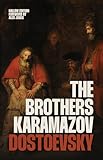
Overview: This specialized “Hallow Edition” from Ave Maria Press presents Dostoevsky’s profound philosophical and theological masterpiece, The Brothers Karamazov, explicitly framed within a Christian context, emphasizing its deep explorations of faith, morality, and redemption. What Makes It Stand Out: Its unique selling point is the targeted Christian perspective. Ave Maria Press, a Catholic publisher, likely includes supplementary materials (introductory essays, study questions, or annotations) focusing on the novel’s religious themes, making it particularly appealing for faith-based study groups, religious readers, or courses examining literature and spirituality, unlike standard secular editions. Value for Money: Priced slightly above standard paperbacks due to the niche focus and likely inclusion of supplemental Christian commentary. Value is high if the reader specifically seeks this faith-oriented lens. For general readers or academics, standard Norton Critical or Penguin editions offer better value with broader scholarly context. The premium pays for the curated spiritual perspective. Strengths and Weaknesses: Strengths: Unique focus on theological/faith dimensions; valuable supplementary material for religious study; high-quality physical production typical of Ave Maria Press; fills a specific niche. Weaknesses: The Christian framing may oversimplify or sideline the novel’s broader philosophical/social critiques for some readers; supplemental materials might lack the depth of secular academic editions; potentially higher price than basic translations. Bottom Line: An excellent choice for Christian readers, study groups, or educators focusing on faith themes, offering a valuable interpretive lens. Less suitable for readers seeking a purely secular or comprehensive academic analysis; assess if the specific Christian focus aligns with your needs.
10. Greatest Russian Short Stories

Overview: This compilation, lacking a specific prestigious imprint like Penguin, promises a selection of the “greatest” short stories from Russian literary history, likely featuring well-known works by authors such as Chekhov, Tolstoy, Gogol, and Dostoevsky in a single accessible volume. What Makes It Stand Out: Its primary appeal is convenience and broad accessibility as a “greatest hits” collection. However, without a noted publisher or translator, its standout features are uncertain. It may prioritize popular, easily digestible stories over deep cuts, aiming for a general audience seeking famous tales without scholarly depth. Value for Money: Typically very inexpensive, making it a low-risk entry point. However, value is questionable: translations are often generic, public-domain versions (like older Garnett) that can be clunky; editorial quality (introductions, notes) is usually minimal or absent; paper and binding are frequently poor. Budget price reflects significant compromises in quality and reliability. Strengths and Weaknesses: Strengths: Very low cost; easy to find; covers famous, recognizable stories; simple portability. Weaknesses: Translation quality is often subpar and inconsistent; lacks credible scholarly apparatus; prone to typographical errors; no context for historical/literary significance; physical durability is usually poor; curation may be superficial. Bottom Line: A functional but deeply flawed option only for readers needing the absolute cheapest possible collection of famous stories with no regard for translation quality or context. Strongly recommend seeking Penguin or Oxford anthologies instead for a genuinely worthwhile reading experience.
Why Moral Complexity Defines the Russian Literary Tradition
The Historical Crucible of Ethical Inquiry
Russian literature didn’t develop its signature moral depth in a vacuum. Emerging during periods of intense societal upheaval—serfdom, revolutions, ideological clashes—the nation’s writers became de facto philosophers for a people searching for meaning. The sheer scale of suffering and systemic injustice they witnessed forced a confrontation with fundamental questions: Can true goodness exist within an oppressive system? What is the individual’s responsibility when facing overwhelming societal evil? This historical pressure cooker forged a unique literary lens focused intensely on the individual’s ethical struggle within a flawed world.
Beyond Simple Good vs. Evil Narratives
Unlike narratives that rely on clear-cut heroes and villains, Russian classics thrive in the fertile ground of ambiguity. Characters are rarely purely virtuous or irredeemably wicked; they are complex amalgamations of noble intentions and base instincts, capable of profound compassion and shocking cruelty, often within the same chapter. This deliberate rejection of moral simplicity forces readers out of passive judgment and into active interpretation, requiring them to weigh motivations, circumstances, and consequences rather than applying simplistic labels.
The Profound Influence of Philosophical and Religious Thought
Deeply intertwined with Orthodox Christian theology, Slavic philosophy, and encounters with Western thought (like nihilism and socialism), these works explore morality through a uniquely layered lens. Concepts like sobornost (spiritual community), the burden of free will, the nature of suffering as potential redemption, and the tension between rational egoism and Christian love permeate the narratives. This rich philosophical substrate provides the framework for the intricate moral dilemmas presented, grounding abstract questions in deeply human experiences.
Key Moral Dimensions to Explore in These Works
The Agony of Free Will and Personal Responsibility
Time and again, characters face pivotal choices where the “right” path is obscured, often leading to catastrophic consequences. The literature relentlessly examines the psychological and spiritual weight of these choices. What happens when freedom leads to destruction? How do we assign blame when actions stem from deep-seated psychological wounds or societal pressures? The focus isn’t just on the act, but on the internal struggle before and the existential reckoning after the choice is made.
Guilt, Atonement, and the Possibility of Redemption
Guilt is rarely a simple feeling of remorse in these narratives; it’s a consuming, existential force. Characters grapple with inherited guilt, guilt for inaction, and guilt born from unintended consequences. The central question often becomes: Is true atonement possible? And if so, what does it require? Is it through suffering, self-sacrifice, confession, or a fundamental transformation of the soul? The path to redemption, if it exists, is almost always arduous and uncertain, far removed from easy forgiveness.
The Individual vs. The Collective: Clash of Duties
A recurring tension pits personal conscience, love, or spiritual calling against demands of family, society, the state, or abstract ideologies. When duty to one’s child conflicts with duty to a political cause, or love for an individual clashes with perceived national interest, where does true morality lie? These works dissect the devastating personal costs of prioritizing the collective over the individual, and vice versa, highlighting the inherent moral peril in absolute allegiance to any single principle.
The Corrosive Power of Ideology and Rational Egoism
Several seminal works serve as powerful cautionary tales against the seduction of rigid philosophies that claim to solve all moral problems. When abstract theories (like radical utilitarianism or revolutionary fervor) are applied without compassion or recognition of human complexity, they often lead characters down paths of profound cruelty, justifying horrific acts in the name of a “greater good.” This exploration warns of the moral bankruptcy that arises when reason divorces itself from empathy and spiritual awareness.
Essential Features to Consider When Choosing Your Exploration
Depth of Psychological Realism
The hallmark of these works is their unparalleled dive into the human psyche. Look for narratives that don’t just describe actions but meticulously chart the internal thought processes, subconscious motivations, and emotional turmoil driving characters towards morally ambiguous decisions. The power lies in recognizing the humanity within even the most questionable choices, understanding the “why” behind the “what.”
Exploration of Suffering’s Meaning
Suffering is rarely depicted merely as punishment or random cruelty. Instead, it’s frequently presented as a crucible for potential spiritual growth, a necessary path to self-knowledge, or a shared human burden that can forge connection. Consider how the narrative treats suffering: Is it meaningless? Redemptive? A test? Does it lead to greater compassion or deeper despair? The author’s perspective on suffering is central to their moral framework.
Nuance in Character Portrayal
Avoid works (or readings of works) that lean towards caricature. The most valuable explorations present characters with genuine contradictions—flawed saints, sympathetic sinners, idealists capable of cruelty, cynics capable of unexpected tenderness. Pay attention to how secondary characters challenge the protagonist’s worldview and how even minor figures embody specific ethical tensions. Complexity in every角色 is key.
Integration of Spiritual and Existential Questions
The moral dilemmas are rarely purely secular. They are deeply entangled with questions of faith, doubt, the existence of God, the soul’s immortality, and the search for ultimate meaning. Consider how the narrative navigates the space between religious doctrine, atheistic reasoning, and raw existential anxiety. The interplay between the spiritual and the ethical is often the core engine driving the plot and character development.
How to Approach Reading for Maximum Insight
Embrace the Discomfort of Ambiguity
Resist the urge to seek definitive answers or neatly resolve the dilemmas presented. Part of the learning process is sitting with the uncertainty, allowing the questions to linger without immediate closure. Acknowledge your own discomfort when faced with morally gray situations within the text—it’s a sign the work is doing its job, mirroring real-life ethical complexity.
Practice Active Reading and Self-Reflection
Don’t just absorb the plot. Pause frequently to ask: Why did the character make that choice? What would I have done? What principles are truly at stake here? How does this situation reflect dilemmas I’ve faced (or might face)? Jot down your reactions and evolving thoughts in the margins or a journal. The text is a mirror; use it to examine your own moral compass.
Contextualize Without Excusing
Understanding the historical, social, and philosophical context (e.g., serfdom, nihilist movements, religious debates of the time) is crucial for appreciating why certain moral questions were so pressing. However, avoid the trap of using historical context to dismiss the enduring relevance of the ethical dilemmas. The context explains the setting, not the universality of the human struggles depicted.
Discuss and Debate with Others
Moral complexity thrives in dialogue. Seek out reading groups, online forums, or trusted friends to discuss interpretations. Hearing diverse perspectives on a character’s actions or the validity of a philosophical argument within the book deepens your own understanding and exposes you to viewpoints you might not have considered alone. Debate is not about winning, but about exploring the terrain.
Navigating the Philosophical Underpinnings
Understanding Key Russian Philosophical Concepts
Familiarize yourself with foundational ideas like sobornost (the ideal of voluntary unity in love and truth, contrasting with forced collectivism), narodnichestvo (populism focusing on the moral wisdom of the common people), and the Slavophile vs. Westernizer debates. These concepts aren’t abstract; they directly fuel the conflicts characters face regarding community, authority, and the source of moral truth.
The Role of Orthodox Christianity in Moral Frameworks
Orthodox theology, with its emphasis on humility, forgiveness, theosis (divinization), and the interconnectedness of humanity, provides a critical backdrop. Notice how concepts of sin, repentance, grace, and love are portrayed—not always simplistically, but often as arduous paths requiring immense personal transformation rather than mere doctrinal adherence. This differs significantly from more legalistic interpretations of morality.
Encounters with Western Philosophy
Many major works engage critically with contemporary Western thought—utilitarianism, socialism, anarchism, rationalism. Observe how characters (and the narrative voice) grapple with these ideas. Are they seduced, disillusioned, or able to integrate useful elements while rejecting others? This dialogue highlights the tension between universal reason and culturally specific, spiritually grounded ethics.
Practical Strategies for Modern Readers
Starting with Accessible Entry Points
Don’t feel pressured to begin with the most notoriously dense philosophical dialogues. Look for works where the moral questions are deeply embedded within a compelling, character-driven narrative. Stories centered on family conflicts, personal crises, or seemingly ordinary moral choices can provide a more relatable gateway into the broader philosophical explorations, building the stamina for denser material.
Utilizing Supplementary Resources Wisely
Introductory essays, historical timelines, and glossaries of terms can be invaluable for understanding context without spoiling the narrative experience. Seek out scholarly commentaries that focus on exploring the moral questions rather than providing definitive interpretations. Avoid resources that oversimplify the text’s ethical ambiguities into clear-cut lessons.
Balancing Reading Pace for Comprehension
These works demand slow, thoughtful reading. Rushing through complex philosophical debates or intricate psychological descriptions will obscure the moral nuances. Allow time between chapters to process heavy themes. It’s often more valuable to read fewer pages deeply than to race through the plot. Consider re-reading key passages where pivotal moral decisions occur.
Connecting Themes to Contemporary Issues
Actively draw parallels between the ethical dilemmas in the text and modern challenges: debates about social justice and individual rights, the ethics of technological advancement, responses to systemic inequality, or the psychology of extremism. How does the historical perspective illuminate current conflicts? This practice transforms the literature from a historical study into a living dialogue.
Cultivating Lasting Ethical Awareness
Developing Moral Imagination
Engaging deeply with these narratives expands your capacity to envision the perspectives, motivations, and suffering of others, even those very different from yourself. This “moral imagination” is crucial for empathy and navigating real-world conflicts where understanding the why behind opposing views is essential for resolution, even without agreement.
Recognizing the Limits of Certainty
One of the most profound lessons is the humility that comes from confronting the limits of human understanding in moral matters. These works demonstrate that absolute certainty is often the enemy of true ethical reasoning. Learning to hold nuanced positions, acknowledge partial truths in opposing views, and remain open to new information is a direct outcome of this literary engagement.
Building Resilience for Ethical Decision-Making
Witnessing characters grapple with impossible choices and endure the consequences builds a reader’s own resilience. It normalizes the difficulty of moral life and provides mental models for navigating uncertainty. You learn that ethical struggles are inherent to being human, and that persistence in seeking the good, even without guaranteed success, is itself a form of moral courage.
Frequently Asked Questions
Frequently Asked Questions
Why are Russian classics particularly known for exploring moral complexity compared to other literary traditions? Russian literature developed during periods of intense social upheaval and spiritual searching, where fundamental questions of justice, faith, and human nature were impossible to ignore. Authors engaged deeply with both Orthodox theology and radical Western philosophies, creating a unique pressure cooker that forced an unparalleled focus on the internal psychological and ethical struggles of individuals within a vast, often oppressive, societal context. The scale of the questions they tackled—suffering, redemption, free will—demanded nuanced exploration beyond simple moral binaries.
I’m not religious; will I still connect with the moral themes? Absolutely. While Orthodox Christian concepts provide a significant framework, the core ethical dilemmas—guilt, responsibility, the search for meaning, the conflict between individual and society—are profoundly human, not exclusively religious. Authors often present these ideas through intense psychological realism and existential questioning that resonates regardless of personal faith. The focus is on the experience of moral struggle, not doctrinal adherence.
Aren’t these books just depressing? Where’s the hope? While they unflinchingly depict suffering and moral failure, genuine hope is often present, though rarely simplistic. Hope emerges through moments of compassion, the possibility of redemption (however difficult), the resilience of the human spirit, or the simple act of continuing to seek truth despite despair. The hope isn’t in avoiding darkness, but in finding meaning and connection within it, making it arguably more profound and hard-won than superficial optimism.
How do I handle the long philosophical discussions that seem to slow down the story? View these dialogues as integral to the plot, not interruptions. They are the action—the characters wrestling with their souls and the universe’s meaning. Try reading them slowly, perhaps aloud, focusing on the emotional weight behind the arguments. Ask: What is each character really afraid of? What do they stand to lose or gain by holding this belief? The drama is internal and philosophical.
Is historical knowledge essential, or can I just focus on the universal themes? Some context enriches understanding (e.g., knowing about serfdom clarifies character motivations), but the universal human struggles transcend any era. Focus first on the characters’ emotions and choices. If a historical reference puzzles you, a quick glance at a timeline or glossary suffices. The enduring power lies in how these specific historical pressures magnify timeless ethical questions we all face.
I find the characters’ choices frustrating or illogical. Is that the point? Often, yes! The frustration can be a signal you’re engaging deeply. These characters aren’t meant to be perfect role models; they’re complex mirrors reflecting human contradictions. Their “illogical” choices frequently stem from understandable (if flawed) psychological or emotional places. Sit with the frustration—it pushes you to analyze the deeper motivations and societal pressures influencing them, which is core to understanding moral complexity.
How can reading about 19th-century Russia possibly help me with modern ethical dilemmas? The specific contexts differ, but the fundamental questions remain strikingly similar: How do we act justly within an unjust system? How do we balance personal desires with communal needs? How do we take responsibility for unintended harm? These classics dissect the mechanics of moral reasoning itself, providing tools—empathy, nuance, awareness of bias—that are directly applicable to navigating today’s polarized world and complex technological/social challenges.
Are there female perspectives on morality in these classics, or is it mostly male-focused? While the canon has historical imbalances, significant works offer profound female perspectives on morality, often exploring themes of sacrifice, resilience within patriarchal constraints, maternal ethics, and the societal judgment of women’s choices. Look for nuanced portrayals that reveal how gender shapes the experience and expression of moral dilemmas, adding crucial dimensions to the overall exploration.
Will I need a philosophy background to understand the ethical discussions? Not at all. The genius of these writers is embedding complex philosophical ideas within gripping human drama. You experience the philosophy through the characters’ lived struggles, doubts, and choices. Any necessary concepts are usually explained contextually through dialogue or narrative. Curiosity and a willingness to ponder the characters’ motivations are far more important than prior philosophical study.
What’s the biggest takeaway for someone new to this type of literature? The most valuable lesson isn’t finding the “right” answer within the pages, but learning to ask better questions of yourself and the world. These works cultivate the ability to sit with uncertainty, recognize the validity in multiple perspectives, understand the deep roots of human behavior, and approach ethical dilemmas with greater humility, empathy, and intellectual courage—skills essential for navigating any era.