Stepping into your first leadership role is equal parts exhilarating and terrifying. One day you’re focused on individual contributions, and the next, you’re responsible for guiding others, making high-stakes decisions, and navigating complex team dynamics. It’s completely normal to feel a wave of uncertainty – even the most capable new leaders question if they have what it takes. In this critical transition period, the right knowledge can be your most powerful tool, transforming anxiety into confident action and helping you build the foundation for long-term success. You’re not just managing tasks anymore; you’re shaping culture, inspiring performance, and defining your leadership identity.
Many first-time leaders instinctively reach for books promising quick fixes or “secrets” to leadership mastery. While the desire for guidance is spot-on, the problem often lies in what you’re looking for and how you apply it. Generic advice or tactics ripped from context rarely translate smoothly to your unique team, industry pressures, or personal leadership style. The real magic isn’t in finding a single “best” book, but in understanding the core competencies you truly need to develop right now and seeking resources that speak directly to those specific growth areas. This guide cuts through the noise, focusing on the essential themes and practical frameworks that matter most for new leaders, empowering you to choose wisely and apply insights effectively from day one.
Top 10 Success Books for First-Time Leaders
Detailed Product Reviews
1. The First 90 Days: Proven Strategies for Getting Up to Speed Faster and Smarter, Updated and Expanded

Overview:
Michael D. Watkins’ seminal guide is the definitive roadmap for professionals transitioning into new leadership roles. This updated edition refines his evidence-based framework for accelerating impact during critical early periods, addressing modern workplace complexities like remote onboarding and geopolitical volatility. It targets executives and managers navigating promotions, lateral moves, or external hires.
What Makes It Stand Out:
Watkins’ “90-day plan” methodology—diagnosing stakeholders, securing quick wins, and building coalitions—provides unparalleled structure. Unique diagnostics like the STARS model (Startup, Turnaround, Accelerated Growth, Realignment, Sustaining Success) help leaders tailor strategies to organizational context. The expansion adds vital insights on digital transformation and inclusive leadership, making it adaptable across industries.
Value for Money:
Priced competitively for business nonfiction, it offers exponentially higher ROI than executive coaching fees. While denser than quick-read guides, its actionable templates (e.g., stakeholder maps, 30-60-90-day plans) deliver long-term utility, justifying the cost versus superficial alternatives.
Strengths and Weaknesses:
Strengths: Exceptionally practical frameworks; research-backed; scalable for any leadership level; clear implementation steps.
Weaknesses: Requires disciplined self-application; less focus on emotional intelligence nuances; initial chapters demand high engagement.
Bottom Line:
An indispensable investment for new leaders—skip this at your peril. Its structured approach prevents costly missteps, making it worth every penny for career advancement.
2. New Manager, New Leader: A First-Time Manager’s Guide to Managing People and Business Success Fast

Overview:
Cynthia Flannigan delivers a tactical playbook for raw managers overwhelmed by sudden people responsibilities. It demystifies day-one challenges like delegation, conflict resolution, and performance feedback through relatable scenarios. Targeted at individual contributors thrust into leadership, it bridges the gap between technical expertise and managerial execution.
What Makes It Stand Out:
Flannigan’s “micro-habit” system—small daily actions yielding rapid results—caters to time-starved beginners. Real-world scripts for tough conversations (e.g., addressing lateness) and a focus on “managing up” differentiate it from theory-heavy competitors. The emphasis on psychological safety for new teams is particularly timely.
Value for Money:
At paperback pricing, it outperforms costly workshops for foundational skills. While lacking deep strategic theory, its immediacy—read a chapter, apply a tactic today—offers exceptional bang for buck compared to verbose MBA-style texts.
Strengths and Weaknesses:
Strengths: Zero-fluff practicality; actionable scripts; strong focus on emotional dynamics; quick-read format.
Weaknesses: Limited coverage of budgeting/financials; assumes traditional office settings; less relevant for senior transitions.
Bottom Line:
The perfect first purchase for nervous new managers—concise, compassionate, and immediately applicable. Buy it before your first team meeting.
3. The New One Minute Manager: A Timeless Guide to Effective Leadership, Stress Reduction, and Success in a Rapidly Changing Workplace

Overview:
Ken Blanchard and Spencer Johnson revive their legendary parable for modern volatility. This allegorical guide simplifies leadership into three techniques: One Minute Goals, Praisings, and Reprimands. It reassures overwhelmed managers that effectiveness stems from consistent micro-interactions, not grand gestures.
What Makes It Stand Out:
The fable format makes complex psychology memorable—anyone can grasp its principles in under an hour. Its genius lies in reframing feedback as positive reinforcement (“catch people doing things right”), reducing workplace stress. Updated examples address hybrid teams and Gen Z expectations seamlessly.
Value for Money:
As the shortest book here, its $15 price feels steep for page count—but the ROI is unmatched. Teams implementing its methods often see morale spikes within weeks, making it cheaper than turnover costs. Better value than dense tomes you’ll abandon.
Strengths and Weaknesses:
Strengths: Effortlessly digestible; universally applicable; proven track record; reduces leadership anxiety.
Weaknesses: Oversimplifies complex issues; lacks tactical depth for crises; minimal strategic guidance.
Bottom Line:
A must-read for time-crunched leaders needing foundational mindset shifts. Not exhaustive, but transformative for core people skills.
4. From Teacher to Leader: Finding Your Way as a First-Time Leader without Losing Your Mind

Overview:
Nancy Sulla confronts the unique trauma of educators promoted to administrative roles. It validates the emotional whiplash of shifting from classroom autonomy to bureaucratic leadership while providing education-specific tools for curriculum oversight, teacher coaching, and stakeholder management.
What Makes It Stand Out:
Sulla’s “mindset mapping” technique helps teachers shed “savior complexes” and embrace systemic thinking—critical in under-resourced schools. Unlike generic guides, it addresses IEP compliance, parent confrontations, and union dynamics. The self-care focus prevents burnout in emotionally draining environments.
Value for Money:
Niche pricing ($22) is justified by its hyper-relevance. For teachers, it’s cheaper than therapy for transition stress and more practical than district training. Outshines broad management books that ignore educational ecosystems.
Strengths and Weaknesses:
Strengths: Education-specific nuance; strong emotional intelligence focus; realistic workload strategies; anti-burnout tactics.
Weaknesses: Less useful outside K-12; minimal financial management coverage; assumes public school context.
Bottom Line:
Non-negotiable for principals and deans—this book preserves your sanity while building school-wide impact. Skip it, and you’ll reinvent the wheel painfully.
5. The First-Time Manager: Sales

Overview:
Loren Belker, Jim McCormick, and Gary S. Topchik specialize George Bradford’s classic for revenue leaders. It tackles sales-specific pitfalls: quota-setting, pipeline coaching, commission disputes, and transitioning from top rep to manager—where technical skill ≠ leadership success.
What Makes It Stand Out:
Drill-down chapters on “fixing broken sales processes” and “handling toxic closers” address industry pain points others ignore. The “30-day sales audit” template and scripts for tough quota conversations make it uniquely actionable. Emphasis on data-driven coaching (not just rah-rah motivation) is refreshing.
Value for Money:
Priced mid-range for sales literature, it pays for itself by preventing one bad hire or quota miss. More targeted than general management books, with tactics directly impacting revenue—unlike fluffy leadership theory.
Strengths and Weaknesses:
Strengths: Sales-specific diagnostics; quota/system expertise; realistic conflict tools; immediate applicability.
Weaknesses: Assumes enterprise sales context; light on digital selling trends; repetitive in motivation sections.
Bottom Line:
The only sales management primer you’ll need. If your team’s pipeline is leaking, buy this yesterday.
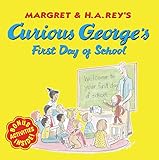
6. Curious George’s First Day of School
Overview:
This charming children’s picture book follows the beloved monkey, Curious George, as he navigates the anxieties and excitement of starting school. Aimed at preschoolers and early readers, it uses familiar characters and gentle storytelling to address common first-day fears in an accessible way.
What Makes It Stand Out:
The book excels in transforming a potentially stressful milestone into a relatable, positive experience. George’s trademark curiosity drives the narrative, modeling problem-solving and social interaction for young readers. Its strength lies in the seamless blend of entertainment with subtle emotional intelligence lessons, all wrapped in the timeless, comforting Reys’ illustrations.
Value for Money:
As a durable hardcover from a trusted children’s brand, it offers excellent longevity for repeated readings. While priced slightly above standard paperbacks, its role as a therapeutic tool for easing school transitions and its re-readability justify the cost, especially compared to pricier interactive toys with shorter engagement spans.
Strengths and Weaknesses:
Strengths: Effectively reduces school anxiety; vibrant, engaging illustrations; age-appropriate language; strong emotional resonance. Weaknesses: Limited educational content beyond social adaptation; plot is very simple, potentially short-lived for older preschoolers; lacks diverse classroom representation.
Bottom Line:
An ideal, comforting read for toddlers facing their first school experience. Its proven ability to alleviate anxiety and enduring charm make it a worthwhile investment for parents and educators seeking a supportive tool for early childhood transitions.
7. Measures of Success Trumpet Book 1

Overview:
This foundational method book, published by F.J.H. Music Co. (Model# BB208TR), is designed for absolute beginner trumpet players. It systematically introduces core techniques, notation, and musicianship skills essential for building a solid playing foundation under teacher guidance.
What Makes It Stand Out:
BB208TR distinguishes itself through its exceptionally clear, progressive structure. Concepts are introduced incrementally with minimal jargon, prioritizing immediate playability. The inclusion of well-known melodies early on boosts motivation, while integrated rhythm exercises and essential articulation markings foster comprehensive skill development from day one.
Value for Money:
Priced competitively within the method book market, it delivers exceptional value. Its durability, logical progression eliminating the need for supplementary beginner materials, and widespread adoption by music teachers ensure longevity. It outperforms cheaper, less structured alternatives that often require replacement sooner.
Strengths and Weaknesses:
Strengths: Unmatched clarity for absolute beginners; strong emphasis on fundamentals; engaging early repertoire; high-quality notation and layout; teacher-recommended standard. Weaknesses: Minimal theoretical explanations; limited duet material for classroom use; requires a teacher for optimal results; no audio accompaniment included.
Bottom Line:
An indispensable, cost-effective starting point for new trumpet students. Its proven pedagogical approach and focus on building correct habits make it the top recommendation for instructors and motivated beginners seeking a reliable path to proficiency.
8. The New HR Leader’s First 100 Days: How To Start Strong, Hit The Ground Running & ACHIEVE SUCCESS FASTER As A New Human Resources Manager, Director or VP

Overview:
Targeting newly appointed HR managers, directors, and VPs, this guide provides a structured 100-day roadmap for transitioning into leadership roles. It focuses on strategic planning, stakeholder engagement, and rapid impact within the critical early phase of a new HR leadership position.
What Makes It Stand Out:
The book’s core strength is its actionable, phase-based framework—dividing the first 100 days into distinct preparation, assessment, and action stages. It moves beyond generic advice, offering specific HR-focused checklists, diagnostics for evaluating existing programs, and strategies for navigating complex organizational politics unique to the function.
Value for Money:
At a typical business book price point, it delivers high ROI for HR professionals facing high-stakes onboarding. The concrete templates and avoidance of costly missteps during probation periods justify the cost, significantly outperforming vague motivational books or expensive short-term consulting for foundational strategy.
Strengths and Weaknesses:
Strengths: Highly practical, step-by-step plan; HR-specific context; strong emphasis on stakeholder mapping; actionable tools included; reduces early leadership risk. Weaknesses: Assumes access to organizational data may not exist; less useful for non-corporate HR settings; minimal focus on remote team dynamics; can feel overly prescriptive.
Bottom Line:
A must-read for new HR executives seeking to establish credibility and drive change rapidly. Its structured approach transforms overwhelming transitions into manageable successes, making it a crucial investment for serious HR leaders.
9. The Together Leader: Get Organized for Your Success - and Sanity!

Overview:
This leadership guide addresses the chronic overwhelm faced by managers, focusing on organizational strategies that boost team productivity while preserving personal well-being. It positions organization not as rigid control, but as an empathetic framework for collective and individual success.
What Makes It Stand Out:
The book uniquely bridges personal time management and team dynamics, emphasizing “organized empathy.” It provides adaptable systems—like shared priority frameworks and meeting protocols—that reduce chaos without stifling creativity. Its focus on protecting leader sanity through intentional organization is a compelling differentiator in a crowded genre.
Value for Money:
Offering immediately applicable systems that save hours weekly, its price is easily recouped through regained productivity and reduced burnout risk. It surpasses generic productivity books by tailoring methods specifically to leadership responsibilities, making it more valuable than free online resources lacking depth.
Strengths and Weaknesses:
Strengths: Practical, leader-tested organizational systems; strong well-being integration; enhances team cohesion; clear implementation steps; reduces meeting inefficiency. Weaknesses: Some strategies require team buy-in to succeed; light on digital tool specifics; examples skewed toward corporate environments; initial setup time commitment.
Bottom Line:
Highly recommended for overwhelmed managers seeking sustainable productivity. By linking organization to team health and personal sanity, it delivers transformative value, proving essential for leaders aiming to thrive, not just survive.
Understanding the Unique Challenges of First-Time Leadership
Navigating the Shift from Individual Contributor to Leader
The leap from excelling at your own work to being responsible for others’ success is profound. Your value is no longer measured solely by your output but by the collective results of your team. This requires a fundamental mindset shift: letting go of “doing” to focus on enabling, coaching, and removing obstacles. Expect friction as you adjust your identity and learn that solving problems for your team often hinders their growth more than it helps.
Managing Former Peers and Establishing Credibility
Overnight, relationships with colleagues you once grabbed coffee with change. Setting boundaries while maintaining trust is delicate. You must balance approachability with the necessary authority to make tough calls, provide critical feedback, and hold people accountable – all without seeming like you’ve “changed” or become unapproachable. Authenticity is key; your team needs to believe you’re still the same person, now with added responsibility.
Overcoming Imposter Syndrome and Building Confidence
That nagging voice whispering “Do I really belong here?” is incredibly common. Imposter syndrome can paralyze decision-making and prevent you from stepping fully into your role. Recognizing it as a normal part of the transition, rather than a sign of inadequacy, is the first step. Confidence comes not from feeling 100% ready, but from taking action, learning from small wins (and stumbles), and trusting your ability to figure things out.
Essential Leadership Competencies for New Managers
Mastering Active Listening and Empathetic Communication
True communication is far more than giving instructions. It starts with deeply listening to understand motivations, concerns, and unspoken needs. Empathetic communication means tailoring your message to your audience, acknowledging emotions, and creating psychological safety where team members feel heard and valued. This builds trust faster than any directive ever could.
Developing Foundational Delegation Skills
Delegation isn’t just dumping tasks; it’s strategic empowerment. Effective delegation involves matching tasks to individual development goals, providing clear context and expectations (not just steps), and granting appropriate autonomy while maintaining accountability. New leaders often struggle by either micromanaging or dropping tasks without support – finding the right balance is crucial for team growth and your own capacity.
Providing Constructive and Timely Feedback
Feedback is the engine of performance improvement, yet many new leaders avoid it due to discomfort. Learning to deliver specific, actionable, and behavior-focused feedback – both positive reinforcement and constructive correction – in a timely manner is non-negotiable. Focus on the impact of actions, not personality, and always pair critique with support for growth.
Critical Mindsets for Sustainable Leadership Growth
Embracing a Growth Mindset Over Fixed Thinking
Believing that leadership skills can be developed (yours and your team’s) is foundational. A growth mindset allows you to view challenges as learning opportunities, seek feedback actively, and persist through setbacks. It prevents you from labeling yourself or others as “just not a leader” and fosters a culture where continuous improvement is valued over innate talent.
Prioritizing Psychological Safety on Your Team
A team that fears mistakes will stifle innovation and hide problems. Creating psychological safety means fostering an environment where taking calculated risks, asking questions, and admitting errors is not just tolerated but encouraged as part of the learning process. This requires consistent modeling of vulnerability from you and fair, blame-free problem-solving when things go wrong.
Focusing on Long-Term Development, Not Just Short-Term Results
While hitting quarterly targets matters, your most significant impact as a new leader is building capable, resilient team members for the future. Shift your focus from solely “getting the work done” to “how can I develop my people while getting the work done?” This means investing time in coaching, identifying growth paths, and celebrating developmental milestones alongside project completions.
Evaluating Leadership Resources Effectively
Identifying Your Specific Skill Gaps Honestly
Don’t grab the shiniest book on the shelf. Pause and conduct a brutally honest self-assessment: Where are you struggling right now? Is it giving hard feedback? Running effective meetings? Managing conflict? Prioritize resources that target your most immediate, high-impact weaknesses, not just popular titles. Ask your manager or trusted peers for input on your blind spots.
Seeking Practical Frameworks Over Abstract Theory
As a new leader drowning in daily demands, you need actionable steps, not just philosophy. Look for resources that offer concrete models, scripts for difficult conversations, step-by-step processes for common challenges (like delegation or performance reviews), and clear “how-to” guidance. Can you apply something from a chapter tomorrow? If not, it might not be the right fit for your current stage.
Considering Your Team’s Unique Context and Needs
A book perfect for leading a remote tech startup team might be useless for managing a frontline retail crew. Consider your industry, team size, physical workspace, tenure, and current challenges. Does the resource acknowledge different contexts? Does it offer adaptable principles rather than one-size-fits-all rules? Relevance to your reality is paramount for practical application.
Building Your Leadership Learning Habit
Integrating Learning into Your Busy Schedule
Forget marathon reading sessions you’ll never find time for. Build micro-habits: dedicate 15 focused minutes before your workday starts, listen to relevant audiobook chapters during your commute, or discuss one key insight from your reading with a peer at lunch. Consistency with small doses trumps sporadic deep dives.
Applying Insights Through Intentional Experimentation
Reading is just the first step. True learning happens through doing. After encountering a useful concept, pick one small, safe way to try it this week. Maybe it’s using a specific active listening technique in your next 1:1 or applying a new feedback model. Reflect afterward: What worked? What felt awkward? What would you adjust? This turns theory into embodied skill.
Creating Accountability Through Peer Learning
Isolate your learning, and motivation fades. Find one or two other new leaders (inside or outside your company) also focused on growth. Form a casual book club or discussion group where you share takeaways, challenges in applying concepts, and hold each other accountable. Explaining ideas to others deepens your own understanding and provides crucial support.
Frequently Asked Questions
How much time should I realistically spend reading leadership material each week?
Aim for consistent, manageable chunks rather than unrealistic goals. Even 30-60 minutes total per week, broken into small sessions (e.g., 10 minutes daily), is highly effective when you focus on applying one key insight. Prioritize quality of application over quantity of pages read.
Should I focus on books specifically for first-time managers, or broader leadership topics?
Start with resources explicitly addressing the transition to leadership. They tackle the unique psychological shifts, relationship challenges, and foundational skills (like delegation and feedback) you’re grappling with right now. Broader strategy or visionary leadership books are often less relevant initially and can even be overwhelming.
How do I know if a leadership book is practical enough for my daily role?
Look for specific indicators: Does it include step-by-step guides, real-world examples/scenarios, conversation scripts, checklists, or reflection exercises? Avoid books heavy on abstract theory or solely focused on historical biographies of famous CEOs without clear translation to your daily management tasks.
Is it better to read one book thoroughly or skim multiple books for key ideas?
Depth trumps breadth, especially early on. Fully absorbing and applying the core concepts from one highly relevant book will yield far greater results than skimming ten. Master the fundamentals in one area before jumping to the next topic. Implementation is the goal, not accumulation.
How can I handle disagreement with advice in a leadership book?
Not all advice fits every context. Critically evaluate: Why does this feel wrong for my situation? Is it a fundamental principle (e.g., the importance of respect) or a specific tactic? Adapt the core idea to your reality. If core values clash, that book likely isn’t the right fit for you now – move on.
Should I share leadership book recommendations with my team?
Proceed with caution. Unsolicited book recommendations can feel like criticism. Instead, if a concept genuinely helps the team, introduce the specific idea (“I read about this technique for running better brainstorming sessions…”), not the book itself. Frame it as a shared experiment, not a prescription.
What if I feel overwhelmed by all the leadership concepts I’m learning?
This is normal. Focus on one critical skill area at a time (e.g., feedback) for 4-6 weeks. Master applying a few techniques consistently before adding more. Remember, leadership is a journey of incremental improvement, not overnight perfection. Prioritize progress, not perfection.
How important is it to get my manager’s input on leadership resources I’m using?
Very important. Share what you’re learning and ask: “Does this align with how we operate here? How would you adapt this for our team?” This ensures relevance, demonstrates your commitment to growth, and leverages their experience to contextualize the material for your specific environment.
Can podcasts or articles be as valuable as books for new leaders?
Absolutely, especially for busy new managers. Look for high-quality, in-depth podcast interviews with experienced leaders discussing specific challenges (e.g., “how I handled my first layoff”) or well-researched articles offering actionable frameworks. Prioritize substance and applicability over the format.
How do I measure if leadership reading is actually improving my effectiveness?
Track small behavioral changes and their impact. Did using a new feedback model lead to a clearer conversation and improved performance? Did a delegation framework free up 2 hours of your week? Did active listening techniques resolve a recurring misunderstanding? Focus on tangible shifts in your actions and team dynamics, not just having read the material.