Military science fiction has always thrived on the tension between the visceral crunch of boots on alien soil and the cold calculus of interstellar strategy. For tactical sci-fi enthusiasts, it’s not just about the blasters and battleships—it’s about the how and why behind the conflict. What makes a platoon maneuver believable? How does logistics shape galactic warfare? In 2026, with the genre evolving at warp speed, finding books that deliver genuine tactical depth without sacrificing narrative drive feels more crucial than ever. Forget flashy space opera; true tactical fans crave the grit, the friction, and the intellectual satisfaction of seeing a well-executed plan—or the chaos when it all goes sideways.
Value in this niche isn’t just about a low price tag. It’s about the density of insight per page, the authenticity of the combat scenarios, and the lasting impact of the strategic dilemmas presented. A truly valuable military sci-fi novel immerses you in the fog of war while making you think like a commander, weighing risks, resources, and the human cost of every decision. This guide cuts through the noise to help you identify stories where the tactics aren’t just backdrop, but the very engine of the plot. We’ll break down exactly what to scrutinize to ensure your next read delivers maximum strategic payoff without breaking the bank—or your suspension of disbelief.
Top 10 Military Science Fiction Books
Detailed Product Reviews
1. The Forever War

Overview: Joe Haldeman’s seminal 1974 novel remains a cornerstone of military science fiction, chronicling soldier William Mandella’s experiences in an interstellar conflict against the enigmatic Taurans. The narrative uniquely explores the psychological toll of time dilation, where centuries pass on Earth during brief combat tours, leaving soldiers perpetually alienated from the society they defend.
What Makes It Stand Out: Its profound anti-war message, grounded in Haldeman’s Vietnam War trauma, elevates it beyond typical space opera. The realistic portrayal of temporal dislocation and its societal consequences—coupled with sharp critiques of militarism and bureaucracy—offers enduring philosophical depth rarely matched in the genre.
Value for Money: As a foundational classic often available in affordable editions or included in anthologies, it delivers exceptional value. Its timeless themes and influence justify any price point compared to modern, less substantive military sci-fi offerings.
Strengths and Weaknesses: Strengths: Unflinching realism, masterful time-dilation concept, emotionally resonant character study. Weaknesses: Pacing may feel slow to readers seeking constant action; dated tech references (though this reinforces its era-specific critique).
Bottom Line: Essential reading for sci-fi enthusiasts and a must-buy for its historical significance and enduring relevance; highly recommended despite minor pacing issues for those valuing thematic depth over spectacle.
2. Terms of Enlistment

Overview: This debut novel by Marko Kloos introduces Andrew Grayson, a young recruit in a future Earth struggling with overpopulation and resource scarcity. Joining the military offers escape and purpose, thrusting him into brutal training and early combat against hostile alien forces in a gritty, realistic near-future setting.
What Makes It Stand Out: Kloos excels at visceral, boots-on-the-ground combat描写 and plausible near-future tech. The focus on enlisted soldiers’ daily struggles—logistics, exhaustion, and camaraderie—provides an authentic, accessible entry point into military sci-fi without heavy jargon.
Value for Money: As an affordable series starter (often under $5 for ebook), it delivers high re-readability and strong series potential. It offers better bang-for-buck than pricier, less cohesive space operas targeting similar audiences.
Strengths and Weaknesses: Strengths: Relatable protagonist, immersive tactical combat, grounded worldbuilding. Weaknesses: Some character arcs feel conventional; political subplot lacks depth in this introductory volume.
Bottom Line: An excellent, budget-friendly gateway to modern military sci-fi; ideal for fans of Heinlein’s Starship Troopers seeking realism over cosmic scale. Minor clichés don’t overshadow its compelling execution.
3. Legionnaire (Galaxy’s Edge)

Overview: Jason Anspach and J.N. Chaney’s Legionnaire kicks off the Galaxy’s Edge series, following Travis Hogan, a disgraced soldier who joins the ruthless Legion—a mercenary force operating in the galaxy’s lawless fringe. It’s a classic fish-out-of-water tale set against corporate espionage and alien conflicts.
What Makes It Stand Out: The novel thrives on its morally gray protagonist and the Legion’s unique, brutal culture, blending Star Wars-esque adventure with gritty military discipline. Fast-paced action and clear, accessible prose make complex galactic politics easy to digest.
Value for Money: Priced competitively as an indie debut (frequently $0.99 ebook), it punches above its weight with relentless pacing and series setup. Offers superior entertainment value per dollar compared to bloated, mid-tier franchise novels.
Strengths and Weaknesses: Strengths: Engaging underdog protagonist, brisk storytelling, strong series foundation. Weaknesses: Villains lack nuance; worldbuilding occasionally skims surface level.
Bottom Line: A high-value, entertaining start to a popular indie series; highly recommended for readers wanting action-driven escapism without dense lore, though deeper character work emerges later in the saga.
4. Against All Odds: A Military Sci-Fi Series (Grimm’s War Book 1)

Overview: Nicholas Sansbury Smith’s Against All Odds opens the Grimm’s War duology with humanity on the brink after a bioweapon outbreak spawns terrifying predators. Marine Sergeant Reed Beckham leads a desperate mission to protect the last vaccine—and the future of the species—across a ravaged America.
What Makes It Stand Out: Smith merges post-apocalyptic survival with military precision, emphasizing small-unit tactics and biological horror. The relentless threat of the “Grimm” predators creates constant tension, while character-driven moments humanize the chaos.
Value for Money: As a tightly plotted, sub-$4 ebook, it maximizes thrills per page. Its lean narrative avoids filler, offering better pacing and payoff than costlier, meandering alternatives in the survival-horror subgenre.
Strengths and Weaknesses: Strengths: High-stakes urgency, believable military procedures, visceral threat design. Weaknesses: Limited character development in Book 1; scientific explanations can feel rushed.
Bottom Line: A cost-effective, pulse-pounding start to a compact series; ideal for fans of The Last Stand or World War Z seeking tactical grit. Worth every penny despite thin secondary characters early on.
5. Call Me Ares: A Military Science Fiction Adventure (I, Soldier Book 1)

Overview: Robert J. Crane’s Call Me Ares introduces Alex Morgan, an enhanced soldier with cybernetic implants navigating political intrigue and combat in a fractured solar system. As tensions escalate toward war, Morgan’s struggle with his own identity becomes as critical as the battles he fights.
What Makes It Stand Out: The focus on a morally conflicted protagonist wrestling with AI integration and PTSD sets it apart. Crane balances intimate character study with large-scale fleet engagements, emphasizing the psychological cost of augmentation rarely explored in depth.
Value for Money: At typical indie pricing (~$3 ebook), it delivers a fresh twist on soldier-enhancement tropes. Its unique angle on identity justifies the cost over more formulaic “space marine” narratives in the same bracket.
Strengths and Weaknesses: Strengths: Thoughtful exploration of humanity vs. tech, strong internal conflict, dynamic space combat. Weaknesses: Pacing lags in political sections; supporting cast underutilized initially.
Bottom Line: A smart, affordable investment for readers craving character depth alongside action; recommended for its philosophical edge, though patience is needed for slower political setups.
6. Forged in Battle: A completely gripping military science fiction adventure (Command Decision Book 1)

Overview:
“Forged in Battle” launches the Command Decision series with a high-stakes military sci-fi narrative centered on strategic command under pressure. Set against a backdrop of interstellar conflict, it follows a seasoned officer thrust into a critical leadership role where tactical brilliance and moral choices determine survival. The novel emphasizes realistic military protocols and the psychological toll of command, appealing to fans of hard sci-fi and tactical warfare.
What Makes It Stand Out:
The book distinguishes itself through meticulous attention to military strategy and authentic chain-of-command dynamics rarely explored with such depth in the genre. Its focus on decision-making under fire—prioritizing leadership dilemmas over flashy tech—creates a grounded, immersive experience. The protagonist’s nuanced moral struggles add emotional weight, setting it apart from more action-driven counterparts.
Value for Money:
Priced competitively for an ebook debut, it offers substantial value as an entry point to a promising series. While lacking the depth of established sagas, its tight pacing and focus on tactical intrigue justify the cost for readers seeking fresh military sci-fi. Bargain alternatives exist, but its unique command-centric angle provides distinct appeal.
Strengths and Weaknesses:
Strengths: Exceptional tactical realism; compelling leadership focus; fast-paced plot. Weaknesses: Underdeveloped secondary characters; limited world-building in early chapters; occasionally dry exposition. The narrow scope may frustrate readers craving broader universe exploration.
Bottom Line:
A strong, focused debut for military sci-fi purists who prioritize strategy over spectacle. Recommended for fans of Tom Clancy-esque tension in space, though newcomers might prefer more expansive series starters.
7. Old Man’s War

Overview:
John Scalzi’s “Old Man’s War” reimagines military sci-fi with a darkly humorous twist: 75-year-olds enlist in an interstellar war, receiving genetically enhanced bodies for combat. This Hugo-nominated novel blends satire, action, and ethical quandaries as protagonist John Perry navigates alien alliances and the grim realities of cosmic warfare within the Colonial Defense Forces.
What Makes It Stand Out:
Scalzi’s genius lies in subverting expectations—replacing youthful recruits with elderly soldiers—and infusing the genre with sharp wit and relatable humanity. The seamless fusion of accessible prose, rapid-fire dialogue, and inventive alien designs (like the crystalline Rraey) creates an instantly engaging entry point for sci-fi skeptics.
Value for Money:
An exceptional value as a standalone classic, often available at paperback or ebook bargain prices. Its influence on modern sci-fi (inspiring series like The Forever War) and re-readability far exceed its modest cost, outperforming pricier, less original contemporaries.
Strengths and Weaknesses:
Strengths: Hilarious yet poignant narration; innovative premise; brisk pacing. Weaknesses: Simplistic moral conflicts; underutilized supporting cast; lighter on hard sci-fi rigor. The satire occasionally overshadows deeper thematic exploration.
Bottom Line:
Essential reading for sci-fi newcomers and veterans alike. Its wit, originality, and heart make it a must-buy—perfect for readers seeking intelligence wrapped in entertainment.
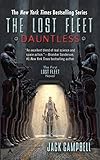
8. The Lost Fleet: Dauntless
Overview:
“The Lost Fleet: Dauntless” kicks off Jack Campbell’s acclaimed military sci-fi series, following Captain John “Black Jack” Geary as he awakens a century after a disastrous battle to find his fleet stranded deep in enemy space. Tasked with leading the remnants home, Geary must navigate treacherous politics, outdated tactics, and distrustful allies in a universe where honor is a forgotten virtue.
What Makes It Stand Out:
Campbell revitalizes space opera with rigorous Newtonian physics combat and a focus on disciplined naval tactics—think Horatio Hornblower in zero gravity. Geary’s struggle to uphold ethical command against cynical foes offers a refreshing contrast to antihero trends, emphasizing leadership integrity amid chaos.
Value for Money:
Outstanding value as the first in a 12-book saga often bundled affordably. Its foundational role in the “Lost Fleet” universe and influence on tactical sci-fi justify every penny, especially compared to single-novel releases with thinner world-building.
Strengths and Weaknesses:
Strengths: Realistic space combat; strong moral core; immersive fleet dynamics. Weaknesses: Slow initial character development; exposition-heavy mid-sections; occasionally rigid dialogue. The rigid adherence to military protocol may feel stifling to some.
Bottom Line:
A cornerstone of modern military sci-fi. Highly recommended for readers who relish detailed tactics and principled heroes, though patience is needed for its deliberate pacing.
9. The Expanse Boxed Set: Leviathan Wakes, Caliban’s War and Abaddon’s Gate

Overview:
This boxed set compiles the first three novels of James S.A. Corey’s monumental Expanse series, chronicling humanity’s fragile unity across the Solar System. From detective noir in Leviathan Wakes to full-scale political warfare in Abaddon’s Gate, it explores corporate greed, revolutionary ideals, and the first contact with mysterious alien technology.
What Makes It Stand Out:
The set’s unparalleled strength is its gritty, geopolitically charged vision of a divided humanity—Earthers, Martians, and Belters—facing existential threats. Corey’s masterful blend of hard sci-fi, intricate plotting, and morally gray characters (like the iconic Holden and Avasarala) creates a deeply immersive universe that defined 2010s sci-fi.
Value for Money:
Exceptional value for three award-winning novels, often priced lower per book than individual purchases. The cohesive narrative arc across the trilogy offers richer context than standalone sci-fi, making it a smarter investment than fragmented alternatives.
Strengths and Weaknesses:
Strengths: Complex political realism; diverse, evolving characters; seamless genre-blending (noir, thriller, epic). Weaknesses: Dense early pacing; occasional infodumping; Martian/Belter cultural depth lags initially. The scale can overwhelm casual readers.
Bottom Line:
A genre-defining investment. Essential for sci-fi enthusiasts seeking depth and realism—skip only if you dislike slow-burn, politically nuanced storytelling.
10. The Last Dance (Terran Scout Fleet Book 8)

Overview:
Concluding the Terran Scout Fleet series, The Last Dance delivers a climactic showdown as humanity’s scout fleet confronts an ancient, galaxy-threatening enemy. Author William R. Hamon wraps up character arcs forged over seven books, balancing fleet-scale battles with intimate crew dynamics aboard the Odyssey.
What Makes It Stand Out:
As a series finale, it excels in payoff—tying long-running threads while escalating stakes with cosmic-scale threats. The focus on veteran characters’ growth (rather than new heroes) provides emotional resonance rare in military sci-fi finales, emphasizing sacrifice and legacy over easy victories.
Value for Money:
Best value for committed series fans, though newcomers should start earlier. The conclusion’s narrative weight justifies the price, especially compared to standalone novels lacking this depth of continuity. Ebook bundles enhance affordability.
Strengths and Weaknesses:
Strengths: Satisfying character resolutions; high-stakes strategic combat; cohesive series payoff. Weaknesses: Steep entry barrier for new readers; pacing uneven in final act; lesser aliens lack depth. Relies heavily on prior emotional investment.
Bottom Line:
A triumphant send-off for loyal readers. Only recommended after completing the series—it’s a victory lap, not a starting point.
Defining Tactical Depth in Military Science Fiction
The Core Pillars of Believable Combat
True tactical sci-fi hinges on more than just describing lasers and explosions. It requires a foundation built on plausible physics, clear chain of command, and realistic unit cohesion. Look for narratives where weapons have tangible limitations—ammo counts matter, energy weapons overheat, and cover isn’t just scenery but a life-or-death necessity. The best stories make you feel the weight of each decision, whether it’s deploying a squad through a breached airlock or calculating orbital bombardment trajectories with imperfect intel.
Logistics: The Unseen Battlefield
Victory rarely belongs solely to the side with the shiniest tech. The most valuable tactical narratives shine a light on the grueling reality of military logistics. How does the supply chain function across light-years? Can a damaged starship scavenge parts in deep space? Stories that weave in the struggle for fuel, ammunition, medical supplies, and even food create a far richer, more credible conflict. This isn’t just background detail; it’s often the critical factor determining who wins or loses a campaign.
Command Structure and Decision-Making
Authenticity crumbles if the chain of command feels arbitrary or nonexistent. Pay attention to how orders flow, how junior officers exercise initiative within their mandate, and how communication breakdowns impact operations. The best tactical fiction explores the psychological burden of command—showing hesitation, flawed judgment calls under pressure, and the tension between following protocol and adapting to chaos. This layer transforms a simple battle scene into a study of leadership.
Evaluating Realism Versus Narrative Drive
Physics and Technology Constraints
While FTL drives are a staple, the most satisfying tactical sci-fi imposes meaningful constraints. How does reaction mass limit ship maneuverability? Do communication delays across planetary distances force decentralized command? Books that thoughtfully integrate real-world physics principles (even when bending them) create tighter, more intellectually engaging combat scenarios. Avoid stories where tech conveniently solves every problem without consequence—it kills the tactical puzzle.
The Human Element in High-Tech Warfare
Guns and gadgets are only part of the equation. The most valuable stories never lose sight of the soldier’s perspective. How does powered armor actually affect mobility and fatigue? What’s the psychological toll of constant combat in zero-G? Look for depictions of training, unit camaraderie, and the sheer exhaustion that make victories feel earned, not effortless. When the human cost is palpable, the tactics resonate deeper.
Avoiding the “Magic Tech” Trap
Be wary of narratives where a single, unexplained device or super-soldier trope effortlessly overcomes complex tactical challenges. Real strategy involves trade-offs and imperfect solutions. The best tactical sci-fi presents technology as a tool with specific applications and vulnerabilities, forcing commanders to adapt their plans around its limitations rather than relying on it as a deus ex machina.
Worldbuilding That Serves the Strategy
Political and Strategic Context
Why is this war being fought? Who are the key players, and what are their tangible strategic objectives? Superficial motives like “evil empire wants galactic domination” rarely satisfy tactical fans. Seek out stories where the geopolitical landscape—resource scarcity, historical grievances, alliance structures—influences military doctrine and battlefield decisions. Understanding the “why” behind the orders makes the “how” of the tactics infinitely more compelling.
Enemy Doctrine and Adaptability
A worthy opponent is essential. The best tactical narratives treat the enemy as intelligent and adaptive, not cannon fodder. How does the opposing force leverage its own technology and terrain? Do they employ guerrilla tactics, overwhelming numbers, or psychological warfare? Stories where the enemy evolves its strategies in response to your protagonist’s moves create a dynamic, chess-like engagement that keeps you hooked.
Terrain and Environmental Factors
The battlefield itself should be a character. Does the alien atmosphere affect weapon performance? How do jungle canopies or urban rubble alter movement and sightlines? Books that force characters to use the environment—turning volcanic vents into cover or magnetic storms into communication blackouts—demonstrate a level of tactical thought that elevates the entire narrative. Ignoring terrain is a sign of shallow worldbuilding.
Character Development Within the Tactical Framework
Soldiers as Specialists, Not Stereotypes
Move beyond the grizzled sergeant or genius rookie tropes. Look for characters defined by their specific military occupational specialties—combat engineers, signals intelligence analysts, or trauma medics—and how their expertise directly impacts mission success. When a character’s unique skills solve a tactical problem in a believable way, it reinforces the realism and value of the narrative.
The Weight of Command Responsibility
Stories focused solely on grunt-level action miss half the picture. The most valuable tactical sci-fi often splits perspective between the boots on the ground and the officers making strategic calls. Exploring the isolation, moral compromises, and crushing responsibility of command adds profound depth. How does a commander balance mission objectives against the lives of their troops when intel is flawed?
Consequences of Tactical Choices
Every decision should carry weight. Does a successful flanking maneuver result in friendly fire casualties? Does capturing a key objective stretch supply lines to the breaking point? Stories where victories are pyrrhic and failures have cascading consequences create a far more authentic and engaging tactical experience. Avoid narratives where setbacks feel trivial or easily reversed.
Assessing Long-Term Value and Re-Readability
Strategic Complexity That Unfolds
Initial reads might focus on the action, but the most valuable books reveal deeper layers on subsequent readings. Do earlier scenes take on new meaning when you understand the larger strategic deception? Are subtle logistical details that seemed minor initially revealed as critical plot points? This re-readability is a hallmark of genuinely thoughtful tactical storytelling.
Educational Value Beyond Entertainment
The best military sci-fi teaches you something—about historical battles, leadership principles, or the psychology of conflict—without feeling like a textbook. Does the narrative spark your curiosity about real-world military theory or historical campaigns? Books that blend entertainment with genuine insight into strategy, logistics, or small-unit tactics offer enduring value long after the final page.
Avoiding Genre Clichés and Repetition
While familiar elements are comforting, the most valuable stories avoid tired tropes. Steer clear of narratives relying solely on chosen-one narratives, infallible generals, or battles won purely by willpower. Seek out fresh takes on interstellar conflict that challenge expectations and offer nuanced perspectives on warfare, ethics, and the human condition under extreme pressure.
Maximizing Your Reading Investment
Leveraging Library Resources and Community Insights
Don’t feel pressured to buy every new release. Libraries often have robust sci-fi sections, and inter-library loans can access niche titles. Engage with online communities focused on military sci-fi—forums and subreddits can offer nuanced discussions about tactical authenticity that reviews rarely capture. Fellow tactical fans are often the best source for identifying truly substantive reads.
Identifying Value Beyond the Cover Price
Consider the book’s density of tactical content. A shorter novel packed with intricate battle planning might offer more value per hour than a lengthy space opera with minimal strategic depth. Look for strong editorial standards—books from publishers known for rigorous military sci-fi imprints often undergo stricter vetting for tactical plausibility.
Building a Curated Personal Library
Focus on acquiring books that excel in specific areas you value most: unparalleled small-unit tactics, masterful fleet engagements, or groundbreaking logistics narratives. A smaller collection of deeply resonant, re-readable tactical classics often holds more long-term value than a shelf full of mediocre entries. Prioritize quality of insight over sheer quantity.
Frequently Asked Questions
What exactly defines “tactical” military science fiction versus general space opera?
Tactical military sci-fi places the mechanics, planning, and execution of military operations at the core of the narrative. It emphasizes believable combat procedures, logistical constraints, chain of command, and the strategic reasoning behind decisions, rather than focusing primarily on adventure, romance, or galaxy-spanning political intrigue without grounding the warfare itself.
How important is scientific accuracy for tactical value in these books?
While hard scientific accuracy isn’t mandatory, internal consistency and plausible constraints are crucial. Weapons, propulsion, and communication should have defined limitations that directly impact tactics. Stories where physics are ignored to enable convenient plot points usually lack genuine tactical depth, even if the science isn’t 100% real-world precise.
Can a book focused on political maneuvering still be considered “tactical” military sci-fi?
Yes, if the political strategies directly influence and are influenced by military operations in a believable way. The best examples show how political objectives dictate military doctrine, how battlefield outcomes shift political landscapes, and how commanders must navigate political constraints during operations, making the political layer an integral part of the tactical puzzle.
What red flags indicate shallow tactical storytelling?
Be wary of effortless victories, enemies who never adapt, tech that solves problems without drawbacks, disregard for logistics (ammo, fuel, medical care), characters making decisions that defy basic military principles without consequence, and battles resolved by individual heroics rather than coordinated unit action.
How do I find books that balance tactical realism with strong character development?
Look for reviews or discussions highlighting how characters’ military roles shape their actions and growth. The best tactical sci-fi integrates character arcs with their tactical responsibilities—e.g., a medic’s trauma influencing triage decisions, or a commander’s past failures shaping current risk assessment.
Is “gritty” or “dark” tone necessary for good tactical sci-fi?
Not inherently. Gritty tone can enhance realism by showing war’s cost, but it’s not the only valid approach. Some excellent tactical narratives use dark humor, procedural precision, or even moments of hope while maintaining rigorous attention to combat detail and strategic thinking. Focus on authenticity of the tactics, not just the mood.
How significant is the author’s military background for authenticity?
While firsthand experience can lend depth, it’s not a requirement. Many non-veteran authors conduct extensive research and consult experts to achieve tactical credibility. Conversely, a military background doesn’t guarantee a compelling or accurate narrative. Judge based on the story’s internal consistency and attention to plausible detail, not the author’s resume alone.
Should I prioritize newer releases for the best tactical depth in 2026?
Not necessarily. Tactical depth is timeless. While newer works might incorporate contemporary military theory or tech concepts, many classic military sci-fi novels established enduring frameworks for believable combat. Focus on the quality of the tactical thinking within the story, regardless of publication date.
How can I assess a book’s tactical value before purchasing?
Read detailed reviews from trusted sources specializing in military sci-fi, examine sample chapters for attention to procedural detail and decision-making logic, and check author interviews about their research process. Avoid relying solely on blurbs highlighting “non-stop action” without mentioning strategy or realism.
Can standalone novels offer as much tactical depth as series?
Absolutely. Standalone novels often provide a more concentrated, self-contained tactical scenario, allowing the author to focus intensely on a single campaign or battle with meticulous detail. Series can explore evolving doctrine, but a well-crafted standalone can deliver immense tactical satisfaction without requiring long-term commitment.