Imagine a world where reluctant readers suddenly can’t put the book down, where complex emotions are understood through vibrant panels, and where vocabulary blossoms not from rote memorization but from following a character’s journey across thoughtfully crafted pages. This isn’t a distant fantasy—it’s the transformative power of graphic novels for early readers, and 2026 marks a pivotal moment in this revolution. As literacy experts and educators increasingly champion visual storytelling, parents and caregivers are discovering that these dynamic books bridge the gap between picture books and chapter novels in ways traditional texts often can’t. For children just starting their reading adventure, the combination of art and text creates a safe, engaging space to decode stories, build confidence, and ignite a lifelong love of reading without the intimidation of dense paragraphs.
What makes this moment so special? Today’s graphic novels for young children are no longer just comic strips repackaged—they’re meticulously designed learning tools shaped by cutting-edge child development research and inclusive storytelling practices. In 2026, publishers are prioritizing features that directly address the unique cognitive and emotional needs of early readers, from intuitive visual pacing to narratives that reflect diverse family structures and experiences. As screen time competes for young attention spans, these books offer a tangible, focused alternative that strengthens critical thinking while nurturing empathy. Whether your child is navigating their first words or building fluency, understanding what truly matters in these publications ensures you’re not just buying a book, but investing in a joyful, foundational literacy experience.
Top 10 Children’s Graphic Novels
Detailed Product Reviews
1. Magic Tree House Graphic Novel Starter Set: (A Graphic Novel Boxed Set)

Overview: This boxed set adapts the beloved early chapters of Mary Pope Osborne’s iconic Magic Tree House series into full-color graphic novels, targeting young readers transitioning to independent reading or visual learners. It presents Jack and Annie’s initial adventures through time and legend in an accessible, visually driven format. What Makes It Stand Out: The key strength lies in its faithful yet vibrant translation of the original stories. The dynamic artwork captures the wonder and historical/mythological settings effectively, making complex concepts tangible for children. The boxed set format offers immediate value by bundling multiple entry points, encouraging series commitment. Value for Money: Priced competitively for a multi-book collection, it provides significant content density. Compared to purchasing individual graphic novels or standard chapter books, this set delivers exceptional bang for buck, especially for educators or parents seeking engaging, curriculum-adjacent materials without breaking the bank. Strengths and Weaknesses: Strengths: Highly engaging for reluctant readers; artwork enhances comprehension and historical context; durable boxed packaging; maintains the series’ educational core. Weaknesses: May lack some narrative depth of the original prose for older fans; art style, while colorful, might not appeal to all tastes seeking a more detailed aesthetic. Bottom Line: An outstanding gateway into reading and history for elementary-aged children, this starter set successfully leverages the graphic novel format to boost accessibility and enjoyment, making it a highly recommended investment for young readers and classrooms.
2. A Wrinkle in Time: The Graphic Novel

Overview: This graphic novel adaptation brings Madeleine L’Engle’s enduring science-fantasy classic to life with striking visuals, aiming to introduce Meg Murry, Charles Wallace, and their cosmic quest to rescue their father to a new generation of readers through the dynamic medium of comics. What Makes It Stand Out: The adaptation excels in visualizing the book’s abstract concepts – tessering through the fifth dimension, the menacing IT, and the ethereal Mrs. W’s. The art style masterfully balances otherworldly beauty with moments of intense tension, translating L’Engle’s complex themes of love, conformity, and individuality into powerful sequential art. Value for Money: As a single, high-quality graphic novel adaptation of a landmark literary work, it offers solid value. While priced higher than a standard paperback, the production quality and the significant effort required to adapt such a dense narrative justify the cost compared to simpler graphic novels. Strengths and Weaknesses: Strengths: Exceptional visualization of surreal concepts; retains the novel’s emotional depth and core message; artwork is both expressive and thematically resonant; excellent entry point for teens. Weaknesses: Some nuanced philosophical dialogue may feel condensed; purists might miss the original’s descriptive prose; pacing can feel rushed in highly conceptual sections. Bottom Line: A visually stunning and faithful adaptation that successfully captures the heart and mind-bending wonder of the original, making “A Wrinkle in Time” more accessible than ever; highly recommended for teens and adults alike.
3. Wings of Fire #1-#4: A Graphic Novel Box Set (Wings of Fire Graphic Novels #1-#4)

Overview: This box set compiles the first four graphic novel adaptations of Tui T. Sutherland’s massively popular “Wings of Fire” dragon epic, following the dragonets of the prophecy as they navigate destiny, war, and self-discovery in the vividly realized continent of Pyrrhia. What Makes It Stand Out: The set shines by translating intricate dragon lore, unique tribes, and high-stakes aerial battles into dynamic, full-color panels. The character designs are exceptionally detailed and true to the books, allowing readers to instantly connect dragon personalities with their visual representations, a crucial element for this character-driven series. Value for Money: Bundling the first story arc (The Dragonet Prophecy) offers significant savings over buying each volume separately. For fans eager to dive into the series visually, or for libraries needing durable, high-demand materials, this set represents excellent long-term value and convenience. Strengths and Weaknesses: Strengths: Faithful adaptation of complex lore; vibrant, action-packed artwork ideal for the subject; perfect bridge for middle-grade fantasy readers; sturdy box storage. Weaknesses: Condensation of internal monologue may slightly reduce character depth for book purists; art style, while energetic, can occasionally feel busy during large battle scenes. Bottom Line: An essential and highly engaging collection for existing “Wings of Fire” fans and a compelling visual entry point for new readers; the box set format makes it a superb value and a must-have for dragon-loving audiences.
4. The Secret Garden: A Graphic Novel
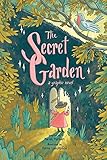
Overview: This graphic novel reimagines Frances Hodgson Burnett’s timeless tale of healing and renewal, following the sour-tempered Mary Lennox as she discovers a hidden, neglected garden on the Yorkshire Moors, transforming not only the garden but herself and those around her. What Makes It Stand Out: The adaptation’s greatest asset is its atmospheric artwork. Lush, detailed illustrations perfectly capture the brooding manor, the wild beauty of the moors, and the gradual, blossoming hope within the garden. The visual medium powerfully conveys the story’s emotional journey and the magic of nature’s restorative power without relying solely on narration. Value for Money: As a single, beautifully produced graphic novel of a classic literary work, it provides good value. It serves as a meaningful alternative to standard text editions, particularly for visual learners or those seeking a fresh perspective on the story, justifying its price point for educators and collectors. Strengths and Weaknesses: Strengths: Exquisitely rendered, mood-enhancing artwork; effectively visualizes the garden’s transformation and emotional core; accessible for younger readers while retaining depth; strong introduction to classic literature. Weaknesses: Some subtlety of Burnett’s prose descriptions is inevitably lost; slower pacing might not grip readers expecting constant action; character expressions, while good, can sometimes feel slightly generic. Bottom Line: A visually captivating and emotionally resonant adaptation that breathes new life into the classic, making “The Secret Garden” wonderfully accessible; highly recommended for fans of the original and newcomers seeking a beautiful graphic novel experience.
5. Warriors Graphic Novel: The Prophecies Begin, Part One of Three: An Epic Clan Adventure About Rivalries, Destiny, and a Brave New Warrior

Overview: This graphic novel launches the “Warriors” saga, adapting the first part of Erin Hunter’s bestselling “The Prophecies Begin” arc, introducing Rusty, a house cat drawn into the fierce world of four wild Clans of warrior cats living by ancient codes and battling for survival in the forest. What Makes It Stand Out: The adaptation excels in translating the visceral intensity of cat battles, intricate Clan politics, and the unique warrior code into compelling sequential art. The detailed feline character designs and expressive body language are crucial, making the anthropomorphized world feel authentic and immersive, capturing the series’ signature blend of adventure and loyalty. Value for Money: Positioned as the first of a trilogy within the larger series, it offers a substantial entry point. While a single volume, its role as the foundation for an extensive universe provides significant narrative value, especially for the target middle-grade audience, justifying its cost as a gateway to a vast franchise. Strengths and Weaknesses: Strengths: Dynamic, action-focused artwork perfect for the subject; strong visual storytelling conveys complex cat behaviors; highly engaging for existing fans and new readers; faithful to the source’s spirit. Weaknesses: Condensing the novel requires trimming some character development; the “Part One of Three” structure means an unresolved ending; art style prioritizes action over subtlety in quieter moments. Bottom Line: A thrilling and visually sharp introduction to the “Warriors” universe that effectively captures the clan rivalries and destiny-driven narrative; an excellent starting point for young readers, though commitment to the full trilogy is needed for resolution.
6. The Action Bible: God’s Redemptive Story (Action Bible Series)

Overview: This dynamic graphic novel adaptation presents the core narrative of the Bible through high-energy, cinematic artwork and accessible storytelling, specifically designed to engage children and young readers with scripture. What Makes It Stand Out: Its unique power lies in transforming complex biblical stories into visually compelling, sequential art that emphasizes action and emotion without sacrificing theological substance. The stylized, comic-book aesthetic makes ancient narratives feel immediate and relatable for modern youth, far surpassing traditional children’s Bibles in visual engagement. Value for Money: Priced competitively with standard children’s hardcovers, it offers exceptional longevity as a reference and devotional tool. Its ability to hold a child’s interest translates to repeated readings, providing significantly more sustained engagement per dollar than simpler picture Bibles or basic story collections. Strengths and Weaknesses: Strengths: Exceptional artwork that captures drama; clear, age-appropriate text; strong focus on the overarching redemption story; durable binding. Weaknesses: Art style may feel too “comic-book” for some traditional religious settings; simplifies complex theological concepts necessarily for the audience; minimal direct scripture quotes. Bottom Line: An outstanding, must-have resource for parents, churches, and educators seeking to make biblical stories vivid and memorable for kids; highly recommended despite minor stylistic caveats for its target audience.
7. The Night Librarian: A Graphic Novel

Overview: This enchanting middle-grade graphic novel follows a young girl who discovers the library transforms magically after hours, unlocking a hidden world of living books and mystical adventures under the guidance of the enigmatic Night Librarian. What Makes It Stand Out: It masterfully blends the comforting familiarity of a library with pure fantasy, creating a unique portal narrative. The visual depiction of books coming alive—characters stepping from pages, stories swirling in the air—is exceptionally imaginative and beautifully rendered, celebrating literature in a deeply visceral way. Value for Money: At standard graphic novel pricing, it delivers a complete, self-contained magical adventure with high re-readability. It offers superior imaginative stimulation and visual storytelling compared to many chapter books at similar price points, making it a worthwhile investment for fostering a love of reading. Strengths and Weaknesses: Strengths: Stunning, dreamlike artwork; strong, relatable protagonist; clever integration of book love into plot; positive message about imagination and curiosity. Weaknesses: Pacing can feel slightly rushed in the final act; the core concept, while charming, isn’t entirely novel; minimal character development beyond the protagonist. Bottom Line: A visually captivating and heartfelt ode to libraries and stories; highly recommended for young readers, especially reluctant ones, seeking magic within the pages of a book.
8. Enola Holmes: The Graphic Novels: The Case of the Missing Marquess, The Case of the Left-Handed Lady, and The Case of the Bizarre Bouquets (Volume 1)

Overview: This collected volume adapts the first three Enola Holmes novels into vibrant graphic novels, chronicling the clever teenage detective’s adventures in Victorian London as she solves mysteries her famous brother Sherlock overlooks. What Makes It Stand Out: It successfully captures Enola’s sharp wit, resourcefulness, and unique perspective, distinct from Sherlock’s methods. The graphic format excels at showcasing intricate period details, Enola’s ingenious disguises, and the suspenseful puzzle-box mysteries, making the historical setting visually immersive and accessible. Value for Money: Bundling three novella-length cases into one volume offers substantial content for the price, providing significantly more story than a single standard graphic novel. It’s a cost-effective entry point into the Enola Holmes universe compared to buying the prose novels individually. Strengths and Weaknesses: Strengths: Faithful adaptation retaining Enola’s voice; expressive art highlighting emotion and action; strong feminist themes; well-paced mysteries. Weaknesses: Art style, while charming, lacks some dynamism in action sequences; condensing three books slightly truncates subplots; historical context might need minor explanation for younger readers. Bottom Line: An excellent, engaging introduction to Enola Holmes; highly recommended for middle-grade and YA fans of historical mysteries and strong female leads, offering great value and entertainment.
9. Night of the Ninjas Graphic Novel (Magic Tree House Graphic Novels)

Overview: This graphic novel adaptation brings the fourth Magic Tree House book to life, sending siblings Jack and Annie back to ancient Japan where they must outwit stealthy ninjas to save a magical moonstone and return home. What Makes It Stand Out: It perfectly translates the series’ signature blend of historical adventure and gentle suspense into the visual medium. The graphic format vividly depicts the atmospheric Japanese setting, the tension of ninja encounters, and the siblings’ teamwork, enhancing the original story’s excitement while staying true to its educational core. Value for Money: As part of the established Magic Tree House line, it leverages beloved characters and proven educational appeal. The graphic novel format offers a lower barrier to entry for reluctant readers compared to the chapter books, providing equivalent historical learning and adventure at a standard graphic novel price point. Strengths and Weaknesses: Strengths: Accurate historical details woven into adventure; ideal gateway for chapter book readers transitioning to graphic novels; clear, age-appropriate suspense; reinforces teamwork and problem-solving. Weaknesses: Predicable plot structure for series veterans; art style is functional but not highly distinctive; historical depth is necessarily simplified. Bottom Line: A faithful, exciting, and accessible adaptation that successfully broadens the Magic Tree House appeal; strongly recommended for fans of the series and young readers seeking historical adventures with mild thrills.
10. Katie the Catsitter: (A Graphic Novel)

Overview: This humorous autobiographical graphic novel follows Katie’s summer job catsitting for glamorous neighbor Violet, which unexpectedly plunges her into a world of pop stardom, scheming classmates, and feline chaos. What Makes It Stand Out: Its greatest strength is the authentic, relatable voice of Katie navigating middle school anxieties and unexpected fame. The vibrant, expressive artwork perfectly captures the comedic timing, exaggerated social dynamics, and the utter ridiculousness of Katie’s escalating predicaments, making it laugh-out-loud funny. Value for Money: Packed with genuine humor and heart, it offers high re-read value for its target audience. Compared to other middle-grade graphic novels, it delivers a uniquely personal story with universal themes of friendship and self-discovery at a very fair price point. Strengths and Weaknesses: Strengths: Hilarious, spot-on middle-school humor; endearing, flawed protagonist; excellent comedic pacing and visual gags; strong themes of loyalty and authenticity. Weaknesses: Plot contrivances drive the comedy (may stretch believability for some); side characters can be broadly drawn; resolution feels slightly rushed. Bottom Line: A consistently funny, heartfelt, and highly relatable read; wholeheartedly recommended for middle-grade readers, especially those who enjoy lighthearted stories about friendship, funny animals, and navigating the trials of school.
Understanding the Early Reader Landscape
Defining the Early Reader Stage
Early readers typically range from ages 4 to 8, a period marked by rapid language development and growing independence in decoding text. These children are transitioning from being read to toward reading with guidance, needing materials that balance visual support with manageable text. Crucially, this stage isn’t defined solely by age—developmental readiness varies widely, so content must cater to emerging phonics skills while accommodating different paces of progression without causing frustration.
Why Visual Storytelling Resonates Deeply
The brain processes images 60,000 times faster than text, making graphic novels ideal for young minds still mastering letter recognition. Visual cues in illustrations—like a character’s widened eyes or slumped shoulders—provide immediate context for emotions and actions, reducing cognitive load. This multimodal approach (text + art) mirrors how children naturally learn through observation and play, transforming abstract words into concrete understanding and making story comprehension feel like discovery rather than work.
The Confidence Factor in Literacy Development
Nothing discourages a new reader faster than constant stumbling over words. Graphic novels break narratives into bite-sized panels with limited, purposeful text per scene, allowing children to “read” the story through images even before mastering all words. This scaffolding effect builds self-assurance: finishing a whole book feels achievable, reinforcing the idea that “I am a reader.” That psychological win is often the catalyst for tackling more complex texts later.
Essential Features to Evaluate
Age-Appropriate Art Style Characteristics
Look for clean, uncluttered illustrations with bold outlines and high-contrast colors—details that prevent visual overwhelm for young eyes. Expressive character designs (think exaggerated smiles or frowns) should convey emotions instantly, while consistent visual motifs (like recurring symbols for sounds or feelings) create predictable patterns that aid comprehension. Avoid overly complex shading or miniature background elements that distract from the core narrative flow.
Text Integration That Supports Learning
Effective early-reader graphic novels position text deliberately: word balloons placed near relevant actions, font sizes that emphasize key vocabulary, and strategic repetition of sight words across panels. The best examples use text direction (left-to-right flow within panels) to model reading sequence, while avoiding overlapping dialogue that forces backtracking. Crucially, text should never duplicate what’s obvious in the art—instead, it adds new layers, like internal thoughts or sound effects that expand the story.
Narrative Structure for Developing Minds
Stories should follow clear, linear sequences with minimal subplots—think “problem arises, character tries solutions, resolution occurs” within 48-64 pages. Panel transitions (how one image leads to the next) must be intuitive, using techniques like motion lines or consistent character positioning to guide the eye naturally. Repetitive story rhythms (e.g., “Each day, X happened until…”) provide comforting predictability while subtly teaching cause-and-effect relationships.
Durability and Physical Design Essentials
With small hands prone to crumpling pages, prioritize reinforced bindings (smyth-sewn or spiral-bound) and thick, matte-finish paper that resists glare and tearing. Covers should be flexible yet sturdy—laminated cardboard works well—and avoid sharp corners. Consider size too: oversized pages (8x10 inches) make art and text easier to see during shared reading, while compact formats fit little laps during independent exploration.
Educational Value Beyond Entertainment
Vocabulary Growth Through Visual Context
Graphic novels excel at teaching nuanced words (like “frustrated” or “cautiously”) because illustrations show their meaning in action. When a character kicks a rock with a scowling face beside the word “grumpy,” children absorb connotations without dictionary definitions. This incidental learning builds richer language skills than isolated flashcards, as words are embedded in emotionally resonant, memorable scenarios.
Sequential Thinking and Logical Reasoning
Following panel sequences trains children to understand temporal order (“what happened first?”) and infer off-panel events (“Why is the character holding an umbrella?”). This develops logical reasoning—the foundation for comprehending complex texts later. Skilled creators use visual clues (like a clock showing time passing) to reinforce sequencing, making abstract concepts like “before” and “after” tangible.
Emotional Intelligence and Social Cues
Characters’ body language and facial expressions model social interactions, helping children decode real-world nonverbal signals. Stories exploring friendship conflicts or school anxieties allow kids to process big feelings safely through fictional scenarios. In 2026, leading publications intentionally include diverse emotional ranges (not just happiness/sadness) to validate complex inner experiences young readers may struggle to articulate.
Cultivating Focus in a Distracted World
Unlike fragmented digital content, graphic novels require sustained attention to follow visual narratives across pages. The “gutter” between panels—the space readers mentally fill to connect actions—actively engages imagination, building concentration stamina. For children accustomed to rapid screen stimuli, this slow, deliberate engagement strengthens neural pathways for deep reading, a critical skill often underdeveloped in the digital age.
Navigating Content and Representation
Age-Sensitive Theme Selection
Content should match developmental stages: preschoolers benefit from concrete themes like sharing toys, while early elementary readers can handle gentle introductions to concepts like perseverance. Avoid implied violence (even cartoonish) or high-stakes peril; instead, seek stories where problems are solvable through communication or creativity. Humor rooted in relatable situations (lost mittens, picky eating) keeps themes light and accessible.
Authentic Diversity as Standard Practice
In 2026, representation goes beyond tokenism—look for books where cultural, physical, or family diversity is woven organically into everyday stories, not treated as the sole plot point. Check for authentic details: accurate holiday depictions, natural use of multilingual phrases, or disabilities shown through character strengths (e.g., a wheelchair user solving a maze). Publishers increasingly collaborate with sensitivity readers to ensure respectful portrayals that normalize inclusion.
Handling Sensitive Topics with Care
When complex issues (like grief or anxiety) appear, they should be framed through a child’s perspective with clear resolution. Visual metaphors (a dark cloud lifting) can make abstract emotions graspable, while adult characters model healthy coping strategies. Crucially, these narratives avoid graphic depictions—focusing instead on emotional safety and hope—and often include back-matter discussion guides for caregivers.
Practical Selection Strategies
Matching Books to Individual Interests
A child fascinated by dinosaurs won’t engage with a baking story, no matter how well-designed. Observe their passions—animals, space, building—and seek narratives centered in those worlds. Interest-based books leverage intrinsic motivation: a reluctant reader might tackle “rocket ship” vocabulary eagerly if spaceships captivate them. Librarians often categorize early graphic novels by theme (adventure, family, school) to simplify this matching process.
Assessing Read-Aloud Versatility
The best titles function equally well for solo reading and shared sessions. During selection, flip through and note: Are there “pause points” where caregivers can ask predictive questions (“What might happen next?”)? Do illustrations contain subtle details (a hidden animal in the background) that spark conversation? Books with rhythmic, repetitive text also lend themselves to expressive read-alouds that build phonemic awareness.
Evaluating Progressive Skill Challenges
Quality series gradually increase complexity across volumes—earlier books use single-panel pages with 3-5 words, while later installments introduce multi-panel sequences and compound words. Check for visual “training wheels” like color-coded speech bubbles for different characters or highlighted sight words. This scaffolding ensures children advance without hitting frustrating walls, maintaining momentum as skills grow.
Maximizing the Reading Experience
Interactive Reading Techniques That Work
Instead of passive reading, ask open-ended questions: “How do you think she felt when that happened?” or “What clue tells us it’s raining?” Point to visual elements (“See how his fists are clenched? That shows anger”). For pre-readers, invite them to “read” the pictures first: “Tell me what’s happening here.” This builds prediction skills and positions them as active participants, not just listeners.
Creating a Supportive Reading Environment
Designate a consistent, comfortable spot for graphic novel time—well-lit with minimal distractions. Keep books accessible on low shelves so children can independently choose titles. Normalize rereading; with visual narratives, kids often notice new details each time, reinforcing comprehension. Most importantly, model enthusiasm: share your own reactions to art (“I love how the colors change when he’s happy!”) to deepen their engagement.
Building Bridges to Traditional Texts
Use graphic novels as stepping stones by pairing them with related chapter books or nonfiction. After reading a story about ocean life, explore a simple factual book on fish. Discuss adaptations: “How would this character’s adventure look without pictures?” Gradually introduce hybrid formats—like illustrated novels with occasional comic panels—to ease the transition while honoring their visual literacy foundation.
Frequently Asked Questions
How do I know if a graphic novel is too advanced for my early reader?
Watch for frequent frustration—skipping panels, refusing to engage, or missing basic plot points. If text density overwhelms (more than 15-20 words per page) or panel sequences require complex inference, it’s likely too challenging. Start simpler: books where pictures tell 70% of the story, with text reinforcing key actions.
Can graphic novels really improve my child’s reading scores?
Research consistently shows they boost foundational skills: visual context aids word decoding, panel sequences teach narrative structure, and high engagement increases reading frequency—all linked to measurable gains in comprehension and fluency assessments. They’re particularly effective for reluctant readers who plateau with traditional texts.
Are digital graphic novels as beneficial as print versions?
Tablet-based versions offer animation and audio support, which can aid engagement, but print generally fosters deeper focus. Physical books allow easy page-flipping for review, reduce eye strain, and provide tactile durability. If choosing digital, prioritize apps without pop-up ads or auto-advance features that disrupt concentration.
How much reading should be done through pictures versus text?
Early readers should “read” images first to build confidence, then gradually focus more on text. Aim for a 70/30 visual-to-text ratio initially, shifting toward 50/50 as skills develop. Never discourage picture reliance—it’s a valid comprehension strategy. The goal is using art as scaffolding, not a crutch.
What if my child only wants to read graphic novels?
This preference is temporary and valuable! Lean into it—it builds stamina and joy. Gently expand horizons by connecting graphic novels to related interests (e.g., a dinosaur comic → nonfiction dino book). Forced exclusions create resistance; instead, frame other formats as “another way to explore what you love.”
How do I discuss complex emotions shown in these books?
Start simply: “I noticed her face looked sad here. Have you felt like that?” Validate feelings without over-explaining. For intense scenes, pause and ask, “What do you think helps the character feel better?” This models emotional processing while keeping conversations child-led and safe.
Are speech bubbles confusing for new readers?
Initially, some children struggle with reading sequence in multi-character dialogues. Choose books with clear visual cues (tail direction, character positioning) and practice tracing bubble order together. Most adapt quickly—it’s a skill that transfers directly to understanding real conversations.
What role should I play when my child reads independently?
Be available for “rescue reads” when they’re stuck, but avoid hovering. Ask reflective questions later (“What was your favorite part and why?”) rather than quizzing. Your presence should feel like support, not pressure—silently reading your own book nearby models lifelong reading habits.
How can I find books reflecting my child’s specific background?
Seek publishers specializing in inclusive children’s literature—they often categorize by identity (neurodiversity, cultural heritage, family structure). School librarians and sites like We Need Diverse Books offer curated filters. Authenticity matters more than checklists; prioritize stories where identity is part of, not the entirety of, the character’s journey.
Is it okay to reread the same graphic novel repeatedly?
Absolutely—rereading is crucial for literacy development! Each pass deepens comprehension, builds fluency, and reveals new visual details. It also provides comfort through predictability. Celebrate this habit; it’s how children internalize narrative structures and gain confidence to tackle unfamiliar texts.