Imagine the magic of watching a child’s eyes light up as they recognize the first letter of their name in a book. That moment—when abstract shapes transform into meaningful symbols—is a cornerstone of early literacy development. For parents and caregivers, selecting the right ABC resources isn’t just about filling a bookshelf; it’s about nurturing a lifelong love of learning. In today’s fast-paced world, where screens often compete for attention, thoughtfully chosen physical books remain irreplaceable tools for building foundational skills. The journey from recognizing “A” to reading “Apple” is paved with curiosity, repetition, and the right kind of engagement.
Choosing ABC books that truly resonate with a young child requires understanding more than just colorful pictures and catchy rhymes. It’s about aligning with developmental stages, sensory needs, and the subtle art of making learning feel like play. As educational insights evolve, so do the expectations for early literacy materials—moving beyond rote memorization toward holistic cognitive and emotional growth. This guide cuts through the noise to focus on what actually matters when building a meaningful ABC library, ensuring every page turn supports your child’s unique path to literacy.
Top 10 Children’s ABC Books
Detailed Product Reviews
1. The Very Hungry Caterpillar’s ABC (The World of Eric Carle)

Overview: This sturdy board book adaptation of Eric Carle’s iconic style introduces toddlers to the alphabet through familiar, vibrant collage illustrations. Each letter pairs with a simple, corresponding object or creature (like “A is for Apple”), leveraging the beloved caterpillar’s world to make early learning engaging and visually stimulating for very young children. What Makes It Stand Out: Carle’s instantly recognizable, hand-painted tissue paper artwork provides exceptional visual texture and warmth, far surpassing generic alphabet books. The die-cut pages and simple, rhythmic text create a tactile and predictable reading experience ideal for tiny hands and pre-readers, fostering a genuine connection to the story beyond mere letter memorization. Value for Money: Priced competitively for a high-quality board book from a renowned author, its durability and timeless appeal offer excellent longevity. While simpler ABC books exist cheaper, the brand recognition, artistic merit, and proven child-appeal justify the cost as a foundational addition to any toddler’s library. Strengths and Weaknesses: Strengths: Exceptional, developmentally appropriate art; perfect board book size and sturdiness; strong brand trust; simple, effective concept. Weaknesses: Limited vocabulary expansion beyond single words; less interactive than touch-and-feel or sound books; some letter-object choices feel slightly forced (e.g., “X is for Xylophone”). Bottom Line: An outstanding, visually rich introduction to the alphabet that leverages Eric Carle’s magic. Its durability, beautiful art, and gentle learning approach make it a highly recommended classic for babies and toddlers, worth every penny as a first ABC book.
2. Eating the Alphabet
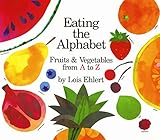
Overview: Lois Ehlert’s vibrant board book presents the alphabet through a delightful global tour of fruits and vegetables. From “Avocado” to “Zucchini,” each letter features bold, colorful collaged illustrations of produce, accompanied by clear labels, making healthy eating and letter recognition fun and accessible for preschoolers. What Makes It Stand Out: The unique focus on diverse, real-world foods sets it apart, naturally encouraging conversations about nutrition and world cultures alongside literacy. Ehlert’s signature collage style, using actual vegetable patterns and bright shapes, creates an energetic, visually captivating experience that feels fresh and substantive compared to standard ABC fare. Value for Money: As a durable board book with high artistic value and dual educational focus (letters + healthy foods), it offers strong value. While not interactive with sounds or flaps, its re-readability, unique theme, and appeal to both kids and parents make it a cost-effective, meaningful learning tool. Strengths and Weaknesses: Strengths: Unique and healthy theme; stunning, educational collage artwork; introduces diverse vocabulary; sturdy construction; sparks interest in fruits/veggies. Weaknesses: Some produce might be unfamiliar to young children (e.g., “Jicama,” “Quince”); lacks phonics or word-building; purely visual with no added interactive elements. Bottom Line: A beautifully crafted, conceptually rich alphabet book that transcends simple letter learning. Its celebration of healthy foods and Ehlert’s artistry make it a highly valuable and recommended choice for parents seeking an engaging, nutritious twist on early literacy.
3. Let’s Learn ABCs – Interactive Toddler Sound Book with 27 Buttons | Tracing, Alphabet Song, Children’s Board Book | Learn Letters & First Words | Fun Learning Activities for Boys & Girls

Overview: This robust board book combines classic alphabet learning with modern technology, featuring 27 large, easy-press buttons. Each button triggers the letter name, sound, the alphabet song, or first words, providing multi-sensory engagement as toddlers explore tracing paths and colorful illustrations. What Makes It Stand Out: The extensive interactivity is its core strength – 27 distinct buttons covering letters, sounds, songs, and tracing guidance offer unparalleled hands-on learning in a single book. The built-in sound module (with volume control) provides immediate auditory feedback, crucial for phonemic awareness, making practice independent and fun. Value for Money: Priced higher than non-interactive books, the integrated electronics and multitude of features justify the cost for parents seeking an all-in-one learning tool. It replaces the need for separate song CDs or flashcards, offering significant educational bang for the buck through sustained engagement. Strengths and Weaknesses: Strengths: Highly engaging multi-sensory learning (sound, touch, sight); comprehensive coverage (letters, sounds, song, tracing); sturdy build for rough handling; volume control; promotes independent play. Weaknesses: Requires batteries (potential future cost/issue); sound can become repetitive; tracing paths are shallow; less focus on letter formation practice. Bottom Line: An exceptional investment for tech-savvy toddlers, delivering immersive, multi-faceted alphabet learning. Despite the higher price, its durability, comprehensive features, and ability to hold attention make it a top recommendation for active, auditory learners.
4. ABC God Loves Me: An Alphabet Book About God’s Endless Love for Babies and Toddlers

Overview: This Christian-themed board book weaves foundational Bible concepts and God’s love into the alphabet structure. Each letter pairs with a simple, faith-based word and a gentle affirmation (e.g., “A is for Adore. God adores me!”), presented through soft, comforting illustrations suitable for the youngest believers. What Makes It Stand Out: It uniquely integrates spiritual formation with early literacy, providing parents seeking faith-based resources a tool to instill core religious values alongside ABCs. The focus on God’s love as the central theme, repeated consistently, offers emotional reassurance and a distinct purpose beyond secular alphabet books. Value for Money: For families prioritizing Christian education, its value is high as a specialized resource. Priced comparably to standard board books, it serves a specific niche effectively. However, its limited secular applicability means value is entirely dependent on the family’s religious context. Strengths and Weaknesses: Strengths: Meaningful integration of faith and learning; comforting, loving message for Christian families; sturdy board book format; simple, clear language for toddlers; beautiful illustrations reflecting Christian themes. Weaknesses: Niche appeal (not suitable for non-religious or interfaith households); limited educational scope beyond faith concepts; minimal focus on letter sounds or broader vocabulary. Bottom Line: An ideal, heartwarming choice for Christian parents desiring to introduce both the alphabet and God’s love simultaneously. Its value is profound within its target audience, making it a highly recommended staple for faith-based nurseries, though irrelevant for secular contexts.
5. A is for Apple: An Interactive Alphabet With Tracks to Trace and Flaps to Flip! (Smart Kids Trace-and-Flip)

Overview: This innovative board book merges traditional flaps with tactile tracing grooves. Toddlers lift flaps to reveal hidden pictures and trace the letter’s shape within deep, raised tracks using their fingers, actively building muscle memory for letter formation alongside recognition. What Makes It Stand Out: The dual interactive elements – flaps for discovery and deep, physical tracing paths – are exceptional. This kinesthetic approach to pre-writing is rare in board books, directly supporting fine motor development and the crucial step between letter recognition and actual writing in a playful, hands-on way. Value for Money: Positioned at a mid-premium price, it delivers unique functionality that standard or even many interactive books lack. The focus on physical tracing preparation offers developmental value beyond basic ABCs, justifying the cost as a tool that bridges learning and essential school readiness skills. Strengths and Weaknesses: Strengths: Excellent fine motor skill development via deep tracing; engaging flap surprises; sturdy construction withstands tracing; visually clear letters; effectively links recognition to formation. Weaknesses: Tracing is limited to finger use (no included pen); flaps, while sturdy, could be a wear point over very long term; minimal focus on letter sounds or words. Bottom Line: A standout choice for preparing toddlers for writing. Its unique tracing tracks provide invaluable pre-writing practice within a fun alphabet format, making it a highly recommended, developmentally smart investment for parents focused on early literacy and motor skills.
6. Dr. Seuss’s ABC: An Amazing Alphabet Book! (Bright & Early Board Books)

Overview:
This durable board book introduces toddlers to the alphabet through Dr. Seuss’s signature whimsy and rhythm. Featuring 24 pages of playful rhymes and iconic illustrations, it turns foundational literacy into an engaging adventure, perfect for small hands and early learners.
What Makes It Stand Out:
Seuss’s unmatched linguistic creativity shines, pairing letters with memorable characters like “Aunt Annie’s Alligator” and “Zizzer-Zazzer-Zuzz.” The bouncy, repetitive text aids phonemic awareness, while the board book format ensures resilience against rough handling—ideal for repeated reading sessions.
Value for Money:
Priced accessibly for a board book, its timeless appeal and re-readability offer exceptional longevity. Cheaper alternatives lack Seuss’s educational depth and cultural resonance, making this a worthwhile investment for early literacy development.
Strengths and Weaknesses:
Strengths: Unbeatable engagement through rhyme and humor; sturdy construction; builds letter recognition and phonics intuitively. Weaknesses: Some nonsensical words (e.g., “Fiffer-feffer-feff”) may confuse without caregiver guidance; limited diversity in imagery by modern standards.
Bottom Line:
An essential, joyful tool for alphabet mastery. Despite minor dated elements, its educational efficacy and charm cement it as a must-have board book for preschoolers.
7. Chicka Chicka Boom Boom

Overview:
This rhythmic picture book follows lowercase letters racing up a coconut tree, creating a lively, cumulative tale that transforms alphabet learning into a dynamic story. Its infectious cadence and vibrant illustrations captivate young readers during foundational literacy stages.
What Makes It Stand Out:
The book’s musical, almost chant-like prose (“Chicka chicka boom boom!”) makes memorization effortless and fun. Bill Martin Jr.’s playful text paired with John Archambault’s energetic storytelling creates unparalleled engagement, turning rote learning into a participatory experience.
Value for Money:
As a standard hardcover picture book, it’s competitively priced for its enduring popularity. Libraries and classrooms widely use it, proving its cost-effectiveness through repeated use—surpassing flashcards or apps in tactile, shared-reading value.
Strengths and Weaknesses:
Strengths: Exceptional read-aloud energy; reinforces letter sequencing memorably; inclusive group dynamics among characters. Weaknesses: Plot-driven structure may distract from pure alphabet focus for some learners; minimal contextual vocabulary beyond letters.
Bottom Line:
A near-perfect blend of education and entertainment. Highly recommended for making alphabet acquisition an exuberant, shared joy—ideal for toddlers and kindergarteners.
8. ABC’s for Boys (Hardcover Alphabet Book, Baby & Children’s Book - Hand-Illustrated Trucks, Planes, Cars & More)

Overview:
This hardcover book teaches the alphabet through vehicle-centric themes, featuring hand-drawn illustrations of trucks, planes, and cars. Targeted at young boys, it connects letters to machinery and transportation concepts in a gender-focused approach.
What Makes It Stand Out:
Niche illustrations of construction vehicles (e.g., “B is for Bulldozer”) cater specifically to children fascinated by engines and motion. The hand-drawn aesthetic offers a tactile, non-digital alternative to screen-based learning tools, emphasizing mechanical themes.
Value for Money:
Priced moderately for a hardcover, it serves a specific audience well. However, its narrow theme limits reusability for broader early education compared to versatile classics like Dr. Seuss, reducing long-term value for non-vehicle enthusiasts.
Strengths and Weaknesses:
Strengths: Highly engaging for transportation-loving kids; sturdy hardcover binding; clear letter-object associations. Weaknesses: Gendered title excludes wider appeal; limited diversity in content (no animals, people, or varied environments); potentially outdated stereotyping.
Bottom Line:
A solid choice for vehicle-obsessed toddlers but lacks inclusivity and educational breadth. Consider only if matching specific interests; otherwise, opt for more universal alphabet books.
9. School Zone ABC Dot-to-Dots Workbook: 32 Pages, Preschool, Kindergarten, Learning Activities, Connect the Dots, Alphabet, ABC’s, 123, Counting, Letter Puzzles, Ages 3-5 (Get Ready! Book Series)

Overview:
This 32-page activity workbook combines alphabet learning with connect-the-dots puzzles, targeting preschoolers and kindergarteners. It integrates letter recognition, counting, and fine motor skill development through structured, age-appropriate exercises.
What Makes It Stand Out:
The fusion of ABCs with dot-to-dot tracing uniquely bridges literacy and motor skills practice. School Zone’s educational expertise ensures progressive difficulty, turning abstract letters into tangible, step-by-step achievements that build confidence incrementally.
Value for Money:
At a budget-friendly price, it delivers substantial reusable content—32 perforated pages allow for repeated practice or sharing. Outperforms single-concept apps or flashcards by offering hands-on, screen-free reinforcement of multiple foundational skills.
Strengths and Weaknesses:
Strengths: Excellent motor skill development; reinforces letter shapes and sequences concretely; portable and mess-free. Weaknesses: Limited creative freedom (strict dot paths); minimal storytelling may reduce engagement versus narrative books; requires adult supervision for younger users.
Bottom Line:
A practical, skill-building supplement for early learners. Best paired with story-based books for balanced literacy exposure—highly recommended for focused alphabet and motor practice.
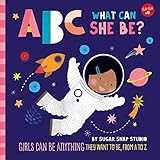
10. ABC for Me: ABC What Can She Be?: Girls can be anything they want to be, from A to Z (Volume 5)
Overview:
This empowering alphabet book reimagines career possibilities for girls, pairing each letter with diverse female role models (e.g., “A is for Activist,” “Z is for Zoologist”). It merges literacy with aspirational messaging for preschoolers and early readers.
What Makes It Stand Out:
It boldly challenges gender stereotypes by showcasing 26 non-traditional careers, celebrating diversity in ethnicity and profession. Vibrant illustrations and affirming language (“She can be anything!”) foster self-efficacy, making alphabet learning deeply meaningful.
Value for Money:
Priced fairly for a hardcover, its social-emotional value exceeds standard ABC books. While not a standalone literacy tool, its message justifies the cost as a conversation starter—superior to generic alphabet books in holistic development.
Strengths and Weaknesses:
Strengths: Powerful representation and inclusivity; sparks discussions about ambition; high-quality artwork. Weaknesses: Alphabet mastery takes a backseat to thematic messaging; limited focus on letter sounds/formation; title’s “She” may alienate non-binary or male readers.
Bottom Line:
A vital, uplifting addition for modern libraries—prioritize for its inspirational impact, but pair with phonics-focused books for comprehensive alphabet instruction. Highly recommended for fostering dreams.
Understanding Developmental Stages and ABC Learning
Matching Books to Cognitive Milestones
Children absorb letters differently at 18 months versus 3 years. Early learners benefit from bold, isolated letters paired with highly familiar objects (like “B” for “Ball”), while toddlers thrive with simple narratives connecting multiple letters. Look for books that gradually introduce complexity—starting with single-letter focus before progressing to word-building—without overwhelming emerging attention spans.
The Role of Sensory Exploration in Letter Recognition
Tactile interaction accelerates letter retention. Books incorporating raised textures, cut-out shapes, or crinkly pages engage multiple senses, helping children form stronger neural connections. For pre-verbal infants, this sensory input lays the groundwork for associating symbols with meaning long before they speak. Prioritize materials that invite touching, tracing, and manipulating letters physically.
Balancing Repetition and Novelty for Engagement
Predictable patterns (like consistent rhyming schemes) comfort young learners, but unexpected elements—peek-a-boo flaps or hidden animals—sustain interest. The best ABC books strike this balance: familiar enough to build confidence, yet surprising enough to spark repeated readings. Avoid titles that feel monotonous after three uses; evolving engagement is key to reinforcing learning.
Physical Book Attributes for Durability and Safety
Choosing the Right Material for Age and Environment
Board books with reinforced edges withstand toddler handling better than paper pages, but for infants, consider washable cloth or silicone-based options safe for mouthing. In high-traffic areas like playrooms, opt for water-resistant coatings. Always prioritize non-toxic, chew-safe inks and materials certified for infant use—safety should never be compromised for aesthetics.
Size and Portability Considerations for Active Learners
Oversized books suit group settings but frustrate small hands during solo exploration. For portable learning (car rides, waiting rooms), compact formats under 6x6 inches fit tiny grips comfortably. Conversely, larger pages (8x8 inches or more) allow clearer visual focus for children with developing eye-tracking skills. Match book dimensions to where and how your child engages with it most.
Binding Techniques That Withstand Real-World Use
Sewn or glued bindings outlast stapled spines when pages endure constant flipping. Spiral bindings enable lay-flat reading but pose pinch hazards. For shared reading, ensure bindings allow the book to rest open without damage—critical for keeping both child and adult hands free for pointing and interaction. Avoid titles with loose parts that could detach over time.
Visual Clarity and Design for Young Eyes
High-contrast lettering (black on white or bright colors) aids recognition for developing vision. Avoid decorative fonts or crowded backgrounds that obscure letters; simplicity trumps artistic complexity for early learners. Consistent letter sizing across the alphabet prevents confusion—some books exaggerate “Q” or “Z,” inadvertently teaching that letters vary unpredictably in proportion.
Educational Content Beyond the Alphabet
Integrating Phonemic Awareness Through Sound Play
Effective ABC books go beyond naming letters to hint at their sounds. Look for subtle cues: illustrations showing lips forming sounds (“M” with buzzing lips for /m/), or alliterative phrases (“Silly Sammy Squirrel”). Avoid books that solely teach letter names (“A” as “ay”) without bridging to phonics—this gap often causes reading hurdles later.
Cultivating Vocabulary Through Contextual Examples
Letters paired with obscure words (“X” for “Xylophone”) offer little real-world relevance. Prioritize books using high-frequency, concrete nouns aligned with a child’s experiences (“D” for “Dog,” “Duck,” “Door”). Bonus points for books including action words (“Jumping Jackrabbit”) that expand semantic understanding beyond static objects.
Encouraging Critical Thinking with Interactive Elements
Move beyond passive pointing with books prompting predictions (“What comes after C?”). Lift-the-flap features that reveal letter variations (uppercase/lowercase) or simple puzzles (“Find the hidden A”) develop problem-solving skills. The goal is active participation—where the child directs the exploration, not just follows an adult’s lead.
Supporting Multilingual and Cognitive Development
Books introducing letters through multiple languages (e.g., “A” for “Apple/Manzana”) normalize linguistic diversity without overwhelming focus. Even monolingual titles can scaffold executive function by sequencing letters logically (grouping by shape: O, C, Q) or inviting sorting activities (“Find all round letters”). This subtly builds categorization skills essential for later learning.
Inclusivity and Representation Matters
Diverse Characters and Relatable Scenarios
Children internalize that learning is “for them” when they see faces, family structures, and abilities mirroring their own. Seek books featuring varied skin tones, disabilities (like a child using crutches near “C”), and cultural contexts (e.g., “L” for “Lantern” during Diwali). Representation shouldn’t feel tokenistic—it must be woven naturally into the narrative.
Avoiding Stereotypes in Imagery and Language
Move beyond “B” for “Ball” and “B” for “Boy.” Modern ABC books increasingly use gender-neutral examples (“B” for “Blocks,” “Bike”) and eschew culturally biased associations (e.g., avoiding “P” solely for “Pilgrim” without Indigenous perspectives). Scrutinize whether occupations or activities reinforce outdated roles—true inclusivity shows doctors, farmers, and artists of all genders and ethnicities.
Maximizing Learning Through Interactive Reading
Techniques for Engaging Reluctant Readers
For children resistant to seated reading, incorporate movement: “Jump like a kangaroo for K!” or trace letters in sand while saying sounds. Short sessions (2-3 minutes) with high energy beat lengthy, forced readings. Follow the child’s lead—if they linger on “D,” explore dog breeds, barks, or dig sites rather than rushing to “E.”
Creating a Ritual Around ABC Exploration
Consistency builds anticipation. Pair ABC time with a specific routine (post-breakfast, pre-bath) using a special reading blanket or stuffed animal “reading buddy.” Store books in an accessible, dedicated spot—visibility encourages independent exploration. Celebrate “letter discoveries” with genuine enthusiasm (“You found M! Like Mommy’s name!”).
Frequently Asked Questions
How early should I start introducing ABC books to my child?
Begin as early as 6-9 months with high-contrast board books featuring single letters. At this stage, focus on sensory interaction (touching textures) rather than letter recognition—it builds positive associations with books.
Are alphabet apps as effective as physical books for learning?
Physical books encourage shared attention, tactile exploration, and eye-tracking skills that screens can’t replicate. Apps may offer animation, but they lack the embodied learning critical for neural development in children under 5. Prioritize print-first exposure.
My child only wants to read the same ABC book repeatedly. Is this helpful?
Absolutely. Repetition reinforces memory pathways. Use their favorite as a springboard—ask new questions each time (“What sound does S make?”) or add related objects (a toy snake for “S”) to deepen engagement without changing books.
Should I focus on uppercase or lowercase letters first?
Start with uppercase—they’re simpler to recognize and write. Introduce lowercase gradually once uppercase is familiar (around age 3), as most early readers encounter uppercase first in books and signage.
How can I tell if an ABC book is too advanced for my toddler?
If your child consistently turns pages rapidly without pausing on images, seems frustrated by multi-step flaps, or can’t identify any familiar objects in 3+ readings, the complexity may exceed their current stage. Simplicity is strength.
Do ABC books need rhymes to be effective?
Not necessarily. While rhymes aid phonemic awareness, clear, conversational language works too. Prioritize accurate letter sounds over forced rhymes that distort pronunciation (e.g., “A says ah” in “Apple” is more useful than “A says ay” in “Ape”).
How many ABC books should a child have in their rotation?
5-7 diverse titles is ideal. Rotate them weekly to maintain novelty while preserving familiarity. Too many options cause decision fatigue; too few limit exposure to varied letter styles and contexts.
Can ABC books help children with speech delays?
Yes—especially those emphasizing mouth shapes for sounds and incorporating rhythm. Pair books with mirror play (“Show me your /b/ face!”) and prioritize titles with clear, uncluttered illustrations that simplify sound-object associations.
What’s the biggest mistake parents make with ABC learning?
Rushing letter mastery before age 4. Focus on joyful exposure, not testing. A child who associates ABCs with pressure may develop anxiety; prioritize play-based interaction where letters appear incidentally in stories or games.
How do I transition from ABC books to actual reading?
When your child recognizes 10+ letters consistently, introduce simple word books with repetitive sight words (“The Cat”) alongside ABC materials. Never drop alphabet books abruptly—layer skills by pointing out letters within early readers (“Look, here’s our friend C!”).