Feeling that restless itch where time seems to stretch endlessly, and nothing quite grabs your attention? You’re not alone. Boredom isn’t just an empty feeling; it’s your mind signaling a craving for novelty, challenge, or deeper engagement. When scrolling through feeds or rewatching the same shows loses its spark, it’s a clear sign you need an escape that truly captivates—something that pulls you completely out of the mundane and into a world where every page turn fuels your curiosity and reignites your sense of wonder. Adventure books, with their inherent promise of the unknown, offer the perfect antidote to this modern-day stagnation.
Imagine swapping passive scrolling for heart-pounding expeditions through uncharted jungles, navigating treacherous political landscapes in fantastical realms, or solving ancient mysteries beneath desert sands—all from the comfort of your favorite chair. The magic of a well-crafted adventure story lies in its ability to transport you, demanding your full attention and replacing listlessness with genuine excitement. But how do you find the right adventure book to shatter your boredom? It’s not about chasing fleeting “best of” lists; it’s about understanding what truly hooks you and matching your unique cravings to the vast landscape of adventure fiction. Let’s explore how to transform that restless energy into an unforgettable literary journey.
Top 10 Adventure Books
Detailed Product Reviews
1. Island of the Lost: An Extraordinary Story of Survival at the Edge of the World
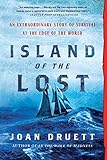
Overview: Joan Druett’s gripping historical narrative recounts the parallel 1864 shipwrecks of the Grafton and Invercauld on the remote, storm-lashed Auckland Islands. Both crews faced brutal isolation, scarce resources, and Antarctic conditions, yet their survival outcomes diverged dramatically due to leadership and cooperation. What Makes It Stand Out: Druett masterfully contrasts the two groups’ fates, highlighting how the Grafton crew’s egalitarian teamwork and resourcefulness led to rescue, while the Invercauld’s hierarchy and discord caused mass starvation. Her meticulous research and vivid, novelistic prose transform archival records into a pulse-pounding survival epic. Value for Money: As a paperback nonfiction staple, its $16-$18 price offers exceptional depth. It surpasses generic survival tales with its unique dual-narrative structure and profound insights into human psychology under duress, making it a superior investment over cheaper, less-researched alternatives. Strengths and Weaknesses: Strengths: Exceptional storytelling; profound psychological insights; well-paced historical detail. Weaknesses: Slow initial setup; limited maps hinder geographical context; occasionally dense with shipwreck terminology for casual readers. Bottom Line: Essential reading for survival history enthusiasts, this deeply researched, thought-provoking account justifies its cost through unparalleled narrative power and timeless lessons on human resilience. Highly recommended.
2. Trapped in a Video Game: The Complete Series

Overview: Dustin Brady’s middle-grade series follows 12-year-old Jesse as he and his friends are digitally transported into the perilous world of VirtuaVerse, a popular video game. To escape, they must conquer levels, defeat bosses, and unravel the game’s hidden code while battling glitches and virtual threats. What Makes It Stand Out: The series excels in seamlessly blending real-world gaming logic (achievements, respawns, power-ups) with high-stakes adventure. Its authentic dialogue, relatable pre-teen protagonists, and fast-paced, episodic quests mirror actual gaming experiences, making it uniquely immersive for its target audience. Value for Money: Bundling all five books for $15-$20 delivers immense value, offering over 1,000 pages of adventure. It’s significantly more affordable per volume than comparable series like Land of Stories, providing sustained engagement without recurring purchase pressure. Strengths and Weaknesses: Strengths: Highly relatable for gamers; addictive pacing; positive themes of teamwork and problem-solving. Weaknesses: Character development can feel secondary to action; plot predictability in later books; occasional overuse of gaming jargon may confuse non-players. Bottom Line: An outstanding, budget-friendly choice for young readers (8-12) captivated by video games. Its authentic integration of gaming mechanics and relentless adventure makes the complete series a worthwhile purchase for budding adventurers.
3. Endurance: Shackleton’s Incredible Voyage

Overview: Alfred Lansing’s seminal 1959 account chronicles Ernest Shackleton’s ill-fated 1914 Imperial Trans-Antarctic Expedition, where the Endurance became trapped and crushed by ice. The crew’s subsequent 20-month struggle for survival across frozen wastelands and stormy seas remains one of history’s most astonishing feats of endurance. What Makes It Stand Out: Lansing’s exhaustive research—based on crew diaries and interviews—delivers visceral, moment-by-moment tension. His unparalleled ability to convey the extreme physical suffering, psychological strain, and Shackleton’s extraordinary leadership elevates this beyond mere history into a timeless human drama. Value for Money: The $12-$15 paperback is a steal for its historical significance and literary quality. It outperforms pricier dramatized accounts (e.g., South by Shackleton himself) with its immersive narrative depth and enduring relevance, offering decades of re-reading value. Strengths and Weaknesses: Strengths: Unmatched historical detail; gripping, cinematic prose; profound leadership insights. Weaknesses: Dense Antarctic terminology requires focus; slower middle section during ice drift; lacks modern scientific context on climate conditions. Bottom Line: The definitive Shackleton narrative. This indispensable paperback is a must-buy for history buffs and leadership students alike, delivering unparalleled storytelling at an exceptional price point.
4. Project Hail Mary: A Novel

Overview: Andy Weir’s 2021 sci-fi thriller follows Ryland Grace, a lone astronaut who wakes up on a spaceship light-years from Earth with no memory of his mission. Tasked with saving humanity from an imminent solar catastrophe, he must piece together his past while confronting alien life and scientific puzzles. What Makes It Stand Out: Weir brilliantly merges hard science (astrobiology, physics) with laugh-out-loud humor and an unconventional interspecies friendship. The meticulously researched science feels authentic yet accessible, while the non-linear plot masterfully reveals Grace’s amnesiac journey through clever problem-solving sequences. Value for Money: At $15-$28 (paperback/hardcover), it offers superior entertainment per dollar compared to sci-fi peers. Its re-readability, educational value in real-world science concepts, and film adaptation potential provide long-term value exceeding typical genre novels. Strengths and Weaknesses: Strengths: Ingenious scientific puzzles; witty dialogue; emotionally resonant alien interaction. Weaknesses: Mid-section pacing dips slightly; some character backstories feel rushed; overly technical explanations may deter casual readers. Bottom Line: A near-perfect blend of intellect and entertainment. Weir’s latest triumph is worth every penny for sci-fi fans and newcomers, delivering both brain-teasing adventure and heartfelt humanity.
5. Buried in the Sky: The Extraordinary Story of the Sherpa Climbers on K2’s Deadliest Day

Overview: Peter Hochschild and Jennifer Jordan’s 2012 work shifts focus from Western climbers to the indispensable Sherpa and Pakistani high-altitude workers during K2’s 2008 disaster, where 11 mountaineers perished. It exposes their critical yet overlooked role in high-stakes Himalayan expeditions. What Makes It Stand Out: The book’s revolutionary perspective centers Sherpa expertise, cultural context, and immense risks often ignored in mainstream climbing narratives. Deep interviews reveal their technical mastery, economic motivations, and profound cultural relationship with the mountains, challenging romanticized Western tropes. Value for Money: Priced at $16-$20, it delivers unique historical and cultural insight unmatched by other K2 accounts (e.g., The Summit). Its focus on labor ethics and global inequality adds enduring relevance, making it a vital, cost-effective addition to adventure libraries. Strengths and Weaknesses: Strengths: Groundbreaking Sherpa-centric viewpoint; rich cultural analysis; gripping disaster chronology. Weaknesses: Complex political context may overwhelm some; slower start building background; less emphasis on technical climbing details than pure mountaineering fans expect. Bottom Line: An essential, eye-opening read that redefines mountaineering history. Its modest price is justified by profound social commentary and unparalleled perspective—highly recommended for ethical adventure storytelling.
6. A Walk in the Park: The True Story of a Spectacular Misadventure in the Grand Canyon

Overview: This gripping nonfiction account chronicles a harrowing, ill-fated hike into the Grand Canyon, transforming a routine outing into a life-threatening ordeal. It delves into the raw realities of wilderness survival, human error, and the canyon’s unforgiving beauty, based on meticulous firsthand experiences and investigations.
What Makes It Stand Out: The book excels in visceral, immersive storytelling that places readers directly within the perilous landscape. Its unflinching honesty about poor decision-making and the stark consequences of underestimating nature provides a powerful, cautionary narrative rarely captured with such immediacy in outdoor literature.
Value for Money: Priced competitively for a trade paperback, it offers exceptional value through its intense, page-turning narrative. While lacking maps or technical guides found in some outdoor books, its focus on psychological tension and survival drama delivers profound insights worth the investment for adventure enthusiasts.
Strengths and Weaknesses: Strengths: Exceptionally vivid writing; authentic portrayal of survival stress; strong educational value on canyon dangers. Weaknesses: Limited broader historical context; pacing can feel relentless without respite; minimal focus on rescue logistics might frustrate some readers.
Bottom Line: Highly recommended for fans of true adventure and survival stories; it’s a compelling, sobering reminder of nature’s power that justifies its price through unforgettable storytelling and critical safety lessons.
7. Into the Abyss: An Extraordinary True Story by Shaben, Carol (2014) Paperback
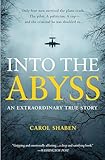
Overview: Carol Shaben’s award-winning narrative reconstructs the 1981 crash of a small plane in Alberta’s wilderness, focusing on the unlikely bonds formed between four survivors—a politician, a pilot, a criminal, and a police officer—during their desperate 48-hour struggle against freezing conditions.
What Makes It Stand Out: The book uniquely explores profound humanity and redemption amidst catastrophe, moving beyond mere survival to dissect class, morality, and connection. Shaben’s deep investigative work and empathetic character portraits transform a tragic event into a meditation on grace under pressure.
Value for Money: As a paperback reprint, it’s affordably priced for its substantial emotional and narrative depth. While not a technical survival manual, its exploration of human resilience offers richer thematic value than many comparable memoirs at similar price points.
Strengths and Weaknesses: Strengths: Masterful character development; emotionally resonant themes; meticulous research blending journalism and narrative flair. Weaknesses: Pacing lags slightly in reflective sections; limited technical detail on survival tactics; assumes some prior knowledge of Canadian political context.
Bottom Line: A deeply moving, must-read for true story aficionados; its exploration of shared humanity in crisis provides outstanding value, making it worth every penny for thought-provoking, high-stakes storytelling.
8. The Wager: A Tale of Shipwreck, Mutiny and Murder

Overview: David Grann’s meticulously researched historical epic recounts the doomed 1740 voyage of the British warship Wager, which wrecked off Patagonia, triggering mutiny, murder, and a clash of class and survival ethics among stranded crew members desperate to return home.
What Makes It Stand Out: Grann elevates maritime history with thriller-like pacing and profound moral inquiry. His excavation of conflicting survivor testimonies—framed as a gripping “truth versus narrative” courtroom drama—reveals timeless tensions between authority, justice, and desperation in extreme isolation.
Value for Money: Hardcover pricing is justified by Grann’s signature immersive research and narrative craftsmanship. Though dense, it surpasses cheaper historical summaries in depth, offering the richness of a novel with nonfiction rigor, comparable to premium narrative histories.
Strengths and Weaknesses: Strengths: Exceptional archival research; cinematic storytelling; incisive analysis of power dynamics. Weaknesses: Complex timeline may confuse casual readers; heavy focus on legal aftermath overshadows early voyage details; minimal naval technical context.
Bottom Line: Essential for history and adventure readers; its masterful blend of scholarship and suspense delivers superb value, cementing Grann’s status as a premier narrative historian and justifying its cost.
9. The Stowaway (Choose Your Own Adventure New Classics)

Overview: This modern revival of the beloved Choose Your Own Adventure series plunges readers into a high-seas pirate adventure where choices determine survival. As a stowaway aboard a 17th-century ship, you navigate treacherous decks, crew conflicts, and daring escapes through interactive, branching storytelling.
What Makes It Stand Out: It revitalizes the classic gamebook format with contemporary prose and diverse, high-stakes scenarios. The seamless integration of historical detail with player agency—where every decision impacts the narrative—creates unparalleled re-readability and engagement for all ages.
Value for Money: At paperback price, it offers exceptional ROI through dozens of potential story paths. Unlike single-narrative books, its interactive nature provides hours of replay value, outperforming static adventure novels in longevity and educational choice-making practice.
Strengths and Weaknesses: Strengths: Highly engaging for young readers; encourages critical thinking; smooth, vivid writing; authentic maritime atmosphere. Weaknesses: Some paths end abruptly; limited character depth; historical accuracy occasionally sacrificed for plot speed.
Bottom Line: A stellar purchase for families and educators; its interactive charm and re-playability make it outstanding value, reigniting the joy of participatory reading for a new generation.
10. The Bucket List: 1000 Adventures Big & Small

Overview: This comprehensive guide curates a global smorgasbord of experiences—from climbing Everest to baking sourdough at home—designed to inspire action across budgets and mobility levels. Each entry offers concise, actionable steps to turn dreams into achievable adventures.
What Makes It Stand Out: Its genius lies in radical inclusivity: blending bucket-list staples (e.g., “See the Northern Lights”) with accessible, everyday joys (“Host a neighborhood potluck”). The practical “how-to” tips and tiered difficulty ratings democratize adventure, making it uniquely adaptable.
Value for Money: Priced as a mass-market paperback, it’s a steal for the sheer volume of ideas. While not a deep-dive travelogue, its versatility across incomes and abilities offers far more utility per dollar than niche adventure guides or expensive tour brochures.
Strengths and Weaknesses: Strengths: Unmatched diversity of ideas; user-friendly organization; practical planning advice; motivational tone. Weaknesses: Superficial treatment of complex trips; minimal safety/cost details; some entries feel overly generic.
Bottom Line: An indispensable, budget-friendly spark for dreamers; its breadth and actionable approach provide immense value, making it the ultimate starter kit for crafting a life well-lived.
Understanding Boredom and the Power of Immersive Reading
The Science Behind Feeling Stuck
Boredom often strikes when our brains crave stimulation but lack direction. It’s not merely having “nothing to do,” but a disconnect between our current activity and our need for meaningful engagement or challenge. Neurologically, boredom can trigger a search for novelty as our dopamine-driven reward system seeks new inputs. Recognizing this isn’t laziness—it’s your mind prompting you to seek experiences that provide flow, where skills and challenges align perfectly, pulling you into a state of deep focus that leaves boredom behind.
Why Adventure Stories Are the Ultimate Antidote
Adventure narratives are uniquely engineered to combat boredom because they directly target our primal need for exploration and problem-solving. Unlike passive entertainment, these stories demand active participation from your imagination. As you navigate perilous cliffs or decode cryptic maps alongside the protagonist, your brain engages multiple regions—visualizing settings, anticipating threats, and processing emotional stakes. This immersive quality creates sustained cognitive engagement, effectively replacing that restless void with purposeful mental activity that feels genuinely rewarding.
Key Elements That Define a Compelling Adventure Book
The Critical Role of Pacing and Tension
A hallmark of great adventure writing is masterful pacing. It’s the delicate balance between high-octane sequences—like a narrow escape from a collapsing temple—and quieter moments of reflection or planning. This ebb and flow prevents fatigue while maintaining suspense. Look for books where tension builds organically through obstacles that feel earned, not contrived. The best adventures make you feel the protagonist’s urgency, turning each chapter into a mini-cliffhanger that naturally combats the urge to put the book down.
World-Building That Feels Tangible and Alive
Immersion hinges on the setting becoming a character itself. Exceptional adventure books construct worlds with rich sensory details—smells of a bustling port city, the oppressive humidity of a rainforest, the eerie silence of an abandoned fortress. This isn’t just about exotic locations; it’s about internal consistency. Rules of the world (whether grounded in reality or fantasy) must feel logical, making the stakes credible. When you can almost feel the grit of desert sand or hear the creak of a ship’s timbers, boredom has no room to linger.
Characters Who Drive the Journey Forward
Your connection to the protagonist (and their companions) is non-negotiable. Compelling adventure heroes aren’t flawless superheroes; they possess relatable vulnerabilities, clear motivations beyond “saving the world,” and undergo genuine growth. Do they wrestle with fear? Make questionable choices? Their resilience in the face of adversity should inspire, not intimidate. Equally important are dynamic side characters who challenge the hero’s perspective and add layers to the narrative, making the journey feel shared and human.
Matching Adventure Subgenres to Your Personal Boredom Triggers
Escaping Routine with Exploration and Discovery
If monotony is your boredom trigger, lean into exploration-focused adventures. These emphasize the thrill of the unknown—mapping uncharted territories, uncovering lost civilizations, or venturing into alien ecosystems. The narrative drive comes from the sheer wonder of discovery, satisfying that innate human curiosity. Look for stories where the journey itself is the destination, filled with vivid descriptions that make you feel like you’re charting new ground alongside the characters.
Channeling Restlessness into Action-Packed Thrills
When boredom manifests as physical restlessness or impatience, high-stakes action adventures are your match. Think relentless chases, intricate heists, or survival scenarios against overwhelming odds. These stories prioritize kinetic energy and immediate consequences, translating your fidgety energy into the protagonist’s urgent mission. The focus here is on momentum—short chapters, rapid scene shifts, and visceral descriptions that keep your pulse elevated and your mind firmly anchored in the present moment of the story.
Satisfying Intellectual Cravings with Mystery and Intrigue
Boredom often stems from under-stimulated intellect. Adventure-mysteries or political intrigues fill this gap by weaving puzzles, codes, or complex societal schemes into the journey. Your mind actively engages in piecing together clues alongside the protagonist, transforming passive reading into an interactive challenge. These narratives reward close attention to detail and logical deduction, providing that deep cognitive satisfaction that dulls repetitive thoughts and replaces them with “what if” excitement.
Essential Features to Evaluate Before You Dive In
Assessing Narrative Perspective and Voice
The storyteller’s voice dramatically shapes your immersion. First-person narratives create intense intimacy, making you feel every heartbeat of the protagonist, ideal if you crave emotional connection. Third-person limited offers broader context while staying close to one character’s experience, great for complex plots. Omniscient narrators provide sweeping insights, perfect for epic world-building. Consider: Do you want to be the adventurer, or observe their journey? The wrong perspective can create distance, undermining the escape you seek.
Balancing Realism and Escapism
Adventure spans a spectrum from meticulously researched historical journeys to wildly imaginative sci-fi odysseys. Your boredom tolerance depends on where you fall. Craving plausibility? Seek adventures grounded in real-world geography, history, or science, where the thrill comes from “this could almost happen.” Need pure escapism? Embrace secondary worlds with unique magic systems or futuristic tech. The key is aligning the book’s reality level with your current need—too much realism can feel mundane, while excessive fantasy might lack emotional weight if you’re seeking grounded excitement.
Emotional Resonance and Thematic Depth
Beyond the surface thrills, the most enduring adventures explore universal human themes—courage in the face of fear, the cost of ambition, the meaning of home. These layers provide emotional substance that prevents the story from feeling shallow. Ask yourself: What underlying message would resonate with you right now? A tale about perseverance might lift you when feeling stuck; one about found family could comfort during isolation. This depth transforms a fun read into a meaningful experience that lingers long after the final page.
Practical Strategies for Choosing Your Next Adventure
Diagnosing Your Current Boredom Type
Before picking up a book, take 60 seconds to pinpoint why you’re bored. Is it:
- Monotony? (Same tasks daily) → Seek discovery-focused adventures.
- Under-stimulation? (Mind feels sluggish) → Opt for intricate mystery-adventures.
- Restlessness? (Can’t sit still) → Choose fast-paced action thrillers.
- Emotional Disconnect? (Feeling flat) → Prioritize character-driven journeys with deep relationships. This quick audit ensures you select a story that directly targets your specific stagnation.
Leveraging Sample Reads Effectively
Never judge an adventure book by its cover alone. Read the first chapter as if you’re already bored. Does the opening hook immediately pull you into motion or intrigue? Does the prose style keep you engaged, or does it feel slow? Pay attention to how quickly obstacles arise. If the sample leaves you checking the page count after five minutes, it’s unlikely to cure your boredom. Trust your gut reaction during this test—it’s the best predictor of whether the book will hold your attention when distractions beckon.
Considering Length and Commitment Level
Honesty about your available focus is crucial. Facing a draining workweek? A tightly plotted 300-page adventure might be perfect—a manageable escape that delivers satisfaction without overwhelm. On vacation with ample downtime? An epic 600-page saga could be ideal. Skipping ahead or abandoning books isn’t failure; it’s respecting your current capacity. Match the book’s scope to your realistic time and energy reserves to avoid adding guilt to your boredom.
Building a Sustainable Adventure Reading Habit
Creating Your Personal Boredom-Busting Ritual
Transform reading from a chore into a craving by anchoring it to a pleasurable ritual. Pair your adventure sessions with something sensory: a specific coffee blend, a cozy blanket, ambient nature sounds, or reading in a dedicated “adventure nook.” Consistency matters more than duration—even 15 focused minutes daily signals to your brain that this is your designated escape time. Over time, the ritual itself becomes a trigger that quiets mental static and primes you for immersion.
Using Technology to Enhance, Not Distract
E-readers and audiobooks are powerful boredom-fighting tools when used intentionally. Adjust your e-reader’s backlight to a warm tone for nighttime reading to avoid blue-light disruption. For audiobooks, choose narrators whose voices captivate you—this turns passive listening into active engagement, perfect for combating boredom during commutes or chores. Crucially, silence non-essential notifications on your device. The goal is seamless immersion, not constant context-switching.
Tracking Your Journeys for Future Inspiration
Keep a simple log of what worked: “Loved the jungle survival aspect of Book X—more exploration!” or “Felt disconnected from the hero in Book Y—need stronger character depth next time.” Note emotional takeaways too: “This left me feeling energized” or “Provided great perspective on my own challenges.” This isn’t about criticism; it’s building your personal blueprint for what truly shatters your boredom. Over time, patterns emerge, making future selections effortless and highly effective.
Frequently Asked Questions
How long should I read before an adventure book “clicks” if I’m feeling bored?
Give it a solid first chapter—roughly 10-15 pages. If the protagonist hasn’t faced a meaningful obstacle or sparked your curiosity by then, it’s unlikely to overcome deep boredom. Trust your initial engagement; forcing it often backfires.
Can non-fiction adventure books (like true exploration accounts) work as well as fiction?
Absolutely. Well-written narrative non-fiction about real expeditions, survival stories, or historical quests offers the same tension and discovery as fiction, often with added intellectual satisfaction from knowing events actually happened. Look for titles emphasizing visceral storytelling over dry facts.
What if I have trouble focusing for long periods?
Start micro. Commit to just 10 minutes with an action-packed adventure chapter. Often, immersion kicks in quickly, and you’ll read longer. Choose books with short chapters (under 10 pages) that naturally create “just one more” momentum. Audiobooks during walks can also bypass focus issues.
Are graphic novels or illustrated adventures effective for boredom relief?
Yes, especially for visual learners or those with shorter attention spans. The combination of art and text creates rapid immersion, with visuals conveying setting and action instantly. Seek out adventure-focused graphic novels known for strong pacing and detailed artwork that pulls you into the scene.
How do I avoid getting bored by the adventure book itself?
Prioritize active protagonists. If the hero spends chapters waiting or doubting without taking decisive action, boredom can transfer to you. Ensure early chapters establish clear stakes and movement—physical or emotional. Skim reviews for phrases like “slow start” or “dragged in the middle” as red flags.
Can reading adventure books actually reduce chronic boredom long-term?
Consistently engaging with challenging narratives builds cognitive resilience and expands your capacity for sustained attention. Over time, this trains your brain to seek out and appreciate deeper engagement in daily life, reducing the frequency and intensity of boredom spells by raising your baseline for stimulation.
What’s the best time of day to read adventure books for maximum boredom-busting?
Align with your natural energy dips. Many find mid-afternoon slumps perfect for high-energy adventures to recharge. Others prefer intense reads first thing to energize their day. Experiment—avoid reading when mentally exhausted, as you’ll struggle to immerse. Match the book’s pace to your current energy level.
How do I handle spoilers when everyone’s talking about popular adventure series?
Seek out lesser-known gems within your preferred subgenre. Libraries and indie bookstores often have curated “if you liked X, try Y” recommendations avoiding mainstream hype. Focus on the experience of discovery itself—the joy is in your personal journey, not keeping up with trends.
Is it okay to skip chapters if I lose interest temporarily?
While generally discouraged, strategic skipping can work in dense adventures. If a section feels bogged down (e.g., excessive politics in a quest narrative), jump to the next clear action beat. But return later—the skipped context might enhance later moments. Never skip the consequences of major events.
Can adventure books help with boredom caused by isolation?
Profoundly. They provide vicarious social connection through characters’ relationships and shared struggles. Choose ensemble adventures where teamwork is key, fostering a sense of belonging. Discussing theories or emotions with online fan communities (without spoilers) can further bridge the isolation gap.