There’s something magical about closing a book and feeling like you’ve left home behind. Not just a story, but an entire world—complete with its own rules, cultures, and cosmic stakes—where love somehow feels more profound because it defies gravity, transcends dimensions, or blooms in the shadows of ancient curses. Fantasy romance offers a unique alchemy: the heart-pounding intimacy of romance woven into landscapes so vivid, so meticulously crafted, that they become alternate homes for our imagination. These are the books where worldbuilding doesn’t just serve the plot; it becomes a character in its own right, shaping every glance, every touch, every impossible choice between duty and desire.
But what separates the truly transportive worlds from the ones that feel like flimsy backdrops for a love story? Why do some fantasy realms linger in our minds for years, calling us back for re-reads that feel like reunions, while others fade before we’ve even finished the final chapter? The answer lies in a delicate balance of narrative architecture, emotional resonance, and those ineffable details that make a fictional universe feel lived-in. Whether you’re a seasoned reader seeking your next immersive escape or a newcomer wondering why these stories inspire such devotion, understanding the anatomy of unforgettable fantasy romance worlds will transform how you choose your next literary journey.
Top 10 Fantasy Romance Books for Adults
Detailed Product Reviews
1. The Shadow and Bone Trilogy Boxed Set: Shadow and Bone, Siege and Storm, Ruin and Rising
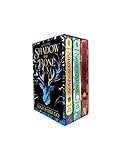
Overview: The Shadow and Bone Trilogy Boxed Set delivers Leigh Bardugo’s complete Grishaverse debut in one collection. This young adult fantasy phenomenon follows Alina Starkov, a mapmaker who discovers she possesses extraordinary power that could liberate her war-torn country. The three novels—Shadow and Bone, Siege and Storm, and Ruin and Rising—chart her transformation from ordinary soldier to the most powerful Grisha in Ravka.
What Makes It Stand Out: This boxed set provides the entire arc without waiting between installments. Bardugo’s unique “small science” magic system, inspired by Russian folklore, creates a fresh alternative to traditional European fantasy. The trilogy’s moral complexity, particularly its exploration of power’s corrupting influence and the cost of destiny, elevates it beyond typical YA fare. The Darkling remains one of fantasy’s most compelling antagonists, offering a nuanced portrait of villainy that challenges black-and-white morality.
Value for Money: At $12.71 for three complete novels, you’re paying approximately $4.24 per book—substantially less than individual paperback prices averaging $9-12 each. The set ensures consistent cover design and includes the complete story, eliminating the need to purchase sequels separately. Compared to buying digitally or individually, this represents savings of 50-60%.
Strengths and Weaknesses: Pros: Complete story in one purchase; rich world-building; strong character development; Netflix adaptation increases accessibility; excellent gift potential. Cons: Middle book suffers from pacing issues; some romance tropes feel dated; protagonist’s decisions can frustrate; not as sophisticated as Bardugo’s later works.
Bottom Line: Essential for YA fantasy fans and perfect for newcomers to Bardugo’s writing. The exceptional value and complete narrative make this a no-brainer purchase, despite minor sophomore slump issues in the second book.
2. Quicksilver (Fae & Alchemy, 1)

Overview: Quicksilver launches the Fae & Alchemy series with a genre-blending fantasy that merges two popular magical systems. This novel introduces a world where the ancient courts of the fae intersect with the precise, scientific art of alchemy, creating a unique magical economy. The protagonist navigates both realms, likely possessing abilities that bridge these disparate traditions and must balance wild magic with calculated science.
What Makes It Stand Out: The fusion of fae magic—typically wild and nature-based—with methodical alchemy offers fresh world-building possibilities. This combination suggests a magic system with both organic and scientific elements, potentially exploring themes of nature versus nurture, chaos versus order. The title implies transformation and fluidity, perhaps hinting at shapeshifting or mutable magical properties that defy categorization, creating unpredictable narrative possibilities.
Value for Money: At $8.19, this sits comfortably in standard paperback pricing territory. For a debut series opener, this represents a reasonable investment for readers wanting to test a new author without financial commitment. Compared to trade paperbacks at $14-16, it’s accessible. However, as the first of an unknown series length, the total investment remains uncertain, making this a cautious entry point.
Strengths and Weaknesses: Pros: Innovative premise combining two beloved fantasy elements; potential for unique magic systems; accessible entry price; strong series foundation. Cons: Unknown author risks inconsistent quality; may rely heavily on established tropes; first-book exposition could slow pacing; cliffhanger endings common in series starters.
Bottom Line: Ideal for readers seeking fresh fae fantasy beyond standard court dramas. Worth the modest price for fantasy enthusiasts, though cautious readers might wait for reviews of later installments to ensure series completion.
3. Hunted: The Hunter’s Oath #1

Overview: Hunted: The Hunter’s Oath #1 introduces a fantasy world bound by sacred vows and deadly pursuits. This series opener centers on a protagonist bound by an oath—likely a monster hunter or supernatural guardian—whose commitment to their calling creates both purpose and peril. The title suggests a role reversal where the hunter becomes prey, promising high-stakes conflict and testing the limits of sworn duty.
What Makes It Stand Out: The “oath” concept implies a magic system tied to vows, promises, and binding words—a compelling mechanic that creates inherent tension and consequences. This framework allows for exploration of duty versus desire, and the literal cost of breaking one’s word. The hunter perspective offers a pragmatic, knowledgeable protagonist rather than a naive newcomer, potentially delivering more sophisticated world-building through experienced eyes and gritty, action-oriented storytelling.
Value for Money: At $12.99, this commands a premium price point typical of trade paperbacks or longer fantasy novels. The cost suggests substantial page count or higher production quality. For a debut series, this requires stronger justification than budget options. Readers invest not just in this volume but implicitly commit to future purchases at this price tier, making it a more serious financial consideration for series followers.
Strengths and Weaknesses: Pros: Mature protagonist with expertise; oath-based magic system creates stakes; action-oriented premise; potential for rich lore and complex morality. Cons: Premium pricing for unknown series; may follow familiar hunter tropes; risk of convoluted oath mechanics; debut author inconsistency.
Bottom Line: Best suited for fans of hunter protagonists like those in Supernatural or Witcher-style narratives. Consider waiting for a price drop unless the premise strongly resonates, as the premium cost demands proven quality.
4. Phantasma (Wicked Games, 1)

Overview: Phantasma inaugurates the Wicked Games series with a title suggesting dark fantasy laced with competition and illusion. This novel likely centers on supernatural games—perhaps deadly tournaments, magical competitions, or psychological warfare where reality itself becomes the playing field. The “wicked” descriptor promises morally ambiguous characters and high stakes where winning may cost more than losing.
What Makes It Stand Out: The games framework provides natural structure for conflict and character development while allowing creative magical challenges. This concept echoes popular tropes from The Hunger Games and The Night Circus but filtered through a darker, more adult lens. Phantasma implies ghostly, illusory elements—perhaps competitions fought in dreamscapes or through deception rather than brute force, favoring cleverness and psychological manipulation over physical strength.
Value for Money: At $7.89, this is the most affordable option, minimizing risk for readers exploring new authors. This budget pricing suggests either a shorter length or mass-market format. For a series starter, it’s an accessible entry point that encourages impulse purchases. Even if the book disappoints, the financial loss is minimal, making it an ideal low-stakes introduction to a potentially rewarding series.
Strengths and Weaknesses: Pros: Lowest price point reduces risk; intriguing premise with game structure; potential for creative magical challenges; series starter accessibility. Cons: Budget price may indicate shorter content; unknown author; game concept might feel derivative; could sacrifice depth for plot mechanics.
Bottom Line: Perfect for readers who enjoy deadly competition narratives and dark fantasy. The low price makes it an easy recommendation for fans of The Invisible Life of Addie LaRue or The Atlas Six. A low-stakes gamble with high potential reward.
5. When the Moon Hatched: A Novel (The Moonfall Series, 1)

Overview: When the Moon Hatched launches The Moonfall Series with an evocative title suggesting celestial catastrophe and rebirth. This epic fantasy promises a world where the moon literally or metaphorically “hatches,” releasing something transformative upon the world. The premise hints at cosmic horror, creation myths, and world-altering events that reshape civilization, offering grand-scale storytelling from the first page.
What Makes It Stand Out: The lunar concept offers unique cosmology distinct from standard fantasy tropes. A “hatched” moon implies dragons, cosmic entities, or fundamental changes to reality itself—providing immediate stakes and mystery. This celestial focus allows exploration of tides, time, magic systems tied to lunar cycles, and societal upheaval. The poetic title suggests literary aspirations alongside genre entertainment, potentially bridging the gap between commercial and literary fantasy.
Value for Money: At $8.47, this sits in standard paperback range, offering fair value for a novel-length debut. The price reflects typical market rates for trade paperbacks, neither bargain nor premium. For a promising concept, it’s a reasonable investment, though series commitment remains uncertain. The pricing positions it as an accessible entry point for readers willing to take a chance on ambitious world-building.
Strengths and Weaknesses: Pros: Highly original premise; celestial magic system potential; literary title suggests quality writing; strong series foundation with epic scope. Cons: Complex world-building may overwhelm; abstract concept risks confusing execution; debut author growing pains; potential cliffhanger requiring sequel investment.
Bottom Line: Ideal for epic fantasy readers seeking innovation beyond medieval settings. Fans of Brandon Sanderson’s cosmic elements or Naomi Novik’s unique magic will find much to intrigue them. Worth purchasing for the premise alone, though patience with first-novel flaws may be required.
6. Kingdom of the Wicked Paperback Boxed Set

Overview: This boxed set delivers Kerri Maniscalco’s complete “Kingdom of the Wicked” trilogy, a seductive YA fantasy romance following Emilia, a witch seeking vengeance in 19th-century Sicily. The series weaves Italian folklore, demonic intrigue, and passionate romance as she partners with Wrath, one of the Wicked Princes of Hell, to solve her twin sister’s murder. This collection includes all three paperbacks in one package.
What Makes It Stand Out: The series excels in its atmospheric Sicilian setting and rich witchcraft mythology. Maniscalco’s blend of murder mystery, supernatural politics, and slow-burn enemies-to-lovers romance creates a compelling binge-read experience. The boxed set format allows readers to devour the complete story arc without interruption, making it ideal for those who hate waiting between installments. The Italian cultural elements and food descriptions add authentic flavor rarely seen in YA fantasy.
Value for Money: At $18.83 for three full-length novels, this set costs approximately $6.27 per book—a substantial savings over individual purchases at $12-15 each. For fans of romantic fantasy, this represents exceptional value, essentially offering one book free while providing a cohesive, uninterrupted reading experience. The collection is perfect for gifting or for readers wanting to immerse themselves completely in Maniscalco’s world.
Strengths and Weaknesses: Strengths include the immersive historical setting, palpable chemistry between leads, and complete story resolution. The trilogy maintains consistent world-building throughout. However, some readers may find the romance overshadows plot in later books, and the YA tropes can feel familiar. The middle installment suffers slight pacing issues, but the satisfying conclusion compensates.
Bottom Line: This boxed set is an absolute steal for romantic fantasy enthusiasts. It eliminates wait times between books and delivers a complete, passion-filled saga at an unbeatable price. Highly recommended for fans of “From Blood and Ash” or “A Court of Thorns and Roses.”
7. A Dawn of Onyx (The Sacred Stones)

Overview: Kate Golden’s debut novel introduces a captivating fantasy romance centered on a healer with rare onyx magic in a world where magical stones determine power. The protagonist’s journey from outcast to powerful force, intertwined with forced proximity romance and political intrigue, marks the beginning of “The Sacred Stones” series. This BookTok sensation has garnered attention for its unique magic system and compelling characters.
What Makes It Stand Out: The novel’s stone-based magic system feels refreshingly original, with onyx abilities offering a darker, more complex power than typical elemental magic. Golden’s focus on healing magic and the protagonist’s emotional resilience creates depth beyond standard YA tropes. The slow-burn romance develops naturally within high-stakes political tension, while the atmospheric world-building immerses readers without overwhelming info-dumps. Its grassroots popularity stems from genuine storytelling quality.
Value for Money: Priced at $9.71, this paperback sits comfortably within standard new release fantasy pricing. While not discounted, the investment is justified for a 400+ page novel that establishes a promising series. Comparable titles retail for $10-12, making this a fair entry point. For readers discovering new voices in fantasy, it offers solid entertainment value without premium cost.
Strengths and Weaknesses: Strengths include an innovative magic system, strong character development, and well-paced romantic tension. Golden’s prose is confident for a debut. However, some plot twists are telegraphed early, and the ending’s cliffhanger may frustrate those preferring self-contained stories. A few secondary characters lack depth, but the central relationship shines.
Bottom Line: “A Dawn of Onyx” delivers fresh fantasy romance at a reasonable price. Despite minor debut novel growing pains, it’s a worthwhile investment for fans seeking new series with unique magic and genuine emotional stakes. Perfect for readers who enjoyed “Fourth Wing.”
8. Alchemised

Overview: A.K. Mulford’s “Alchemised” expands the beloved Five Crowns of Okrith universe, focusing on the fan-favorite alchemist character and her journey. Set in the richly developed fae realms established in previous books, this installment blends magic, romance, and adventure while exploring themes of found family and self-discovery. Though part of a larger series, it delivers a satisfying character-driven narrative that deepens the overall saga.
What Makes It Stand Out: The novel shines by giving secondary characters center stage, offering fresh perspectives on the established world. Mulford’s alchemy-based magic system provides intricate, detail-rich world-building that feels scientifically grounded within fantasy parameters. The queer representation and mature exploration of relationships add meaningful depth. Longtime fans appreciate the callbacks and expanded lore, while the found family dynamics resonate universally.
Value for Money: At $20.36, this likely represents a hardcover or special edition release, explaining the premium over standard paperbacks. For dedicated series followers, the enhanced durability and potential exclusive content justify the cost. New readers should begin with “The Five Crowns of Okrith” first books for better value. The price reflects quality production rather than mass-market distribution.
Strengths and Weaknesses: Strengths include Mulford’s confident prose, deep character work, and seamless world expansion. The alchemy focus offers unique magical mechanics. However, the high price point and necessary series context limit accessibility. As a mid-series installment, it lacks the introductory hooks of book one. Some readers may find the pacing slower than earlier, more action-driven entries.
Bottom Line: “Alchemised” rewards established fans with character depth and world expansion worth the premium price. Newcomers should start with “The Five Crowns of Okrith” to appreciate this installment fully. A worthwhile investment for committed readers seeking quality fantasy.
9. Heartless Hunter: The Crimson Moth: Book 1

Overview: Kristen Ciccarelli’s “Heartless Hunter” launches “The Crimson Moth” duology with a gripping tale of witches and witch hunters in a world of political intrigue and forbidden magic. The story follows a witch disguised as a socialite who must seduce a notorious witch hunter to save her kind, leading to dangerous attraction and moral complexity. This enemies-to-lovers fantasy romance delivers high stakes and emotional depth.
What Makes It Stand Out: The novel’s dual-perspective narrative brilliantly captures both sides of the witch-hunter conflict, creating genuine moral ambiguity. Ciccarelli’s gothic atmosphere and 1920s-inspired setting provide a fresh aesthetic for fantasy romance. The undercover identity premise adds thriller elements, while the magic system based on blood and sacrifice feels appropriately dark. The romance develops with genuine tension and high consequences.
Value for Money: At $9.91, this paperback offers exceptional value for a recent release in the popular fantasy romance genre. Most comparable titles debut at $12-15, making this an accessible entry point. The complete, satisfying arc within the duology’s first half ensures readers feel their investment is rewarded, even while anticipating the conclusion. It’s priced to attract new readers without sacrificing quality.
Strengths and Weaknesses: Strengths include compelling dual protagonists, palpable romantic tension, and a unique historical-fantasy blend. The pacing maintains momentum while developing relationships authentically. However, some world-building elements remain underexplored, likely saved for book two. A few secondary characters feel underdeveloped, and the central conflict’s resolution may feel slightly convenient to some readers.
Bottom Line: “Heartless Hunter” offers outstanding value and quality for fantasy romance fans. Its fresh setting and morally complex characters make it a standout debut in the genre. Highly recommended for readers seeking witchy romance with genuine stakes and sophisticated storytelling.
10. One Dark Window (The Shepherd King, 1)

Overview: Rachel Gillig’s “One Dark Window” introduces a haunting gothic fantasy where magic derives from enchanted Providence Cards, and a plague ravages the land. The protagonist, Elspeth, harbors a monster within her mind while navigating political intrigue and a slow-burn romance with a mysterious lord. This BookTok sensation combines unique magical mechanics with atmospheric storytelling to create an immersive series opener.
What Makes It Stand Out: The Providence Cards system offers unprecedented originality—magic activated through tarot-like cards with specific, limited uses creates natural tension and strategic depth. Gillig’s plague-ridden world feels claustrophobic and dangerous, enhancing the gothic atmosphere. The dual-consciousness protagonist, sharing her mind with a monster, explores identity and morality with sophistication. The romance develops slowly against high-stakes political machinations.
Value for Money: Priced at $9.98, this paperback delivers exceptional quality for standard fantasy pricing. The intricate world-building and innovative magic system provide intellectual engagement beyond typical genre fare. Comparable to other BookTok hits retailing at $12-14, this represents solid value. The complete experience within this first installment, while leaving threads for sequels, ensures satisfaction.
Strengths and Weaknesses: Strengths include Gillig’s lyrical prose, the refreshingly unique magic system, and complex moral dilemmas. The atmospheric tension remains consistently high. However, the deliberate pacing and complex card mechanics may challenge impatient readers. Some plot revelations feel delayed, and the magic system’s rules, while fascinating, require careful attention that could confuse casual readers.
Bottom Line: “One Dark Window” is essential reading for fantasy enthusiasts seeking innovation. Its unique magic and gothic atmosphere justify every penny. Perfect for fans of “The Atlas Six” who crave sophisticated world-building and moral complexity.
What Makes a Fantasy Romance World Unforgettable?
The Alchemy of Immersive Worldbuilding
Immersive worldbuilding isn’t about page-long descriptions of castle spires or magical council meetings. It’s about creating a sense of logical strangeness—a place that feels alien yet operates on consistent, discoverable principles. In fantasy romance, this matters doubly because the romance itself must feel inevitable within the world’s constraints. A truly sticky world has what narrative theorists call “completeness illusion,” where readers instinctively sense that the story is merely a window into a larger, fully realized universe. Every custom, every magical law, every social hierarchy should answer the question: “How does this make love harder, sweeter, or more dangerous here?”
The best fantasy romance worlds function like pressure cookers for emotion. When a world is built correctly, the romance doesn’t happen despite the magic—it happens because of it. The external conflicts aren’t just obstacles; they’re expressions of the world’s deepest truths. A society where magic is inherited through bloodlines creates different romantic stakes than one where magic is a resource that can be depleted. These aren’t just setting details; they’re the DNA of the love story itself.
Emotional Architecture: Love Stories That Ground the Fantastic
Paradoxically, the most fantastical worlds need the most human emotional cores to feel real. The romance serves as an anchor, giving readers a familiar emotional roadmap through unfamiliar territory. When the love story is deeply intertwined with worldbuilding—when the lovers’ personal growth directly impacts their understanding of magic, politics, or cosmic balance—the world becomes more than scenery. It becomes a living ecosystem where emotion has consequences.
This emotional architecture shows up in how characters navigate their world’s taboos, power structures, and magical limitations. A couple separated by a literal magical barrier is compelling only if that barrier has rules, history, and a cost for breaking it. The worldbuilding must be intimate enough that the lovers’ smallest gestures—sharing a forbidden spell, touching despite a curse, choosing each other over magical immortality—reverberate through the entire fabric of their reality.
Core Pillars of Transportive Worldbuilding
Magic Systems with Internal Logic
A magic system without rules is just chaos, and chaos doesn’t foster lasting emotional investment. The most immersive fantasy romance worlds operate on magical principles that feel as reliable as gravity. This doesn’t mean they need to be scientifically explained, but they must be consequence-driven. Every use of magic should have a cost, a limitation, or a cultural weight that affects the romance.
Consider how magic impacts consent, communication, and vulnerability between lovers. Can minds be read? Can emotions be magically induced? Can promises be magically binding? Worlds that explore these questions create natural tension and intimacy. A society where truth-telling is enforced by spellwork makes every romantic confession both inevitable and terrifying. When magic has economic value, it creates class divides that mirror and magnify real-world relationship obstacles. The key is that the magic system generates story rather than just decorating it.
Cultures That Breathe Beyond the Page
Surface-level worldbuilding gives you a festival scene with exotic foods and strange clothing. Deep worldbuilding gives you a culture where the festival exists because of a historical magical catastrophe, where the food’s ingredients are tied to seasonal ley line surges, and where the clothing’s symbols indicate not just status but magical aptitude and romantic availability. These cultures have unspoken rules about touch, gift-giving, courtship, and conflict resolution that feel organic rather than invented for plot convenience.
Look for worlds where social customs create natural romantic tension. Maybe public displays of affection are taboo because they can drain magical energy from bystanders. Perhaps arranged marriages are common because magical bloodlines are a matter of national security. The culture should feel like it existed before the story began and will continue after it ends, with the romance being a disruption or fulfillment of its deepest values.
Geography That Dictates Destiny
The physical landscape in fantasy romance should be more than a pretty map. It needs to shape the possible. A world split between floating islands and subterranean realms creates different romantic dynamics than one with vast, monster-infested seas between kingdoms. Distance matters when it takes three months by airship versus an instant teleportation gate. These geographical realities create the time and space for relationships to develop believably.
Terrain also influences cultural values. Mountainous regions might prize self-reliance and have courtship rituals based on survival skills. Coastal cities dependent on trade might have fluid concepts of loyalty and elaborate systems of romantic contracts. The best fantasy romance worlds make you feel the altitude, the humidity, the magical radiation of their settings in ways that directly impact how characters can love each other.
History That Haunts the Present
Every immersive world has a past that isn’t just backstory—it’s active curse, blessing, and prophecy. Historical magical wars leave scars that become inherited curses affecting new generations of lovers. Ancient alliances create expectations that modern couples must navigate or rebel against. The past isn’t dead; it’s a character that whispers in every council chamber and bedroom.
This historical weight gives the romance stakes beyond the couple. Their love might heal a millennia-old rift between magical species, or it might reawaken a dormant threat. When the history feels archaeological—layers of fallen empires, forgotten spells, and buried truths that surface through the love story—the world gains dimensionality. Readers should feel like they’re uncovering a mystery that predates the protagonists but is only solvable through their specific emotional connection.
Romance Tropes That Shine in Fantasy Settings
Forbidden Love Across Magical Divides
The “star-crossed lovers” trope gains new teeth when the divide is magical rather than just social. Maybe one lover’s magic is inherently destructive to the other’s kind. Perhaps they’re bound by a geas that makes romantic love literally painful. These aren’t just external obstacles; they’re fundamental incompatibilities that the romance must either transcend or transform.
What makes this compelling is when the magical divide has internal logic and emotional weight. A world where fae cannot lie and humans cannot help but deceive creates a relationship built on radical trust and translation. The lovers must become diplomats between their own natures, making their union a reimagining of both their worlds’ rules. The best versions of this trope don’t just defy the divide—they heal it, showing how love can rewrite reality itself.
Power Dynamics in Worlds of Unequal Magic
Magic is power, and power imbalances in romance are delicate territory. Fantasy romance worlds that handle this well don’t ignore the imbalance—they make it the crucible. When one lover can level cities and the other struggles to light a candle, the relationship dynamics explore consent, vulnerability, and the ethics of power in ways that resonate with real-world inequalities.
The key is that the less powerful character always retains agency. Their “weakness” becomes a different kind of strength—perhaps they understand the world’s magic on a theoretical level the powerful partner lacks, or their “ordinary” perspective reveals flaws in the magical hierarchy. Worlds that explore how magical power corrupts intimacy, and how love can be an act of deliberate power-sharing, create some of the most nuanced relationship arcs in fiction.
Slow-Burn Courtship in Epic Timeframes
Fantasy romance has the unique advantage of time. A courtship can span years, involve separate quests, or be interrupted by magical slumber or time dilation. This allows for relationship development that feels earned. The slow burn works because the world itself provides both obstacles and opportunities for longing to deepen.
In these stories, every separation is flavored by world-specific stakes. A lover sent to the front lines of a magical war isn’t just absent—they’re potentially being transformed by battlefield magic. A character who ages slowly due to a curse experiences time differently, making their patience or urgency a source of tension. The world stretches time, making every reunion feel both inevitable and miraculous.
Subgenres and Their Worldbuilding Strengths
High Fantasy Romance: When Scope Meets Intimacy
High fantasy romance operates on the grandest scale—kingdoms, prophecies, world-ending stakes—yet succeeds when it keeps the romance’s intimacy at the center. These worlds are built through scope: elaborate magical genealogies, continent-spanning conflicts, and cosmic magic systems. The romance feels epic because it’s a fulcrum for world-altering events.
The immersive quality comes from the sense that the world is too big to fully grasp, yet the lovers’ emotions ground it. A well-built high fantasy romance world has the depth of a historical saga, where magical traditions have evolved over centuries and political alliances have romantic histories of their own. Readers who love this subgenre are often drawn to the feeling that the romance is just one thread in a tapestry that could support a hundred other stories.
Urban Fantasy Romance: Hidden Magic in Familiar Streets
Urban fantasy romance creates immersion through juxtaposition. The world is our own, but with a magical substrate running beneath it like subway lines. The pleasure is in seeing the familiar transformed—coffee shops that serve memory-altering brews, libraries where books whisper to each other, dating apps that match magical compatibility. These worlds feel sticky because they suggest our reality is just one layer of perception away from wonder.
The worldbuilding challenge here is consistency. The magic must be hidden but not too hidden; it needs to have a logic for why it remains secret and what happens when that secrecy is breached. Romance in these settings often involves one character introducing another to the hidden world, making the reader’s discovery mirror the protagonist’s. The best urban fantasy romance worlds feel like they could be real, if you just knew which alley to turn down.
Dark Fantasy Romance: Finding Light in Shadowed Realms
Dark fantasy romance worlds are built on corruption, decay, and moral ambiguity. The immersion comes from the romance being the only clean thing in a filthy world, or from love itself being a form of corruption. These settings often feature dying magic, cursed bloodlines, or post-apocalyptic landscapes where love is an act of defiant hope.
What makes these worlds unforgettable is that the darkness isn’t just aesthetic—it’s systemic. The romance must navigate genuine horror, and the worldbuilding supports this by making the stakes survival-level. A dark fantasy romance world where magic requires sacrifice, where trust is a liability, and where happy endings are not guaranteed creates a different kind of stickiness: the relief of finding warmth in cold places. Readers return because the emotional payoff feels earned through genuine peril.
Romantic Fantasy vs. Fantasy Romance: A Crucial Distinction
Understanding this distinction helps you find worlds that match your reading goals. Romantic fantasy prioritizes the fantasy plot, with romance as a strong subplot. The worldbuilding is often more complex, with the romance serving character development within the larger epic. Fantasy romance reverses this: the romantic relationship is the primary plot driver, and the worldbuilding serves their journey.
Neither is superior, but they create different immersive experiences. Romantic fantasy worlds often feel more vast and politically intricate because the romance isn’t the only thing that matters. Fantasy romance worlds are built to facilitate specific emotional beats—the magic system might be simpler, but its impact on relationships is explored more deeply. Knowing which you prefer helps you seek out worlds built for your desired experience.
Character Archetypes That Anchor Immersive Worlds
The Outsider-Reader Proxy
The most common entry point into fantasy romance worlds is the outsider character—someone who is either literally from our world or so marginalized in their own that they must learn its rules alongside us. This archetype works because their questions are our questions, their wonder is our wonder, and their romantic discoveries mirror our growing attachment to the world itself.
What makes this archetype effective for immersion is that their outsider status creates natural worldbuilding moments. Every explanation they receive, every mistake they make due to ignorance, builds the world’s texture. Their romance often becomes a bridge between worlds, making their love story a literal merging of perspectives that enriches both the relationship and the setting.
Morally Complex Magical Beings
Love interests who aren’t human—or whose humanity is complicated by magic—offer a route into worldbuilding through their very nature. A fae lord whose immortality makes him emotionally distant, a shapeshifter whose animal instincts conflict with romantic ideals, or a ghost whose presence is tied to a world’s metaphysical rules all make the world feel more real because they are the world.
These characters don’t just exist in the setting; they embody its deepest truths and contradictions. Their personal growth is inseparable from the world’s mysteries. When they fall in love, they’re not just opening their hearts—they’re revealing the hidden vulnerabilities of their entire species or magical tradition. This makes the romance a key that unlocks the world’s most secret chambers.
Found Family as Worldbuilding Vehicle
In fantasy romance, the found family trope does double duty. The group of allies, misfits, and companions that forms around the central couple doesn’t just provide emotional support—it demonstrates the world’s diversity. Each member brings a different cultural background, magical specialty, or historical perspective, making the world feel populated rather than empty.
The dynamics within this group reveal the world’s social fabric. How do different magical traditions interact? What are the taboos and alliances between species? The found family’s acceptance of the central romance often represents the world itself changing, making their unity a microcosm of larger social transformation. This makes the world feel alive and responsive to the love story.
Sensory and Cultural Depth
Worldbuilding Through Food, Fashion, and Ritual
The most immersive fantasy romance worlds engage all senses. Food isn’t just “exotic”—it’s tied to magical seasons, prepared with spells that affect flavor and emotion, and shared according to customs that reveal character. Fashion isn’t just decorative; it’s protective magic, status display, and cultural identity woven into fabric. Courtship rituals involve specific gestures, gifts, or magical exchanges that make romance feel like a learned language.
These details matter because they make love tactile. A couple sharing a meal where each bite reveals a memory, exchanging clothing that carries protective enchantments, or navigating a courtship dance that literally tests magical compatibility—all these make the romance part of the world’s physics. The best authors build these elements so thoroughly that readers could imagine cooking the food or performing the rituals themselves.
Language and Naming Conventions
How characters address each other, the names they use for magical concepts, and the profanity they employ all build world depth. A world where there are twelve words for different types of magical connection but no direct translation for “romantic love” tells you something profound about how relationships function. Pet names derived from magical phenomena, insults that reference historical curses, and formal titles that indicate magical rank all make the world feel linguistically real.
This extends to how the narrative itself describes things. Does the prose use metaphor drawn from the world’s magic? Are emotions described in terms of elemental forces or spell components? When the language of the world infects the language of the love story, the two become inseparable.
Magical Flora and Fauna as Story Drivers
Fantasy worlds populated with creatures and plants that have specific magical properties create natural plot devices and romantic metaphors. A flower that only blooms when true lovers touch, a beast whose venom induces honesty, or a tree that stores memories in its bark—these aren’t just decorative. They become tools for courtship, obstacles to overcome, and symbols of the relationship’s growth.
The most immersive worlds treat their magical ecology as an ecosystem. Creatures aren’t just monsters to fight; they’re part of a food chain that includes magical plants and energy sources. This creates a sense that the world operates independently of the characters, making it feel more real. When the romance interacts with this ecology—perhaps through a familiar bond, a magical garden, or a quest ingredient—it becomes part of the world’s natural order.
Series vs. Standalone: Worldbuilding Implications
The Extended Canvas of Series Fiction
Series fantasy romance offers the deepest immersion because time itself becomes a worldbuilding tool. Across multiple books, readers see how magic systems have edge cases, how cultures evolve, and how historical events have cascading consequences. The world reveals itself gradually, like a map filling in, making each book a deeper dive into a familiar sea.
The trade-off is commitment. Series worlds often have steeper learning curves and more moving parts. The romance might span books, with each installment testing the relationship in ways that reveal new world layers. For readers who love feeling like residents rather than tourists, this extended stay is the ultimate reward. The world becomes a place you live in between releases, theorizing about and revisiting like a hometown.
Standalone Novels: Complete Immersion in One Sitting
Standalone fantasy romance worlds must achieve immersion faster and more efficiently. Every detail must do double work, revealing character, plot, and setting simultaneously. This often results in worlds that are more thematically focused—built around a central magical concept or cultural tension that the romance explores completely within one book.
The advantage is narrative satisfaction. You get the full world and the complete love story in one experience, making it easier to recommend and revisit. These worlds often feel more intense because there’s no narrative real estate to waste. For readers who want a vacation rather than a relocation, standalones offer complete escape without ongoing commitment.
Recognizing Quality Worldbuilding
Warning Signs of Surface-Level Worlds
Be wary of worlds where magic solves every problem without cost, where cultures are monolithic (all elves are aloof, all orcs are warlike), or where the geography seems to rearrange itself for plot convenience. Another red flag is when the romance could be transplanted to any other setting without losing its core conflicts—this suggests the world is wallpaper, not structure.
Watch for info-dumps that halt the story to explain world mechanics. Quality worldbuilding weaves information into action and dialogue. If you find yourself skimming paragraphs of exposition, the world probably won’t stick with you. Similarly, if the world’s rules seem to change to accommodate the romance’s needs, the immersion breaks.
Hallmarks of Authors Who Build to Last
Expert worldbuilders show rather than tell. They reveal magic through its failures, culture through its contradictions, and history through its scars. They create worlds where side characters have their own agendas that don’t revolve around the main couple, suggesting a living society. They understand that the most compelling worldbuilding often lies in limitations—what magic can’t do, what history has been lost, what cultural taboos remain unbroken.
Look for authors who use the romance to explore the world’s edges rather than just its center. When the couple’s journey takes them to the forgotten corners of the map, to the places where magic frays and reality blurs, you know you’re in hands that understand worldbuilding as discovery, not decoration.
Curating Your Personal Escape Library
Identifying Your Worldbuilding Preferences
Start by asking what kind of immersion you crave. Do you want the vast, political complexity of high fantasy where romance is a thread in a larger tapestry? Or the intimate, focused exploration of a single magical concept that impacts one relationship? Do you prefer worlds that feel like historical periods with magic added, or completely alien realms where love itself must be redefined?
Consider your tolerance for darkness. Dark fantasy romance worlds require emotional resilience but reward with intense catharsis. If you read for comfort, you might prefer worlds where magic is wonder-based rather than sacrifice-based. If you read for challenge, you might seek worlds that question whether love can exist without exploitation. Knowing your preferences helps you seek out worlds built to satisfy them.
Balancing Tropes and Innovation
Every reader has tropes they love—the fated mate bond, the enemies-to-lovers arc, the fake magical engagement. The key is finding worlds that execute these tropes with fresh worldbuilding. A fated mates story is more immersive when the magical bond has biological, social, and metaphysical implications that the couple must navigate. Enemies-to-lovers gains depth when the enmity is based on genuine cultural divides that the romance must bridge.
Seek authors who understand that tropes are tools, not templates. They use familiar romantic frameworks to explore unfamiliar worldbuilding, making the comfort of the trope a safe entry point into innovative setting. The result is a world that feels both thrillingly new and satisfyingly recognizable.
The Psychology of Deep World Immersion
Why Some Worlds Become Home
The worlds we refuse to leave often reflect our psychological needs. They offer clarity—magical rules are knowable in ways that real-world chaos isn’t. They offer significance—individual choices (especially romantic ones) have world-altering impact. They offer belonging—the found family trope creates idealized communities where acceptance is unconditional. Understanding this helps you choose worlds that genuinely nourish rather than just distract.
Neurologically, immersive worldbuilding activates the same brain regions as real-world exploration. The consistency of magical rules satisfies our pattern-seeking instincts. The emotional stakes of romance trigger oxytocin release. Combined, they create a powerful attachment that can feel as real as any physical place. This isn’t escapism; it’s cognitive and emotional engagement with complex, meaningful systems.
Healthy Escapism vs. Avoidance
The ultimate test of a world’s worth is whether it equips you to return to reality or encourages you to hide from it. Worlds that stick with you—the ones you never want to leave—often do so because they model resilience, empathy, and the courage to love despite risk. They show characters facing impossible odds and choosing connection anyway, which can inspire similar choices in our own lives.
If you find yourself only able to feel emotion within fictional worlds, or if the real world feels gray in comparison, it might be time to examine what need these books are filling. The healthiest relationship with immersive fiction is one where the worlds enrich your reality rather than replace it. The best fantasy romance doesn’t just offer escape—it offers tools for understanding your own heart.
Frequently Asked Questions
What exactly defines fantasy romance versus romantic fantasy, and why does the distinction matter for worldbuilding?
Fantasy romance centers the romantic relationship as the primary plot driver, with the fantasy elements serving that emotional arc. Romantic fantasy prioritizes the fantasy epic, with romance as a significant subplot. For worldbuilding, this means fantasy romance worlds are constructed to facilitate specific relationship dynamics—magic systems, cultures, and conflicts are designed to test and prove the love story. Romantic fantasy worlds are built for broader scope, with the romance enriching rather than defining the setting. The distinction matters because it tells you whether the world will be intimately focused on love’s challenges or expansively focused on how love fits into larger cosmic struggles.
How can I tell if a fantasy romance has a well-developed magic system before I start reading?
Look for early signs of limitations and consequences in sample chapters or reviews. Does the magic require specific materials, energy, or sacrifice? Are there cultural or legal restrictions on its use? Reviews often mention if magic feels like a convenient plot device versus a structured system. Check if the book’s description emphasizes magical training, schools, or apprenticeships—these suggest rule-based magic. Also, see if side characters use magic in mundane ways; this indicates the author has thought through everyday applications, a hallmark of deep systems.
What makes a fantasy romance world “sticky” or memorable years after reading?
Sticky worlds have what cognitive scientists call “residual presence”—they continue generating story in your mind after the book closes. This happens when worldbuilding is incomplete by design, leaving spaces for imagination to fill. The world has consistent rules but unexplored corners, hinted histories, and cultural tensions that feel unresolved. Combined with an emotionally satisfying romance that feels emblematic of the world’s themes, this creates a world you can mentally revisit, imagining new stories and deeper explorations. The romance becomes a key that unlocks ongoing fascination with the world itself.
How important is the romance plot compared to the fantasy plot in creating an immersive world?
In the most immersive fantasy romance worlds, you cannot separate the two. The fantasy plot is the romance plot, refracted through magical constraints. A quest to break a curse is also a journey toward emotional vulnerability. A political marriage alliance is also a story about learning to trust. When the fantasy and romance are truly integrated, the world feels cohesive because its external conflicts directly mirror its internal ones. The world is immersive precisely because every magical element exists to heighten the emotional stakes of the love story.
Can I enjoy fantasy romance if I don’t typically like high fantasy’s complexity?
Absolutely. Many fantasy romance worlds are built for accessibility, using the romance as a guide rope through magical complexity. If you prefer less intricate worldbuilding, seek out “romance-forward” stories where the magic is thematically simple (elemental powers, shapeshifting, basic spellcraft) and the focus stays on emotional development. Urban fantasy romance and some dark fantasy romance subgenres often have more streamlined worldbuilding that prioritizes atmosphere over encyclopedic detail. The key is matching the world’s complexity to your comfort level.
What should I look for in reviews when trying to assess worldbuilding quality?
Search reviews for terms like “richly detailed,” “lived-in,” “complex magic system,” or “vivid worldbuilding.” Be cautious of reviews that praise “fast pacing” above all else—this can sometimes indicate shallow worldbuilding. Look for mentions of side characters with their own agendas, cultural details beyond what’s plot-necessary, and magic that has unexpected consequences. Reviews that mention wanting a “map” or “glossary” often signal deep worldbuilding. Also note if multiple reviews mention specific world elements independently—that suggests those details were memorable and well-integrated.
How do authors balance extensive worldbuilding with romance pacing so the love story doesn’t feel rushed?
Skilled authors weave worldbuilding into romantic beats. A training scene reveals both magic rules and character vulnerability. A cultural festival provides courtship rituals and political tensions. The key is that worldbuilding moments are also relationship development moments. The romance unfolds at the pace the world allows—geographical distance, magical restrictions, and social customs naturally delay and deepen intimacy. When done well, you don’t feel like the worldbuilding is slowing the romance; you feel like the world is giving the romance room to breathe and become inevitable.
Are series or standalone fantasy romance books better for immersive worldbuilding?
Series offer deeper immersion through extended exploration, but standalones provide complete, focused world experiences. Series are better if you want to feel like a resident, learning the world gradually and seeing it evolve. Standalones are better if you want a fully realized world you can comprehend in one journey, often making them feel more intense and complete. The best choice depends on your reading style: do you prefer the satisfaction of mastery over time, or the completeness of a single, contained experience?
What if I get overwhelmed by complex fantasy worlds with too many rules and characters?
Start with fantasy romance that uses the “outsider” protagonist trope. These worlds are designed to be learned alongside the main character, preventing information overload. Choose books where the magic system is discovery-based rather than academically explained. Look for romances where the worldbuilding serves emotional clarity—where each magical rule illuminates a character’s internal struggle rather than adding external complexity. It’s also helpful to read subgenres like urban fantasy romance, where the familiar real-world setting provides a stable foundation for magical elements.
How can I find fantasy romance books with specific worldbuilding elements I’m craving?
Use specific keywords in searches: “elemental magic romance,” “fae politics romance,” “magical academy romance,” etc. Join online communities where readers discuss tropes and worldbuilding in detail—people often remember and categorize books by their magical systems. Follow “book recommendation” threads that focus on worldbuilding rather than just romance heat level or character types. Create a list of your favorite world elements (e.g., sentient forests, magical contracts, shapeshifter societies) and search for those terms paired with “fantasy romance.” The more specific you are about the worldbuilding you want, the better recommendations you’ll receive.