There’s a moment in every memorable storytime when the room falls silent—not from restlessness, but from wonder. Thirty tiny faces tilt upward, eyes locked not on you, but on the page you’re holding, where a single illustration tells a story more powerful than words alone. That’s the magic of Caldecott-winning picture books. These aren’t just books with pretty pictures; they’re masterclasses in visual storytelling, carefully vetted by librarians and educators who understand that great art doesn’t just decorate a story—it is the story.
But here’s what many parents and educators miss: not every Caldecott Medal winner is automatically perfect for your specific storytime setting. The key is understanding how to evaluate these visual masterpieces for group dynamics, developmental stages, and learning objectives. This guide walks you through the strategic selection and presentation of Caldecott winners, transforming your storytime from a simple reading into an immersive, multi-sensory experience that builds visual literacy, emotional intelligence, and a lifelong love of art.
Top 10 Caldecott-Winning Picture Books for Storytime
Detailed Product Reviews
1. Kitten’s First Full Moon: A Caldecott Award Winner

Overview: Kevin Henkes’ 2005 Caldecott Medal winner tells of a kitten who mistakes the full moon for a bowl of milk. This board book follows her determined attempts to reach the luminous prize, creating a gentle, circular narrative perfect for toddlers. The black-and-white illustrations focus attention on the kitten’s expressive journey and emotional discoveries.
What Makes It Stand Out: The striking monochrome artwork eliminates visual clutter, helping young children focus on emotion and movement. Henkes uses thick, deliberate lines and negative space masterfully. The repetitive text builds early literacy, while the kitten’s relatable persistence resonates with toddlers’ exploratory nature. The story’s simplicity belies its surprising emotional depth.
Value for Money: At $6.46, this is exceptional value for an award-winning board book. Comparable Caldecott titles often cost $15-20. The durable format withstands rigorous handling from ages 1-3, making it a cost-per-use bargain. It’s an affordable way to introduce museum-quality art to the youngest readers.
Strengths and Weaknesses: Strengths include emotive illustrations that teach visual literacy, a satisfying narrative arc, and superior physical durability. The minimal text suits bedtime routines perfectly. Weaknesses: the limited color palette may not engage children accustomed to bright cartoons, and the simple plot offers little challenge for advanced preschoolers.
Bottom Line: Essential for ages 1-4. This deceptively simple book builds visual and emotional intelligence while providing comfort through its predictable structure. A worthy investment in early childhood development.
2. The Red Book: A Caldecott Honor Award Winner (Caldecott Honor Book)

Overview: Barbara Lehman’s 2005 Caldecott Honor title delivers a wordless masterpiece about a magical red book that connects two children across continents. Through sequential panels, readers discover how the book’s illustrations create a portal between a city child and a distant island friend. This innovative narrative relies entirely on visual storytelling and reader interpretation.
What Makes It Stand Out: The wordless format transforms children into active storytellers, building narrative skills and imagination. Lehman’s clean, graphic style uses perspective brilliantly—the book-within-a-book concept is meta yet accessible. The story transcends language barriers, making it universally understandable. Its celebration of connection and discovery feels particularly resonant in our global age.
Value for Money: At $10.98, it’s fairly priced for a sophisticated picture book. Wordless books offer unique developmental value, encouraging language production rather than passive reception. The hardcover format preserves the detailed artwork. While pricier than some paperbacks, its reusable nature—yielding different stories with each reading—justifies the investment.
Strengths and Weaknesses: Strengths include fostering creativity, building visual literacy, and working across age ranges. It engages both pre-readers and older children who can craft complex narratives. Weaknesses: some children may find the lack of text initially confusing, requiring adult guidance. The abstract concept might not suit literal-minded young readers.
Bottom Line: Perfect for ages 3-8, especially those needing encouragement with imaginative play. It’s a tool for developing storytelling abilities that grows with your child. Highly recommended for educators and parents who value interactive reading.
3. Saint George and the Dragon (Caldecott Medal Winner)

Overview: Margaret Hodges’ retelling of Spenser’s “Faerie Queene” won the 1985 Caldecott Medal with Trina Schart Hyman’s lavish illustrations. This picture book chronicles Saint George’s quest to slay a dragon terrorizing a kingdom and rescue Princess Una. The sophisticated text and detailed medieval-inspired artwork create an epic narrative for older children ready for literary depth.
What Makes It Stand Out: Hyman’s intricate, Renaissance-style illustrations reward careful observation with hidden details and symbolic elements. The story introduces complex literary heritage, offering a gateway to classic English literature. Its formal language and elevated vocabulary challenge young readers beyond typical picture books. The moral complexity—violence in service of good—sparks meaningful discussion.
Value for Money: At $6.27, this is remarkable value for a Caldecott Medalist of this sophistication. Comparable literary picture books cost $15-25. The dense text and detailed art provide extended engagement, making it cost-effective for ages 5-9. It’s essentially a condensed classic at a paperback price point.
Strengths and Weaknesses: Strengths include rich literary content, museum-quality artwork, and historical educational value. It builds vocabulary and introduces chivalric ideals. Weaknesses: the complex sentence structure may frustrate emerging readers, and the dragon-slaying violence might concern some parents. The medieval aesthetic may not appeal to children preferring modern graphics.
Bottom Line: Ideal for ages 5-9, particularly those ready for more challenging narratives. A superb choice for homeschooling or families wanting to introduce literary classics. Not for every child, but perfect for the right reader.
4. Make Way for Ducklings

Overview: Robert McCloskey’s 1942 Caldecott Medal classic follows Mr. and Mrs. Mallard as they search Boston for the perfect home to raise their eight ducklings. From the Charles River to the Public Garden, this gentle adventure captures urban wildlife coexistence. The distinctive brownstone lithographs have charmed generations of readers and become a New England icon.
What Makes It Stand Out: The book’s historical significance as a beloved American classic creates a shared cultural touchstone. McCloskey’s meticulous illustrations of 1940s Boston provide accidental social studies lessons. The ducklings’ names (Jack, Kack, Lack, etc.) build phonemic awareness. Its calm, methodical pacing offers a welcome contrast to modern frantic children’s media and builds attention spans.
Value for Money: At $9.99, it’s mid-range for a classic picture book. The hardcover edition’s durability supports decades of rereading. Given its status as required reading in many elementary curricula, it offers educational ROI. The timeless story never becomes dated, unlike character-driven franchise books that fade from popularity.
Strengths and Weaknesses: Strengths include gentle humor, educational value about urban ecology, and nostalgic charm. The detailed illustrations encourage observation skills. Weaknesses: the slow pace may lose children accustomed to action-driven stories. The dated aesthetic and Boston-specific setting might limit immediate relatability for some families outside New England.
Bottom Line: Essential for ages 3-7, especially for New England families or those valuing classic children’s literature. A must-have that connects generations through its timeless, quiet magic. Worth every penny for a family library.
5. The Polar Express: A Caldecott Award Winner― Great for Holiday and Christmas Reading or Gifting

Overview: Chris Van Allsburg’s 1986 Caldecott Medal winner has become a Christmas institution. The story follows a skeptical boy who boards a mysterious train to the North Pole on Christmas Eve. Van Allsburg’s signature hyper-realistic illustrations create an uncanny, dreamlike atmosphere that blurs reality and fantasy, culminating in a meditation on belief and the spirit of Christmas that resonates beyond the holiday.
What Makes It Stand Out: The illustrations’ photographic quality and dramatic use of light create cinematic wonder. The ambiguous ending—whether the journey was real or imagined—invites philosophical discussion. Its themes of faith and growing up resonate across ages. The book’s integration into holiday traditions (many families read it annually on Christmas Eve) demonstrates its cultural power and ritual potential.
Value for Money: At $10.99, it’s reasonably priced for a holiday keepsake. Hardcover editions become family heirlooms read for generations. Compared to disposable holiday merchandise, its annual rereading justifies the cost. The book’s ability to create tradition offers intangible value beyond its pages, making it an investment in family culture.
Strengths and Weaknesses: Strengths include stunning, detailed artwork that reveals new details yearly, emotional depth, and ritual potential. The story validates both wonder and doubt. Weaknesses: its holiday specificity limits year-round appeal, and the slower, contemplative pace may not suit very young children. Some find the illustrations slightly eerie rather than magical.
Bottom Line: A must-own for families celebrating Christmas with children ages 4-8. It transforms reading into ritual and belief into art. Purchase the hardcover—this is a book to keep and treasure, making it a worthwhile holiday investment.
6. Strega Nona

Overview: Tomie dePaola’s beloved classic “Strega Nona” has enchanted young readers for generations with its delightful blend of Italian folklore and gentle humor. The story follows Big Anthony, who works for the magical grandmother Strega Nona and can’t resist using her enchanted pasta pot, with disastrously delicious consequences. This timeless picture book seamlessly weaves together themes of responsibility, consequences, and community in a way that resonates with children ages 4-8.
What Makes It Stand Out: The book’s magic lies in its perfect marriage of simple storytelling and rich cultural texture. DePaola’s distinctive folk-art style illustrations—featuring warm Mediterranean colors and expressive characters—create an immersive world that feels both exotic and familiar. The concept of a pasta pot that won’t stop producing is inherently captivating to children, while the underlying message about listening and respecting boundaries provides meaningful teaching moments without feeling didactic.
Value for Money: At $6.99, this represents exceptional value for a Caldecott Honor-winning classic that has maintained its relevance for over four decades. Unlike trendy titles that quickly fade, “Strega Nona” offers enduring appeal and repeated reading potential, making it a smarter investment than many contemporary picture books at similar price points.
Strengths and Weaknesses: Strengths include unforgettable characters, perfect pacing, and illustrations that reward careful observation. The story builds tension effectively while maintaining a lighthearted tone. Weaknesses are minimal: some very young readers might need context for the Italian vocabulary, and the 1970s publication date shows slightly in character depictions. However, these are minor quibbles in an otherwise masterful work.
Bottom Line: An essential addition to any child’s library, “Strega Nona” delivers magic, humor, and heart in equal measure. Perfect for family read-alouds and independent reading, this is one purchase you’ll never regret.
7. Knight Owl (Caldecott Honor Book) (The Knight Owl Series Book 1)

Overview: Christopher Denise’s “Knight Owl” introduces a small but determined owl who fulfills his dream of becoming a knight, only to face his first real challenge when a hungry dragon appears at the castle gates. This modern Caldecott Honor recipient balances gentle suspense with heartwarming resolution, creating an instant classic for the 4-7 age range. The story celebrates courage, cleverness, and finding unexpected common ground.
What Makes It Stand Out: The book’s cinematic illustrations are its crowning achievement—each page glows with golden light and rich textures that evoke medieval tapestries. Denise’s owl protagonist is irresistibly earnest, embodying perseverance without a hint of saccharine. The clever plot twist, which resolves conflict through empathy rather than violence, feels refreshingly modern while honoring classic knight tale traditions. The series potential also adds long-term value for young fans.
Value for Money: Priced at $9.99, this hardcover represents fair market value for a recent Caldecott Honor book with high production quality. The thick, durable pages and lavish artwork justify the premium over standard picture books, and the sequel potential means this investment may grow with your child’s interest in the series.
Strengths and Weaknesses: Major strengths include breathtaking artwork, a protagonist with genuine personality, and a nuanced message about bravery. The pacing is masterful, building tension before a satisfying, peaceful resolution. The primary weakness is that it’s the first in a series, which may prompt additional purchases—though this could also be viewed as a strength. Some traditionalists might prefer more action, but the gentle approach suits contemporary parenting values.
Bottom Line: A magnificent addition to modern children’s literature that proves knightly valor comes in many forms. Ideal for young dreamers and anyone who roots for the underdog.
8. Truck: A Caldecott Honor Award Winner (Caldecott Collection)
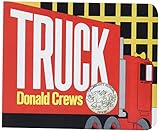
Overview: Donald Crews’s minimalist masterpiece “Truck” takes young readers on a journey from highway to city as a bright red semi-truck makes its essential deliveries. With sparse text and bold, graphic illustrations, this Caldecott Honor book is engineered specifically for the youngest bibliophiles, ages 1-3. The story’s genius lies in its simplicity—following the vehicle through tunnels, over bridges, and past cities until its final destination.
What Makes It Stand Out: The book’s revolutionary approach treats early literacy as a visual experience first. Crews’s signature style—clean lines, uncluttered compositions, and a limited color palette—helps developing eyes focus and track movement across pages. The text functions almost as sound effects, making it perfect for interactive reading where parents can add engine noises and honks. This creates an immersive, multi-sensory experience that teaches sequencing and object permanence.
Value for Money: At $6.99, this is an absolute steal for a title that can withstand the rough handling of toddlers. The sturdy construction and timeless design ensure it won’t become dated, offering years of engagement across multiple children. Compared to disposable board books, this represents a far superior investment in early developmental reading.
Strengths and Weaknesses: Strengths include perfect developmental appropriateness, exceptional durability, and universal appeal to vehicle-obsessed toddlers. The graphic clarity supports early word recognition and visual scanning skills. The only weakness is its niche appeal—children without interest in trucks may not connect, and the minimal text offers limited narrative complexity for older preschoolers. It’s a specialist tool, not a generalist storybook.
Bottom Line: An indispensable resource for toddler libraries, especially for little ones fascinated by things that go. Its educational value and robust construction make it a parent favorite.
9. The Biggest Bear: A Caldecott Award Winner – A Classic Picture Book About a Boy and His Growing Forest Animal for Kids (Ages 4-7)

Overview: Lynd Ward’s 1953 Caldecott Medal winner tells the poignant story of Johnny Orchard, a boy who adopts an adorable bear cub that inevitably grows too large for domestic life. Set in a nostalgic rural America, this wordy picture book explores themes of responsibility, wildness, and letting go. The detailed charcoal illustrations create a cinematic, almost photographic quality that was groundbreaking for its era and still impresses today.
What Makes It Stand Out: The book’s artistic merit is undeniable—Ward’s masterful shading and composition create dramatic, emotionally resonant scenes that tell much of the story visually. The narrative arc is unusually sophisticated for children’s literature, presenting a realistic (for its time) solution to the problem of a pet becoming unmanageable. This honesty about wild animals’ nature distinguishes it from more sentimental contemporary stories.
Value for Money: At $7.24, this classic Caldecott Medalist is priced competitively with modern paperbacks, offering museum-quality artwork and literary prestige for less than the cost of a fast-food meal. Its historical significance and artistic excellence provide value beyond mere entertainment.
Strengths and Weaknesses: Strengths include museum-worthy illustrations, emotional depth, and a rare willingness to address complex themes. The story builds genuine attachment between reader and bear. However, significant weaknesses exist: the ending—where the bear is chained and essentially imprisoned—feels harsh by modern standards, and some imagery reflects dated cultural attitudes. Parents should preview and be prepared for difficult conversations about animal welfare and historical context.
Bottom Line: A visually stunning but emotionally complicated classic best shared with discussion. Recommended for mature 4-7 year olds with parental guidance to address its problematic elements.
10. Tops & Bottoms
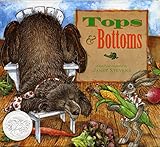
Overview: Janet Stevens’s clever Caldecott Honor adaptation of a European folktale reinvents the trickster genre with a unique vertical format and vegetable garden setting. When a lazy bear inherits land, the enterprising hare proposes a partnership: he’ll farm while Bear chooses “tops or bottoms” of the harvest. This ingenious premise teaches children about plant biology, work ethic, and clever thinking through a hilarious, repeatable pattern that delights ages 4-8.
What Makes It Stand Out: The book’s signature innovation is its vertical orientation—pages flip upward to show carrots being pulled from the ground or corn being harvested from stalks. This physical interaction makes abstract concepts concrete and memorable. Stevens’s character designs are wonderfully expressive, with the exasperated bear and wily hare creating perfect comedic tension. The story seamlessly integrates STEM concepts about root vegetables versus leafy greens into an entertaining narrative.
Value for Money: At $9.99, this educational powerhouse justifies its price through multi-disciplinary value. It functions as a science text, economics lesson, and moral tale simultaneously—essentially three books in one. The durable hardcover and timeless appeal ensure years of use across curriculum and entertainment contexts.
Strengths and Weaknesses: Strengths include brilliant format innovation, clear educational objectives, and high rereadability. The repetitive structure builds prediction skills and confidence. Weaknesses include potential format awkwardness for small hands, and the trickster theme—while traditional—may conflict with messages about honesty in some families. The story requires more adult explanation than simpler picture books to unlock its full educational potential.
Bottom Line: An ingenious, must-have picture book that makes learning about plants and fairness irresistibly fun. Perfect for classrooms and curious young minds.
What Makes a Caldecott Medal Winner Storytime-Worthy?
The Caldecott Medal recognizes the most distinguished American picture book for children, but “distinguished” doesn’t always translate to “crowd-pleasing.” A storytime-worthy Caldecott winner balances artistic merit with read-aloud functionality. These books feature illustrations that advance the narrative, create emotional resonance, and invite group discussion. Unlike picture books that rely heavily on text, Caldecott winners often tell parallel stories through their art—stories that emerge only when you slow down and explore each page with your audience. This dual-narrative structure makes them ideal for interactive storytime, where children can “read” the pictures while you read the words.
Understanding the Caldecott Criteria for Storytime Selection
The American Library Association evaluates Caldecott contenders on several criteria that directly impact storytime success. They assess illustration excellence through technique, composition, and visual interpretation of the story. For storytime leaders, this means looking for books where art controls pacing—where page turns create suspense, where panel layout guides eye movement, and where color palette shifts emotional tone. The committee also considers how well the art integrates with text, a crucial factor when you’re performing for an audience that may not yet read. Books where illustrations add humor, context, or subtext beyond the words give you natural conversation starters and keep listeners engaged even when the vocabulary might be slightly above their level.
Age-Appropriate Selections: Matching Medalists to Your Audience
Toddlers and Preschoolers
For the youngest listeners, prioritize Caldecott winners with bold, uncluttered compositions and clear emotional cues in characters’ faces. Books featuring repetitive visual patterns or sequential art that demonstrates cause-and-effect work beautifully for this age group. Look for winners with strong color contrast and simple shapes that children can point to and name. The art should support basic concept learning—colors, numbers, emotions—while remaining visually stimulating enough to hold attention through shorter attention spans.
Early Elementary
Children ages 5-8 can handle more sophisticated visual narratives. This is the sweet spot for Caldecott winners with complex page layouts, varied perspective, and subtle visual metaphors. These kids can track multiple storylines across text and image, making them perfect audiences for books where the illustrations contradict or expand upon the narrator’s voice. They’ll catch visual jokes, spot hidden details, and articulate how color choices make them feel—turning storytime into a critical thinking exercise.
Mixed-Age Groups
When your storytime spans toddlers through early elementary, select Caldecott winners with layered visual storytelling. The youngest children engage with the central images and primary narrative, while older kids discover secondary characters’ subplots unfolding in backgrounds or borders. Wordless or near-wordless Caldecott winners shine here, allowing each child to engage at their own developmental level while you facilitate group interpretation.
The Art of Visual Storytelling: Why Illustrations Drive Narrative
Caldecott winners teach children that stories exist beyond text. In these books, illustrations do the heavy lifting: they establish setting, develop character, create mood, and foreshadow events. For storytime, this means your presentation must honor the art as much as the words. Pause longer on spreads where the illustration reveals something the text doesn’t mention. Ask predictive questions based on visual clues: “What do you notice about the sky that might tell us what’s coming?” This approach builds visual literacy—the ability to interpret and create visual information—now recognized as essential as textual literacy in 21st-century learning.
Building Your Caldecott Storytime Collection Strategically
Rather than buying every winner, curate intentionally. Start with five to seven versatile titles that represent different artistic styles: one with strong graphic design, one with soft watercolor emotion, one with bold collage energy. This variety keeps storytime visually fresh and exposes children to diverse artistic traditions. Consider the “storytime arc” of your collection—ensure you have winners suitable for high-energy openings, contemplative middles, and satisfying closings. Build slowly, adding books that fill gaps in themes, artistic media, or cultural representation rather than accumulating titles that duplicate visual approaches.
Key Features to Evaluate Before You Buy
Artistic Medium and Visual Appeal
The physical medium—whether watercolor, collage, digital art, or pencil—directly impacts group visibility. Collage and digital art often provide bold shapes that read well from a distance, crucial for larger storytime groups. Watercolor and fine-line drawings may require more intimate settings but offer emotional nuance worth the trade-off. Consider your typical storytime environment: do you have a document camera, or will children crowd close? Let your technical setup guide your medium preferences.
Narrative Flow and Pacing
Flip through potential purchases without reading the text. Can you understand the story sequence from images alone? Caldecott winners should have clear visual transitions that guide the eye naturally across and down pages. Watch for books where illustrations create natural “pause points” for discussion and where page turns deliver genuine surprise. Avoid winners where dense, busy pages might overwhelm young viewers, unless you plan to tackle them in sections.
Diversity and Representation
The Caldecott canon has evolved significantly, but historical gaps exist. Evaluate winners through a lens of cultural authenticity and representation. Do the illustrations depict characters and communities with respect and accuracy? For storytime, books reflecting your community’s diversity validate children’s experiences, while those showing different cultures expand worldviews. Look for winners where illustration authenticity comes from artists sharing the identity they’re depicting—these books offer richer, more accurate visual storytelling.
Physical Book Quality
Storytime books endure serious wear. Check binding quality—reinforced library bindings justify higher costs for frequent use. Consider size: larger formats showcase art better but can be unwieldy for small hands. Matte versus glossy pages affects glare under storytime lights. Heavier paper prevents illustrations from showing through opposite pages, maintaining visual integrity. These practical considerations separate books that last hundreds of readings from those that fall apart mid-story.
Storytime Techniques That Honor the Art
Master the “picture walk”—previewing illustrations before reading to build anticipation and introduce visual vocabulary. During reading, use the “point and pause” technique: point to specific details in illustrations, pause, and invite observation. This slows the pace to match visual processing time. Try “echo looking,” where you show a spread, let children absorb it silently for a few seconds, then ask what they noticed before you read the text. This validates their role as visual readers and often surfaces observations that enrich the entire group’s understanding.
Creating Interactive Experiences with Wordless Winners
Wordless Caldecott winners and Honor Books offer unique storytime opportunities. They transform you from reader to facilitator, guiding children to narrate collectively. Start by modeling observation: “I see a character holding an umbrella. What might that tell us about the weather?” Encourage sequential storytelling by asking, “What happened first? What do you think will happen next?” These books build narrative skills, vocabulary, and confidence in emergent speakers. They also allow non-readers to become storytellers, democratizing storytime participation.
Connecting Caldecott Books to Learning Objectives
Each Caldecott winner offers teachable moments aligned with early learning standards. Use books with strong visual sequences to teach story structure—beginning, middle, end. Winners with distinct artistic styles introduce art vocabulary: texture, perspective, color palette. Books showing diverse communities support social-emotional learning about empathy and cultural competence. Track characters’ emotional journeys through illustration to develop emotional recognition skills. Frame your storytime around these objectives without sacrificing joy; the best learning happens when children don’t realize they’re being taught.
Seasonal and Thematic Storytime Planning
Caldecott winners span every theme imaginable. Build a calendar that matches books to seasons, holidays, and curriculum themes. Winter months might feature winners with snowy landscapes or cozy indoor scenes. Spring storytimes can celebrate growth and renewal through books with transformation narratives. Keep a running list of winners sorted by theme—friendship, family, nature, adventure—so you can quickly assemble storytime sets that build coherence across multiple sessions. This thematic approach helps children make connections between books and real-world experiences.
Handling Sensitive Themes and Complex Imagery
Some Caldecott winners address difficult topics—loss, fear, injustice—through sophisticated visual metaphors. Prepare by reading deeply: what does the art suggest that words avoid? For sensitive themes, pre-read with a colleague to identify potential triggers. Develop age-appropriate framing language. With complex imagery, plan scaffolding questions that guide children to understanding without overwhelming them. Remember that illustrations can sometimes soften difficult concepts, making them more accessible than text alone. Trust the art’s ability to meet children where they are emotionally.
Extending the Experience Beyond the Book
The best storytimes don’t end at “The End.” Use Caldecott winners as springboards for art activities where children experiment with the medalist’s technique—collage with Ezra Jack Keats-style paper scraps, watercolor washes mimicking Sophie Blackall’s style. Create “illustration stations” where kids add their own page to the story. For older children, research the artist’s process through publisher-provided activity kits or interviews. These extensions cement the book’s impact and develop appreciation for illustration as craft, not just decoration.
Building a Community Around Caldecott Storytimes
Transform your storytime from a performance into a community by inviting families to participate in Caldecott exploration. Create a “Mock Caldecott” program where children evaluate recent picture books using real criteria. Share background about medalists through brief artist biographies—many have fascinating stories that deepen appreciation. Start a lending program where families take home a Caldecott winner with a discussion guide, extending storytime’s impact. When families understand why these books matter, they become partners in building visual literacy.
Common Storytime Pitfalls and How to Avoid Them
Don’t let the art intimidate you into over-explaining. Trust that children will discover visual meaning through guided observation, not lecture. Avoid rushing through pages to “finish the story”—Caldecott winners reward lingering. Be cautious with books where illustrations are too abstract for your group’s developmental stage; save those for one-on-one sharing. Watch for cultural references in art that require context you’re not prepared to provide respectfully. Finally, don’t assume that because a book won a medal, it’s right for your specific storytime context. The medal signals quality, not universal applicability.
Frequently Asked Questions
How many Caldecott winners should I include in a single storytime session?
Limit yourself to one full Caldecott winner per 30-minute session, supplemented perhaps by a shorter Honor Book or excerpts. These books demand attention and discussion; rushing through multiple winners diminishes their impact and overwhelms young viewers.
Are Caldecott Honor Books worth considering, or should I focus only on Medal winners?
Absolutely include Honor Books. The medalist represents one committee’s choice in a given year, but Honor Books often become storytime favorites. They meet the same rigorous artistic standards and frequently offer more accessible narratives or themes better suited to group settings.
How do I justify the cost of hardcover Caldecott winners to my budget?
Calculate cost-per-use. A $20 Caldecott winner read 100 times costs 20 cents per reading—far less than disposable materials. These books also have high resale value and often remain in print for decades, making them long-term investments in quality programming.
What’s the best way to introduce a Caldecott winner to a group that’s never seen it?
Begin with a silent picture walk through key spreads. Ask predictive questions based on visuals only. This builds anticipation and teaches children that illustrations are primary information sources, not secondary to text. Then read, knowing they’re already visually invested.
How can I adapt Caldecott winners for virtual storytime?
Use screen sharing with a document camera for close-up detail exploration. Pause longer on each spread since children can’t physically lean in. Use annotation tools to circle details you’re discussing. Record sessions so families can revisit the art at their own pace.
Do Caldecott winners work for children with visual impairments?
Many do, especially those with high-contrast art or tactile elements. Pair with descriptive audio narration focusing on visual details. Some winners have excellent audiobook adaptations that describe illustrations. Consider creating tactile boards replicating key textures from the art.
How do I handle Caldecott books with outdated cultural representations?
Use them as teaching opportunities. Acknowledge when and why the book was created. Discuss what illustrations tell us about historical perspectives. Pair with contemporary winners showing more authentic representation. This critical approach teaches visual media literacy.
Should I read the artist’s notes or dedications during storytime?
Save extensive notes for older children or follow-up discussions. For younger groups, briefly mention one fascinating artistic fact—“The artist made these pictures by cutting paper!”—to spark interest without breaking narrative flow. Let the art speak first.
How can I tell if a Caldecott winner is too sophisticated for my group?
Test it with a “silent read” to a colleague or small group. If they can’t follow the story through images alone, it may require too much scaffolding for large groups. Also watch for books where emotional nuance drives the narrative—beautiful but potentially lost on very young audiences.
What’s the single most important factor in choosing a Caldecott winner for storytime?
Your own genuine enthusiasm for the art. If you’re captivated by the illustrations, that excitement becomes contagious. Children respond to authentic passion more than any criteria. Choose winners that visually move you, and your storytime will naturally become more engaging and memorable.