There’s something alchemical that happens when you crack open a chef memoir at your favorite café, the aroma of your cappuccino mingling with the vivid description of a bustling Parisian kitchen on the page. These aren’t just books about food—they’re passports into the crucible of creativity, where pressure, fire, and passion forge not just perfect dishes, but entire lives. For foodies who understand that a meal without context is just calories, chef memoirs deliver the narrative nutrition that transforms eating into a truly immersive experience.
The modern culinary memoir has evolved far beyond simple recipe collections with anecdotes. Today’s chef storytellers serve up raw vulnerability alongside their mise en place, revealing how the restaurant industry shapes identity, tests relationships, and redefines success. Whether you’re a home cook seeking inspiration, a restaurant enthusiast craving behind-the-scenes drama, or a literary gourmet hungry for exceptional prose, understanding what makes these memoirs resonate will help you curate a reading list as thoughtfully composed as any tasting menu.
Top 10 Chef Memoirs for Foodies
Detailed Product Reviews
1. Notes from a Young Black Chef: A Memoir

Overview: Kwame Onwuachi’s memoir chronicles his remarkable journey from selling candy on NYC subways to opening his own restaurants and becoming a Top Chef contestant. This powerful narrative explores identity, ambition, and the unique challenges faced by Black chefs in America’s culinary world, offering a perspective rarely seen in food literature.
What Makes It Stand Out: Onwuachi doesn’t sugarcoat the systemic racism and obstacles he encountered in elite kitchens. His story is raw and unfiltered, offering rare insight into what it means to navigate white-dominated culinary spaces while staying true to your heritage. The memoir brilliantly weaves personal anecdotes with broader social commentary, making it both a personal story and a cultural document.
Value for Money: At $9.49, this paperback delivers exceptional value. It’s priced competitively with other contemporary memoirs but offers a perspective that’s still underrepresented in culinary literature. You’re getting a story that’s both personally inspiring and culturally significant for less than the cost of a fast-casual meal, making it accessible to students and aspiring chefs.
Strengths and Weaknesses: Strengths: Candid discussion of race in professional kitchens; inspiring rags-to-riches narrative; authentic voice and compelling storytelling; provides historical context for Black food traditions. Weaknesses: Occasionally jumps between timelines; some readers may want more recipes integrated; focuses heavily on struggles which can be emotionally heavy for casual readers.
Bottom Line: A must-read for anyone interested in the modern culinary landscape and essential reading for those seeking diverse voices in food culture. Powerful, educational, and ultimately uplifting.
2. Yes, Chef: A Memoir

Overview: Marcus Samuelsson’s memoir traces his extraordinary path from an orphaned child in Ethiopia to becoming one of America’s most celebrated chefs. Adopted by a Swedish family, he trained in Europe before conquering New York with Aquavit and later opening Red Rooster in Harlem, earning multiple James Beard Awards along the way.
What Makes It Stand Out: Samuelsson’s unique multicultural perspective sets this apart from typical chef memoirs. He masterfully explores themes of identity, belonging, and the search for home through food. The narrative is particularly compelling when describing his journey to connect with his African roots while building a career in predominantly white culinary institutions.
Value for Money: At just $7.99, this memoir is an absolute steal. It’s one of the most affordable chef memoirs available, especially considering Samuelsson’s celebrity status and the book’s critical acclaim. This pricing makes an inspirational, well-written story accessible to anyone interested in food, culture, or immigrant experiences.
Strengths and Weaknesses: Strengths: Beautifully written with great emotional depth; fascinating cultural perspective; inspiring success story; excellent descriptions of food and cooking techniques. Weaknesses: Some sections feel slightly polished, lacking the raw edge of other chef memoirs; less focus on kitchen conflict than some readers might expect; occasionally reads more like a celebration than a critique.
Bottom Line: An inspiring, beautifully crafted memoir that belongs on every food lover’s shelf. Exceptional value and a truly unique story that transcends the typical chef narrative.
3. The Devil in the Kitchen: Sex, Pain, Madness, and the Making of a Great Chef

Overview: Marco Pierre White’s notorious memoir reveals the explosive journey of Britain’s first three-Michelin-starred chef and the original “rockstar” of the culinary world. This unflinching account exposes the brutality, passion, and madness behind his meteoric rise and controversial management style that shaped modern chef culture.
What Makes It Stand Out: White’s memoir is legendary for its unapologetic brutality and raw honesty. He openly discusses his violent outbursts, drug-fueled escapades, and the psychological toll of perfectionism. Unlike polished celebrity chef stories, this reads like a confessional from a tortured artist who changed gastronomy forever, making it a historical document of pre-celebrity chef culture.
Value for Money: At $17.66 for a used copy in good condition, the value is moderate. While pricier than new paperbacks of other memoirs, this is a classic out-of-print title that’s hard to find new. The “rockstar chef” origin story makes it worth the premium for serious culinary historians, though budget-conscious readers might prefer digital options.
Strengths and Weaknesses: Strengths: Unprecedented raw honesty; historically significant; brilliant writing that captures kitchen intensity; reveals the dark side of culinary ambition. Weaknesses: White’s behavior is often reprehensible and may alienate modern readers; lacks reflection or apology; used condition means potential wear; dated attitudes toward kitchen culture.
Bottom Line: Essential reading for understanding culinary history, but not for the faint-hearted. A flawed masterpiece that’s more historical artifact than inspirational tale. Worth it for serious food students despite the price.
4. Eat a Peach: A Memoir

Overview: David Chang, the visionary behind Momofuku, delivers a brutally honest memoir about building a restaurant empire while battling severe depression and anxiety. This contemporary account explores mental health, creativity, and the crushing pressures of modern culinary fame in ways few celebrity chefs have dared.
What Makes It Stand Out: Chang’s vulnerability is revolutionary. He dismantles the “bad boy chef” persona to expose his struggles with bipolar disorder, suicidal thoughts, and the loneliness of success. The memoir is shockingly self-critical, questioning his own behavior and the toxic culture he helped create, making it a crucial text for understanding 21st-century kitchen life.
Value for Money: At $11.99, this recent bestseller offers solid value. It’s priced similarly to other contemporary memoirs but delivers more raw emotional content and cultural relevance. Given Chang’s influence on modern dining, this is essentially required reading for understanding today’s restaurant industry.
Strengths and Weaknesses: Strengths: Groundbreaking mental health honesty; insightful critique of chef celebrity culture; well-structured narrative; relevant to current conversations about kitchen working conditions. Weaknesses: Intensely personal content may be triggering for some readers; occasionally self-indulgent; less focus on food itself than some culinary purists might prefer.
Bottom Line: A courageous, necessary memoir that redefines what a chef’s story can be. Perfect for fans of Chang or anyone interested in the psychological toll of creative ambition.
5. Sous Chef: 24 Hours on the Line

Overview: Michael Gibney’s immersive narrative takes readers through 24 relentless hours in the life of a sous chef at a high-end New York restaurant. Unlike traditional memoirs, this book places you directly on the line, experiencing the adrenaline, precision, and camaraderie of professional cooking in real-time.
What Makes It Stand Out: The unique structural approach sets this apart. By compressing the experience into a single day, Gibney captures the intensity and flow of service with cinematic detail. You don’t just read about kitchen life—you feel the heat, hear the tickets printing, and understand the hierarchical ballet that makes fine dining possible.
Value for Money: At $15.64, this paperback commands a slight premium over traditional memoirs, but the technical depth justifies the cost. For culinary students or aspiring chefs, it’s practically a textbook disguised as narrative non-fiction, offering more practical insight than most memoirs.
Strengths and Weaknesses: Strengths: Unparalleled immersive experience; exceptional technical detail about cooking techniques; captures kitchen culture authentically; unique narrative structure. Weaknesses: Lacks personal backstory and character development; can feel like a marathon read; may be too technical for casual food fans; no single protagonist to emotionally invest in.
Bottom Line: An essential read for anyone considering a culinary career. While not a traditional memoir, it’s the most accurate depiction of professional kitchen life available in print.
6. Memoir of a Misfit Chef: A Rise From The Ashes

Overview: Memoir of a Misfit Chef: A Rise From The Ashes chronicles one chef’s turbulent journey through professional kitchens and personal demons. This narrative follows a non-traditional culinary protagonist who doesn’t fit the typical brigade system mold, documenting their fall from grace and subsequent redemption. The memoir tackles addiction, failure, and the relentless pressure of restaurant culture while ultimately celebrating resilience and passion for food.
What Makes It Stand Out: The “misfit” perspective offers a refreshing departure from polished celebrity chef narratives. Rather than glorifying kitchen life, it exposes the industry’s darker underbelly through an unflinching lens. The phoenix-rising structure provides satisfying narrative arcs as the author rebuilds both career and identity from nothing. Raw honesty about mental health struggles and professional setbacks distinguishes this from more sanitized accounts.
Value for Money: At $17.95, this sits comfortably in the mid-range for culinary memoirs. You’re paying for an authentic, unvarnished perspective that many higher-priced, ghostwritten celebrity books lack. Comparable underdog stories typically retail for $20-25, making this a reasonable investment for substantial emotional and professional insights.
Strengths and Weaknesses: Strengths include brutal honesty, relatable struggles, and inspiring recovery narrative. The misfit viewpoint resonates with anyone who’s felt out of place in their profession. Weaknesses involve potentially triggering content for those sensitive to addiction stories, occasional meandering pacing during the darkest passages, and less focus on actual cooking techniques than some readers might prefer.
Bottom Line: Perfect for culinary professionals feeling burnt out or anyone needing proof that second acts are possible. This memoir delivers hard-won wisdom rather than glamorous escapism.
7. Blood, Bones & Butter: The Inadvertent Education of a Reluctant Chef
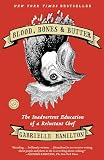
Overview: Blood, Bones & Butter delivers Gabrielle Hamilton’s critically acclaimed account of her unconventional path from anarchist caterer to acclaimed chef. This memoir eschews traditional structure, weaving together vignettes of her childhood, travels, and eventual ownership of Prune in New York City’s East Village. Hamilton’s prose is as sharp as her chef’s knife, cutting through romanticized kitchen mythology to reveal the gritty reality of building a culinary identity.
What Makes It Stand Out: The “reluctant chef” angle is genuinely refreshing—Hamilton never intended this career, making her observations more incisive. Her literary background shines through in writing that’s both muscular and poetic. The memoir’s nonlinear structure mirrors memory itself, while unflinching honesty about family dysfunction, marriage of convenience, and motherhood defies conventional food writing. It’s a chef’s story that’s actually about much more than food.
Value for Money: At $17.28, this represents exceptional value for a James Beard Award-winning memoir. The “Great product!” feature accurately reflects its critical acclaim. Comparable literary memoirs often command $25+, making this a steal for such finely crafted prose and authentic perspective. You’re investing in a modern classic that rewards rereading.
Strengths and Weaknesses: Strengths include breathtaking writing quality, raw authenticity, and sophisticated narrative structure. Hamilton’s voice is uniquely hers—unsentimental yet deeply felt. Weaknesses: some readers find her tone abrasive or her personal choices questionable. The nonlinear timeline can feel disjointed, and those seeking recipes or kitchen tips will be disappointed.
Bottom Line: Essential reading for serious food literature fans. This isn’t comfort food—it’s a complex, challenging meal that leaves you thinking for days.
8. What’s Good?: A Memoir in Fourteen Ingredients

Overview: What’s Good?: A Memoir in Fourteen Ingredients structures a culinary life around fourteen pivotal flavors and experiences. Each chapter uses an ingredient as a lens to examine personal growth, professional milestones, and the memories we attach to taste. This approachable memoir trades high-stakes drama for thoughtful reflection, making it ideal for readers who prefer their food writing seasoned with nostalgia rather than adrenaline.
What Makes It Stand Out: The ingredient-based framework provides natural organization and accessibility. Rather than chronological biography, this thematic approach lets readers dip in and out, savoring each “flavor” independently. It democratizes the chef memoir—this isn’t about Michelin stars but about how food anchors our identities. The concept transforms abstract life experiences into concrete, relatable tastes.
Value for Money: At $9.31, this is the most budget-friendly option in this collection. For the price of two fancy coffees, you get a thoughtfully crafted literary meal. Similar experimental memoir structures typically retail for $15-18, making this an outstanding value for readers wanting quality without financial commitment. Perfect for gifting or casual reading.
Strengths and Weaknesses: Strengths include innovative structure, gentle tone, and universal relatability. The ingredient motif creates memorable hooks for each life lesson. Weaknesses: those seeking high-octane kitchen drama may find it too quiet. Some chapters feel more developed than others, and the low price might suggest slighter content (though this isn’t necessarily true). Limited appeal for readers wanting celebrity name recognition.
Bottom Line: A delightful, digestible memoir for home cooks and food lovers. It proves you don’t need restaurant wars to tell a meaningful culinary story.
9. Accidentally on Purpose
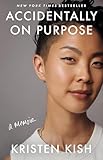
Overview: Accidentally on Purpose chronicles an unintentional culinary career shaped by chance encounters, unexpected opportunities, and serendipitous disasters. This memoir embraces the unplanned nature of many professional paths, arguing that some of the best kitchens are entered through the back door. With self-deprecating humor and keen observational wit, the author transforms professional missteps into stepping stones, proving that not all who wander the culinary world are lost.
What Makes It Stand Out: The serendipity theme resonates with anyone who’s stumbled into their calling. Unlike meticulously planned career trajectories, this narrative celebrates improvisation—both in life and cooking. The humor is situational rather than forced, arising naturally from kitchen catastrophes and professional naivety. It demystifies chefdom, suggesting passion matters more than pedigree.
Value for Money: At $15.00, this occupies the middle ground—affordable but not disposable. It costs less than a decent restaurant meal while offering years of entertainment value. Comparable humorous memoirs typically range $16-20, making this fairly priced for its entertainment quotient. You’re paying for reassurance that circuitous routes can still lead to delicious destinations.
Strengths and Weaknesses: Strengths include genuine humor, relatable “accidental” career path, and lighthearted tone that makes for easy reading. The author’s vulnerability about not having a “master plan” is refreshing. Weaknesses: the loose structure may frustrate readers wanting clear progression. Some anecdotes feel padded, and culinary purists might dismiss it as insufficiently serious. Lacks the dramatic weight of more traumatic memoirs.
Bottom Line: Ideal for aspiring chefs intimidated by traditional paths or anyone who enjoys a good “happy accident” story. It’s comfort food in memoir form—satisfying without being heavy.
10. Life, on the Line: A Chef’s Story of Chasing Greatness, Facing Death, and Redefining the Way We Eat

Overview: Life, on the Line is Grant Achatz’s harrowing dual narrative of building one of America’s most innovative restaurants while battling stage IV tongue cancer. This memoir interweaves culinary ambition with mortality, exploring how losing his sense of taste forced him to fundamentally reconceive flavor, presentation, and the diner’s experience. It’s a testament to creative resilience and the limits of human endurance in pursuit of artistic vision.
What Makes It Stand Out: The life-or-death stakes are literally true, creating unparalleled dramatic tension. Achatz’s story transcends typical chef memoirs by questioning the very nature of taste and creativity under duress. His journey through experimental treatment while maintaining Alinea’s excellence offers unprecedented insight into leadership during crisis. The memoir redefines “passion” when your passion’s instrument is being destroyed.
Value for Money: At $6.99, this is almost criminally underpriced for its content. Comparable inspirational memoirs of this caliber typically command $20-30. You’re getting a profound meditation on art, mortality, and innovation for less than a fast-food combo meal. This represents the single best value-to-impact ratio in culinary literature.
Strengths and Weaknesses: Strengths include breathtaking honesty, philosophical depth, and inspiring resilience. The technical discussions of molecular gastronomy are accessible, and the medical journey is handled with grace. Weaknesses: the intensity may overwhelm casual readers seeking lighter fare. Some sections dwell extensively on restaurant minutiae that non-industry readers might skim. The low price might mistakenly signal lower quality.
Bottom Line: A mandatory read for any serious culinary professional and a profound inspiration for anyone facing seemingly insurmountable obstacles. This is memoir as masterpiece.
The Rise of the Chef Storyteller
From Kitchen to Page: A Literary Evolution
The chef memoir genre has undergone a remarkable transformation over the past few decades. What began as instructional texts with occasional personal asides has matured into a distinct literary category that commands respect from critics and readers alike. This evolution mirrors our cultural shift toward seeing chefs as artists rather than mere tradespeople. The professional kitchen, with its brutal hours, hierarchical brigade system, and intense sensory environment, provides inherently dramatic material that skilled writers can shape into compelling narratives.
Early culinary writing focused primarily on technique and recipes, but contemporary chef memoirs understand that readers want the story behind the sauce—the failed relationships that fueled a restaurant opening, the immigrant experience that shaped a culinary perspective, or the mental health challenges hidden behind a pristine chef’s coat. This shift reflects a broader appetite for authenticity in food culture, where provenance matters not just for ingredients but for the people who transform them.
Why Foodies Crave Narrative Nutrition
The psychological connection between storytelling and eating runs deep. Humans have always shared stories around food, from ancient fireside gatherings to modern dinner parties. When you read about a chef’s obsessive quest to perfect a single dish while savoring your own meal, you participate in a multisensory experience that amplifies both the flavor on your fork and the emotion on the page. This synesthetic quality makes chef memoirs uniquely satisfying for readers who process the world through taste.
Foodies particularly gravitate toward these narratives because they decode the mysterious language of professional kitchens. That unfamiliar ingredient on a menu, the reason service sometimes takes two hours, the story behind a chef’s signature technique—all become illuminated through personal narrative. You’re not just consuming a meal; you’re understanding the entire ecosystem that brought it to existence.
What Defines a Compelling Chef Memoir
Voice and Vulnerability: The Secret Ingredients
The most memorable chef memoirs distinguish themselves through voice—an authentic, unmistakable personality that comes through on every page. This isn’t about polished prose alone; it’s about the courage to reveal the burns, both literal and metaphorical. A compelling voice might be brutally honest about kitchen culture’s darker aspects, or it might be unexpectedly poetic in describing the rhythm of prep work. The key is consistency and sincerity.
Vulnerability serves as the secret ingredient that transforms a standard career chronology into a page-turner. When a chef describes the panic attack before a major service, the imposter syndrome while plating for critics, or the shame of a restaurant failure, readers connect on a human level that transcends their interest in food. This emotional honesty creates trust, making the technical culinary insights more impactful because you understand the cost of acquiring them.
The Recipe for Authenticity
Authenticity in chef memoirs manifests through specific, sensory details that could only come from lived experience. Generic descriptions of “passion for cooking” fall flat compared to the visceral memory of a particular burn scar, the sound of a ticket printer during a full-service rush, or the exact weight of a copper pan. Authentic memoirs don’t sanitize the industry; they present its contradictions—the beauty and brutality, the creativity and monotony, the community and isolation.
Readers can detect inauthenticity immediately. Memoirs that read like extended PR statements or brand-building exercises fail to satisfy because they omit the struggle that makes the success meaningful. The most authentic voices acknowledge their privileges while also honoring their sacrifices, creating a nuanced portrait of what it truly takes to build a culinary life.
Beyond the Plate: Life Lessons from Professional Kitchens
Exceptional chef memoirs understand that the kitchen functions as a metaphor for life itself. The discipline of mise en place teaches organization and preparation. The heat of service reveals character under pressure. The collaborative nature of a brigade system demonstrates interdependence and trust. These universal themes elevate the memoir from niche interest to broadly relatable literature.
The best narratives draw explicit connections between culinary lessons and life lessons without becoming heavy-handed. A chef might realize that mastering a mother sauce parallels learning to navigate a difficult relationship, or that opening a restaurant requires the same risk-taking as committing to a partner. These revelations give readers takeaway value that extends far beyond the final chapter.
Types of Chef Memoirs for Every Palate
The Classic Culinary Coming-of-Age
This archetype follows the traditional hero’s journey: a young, often struggling individual discovers their calling in the kitchen, endures grueling apprenticeships under tyrannical mentors, and ultimately emerges as a accomplished chef. These narratives satisfy our desire for transformation and perseverance. They typically feature vivid descriptions of learning fundamental techniques, the sensory overload of first entering a professional kitchen, and the gradual evolution from novice to master.
What makes this subtype compelling is the universality of the growth narrative, even within the specific context of culinary training. Readers vicariously experience the pride of perfectly executing a difficult technique for the first time and the humility of catastrophic failure during service. The best examples avoid cliché by grounding the journey in specific cultural and personal contexts.
The Restaurateur’s Saga
These memoirs focus less on cooking itself and more on the Herculean task of creating and sustaining a restaurant. They explore the business acumen required, the financial tightrope-walking, the staff management challenges, and the creative vision necessary to build a dining destination. For foodies fascinated by the restaurant industry beyond the plate, these offer invaluable insights.
The restaurateur’s saga typically reveals how a chef’s creative vision collides with harsh economic realities. You’ll learn about negotiating leases, managing investor relationships, designing spaces that function as both kitchens and theaters, and the devastating impact of a bad review. These narratives often contain more boardroom drama than kitchen action, appealing to readers interested in entrepreneurship and creative business leadership.
The Globetrotting Gastronome
Travel-centric chef memoirs explore how different cultures reshape culinary identity. These stories follow chefs who apprentice across multiple countries, learning how terroir, tradition, and local ingredients inform distinct cooking philosophies. For readers who armchair-travel through food, these memoirs offer passport stamps in the form of flavors and techniques.
The most effective travel food memoirs avoid touristic superficiality by embedding deeply in local communities. They explore the humility required to learn from grandmothers in remote villages, the linguistic challenges of understanding recipes passed down orally, and the gradual expansion of the chef’s palate and worldview. These narratives remind us that authentic cuisine cannot be separated from its cultural context.
The Accidental Chef’s Journey
Not every chef follows a linear path, and these memoirs celebrate the unconventional routes to culinary success. Perhaps the author began as a lawyer, a scientist, or an artist before a life event redirected them toward food. These stories resonate with readers contemplating their own career pivots or seeking permission to pursue passion over practicality.
The power of this subtype lies in its demonstration of transferable skills. The analytical mind of an engineer approaches bread baking differently than the intuitive approach of someone classically trained. These memoirs often provide fresh perspectives on familiar techniques and challenge orthodoxies about who belongs in professional kitchens and why.
The Pastry Provocateur’s Tale
Pastry-focused memoirs occupy a unique space within the genre, exploring the precision, chemistry, and artistic temperament required for desserts and bread. These narratives often delve into the psychology of a profession that demands perfectionism and patience in an industry celebrated for its chaotic energy. For readers drawn to the scientific and artistic aspects of cooking, pastry memoirs offer a different rhythm and set of challenges.
These stories frequently explore themes of obsession and detail-orientation, the unique pressures of creating edible art, and the different career trajectory pastry chefs often face. The sensory descriptions differ too—less about sizzle and more about texture, temperature, and visual aesthetics—providing a refreshing change of pace within the broader chef memoir landscape.
Key Features to Consider When Choosing Your Next Read
Writing Style: From Lyrical Prose to Gritty Realism
Chef memoirs span the stylistic spectrum, and identifying your preference helps ensure satisfaction. Some authors employ poetically descriptive language, transforming cooking into a meditative, almost spiritual practice. These works read like literary fiction, with food as their central metaphor. They appeal to readers who savor sentences as much as they anticipate the next course.
Conversely, gritty realism offers unvarnished, often profanity-laced accounts of kitchen life. These voices capture the adrenaline, aggression, and dark humor of professional cooking. They read more like confessions or investigative journalism, pulling back the curtain on an industry’s underbelly. Neither style is inherently superior; the choice depends on whether you want to be transported or confronted.
Culinary Focus: Fine Dining vs. Street Food Narratives
Consider what aspect of food culture most intrigues you. Fine dining memoirs explore the pursuit of perfection, the artistry of plating, and the psychology of luxury dining. They often involve Michelin stars, celebrity critics, and the pressure-cooker environment of world-class kitchens. These narratives satisfy cravings for glamour and extreme craftsmanship.
Street food and casual dining memoirs, by contrast, celebrate accessibility, tradition, and community. They often explore immigrant experiences, regional authenticity, and the democratization of great food. These stories tend to emphasize flavor over presentation, heritage over innovation, and connection over accolades. Your preference likely reflects your own dining values and what you seek in culinary experiences.
Cultural and Historical Context
The most enriching chef memoirs embed personal stories within broader cultural movements. A memoir about opening a restaurant in a gentrifying neighborhood explores themes of community displacement and cultural preservation. A chef’s account of cooking during a particular economic recession reveals how hardship shapes menus and business models. These contextual layers transform individual stories into social commentary.
Historical context also matters. Memoirs spanning different decades reveal how kitchen culture has evolved—or hasn’t. You’ll notice shifting attitudes toward work-life balance, mental health, substance abuse, gender dynamics, and culinary appropriation. Choosing memoirs from different eras and cultural backgrounds creates a more complete understanding of the industry’s complex tapestry.
Pacing and Structure: Multi-Course vs. Small Plates
Pay attention to how the memoir is organized. Some follow strict chronological order, creating a sweeping epic that builds momentum toward a climactic restaurant opening or award. This structure satisfies readers who want comprehensive life stories and clear cause-and-effect relationships between experiences.
Others employ a more episodic, essay-like structure—small plates, if you will—where each chapter stands as a self-contained story. These memoirs allow for thematic exploration and can be dipped in and out of, perfect for busy readers or those who prefer concentrated bursts of narrative flavor. The pacing should match your reading habits and attention preferences.
Emotional Resonance: Finding Your Connection Point
The memoirs that stay with you are those that touch on emotions or experiences you recognize in your own life, even if the specific context differs. Perhaps you connect with stories of parental pressure and rebellion, of creative obsession, of imposter syndrome, or of building something from nothing. Identifying what emotional themes draw you will guide you toward memoirs that feel personally meaningful.
Some readers seek inspiration and uplift—stories of overcoming adversity through passion and hard work. Others want cathartic commiseration—accounts of failure, burnout, and the difficult process of rebuilding. There’s no wrong emotional entry point; the key is recognizing what you need from the reading experience and selecting memoirs that deliver that particular emotional flavor profile.
The Educational Value of Chef Memoirs
Kitchen Techniques Disguised as Storytelling
While memoirs aren’t cookbooks, the best ones embed practical culinary knowledge within their narratives. You’ll absorb knife skills through descriptions of repetitive prep work, understand sauce consistency through metaphors about texture and emotion, and learn timing through accounts of chaotic service. This stealth education feels organic rather than didactic, making techniques memorable because they’re attached to story and emotion.
These narratives also teach the mental approach to cooking—the mise en place mindset applied to life, the importance of tasting and adjusting, the ability to improvise when ingredients (or plans) fail. This philosophical framework often proves more valuable than specific recipes, giving readers a new lens through which to view their own cooking and problem-solving.
Restaurant Industry Insights for the Curious Diner
For those who love dining out, chef memoirs function as decoder rings for restaurant culture. You’ll understand why chefs hate special requests during busy services, the true cost of that $40 entree, why restaurants fail so frequently, and how reviews can make or break careers. This knowledge transforms you from a passive consumer into an informed participant in the dining ecosystem.
These insights also foster empathy. Learning about razor-thin profit margins, the physical toll of kitchen work, and the emotional investment in each dish makes you a more gracious diner. You begin to see restaurants as complex organisms rather than simple service providers, appreciating the orchestration required to deliver your meal.
Understanding Food Culture and Identity
Chef memoirs illuminate how food functions as identity, heritage, and resistance. You’ll explore how recipes preserve memory, how cooking can be an act of cultural preservation or fusion, and how food policies and economics shape what communities eat. These narratives connect personal plates to global systems, making you more conscious of your own food choices and their broader impact.
This cultural education extends to understanding regional and national culinary philosophies. Through a chef’s personal journey, you grasp why French technique emphasizes mother sauces, why Japanese cuisine pursues simplicity, or why Mexican cooking celebrates complex mole preparations. The memoir format makes these abstract concepts tangible and memorable through lived experience.
Building Your Personal Chef Memoir Collection
Curating a Balanced Literary Menu
Approach your chef memoir collection as you would a well-designed menu—seeking variety, balance, and progression. Include different voices: established icons and emerging talents, different backgrounds and cuisines, different writing styles and narrative structures. This diversity prevents palate fatigue and provides multiple perspectives on similar themes.
Consider also balancing heavier, more intense memoirs with lighter, more humorous accounts. Just as a multi-course meal intersperses rich dishes with palate cleansers, your reading list should offer emotional range. A brutally honest account of kitchen burnout might be followed by a whimsical tale of culinary travel, creating a sustainable reading rhythm.
Seasonal Reading: Matching Books to Your Mood
Your reading appetite changes with seasons and life circumstances, and chef memoirs can match those shifts. During periods of personal ambition, you might gravitate toward inspiring origin stories. In times of stress, comforting tales of community and tradition offer solace. When traveling, location-specific memoirs deepen your connection to place.
Pay attention to how different memoirs make you feel and when you reach for them. Some serve as motivational fuel for your own creative projects, while others function as escapist fantasies. Building awareness of these patterns helps you select the right book at the right time, maximizing both enjoyment and impact.
Frequently Asked Questions
What distinguishes a chef memoir from a cookbook with personal stories?
A true chef memoir prioritizes narrative arc and character development over instructional content. While it may include recipes or cooking descriptions, the primary focus is the personal journey, challenges, and transformations. The story should stand on its own even if you never attempt a single recipe mentioned.
Are chef memoirs only interesting to people who work in restaurants?
Absolutely not. The best chef memoirs transcend their setting to explore universal themes: creative obsession, mentorship, failure and resilience, identity formation, and the tension between art and commerce. Readers from any background can connect with these human experiences, while the culinary details provide flavorful specificity.
How do I know if a chef memoir will be well-written rather than just name-dropping famous restaurants?
Look for excerpts or reviews that comment on the prose style itself. Well-written memoirs get praised for voice, structure, and literary quality, not just insider access. Avoid books marketed primarily on celebrity status or restaurant fame. Instead, seek those where the writing itself is mentioned as a standout feature.
Should I read chef memoirs in a particular order or can I jump around?
The beauty of memoirs is their independence—you can start anywhere based on interest. However, reading chronologically within a subgenre (like classic culinary coming-of-age stories) can reveal how the genre has evolved. Alternatively, pairing contrasting memoirs back-to-back highlights different approaches to similar experiences.
Do chef memoirs accurately represent the restaurant industry, or are they romanticized?
Quality memoirs do both—they capture the genuine romance of creation while honestly depicting the industry’s harsh realities. Look for memoirs that acknowledge both the passion that draws people to cooking and the systemic issues (low wages, substance abuse, harassment) that plague many kitchens. The most trustworthy accounts show nuance rather than pure celebration or condemnation.
How much technical cooking knowledge should I have before reading a chef memoir?
Zero required knowledge. Good memoirs explain necessary culinary concepts in accessible ways, integrating definitions naturally into the narrative. In fact, many readers learn fundamental cooking principles through these stories. The emotional core of the journey remains comprehensible regardless of your familiarity with terms like sous vide or brigade system.
Are there chef memoirs that focus on vegetarian, vegan, or specific dietary philosophies?
Yes, increasingly so. As culinary culture diversifies, more memoirs explore non-traditional paths, including plant-based cooking, sustainable agriculture, foraging, and specific health-focused approaches. These offer fresh perspectives on what it means to be a chef and challenge conventional fine dining narratives.
What if I find the aggressive culture described in some kitchen memoirs off-putting?
You’re not alone, and many contemporary memoirs actively critique and reject toxic kitchen culture. Seek out newer voices that discuss building humane workplaces, mental health awareness, and inclusive environments. The genre has evolved to include chefs who are changing the industry from within, offering hope alongside criticism.
Can chef memoirs actually improve my own cooking?
Indirectly, yes. While you won’t learn specific recipes, you’ll absorb professional mindsets: the importance of preparation, the confidence to improvise, the discipline of tasting constantly, and the creativity to see ingredients anew. Many readers report that these narrative lessons transform their home cooking more than any single recipe could.
How do I find chef memoirs from diverse voices and underrepresented cuisines?
Seek out independent publishers, culinary magazines’ book reviews, and food writing awards that specifically celebrate diversity. Follow food journalists and critics who champion underrepresented voices. Online culinary communities often have reading lists curated for inclusivity. Remember that the most popular memoirs aren’t necessarily the most representative—dig deeper to discover transformative stories from global perspectives.