There’s something uniquely potent about college romance novels that other subgenres simply can’t replicate. Maybe it’s the way they capture that lightning-in-a-bottle moment when life felt simultaneously infinite and terrifyingly uncertain. Or perhaps it’s how they remind us of who we were before student loans, nine-to-five schedules, and the weight of adult responsibility permanently rewired our brains. As we move through 2026, these stories have evolved from simple guilty pleasures into sophisticated narratives that serve as both entertainment and emotional time machines, transporting us back to lecture halls, dorm room debates, and the exquisite agony of first loves forged between midterms.
The magic lies not just in the nostalgia itself, but in how modern authors are crafting these tales with unprecedented psychological depth and cultural awareness. Today’s college romance novels don’t just replay our memories—they help us reinterpret them, offering closure for past heartbreaks and celebration for friendships that shaped our identities. Whether you graduated two years ago or twenty, the right campus love story can make you smell the old library books, taste the cheap cafeteria coffee, and feel that particular brand of hope that only exists when you’re young enough to believe your biggest dreams are still absolutely possible.
Top 10 College Romance Novels
Detailed Product Reviews
1. The Deal (Off-Campus Book 1)

Overview: Elle Kennedy’s “The Deal” launches the acclaimed Off-Campus series with a compelling college hockey romance. The story centers on Hannah Wells, a music major with a traumatic past, and Garrett Graham, the cocky hockey captain who needs tutoring help. Their fake dating arrangement evolves into something genuine, delivering both steamy chemistry and emotional depth against the backdrop of Briar University.
What Makes It Stand Out: This novel excels with its dual-point-of-view narration, giving equal weight to both protagonists’ perspectives. The fake dating trope is elevated by genuine character growth and Kennedy’s sharp, witty dialogue. The hockey team dynamics create a rich, immersive world that extends beyond the central romance. Notably, the book tackles serious themes like sexual assault survivorship with surprising sensitivity while maintaining its romantic core.
Value for Money: At $4.99, this full-length novel represents standard pricing for quality indie romance. The 350+ page count and substantial character development justify the investment compared to shorter novellas at similar price points. Given its re-readability and status as a series foundation, it offers strong long-term value for sports romance enthusiasts.
Strengths and Weaknesses: Strengths include authentic banter, sizzling sexual tension, well-rounded supporting characters, and balanced emotional stakes. The hockey scenes feel genuine without overwhelming non-fans. Weaknesses involve some predictable plot beats common to the genre and a slightly rushed resolution. The initial cocky-jock persona may briefly grate before character layers emerge.
Bottom Line: A must-read for college romance fans. Kennedy delivers a steamy, emotionally satisfying story that sets a high bar for the series. Perfect for readers seeking sports romance with substance.
2. Full Court Press: A College Sports Romance (Courting Love Book 1)

Overview: This college basketball romance introduces readers to the high-stakes world of collegiate athletics through a fresh lens. The story likely follows a driven female protagonist—perhaps a sports journalist or athlete—who clashes with a star player. Set against the competitive backdrop of March Madness potential, the novel weaves together ambition, attraction, and the pressure of athletic scholarships.
What Makes It Stand Out: Basketball romances remain relatively rare compared to hockey or football counterparts, giving this entry a unique position. The title suggests intense defensive strategy mirroring the romantic chase. The author appears to emphasize authentic sports detail alongside the relationship, potentially offering play-by-play action that satisfies true fans. The dual focus on academic and athletic pressures creates a more grounded college experience.
Value for Money: At $0.99, this represents exceptional value for a series opener. This pricing strategy allows readers to test a new author with minimal financial risk, typical for building readership. Even at novella length, the low entry cost makes it an easy impulse purchase for sports romance fans seeking variety beyond the usual hockey fare.
Strengths and Weaknesses: Strengths include the underutilized basketball setting, likely strong female lead, and accessible sports terminology. The romance probably builds through witty competition. Weaknesses may include shorter length limiting character depth, less polished prose compared to established authors, and a romance that follows predictable enemies-to-lovers beats. The series foundation might feel underdeveloped.
Bottom Line: An affordable, enjoyable read for basketball enthusiasts and romance readers seeking new athletic territory. Worth the dollar for court-side chemistry.
3. The Jock Who Stole The Nerd’s Christmas: An MM College Hockey Bully Romance (Seasonal Firsts Novellas Book 2)

Overview: This MM college hockey romance delivers a holiday-themed bully romance between opposite archetypes. The story centers on a nerdy protagonist who finds himself targeted by a hockey jock, only for their antagonistic relationship to ignite during Christmas break. Set within the Seasonal Firsts series, this novella explores redemption and unexpected connection against a festive backdrop.
What Makes It Stand Out: The “bully romance” subgenre offers intense emotional stakes and character redemption arcs rarely found in sweeter romances. Combining this with MM representation and holiday themes creates a unique niche. The nerd-jock dynamic provides classic opposites-attract chemistry, while the Christmas setting adds cozy, transformative atmosphere. As a novella, it promises concentrated emotional payoff without lengthy commitment.
Value for Money: At $0.99, the pricing aligns perfectly with novella-length romance. Readers receive a complete story arc without the $3.99+ investment of full-length novels. For fans of MM romance or bully tropes, it’s a low-risk way to explore a new series connection. The seasonal theme also provides annual re-read value.
Strengths and Weaknesses: Strengths include high emotional intensity, satisfying character redemption, and authentic MM representation. The holiday setting enhances the forgiveness theme. Weaknesses involve the bully romance trope’s inherent consent complexities, which require careful handling. The shorter format may rush character development and reconciliation. As Book 2, some world-building might feel incomplete to new readers.
Bottom Line: Ideal for MM romance readers who enjoy enemies-to-lovers with high stakes. The holiday setting softens the bully trope’s edge, making it a compelling seasonal read.
4. Player: A Best Friends to Lovers College Hockey Romance (Westbury Warriors Book 1)

Overview: “Player” explores the classic friends-to-lovers trope within the high-intensity world of college hockey. The story follows two longtime friends—likely a female manager or tutor and a star player—whose relationship shifts when hidden feelings surface. As the Westbury Warriors series opener, it establishes a team-centered world where emotional stakes run as high as championship games.
What Makes It Stand Out: The friends-to-lovers dynamic provides built-in emotional history that creates authentic, relatable tension. Unlike insta-love stories, this romance earns its payoff through years of shared moments and suppressed feelings. The hockey framework adds external pressure through playoffs, injuries, and team loyalty that complicate the relationship. The “player” title suggests reputational stakes that must be overcome.
Value for Money: At $0.99, this offers excellent value for readers wanting to test a new series. The low price point minimizes risk while delivering a complete romance arc. For fans of slow-burn stories, the investment-to-satisfaction ratio is particularly strong. It’s priced to attract readers who might hesitate at higher price points for unfamiliar authors.
Strengths and Weaknesses: Strengths include natural, believable chemistry and deep emotional foundation. The slow-burn pacing allows for meaningful character development. Weaknesses may include predictable plot points inherent to the trope and potentially insufficient external conflict. The romance might feel inevitable, reducing tension. As a series starter, the world-building may feel derivative of more established hockey romance universes.
Bottom Line: A heartwarming, satisfying read for fans of emotional, slow-burn romance. Perfect for readers who value friendship foundations over dramatic conflict.
5. Crossing The Line: A Forbidden Brother’s-Teammate College Romance
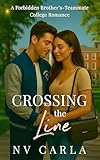
Overview: This forbidden romance dives into the taboo relationship between a college student and her brother’s teammate, creating inherent conflict between loyalty and desire. The story thrives on stolen moments, secret glances, and the constant threat of discovery. Set within a college athletic program, it explores how love can disrupt team dynamics and family bonds.
What Makes It Stand Out: The brother’s-teammate scenario provides organic, high-stakes conflict without forced drama. This specific forbidden relationship creates immediate tension and complex character motivations. The romance must navigate not just personal feelings but team loyalty, brotherly protection, and potential fallout. The secrecy element likely drives passionate, high-intensity interactions that define the forbidden romance subgenre.
Value for Money: At $0.99, this represents minimal financial risk for maximum dramatic potential. Forbidden romance fans can indulge their trope preference without the $4.99 commitment of premium titles. The pricing suggests either a novella or promotional strategy, making it an accessible entry point for readers curious about this specific relationship dynamic.
Strengths and Weaknesses: Strengths include built-in tension, emotional complexity, and the thrill of forbidden love. The athletic setting amplifies stakes through team cohesion concerns. Weaknesses may involve melodramatic moments, underdeveloped characters beyond the central conflict, and a resolution that feels too convenient. The premise requires careful handling to avoid toxicity or consent issues with the brother’s protective role.
Bottom Line: An addictive, tension-filled read for forbidden romance aficionados. The unique relationship dynamic offers fresh conflict within the college sports genre.
6. Brutal Crush: An MM College Hockey Bully Romance (Seasonal Firsts Novellas Book 1)

Overview: This novella launches the Seasonal Firsts series with an intense MM romance set against the competitive world of college hockey. The story explores the bully romance trope within a sports environment, promising high emotional stakes and forbidden attraction between teammates or rivals.
What Makes It Stand Out: The combination of MM representation, hockey culture, and bully romance creates a niche appeal. As a novella, it delivers a concentrated dose of angst and passion without requiring a lengthy time commitment. The seasonal framing suggests timely releases that align with academic calendars or sports seasons, building anticipation for subsequent installments.
Value for Money: At $0.99, this is an exceptionally low-risk introduction to a new author and subgenre. Readers curious about MM sports romance can sample the style without financial commitment. Comparable novellas typically range from $2.99-$4.99, making this a genuine bargain for genre exploration.
Strengths and Weaknesses: Strengths include affordable pricing, underrepresented MM sports representation, and a tight narrative focus. The bully romance dynamic, when done well, offers compelling tension and character growth. Weaknesses stem from the novella format—limited character development and world-building are common. The bully trope requires careful handling to avoid romanticizing toxicity, and series starters often end with cliffhangers.
Bottom Line: Perfect for readers seeking a quick, intense MM hockey romance. The price makes it a no-brainer for fans of the genre, though newcomers should understand bully romance conventions before diving in. A promising series starter worth the investment.
7. Syn’s Death: A Dark College Romance Novella (The Haunted Hearts Series Book 1)
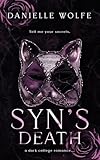
Overview: This dark college romance novella introduces The Haunted Hearts series with a narrative that blends academic settings with intense, potentially dangerous romantic dynamics. The title suggests themes of mortality, obsession, and emotional extremity typical of the dark romance subgenre.
What Makes It Stand Out: The novella format delivers concentrated darkness without the padding sometimes found in full-length novels. As a series opener, it establishes a world where romance intersects with heavier themes. The “Haunted Hearts” branding implies recurring motifs of past trauma, guilt, or psychological complexity that will likely connect across installments.
Value for Money: The $0.99 price point functions as a loss leader, allowing readers to test their tolerance for dark content without significant investment. Dark romance novels frequently cost $4.99-$7.99, making this an economical way to sample the author’s approach to consent, power dynamics, and emotional intensity.
Strengths and Weaknesses: Strengths include the accessible price, focused storytelling, and clear genre positioning. Readers who enjoy morally ambiguous characters and high-stakes emotions will find value. Weaknesses involve the novella constraint—complex psychological arcs may feel rushed. Dark romance requires explicit content warnings, which aren’t mentioned here. Series starters often prioritize hooking readers over delivering complete resolution.
Bottom Line: An affordable entry point for dark romance enthusiasts comfortable with potentially triggering themes. Approach with awareness of the subgenre’s conventions. For $0.99, it’s worth exploring if you enjoy college settings with emotional intensity, but verify content warnings first.
8. Lords Of Ruin: A Reverse Harem Dark College Bully Romance (Ruthless Kings Of Thornhaven Book 1)

Overview: This novel combines three popular tropes—reverse harem, dark romance, and bully dynamics—within an elite college setting. As the first installment in the Ruthless Kings of Thornhaven series, it promises multiple love interests navigating power, privilege, and possessive attraction.
What Makes It Stand Out: Successfully balancing reverse harem with bully romance is challenging, as it requires distinct personalities for each male lead while maintaining cohesive antagonism toward the protagonist. The “Ruthless Kings” branding suggests an established hierarchy and world-building that extends beyond a single relationship dynamic.
Value for Money: At $0.99, this represents extraordinary value for reverse harem fans. Multi-POV narratives with several male leads typically command premium pricing ($5.99-$9.99) due to their complexity. This pricing strategy likely aims to build a readership for the series.
Strengths and Weaknesses: Strengths include the genre-blending premise, affordable entry point, and potential for complex character dynamics. Reverse harem offers variety in romantic interests. Weaknesses involve execution risks—juggling multiple relationships can dilute emotional impact. Dark bully themes may alienate readers seeking lighter content. The first book must establish several characters quickly, potentially sacrificing depth. Cliffhangers are probable.
Bottom Line: An irresistible bargain for reverse harem aficionados interested in darker themes. The price eliminates financial risk, making it ideal for sampling this specific trope combination. Understand that bully romance involves initial cruelty that may be problematic for some readers, but genre fans will find this a worthy addition.
9. Wicked Serve: A Steamy College Romance Novel of Friends with Benefits, Athletic Rivalry, and Heartfelt Choices (Beyond the Play, 4)

Overview: This full-length novel explores the friends-with-benefits trope within a college athletic rivalry context. As the fourth book in the Beyond the Play series, it focuses on characters navigating physical attraction, competitive tension, and eventual emotional commitment.
What Makes It Stand Out: The combination of friends-with-benefits and athletic rivalry creates natural conflict—proximity and familiarity clash with competition and vulnerability. Being a novel rather than novella suggests more developed subplots, secondary characters, and emotional arcs. The “heartfelt choices” element indicates character-driven resolution beyond pure physical attraction.
Value for Money: At $12.63, this reflects standard pricing for indie-published new adult romance novels of substantial length. While significantly higher than the $0.99 options, the full novel format justifies the cost with presumably 300+ pages of content. Readers invested in the series gain continuity and deeper world-building.
Strengths and Weaknesses: Strengths include the mature exploration of casual relationships turning serious, sports setting providing external conflict, and full-length format allowing proper pacing. The series status suggests established readership. Weaknesses include the higher price point for new readers unfamiliar with earlier books. Athletic rivalry tropes can become predictable. Friends-with-benefits narratives sometimes struggle with believable emotional transitions.
Bottom Line: Recommended for readers seeking a substantive college sports romance with emotional depth. The price aligns with market standards for full-length novels. Newcomers should consider starting with earlier series installments for maximum enjoyment, but this functions as a standalone romance for those prioritizing the central relationship.
10. Seeds of Christmas: A STEM college romance novel (University of Mountain Springs: A new adult college romance series Book 5)

Overview: This Christmas-themed romance centers on STEM students in the established University of Mountain Springs world. As the fifth series installment, it blends academic rigor with holiday warmth, focusing on intellectually-driven protagonists navigating romance during the festive season.
What Makes It Stand Out: STEM protagonists remain underrepresented in romance, offering fresh characterization beyond typical jocks or artists. The Christmas setting provides a cozy, time-limited backdrop that accelerates intimacy and forces characters to confront feelings. Being mid-series allows leveraging established world-building while focusing on a new couple.
Value for Money: Priced at $2.99, this occupies the sweet spot between impulse-buy novellas and premium novels. It signals substantial content beyond a short story while remaining accessible. Holiday romances often command slight premiums due to seasonal demand, making this pricing reasonable.
Strengths and Weaknesses: Strengths include the unique STEM focus, holiday charm, and balanced pricing. The academic setting offers intelligent banter and relatable career pressures. Weaknesses involve series placement—new readers may miss references or character cameos. Christmas themes limit optimal reading to winter months. The fifth-book syndrome can sometimes mean recycled plot structures. STEM accuracy varies widely in romance and may disappoint technical readers.
Bottom Line: Ideal for fans of intelligent protagonists and holiday romance. The price is fair for a full narrative experience. While accessible to newcomers, reading earlier University of Mountain Springs books enhances appreciation. A refreshing alternative to typical college romance tropes, best enjoyed during the holiday season for maximum thematic resonance.
Why College Romance Novels Are Your Nostalgia Time Machine
College romance novels function as emotional time capsules because they tap into what psychologists call “reminiscence therapy” through fiction. Unlike high school stories that might feel too juvenile or workplace romances that hit too close to current reality, campus settings occupy a sweet spot of formative transformation. You’re not just reading about characters falling in love—you’re revisiting the version of yourself that believed a single conversation could change your entire trajectory. The best titles in 2026’s landscape understand that nostalgia isn’t about sugarcoating the past; it’s about honoring the intensity of emotions we often dismiss as we age.
The Psychology Behind Campus Love Stories and Memory
Our brains encode college memories differently than other life periods because they typically represent our first extended period of independence. When you crack open a well-crafted campus romance, you’re not just following a plot—you’re activating neural pathways associated with your own coming-of-age.
How Your Brain Connects Fiction to Personal Experience
Research in narrative transportation theory shows that when readers become immersed in stories set in familiar environments, the brain struggles to distinguish between fictional events and personal memories. A dorm room described with sensory details—the sticky heat of a radiator that won’t turn off, the particular echo of hallway footsteps at 2 AM, the smell of ramen mixed with cheap candle wax—can trigger your own stored sensory data. The most effective 2026 novels leverage this by incorporating hyper-specific contemporary details that feel authentic to current students while maintaining timeless emotional beats that resonate across graduation years.
The Role of “Firsts” in Emotional Resonance
College romance novels thrive on the exploration of pivotal firsts: first love, first heartbreak, first adult decision with real consequences. These narratives work because they externalize internal monologues we all had but rarely voiced. When a protagonist agonizes over whether to text their crush or struggles with choosing between a stable internship and a passionate but impractical major, they’re articulating the universal internal dialogue of emerging adulthood. This validation of our past anxieties creates a powerful nostalgic loop, making us feel seen by our younger selves.
Essential Ingredients of Unforgettable College Romance
Not all campus love stories are created equal. The titles that generate the strongest nostalgic responses share several non-negotiable elements that separate them from generic new adult fiction.
Authentic Campus Atmosphere
The difference between a wallpaper setting and a living, breathing campus is in the minutiae. Look for books that mention the specific bureaucracy of financial aid offices, the politics of group project dynamics, or the particular loneliness of a campus during break when most students go home. These details signal that the author has either done their research or has recent lived experience. In 2026, authenticity also means acknowledging how campus life has changed—virtual office hours, dating app culture, and mental health resource utilization are modern realities that should appear naturally in the narrative.
Relatable Character Growth
The most nostalgic-inducing characters are flawed in ways that mirror our own college missteps. They should make cringeworthy decisions based on incomplete information, sabotage good things out of fear, and gradually learn through experience rather than sudden epiphanies. Avoid protagonists who feel like fully-formed adults simply placed in a college setting. The best characters grow horizontally—discovering new aspects of themselves—rather than just vertically maturing from “immature” to “wise.”
The Perfect Balance of Drama and Realism
While some conflict is necessary for narrative drive, the most nostalgically potent books understand that college life provides enough inherent drama without manufactured catastrophes. The stress of finals week, the tension of roommate boundary issues, or the slow-burn realization that your friend group is toxic—these everyday crises resonate more deeply than outlandish plot twists. The key is stakes that feel monumental to the characters but recognizable to the reader as the exact brand of overwhelming that defined their own university years.
Modern Trends Shaping 2026’s College Romance Landscape
The genre has undergone a renaissance, shedding outdated tropes and embracing complexity that reflects how higher education and young adulthood have evolved.
Digital Age Dating Realism
Contemporary college romance novels must grapple with how technology fundamentally rewires courtship. The best 2026 titles don’t just mention texting; they explore the anxiety of “left on read,” the performative nature of social media presence, and the paradox of having infinite romantic options but struggling to form genuine connections. Look for stories where dating apps appear not as plot devices but as integrated aspects of modern social life, complete with their own etiquette and emotional landmines.
Mental Health Representation
Gone are the days when characters breezed through trauma with a single breakthrough conversation. Today’s narratives acknowledge that many students arrive on campus with existing mental health conditions or develop them under academic pressure. The most impactful books handle therapy, medication, and anxiety with nuance—showing these as ongoing processes rather than problems to be solved by romance. This authenticity creates deeper nostalgia because it honors the real struggles many of us faced but never saw reflected in the books we read at the time.
Diverse Campus Experiences
2026’s standout novels recognize that the “traditional” college experience—four years at a residential university immediately after high school—is no longer the majority experience. Quality narratives now include community college transfers, non-traditional students, first-generation college-goers navigating unfamiliar cultural codes, and students balancing education with caretaking or work responsibilities. This expansion means more readers can find stories that match their specific nostalgic terrain.
Plot Structures That Maximize Nostalgic Impact
Certain narrative frameworks are particularly effective at unlocking memory and emotion. Understanding these helps you select books aligned with your personal nostalgia style.
The Friends-to-Lovers Slow Burn
This structure mirrors how many real college relationships developed—through late-night study sessions, shared meal plans, and the gradual realization that your best friend is also your favorite person. The pacing should mirror an academic year, allowing tension to build through small moments: a hand on a shoulder during a crisis, noticing how they take their coffee, the first time you see them dressed up for a formal event. The nostalgic power comes from how accurately it recreates the “did they mean to touch me?” overthinking that defined so many dorm-based friendships.
The Second-Chance Campus Reunion
While technically spanning beyond college years, these stories use the campus reunion as a narrative anchor. The most effective versions interweave present-day chapters with flashbacks to the original college relationship, allowing readers to oscillate between who the characters were and who they’ve become. This structure is particularly nostalgic because it forces reflection on your own evolution since graduation—what you’d tell your college self, which relationships deserved more time, and which heartbreaks were actually gifts.
The Opposites-Attract Dynamic
The classic “different majors, different worlds” setup works because it replicates the social stratification we all experienced. The engineering student and the theater major, the scholarship kid and the legacy admission, the international student and the hometown local—these pairings work best when the conflict stems from genuinely different worldviews rather than superficial misunderstandings. The nostalgia comes from remembering how thrilling and terrifying it was to date someone whose brain worked completely differently than yours.
Character Archetypes That Feel Like Old Friends
While avoiding stereotypes, certain character types consistently deliver the most potent nostalgic experiences because they represent facets of ourselves or people we knew.
The Studious Overachiever with a Hidden Wild Side
This character resonates because they embody the performance of perfection so many of us maintained while secretly falling apart. Their journey involves learning that excellence isn’t sustainable without joy, and that breaking rules occasionally is necessary for sanity. The nostalgic punch comes from their eventual acceptance that a B+ on an exam isn’t catastrophic—a lesson many of us are still learning in our thirties and forties.
The Charismatic Slacker with Surprising Depth
We’ve all known that student who seemed to float through classes with minimal effort but possessed profound emotional intelligence or hidden talents. In quality novels, this character isn’t just a “bad boy/girl” trope—they’re someone whose apparent ease masks real fears about failure or pressure to conform to family expectations. Their arc often involves finding something worth working hard for, which triggers nostalgia for our own moments of discovering purpose.
The Transfer Student Seeking Belonging
This archetype has gained prominence as more students follow non-linear paths. Their outsider perspective allows authors to explain campus culture naturally while exploring themes of starting over and finding your people. For readers who transferred, took gap years, or felt like they never quite fit their initial college choice, this character provides powerful validation and nostalgia for the courage it took to reinvent yourself.
Setting as Character: Choosing Your Ideal Campus World
The university environment should feel as developed as any protagonist. Your nostalgic response will be stronger when the setting matches your personal experience or fantasy.
Ivy-League Prestige vs. State School Grit
Prestigious university settings tap into fantasies of academic grandeur—secret societies, century-old traditions, and the weight of legacy. The nostalgia here is often aspirational, imagining a more elite version of your own experience. Conversely, state school settings emphasize accessibility, football culture, and the genuine diversity of a large public university. These stories trigger memories of crowded bus routes, fighting for parking spots, and finding community in massive lecture halls. Neither is superior; they simply access different nostalgic registers.
Small Liberal Arts Intimacy vs. Big University Energy
The choice between a 2,000-student college and a 40,000-student university fundamentally changes the romance dynamics. Small school stories excel at “everyone knows everyone” tension, where a breakup means navigating shared friend groups and professors who notice your absence. Big university narratives offer anonymity and the thrill of finding your specific niche—whether that’s a quirky student organization or an underground music scene. Consider which environment matches your own nostalgic landscape when selecting your next read.
Study Abroad and Alternative Academic Settings
Some of the most innovative 2026 titles move beyond traditional campuses to semester-at-sea programs, archaeological digs, or agricultural work-study programs. These settings combine the fish-out-of-water tension of being a foreign exchange student with the accelerated intimacy that comes from shared extraordinary experiences. They’re particularly effective for readers whose most nostalgic college memories happened outside the conventional classroom.
Themes That Transport You Back to Your College Days
Beyond plot and character, certain thematic undercurrents are essential for triggering authentic nostalgia. These are the big ideas that college forces us to grapple with, often for the first time.
Identity Formation and Self-Discovery
The best college romance novels understand that romantic relationships during this period are often secondary to the primary relationship: the one you’re forming with yourself. Look for stories where characters question their major, their career path, their values, and their family expectations. The romance should complicate and enrich this self-discovery, not replace it. This mirrors how most of us now recognize that our college relationships were as much about figuring out who we were as they were about the other person.
Friendship Circles and Found Family
Nostalgia for college is rarely just about one person—it’s about the entire ecosystem of relationships. Quality novels give friend groups their own arcs, conflicts, and importance. The romance should feel like it’s happening within a community, not in isolation. Pay attention to how group chats, shared apartments, and collective traditions are portrayed; these details often trigger stronger memories than the central love story itself.
The Weight of Future Uncertainty
Post-graduation anxiety has become more pronounced in recent years, and 2026’s best college romances don’t shy away from it. Characters should worry about job markets, graduate school admissions, and whether their relationship can survive different cities. This theme resonates because it captures the specific terror of senior year, when the protective bubble of campus life prepares to pop. Nostalgia for this period is complex—we miss the simplicity even while remembering the terror.
Writing Quality Markers in Contemporary Romance
In a flooded market, certain technical elements separate forgettable fluff from lasting additions to your nostalgia library.
Dialogue That Sounds Like Real Students
The fastest way to break nostalgic immersion is dialogue that sounds like a thirty-year-old’s idea of how college students talk. Quality writing captures the specific rhythm of academic discourse mixed with internet slang, the inside jokes that develop within friend groups, and the way intelligence manifests as wit rather than vocabulary flexing. Listen to the audiobook sample if available; authentic dialogue should feel performable without sounding like a script.
Pacing That Mirrors Academic Calendar
The most immersive college romances structure their timeline around the natural rhythm of university life: syllabus week flirtations, midterm meltdowns, Thanksgiving break realizations, finals week confessions, and summer separation anxiety. This pacing creates nostalgic structure because it replicates the emotional roller coaster we all rode. Be wary of books where time feels amorphous—specificity in academic scheduling grounds the story in reality.
Balancing Steamy Scenes with Emotional Depth
Physical intimacy in college romance should feel exploratory and significant, not gratuitous. The best authors use these scenes to reveal character vulnerabilities, power dynamics, and emotional growth. Nostalgia is triggered not by the explicitness but by the authenticity—remembering your own fumbling attempts at adult intimacy, the importance of consent conversations, and how physical connection could feel simultaneously revolutionary and terrifying.
Navigating Subgenres for Your Perfect Match
College romance has splintered into specialized niches, each offering different nostalgic flavors. Understanding these helps you find stories that match your specific taste.
Sports Romance on Campus
These stories combine the discipline of athletic life with academic pressure, creating characters whose time management struggles feel superhuman. The nostalgic appeal often lies in the team dynamics, the specific culture of game days and training schedules, and the way romantic relationships must navigate public scrutiny and travel schedules. For readers who were student-athletes or dated them, these novels offer validation of that unique subculture.
Academic Rivals-to-Lovers
The thesis competition, the curved grading scale, the fight for the last spot in a prestigious program—these high-stakes academic rivalries create delicious tension. The most effective versions make both characters legitimately impressive, so their intellectual sparring feels earned. This subgenre triggers nostalgia for the thrill of being challenged by someone who pushes you to be better, and the specific pride of earning respect from a peer who initially dismissed you.
New Adult vs. Traditional College Romance
“New Adult” as a category has matured significantly, now encompassing stories that may start in college but extend into post-grad life, focusing on that liminal period between student and fully independent adult. Traditional college romance stays firmly within the academic years. Your nostalgic preference depends on whether you want to relive the campus bubble or explore the messy transition out of it. Many 2026 readers are gravitating toward series that begin in college and follow characters into their mid-twenties, offering a more complete nostalgic journey.
Red Flags: What to Avoid in Low-Quality Titles
The college romance boom means plenty of hastily written, trend-chasing titles flood the market. Learning to spot these saves both money and emotional investment.
Stereotype-Heavy Characterization
Be wary of books where characters are defined solely by their major (the brooding philosophy major, the cutthroat pre-med) without exploring why they chose that path. Similarly, avoid stories where Greek life is either purely evil or idyllically perfect. Quality novels treat all subcultures with nuance, acknowledging both their appeal and their dysfunctions. If a character could be summarized in three words, the book likely won’t trigger complex nostalgia.
Unrealistic Campus Portrayals
Some red flags include: professors dating students without addressing power dynamics (problematic), characters never attending class yet acing exams, or campuses that feel like resorts with no budget constraints. The most nostalgic stories include the mundane frustrations—broken washing machines, dining hall food fatigue, the scramble for summer housing—that made your own experience real. If the setting feels like a fantasyland, it can’t access genuine memory.
Rushed Emotional Payoffs
College relationships developed slowly, with weeks of ambiguity and mixed signals. Novels that have characters confessing undying love within days miss the point entirely. Look for stories that respect the build, where emotional milestones align with academic ones. A declaration of love feels more earned when it happens after surviving finals together rather than after one perfect date. Rushed timelines break nostalgic immersion because they feel like adult fantasies of youth, not authentic youth experiences.
Building Your Ultimate Reading List Strategy
Curating a personal collection of college romance novels requires more than just downloading whatever’s trending. A strategic approach ensures each book deepens your nostalgic experience rather than diluting it.
Curating for Mood vs. Story Depth
Some days you want lighthearted escapism that reminds you of carefree moments; other times you’re seeking profound emotional processing of unresolved college experiences. Build separate mental categories: “comfort reads” for when you need a warm hug from your past, and “challenge reads” for when you’re ready to confront complicated memories. The most satisfying nostalgic journey involves both—alternating between sweet, low-conflict stories and heavier narratives that tackle grief, mental health crises, or systemic barriers.
Mixing Established Authors with Fresh Voices
Veteran authors of the genre understand its rhythms but can sometimes rely on outdated tropes. Debut authors bring current campus authenticity but may lack narrative polish. The sweet spot is often authors 3-5 years post-graduation who are writing their first or second novels—their memories are fresh but they’ve had time to develop craft. In 2026, look for writers who graduated around 2020-2022; their pandemic-era college experience offers a unique nostalgic angle for those who lived through it.
Seasonal Reading for Maximum Vibes
Align your reading with the academic calendar for intensified nostalgia. Dive into freshman-year stories in September when real campuses are buzzing with new energy. Save senior-year narratives for spring when graduation photos flood your social media. Winter break settings hit differently when you’re actually home for the holidays, surrounded by family dynamics you escaped at school. This synchronization creates a meta-experience where fiction and reality blur, deepening the nostalgic impact.
Format Choices: Enhancing Your Reading Experience
How you consume these stories significantly affects their nostalgic power. Different formats access different memory systems.
Audiobooks for Commuter Nostalgia
There’s something about hearing college romance narrated during your own commute that creates a powerful parallel experience. The right narrator can make dialogue sound like it’s happening in the car with you, transforming traffic jams into imaginary road trips back to campus. Look for dual narration when a story alternates between two protagonists—it mirrors the back-and-forth energy of getting to know someone. The downside: you can’t easily reread favorite passages, so save audiobooks for first reads rather than nostalgic revisits.
Physical Books for Margin-Note Memories
Writing in the margins transforms reading into a dialogue with your past self. Jotting “this happened to me!” or “I felt this way too” creates a time capsule you’ll treasure when rereading years later. The tactile experience of different paper types, font choices, and cover textures also triggers sensory memory. There’s a reason so many of us kept textbooks with notes—they’re artifacts of who we were. College romance novels deserve the same archival treatment.
E-books for Privacy and Portability
Sometimes nostalgia is private. Reading on a device allows you to indulge in emotional stories without broadcasting your reading choices to subway strangers or family members. The backlighting means you can read under the covers like you did with forbidden books in your actual dorm room. Plus, the ability to highlight and search text makes it easy to find that one perfect quote about heartbreak or hope. The trade-off is the lack of physical presence—e-books don’t age with you the way paperbacks do.
Community and Discussion: Extending the Magic
Nostalgia is inherently social—we remember collectively as much as individually. Engaging with other readers amplifies the experience.
Book Clubs and Online Forums
The best discussions happen when readers from different graduation years compare how college life changed (or didn’t). Someone who graduated in 2015 might be shocked that students now have apps for everything, while a 2023 graduate might be fascinated by pre-smartphone courtship. These intergenerational conversations within the genre create a richer understanding of your own place in the continuum of campus experiences. Look for clubs that specifically focus on new adult romance—they tend to attract readers who value emotional depth over escapism.
Social Media Engagement Without Spoilers
Platforms like TikTok and Instagram have vibrant college romance communities, but the algorithm favors dramatic reveals. To protect your reading experience, follow general genre accounts rather than specific book influencers until you’ve finished a title. Create separate lists or feeds for “to-be-read” content versus “already-read” discussion. The nostalgic value often lies in being surprised by how accurately a scene captures a feeling you thought was unique to your experience—spoilers rob you of that revelation.
Frequently Asked Questions
What makes college romance novels different from other romance subgenres?
College romance occupies a unique developmental space between the identity formation of YA and the stability-seeking of adult romance. The characters are simultaneously independent and supported, experiencing adult consequences with training-wheel resources. This creates a specific tension where love feels both all-consuming and terrifyingly temporary. Unlike workplace romance where characters have established lives, college romance captures people actively building their identities, making every relationship decision feel monumental and identity-defining.
How do I know if a college romance will trigger nostalgic feelings for me?
Check the specificity of details. Does the book mention particular campus traditions, regional weather patterns that affect social life, or the exact smell of a dining hall? Generic descriptions won’t access memory. Also look for emotional accuracy—characters should feel things with an intensity that seems disproportionate to the event but perfectly mirrors how you actually experienced college crises. Reading the first chapter should give you either a pang of recognition or a sense of “this feels like my school.”
Are college romance novels appropriate for readers who didn’t attend university?
Absolutely. While graduates get an extra layer of memory-triggering, the core themes—first independence, identity formation, found family—are universal to the early twenties experience. Many readers who went straight into the workforce or military find these stories resonate with their own parallel experiences of young adulthood. The best authors craft stories accessible to anyone who remembers being young and lost, regardless of their educational path.
What age group are these novels best suited for?
The primary audience is 25-40 year-olds experiencing retrospective nostalgia, but the genre has expanded significantly. Current college students (18-22) read them as mirrors of their own experience, while readers over 40 enjoy them as time capsules of how youth culture has evolved. In 2026, we’re seeing more “college romance for parents” marketing, acknowledging that the genre helps older adults understand their children’s experiences while processing their own memories.
How has the college romance genre changed in recent years?
The biggest shift is toward authenticity over fantasy. Where early 2010s titles focused on billionaire’s sons and impossible luxury, 2026’s best books address student debt, mental health crises, and the gig economy. There’s also been a move away from exclusively white, heterosexual, able-bodied protagonists. Modern college romance reflects the actual demographics of contemporary campuses, including first-generation students, LGBTQ+ identities, and neurodivergent characters whose experiences add new layers to the nostalgic tapestry.
Can I find college romance novels with diverse representation?
Diversity is now the standard, not the exception. The question has shifted from “are there diverse books?” to “which specific experiences are being represented?” You can find stories centered on HBCU campuses, community college transfers, international students navigating visa restrictions, and disabled students managing both coursework and accessibility challenges. This expansion means readers from marginalized backgrounds can finally access the same nostalgic validation that straight, white readers have long enjoyed.
What’s the difference between ’new adult’ and ‘college romance’?
College romance is a setting-specific subgenre, while new adult is a broader age-category that can include any plot (workplace, fantasy, etc.) featuring characters roughly 18-25. All college romance is new adult, but not all new adult is college romance. However, the terms are increasingly used interchangeably in marketing, so check the actual content description. If you specifically want campus settings, search for “college romance” rather than relying on the “new adult” label.
How do I avoid books with problematic power dynamics?
Read reviews carefully, particularly from student readers if available. Red flags include: professor-student relationships without critical examination of ethics, significant age gaps without addressing developmental differences, or coaches/RA’s dating their charges portrayed as romantic rather than concerning. Quality 2026 novels either avoid these dynamics entirely or treat them as complex issues with real consequences. Look for blurbs that mention “consent,” “healthy relationships,” or “power dynamics” to find responsibly written stories.
Are there college romance novels that focus on friendship over romance?
Increasingly, yes. The genre is expanding to include “college friendship novels” or “campus life novels” where romance is secondary to platonic bonds. These stories understand that for many people, college friends were the real loves of their lives. Search for terms like “found family,” “friend group,” or “college life fiction” to find these narratives. They often deliver more potent nostalgia because they capture the all-encompassing nature of college friendships that romantic plots sometimes overshadow.
How can I use these books to process my own college experiences?
Approach them as narrative therapy. Journal about what scenes trigger strong reactions and why. If a particular breakup scene devastates you, explore whether you’re mourning the fictional relationship or your own. Many readers find it helpful to read with a specific intention: “I want to understand why my first love ended” or “I need to appreciate how much I’ve grown.” Some therapists even recommend romance novels as tools for reframing past relationships and practicing emotional regulation. The key is active reading—engaging with the text as a mirror rather than just a distraction.