In a world where elementary children navigate increasingly complex social landscapes, kindness isn’t just a virtue—it’s a critical life skill that shapes their relationships, academic success, and emotional wellbeing. Graphic novels have emerged as one of the most powerful mediums for embedding these essential lessons into young hearts and minds. Unlike traditional text-heavy books, the combination of visual storytelling and purposeful dialogue creates an immersive experience that helps children literally see empathy in action, making abstract concepts tangible and memorable.
The right kindness-centered graphic novel doesn’t just tell a story; it provides a safe space for children to explore social scenarios, witness the impact of their actions, and develop emotional intelligence through characters they can relate to. Whether you’re a parent building a home library, a teacher curating a classroom collection, or a librarian seeking impactful additions to your shelves, understanding what makes these visual narratives effective will transform how you select and use them with young readers.
Top 10 Kindness Graphic Novels for Elementary Kids
Detailed Product Reviews
1. El Deafo: A Graphic Novel

Overview: El Deafo is Cece Bell’s award-winning graphic memoir about her childhood experience with hearing loss after meningitis. Through a superhero metaphor, Bell transforms her bulky Phonic Ear hearing aid into a source of power, allowing her to hear teachers anywhere in school. The story follows young Cece navigating friendships, isolation, and self-acceptance while deaf in a hearing world.
What Makes It Stand Out: The novel’s brilliance lies in its innovative visual storytelling. Bell depicts all characters as rabbits, with oversized ears poetically emphasizing hearing differences. The art—simple yet expressive—makes complex emotions accessible to middle-grade readers while resonating with adults. The superhero framework reframes disability as empowerment, avoiding patronizing tropes common in children’s literature about disability.
Value for Money: At $8.79, this is exceptional value for a Newbery Honor-winning graphic novel. Comparable memoirs like Raina Telgemeier’s Smile retail for $10-$12, making El Deafo a budget-friendly yet equally impactful addition to any collection. The paperback’s durability ensures repeated readings.
Strengths and Weaknesses: Strengths include authentic representation of deaf experiences, humor balanced with emotional depth, and universal themes of belonging. Visual sound effects creatively illustrate hearing perspectives. Weaknesses: the rabbit metaphor may feel too stylized for readers preferring realism. Some panels are text-heavy, potentially challenging reluctant readers. The 1970s setting might feel dated to modern kids.
Bottom Line: A must-have for ages 8-12, El Deafo belongs in every school library and home bookshelf. It builds empathy while entertaining, making it ideal for both deaf and hearing readers seeking authentic representation.
2. Allergic: A Graphic Novel

Overview: Allergic tells the story of Maggie, a young girl whose dreams of getting a pet are shattered when she discovers she’s severely allergic to animal dander. Written by Megan Wagner Lloyd with art by Michelle Mee Nutter, this middle-grade graphic novel explores Maggie’s journey through disappointment, friendship struggles, and her quest to find an allergy-friendly companion.
What Makes It Stand Out: The novel uniquely addresses childhood allergies—an underrepresented topic in kids’ literature—with remarkable sensitivity. It validates the frustration of physical limitations while maintaining an optimistic, solution-focused narrative. Nutter’s clean, contemporary art style captures emotional nuances effectively, and the diverse cast reflects modern classrooms authentically.
Value for Money: At just $7.90, Allergic is one of the most affordable quality graphic novels available. Similar contemporary graphic novels typically start at $9.99, making this an accessible entry point for building a child’s library. The themes remain relevant across multiple readings.
Strengths and Weaknesses: Major strengths include its timely subject matter, emotional authenticity, and the way it normalizes medical challenges without stigma. The subplot about friendship dynamics adds depth beyond the allergy theme. However, the plot follows a somewhat predictable arc, and the resolution may feel too neat for older readers. The art, while competent, lacks the distinctive style of more established graphic novelists.
Bottom Line: Perfect for children ages 7-10, especially those managing allergies or other medical conditions. While not groundbreaking in narrative complexity, its specific focus and empathetic approach make it a valuable, affordable addition to any young reader’s collection.
3. The Sleepover: A Graphic Novel

Overview: The Sleepover, by Lucy Knisley, follows an anxiety-ridden protagonist navigating what should be a simple slumber party that spirals into a night of social tension and self-discovery. This middle-grade graphic novel examines friendship hierarchies, social anxiety, and the pressure to fit in during formative years.
What Makes It Stand Out: Knisley’s signature autobiographical style brings raw authenticity to childhood social anxieties rarely explored this honestly in middle-grade fiction. The narrative courageously depicts exclusion, panic attacks, and the complexity of female friendships without oversimplification. Her art—expressive and detailed—visually manifests anxiety in ways young readers can identify and process.
Value for Money: Priced at $13.99, this sits at the higher end for middle-grade graphic novels. However, Knisley’s established reputation from adult graphic memoirs like Relish justifies the premium. You’re paying for literary quality and psychological depth uncommon in this category, comparable to Raina Telgemeier’s Guts at similar pricing.
Strengths and Weaknesses: Strengths include unflinching emotional honesty, sophisticated character development, and therapeutic value for anxious kids. Knisley’s visual metaphors for anxiety are particularly powerful. Weaknesses: the intense focus on social stress may overwhelm sensitive readers. The price point is steep compared to alternatives. Some plot elements feel derivative of Telgemeier’s work, and the pacing occasionally meanders.
Bottom Line: Ideal for ages 9-12 dealing with social anxiety or friendship issues. The higher price reflects its literary merit, but parents should preview content for emotionally vulnerable children. A worthy investment for the right reader.
4. The Girl Who Drank the Moon (Winner of the 2017 Newbery Medal)

Overview: This 2017 Newbery Medal winner by Kelly Barnhill is a spellbinding fantasy novel set in a world where an oppressive Protectorate annually sacrifices a baby to a “witch” in the forest. In truth, the witch Xan rescues these children, accidentally imbuing one—Luna—with extraordinary magic. The narrative weaves together multiple perspectives in a tale of love, sacrifice, and challenging systemic cruelty.
What Makes It Stand Out: Barnhill’s prose is luminous and lyrical, elevating the book beyond typical middle-grade fantasy. The story’s moral complexity refuses to paint characters as purely good or evil, instead examining how fear and misinformation perpetuate oppression. The magic system is organic and emotionally driven, while the cast—including a tiny dragon and a wise swamp monster—offers unforgettable companionship.
Value for Money: At $7.66 for a Newbery Medal-winning hardcover, this is exceptional value. Comparable award-winning novels typically retail for $12-$16. The rich language and layered storytelling reward multiple readings, making it a long-term investment in a child’s literary development.
Strengths and Weaknesses: Strengths include exquisite writing, profound themes about authoritarianism and empathy, and memorable world-building. The multi-generational narrative adds sophistication. However, the slow-burn pacing and complex vocabulary may challenge younger or reluctant readers. It’s prose, not a graphic novel, which may disappoint visual learners expecting illustrations. The large cast can initially confuse some readers.
Bottom Line: Essential for ages 10-14 who love fantasy and strong storytelling. While not a graphic novel, its literary merit is undeniable. Best for confident readers ready for thematic depth beyond typical genre fare.
5. White Bird: A Wonder Story (A Graphic Novel)

Overview: White Bird, a graphic novel by R.J. Palacio, expands the Wonder universe by exploring Julian’s grandmother Sara’s harrowing experience as a Jewish girl hidden during WWII. The frame narrative connects contemporary bullying to historical atrocities, following young Sara’s survival with the help of a classmate’s family who shelter her from Nazi persecution in occupied France.
What Makes It Stand Out: Palacio masterfully bridges her modern anti-bullying message with Holocaust education, making historical trauma accessible to middle-grade readers without trivializing it. The graphic novel format allows younger audiences to engage with difficult history through visual storytelling. The connection to Wonder provides a familiar entry point while standing alone as a powerful historical narrative.
Value for Money: At $9.94, this is fairly priced for a hardcover graphic novel from a bestselling author. Similar historical graphic novels like Art Spiegelman’s Maus (for older audiences) command higher prices. The Wonder brand recognition adds value while delivering substantive educational content.
Strengths and Weaknesses: Strengths include the important historical lesson, emotional resonance, and Palacio’s ability to make history personal. The art is clean and expressive, suitable for the target age. However, the Holocaust’s brutality, even sanitized, may be too intense for sensitive readers under 10. The Wonder connection, while marketing genius, may feel forced to purists. The narrative occasionally veers toward didacticism.
Bottom Line: Recommended for ages 10+ as an introduction to Holocaust literature. Parents should discuss content with children beforehand. While emotionally challenging, it’s a valuable, well-crafted historical graphic novel that earns its place alongside Wonder.
6. PAWS: Hazel Has Her Hands Full: A Graphic Novel

Overview: PAWS: Hazel Has Her Hands Full is a heartwarming graphic novel that follows young Hazel as she navigates the challenges of pet ownership and responsibility. This middle-grade story combines relatable childhood experiences with the unique joys and frustrations of caring for animals, making it an engaging read for young animal lovers.
What Makes It Stand Out: The graphic novel format makes complex emotions about responsibility accessible to younger readers. Hazel’s journey offers authentic portrayals of pet care challenges—from unexpected vet visits to balancing school and animal duties. The visual storytelling captures both humorous and heartfelt moments, creating an immersive experience that resonates with children who dream of having pets or already juggle pet responsibilities.
Value for Money: At $11.74, this graphic novel sits comfortably in the standard price range for quality middle-grade illustrated fiction. Compared to similar pet-themed stories like the “Vet Volunteers” series or other graphic novels, it offers comparable value with the added benefit of visual appeal that can engage reluctant readers who might avoid traditional chapter books.
Strengths and Weaknesses: The book’s greatest strength lies in its realistic depiction of pet ownership, teaching responsibility without being preachy. The artwork is engaging and age-appropriate. However, its niche focus on pet care may not appeal to readers without interest in animals. Some plot points may feel predictable to older middle-grade readers, and the story might lack the depth that adult readers seek in children’s literature.
Bottom Line: Perfect for young readers ages 8-12 who love animals, this graphic novel successfully balances entertainment with gentle life lessons about commitment and empathy. While not universally appealing, it fills a specific niche admirably and deserves a spot on any young pet enthusiast’s bookshelf.
7. Fahrenheit 451

Overview: Ray Bradbury’s Fahrenheit 451 remains one of the most powerful dystopian novels ever written, presenting a future where books are banned and “firemen” burn them. This edition delivers the complete unabridged text of the 1953 classic that continues to resonate in our digital age, exploring themes of censorship, conformity, and the power of knowledge.
What Makes It Stand Out: Bradbury’s poetic prose and prescient vision distinguish this work from typical dystopian fare. The novel predicted earbud technology, wall-sized televisions, and the decline of critical thinking decades before they emerged. Its compact length belies profound philosophical depth, making it accessible yet intellectually stimulating. The narrative’s emotional core—fireman Guy Montag’s awakening and rebellion—provides a deeply human entry point into its cautionary themes.
Value for Money: At $9.05, this represents exceptional value for a cornerstone of American literature. Most mass-market paperback classics retail between $10-15, making this an affordable entry point for students and casual readers alike. The price point democratizes access to essential reading that belongs in every personal library, regardless of budget constraints.
Strengths and Weaknesses: The novel’s lyrical writing style and enduring relevance are undeniable strengths. Its short length makes it perfect for classroom study or quick but meaningful reads. However, Bradbury’s metaphor-heavy prose can challenge younger readers, and some 1950s gender portrayals feel dated. The pace may seem slow to those expecting modern YA dystopian action sequences.
Bottom Line: This is essential reading for anyone interested in literature, freedom of thought, or social commentary. Despite minor dated elements, its core message has only grown more urgent. An absolute bargain at this price—buy it, read it, and pass it on.
8. Class Act: A Graphic Novel (New Kid)
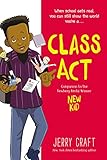
Overview: Class Act, the companion graphic novel to Jerry Craft’s Newbery Medal-winning New Kid, continues exploring diversity and friendship through the experiences of Drew Ellis at Riverdale Academy Day School. This sequel shifts perspective while maintaining the series’ commitment to authentic representation of students of color in predominantly white private schools.
What Makes It Stand Out: Craft’s nuanced approach to privilege, race, and class sets this apart from typical middle-grade fare. The graphic novel format allows complex social dynamics to unfold visually, making heavy topics digestible for young readers. The author’s personal experiences inform every panel, creating an authenticity rarely seen in children’s literature tackling systemic inequality. The character development feels genuine rather than didactic.
Value for Money: Priced at $13.79, this reflects the quality of award-winning, full-color graphic storytelling. While slightly above basic graphic novel pricing, it justifies the cost through its educational value and artistic merit. Comparable titles like Raina Telgemeier’s works command similar prices, making this competitive for its category.
Strengths and Weaknesses: The book excels in opening conversations about difficult topics, featuring rich character arcs and stunning artwork. It works as a standalone but offers deeper resonance after reading New Kid. The primary weakness is its heavy thematic content, which may require adult guidance for younger readers. Some plot threads feel unresolved, likely setting up future installments.
Bottom Line: A must-read for middle-schoolers, educators, and parents seeking to discuss equity and empathy. While best enjoyed after New Kid, its standalone quality and important message make it a worthwhile addition to any young reader’s collection. The price is justified by its transformative potential.
9. Listening with My Heart: A story of kindness and self-compassion

Overview: Listening with My Heart is a gentle picture book designed to introduce young children to the concepts of self-compassion and emotional awareness. Through simple narrative and illustrations, it guides readers toward understanding that kindness should extend inward, not just outward—an essential lesson for developing emotional intelligence in early childhood.
What Makes It Stand Out: Unlike many kindness books that focus solely on others, this title uniquely emphasizes self-compassion, filling a critical gap in social-emotional learning resources for ages 4-8. The narrative structure provides concrete examples children can apply when facing failure or disappointment. Its accessible language makes abstract emotional concepts tangible, serving as both a story and a practical tool for parents and educators.
Value for Money: At $16.65, this sits at the higher end of picture book pricing, where most titles range from $12-17. The premium reflects its specialized focus on mental health and emotional development. For parents proactively addressing emotional resilience, the investment pays dividends. However, budget-conscious buyers might find similar themes in less expensive alternatives.
Strengths and Weaknesses: The book’s greatest asset is its unique focus on self-kindness, presented in an age-appropriate manner. It sparks meaningful conversations between children and caregivers. The main drawback is its niche focus—those seeking general kindness stories might find it too specific. The higher price point and potentially repetitive message for older children within the target range limit its broader appeal.
Bottom Line: An excellent resource for parents and teachers prioritizing emotional literacy. While not a casual read-aloud for every family, its specialized approach to self-compassion makes it invaluable for children struggling with perfectionism or self-criticism. Worth the investment for its targeted therapeutic value.
10. Dog Man: Fetch-22: A Graphic Novel (Dog Man #8): From the Creator of Captain Underpants

Overview: Dog Man: Fetch-22 marks the eighth installment in Dav Pilkey’s wildly popular series, delivering more of the absurd humor and slapstick adventures that have made the crime-fighting canine a household name. This graphic novel follows Dog Man as he faces new villains and comedic challenges, maintaining the series’ signature blend of simple text and engaging illustrations.
What Makes It Stand Out: Pilkey’s genius lies in creating books that genuinely excite reluctant readers. The flip-o-rama pages, minimal text per page, and gross-out humor are precisely what many children crave. The series consistently tops bestseller lists because it respects what kids find funny while subtly building reading confidence. Fetch-22 continues this tradition with fresh villains and the same irreverent spirit.
Value for Money: At $7.76, this represents outstanding value—significantly undercutting most graphic novels while delivering proven entertainment. Comparable titles typically retail for $10-13, making this an accessible purchase for multiple installments. For parents battling screen time, the cost-per-laugh ratio is exceptional.
Strengths and Weaknesses: The series excels at engaging struggling or reluctant readers, building vocabulary through repetition and visual context. The humor is perfectly calibrated for ages 6-10. However, the simplistic plots and juvenile jokes may not appeal to more advanced young readers or adults. The formulaic structure can feel repetitive, and the bathroom humor, while kid-approved, isn’t for every family.
Bottom Line: Essential for fans and a secret weapon for parents of reluctant readers. While not high literature, it accomplishes its mission brilliantly—getting kids excited about reading. The price makes it a no-brainer addition to any early reader’s collection. Buy it, embrace the silliness, and watch your child devour pages.
Why Graphic Novels Are Powerful Tools for Teaching Kindness
The Visual-Emotional Connection
Children’s brains process visual information 60,000 times faster than text, making graphic novels an incredibly efficient delivery system for emotional learning. When a young reader sees a character’s downturned eyes, slumped shoulders, or tentative smile, they instantly recognize the emotional state without needing explicit description. This direct visual pathway to empathy bypasses the cognitive processing required for text-only stories, creating an immediate, visceral understanding of how kindness—or its absence—affects others.
How Sequential Art Builds Empathy
The panel-by-panel nature of graphic novels mirrors how children naturally sequence events in their own minds. Each frame acts as a “pause button,” giving readers time to absorb emotional nuances and predict consequences. This structure encourages kids to ask, “What would I do in that situation?"—the foundational question of empathy development. The gutters between panels require active participation, as young minds fill in the emotional gaps, strengthening their ability to infer others’ feelings and motivations.
Understanding Age Appropriateness for Elementary Readers
Decoding Developmental Stages
Elementary children aren’t a monolithic group; their capacity for abstract thinking, emotional regulation, and social awareness evolves dramatically from kindergarten through fifth grade. A graphic novel that resonates with a second grader might feel condescending to a fifth grader, while content appropriate for upper elementary students could overwhelm younger readers. The sweet spot lies in finding stories that match their cognitive stage while gently stretching their emotional comprehension.
Early Elementary (K-2) Considerations
For the youngest readers, look for graphic novels with simple panel layouts—often just two to four panels per page—and minimal text. Characters should display emotions through exaggerated, clear facial expressions and body language. Stories typically focus on concrete actions: sharing a toy, inviting someone to play, or helping a friend who’s fallen. The kindness lessons should be explicit but woven into everyday situations like recess, classroom activities, or family interactions. Color palettes tend toward bright, warm tones that create feelings of safety and positivity.
Upper Elementary (3-5) Complexity
Older elementary readers can handle more sophisticated visual storytelling, including varied panel sizes, flashbacks, and subtextual emotional cues. They benefit from narratives that explore complex social dynamics: standing up for others, navigating peer pressure, or understanding different cultural perspectives. The kindness themes become more nuanced—recognizing that being kind sometimes means having difficult conversations or supporting someone when it’s inconvenient. These readers appreciate stories where characters wrestle with internal conflict before choosing kindness, making the moral journey feel earned and authentic.
Essential Themes That Define Quality Kindness Narratives
Empathy in Action
The most impactful kindness graphic novels don’t just preach empathy—they demonstrate it through character choices that have real consequences. Look for stories where protagonists actively listen to others, ask questions to understand different viewpoints, and take tangible steps to help. The narrative should show the process of developing empathy: initial misunderstanding, active effort to learn, and eventual connection. This mirrors the real-world journey children face when building relationships across differences.
Inclusive Community Building
Strong titles move beyond individual acts of kindness to show how compassionate behavior creates ripple effects throughout a community. These stories feature diverse groups of characters working together, resolving conflicts through understanding rather than competition, and building inclusive spaces where everyone belongs. The visual nature of graphic novels excels at showing collective emotional experiences—crowd reactions, group celebrations, or community support—that reinforce how individual choices contribute to a larger culture of kindness.
Conflict Resolution Without Aggression
Children need models for resolving disagreements that don’t rely on winning, physical confrontation, or verbal put-downs. Quality kindness graphic novels present conflicts where characters use emotional intelligence, perspective-taking, and collaborative problem-solving. The visual medium is particularly effective here, as readers can see characters’ faces shift from anger to curiosity to understanding, providing a roadmap for their own emotional regulation during disagreements.
Visual Storytelling Elements That Amplify Kindness Lessons
Color Psychology in Emotional Learning
Pay attention to how color choices support kindness themes. Warm yellows and soft greens often accompany acts of compassion, while cooler blues might represent loneliness or isolation before connection occurs. Some of the most effective kindness graphic novels use color temperature to show emotional transformation—a character surrounded by gray tones who gradually moves into warmer hues as they experience acceptance and friendship. This visual metaphor helps children understand emotional states they might not have words for yet.
Facial Expressions and Body Language Cues
The best artists for elementary readers master the art of subtle emotional expression. A slight eyebrow raise, a tentative hand reaching out, or a posture shift from closed to open—these details teach children to read nonverbal cues, a critical component of empathy. When evaluating graphic novels, notice whether characters’ expressions match their words and whether emotional transitions feel natural. Books that excel here provide a visual vocabulary for emotions that children can apply to their real-world interactions.
Panel Layout and Pacing for Emotional Impact
The rhythm of panels controls how long readers linger on an emotional moment. A small panel with a single tear falling might be followed by a full-page spread showing a comforting embrace, giving weight to the kindness act. Artists use panel borders—solid for certainty, wavy or broken for confusion, absent for moments of pure emotional connection—to guide young readers through the emotional landscape. Understanding these techniques helps you choose books that prioritize emotional processing over plot speed.
Character Development Features to Evaluate
Relatable Protagonists Who Make Mistakes
Perfect characters who always say the right thing don’t help children learn. The most effective kindness graphic novels feature protagonists who stumble—who say something unkind in frustration, exclude someone accidentally, or misread a social cue. These mistakes create teaching moments, and the visual format allows readers to see the immediate impact of their actions on others’ faces. The character’s journey toward making amends and choosing better next time provides a realistic, achievable model for young readers.
Antagonists Who Learn and Grow
Beware of stories with one-dimensional “bullies” who exist merely to be mean. Quality narratives give context to unkind behavior, showing that hurt people often hurt people. When the art reveals an antagonist’s loneliness, insecurity, or misunderstanding, it encourages readers to see beyond surface behaviors. The most powerful stories allow antagonists to evolve, demonstrating that kindness can be transformative for everyone—not just the recipients.
Diverse Perspectives and Backgrounds
Children need to see kindness practiced across different family structures, cultures, abilities, and socioeconomic backgrounds. Graphic novels that show characters navigating cultural differences, language barriers, or different neurological experiences help normalize diversity while emphasizing our shared need for connection. The visual format excels at showing these differences while highlighting universal emotional responses, building both cultural competence and empathy simultaneously.
The Role of Representation and Diversity
Mirror and Window Experiences
Quality collections should provide both “mirrors” where children see their own experiences reflected and “windows” into lives different from their own. For kindness education, this dual approach is essential. A child who sees their own social anxiety mirrored in a character learns self-compassion, while seeing kindness extended to someone from a different background expands their circle of empathy. Graphic novels uniquely deliver both experiences through visual representation and narrative perspective.
Cultural Contexts for Kindness
Different cultures express and value kindness in varied ways—some emphasize direct help, others prioritize maintaining harmony, while some focus on collective responsibility. Effective graphic novels show these cultural variations without ranking them, helping children understand that there’s no single “right” way to be kind. Look for stories where characters learn from each other’s cultural approaches to compassion, creating a richer, more inclusive understanding of kindness.
Neurodiversity and Different Abilities
Children with autism, ADHD, or other neurological differences often experience social situations differently. Graphic novels that feature neurodivergent characters (as protagonists or key friends) visually represent these different perspectives—perhaps through sensory overload depicted with chaotic panel layouts, or social confusion shown through abstracted facial expressions. When kindness is extended through these differences, it teaches all children that compassion means meeting people where they are, not expecting everyone to process emotions the same way.
Matching Books to Reading Levels
Decoding Text Complexity
While visuals support comprehension, the text itself matters tremendously. For emerging readers, speech bubbles should contain short, simple sentences with high-frequency words. As reading levels advance, look for more complex sentence structures, vocabulary that stretches understanding, and subtext where what’s said differs from what’s shown visually. The best kindness graphic novels layer meaning—allowing less confident readers to follow the story through art while challenging advanced readers with nuanced dialogue.
Supporting Emerging Readers
For children still building reading stamina, graphic novels offer natural breaks. The visual narrative continues even when they pause to decode text, preventing frustration and maintaining engagement. Look for titles where the art clearly shows who’s speaking (through tail direction, color-coding, or position) and where emotional tone is reinforced visually. This scaffolding allows struggling readers to access sophisticated kindness themes without being hindered by reading level.
Challenging Advanced Readers
Don’t assume graphic novels are “too easy” for strong readers. Many offer complex narrative structures, unreliable narrators, or visual metaphors that require critical analysis. For advanced elementary readers, seek out stories with parallel narratives (one in text, one in art), ambiguous emotional resolutions that require inference, or historical/cultural contexts that add layers of meaning. These elements keep skilled readers engaged while delivering powerful kindness messages.
Building Discussion and Reflection Opportunities
Questions That Spark Deeper Thinking
The conversation after reading matters as much as the book itself. Instead of asking “Did you like it?” try questions like “What panel made you feel the most empathy for the character?” or “How would the story change if told from another character’s perspective?” These questions leverage the visual nature of the medium, encouraging children to articulate how art influenced their emotional response and moral reasoning.
Connecting Stories to Real Life
Help children bridge the gap between fictional scenarios and their own experiences. After reading, ask them to identify a moment when they felt like a character or to brainstorm how they might apply a kindness strategy from the book to a current friendship challenge. Graphic novels provide concrete visual memories that children can reference: “Remember when the character took a deep breath before responding? Let’s try that.” This makes social-emotional learning actionable rather than abstract.
Journaling and Creative Response Activities
Extend the learning by encouraging children to create their own one-page kindness comics based on a real experience. This activity reinforces the story’s lessons while developing their ability to identify kind acts in everyday life. Provide prompts like “Draw a time someone was kind to you when you were sad” or “Show a moment when you helped someone feel included.” The act of visualizing kindness strengthens neural pathways associated with empathy and prosocial behavior.
Integrating Graphic Novels into SEL Curriculum
Alignment with CASEL Competencies
The Collaborative for Academic, Social, and Emotional Learning (CASEL) identifies five core competencies: self-awareness, self-management, social awareness, relationship skills, and responsible decision-making. Effective kindness graphic novels touch all five, but some excel in specific areas. Map your selections to your learning goals—perhaps one title for developing social awareness around diversity, another for self-management during conflicts. This intentional alignment transforms casual reading into targeted skill development.
Cross-Curricular Connections
Kindness graphic novels aren’t just for SEL blocks. Use them in language arts to teach inference and character analysis, in art classes to study visual storytelling techniques, in social studies to explore community roles, or in science to discuss emotional responses in the brain. This integration normalizes kindness as a universal value rather than a separate lesson, embedding it into the academic fabric of the day.
Measurable Learning Outcomes
While kindness itself resists quantification, related skills can be observed and documented. Create simple rubrics that track students’ ability to identify characters’ emotions from visual cues, predict consequences of kind vs. unkind actions, or generate alternative compassionate solutions to story conflicts. Pre- and post-reading surveys about students’ willingness to include others or help classmates can reveal the real-world impact of your graphic novel selections.
How Visuals Build Empathy Differently Than Text Alone
Mirror Neurons and Visual Processing
When children see a character’s compassionate gesture, their mirror neurons fire as if they were performing the action themselves. This neurobiological response creates a physical memory of kindness that text alone cannot produce. The detailed facial expressions in graphic novels activate the fusiform face area of the brain, allowing young readers to practice reading emotions in a low-stakes environment. This repeated practice strengthens their ability to recognize and respond to real emotional cues.
Showing vs. Telling Emotional States
Text can tell us a character feels left out, but a graphic novel can show it through body language positioned at the edge of a panel, smaller size compared to grouped characters, and cooler color tones. This visual showing bypasses cognitive filters and speaks directly to emotional understanding. Children absorb these cues subconsciously while consciously following the plot, building emotional literacy through dual-processing channels.
The Power of Silent Panels
The most profound kindness moments often happen without words. A silent panel showing a hand extended, a shared glance of understanding, or a quiet hug communicates volumes about human connection. These wordless moments teach children that empathy doesn’t always require perfect verbal expression—sometimes presence and simple gestures carry the most weight. For children who struggle with articulating feelings, these panels provide a vocabulary of action.
Navigating Difficult Topics with Gentle Visual Narratives
Addressing Bullying Constructively
Effective graphic novels about bullying avoid graphic depictions of cruelty. Instead, they focus on the emotional aftermath—the isolation, the self-doubt, the longing for connection. They show bystander intervention strategies, upstander courage, and restorative rather than punitive resolutions. The art might depict bullying through metaphor (dark clouds following a character, shrinking size) that conveys emotional truth without traumatizing young readers. This approach helps children recognize and respond to bullying while feeling empowered rather than frightened.
Handling Grief and Loss
When kindness extends to those who are grieving, graphic novels offer unique support. The visual representation of sadness through color desaturation, empty space, or fragmented panels helps children conceptualize loss. Characters modeling how to be kind to a grieving friend—sitting quietly together, sharing memories, offering practical help—provides a script for real-life situations. These stories validate that kindness sometimes means being present with difficult emotions rather than trying to fix them.
Managing Anxiety and Social Fears
For children with social anxiety, seeing a character’s anxious thoughts visualized (perhaps as jagged thought bubbles, dark shadows, or crowded panels) normalizes their experience. When other characters respond to these visible anxiety signals with patience and gentle inclusion, it models the supportive social environment every child deserves. The visual metaphor helps children externalize their anxiety, making it easier to discuss and manage while showing them how kindness from others can create safety.
Series vs. Standalone Graphic Novels
Benefits of Character Continuity
Series allow children to build deep relationships with characters over time, witnessing their social-emotional growth across multiple stories. This longitudinal view reinforces that kindness is a practice, not a one-time achievement. Young readers see characters make mistakes, learn from them, and apply new understanding in subsequent books—mirroring the real, non-linear path of social development. The familiarity also provides comfort, making complex kindness themes more approachable.
When Standalone Stories Work Best
Standalone graphic novels excel when addressing specific, intense topics that might not fit a series’ lighter tone. They can tackle issues like community crisis, profound loss, or systemic injustice with the weight they deserve, then resolve without needing to reset characters for the next installment. For classroom use, standalones allow you to address a particular SEL need without committing to an entire series, offering targeted emotional support when and where it’s needed most.
Building a Cohesive Collection
A well-rounded collection balances both approaches. Use series as your foundation—the familiar friends children return to repeatedly. Then layer in strategic standalones that address specific community needs, seasonal themes, or current events. This structure provides both the comfort of continuity and the flexibility to respond to emerging social challenges. Consider how books visually complement each other—perhaps a series with consistent art style paired with diverse standalones that expand aesthetic horizons.
Library Borrowing vs. Building Your Home Collection
When to Invest in Permanent Copies
Purchase graphic novels that address recurring social challenges your child or students face. If a child struggles with friendship issues, owning a book they can revisit during tough moments provides comfort and guidance. Books with high re-read value—those with layered meanings, humor that works on multiple levels, or complex visual details—are worth buying. Also consider titles that siblings can grow into, creating a family legacy of kindness conversations.
Creating a Rotating Selection Strategy
For budget-conscious building, borrow titles first to test their resonance. Keep a simple log of which books spark the most discussion, get re-read voluntarily, or are recommended to friends. These indicators reveal which stories truly connect. Then purchase only the “keepers” while continuing to rotate library selections. This approach ensures your permanent collection consists of proven, impactful titles rather than impulse purchases.
Preserving Books for Repeated Readings
Graphic novels in elementary settings face heavy use. Reinforce paperback bindings with clear book tape, teach children proper page-turning technique (especially important for full-page spreads), and consider purchasing duplicate copies of the most beloved titles. Create a “kindness library” within your larger collection, perhaps with special bookmarks that include discussion questions, making these books feel valued and encouraging careful handling.
Fostering a Culture of Kindness Through Graphic Novel Circles
Starting a Family Reading Ritual
Transform reading from solitary activity to shared experience by establishing weekly “kindness comic circles.” Each family member reads the same graphic novel (appropriate for the youngest reader), then gathers to discuss it over a special snack. Use a “talking stick” or special bookmark to ensure everyone shares. This ritual normalizes talking about emotions and social challenges while creating positive associations with kindness literature.
Classroom Book Club Structures
In educational settings, graphic novel circles can operate like literature circles with specialized roles: the “Emotion Detective” identifies feeling cues in the art, the “Kindness Spotter” tracks compassionate actions, and the “Connector” links story events to class experiences. Rotate roles so students develop multiple analytical lenses. This structure makes discussion purposeful while honoring the unique elements of visual storytelling.
Peer-to-Peer Recommendation Systems
Empower children to become kindness literature advocates by creating recommendation cards or short video reviews. When a child explains why a particular graphic novel helped them understand kindness, the message resonates more powerfully than adult recommendations. Display these peer reviews near your collection, creating a child-centered curation system that continuously refreshes interest in the kindness theme.
Extending Learning Beyond the Page
Kindness Challenges and Action Projects
Transform story inspiration into real-world impact by creating “Kindness Missions” based on graphic novel scenarios. If a character started a buddy bench initiative, challenge students to identify a similar need in their playground. If a story featured intergenerational kindness, organize a class visit to a senior center. These projects help children see themselves as kindness protagonists in their own communities, bridging the gap between fiction and civic engagement.
Student-Created Graphic Stories
After reading several kindness graphic novels, guide children in creating their own 4-8 page stories about a kindness experience. Provide simple templates with pre-drawn panels if needed. This creative process requires deep reflection: they must identify a meaningful moment, consider multiple perspectives, and visualize emotional arcs. The resulting comics become personalized kindness primers that reinforce lessons more effectively than any commercial product could.
Community Connection Opportunities
Partner with local libraries, bookstores, or community centers to host “Kindness Graphic Novel Days” where families read together and participate in related art activities. Create displays in public spaces showing panels from kindness stories alongside children’s own illustrations of community kindness they’ve witnessed. These public celebrations elevate the importance of compassion while connecting families to broader literacy resources.
Frequently Asked Questions
How do I know if a graphic novel about kindness is too advanced or too simple for my child?
Assess both text complexity and emotional depth. For text, have your child read one page aloud—if they struggle with more than 3-5 words, it may be too challenging. For emotional content, preview the story yourself: if the conflict resolution requires understanding motivations that aren’t visually clear, it might be too advanced. The best test is your child’s engagement—if they’re asking questions and connecting to characters, the level is likely right.
Can graphic novels about kindness really change my child’s behavior, or are they just entertainment?
Research shows that narrative empathy—feeling with characters—activates the same neural pathways as real-life empathy. While one book won’t transform behavior overnight, repeated exposure to visual models of kindness creates mental scripts children draw upon in social situations. The key is post-reading discussion that helps children articulate and apply what they’ve seen. Think of graphic novels as practice fields for social skills, not magic solutions.
What if my child only wants to read “funny” graphic novels and resists “message” books?
The best kindness graphic novels are funny. Humor and heart aren’t mutually exclusive. Look for stories where kindness emerges naturally from comedic situations—perhaps a character’s attempt to help goes hilariously wrong before working out. Laughter lowers defenses, making emotional lessons more palatable. Also consider that “funny” might be your child’s way of processing emotional content; let them lead with laughter while gently pointing out the caring moments they might be overlooking.
How can I use kindness graphic novels with children who have experienced trauma or have high anxiety?
Proceed gently and always preview content. Look for stories where characters experience manageable stressors rather than overwhelming trauma. The visual nature of graphic novels can be both helpful and triggering—watch for art styles that are too chaotic or emotionally intense. Start with books that show characters using coping strategies successfully. Read together, pausing frequently to check in: “How do you think that made them feel?” “What would help you in that situation?” This co-reading provides safety and allows you to navigate difficult moments together.
Should I be concerned about the “comic book” format affecting my child’s reading of “real” books?
This concern is largely unfounded. Modern research confirms that graphic novels develop the same comprehension skills as traditional texts—plus additional visual literacy abilities. In fact, the engagement factor often motivates reluctant readers to tackle more text. Many children naturally transition between formats based on mood and interest. Rather than viewing graphic novels as lesser, recognize them as a different, equally valid literacy tool that uniquely supports social-emotional learning.
How do I handle it when a graphic novel shows unkind behavior that my child starts imitating?
This is actually a valuable teaching moment. First, acknowledge what they saw: “I noticed you tried that sarcastic comment from the book.” Then explore the context: “In the story, that character was having a bad day and later apologized. How did it make the other character feel?” Use it as a springboard to discuss consequences and alternative choices. The visual evidence of impact in the story provides concrete examples for why certain behaviors hurt others. Frame it as learning what not to do, which is equally important.
What’s the ideal balance between standalone kindness stories and series in a home or classroom library?
Aim for a 60/40 split, favoring series for building deep character connections. Choose 2-3 quality series that span your age range as your foundation. Then supplement with 10-15 standalone titles that address specific themes, seasons, or diverse perspectives. This ratio ensures children have beloved characters to return to while exposing them to varied artistic styles and kindness models. Rotate standalones more frequently to maintain freshness.
How can I evaluate the quality of art in kindness graphic novels if I’m not an artist myself?
Focus on emotional clarity rather than artistic sophistication. Can you tell how characters feel without reading the text? Do facial expressions and body language match the dialogue? Is the visual flow easy to follow? Quality art for elementary readers prioritizes emotional communication over technical flair. Also consider diversity in character design—do different characters have distinct visual personalities? Can children of various backgrounds see themselves represented? These functional aspects matter more than aesthetic perfection.
Are digital graphic novels as effective as print for teaching kindness?
Both formats have merits. Print books offer tactile experience and easier sharing during group discussions. However, digital versions often include zoom features that let children examine emotional details in panels more closely. Some digital platforms even have built-in dictionaries for emotional vocabulary words. The key factor isn’t format but engagement. Choose whichever format your child will actually read and discuss with you. Many families find success with library apps for discovery and print purchases for beloved titles.
How often should we be reading kindness graphic novels to see real social-emotional benefits?
Consistency matters more than frequency. One quality graphic novel discussed deeply provides more benefit than three rushed through without reflection. Aim for at least one kindness-focused graphic novel every two weeks, with 20-30 minutes of discussion or related activity. Daily reading of any kind builds literacy, but targeted kindness reading twice a month, done intentionally, builds social-emotional skills. Think of it like exercise—regular, focused practice yields better results than occasional marathons.