There’s something primal about dragons that keeps fantasy readers returning to their lairs, generation after generation. These magnificent creatures—simultaneously terrifying and awe-inspiring—represent power, wisdom, destruction, and redemption all at once. When woven into the fabric of an epic quest trilogy, they transform a simple adventure into a sprawling saga that can consume your imagination for weeks. The trilogy format offers that perfect sweet spot: enough space for complex worldbuilding and character evolution, yet structured enough to deliver a satisfying, complete narrative arc that standalone novels simply can’t match.
For dragon enthusiasts, finding the right trilogy means more than just picking up any fantasy series with a scaly creature on the cover. It’s about discovering those rare stories where dragons aren’t mere set pieces or magical weapons, but integral beings whose presence reshapes every element of the narrative. This guide will equip you with the critical framework to identify trilogies that truly honor these legendary creatures while delivering the epic quest experience your bookshelf craves.
Top 10 Dragon Lovers Trilogies
Detailed Product Reviews
1. Dragonlance Chronicles

Overview: The Dragonlance Chronicles represents a cornerstone of modern fantasy literature, bringing together the iconic trilogy that launched a thousand campaigns. This compilation includes “Dragons of Autumn Twilight,” “Winter Night,” and “Spring Dawning,” offering readers the complete story of Krynn’s war against Takhisis. For those who grew up with Dungeons & Dragons, this is the series that transformed tabletop adventures into epic narrative fiction and created a template for gaming novels.
What Makes It Stand Out: Weis and Hickman’s collaborative masterpiece pioneered the novelization of RPG modules, creating a storytelling template still used today. The companions—Tanis, Raistlin, Caramon, and Tasslehoff—remain some of fantasy’s most beloved characters decades later. The series brilliantly balances grand-scale dragon warfare with intimate character development, establishing tropes that now define the genre. Its influence on modern fantasy gaming culture cannot be overstated.
Value for Money: At $18.51 for three substantial novels, this represents solid value for physical books. Individual volumes typically retail for $7-10 each, making this compilation a modest but meaningful savings. For a foundational series that holds up remarkably well after 40 years, the investment pays dividends in re-readability and cultural literacy within fantasy circles. The durable construction ensures multiple readings.
Strengths and Weaknesses:
- Strengths: Timeless hero’s journey narrative; unforgettable character arcs; influential world-building; accessible entry point to epic fantasy; strong nostalgic value; proven track record
- Weaknesses: Pacing can feel deliberate by modern standards; some tropes now feel familiar; early 80s fantasy conventions may seem dated to new readers; lacks modern grimdark complexity
Bottom Line: Essential reading for fantasy enthusiasts and mandatory for D&D fans. A worthy addition to any permanent collection that rewards both first-time readers and nostalgic returning fans.
2. Dragon’s Deception (Moonlight Dragon Trilogy Book 1)
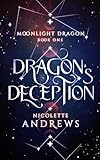
Overview: This opening installment of the Moonlight Dragon Trilogy introduces readers to a world where dragons walk among humans in disguise, weaving a tale of intrigue and supernatural romance. As a free ebook, it removes all financial barriers for readers curious about this paranormal fantasy series. The story centers on a protagonist discovering hidden draconic heritage and the dangerous secrets surrounding her identity.
What Makes It Stand Out: The zero-dollar price point is the most immediate differentiator, functioning as a confident loss leader that demonstrates faith in the series’ quality. The “dragons in modern/human society” premise offers fresh territory compared to traditional high fantasy settings. It appears designed to hook readers quickly with mystery elements and romantic tension that builds across the trilogy.
Value for Money: At $0.00, the value proposition is mathematically infinite. Readers risk only their time, making this an ideal low-commitment introduction to a new author. The strategy is clear: impress readers enough to invest in subsequent volumes. For budget-conscious fantasy fans, it’s a no-brainer download that costs nothing but could yield a new favorite series.
Strengths and Weaknesses:
- Strengths: Completely free; low-risk introduction; establishes intriguing world; likely includes cliffhanger that compels continuation; accessible prose style for broad audiences
- Weaknesses: Free status may indicate author is still building reputation; potential for incomplete story satisfaction; quality control can vary in indie publishing; ends on deliberate cliffhanger requiring purchase
Bottom Line: Download without hesitation. If the premise appeals, you’ve lost nothing but gained a potential new series worth following.
3. Dragon’s Temptation (Moonlight Dragon Trilogy Book 2)

Overview: The second book in the Moonlight Dragon Trilogy continues the story established in Dragon’s Deception, escalating the stakes as draconic secrets unravel further. This middle installment typically deepens character relationships and complicates the central conflict. At $5.99, it represents the standard price point for indie romance/fantasy ebooks and assumes readers have already invested in the series’ opening act and are committed to the storyline.
What Makes It Stand Out: As the bridge volume, this book likely reveals more about the dragon society’s rules and the protagonist’s growing powers. Middle books often contain the series’ most emotional character development and set up the finale’s conflicts. The title suggests increased romantic tension and possibly moral complexity regarding dragon nature versus human emotion, creating compelling internal conflict.
Value for Money: $5.99 sits squarely within industry standard for digital romance/fantasy novels. While not a bargain, it’s a fair price for a satisfying continuation. The value depends entirely on how well the first book hooked you. For committed readers, it’s a necessary purchase; for others, it may feel like a stepping stone rather than a destination.
Strengths and Weaknesses:
- Strengths: Continues engaging story; deepens world-building; develops romantic subplot; likely more action than first book; essential for series completion
- Weaknesses: Requires prior book knowledge; suffers potential “middle book syndrome”; price feels high compared to free first installment; may not provide standalone satisfaction
Bottom Line: Purchase only if Dragon’s Deception left you wanting more. Satisfying for series fans but not for casual readers.
4. Dawn of Dragons: The Complete Trilogy (World of Requiem)

Overview: This compilation delivers the entire World of Requiem trilogy for less than a dollar, offering readers a complete epic fantasy arc in a single purchase. The collection promises dragon-centric storytelling in a fully realized world where these creatures take center stage rather than lurking at the margins. For under a dollar, readers receive three full novels’ worth of content and can binge the entire saga.
What Makes It Stand Out: The 99-cent price for three books creates an almost unbeatable value proposition. This appears to be a promotional strategy to build readership for the broader Requiem universe. The compilation format eliminates waiting between installments, allowing for immersive binge-reading. The complete trilogy structure suggests a fully realized story arc rather than an open-ended series that might never conclude.
Value for Money: Exceptional doesn’t begin to describe the value. At roughly 33 cents per book, this is among the most aggressive pricing in digital fantasy. Even if the writing proves merely adequate, the sheer quantity alone justifies the cost. For readers seeking budget-friendly epic fantasy, this is a treasure trove that costs less than a cup of coffee but provides dozens of hours of entertainment.
Strengths and Weaknesses:
- Strengths: Unbeatable price for three books; complete story arc; no cliffhanger waiting; excellent for discovering new author; substantial reading hours
- Weaknesses: Unknown author quality; may contain indie publishing quirks; world-building might be less polished than major publishers; covers basic epic fantasy tropes without innovation
Bottom Line: An absolute steal for fantasy fans. Download immediately—you have virtually nothing to lose and potentially a new favorite world to gain.
5. Sensemory Book Dragon Ornament Book Lovers Gifts, Unique Christmas Ornaments Bookish Gifts for Women, Fantasy Themed Tree Decor for BookClub, Readers, Bookworm, Librarians, Men, Women

Overview: This decorative ornament celebrates the “book dragon” identity—playfully replacing “bookworm” with a more fantastical creature. Designed for fantasy readers, librarians, and book club members, this physical ornament adds literary flair to Christmas trees, reading nooks, or office spaces. At $9.99, it’s a niche gift item targeting passionate readers who embrace their love of fantasy literature.
What Makes It Stand Out: The product cleverly merges dragon mythology with book lover culture, creating a unique identity marker for fantasy enthusiasts. Unlike generic book ornaments, this specifically celebrates the fantasy genre. Its versatility allows year-round display in personal libraries, not just seasonal use. The design appears crafted to spark conversations among like-minded readers at gatherings or book club meetings.
Value for Money: For a specialty resin or ceramic ornament, $9.99 sits at the standard price point. Comparable literary-themed decorations range from $8-15, making this reasonably priced for its niche. The value derives from its specificity—finding fantasy-reader-specific gifts is challenging. For the right recipient, the emotional resonance outweighs the material cost significantly.
Strengths and Weaknesses:
- Strengths: Unique niche appeal; versatile display options; excellent gift for fantasy readers; quality craftsmanship; conversation starter for book clubs
- Weaknesses: Limited audience (non-readers won’t appreciate); seasonal primary use; material durability unknown; design may be too specific for some tastes
Bottom Line: Perfect gift for fantasy readers who proudly identify as book dragons. Delightful, if specialized, addition to any literary holiday celebration.
6. Homeland: Dungeons & Dragons: Book 1 of The Dark Elf Trilogy (The Legend of Drizzt)

Overview: Homeland launches R.A. Salvatore’s seminal Dark Elf Trilogy, chronicling Drizzt Do’Urden’s origins in the subterranean city of Menzoberranzan. This Dungeons & Dragons novel delivers a compelling character study wrapped in dark fantasy, exploring one drow’s rejection of his evil heritage. Readers witness Drizzt’s formative years through brutal family politics and moral awakening.
What Makes It Stand Out: Salvatore’s masterful world-building transforms the Underdark into a vivid, claustrophobic character of its own. The novel’s true innovation lies in its nuanced portrayal of drow society—not as monolithic evil, but as a complex culture shaped by Lolth’s machinations. Drizzt’s internal conflict and combat prowess create an irresistible protagonist that redefined fantasy anti-heroes.
Value for Money: At $16.02, this represents fair value for a modern trade paperback edition of a fantasy cornerstone. Comparable D&D novels typically retail between $15-18, positioning Homeland competitively. The enduring popularity ensures frequent reprints, making this price point accessible for both collectors and newcomers.
Strengths and Weaknesses: Strengths include iconic character development, visceral action sequences, and rich lore that enhances any D&D campaign. Weaknesses involve occasional melodramatic dialogue and dense exposition that may overwhelm readers unfamiliar with Forgotten Realms. Some tropes feel dated three decades after publication.
Bottom Line: Homeland remains essential reading for fantasy enthusiasts and mandatory for D&D players. While not flawless, its cultural impact and character depth justify the investment. Start here before exploring Drizzt’s extensive saga.
7. The Fifth Moon’s Tales: The Second Trilogy: Dragon and Jade: An Enemies to Lovers Romantasy (The Fifth Moon’s Tales Collection Book 2)

Overview: The Fifth Moon’s Tales: Dragon and Jade delivers a quintessential enemies-to-lovers romantasy experience as the second installment in its series. This genre-blending narrative combines high fantasy political intrigue with simmering romantic tension between rival factions. The story follows protagonists from opposing dragon-riding houses forced into uneasy alliance.
What Makes It Stand Out: The novel excels at balancing epic dragon battles with intimate character moments. Its fresh take on the “fated mates” trope subverts expectations through genuine ideological conflict rather than superficial attraction. The author crafts authentic emotional stakes where romance directly impacts geopolitical consequences.
Value for Money: Priced at $9.99, this represents strong value in the competitive romantasy market. Digital-first novels in this genre typically range $9.99-$14.99, making this an accessible entry point. However, as Book 2, it requires prior investment in the series starter.
Strengths and Weaknesses: Strengths include sizzling chemistry, creative dragon lore, and seamless genre integration. The pacing maintains tension between action and romance. Weaknesses involve occasional reliance on familiar tropes and limited accessibility for series newcomers. Some world-building elements assume prior knowledge.
Bottom Line: Perfect for readers craving both courtly intrigue and passionate romance. While not standalone, its execution justifies the series commitment. Fans of Fourth Wing and A Court of Thorns and Roses will find familiar comforts with unique dragon-centric twists.
8. Dragonsong (Harper Hall Trilogy, Book 1)

Overview: Anne McCaffrey’s Dragonsong opens the Harper Hall Trilogy within her legendary Pern universe. This coming-of-age story follows Menolly, a gifted musician in a society that undervalues female artists, as she discovers fire lizards and claims her destiny. The novel masterfully weaves music, dragons, and self-discovery.
What Makes It Stand Out: Unlike typical dragon-focused fantasy, Dragonsong centers on artistic expression as a form of power. McCaffrey’s pioneering feminist themes remain remarkably relevant, portraying a young woman’s struggle against patriarchal constraints. The intimate scale contrasts epic dragon battles with personal triumph.
Value for Money: At $7.85 for a used copy in good condition, this represents exceptional value. New editions often exceed $12, making this budget-friendly option ideal for exploring a foundational series. The “good condition” guarantee ensures readability while maintaining affordability.
Strengths and Weaknesses: Strengths include timeless characterization, unique magic system based on music, and accessible prose perfect for young adult and adult readers alike. Weaknesses involve dated gender dynamics reflective of its 1970s publication and slower pacing compared to modern fantasy. Used condition may vary slightly.
Bottom Line: An essential, affordable gateway into the Pern saga. McCaffrey’s influence on dragon fantasy cannot be overstated. This character-driven gem rewards patient readers with profound emotional resonance and imaginative world-building.
9. Dragons of Winter Night: The Dragonlance Chronicles

Overview: Dragons of Winter Night continues the Dragonlance Chronicles as the pivotal middle chapter in Weis and Hickman’s epic. The Companions face fractured alliances, dragon armies, and the growing darkness of Krynn. This installment deepens character arcs while escalating the war against Takhisis’s forces.
What Makes It Stand Out: The novel’s strength lies in its party dynamics—each Companion receives meaningful development amid tragedy. The introduction of dragonlances themselves provides iconic imagery that defined a generation of gaming. The authors masterfully balance multiple plotlines across a war-torn world.
Value for Money: At $7.99, this matches standard mass-market pricing for 1980s fantasy reprints. While fairly priced, its nature as Book 2 requires purchasing Autumn Twilight first, effectively doubling initial investment. Considered alone, it offers incomplete narrative satisfaction.
Strengths and Weaknesses: Strengths include memorable character deaths that raise stakes, dragon lore integration, and classic D&D party chemistry. Weaknesses involve middle-book syndrome with unresolved plot threads and reliance on dated tropes. The prose reflects its gaming origins, occasionally reading like session transcripts.
Bottom Line: Mandatory for Dragonlance devotees but inaccessible as an entry point. Purchase only after committing to the full Chronicles trilogy. Its emotional payoff depends entirely on prior investment in these beloved characters.
10. Dragons of Autumn Twilight: The Dragonlance Chronicles
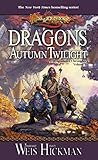
Overview: Dragons of Autumn Twilight ignites the Dragonlance Chronicles, introducing the world of Krynn and its iconic Companions. Weis and Hickman’s collaborative masterpiece transforms D&D campaign sessions into a cohesive narrative of friendship, betrayal, and ancient dragons awakening. This is where the legend begins.
What Makes It Stand Out: As the foundation of a multimedia franchise, this novel pioneered the “novelized campaign” approach. The diverse party—Tanis, Raistlin, Caramon, and others—each embodies classic D&D archetypes while achieving surprising depth. The blend of epic fantasy and gaming culture created a new subgenre.
Value for Money: The $7.99 price point represents fair market value for a mass-market paperback of this vintage. Comparable 1980s fantasy reprints maintain similar pricing. As the series entry point, this single purchase determines whether you’ll invest in subsequent volumes.
Strengths and Weaknesses: Strengths include foundational world-building, memorable character banter, and genuine party camaraderie that feels authentic. Weaknesses involve uneven pacing, exposition-heavy passages, and prose that occasionally prioritizes game mechanics over literary elegance. Some fantasy conventions feel overly familiar today.
Bottom Line: Essential reading for understanding fantasy gaming’s literary impact. While stylistically dated, its historical significance and enduring charm make it worthwhile. Start here before Winter Night to appreciate the full saga.
What Defines an Epic Quest Trilogy in Dragon Fantasy?
An epic quest trilogy transcends the simple “hero goes on journey” template when dragons enter the equation. The structure demands three distinct acts: establishment of a dragon-touched world, deepening complications of human-dragon relations, and a culminating confrontation that redefines both species’ futures. Unlike standalone novels, trilogies allow dragons to evolve from mysterious legends to complex characters with their own motivations, societies, and existential threats.
The “epic” designation requires stakes that extend beyond personal survival or kingdom politics. Dragon-centric trilogies should explore ecological balance, magical physics, and inter-species coexistence on a timeline spanning centuries. The quest itself becomes a multi-generational undertaking where dragon longevity fundamentally alters narrative pacing—what’s a decade to a creature that lives a thousand years? This temporal disconnect creates unique storytelling opportunities that only the trilogy format can properly develop.
The Evolution of Dragon Lore in Modern Fantasy
Modern dragon trilogies have moved far beyond the treasure-hoarding monsters of early folklore or the simplistic mounts of mid-century fantasy. Contemporary authors treat dragons as sophisticated beings with complex social structures, languages that defy human vocalization, and magical systems intrinsically tied to their biology. Understanding this evolution helps readers appreciate the depth they should demand from current series.
The shift toward intelligent, morally ambiguous dragons reflects our cultural maturation. Where once we needed clear-cut villains, today’s readers crave dragons as mirrors to our own societal challenges—colonialism, environmental destruction, cultural extinction. The best trilogies position dragons as both metaphor and fully realized characters, their ancient perspectives challenging humanity’s shortsightedness while their individual personalities drive emotional investment.
Key Elements That Make Dragon Trilogies Unforgettable
The most memorable dragon trilogies share several non-negotiable elements. First, they establish clear biological and magical rules for their dragons that remain consistent across all three books—nothing breaks immersion faster than a dragon suddenly developing abilities that contradict earlier worldbuilding. Second, they create meaningful communication between species, whether through telepathy, learned language, or symbiotic bonds that transcend words.
Third, and most crucially, unforgettable trilogies give dragons agency. These aren’t pets, transportation, or weapons of mass destruction that humans wield arbitrarily. Dragons make choices with consequences, pursue their own agendas, and sometimes flatly refuse human demands. This agency creates genuine tension—when a dragon and rider disagree, both must navigate a relationship of equals rather than master and servant, elevating the quest from simple adventure to philosophical exploration.
Worldbuilding Excellence: Creating Believable Dragon Realms
Dragon habitats can’t be afterthoughts. A trilogy worth your time constructs ecosystems where dragons fit logically into food chains, geography, and climate. Volcanic regions might house fire-breathers who maintain the mantle’s stability, while ice dragons could be essential to preserving glacial freshwater reserves. These environmental integrations make dragons essential rather than ornamental.
The world’s history must also reflect draconic influence. Architecture would account for aerial threats or alliances; trade routes might depend on dragon migration patterns; military strategy necessarily evolves when castles become vulnerable from above. The best trilogies show this historical layering—ancient dragon treaties influencing modern politics, abandoned dragon roosts repurposed as human settlements, linguistic traces of draconic languages in place names. This depth rewards readers who commit to the full three-book journey.
Understanding Dragon Psychology and Intelligence
A dragon’s mind should be fundamentally alien yet relatable. Their immense lifespans create psychological differences—dragons might view human lifetimes as fleeting, making emotional attachments either precious or foolish. Some trilogies explore how memory works across centuries: do dragons compress experiences, or do they remember every detail with perfect clarity? This cognitive architecture shapes plot possibilities.
Intelligence levels vary across series, but consistency matters. If dragons solve complex magical theorems in book one, they shouldn’t be outwitted by simple traps in book two without explanation. Superior intelligence also demands corresponding weaknesses—perhaps dragons struggle with creative thinking, bound by ritual and tradition, while humans’ short lives make them adaptable innovators. These complementary strengths and limitations create balanced partnerships that drive compelling quests.
The Hero’s Journey: Human and Dragon Protagonists
In exceptional trilogies, both human and dragon undergo parallel hero’s journeys. The human might grow into leadership while the dragon confronts the weight of ancestral memory. Their paths intersect and diverge, creating a dual narrative that explores themes of legacy, sacrifice, and transformation from two species’ perspectives.
The mentor archetype often gets fascinating treatment in dragon trilogies. A thousand-year-old dragon mentoring a teenage human inverts traditional wisdom narratives—the dragon has seen countless heroes rise and fall, making them simultaneously encouraging and detached. Conversely, a young dragon paired with an experienced human creates generational role reversal, exploring how ancient species adapt to changing worlds. The trilogy length allows these relationships to evolve naturally, avoiding rushed bonding that plagues shorter formats.
Magic Systems That Enhance Dragon Narratives
Magic and dragons should be symbiotic, not arbitrary. In well-crafted trilogies, dragons might be living conduits of magical energy, their very presence affecting spellcasting. Their biology could produce magical byproducts—shed scales become spell components, breath weapons alter ley lines, hibernation cycles coincide with magical fluxes. These connections make dragons inseparable from the world’s magical mechanics.
The trilogy structure allows magic systems to escalate appropriately. Book one might establish basic rider-dragon telepathy, book two reveals how multiple dragons create magical resonance effects, and book three explores the catastrophic consequences of disrupting draconic magical fields. This progression feels organic rather than power-creep, because the foundation laid in early volumes supports later revelations.
Power Dynamics: Politics, Kingdoms, and Dragon Influence
Dragons as political entities create fascinating power structures. Do they rule openly through draconic monarchies? Manipulate human governments from the shadows? Maintain strict neutrality while selling their services to the highest bidder? The best trilogies treat dragons as geopolitical forces whose actions ripple across borders and generations.
Quests become more complex when they disrupt established power balances. Retrieving a stolen dragon egg isn’t just a rescue mission—it’s potentially triggering a war between dragon clans, or giving a kingdom unprecedented aerial superiority. The trilogy format allows authors to explore long-term consequences: how does a kingdom that borrowed dragon power for a war in book one handle the debt and dependency by book three? These cascading political consequences make the world feel alive and responsive.
Essential Character Archetypes in Dragon Quests
Beyond the classic rider, compelling trilogies develop varied human roles. Dragon scholars dedicate lives to translating ancient wyrm texts, revealing that dragons recorded history humans have forgotten. Dragon healers understand biology that defies conventional medicine, treating injuries from molten blood or reverse-engineering regeneration. Dragon diplomats navigate etiquette where a misplaced word could trigger extinction-level retaliation.
On the draconic side, archetypes should be equally nuanced. The ancient archivist dragon who remembers when humans were primitive might view the quest as a tedious but necessary alliance. The adolescent dragon, barely a century old, could mirror human teenage rebellion, questioning traditions that older dragons enforce. The wounded veteran of draconic wars might have PTSD symptoms manifesting as magical instability. These varied perspectives prevent dragons from becoming a monolithic species.
Prophecies, Ancient Magic, and Dragon Mythology
Prophecies in dragon trilogies should reflect draconic temporality. A prophecy spanning “three ages” might be incomprehensible to humans but represent a reasonable timeframe for dragons. The best series embeds these prophecies in draconic culture—carved into scales, sung in infrasound across continents, encoded in star patterns visible only to creatures that can fly above cloud cover.
Ancient magic tied to dragons requires historical depth. Perhaps dragons engineered the world’s magic system millennia ago, making them living administrators of a cosmic operating system. Quests then become debugging missions or security patches for magical vulnerabilities. This framework explains why dragons are necessary to the world’s function while giving their involvement cosmic significance beyond mere firepower.
Pacing: Balancing Epic Battles and Quiet Moments
Dragon trilogies must resist the urge to make every climax a massive aerial battle. The most powerful moments often occur in quiet conversations where species miscommunication creates tension. A dragon explaining to a human why their “rescue” was actually a kidnapping by draconic law carries more weight than another castle siege.
The three-book structure allows for strategic deployment of spectacle. Book one might feature a single dragon’s devastating appearance, establishing their power. Book two escalates to dragon-on-dragon combat, revealing their vulnerabilities. Book three delivers a confrontation that redefines what dragon battles mean—perhaps the ultimate conflict isn’t physical but metaphysical, fought across shared consciousness. This measured escalation prevents desensitization to draconic might.
Inter-species Bonds: More Than Just Riders
The human-dragon relationship works best when it’s not uniformly romanticized. Some bonds might be parasitic, where one species gains at the other’s expense. Others could be commensal, coexisting without deep connection. The rare mutualistic bond becomes precious because it’s earned, not assumed. Trilogies have space to explore all three types across different character pairs.
Cultural exchange enriches these relationships. Humans might adopt draconic concepts of honor that prioritize lineage over individual achievement. Dragons could learn human improvisation, adapting to crises their traditions don’t address. The quest becomes a crucible where these cultural exchanges are tested—do bonds forged in crisis survive peacetime, or were they merely strategic alliances? Three books provide time to ask these questions meaningfully.
Red Flags: What to Avoid in Dragon Fantasy
Beware trilogies where dragons are essentially flying horses with attitude. If the dragon’s personality could be swapped for a loyal dog or sassy cat without changing the plot, the author hasn’t thought deeply enough about inter-species dynamics. Similarly, avoid series where dragon size scales conveniently—massive enough to be impressive but suddenly compact when the plot needs them to fit through doorways.
Another warning sign is the “dragon ex machina”—dragons arriving to solve unsolvable problems without proper setup. The trilogy format should prevent this through foreshadowing and established rules. If a dragon’s breath weapon suddenly has a property never mentioned before to resolve a climax, the author has sacrificed internal consistency for spectacle. Quality series plant these seeds early, making revelations feel earned rather than desperate.
Evaluating Writing Quality in Epic Fantasy
Dragon trilogies demand exceptional descriptive prose. Writers must convey scale—a dragon’s wing span should feel awe-inspiring, not just numerically large. They need to handle multiple viewpoints convincingly, making dragon chapters feel intellectually distinct from human ones without resorting to simplistic language for either. The best authors vary sentence rhythm to reflect draconic patience versus human urgency.
Dialogue requires particular skill. Dragons shouldn’t speak like humans wearing scales, but they also need to be comprehensible. Look for series where dragon speech patterns reflect their biology—perhaps they use infrasound for emotional subtext, or their grammar prioritizes temporal clauses over immediate action. These linguistic choices signal worldbuilding depth that sustains interest across three substantial volumes.
The Art of the Trilogy Conclusion
A dragon trilogy’s final book must resolve both species’ arcs while maintaining the world’s integrity. The temptation to deliver a definitive “humans and dragons live happily ever after” often betrays the complexity built over previous volumes. Stronger conclusions accept that fundamental differences may persist, but mutual understanding makes coexistence possible.
The best endings revisit earlier locations and characters, showing how draconic presence has permanently altered them. A village that once feared dragons might now build landing platforms for diplomatic visits. A dragon roost that was a mysterious fortress could become a shared library. These tangible changes demonstrate that the quest accomplished something permanent, not just defeated a villain. The trilogy earns its conclusion when both species’ worlds are recognizably transformed.
Frequently Asked Questions
What makes a trilogy “epic” versus just a three-book series?
Epic trilogies feature world-altering stakes, extensive worldbuilding that spans cultures and timelines, and protagonists whose actions reshape societies. In dragon fantasy specifically, “epic” means dragons influence geopolitics, ecology, and magic systems, not just individual heroes’ journeys.
How important is scientific accuracy in dragon biology?
While dragons are magical creatures, internal consistency matters enormously. The best trilogies establish biological rules—how flight works with their mass, how fire-breathing affects their metabolism, how longevity impacts memory—and stick to them. This pseudo-scientific foundation makes magical elements more believable.
Should I start with a dragon trilogy if I’m new to fantasy?
Dragon trilogies can be excellent entry points because they often exemplify fantasy’s core strengths: immersive worldbuilding, clear good vs. evil stakes, and wonder. However, their complexity means some series assume familiarity with genre conventions. Look for trilogies that balance accessibility with depth.
Why do so many dragon trilogies involve bonding or riding?
The rider-dragon bond creates immediate interpersonal stakes and solves communication challenges. But modern trilogies increasingly explore alternatives: dragons as independent political entities, as environmental forces, or as mentors rather than mounts. Don’t limit yourself to traditional bonding narratives.
How can I tell if a trilogy treats dragons as characters or just weapons?
Read the first book’s dragon chapters carefully. Do dragons make choices that complicate the plot? Do they have relationships beyond their human partner? Are their motivations explained from their perspective? If dragons only appear during battles or transportation, they’re likely plot devices rather than characters.
What’s the typical page count for a quality dragon trilogy?
Epic fantasy trilogies generally run 300,000-450,000 words total (roughly 1,000-1,500 pages). Dragon trilogies often trend longer due to the need for extensive worldbuilding and multiple POVs. Be wary of series that feel rushed at under 250,000 words—they may lack necessary depth.
Are dragon trilogies suitable for younger readers?
Many are written for adult audiences due to complex political themes and violent battle scenes. However, the genre spans YA to grimdark. Check content warnings for specific concerns: some series explore draconic reproduction graphically, while others include dragon-on-dragon violence that can be intense.
How do trilogies handle dragon language and communication?
Methods vary: telepathic bonds, magically translated speech, learned draconic languages, or non-verbal communication through gesture and shared memory. The best approach depends on the story’s needs, but consistency across all three books is crucial. Sudden communication method changes usually signal lazy plotting.
What role should romance play in dragon trilogies?
Romance between humans is common, but inter-species romantic subplots require careful handling. Most successful trilogies keep relationships platonic or familial, focusing on deep friendship or mentorship. Romantic undertones between species often feel forced unless the worldbuilding specifically addresses compatibility and consent.
Can a trilogy still be satisfying if the dragons aren’t “good guys”?
Absolutely. Dragons as antagonists, or as morally ambiguous forces following their own inscrutable ethics, often create more compelling narratives. The key is understanding their motivations. Even “evil” dragons should have reasons beyond simple destruction—perhaps they’re enforcing ancient contracts humans have forgotten, or their life cycle requires periodic culling that appears malevolent to short-lived species.