For gamers who’ve ever min-maxed a character build, theory-crafted the perfect rotation, or chased that dopamine hit of unlocking a game-breaking ability, Magic-System LitRPGs deliver something extraordinary: the satisfaction of hard-earned power with the narrative depth of a great novel. These aren’t just stories about wizards; they’re stories where magic operates with the mechanical transparency of a well-designed video game, complete with skill trees, resource management, and progression loops that would make any MMO veteran nod in appreciation.
The genre has exploded because it scratches an itch that traditional fantasy often can’t—bridging the gap between “because the plot says so” and “here’s exactly how and why this spell works.” Whether you’re a raider who lives for optimization, a casual player who enjoys steady progression, or a lore-hound fascinated by internally consistent worlds, understanding what makes a magic-system LitRPG truly exceptional will transform how you choose your next literary grind.
Top 10 LitRPG Books for Gamers
Detailed Product Reviews
1. Dungeon Crawler Carl

Overview: Dungeon Crawler Carl redefines the LitRPG genre with its darkly comedic take on dungeon diving. When Earth becomes a reality TV show for alien entertainment, Carl and his ex-girlfriend’s cat Princess Donut must survive a brutal dungeon where death is permanent but ratings are everything. This genre-bending novel delivers equal parts hilarity and genuine tension.
What Makes It Stand Out: The brilliant premise of a televised apocalypse combined with a talking cat companion creates unforgettable moments. Matt Dinniman’s sharp wit transforms standard RPG mechanics into satirical commentary on media consumption. The relationship between Carl and Princess Donut evolves from amusing gimmick to genuine emotional core, setting this apart from typical power-fantasy LitRPG.
Value for Money: At $11.38, this lengthy novel offers exceptional value compared to shorter LitRPG entries. The book’s substantial page count and high re-readability justify the premium over $4.99 indie titles. You’re investing in a polished, professionally edited series starter that maintains quality throughout its considerable length.
Strengths and Weaknesses:
- Strengths: Hilarious writing that never undermines stakes; creative monster design; Princess Donut’s character development; unique worldbuilding that critiques entertainment culture.
- Weaknesses: Dark humor may alienate readers seeking traditional fantasy; some mid-book trials feel repetitive; Princess Donut’s dialogue can be divisive.
Bottom Line: For LitRPG fans craving originality with their stat sheets, this is essential reading. The price reflects quality, and the series only improves. Just don’t get too attached to the NPCs.
2. The Grand Game, Book 1: A Dark Fantasy LitRPG Adventure

Overview: This series opener thrusts readers into a grim world where game mechanics govern survival and power corrupts absolutely. Tom Elliot crafts a morally ambiguous tale of a protagonist navigating a system that rewards cruelty as much as competence. The dark fantasy setting emphasizes consequence over wish fulfillment.
What Makes It Stand Out: The “Grand Game” itself operates as a mysterious, malevolent force rather than a simple system interface. Elliot’s commitment to dark themes creates genuine uncertainty about character survival. The magic system, based on soul-binding and sacrifice, offers fresh mechanics rarely explored in brighter LitRPG worlds.
Value for Money: The $4.99 price point positions this competitively among indie LitRPG launches. It provides a complete story arc while establishing series lore, avoiding the “first book setup” pitfall. Comparable dark fantasy entries often charge $6.99+, making this an accessible entry point for curious readers.
Strengths and Weaknesses:
- Strengths: Consistently dark tone without edginess; complex antagonists with understandable motivations; innovative corruption mechanics; strong pacing that balances action and worldbuilding.
- Weaknesses: Protagonist’s moral flexibility may frustrate readers wanting clear heroes; limited humor provides little tonal relief; some game mechanics remain underexplained until later books.
Bottom Line: A solid foundation for fans of grimdark LitRPG. The price is right for sampling a new series, but commit only if you enjoy morally gray protagonists in genuinely dangerous worlds.
3. Dreams of Power, The Grand Game, Book 9: A Dark Fantasy LitRPG Adventure

Overview: Reaching book nine in Tom Elliot’s dark saga, Dreams of Power delivers the long-promised escalation of stakes and abilities. Veteran readers finally witness the Grand Game’s deeper rules as established characters face consequences from eight books of choices. This is not a jumping-on point but a payoff.
What Makes It Stand Out: The series-long character arcs culminate in transformations that feel earned rather than power-creep. Elliot’s worldbuilding consistency across nine volumes shines as early mysteries resolve. The political maneuvering between power players who’ve all survived the Game’s cruelty creates multi-layered conflicts beyond simple combat.
Value for Money: At $7.99, this premium pricing reflects the established audience and accumulated lore. While higher than book one, it’s justified for fans invested in the journey. New readers should start at book one; for veterans, this offers substantial progression and answers worth the uptick.
Strengths and Weaknesses:
- Strengths: Satisfying payoff for long-term readers; evolved protagonists with complex motivations; revelations about Game’s origins; increased scale without losing personal stakes.
- Weaknesses: Completely inaccessible to newcomers; requires refresh of previous books’ details; some plot threads feel rushed to set up finale; darker than ever.
Bottom Line: Essential for series devotees who’ve followed the Grand Game this far. The price rewards loyal readers with substantial developments. If you haven’t started the series, this isn’t your entry point.
4. The Bystander: A Horror Movie LitRPG (The Game at Carousel Book 1)

Overview: Christopher Keene merges slasher film tropes with LitRPG mechanics in this inventive survival horror. The protagonist isn’t the hero but the “bystander”—a role with unique disadvantages in a deadly game structured like horror movie sequels. Each death resets the timeline with accumulated knowledge as the only progression.
What Makes It Stand Out: The horror movie framing device creates immediate tension and recognizable scenarios. Keene cleverly subverts genre expectations by making the “final girl” tropes actual mechanics. The psychological toll of repeated deaths and the mystery of Carousel’s true nature drive the narrative beyond simple body-count entertainment.
Value for Money: $4.99 positions this niche blend competitively. Horror-LitRPG crossovers remain rare, and this offers a complete experience with series potential. Comparable indie horror novels typically cost the same without the interactive game elements, making this a smart value for dual-genre fans.
Strengths and Weaknesses:
- Strengths: Unique premise executed with horror fan knowledge; tension from permanent death mechanics; creative use of familiar tropes; protagonist’s growth through failure feels earned.
- Weaknesses: Appeal limited to both horror and LitRPG fans; some RPG elements underdeveloped; pacing suffers during repeat scenarios; supporting characters lack depth.
Bottom Line: A fresh take that mostly succeeds in merging two demanding genres. At this price, it’s worth the gamble for horror fans curious about LitRPG or vice versa, though it may not fully satisfy purists of either.
5. A Gamer’s Wish: An Urban Fantasy LitRPG Series (Hidden Wishes Book 1)

Overview: Tao Wong launches his Hidden Wishes series with a grounded urban fantasy where magic exists beneath modern society’s surface. When a failed game developer discovers the real-world RPG system governing hidden powers, he must navigate both stat progression and the dangerous politics of Vancouver’s magical underworld.
What Makes It Stand Out: Wong’s strength lies in making game mechanics feel naturally integrated into urban settings rather than imposed. The protagonist’s gaming background provides logical problem-solving approaches without overpowering him. Real-world locations and economic constraints ground the fantasy in relatable struggles.
Value for Money: The $0.99 price is a deliberate loss-leader that screams confidence. Wong essentially offers a full-length trial of his series quality. Most comparable urban fantasy LitRPGs debut at $4.99, making this a risk-free introduction. The value proposition is undeniable for curious readers.
Strengths and Weaknesses:
- Strengths: Seamless integration of RPG mechanics into urban setting; realistic protagonist limitations; strong worldbuilding with clear rules; excellent gateway drug for LitRPG newcomers.
- Weaknesses: Familiar tropes for genre veterans; slower start while establishing “real world” before magic; some stat-heavy sections may bore action-focused readers.
Bottom Line: An absolute steal at $0.99. Wong provides a professional, accessible entry point to both his series and the broader LitRPG genre. Even if you bounce off, you’ve lost less than a dollar.
6. The First Great Game (Book eleven) - A LitRPG/Harem sci-fantasy series
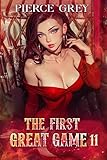
Overview: As the eleventh installment in this genre-blending saga, The First Great Game delivers another heavy dose of stat-driven action mixed with harem elements and sci-fantasy world-building. This entry assumes you’ve followed the protagonist’s journey through countless level-ups and relationship developments, offering no hand-holding for newcomers.
What Makes It Stand Out: The series distinguishes itself by merging traditional LitRPG mechanics with harem dynamics and science-fantasy aesthetics. By book eleven, the character relationships are deeply intertwined with the game system, creating unique synergies between party members. The sci-fantasy setting allows for creative skill trees that blend magic and technology in ways few series attempt.
Value for Money: At $5.99, this sits comfortably in the standard ebook pricing tier. For fans invested in the series, it offers substantial content that rewards long-term readership. However, newcomers must purchase previous installments, making the true cost of entry significantly higher. Compared to anthology collections, it provides focused narrative progression.
Strengths and Weaknesses: Strengths include complex character dynamics, innovative game mechanics, and satisfying progression payoffs for dedicated readers. The harem elements are integrated into the power system rather than feeling tacked on. Weaknesses include a steep barrier to entry—this is not a jumping-on point. The pacing occasionally stalls during relationship management scenes, and some plot threads feel stretched across too many volumes.
Bottom Line: This is strictly for established fans of the series who enjoy harem LitRPG. If you’ve made it to book eleven, this delivers exactly what you’re looking for. New readers should start at the beginning.
7. World Nexus, The Grand Game, Book 3: A Dark Fantasy LitRPG Adventure

Overview: World Nexus represents the third chapter in The Grand Game series, plunging readers deeper into its dark fantasy interpretation of virtual world mechanics. The protagonist faces escalating stakes as the game’s true nature becomes more sinister and the line between player and character continues to blur in meaningful ways.
What Makes It Stand Out: This installment excels at expanding the game’s mythology while tightening psychological tension. The “World Nexus” concept introduces interconnected realms that affect each other across server boundaries, creating complex strategic layers. The dark fantasy elements move beyond aesthetic, fundamentally corrupting typical game tropes into something more menacing and unpredictable.
Value for Money: Priced at $6.99, this aligns with industry standards for indie LitRPG ebooks. The length and density of world-building justify the cost for genre enthusiasts. Compared to subscription services or traditionally published alternatives, it offers specialized content for dedicated fans seeking darker narratives.
Strengths and Weaknesses: Strengths include intricate magic systems that feel genuinely dangerous, morally ambiguous NPCs, and stakes that permanently affect the game world. The author avoids power-creep pitfalls by introducing meaningful costs to advancement. Weaknesses include a dense plot that requires meticulous attention and prior book knowledge. Some readers may find the grim tone exhausting, and the middle-book structure leaves several threads unresolved.
Bottom Line: An essential read for fans of dark LitRPG who are following The Grand Game. The world-building rewards investment, but newcomers must start with book one. Perfect for readers who like their progression fantasy with moral complexity.
8. Way of the Wolf, The Grand Game, Book 2: A Dark Fantasy LitRPG Adventure

Overview: The second entry in The Grand Game series continues the protagonist’s journey through a brutal, mechanics-driven dark fantasy world. Way of the Wolf focuses on survival and adaptation as the main character embraces bestial transformation abilities that come with significant trade-offs and social consequences.
What Makes It Stand Out: This installment deepens the series’ signature grim atmosphere while exploring power’s consequences through its lycanthropic progression path. The “Way of the Wolf” skill tree offers unique abilities that permanently alter gameplay and NPC interactions. The book shines when examining how mechanical advantages create narrative disadvantages and moral dilemmas.
Value for Money: At $6.99, this matches standard ebook pricing for the genre. It delivers a complete arc within a larger saga, avoiding the cliffhanger fatigue common in middle books. For readers who enjoyed the first installment, it provides consistent quality and expanded scope without filler content.
Strengths and Weaknesses: Strengths include satisfying character growth, creative beast-taming mechanics, and a world that reacts dynamically to player choices. The transformation sequences are viscerally described, enhancing immersion. Weaknesses include pacing that occasionally prioritizes system mechanics over plot momentum. The dark tone, while consistent, may limit appeal. As a direct sequel, it offers no recap, requiring immediate reading of book one.
Bottom Line: A solid continuation that builds meaningfully on its predecessor. Mandatory for series followers, but inaccessible to new readers. Ideal for fans who appreciate when LitRPG mechanics create genuine character challenges rather than simple power fantasies.
9. Changing Faces - A LitRPG Adventure (New Game Minus Book 1)

Overview: Changing Faces launches the New Game Minus series with a fresh take on the LitRPG formula. The premise centers on a protagonist who enters the game world with unexpected disadvantages, forcing creative problem-solving over raw power. This first installment establishes the rules while delivering immediate action and strategic depth.
What Makes It Stand Out: The “Minus” concept inverts typical power fantasy expectations, starting the hero in a weakened state that requires exploiting system loopholes. This creates genuine tension rarely found in progression fantasy. The book also features a unique identity-shifting mechanic that affects both stats and social standing, creating unpredictable gameplay scenarios.
Value for Money: At $4.99, this is an attractive entry point for newcomers to the series and genre. The lower price point reduces risk for readers curious about the “Minus” twist. It offers complete story satisfaction while teasing future installments, making it a smart investment for budget-conscious gamers seeking quality indie fiction.
Strengths and Weaknesses: Strengths include a clever magic system, underdog protagonist appeal, and a self-contained narrative that doesn’t require series commitment. The identity mechanics create genuinely surprising plot developments. Weaknesses include some first-book exposition dumps and a smaller-scale story that may disappoint readers expecting epic scope. The supporting cast needs further development in future volumes.
Bottom Line: An excellent starting point for LitRPG fans seeking something different from the standard power-fantasy template. The unique mechanics and attractive price make it easy to recommend. Worth your time and money, especially if you enjoy strategic underdog stories.
10. Ancient Debts, The Grand Game, Book 7: A Dark Fantasy LitRPG Adventure

Overview: The seventh volume of The Grand Game series delves into the accumulated consequences of previous adventures. Ancient Debts explores how past choices return with mechanical and narrative weight, as long-forgotten quests and NPCs resurface with compound interest. The protagonist must reconcile their growing power with mounting obligations.
What Makes It Stand Out: This installment shines by making history matter in a genre often focused on forward progression. The debt system creates retroactive stakes, where actions from books one through six generate new challenges. The book masterfully weaves together disparate plot threads, rewarding long-term readers with satisfying payoffs that lesser series would ignore.
Value for Money: At $7.99, this is priced slightly above typical indie LitRPG ebooks, reflecting its position as a later series entry with accumulated lore value. For dedicated fans, the premium is justified by the culmination of multiple story arcs. However, the total series investment cost is substantial, making it a specialized purchase.
Strengths and Weaknesses: Strengths include brilliant continuity management, complex political intrigue amplified by game mechanics, and character development rooted in years of fictional history. The debt mechanic creates fresh tension in an established world. Weaknesses include near-total inaccessibility for new readers and pacing that occasionally buckles under its own narrative weight. The dark themes intensify, potentially alienating casual fans.
Bottom Line: A must-read for committed followers of The Grand Game series who’ve invested in the journey. Delivers exceptional payoff for long-term readers but offers nothing for newcomers. The price premium reflects its specialized audience.
What Defines a Magic-System LitRPG?
At its core, a Magic-System LitRPG combines explicit game-like mechanics with narrative storytelling, where magical abilities are governed by quantifiable rules, statistics, and progression systems. Unlike traditional fantasy where magic might be mysterious and capricious, these stories present magic as a system that can be learned, optimized, and mastered through deliberate effort. The “LitRPG” element means characters literally see their world through a game-like interface—complete with status screens, skill notifications, and damage numbers floating above their targets.
The magic system itself becomes a character in the story, evolving as the protagonist unlocks new tiers of power, discovers synergies between abilities, or exploits emergent mechanics in creative ways. This creates a feedback loop where readers aren’t just passively consuming a story; they’re mentally theory-crafting alongside the main character, anticipating combinations and evaluating trade-offs as if they were planning their own character build.
Why Gamers Are Drawn to Magic-System LitRPGs
The appeal runs deeper than simple power fantasy. Gamers understand intrinsically that mastery requires understanding systems, and Magic-System LitRPGs reward that mindset. Every spell acquisition feels like unlocking a new ability in your favorite RPG, every mana pool increase mirrors hitting a key stat threshold, and every magical duel plays out with the tactical depth of a well-designed PvP match. These stories validate the hundreds of hours gamers spend optimizing builds and studying mechanics.
The Psychology of Magical Progression
Our brains are wired to respond to predictable reward schedules. When a character’s Fireball spell levels up from Tier 1 to Tier 2, dealing precisely 47% more damage while costing 20% more mana, it triggers the same neural pathways as leveling a weapon skill in Dark Souls or unlocking a new talent point in World of Warcraft. This isn’t accidental—authors deliberately design these systems to create tangible stakes and measurable growth that resonate with gaming psychology.
From Button-Mashing to Theory-Crafting
The best Magic-System LitRPGs distinguish themselves by moving beyond simple “spell goes brrr” mechanics. They introduce elemental interactions, status effect chains, environmental modifiers, and cooldown management that reward strategic thinking. Readers find themselves mentally calculating optimal rotations, debating whether to invest in mana regeneration or spell power, and considering the opportunity cost of every magical decision—exactly the kind of deep engagement that separates casual players from dedicated ones.
Core Elements of a Compelling Magic System
A truly engaging magical framework rests on three pillars: consistency, transparency, and depth. Consistency means the rules don’t arbitrarily change when the plot demands it—if casting a spell requires somatic components in chapter three, that limitation should persist unless the character specifically unlocks a passive ability to bypass it. Transparency ensures readers understand the mechanics enough to anticipate outcomes and appreciate clever solutions. Depth provides layers of complexity that reward continued investment and analysis.
The magic system must also offer meaningful choices. If every caster eventually learns every spell, the sense of specialization disappears. Instead, compelling systems force trade-offs: specializing in pyromancy might lock you out of water magic, or investing heavily in destructive spells might cripple your utility options. These decisions create identity and replay value—even in a linear narrative, readers imagine alternative builds and “what if” scenarios.
The Rule of Cool vs. Mechanical Integrity
Every Magic-System LitRPG walks a tightrope between spectacular magical feats and maintaining system integrity. When a protagonist combines five spells in a novel way to defeat a boss, it should feel like a legitimate exploitation of the game’s mechanics—not a deus ex machina with pretty visual effects. The most satisfying moments come when readers can trace the logical steps: “Of course ice walls shatter under sonic damage, creating shrapnel that procs his bleeding effect!” This is the literary equivalent of discovering a broken combo in Magic: The Gathering.
Hard vs. Soft Magic Systems in LitRPG
Brandon Sanderson’s famous distinction between hard and soft magic systems finds perfect application in LitRPG. Hard magic systems operate like programming languages—explicit, logical, and predictable. Readers know the inputs and can anticipate outputs. Soft magic systems retain mystery and wonder, with undefined limits that serve narrative purposes. In LitRPG, hard magic dominates because gamers demand transparency, but the best stories blend both approaches.
When Hard Magic Systems Enhance Gameplay
Hard magic creates the foundation for strategic depth. When you know that Force Push has a 3-second cast time, costs 50 mana, and applies a knockback of 5 meters per 100 points of spellpower, you can plan entire combat sequences around those numbers. This precision allows for genuine tactical innovation—players (and readers) can theory-craft with confidence, knowing the system won’t betray their understanding. The satisfaction of solving a magical puzzle comes from working within known constraints.
The Role of Soft Magic in Narrative Freedom
Even in the most mechanically explicit LitRPGs, soft magic elements provide breathing room. Ancient curses, divine interventions, or magic from extinct civilizations can operate by different rules, creating mystery and stakes that transcend the standard mechanics. These elements work best when they’re clearly delineated from the core system—perhaps appearing as “unlearnable” abilities or plot devices that can’t be replicated or optimized. This preserves wonder without undermining the integrity of the grindable magic system.
Progression Mechanics That Matter
Progression is the lifeblood of any LitRPG, but Magic-System LitRPGs require particularly careful balancing. The progression curve must feel substantial without becoming a slog, and each power increase needs to open new gameplay options rather than just bigger numbers. Look for systems where advancing from Apprentice to Journeyman fundamentally changes how you approach problems, not just increases your damage modifier.
The best progression systems incorporate multiple vectors: vertical progression (more powerful versions of existing abilities), horizontal progression (new utility options), and transformative progression (abilities that change core mechanics). A fire mage who can eventually imbue weapons with flame is horizontal progression. One who learns to convert damage dealt into a temporary shield is transformative. Systems that offer all three keep the experience fresh across hundreds of chapters.
The Grind: When It Works and When It Doesn’t
Grinding in games can be meditative; grinding in literature can be tedious. Effective Magic-System LitRPGs abstract the repetitive parts while highlighting strategic decisions. Instead of reading about a character casting the same spell a thousand times, you’ll see them experiment with different training methods, debate which stats to prioritize during a limited-time event, or risk dangerous shortcuts for faster gains. The grind should serve character development and world-building, not just inflate word count.
Power Ceilings and Endgame Content
Every system needs a theoretical ceiling, but the journey there should remain compelling. Stories that introduce “ascension” mechanics—where reaching max level in one magic school unlocks an entirely new progression layer—mirror MMO expansions that raise level caps while adding new systems. Be wary of tales where characters become functionally omnipotent without new challenges to match their power. The best authors scale threats appropriately or introduce lateral progression that emphasizes mastery over raw power.
Mana Management and Resource Systems
Basic mana bars are entry-level design. Sophisticated Magic-System LitRPGs treat magic as an ecosystem of resources: mana, life force, ambient elemental energy, cooldowns, material components, and even mental stamina. This complexity transforms spellcasting from a simple rotation into a resource allocation puzzle. Should you burn rare reagents for a guaranteed critical hit, or save them for crafting? Is it worth draining your health to overcharge a spell?
Regeneration Mechanics and Downtime
How a character recovers resources shapes the entire narrative pace. Systems with slow natural regeneration create tension around every encounter and force creative problem-solving when depleted. Fast regeneration enables sustained action but requires other limiting factors to maintain challenge. The most interesting systems tie regeneration to in-world actions: meditating at ley lines, consuming specific foods, or performing rituals. This connects mechanics to world-building and creates meaningful downtime activities.
Alternative Cost Systems
Some of the most innovative Magic-System LitRPGs ditch mana entirely. Magic might cost memories, years of lifespan, or impose permanent character flaws. These systems excel at creating weighty decisions where every spell cast has narrative consequences. When a character must choose between erasing a cherished memory to save a friend or finding another solution, the magic system becomes a vehicle for character development rather than just combat mechanics.
Spell Crafting and Customization Options
Pre-defined spell lists are fine, but the real addiction begins when readers can design their own magic. Spell crafting systems that allow combining runes, modifying parameters, and discovering emergent properties mirror the creativity of modding communities. The joy comes from experimentation—what happens if you add a “lingering” modifier to a “force” effect? Suddenly you’re not just reading about magic; you’re participating in its creation.
Effective crafting systems balance freedom with constraints. Unlimited options lead to analysis paralysis and broken combos, while too many restrictions feel arbitrary. The sweet spot offers clear building blocks with surprising interactions. Perhaps there are only twenty base runes, but their combinations produce thousands of valid spells, and the community (both in-world and among readers) constantly discovers new meta-defining synergies.
The Joy of Discovery vs. Recipe Following
The difference between a great crafting system and a mediocre one lies in how spells are learned. Systems that require players to discover combinations through experimentation feel organic and reward creativity. Those that simply unlock recipes at certain skill thresholds feel like checking boxes. The best stories blend both—core spells are taught, but true mastery comes from pushing boundaries and risking catastrophic failure for unique rewards.
Balance in Player Creativity
When characters can create custom spells, authors face a monumental balancing challenge. The solution often involves introducing counter-systems: dispel mechanics that target specific spell signatures, anti-magic fields that punish over-reliance on magic, or resource costs that scale exponentially with power. This creates a living meta where yesterday’s broken combo becomes today’s easily-countered gimmick, exactly like balance patches in competitive games.
Class Systems and Magical Archetypes
Class design in Magic-System LitRPGs must serve two masters: narrative identity and mechanical diversity. A “Necromancer” class isn’t just about raising undead—it should offer a distinct playstyle with unique resource management (perhaps using corpses as a resource), rotation priorities (maintaining minions while dealing damage), and strategic considerations (moral implications, counter-classes). The class should feel different from playing a Pyromancer or Cryomancer at a fundamental level.
Multi-classing and hybrid builds add another layer of complexity. Systems that allow mixing archetypes must carefully manage synergy to prevent every character from becoming a homogenized “do everything” mage. Effective implementations use diminishing returns, mutually exclusive specialization paths, or narrative consequences that make hybridization a meaningful choice rather than an obvious optimization.
The Support Caster Dilemma
In gaming, support roles often feel less glamorous than DPS. Magic-System LitRPGs face the same challenge—how do you make buffing, debuffing, and crowd control as engaging as throwing fireballs? The answer lies in giving support magic depth and impact. A well-timed haste spell that enables a crucial combo feels more skillful than simply casting another nuke. Stories that highlight strategic support play validate readers who prefer enabling others over solo carry fantasies.
Unique Class Identity
The most memorable Magic-System LitRPGs invent classes that couldn’t exist in traditional RPGs. Imagine a “Chronomancer” whose abilities affect cooldown timers and cast times, or a “Weaver” who literally manipulates the magical interface itself. These unique identities create fresh narrative possibilities and mechanical puzzles that veteran gamers haven’t solved a thousand times before.
World-Building Integration
A magic system doesn’t exist in a vacuum—it fundamentally shapes civilization. In a world where anyone can learn fire magic, how does architecture adapt? Are cities built from stone to prevent arson, or do fireproofing enchantments become a booming industry? Magic-System LitRPGs that explore these implications create immersive worlds that feel lived-in and logical. The presence of game-like mechanics should influence culture, economy, and social structures.
Transportation, communication, and warfare all transform when magic follows predictable rules. Instant teleportation might make traditional shipping obsolete, creating economic disruption. Scrying spells could eliminate privacy, leading to magical counter-surveillance industries. These second-order effects separate shallow LitRPGs (where magic is just combat lipstick) from deep ones where it’s the foundation of society.
Magical Technology and Infrastructure
When magic operates like code, you get magical programming languages, enchanted automation, and spell-powered factories. The intersection of magic and technology creates fascinating possibilities: self-repairing city walls, automated farming golems, or communication networks built from linked scrying pools. These elements make the world feel futuristic despite its fantasy trappings, appealing to gamers who love engineering creative solutions.
Cultural Impact of Systematized Magic
In a world with visible stats and levels, social hierarchies would inevitably form around magical aptitude. Would society worship high-level mages as gods, or implement level caps to prevent tyranny? Do magical bloodlines matter when anyone can grind their skills? The best Magic-System LitRPGs explore how quantifiable power reshapes philosophy, religion, and politics—creating conflict that transcends simple good vs. evil.
Combat Mechanics and Magical PvP
Combat in Magic-System LitRPGs should read like a high-level arena match, where positioning, cooldown tracking, and baiting out counters matter as much as raw power. Authors must choreograph fights that satisfy gamers accustomed to frame-perfect inputs and split-second decision-making. This means telegraphing major abilities, establishing clear rules about cast interruption, and showing consequences for misplays.
Player vs. Player (or mage vs. mage) combat raises the stakes exponentially. Unlike PvE where patterns can be learned, human opponents adapt and exploit. Effective magical PvP introduces mind games: bluffing with fake casts, baiting defensive cooldowns, or using unconventional spell combos that counter the meta. These duels should feel like chess matches where pieces can cast Fireball, with victory going to the better strategist, not just the higher level.
The Importance of Telegraphing
In games, powerful abilities have wind-up animations and visual tells. LitRPGs need equivalent narrative telegraphing—perhaps a surge of ambient mana, specific incantations, or obvious casting stances. This creates dramatic tension as opponents recognize threats and react accordingly. It also prevents cheap “gotcha” moments where a character pulls out an unknown instant-win ability. Gamers respect fights where they can see the setup and appreciate the payoff.
Crowd Control and Status Effects
The unsung heroes of magical combat are slows, stuns, silences, and debuffs. Stories that treat these as tactical tools rather than annoyances open up richer combat scenarios. A well-placed silence that interrupts a boss’s ultimate ability should feel as clutch as a massive damage spike. Systems that allow stacking debuffs or combining status effects reward coordination and planning, especially in group combat scenarios that mirror dungeon runs.
Crafting and Economic Systems
Magic item creation in LitRPGs operates like endgame crafting in MMOs: rare materials, complex recipes, random stat rolls, and the eternal chase for BiS (Best in Slot) gear. But the best systems go deeper, creating full economic simulations where supply, demand, and player ingenuity drive markets. When a character discovers a new enchantment technique that floods the market with cheap teleportation scrolls, the world should react—prices crash, rival enchanters scheme, and kingdoms panic about security.
The gathering side matters too. Rare reagents shouldn’t just drop from random mobs; they should have logical sources (mana-rich crystals form near ley lines, phoenix feathers are only obtainable during specific lunar phases). This creates opportunity cost—do you spend a week farming materials or buy them at inflated prices? Do you risk entering a PvP zone for rare herbs? These decisions mirror the risk/reward calculations gamers make daily.
Gathering vs. Buying Components
This classic MMO dilemma translates perfectly to narrative tension. A character who spends days personally harvesting rare materials develops a different relationship with their crafted items than one who simply purchases them. Stories that explore this divide create character-driven conflict: the artisan who values craftsmanship versus the pragmatist who sees time as the ultimate resource. Both approaches are valid, but they reveal different priorities and create different vulnerabilities.
Rarity Tiers and Power Scaling
Common, Uncommon, Rare, Epic, Legendary—these tiers are familiar, but their narrative implementation matters. A Legendary item should feel legendary, with unique effects that can’t be replicated and story significance beyond stats. Systems that tie item rarity to world events (the only sword forged during the Crimson Moon eclipse) create collectible appeal and investment value that resonates with gamers who’ve camped rare spawns for days.
Community and Multiplayer Elements
Even in single-player narratives, the best Magic-System LitRPGs simulate community dynamics. Characters exchange build advice, trade rare components, or theory-craft in taverns. This mirrors gaming culture where Discord servers buzz with optimization discussions and Reddit threads dissect patch notes. The community becomes a character itself, driving innovation and creating social pressure that influences protagonist decisions.
Guild structures, party dynamics, and raid coordination translate surprisingly well to literature. Watching a well-oiled group execute a complex strategy—tank holding aggro, DPS cycling cooldowns, support landing clutch saves—provides the same satisfaction as watching a world-first raid clear video. The interpersonal drama of loot distribution, role rivalry, and leadership conflicts adds human depth to mechanical mastery.
Theory-Crafting Communities
In-world forums, magical research journals, or spell-crafting competitions create spaces where characters collaboratively push the system’s boundaries. These scenes allow authors to showcase clever interactions without endless exposition. When a side character posts a breakthrough build that revolutionizes the meta, it feels authentic to gaming culture and creates ripple effects that drive plot. The protagonist might adapt the discovery, counter it, or be threatened by its implications.
Competitive vs. Cooperative Play
Magic-System LitRPGs shine when they explore both paradigms. Competitive ladder climbing creates clear goals and rivalries, perfect for driven protagonists. Cooperative raid content emphasizes teamwork and specialization, allowing ensemble casts to shine. The tension between these modes—does the group need a support mage or another damage dealer?—creates realistic conflict and forces characters to justify their build choices socially, not just mechanically.
Narrative Structure and Pacing
The eternal LitRPG challenge: how do you make stat screens and level-ups compelling without turning the story into a spreadsheet? The answer lies in pacing and integration. Status screens should appear at meaningful moments—after a breakthrough, before a major decision, or when comparing builds with a rival—not every time a skill gains a single point. Information should be revealed strategically, teasing future possibilities without overwhelming readers with data.
The tutorial phase is particularly perilous. Gamers tolerate hand-holding in games because they’re actively playing; readers have less patience for extended exposition. Effective Magic-System LitRPGs either accelerate the tutorial, integrate it into compelling early conflict, or frame it as a mystery to be solved rather than a manual to be read. The protagonist should discover the system through experimentation and consequence, not info-dumps from a robotic guide.
The Tutorial Phase Problem
Every gamer knows the tutorial slog, and LitRPGs risk replicating it narratively. The solution? Make the tutorial deadly. If the “safe” starting zone is actually a crucible where mistakes are fatal, every lesson carries weight. Alternatively, have the protagonist skip or subvert the tutorial through cleverness, forcing them to learn through trial and error while more conventionally-trained characters judge their unorthodox methods. This creates immediate tension and validates gamer instincts to skip cutscenes and figure things out.
Pacing for Different Playstyles
Some readers want constant action; others enjoy slow-burn base-building and crafting. Magic-System LitRPGs can accommodate both by structuring arcs like game expansions: intense raid content followed by downtime for theory-crafting and preparation. This rhythm mirrors how gamers actually play—no one raids 24/7. The key is ensuring that “downtime” chapters still advance character, world, or system understanding, not just fill space between fights.
Red Flags to Avoid
Not all Magic-System LitRPGs are created equal, and several warning signs indicate a shallow experience. Power creep that outpaces challenge scaling makes later chapters feel meaningless—if every problem is solved by “casting bigger spell,” tension evaporates. Inconsistent rule application is even worse; if the protagonist forgets abilities or mechanics when convenient, the entire system’s integrity collapses.
Beware the “numbers go up” trap, where progression is purely statistical. A fireball that deals 100 damage at level 1 and 10,000 damage at level 100 without changing mechanically is lazy design. True progression should alter gameplay: area of effect increases, new utility functions unlock, or casting mechanics become more flexible. Without this, you’re just watching an idle game play itself.
The “Numbers Go Up” Trap
This is the most common pitfall. An author increases damage values but never introduces new tactical considerations. Combat becomes a foregone conclusion based on who has higher stats, eliminating the strategic depth that gamers crave. The fix? Ensure every significant power increase comes with new decision points. Learning Meteor Swarm isn’t just about bigger numbers—it’s about choosing between concentrated damage or area coverage, managing longer cast times, and dealing with friendly fire risk.
Inconsistent Rule Application
Nothing breaks immersion faster than a character using an ability in chapter 50 that would have trivially solved a problem in chapter 10. Authors must maintain internal consistency or provide clear justification for rule changes (perhaps a system update, a discovered exploit, or a narrative cost). Gamers are notoriously detail-oriented; they’ll remember that the protagonist has a silence ability when the villain starts monologuing, and they’ll call foul if it’s ignored for dramatic convenience.
How to Evaluate Reviews and Recommendations
When scouting your next Magic-System LitRPG, learn to read between the lines of reviews. A reviewer praising “fast pacing” might mean “constant power fantasy with no challenge.” “Deep magic system” could mean “the author lists a lot of spells” or “the mechanics have emergent complexity”—context matters. Look for specific examples: does the reviewer mention clever spell interactions, or just that “the magic is cool”?
Pay attention to reviewer bias. A casual reader might love a story because the protagonist is overpowered, while a hardcore gamer criticizes the same book for lack of strategic depth. Identify reviewers whose priorities align with yours. If you want crunchy mechanics, find reviewers who discuss optimization and system mastery. If you prefer narrative, follow reviewers who focus on character arcs and world-building integration.
Decoding Community Feedback
Reddit threads and Discord discussions often reveal more than formal reviews. If the community is actively theory-crafting builds, debating optimal strategies, and creating fan-wikis, the system has depth worth exploring. If discussions devolve into arguing whether the protagonist is a “Mary Sue,” the power scaling has likely broken down. Look for communities that analyze mechanics rather than just fan-casting the movie adaptation.
Sample Size and Consensus
A single negative review among dozens of positives might indicate a mismatch in taste rather than quality. However, if multiple reviewers independently cite the same issues—power creep, inconsistent rules, shallow progression—that’s a reliable red flag. Conversely, widespread praise for specific mechanical elements (like innovative crafting or balanced PvP) suggests those aspects are genuinely well-executed. Trust patterns over individual opinions.
Frequently Asked Questions
What makes a magic system “LitRPG” rather than just fantasy with game elements?
A true Magic-System LitRPG explicitly quantifies magical mechanics through interfaces, statistics, and progression systems that characters interact with directly. It’s not just that magic exists in a game world—it’s that magic is the game, with visible numbers, skill trees, and rules transparent enough for optimization. The characters know they’re operating within a system and make decisions based on that awareness.
How important is numerical transparency in these stories?
Critically important for gamer audiences. While exact formulas aren’t always necessary, understanding the rules that govern magic enables readers to anticipate outcomes and appreciate clever solutions. Stories that hide mechanics behind “mysterious forces” lose the strategic depth that defines the genre. However, some soft magic elements can coexist alongside hard systems for narrative flexibility.
Do I need to be a hardcore gamer to enjoy Magic-System LitRPGs?
Not at all. While gamers appreciate the mechanical depth, quality stories layer compelling characters, world-building, and narrative stakes that engage any fantasy reader. The game-like elements should enhance the story, not replace it. Many readers discover they enjoy the strategic thinking these books encourage, even without an MMO background.
What’s the difference between progression fantasy and Magic-System LitRPG?
All Magic-System LitRPGs are progression fantasy, but not all progression fantasy is LitRPG. Progression fantasy focuses on character growth and increasing power, while LitRPG specifically uses game-like mechanics and interfaces as core narrative elements. A story about a wizard learning stronger spells is progression fantasy; a story where that wizard sees XP bars, mana numbers, and skill notifications is LitRPG.
How do authors prevent magic systems from becoming too complicated?
Effective authors introduce complexity gradually, using the protagonist’s learning curve to teach readers. They also create “build guides” within the story—mentor characters, codex entries, or community discussions that distill key information. The trick is showing complexity through application rather than exposition; readers learn by seeing the system used in creative ways, not by reading a manual.
Are there Magic-System LitRPGs without combat focus?
Absolutely. Some of the best examples focus on crafting, base-building, or social engineering. These stories treat magic as a tool for creation and problem-solving rather than destruction. A protagonist might be a magical architect designing self-defending fortresses, or a runesmith creating enchanted infrastructure. The mechanics are just as deep, but the challenges are economic, logistical, or political.
How do these stories handle balance and power creep?
Top-tier authors treat their magic systems like live-service games, introducing counter-systems, soft caps, and new challenges that scale with power. They might add anti-magic zones, enemies with unique resistances, or social consequences for flaunting power. Some implement “prestige” mechanics where reaching the top of one progression path unlocks an entirely new system, resetting the curve while preserving investment.
What should I look for in a first Magic-System LitRPG?
Start with stories that match your gaming preferences. Love deep crafting? Find one focused on magical item creation. Prefer PvP? Look for arena arcs and magical dueling. Check reviews for mentions of “clear mechanics” and “consistent rules” to avoid frustrating experiences. Sample the first few chapters to see if the tutorial phase is handled gracefully or drags on.
Can Magic-System LitRPGs have good character development?
Mechanical depth and character depth aren’t mutually exclusive. The best stories use the magic system as a vehicle for character growth—perhaps a protagonist must choose between power and humanity, or their build reflects their personality flaws. When characters make suboptimal mechanical choices for narrative reasons, it creates compelling tension between system mastery and emotional truth.
How do I know if a magic system is truly innovative or just flashy?
Innovative systems change how characters approach problems at a fundamental level. If removing the magic system would make no difference to the plot, it’s just window dressing. True innovation creates scenarios that couldn’t exist in traditional fantasy—like magical speedruns, exploit hunting, or meta-game shifts after a “patch.” Look for reviews discussing emergent gameplay and surprising interactions rather than just impressive spell descriptions.